Zimbabwe Safari in December–March: Green Season Wildlife 2026
Discover Zimbabwe's green season safari (Dec–Mar 2026): lush landscapes, newborn wildlife, 50+ bird species daily, and $2,500–$4,500 per person. Book now.
Zimbabwe Safari December–March: Green Season 2026
Last updated: July 2026
A Zimbabwe green season safari from December to March offers lush landscapes, newborn wildlife, and fewer tourists than dry season visits. Expect to pay $2,500–$4,500 per person for a 7-day package. The best time is January–February when calves are strongest and birding peaks. Book through verified operators on SafariFind to compare packages and read authentic traveler reviews.
At a Glance
- Cost: $2,500–$4,500 per person for 7 days in 2026
- Best time: January–February when baby animals are active and vegetation is lush
- Duration: 7–10 days recommended for Hwange and Mana Pools
- Getting there: Fly into Harare or Victoria Falls; most lodges arrange ground transfers
- Best for: Birders, photographers, wildlife lovers seeking solitude and lower prices
- Wildlife highlights: Newborn calves, leopards, African wild dogs, over 400 bird species
What Is Zimbabwe Safari in December–March: Green Season Wildlife 2026?
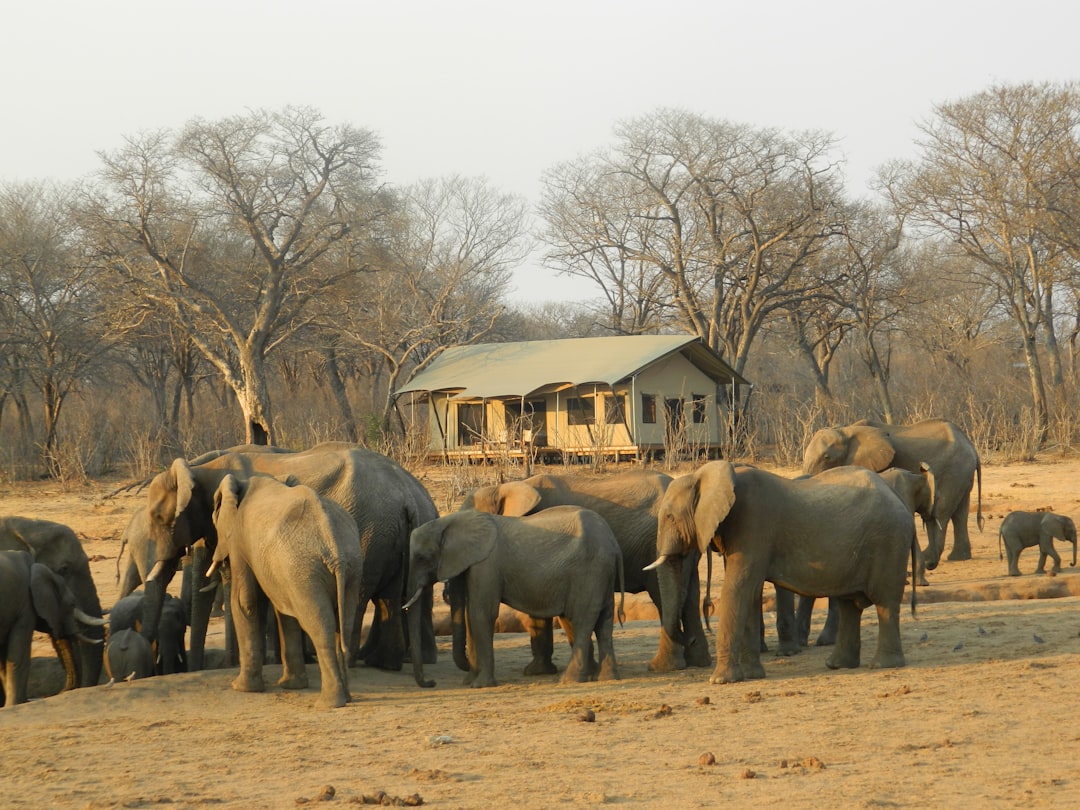
Zimbabwe's green season safari runs from December through March, transforming the landscape into a lush, verdant paradise. During these months, the rainy season brings abundant water and vegetation growth. Wildlife converges on the Ngamo Plains and water sources as pregnant animals prepare to give birth and breed. This period differs sharply from the dry season experience—fewer tourists, lower prices, and intimate wildlife encounters replace the crowded dry season spectacle.
The green season is not just about wildlife. Victoria Falls reaches its peak flow during this time, with massive volumes of water cascading over 100 meters into the gorge. The surrounding jungle becomes lush and green, dotted with spectacular bursts of color as rainforest flowers bloom. This natural wonder alone makes the journey worthwhile.
Zimbabwe's green season safari appeals to travelers who want authentic wilderness experiences without fighting crowds. Mana Pools National Park and Hwange National Park are the primary destinations, each offering distinct advantages. Mana Pools excels for walking safaris and intimate predator sightings. Hwange is famous for its massive elephant herds and diverse wildlife. Both parks transform during the rains into photographer's paradises.
The green season also marks the best time for birding in Southern Africa. Over 400 bird species inhabit Zimbabwe's parks during these months. Migratory species arrive alongside resident birds, creating unparalleled birding opportunities. Whether you're a serious birder or casual wildlife enthusiast, the abundance of avian life is stunning.
Pricing during the green season is significantly lower than dry season rates. Lodges drop prices by 20–40% to attract visitors during the "shoulder season." This makes luxury safari experiences more accessible to budget-conscious travelers. You can enjoy premium accommodations and expert guides without the premium price tag.
Zimbabwe safari packages under $2,000 are rare, but green season deals offer exceptional value. Compare verified operators on SafariFind to find the best rates and read honest reviews from past travelers.
Why Visit Zimbabwe During Green Season?
Wildlife Viewing at Its Peak
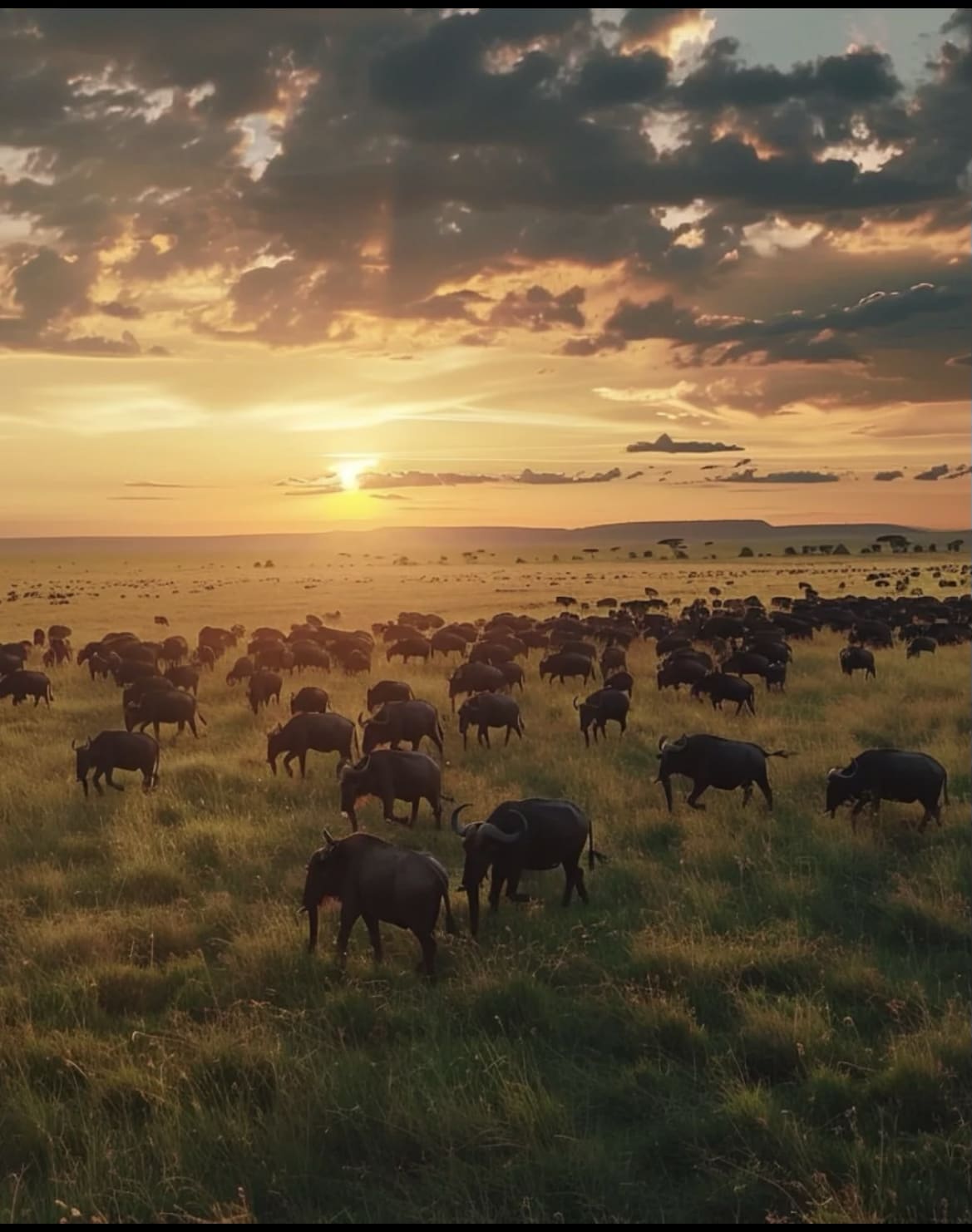
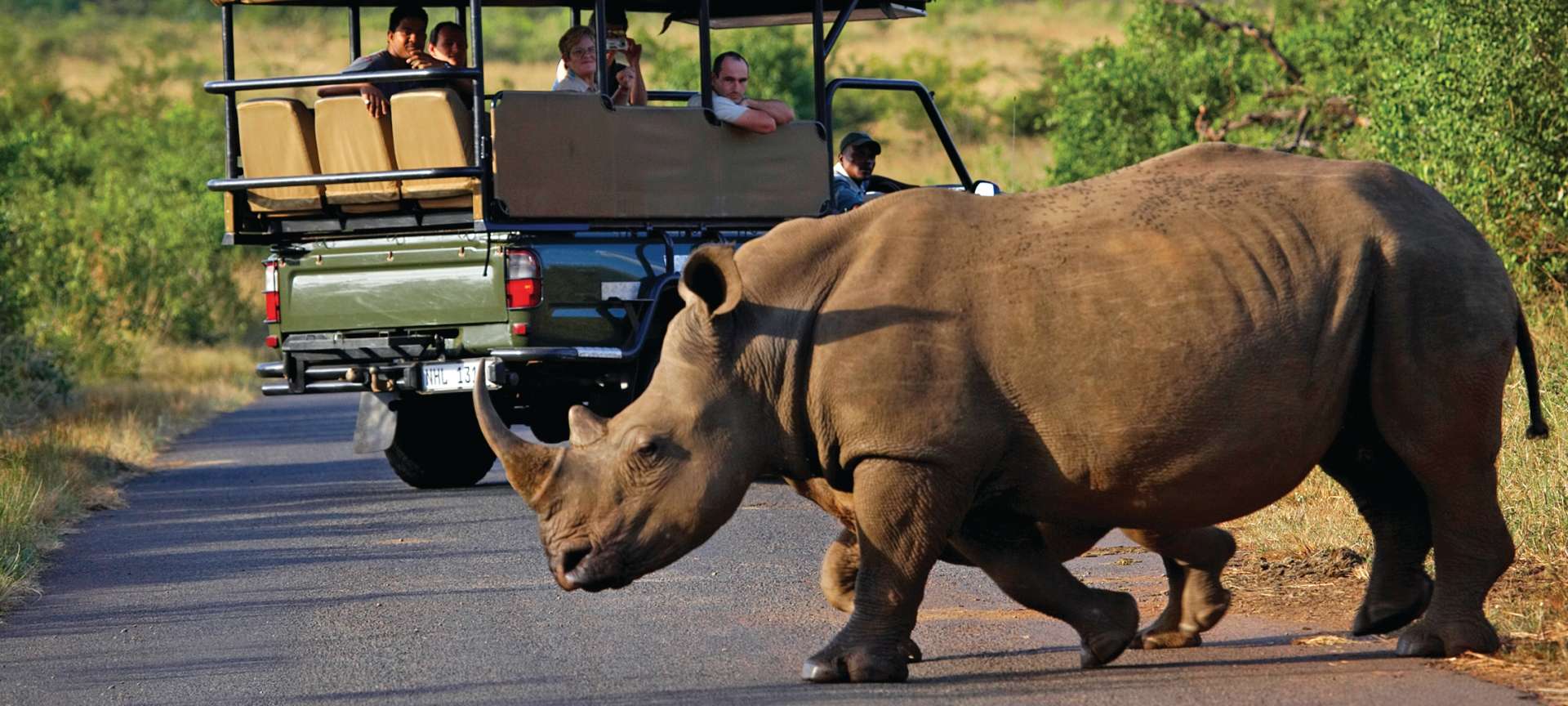
Newborn animals are the main attraction during green season. Calves are born between November and February, making January and February ideal for witnessing new life. Baby elephants, zebras, impalas, and wildebeest roam alongside their mothers. Predators follow these vulnerable calves, creating dramatic hunting opportunities for photographers and wildlife watchers.
Mana Pools National Park is renowned for walking safaris where you explore on foot with expert guides. This valley of oxbow lagoons and ebony groves holds Africa's finest leopard sightings and a purity of wilderness that has all but vanished elsewhere. Walking safaris during green season offer unmatched intimacy with wildlife. You move quietly through the landscape, observing animals in their natural behavior.
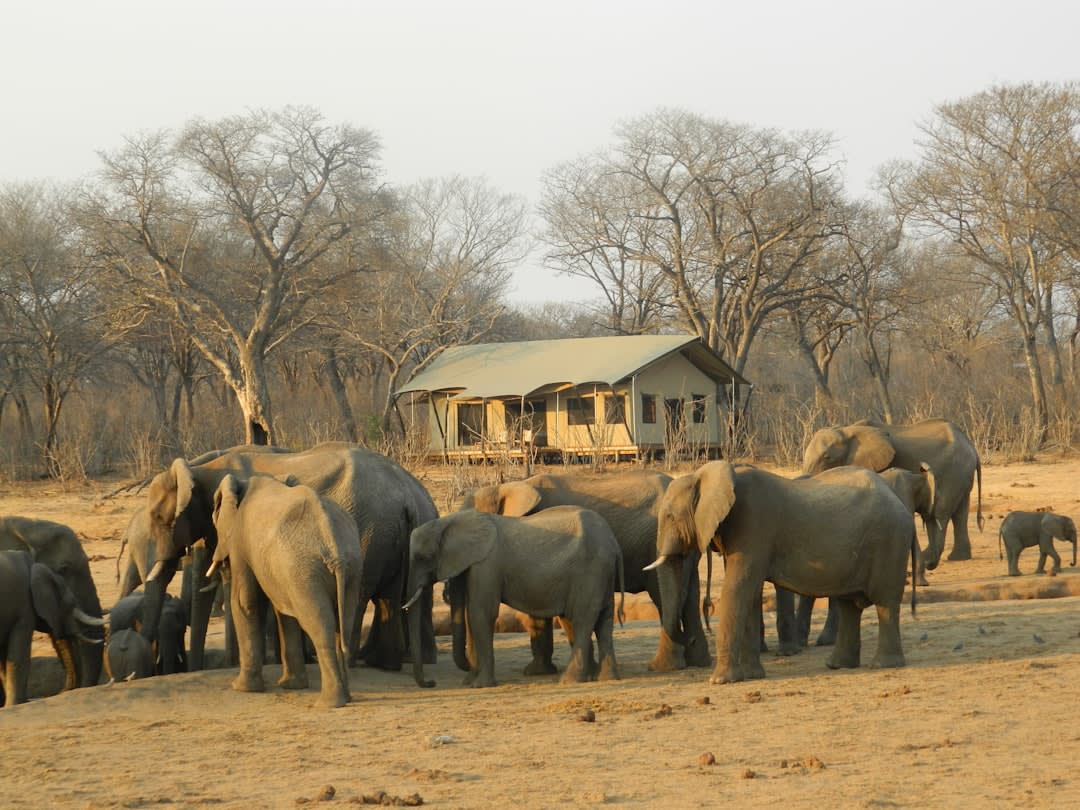
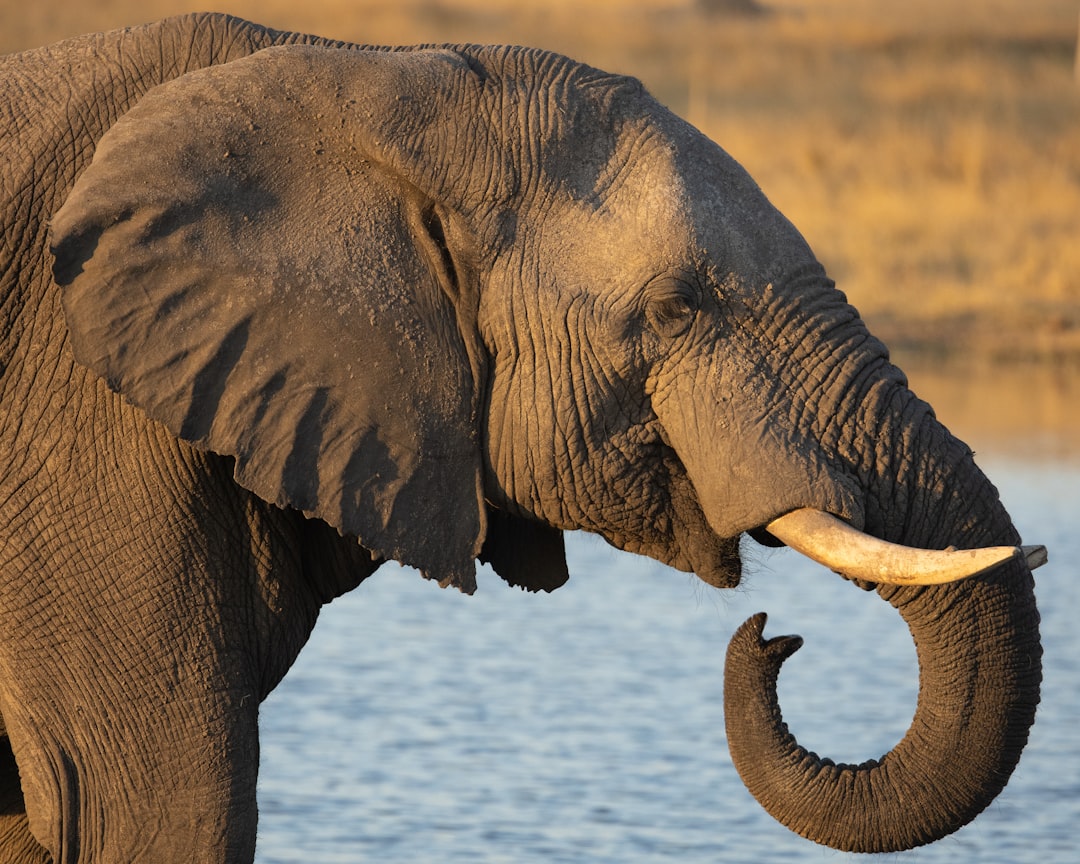
Hwange National Park's massive elephant herds are particularly active during the rains. The park protects over 100,000 elephants—the largest elephant population in Southern Africa. During green season, these herds spread out across the landscape, no longer concentrated at water holes. This dispersal creates more diverse daily sightings and better photography opportunities.
Birding Paradise
Over 400 bird species thrive in Zimbabwe during the green season. Migratory species like Carmine Bee-eaters, Pennant-winged Nightjars, and African Skimmers arrive in massive numbers. Resident species display vibrant plumage and breeding behaviors. Serious birders consider December through March the absolute best time to visit Zimbabwe.
The lush vegetation provides perfect habitat for birds. Trees are full of insects, seeds, and fruit. Water sources attract countless species. Birding guides in Zimbabwe are exceptional—many hold international certifications and can identify species by call alone.
Fewer Tourists, More Solitude
The dry season (July–September) attracts massive tourist crowds. Parks become busy, lodges overflow, and wildlife viewing feels crowded. Green season is the opposite. Most international tourists avoid the rainy season, leaving parks peaceful and uncrowded. You might spend entire days without seeing another safari vehicle.
This solitude enhances the experience. Guides spend more time with each group. Lodge staff provide personalized attention. You feel like you've discovered a private wilderness rather than visiting a popular tourist destination.
Lower Prices and Better Deals
Green season pricing is 20–40% lower than dry season rates. A luxury lodge charging $400 per night in July might cost $250 in February. This price reduction applies to package safaris, activity fees, and guide services. Your safari budget stretches further during green season.
Many operators offer special promotions during these months. Package deals combining multiple parks become more affordable. Upgrade opportunities to premium lodges appear at standard prices. Smart travelers book green season safaris to maximize value.
For those seeking budget options, Zimbabwe safari cost comparisons show green season as the most economical time to visit. Request quotes from multiple verified operators on SafariFind to find the best deals.
Best Parks and Destinations for Green Season
Mana Pools National Park
Mana Pools covers 2,196 square kilometers in northern Zimbabwe along the Zambezi River. The park is famous for walking safaris, canoeing, and intimate predator encounters. During green season, the landscape transforms into a verdant paradise. Floodplains fill with water, creating oxbow lagoons where wildlife congregates.
Walking safaris are the signature experience here. Expert guides lead small groups on foot through the wilderness. You track predators, observe herbivores, and experience Africa as explorers did decades ago. Green season walking safaris are particularly rewarding because vegetation is dense and animals remain active throughout the day.
Mana Pools excels for leopard sightings. The park has one of Africa's highest leopard densities. During green season, leopards hunt actively, especially targeting young animals. Patient observers and skilled guides frequently encounter these elusive cats.
Hwange National Park
Hwange National Park covers 14,651 square kilometers in northwestern Zimbabwe. It protects Africa's largest elephant population—over 100,000 animals. The park also hosts abundant lions, buffalo, zebras, and giraffes. Green season transforms Hwange into a lush wildlife haven.
During the dry season, wildlife concentrates at artificial water holes, creating predictable viewing. Green season disperses animals across the landscape as natural water sources fill. This dispersal means more varied daily sightings. You might encounter elephants in the morning, wild dogs at midday, and lions at sunset.
Hwange offers excellent lodge options ranging from budget to luxury. Many lodges are situated at water holes, providing excellent game viewing from the comfort of your room. During green season, these locations offer surprisingly good wildlife viewing without the crowded atmosphere of dry season.
Victoria Falls
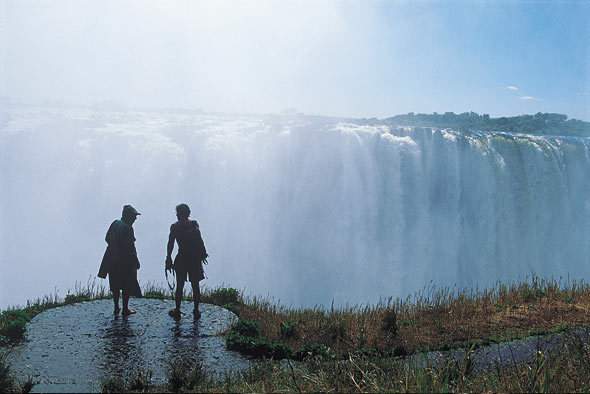
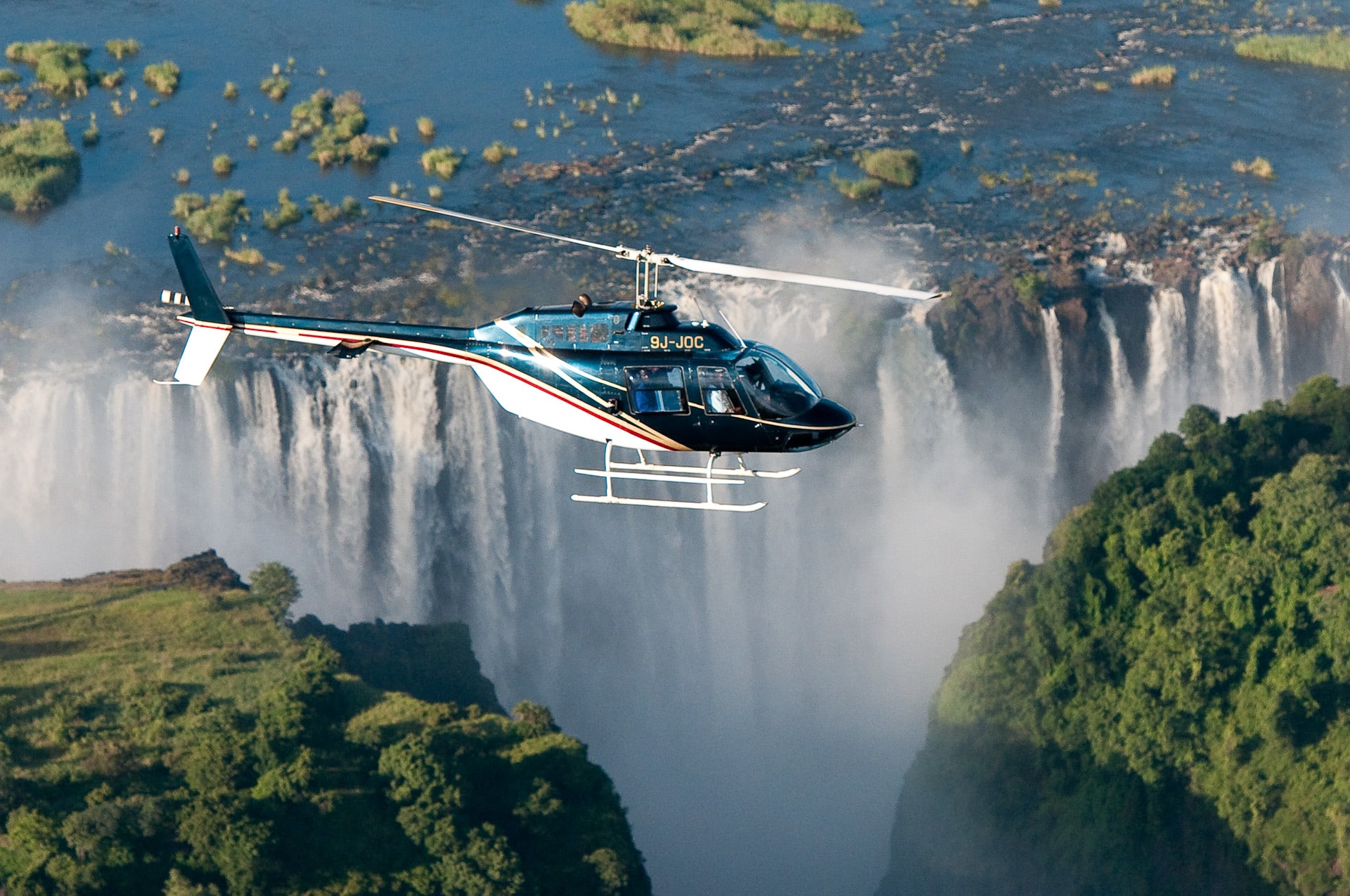
Victoria Falls is one of the world's most breathtaking natural wonders. Located on the Zambezi River between Zambia and Zimbabwe, this magnificent waterfall spans over 1.7 kilometers wide and drops over 100 meters into the gorge. During the rainy season (December–March), Victoria Falls reaches its peak flow with massive water volumes.
The surrounding jungle is lush and green during this period, dotted with spectacular flower blooms. Activities include helicopter tours, white-water rafting, and guided walks to viewing points. The sheer power and beauty of Victoria Falls at peak flow is unforgettable.
Most international travelers combine Victoria Falls with Hwange or Mana Pools safaris. A 7–10 day itinerary typically includes 2 days at Victoria Falls and 5–8 days on safari. This combination provides diverse experiences—wildlife viewing plus natural wonder.
Botswana's Okavango Delta (Optional Extension)
Many green season safaris include Botswana's Okavango Delta, Moremi Game Reserve, and Savuti Marsh. These areas feature lush waterways, green floodplains, and abundant baby animals. The Makgadikgadi Salt Pans and Nxai Pan National Park offer unique ecosystems. A multi-country safari combining Zimbabwe and Botswana provides maximum wildlife diversity.
Practical Planning Guide for Green Season 2026
Best Time to Visit: January–February
While the official green season runs December through March, January and February are optimal. By January, newborn animals are strong enough for daily activity. Mothers are protective but visible. Predators actively hunt, creating dramatic wildlife encounters.
February offers peak birding conditions. Migratory species are abundant. Resident birds display breeding plumage. Birding guides report sightings of 50+ species per day during February green season safaris.
December and March are acceptable alternatives. December offers lower prices and fewer crowds but newborn animals are still very young. March approaches the end of the rainy season, with some rain still falling but parks becoming drier.
What to Expect: Weather and Conditions
Green season weather is warm and humid. Daytime temperatures range from 25–30°C (77–86°F). Nighttime temperatures cool to 15–20°C (59–68°F). Afternoon thunderstorms are common but typically brief. Rain falls in short bursts rather than all-day downpours.
Roads can be muddy during peak rains (January–February), but they remain passable. Lodges maintain roads carefully. Safari vehicles are equipped for wet conditions. Rain actually enhances the experience—the landscape glistens, animals are more active, and the air smells fresh.
Pack lightweight, breathable clothing. Bring a waterproof jacket and umbrella. Quick-dry clothing is ideal. Sunscreen is essential—the sun is intense even with cloud cover. Binoculars, camera equipment, and a good field guide are must-haves.
Getting There and Logistics
Most international travelers fly into Harare (Robert Gabriel Mugabe International Airport) or Victoria Falls Airport. Direct flights connect these cities to major African hubs like Johannesburg. From there, domestic flights reach safari lodges within 1–3 hours.
Alternatively, drive from Botswana or South Africa. The drive from Johannesburg to Hwange takes 12–14 hours but offers scenic views. Most safari packages include airport transfers and ground transportation.
Lodges typically include meals, activities, and guide services in package prices. Transfers between parks can be arranged. Plan to spend 5–8 days on safari to experience multiple parks and wildlife thoroughly.
Booking Your Safari: Tips and Best Practices
Book 3–6 months in advance for green season safaris. While prices are lower than dry season, popular lodges fill quickly. Early booking ensures lodge availability and sometimes secures additional discounts.
Request quotes from multiple operators. Prices vary significantly based on lodge, duration, and inclusions. Compare what's included—some packages cover activities, meals, and transfers while others charge separately.
Read reviews from past travelers. SafariFind provides authentic reviews from verified travelers who have actually visited these lodges and parks. Reviews highlight guide quality, wildlife sightings, food, and accommodation standards. Use reviews to inform your decision.
Ask about special green season packages. Many operators offer bundled deals during this period. You might find all-inclusive packages combining Hwange and Mana Pools at attractive rates. Compare verified Zimbabwe safari tour operators on SafariFind to find the best value and most reliable companies.
Health and Safety Considerations
Consult your doctor about malaria prophylaxis. Zimbabwe's parks are in malaria zones. Antimalarial medications are recommended. Use insect repellent, especially during dawn and dusk when mosquitoes are active.
Yellow fever vaccination is not required for Zimbabwe but recommended if you're coming from other African countries. Check current travel advisories before booking. Zimbabwe safari safety information is regularly updated on SafariFind to help you make informed decisions.
Travel insurance is essential. Comprehensive coverage should include medical evacuation, trip cancellation, and evacuation to medical facilities. Zimbabwe's lodges maintain high safety standards, but insurance provides peace of mind.
Wildlife You'll See During Green Season
Iconic African Species
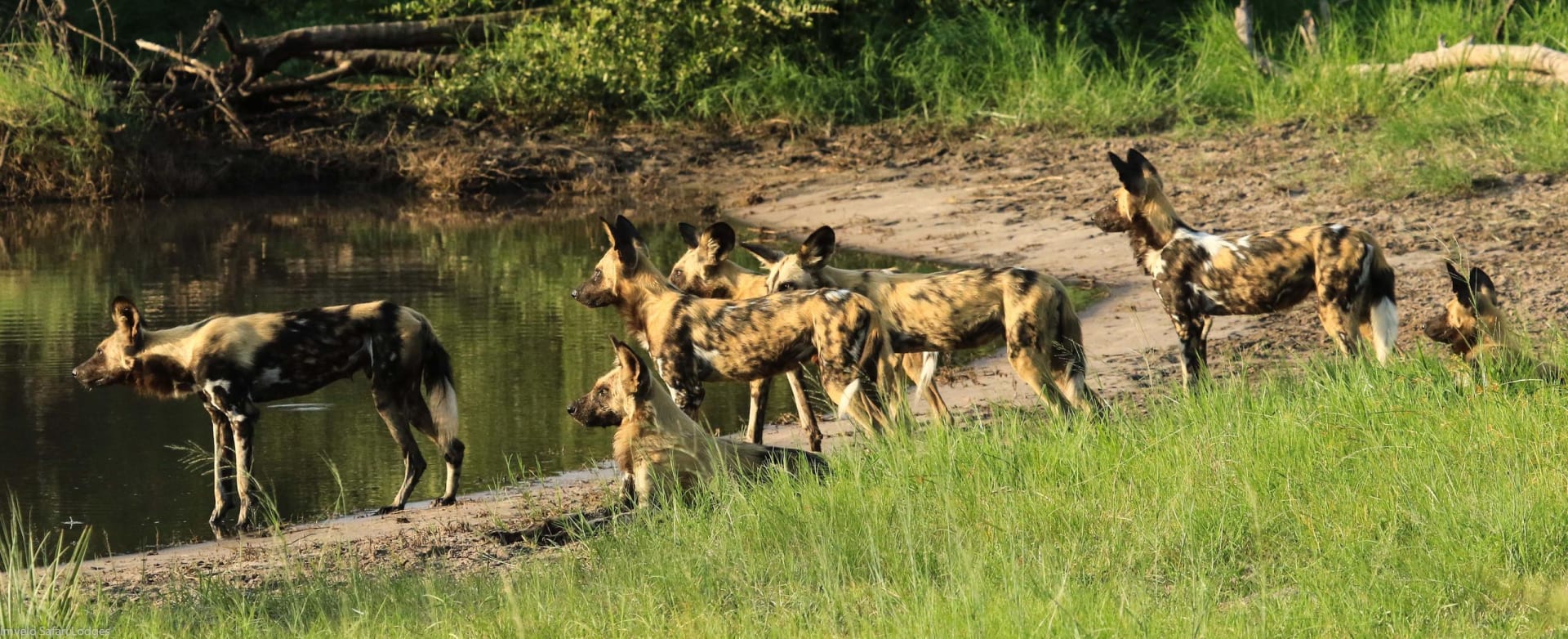
Zimbabwe's green season safaris feature Africa's most iconic animals. African elephants are numerous—Hwange alone has over 100,000. Lions, leopards, and African wild dogs provide predator encounters. Buffalo, zebras, giraffes, and impalas fill the landscape.
Newborn animals are the highlight. Elephant calves are adorable and visible during daily game drives. Zebra foals stay close to mothers. Impala fawns bound alongside herds. Giraffe calves are gangly and endearing. Watching protective mothers with young animals creates emotional safari moments.
Predators hunt actively during green season. Lions take down prey regularly. Leopards stalk through the bush. African wild dogs pursue game across the plains. These hunting sequences are dramatic and educational, showing predator-prey relationships in action.
Bird Species and Birding Opportunities
Over 400 bird species inhabit Zimbabwe's parks during green season. Migratory species like Carmine Bee-eaters arrive in spectacular numbers. Pennant-winged Nightjars, African Skimmers, and countless others create a birder's paradise. Resident species display brilliant breeding plumage.
Birding is excellent from dawn to mid-morning and late afternoon to sunset. Guides are skilled at locating birds by sound and sight. Many lodges offer specialized birding guides. Even non-birders appreciate the abundance and beauty of Zimbabwe's avian life.
For detailed information about specific species, see Zimbabwe safari animals by park on SafariFind.
Accommodation Options and Pricing
Luxury Lodges
Luxury lodges in Zimbabwe offer world-class accommodations with exceptional service. These properties feature private villas, gourmet dining, spa services, and expert guides. Luxury lodges typically cost $350–$500 per person per night during green season (down from $500–$700 during dry season).
Popular luxury lodges include those near Mana Pools and Hwange. Many offer all-inclusive packages combining accommodation, meals, activities, and transfers. These packages range from $2,800–$5,000 per person for 7 days.
Mid-Range Lodges
Mid-range lodges offer comfortable accommodations, good food, and quality guides at reasonable prices. These properties typically cost $150–$250 per person per night during green season. All-inclusive 7-day packages range from $1,500–$2,500 per person.
Mid-range lodges still provide excellent wildlife viewing and guide expertise. The main difference from luxury properties is fewer amenities—perhaps no spa or gourmet cuisine—but the core safari experience is comparable.
Budget-Friendly Options
Budget lodges and camping offer the most affordable options. Accommodation costs $50–$100 per person per night. Basic facilities include shared bathrooms and communal dining. 7-day packages can cost $800–$1,500 per person.
Budget safaris still provide excellent wildlife viewing. Guides are experienced and knowledgeable. The trade-off is comfort—you're roughing it more but experiencing authentic bush living. Budget safaris appeal to adventurous travelers and those with limited budgets.
For detailed lodge comparisons, see Zimbabwe safari lodges 2026: luxury vs budget options on SafariFind.
Key Takeaways
- Book your green season safari 3–6 months ahead to secure lodge availability and access early-booking discounts of 15–25% off standard rates.
- Visit during January–February when newborn animals are active, birding peaks at 50+ species daily, and crowds are minimal compared to dry season.
- Expect to pay $2,500–$4,500 per person for a 7-day all-inclusive package in 2026, which is 20–40% cheaper than dry season equivalents.
- Combine Mana Pools (for walking safaris and leopards) and Hwange (for elephant herds) in a single trip to maximize wildlife diversity and experiences.
- Compare verified operators on SafariFind, read authentic traveler reviews, and request quotes from at least three companies before committing to your safari.
Frequently Asked Questions
Is December to March a good time to visit Zimbabwe for a safari?
Yes, December to March is an excellent time to visit Zimbabwe for safari. Newborn animals are abundant, vegetation is lush, and over 400 bird species thrive. Prices are 20–40% lower than dry season, and parks are less crowded. January and February are optimal months.
What is the cost of a green season safari in Zimbabwe for 2026?
A 7-day all-inclusive green season safari in Zimbabwe costs $2,500–$4,500 per person in 2026. Luxury packages range $3,500–$5,000. Mid-range packages cost $1,500–$2,500. Budget options start at $800–$1,500. Prices include accommodation, meals, activities, and guide services.
What wildlife can you see during Zimbabwe's green season?
Green season wildlife includes newborn elephants, zebras, impalas, and wildebeest. Predators like lions, leopards, and African wild dogs actively hunt. Over 400 bird species are present, including migratory species. The abundance of young animals makes this season exceptional for wildlife viewing.
How does green season compare to dry season in Zimbabwe?
Green season (December–March) offers lush landscapes, newborn animals, abundant birds, lower prices, and fewer crowds. Dry season (July–September) provides predictable wildlife at water holes, easier game viewing, and less rain. Green season suits birders and budget-conscious travelers. Dry season suits those wanting guaranteed wildlife sightings.
What should I pack for a Zimbabwe green season safari?
Pack lightweight, breathable clothing for warm days (25–30°C). Bring a waterproof jacket and umbrella for afternoon rains. Wear quick-dry fabrics. Include sunscreen, hat, and sunglasses. Bring binoculars, camera gear, and a field guide. Closed-toe hiking boots are essential for walking safaris.
How far in advance should I book a green season safari in Zimbabwe?
Book 3–6 months in advance for the best lodge availability and prices. Early booking often secures 15–25% discounts. Popular lodges fill quickly during green season. Booking early also allows time to compare multiple operators and read reviews before deciding.
How can I find reliable Zimbabwe safari operators and read honest reviews?
SafariFind connects you with verified safari operators and displays authentic reviews from past travelers. Browse operators by destination and price range. Read detailed reviews covering guide quality, wildlife sightings, accommodations, and overall experience. Request quotes from multiple verified operators to compare packages, prices, and services before booking.
Conclusion
Zimbabwe's green season safari from December to March offers unmatched value and experiences for wildlife lovers. Newborn animals, abundant birds, lush landscapes, and fewer crowds combine to create memorable African adventures. Prices are 20–40% lower than dry season, making luxury safaris more accessible.
January and February are optimal months, with temperatures warm (25–30°C) and wildlife activity at peak levels. Plan 7–10 days to experience Hwange National Park's massive elephant herds and Mana Pools' intimate walking safaris. Victoria Falls at peak flow is a bonus natural wonder.
Budget $2,500–$4,500 per person for a comprehensive 7-day package in 2026. This investment includes expert guides, comfortable lodging, quality meals, and multiple daily activities. Mid-range and luxury options provide even more comfort and personalized service.
Book 3–6 months in advance to secure the best lodges and access early-booking discounts. Compare verified operators on SafariFind, where you'll find authentic reviews from past travelers. Read detailed feedback about guide expertise, wildlife encounters, food quality, and accommodation standards. Request quotes from multiple companies to find the best value for your budget and preferences.
Start planning your green season safari today. The combination of exceptional wildlife viewing, lower prices, peaceful parks, and stunning scenery makes December–March the best-kept secret in African safari travel. SafariFind's marketplace connects you with trusted operators who will create an unforgettable Zimbabwe adventure tailored to your interests and budget.
Plan Your Safari with SafariFind
These recommendations use real data from SafariFind, where you can compare operators, browse packages, and read verified traveler reviews before you book.
Recommended Safari Operators from SafariFind
Recommended Safari Packages from SafariFind
What Travelers Say (SafariFind Reviews)
References
- Zimbabwe Green Season Safari: December to March | Zicasso
- Best Green Season Safari in Africa (2026 Guide) | Private Tours Cape Town
- Green Season Safari Guide 2026: Best Times & What to Expect | African Budget Safaris
- Luxury Zimbabwe Safaris & Private Tours for 2026/2027 | Jacada Travel
- Discover Zimbabwe: A Year-Round African Wildlife Safari Destination | Natural Habitat Adventures
- Zimbabwe Green Season Safari | Hwange & Victoria Falls | Wilderness Travel
- The Magic of a Green Season Safari | Discover Africa
- 12 Days Luxury Safari - South Africa, Zimbabwe, Botswana - March 2026 | We Travel
Sources
- Zimbabwe Green Season Safari: December to March | Zicasso
- Best Green Season Safari in Africa (2026 Guide) | Private Tours Cape Town
- Green Season Safari Guide 2026: Best Times & What to Expect | African Budget Safaris
- Luxury Zimbabwe Safaris & Private Tours for 2026/2027 | Jacada Travel
- Discover Zimbabwe: A Year-Round African Wildlife Safari Destination | Natural Habitat Adventures
- Zimbabwe Green Season Safari | Hwange & Victoria Falls | Wilderness Travel
- The Magic of a Green Season Safari | Discover Africa
- 12 Days Luxury Safari - South Africa, Zimbabwe, Botswana - March 2026 | We Travel
Related to
Ready to start your safari adventure?
Explore curated safari packages and find your perfect African adventure with verified operators.