Ethiopia Safari in July 2026: Dry Season Pricing & Wildlife
Ethiopia safari in July 2026 costs $1,500–$3,500 per person for 7 days. Dry season offers excellent wildlife viewing and 20–30% lower prices than peak months.

Ethiopia Safari in July 2026: Dry Season
Last updated: July 2026
Ethiopia safari in July 2026 offers excellent wildlife viewing and lower prices than peak season. A 7-day safari costs $1,500–$3,500 per person, with mostly dry weather and good game drives. Book through verified operators on SafariFind to compare packages and read authentic reviews from past travelers.
At a Glance
- Cost: $1,500–$3,500 per person for 7 days
- Best time: July–September for dry season and wildlife
- Duration: 7–10 days recommended
- Getting there: Fly into Addis Ababa International Airport
- Best for: Budget-conscious travelers, wildlife photographers, nature lovers
- Wildlife highlights: Leopards, elephants, buffalos, hippos, crocodiles, birds
Ethiopia Safari in July 2026: Dry Season Pricing & Wildlife
Ethiopia safari in July 2026 offers smart timing for both your wallet and wildlife viewing. July marks the start of the dry season across Ethiopia's national parks, bringing clearer skies and more active animals. Unlike peak safari months in other African countries, July in Ethiopia means fewer crowds and significantly lower prices—often 20–30% cheaper than June or August rates.
An Ethiopia safari in July 2026 is one of the smartest choices on the African safari calendar. You get excellent wildlife visibility without paying peak-season premiums. The dry season begins, roads stay passable, and national parks like Awash and the Omo Valley come alive with activity.
What Makes July an Ideal Safari Month in Ethiopia?
July in Ethiopia offers a unique advantage: wildlife abundance meets budget-friendly pricing. Early July sees occasional afternoon showers, particularly in the first two weeks, but the weather remains mostly dry overall. By late July, conditions become even more stable, with clear mornings perfect for game drives and spotting distant animals.
Weather Conditions in July 2026
July weather in Ethiopia is warm and increasingly dry as the month progresses. Daytime temperatures range from 75–85°F (24–29°C) in most parks, dropping to 50–60°F (10–15°C) at night in highland areas. You'll need lightweight clothing for days and a light jacket for evenings.
Early morning game drives—starting before sunrise—offer the best wildlife viewing. Animals are most active during cool hours. Your safari guide will plan drives for 6:00 AM to 10:00 AM, then again from 3:00 PM to sunset. Midday heat keeps most animals resting in shade.
Wildlife Activity and Visibility
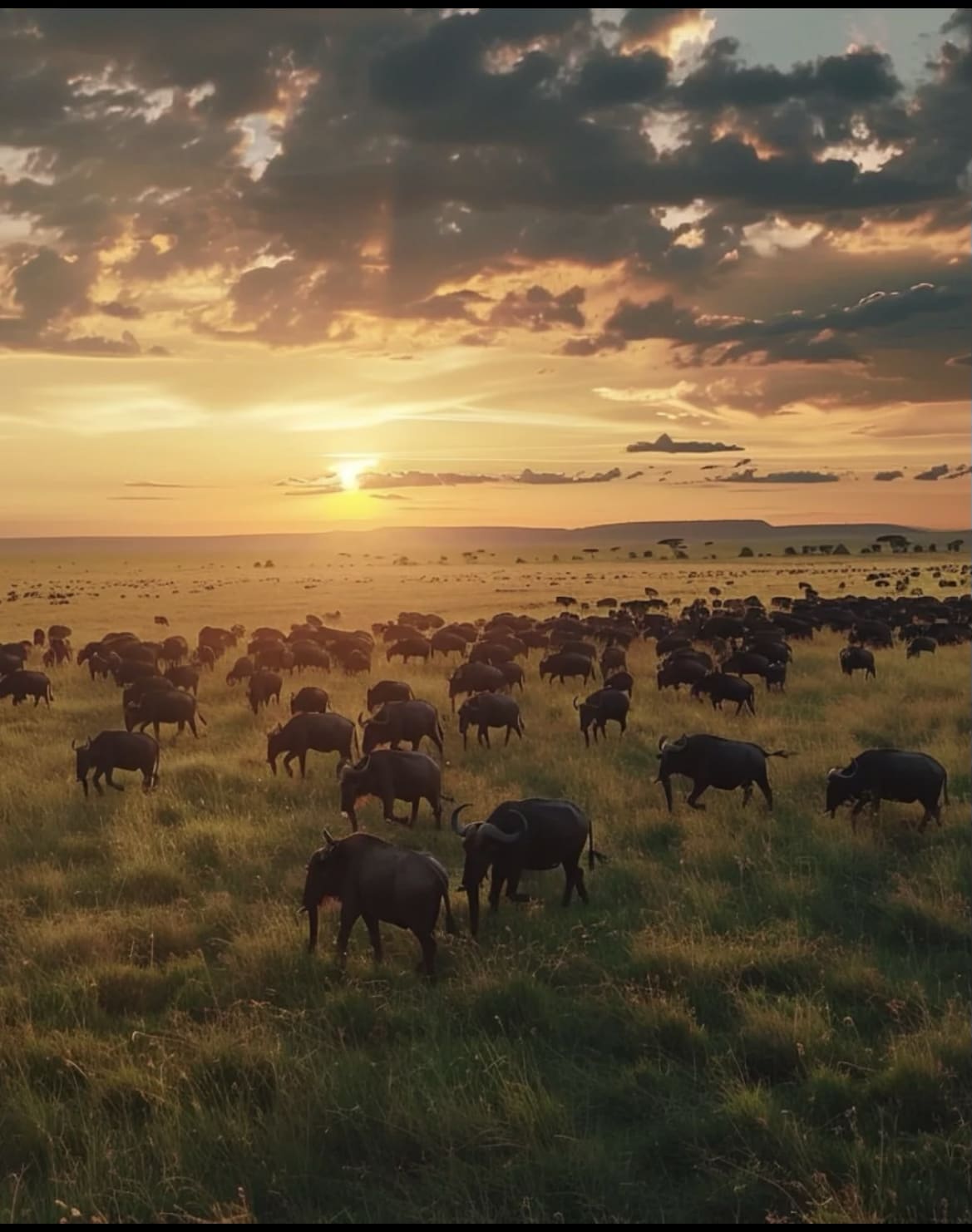
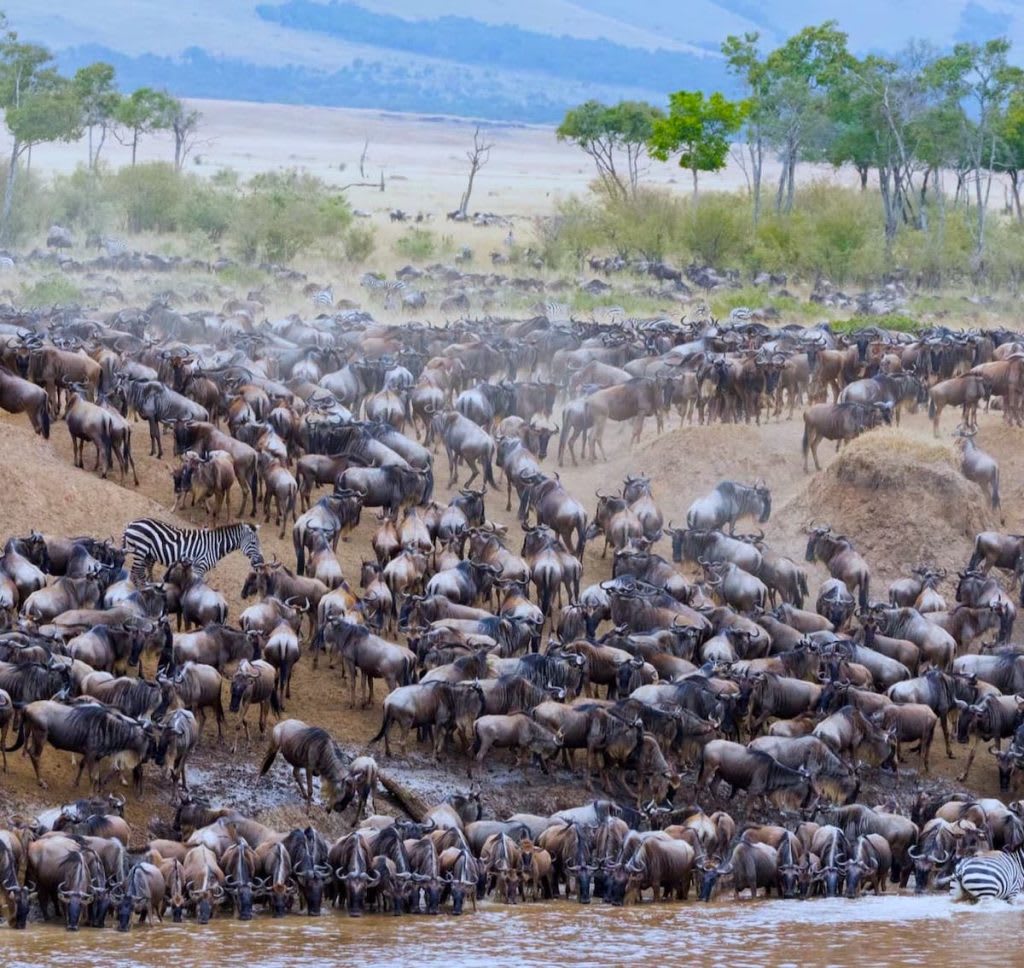
The dry season concentrates animals around water sources. Elephants, buffalos, hippos, and crocodiles gather at rivers and waterholes, making them easier to spot. July's clearer skies mean better photography conditions and longer visibility across savanna landscapes.
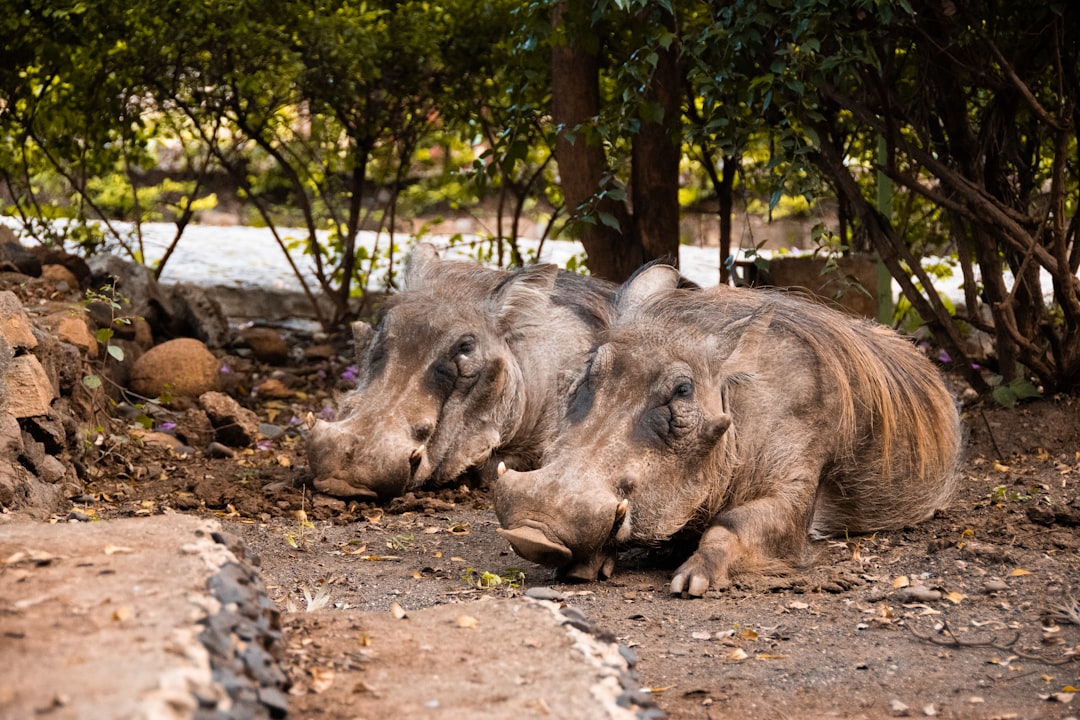
Ethiopia's parks are known for specific wildlife. Awash National Park is famous for its leopard populations, making evening game drives particularly rewarding. You'll also see gazelles, warthogs, and various antelope species. Birdwatchers find July excellent, with migratory species returning and resident birds actively feeding.
The Omo Valley region offers cultural encounters alongside wildlife. You can observe indigenous peoples like the Mursi, Hamar, and Karo tribes while exploring the surrounding ecosystem. This combination of wildlife and culture is rare on the African safari circuit.
July 2026 Safari Pricing: How Much Does It Cost?
A 7-day Ethiopia safari in July 2026 costs between $1,500 and $3,500 per person, depending on accommodation style and park selection. This price range includes park fees, guide services, game drives, and meals. Budget safaris start at $1,500–$2,000, mid-range packages run $2,000–$2,800, and luxury options exceed $3,000.
Budget Safari Packages ($1,500–$2,000)
Budget safaris use basic lodges or tented camps with shared bathrooms and simple meals. You'll get experienced guides and reliable transportation, just in simpler accommodations. These packages work well for travelers prioritizing wildlife viewing over luxury amenities.
A typical budget 7-day itinerary includes 2–3 nights in Awash National Park, 2 nights in the Omo Valley, and 2 nights in a regional hub. Daily game drives, park entry, and all meals are included. You share safari vehicles with other guests, reducing per-person costs.
Mid-Range Safari Packages ($2,000–$2,800)
Mid-range packages offer private or semi-private guides, better lodge accommodations with ensuite bathrooms, and more varied meals. You get more personalized service and flexible game drive schedules. These are the most popular option for travelers seeking balance between value and comfort.
Mid-range itineraries often include Addis Ababa city tours, Awash National Park, Omo Valley cultural visits, and sometimes the Danakil Depression or Simien Mountains. Accommodation includes comfortable lodges or well-maintained camps. Guides are highly trained and speak English fluently.
Luxury Safari Packages ($3,000+)
Luxury safaris feature private guides, exclusive lodge accommodations with premium amenities, gourmet meals, and flexible itineraries. You might get private safari vehicles, helicopter transfers, or specialized photography guides. These packages suit travelers wanting maximum comfort and personalized experiences.
Luxury operators include boutique lodges near Awash and exclusive camps in remote regions. Expect fine dining, spa services, wine selections, and personalized wildlife tracking. Many luxury packages add activities like hot air balloon rides or multi-country combinations.
Seasonal Price Advantages
July prices are 20–30% lower than June and August rates. This is because July isn't considered peak season in Ethiopia, though it offers excellent conditions. Many international travelers focus on Kenya's Masai Mara during July's Great Migration, so Ethiopia sees fewer bookings.
You can book a 7-day Ethiopia safari for what costs $3,200–$4,500 in June. The same quality experience in July runs $2,400–$3,500. Early July offers the best rates, with prices rising slightly as the month progresses and weather stabilizes.
Ready to compare verified operators? Browse Ethiopia safari packages on SafariFind to find the perfect fit for your budget and interests.
Key Parks and Wildlife Destinations for July Safaris
Ethiopia's main safari parks offer distinct experiences. Each has unique wildlife, landscapes, and cultural opportunities. July conditions suit all of them, though some are more accessible than others.
Awash National Park
Awash National Park is Ethiopia's most visited safari destination and perfect for July visits. Located 225 kilometers east of Addis Ababa, it covers 840 square kilometers of savanna, grassland, and volcanic terrain. The park is known for leopards, with one traveler sharing: "This safari to Awash National Park was one of the highlights of my trip to Ethiopia. From the incredible wildlife and beautiful landscapes to the authentic interactions with local people in the villages along the way, everything was exceptional."
Awash features impressive wildlife diversity. You'll spot elephants, buffalos, gazelles, warthogs, and baboons. The Awash River attracts hippos and crocodiles, especially during dry season when water concentrates these animals. Birdwatchers find over 450 bird species here, making July excellent for ornithology.
Typical Awash packages include 2–3 nights with daily game drives, walks with local guides, and visits to nearby villages. The park has several lodges and camps at various price points. July's dry conditions make animal spotting reliable and photography excellent.
The Omo Valley
The Omo Valley in southern Ethiopia offers the continent's most authentic cultural safari experience. This remote region is home to the Mursi, Hamar, Karo, and other indigenous peoples. The landscape combines rugged mountains, river valleys, and unique ecosystems.
Wildlife in the Omo Valley includes lions, leopards, cheetahs, elephants, and countless bird species. The Omo River creates a vital water corridor. July's drier conditions make the valley more accessible and game drives more productive.
Omo Valley safaris combine wildlife viewing with cultural encounters. You'll visit Mursi villages where locals still practice traditional customs, visit markets, and learn about pastoralist lifestyles. These experiences create lasting memories unavailable in other safari destinations.
Danakil Depression
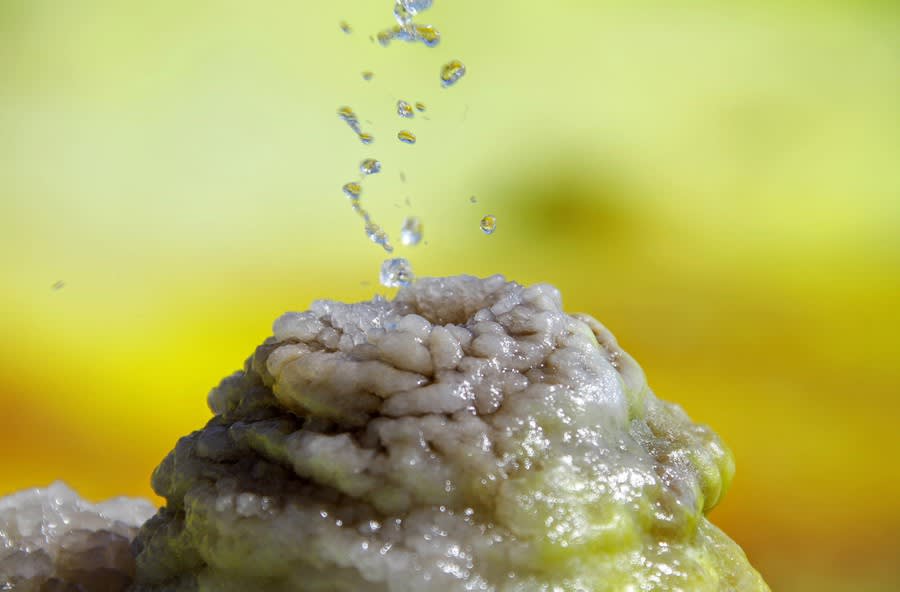
The Danakil Depression is Earth's lowest point outside ocean basins, sitting 410 meters below sea level. It's one of the planet's most extreme landscapes, featuring colorful thermal springs, active volcanoes, and salt formations. July offers the most accessible conditions for visiting this harsh environment.
While wildlife is limited in the Danakil, the geological spectacles are unmatched. You'll see Erta Ale volcano's active lava lake, colored hot springs at Dallol, and vast salt plains. Tours include 2–3 nights with camping and camel treks. The experience is unforgettable but physically demanding.
Simien Mountains National Park
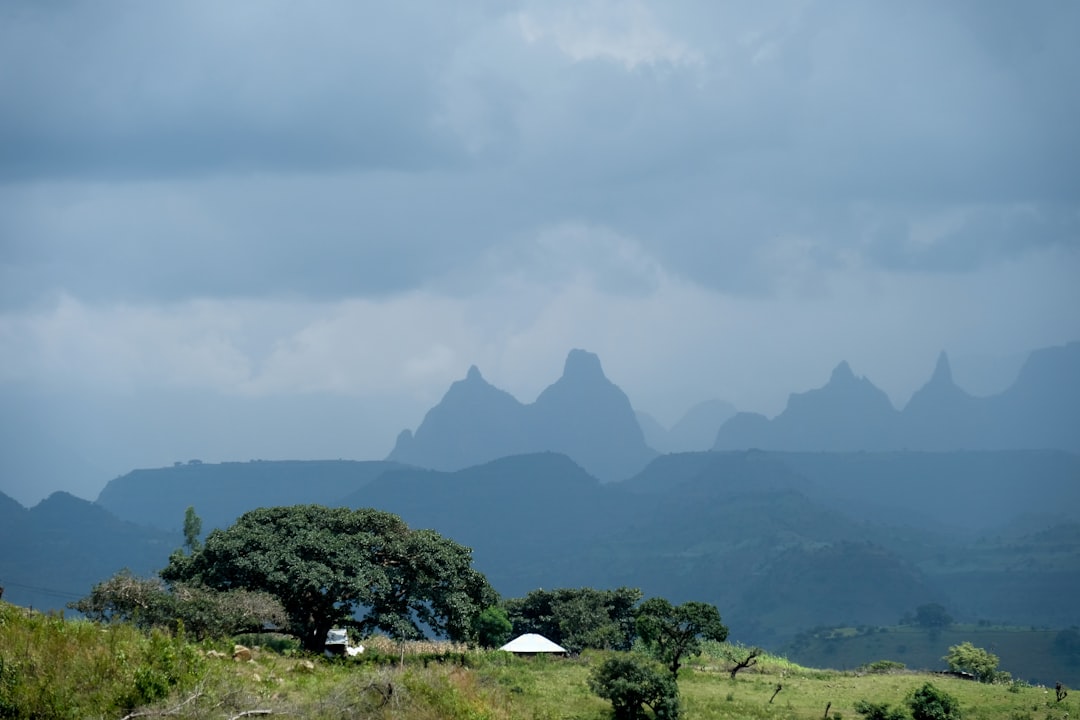
The Simien Mountains offer highland trekking combined with unique wildlife viewing. Located in northern Ethiopia, this UNESCO World Heritage site features dramatic escarpments, deep valleys, and endemic species. July's weather is suitable for mountain trekking, though afternoon showers are possible.
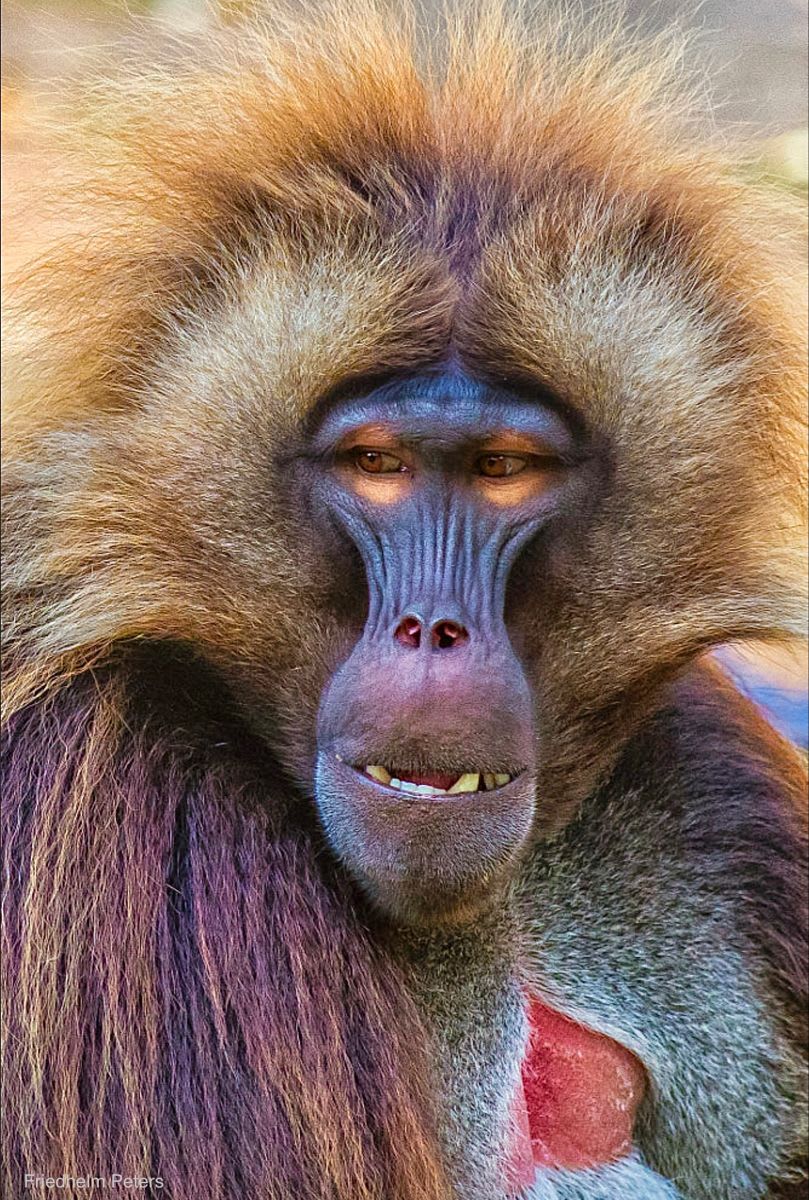
Simien wildlife includes the endangered Ethiopian wolf, Gelada baboons, and Walia ibex. The landscape creates stunning photography opportunities. Most visitors combine Simien trekking with lowland safaris for a complete Ethiopia experience.
How to Plan Your July 2026 Ethiopia Safari
Planning an Ethiopia safari requires timing, research, and booking with trusted operators. July 2026 offers a brief window of optimal conditions and pricing, so early planning matters.
Booking Timeline
Book your Ethiopia safari 2–4 months before your July travel date. Early bookings lock in better rates and ensure accommodation availability. If you're reading this in May or June 2026, book immediately for remaining July dates.
Many operators offer discounts for early bookings—typically 10–15% off published rates. You'll also get flexibility in choosing specific parks, accommodation styles, and add-on activities like cultural visits or mountain treks.
Visa and Documentation
US, UK, Canadian, Australian, and most European citizens need Ethiopian visas. You can obtain them on arrival at Addis Ababa International Airport (visa on arrival) or beforehand from Ethiopian embassies. The process takes 5–10 minutes at the airport.
Required documents include a valid passport (with 6+ months validity), return flight confirmation, and proof of accommodation. Yellow fever vaccination is recommended and sometimes required if you're traveling from yellow fever-endemic countries.
Getting to Ethiopia
Fly into Addis Ababa Bole International Airport, Ethiopia's main hub. Major airlines like Ethiopian Airlines, Kenya Airways, Qatar Airways, and others serve this route. From North America and Europe, expect 1–2 connections. Flights from the US typically take 18–24 hours total.
Once in Addis Ababa, you'll either fly to regional hubs (like Jima for Omo Valley) or drive. Most safari operators arrange ground transportation from the airport. The drive to Awash National Park takes 4–5 hours; the Omo Valley requires flights due to distance.
What to Pack for July
Pack lightweight, neutral-colored clothing for daytime game drives. Khaki, tan, and olive green blend into the landscape and don't startle animals. Avoid bright colors and patterns. Bring layers for cool mornings and evenings, especially if visiting highland areas.
Essential items include sunscreen (SPF 50+), a wide-brimmed hat, sunglasses, insect repellent, and binoculars. A good camera with a telephoto lens is invaluable. Bring prescription medications and a basic first-aid kit. Malaria prophylaxis is recommended for lowland areas.
Comfortable hiking boots work for both game drives and cultural visits. Pack a light rain jacket for occasional July showers. Consider a portable charger for cameras and phones—power can be unreliable in remote areas.
Choosing a Safari Operator
Ethiopia has many safari operators, but quality varies significantly. Choose verified operators with authentic reviews. SafariFind lists operators rated by actual travelers, making it easy to compare service quality.
Look for operators with experience in your chosen parks, positive reviews mentioning wildlife encounters and guide quality, and clear pricing without hidden fees. Ask about guide training, vehicle conditions, and backup plans for weather issues.
Compare verified Ethiopia safari operators on SafariFind to find companies with proven track records and transparent pricing.
July 2026 vs. Other Safari Months in Ethiopia
Understanding how July compares to other months helps you decide if it's right for you. Ethiopia's safari seasons differ significantly from Kenya and Tanzania.
June vs. July
June is technically the start of the rainy season, bringing afternoon showers and muddy roads in some areas. Prices are slightly lower than July. Early July is similar to late June but increasingly dry. By mid-July, weather is noticeably clearer and more stable than June.
July offers better game viewing than June because animals concentrate around water sources as vegetation dries out. Roads are safer in July than June. Prices rise slightly in July but remain well below August levels.
August and September
August and September are peak dry season with the most stable weather and best wildlife visibility. Prices rise 15–25% above July rates. These months attract more international tourists, so parks feel busier.
August offers fully dry conditions and excellent photography. September provides peak conditions but with higher costs and more crowds. If budget matters more than perfect weather, July is ideal.
October to May
October and November are shoulder months with good wildlife and lower prices than peak season. December through February are cool and dry but more crowded. March through May see rising heat and occasional rain, with lowest prices but less reliable conditions.
July represents the sweet spot: dry enough for reliable game drives, cool enough for comfortable hiking, and affordable compared to August–September peaks.
Comparing Ethiopia to Other July Safari Destinations
If you're choosing between safari destinations for July 2026, consider how Ethiopia compares. Each location offers distinct advantages.
| Destination | July Price | Wildlife Highlights | Best For | Accessibility |
|---|---|---|---|---|
| Ethiopia | $1,500–$3,500 | Leopards, elephants, cultural sites | Budget travelers, culture seekers | Good via Addis Ababa |
| Kenya (Masai Mara) | $2,500–$5,000 | Great Migration, Big Five | Wildlife photographers, peak season lovers | Excellent infrastructure |
| Tanzania (Serengeti) | $2,800–$5,500 | Great Migration, diverse wildlife | Classic safari experience seekers | Good via Dar es Salaam |
| Botswana (Okavango) | $3,500–$6,000 | Water-based safaris, large predators | Luxury travelers, water safari fans | Requires internal flights |
Ethiopia offers exceptional value compared to Kenya and Tanzania in July. You'll spend 30–40% less while still experiencing excellent wildlife and unique cultural opportunities. For budget-conscious travelers, Ethiopia safari vs Kenya 2026 provides detailed comparison of costs and wildlife experiences.
Ethiopia's advantage is cultural immersion and lower prices. Kenya and Tanzania offer more famous wildlife spectacles and better-developed tourism infrastructure. Choose Ethiopia if you value budget and cultural experiences; choose Kenya or Tanzania if you prioritize famous wildlife scenes and don't mind higher costs.
Practical Tips for Success on Your July Safari
These tips ensure your Ethiopia safari in July 2026 runs smoothly and delivers memorable experiences.
Health and Safety Precautions
Malaria is present in lowland areas like Awash and the Omo Valley. Take antimalarial medication as prescribed by your doctor starting one week before travel. Use insect repellent with 20–30% DEET during dawn and dusk when mosquitoes are active.
Drink only bottled or purified water. Your lodge or camp will provide safe water; don't drink tap water. Eat cooked foods and peel fruits yourself. Most travelers experience no stomach issues when following these precautions.
Travel insurance is essential. Ensure your policy covers emergency evacuation, as remote safari areas may require helicopter rescue if serious illness occurs. Check that your insurance covers your specific activities, including trekking if you're visiting the Simien Mountains.
Photography Tips
Bring a camera with a telephoto lens (200mm minimum). Early morning and late afternoon light is best for photography. Avoid shooting during midday harsh light. Always ask your guide's permission before photographing people in villages—respect local customs and sometimes expect a small payment.
Bring extra batteries and memory cards. Power availability is limited in remote areas. A portable solar charger is invaluable. Keep your camera protected from dust and sand, especially in the Danakil Depression.
Cultural Sensitivity
Respect local customs when visiting indigenous communities. Ask permission before photographing people. Learn basic Amharic greetings—locals appreciate effort to speak their language. Dress modestly, especially in villages. Don't touch sacred items or enter homes without invitation.
Support local economies by buying crafts directly from artisans rather than middlemen. Hire local guides when available. Your spending directly benefits communities relying on tourism.
Game Drive Etiquette
Stay quiet during game drives so animals don't flee. Avoid sudden movements or loud voices. Let your guide decide when to approach animals. Never exit the vehicle without guide permission. Follow all park regulations regarding distance from wildlife.
Early morning drives (5:30–6:00 AM starts) offer the best wildlife viewing. Evening drives from 3:00 PM onward are also productive. Midday drives are less rewarding as animals rest in shade.
Key Takeaways
- Book your 7-day Ethiopia safari 2–4 months ahead to secure July 2026 dates at prices 20–30% lower than June or August rates.
- Budget $1,500–$3,500 per person for a 7-day safari, with mid-range packages ($2,000–$2,800) offering the best value and comfort balance.
- Plan game drives for early morning (5:30–10:00 AM) and late afternoon (3:00–sunset) when animals are most active in July's warm conditions.
- Combine wildlife viewing in Awash National Park with cultural experiences in the Omo Valley for a complete Ethiopia safari experience unavailable elsewhere.
- Use SafariFind to compare verified operators with authentic traveler reviews, ensuring professional guides, reliable vehicles, and transparent pricing for your July safari.
Frequently Asked Questions
How much does a 7-day Ethiopia safari cost in July 2026?
A 7-day Ethiopia safari in July 2026 costs $1,500–$3,500 per person, depending on accommodation and park choices. Budget safaris start at $1,500–$2,000, mid-range packages run $2,000–$2,800, and luxury options exceed $3,000. July prices are 20–30% lower than June or August rates, making it an excellent value month.
Is July a good time to visit Ethiopia for safari?
Yes, July is excellent for Ethiopia safaris. Early July sees occasional afternoon showers but remains mostly dry overall. Weather becomes increasingly stable as the month progresses. Animals concentrate around water sources, making wildlife viewing reliable. Fewer international tourists visit in July compared to August–September, so parks feel less crowded.
What wildlife can you see on an Ethiopia safari in July?
Ethiopia's safari parks feature leopards, elephants, buffalos, hippos, crocodiles, gazelles, and warthogs. Awash National Park is known for its high leopard density. The Omo Valley offers wildlife viewing alongside encounters with indigenous peoples. Over 450 bird species inhabit Ethiopia's parks, making July excellent for birdwatchers. Specific wildlife depends on which parks you visit.
Do I need malaria medication for an Ethiopia safari in July?
Yes, malaria is present in lowland safari areas like Awash and the Omo Valley. Take antimalarial medication as prescribed by your doctor, starting one week before travel. Use insect repellent with 20–30% DEET during dawn and dusk. Most travelers experience no malaria when following these precautions.
How do I book a reliable Ethiopia safari operator for July 2026?
Choose verified operators with authentic reviews. SafariFind lists operators rated by actual travelers, making it easy to compare service quality, pricing, and experience levels. Look for operators with experience in your chosen parks, positive reviews mentioning wildlife encounters and guide quality, and transparent pricing. Read reviews from past travelers to confirm reliability before booking.
What's the difference between Ethiopia safari and Kenya safari in July?
Ethiopia safaris cost 30–40% less than Kenya safaris in July while offering excellent wildlife and unique cultural experiences. Kenya's Masai Mara features the famous Great Migration, while Ethiopia offers authentic cultural encounters with indigenous peoples. Kenya has better-developed tourism infrastructure. Choose Ethiopia for budget and culture; choose Kenya for famous wildlife spectacles and established tourism services.
Can I combine Ethiopia safari with other African countries in July?
Yes, many operators offer multi-country safaris combining Ethiopia with Kenya or Tanzania. July offers dry-season overlap across East Africa, making regional travel feasible. Multi-country safaris typically cost 15–25% more per day than single-country packages but provide diverse experiences. Work with verified operators on SafariFind to design combination itineraries matching your budget and interests.
Conclusion
Ethiopia safari in July 2026 represents smart travel planning: excellent wildlife viewing combined with budget-friendly pricing and fewer crowds. A 7-day safari costs $1,500–$3,500 per person, with mid-range packages offering exceptional value. Early July brings mostly dry weather perfect for game drives, while animals concentrate around water sources, making spotting reliable.
Choose from diverse experiences: Awash National Park for leopard viewing, the Omo Valley for cultural immersion, the Danakil Depression for geological extremes, or the Simien Mountains for highland trekking. Each destination offers unique wildlife and landscapes unavailable in traditional safari countries.
Book your July 2026 Ethiopia safari 2–4 months ahead to secure dates and lock in early-booking discounts. Start by comparing verified Ethiopia safari packages on SafariFind to find operators with proven track records and authentic traveler reviews. You'll find detailed information about pricing, itineraries, accommodation, and guides—all rated by actual travelers.
Ethiopia awaits with incredible wildlife, ancient cultures, and landscapes found nowhere else on Earth. July 2026 is your opportunity to experience authentic African safari adventure at prices you won't find any other month. Start planning today.
Plan Your Safari with SafariFind
These recommendations use real data from SafariFind, where you can compare operators, browse packages, and read verified traveler reviews before you book.
Recommended Safari Operators from SafariFind
Recommended Safari Packages from SafariFind
What Travelers Say (SafariFind Reviews)
References
- Ethiopia Safari in July–September: Dry Season Guide 2026 | SafariFind
- Ethiopia Safari Hidden Wildlife Gems: Why 2026 is the Year for an Unconventional African Safari - Safari Deal
- 10 Best Places to Go on Safari in 2026 | African Safari Blog
- Best Time for an African Safari (July–December 2026): Where to Go for Value
- Multi-Country Safari Africa 2026 | Best Combos, Costs & Routes
- The Best Awash, Ethiopia National Parks 2026 - Free Cancellation | GetYourGuide
- The 10 Best Ethiopia Nature & Wildlife Areas (2026) - Tripadvisor
- Ethiopia Safari: 9-Day Ethiopian Birdwatching and Wildlife Tour | SafariBookings
Sources
- Ethiopia Safari in July–September: Dry Season Guide 2026 | SafariFind
- Ethiopia Safari Hidden Wildlife Gems: Why 2026 is the Year for an Unconventional African Safari - Safari Deal
- 10 Best Places to Go on Safari in 2026 | African Safari Blog
- Best Time for an African Safari (July–December 2026): Where to Go for Value
- Multi-Country Safari Africa 2026 | Best Combos, Costs & Routes
- The Best Awash, Ethiopia National Parks 2026 - Free Cancellation | GetYourGuide
- The 10 Best Ethiopia Nature & Wildlife Areas (2026) - Tripadvisor
- Ethiopia Safari: 9-Day Ethiopian Birdwatching and Wildlife Tour | SafariBookings
Related to
Ready to start your safari adventure?
Explore curated safari packages and find your perfect African adventure with verified operators.