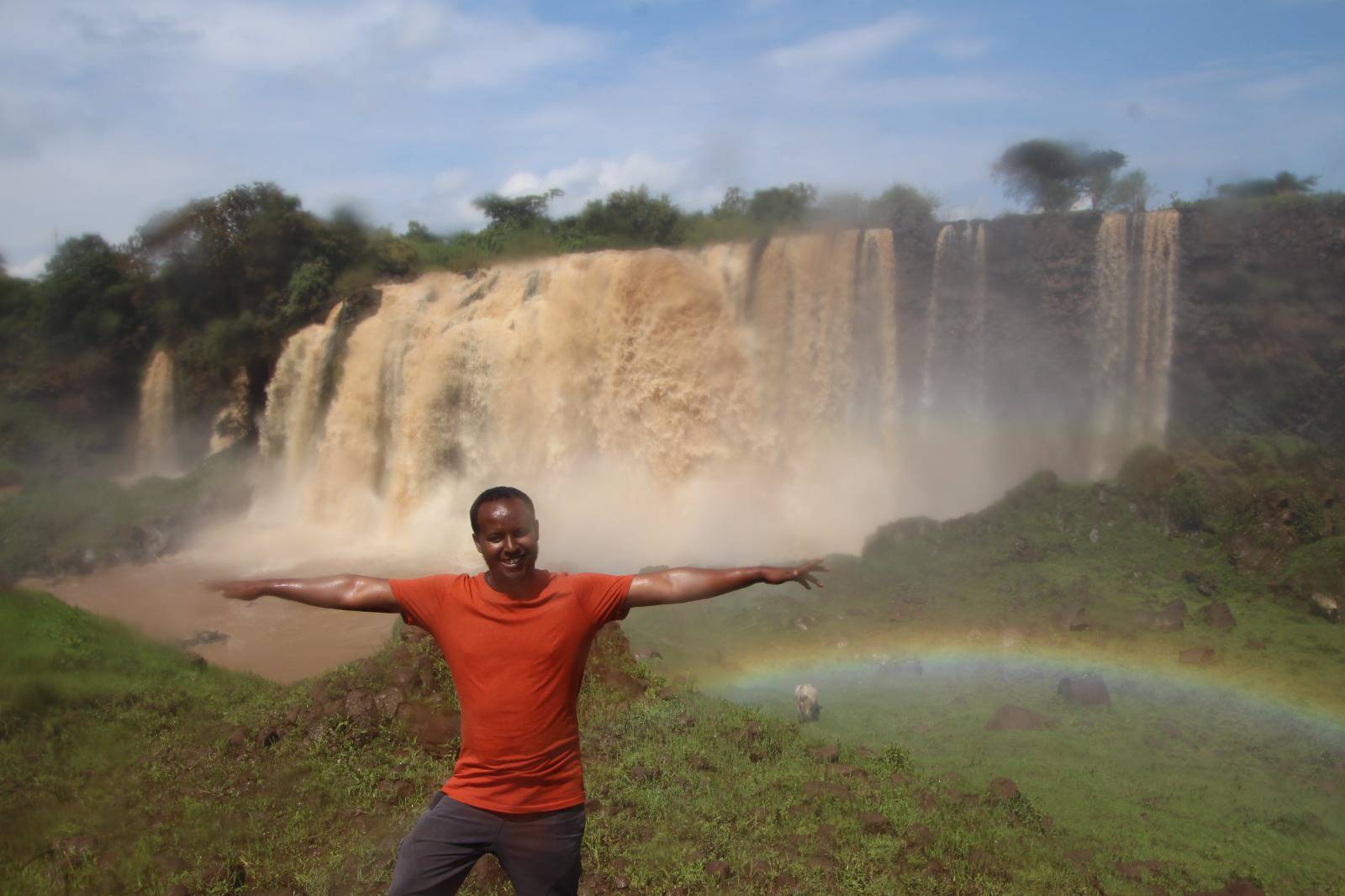
Ethiopia Safari vs Kenya 2026: Wildlife, Cost & Which Wins
Compare Ethiopia and Kenya safaris in 2026. Kenya costs $4,800-$6,800 with Big Five guarantees. Ethiopia costs $3,500-$5,500 with unique wildlife. Choose your perfect safari.

Ethiopia Safari vs Kenya 2026: Cost & Wildlife
Last updated: July 2026
Ethiopia Safari vs Kenya 2026 offers two distinct African experiences. Kenya guarantees Big Five sightings and costs $4,800-$6,800 for a 7-day mid-range safari. Ethiopia provides unique wildlife and lower costs at $3,500-$5,500 for the same duration. Kenya suits first-time visitors; Ethiopia rewards adventurous travelers seeking solitude and off-the-beaten-path exploration.
At a Glance
- Kenya Safari Cost: $4,800-$6,800 per person (7 days, mid-range)
- Ethiopia Safari Cost: $3,500-$5,500 per person (7 days, mid-range)
- Kenya Best Time: July-October (Great Migration)
- Ethiopia Best Time: September-June (dry season)
- Kenya Best For: First-timers, Big Five guarantees, classic safaris
- Ethiopia Best For: Adventurers, unique species, cultural immersion, budget travelers
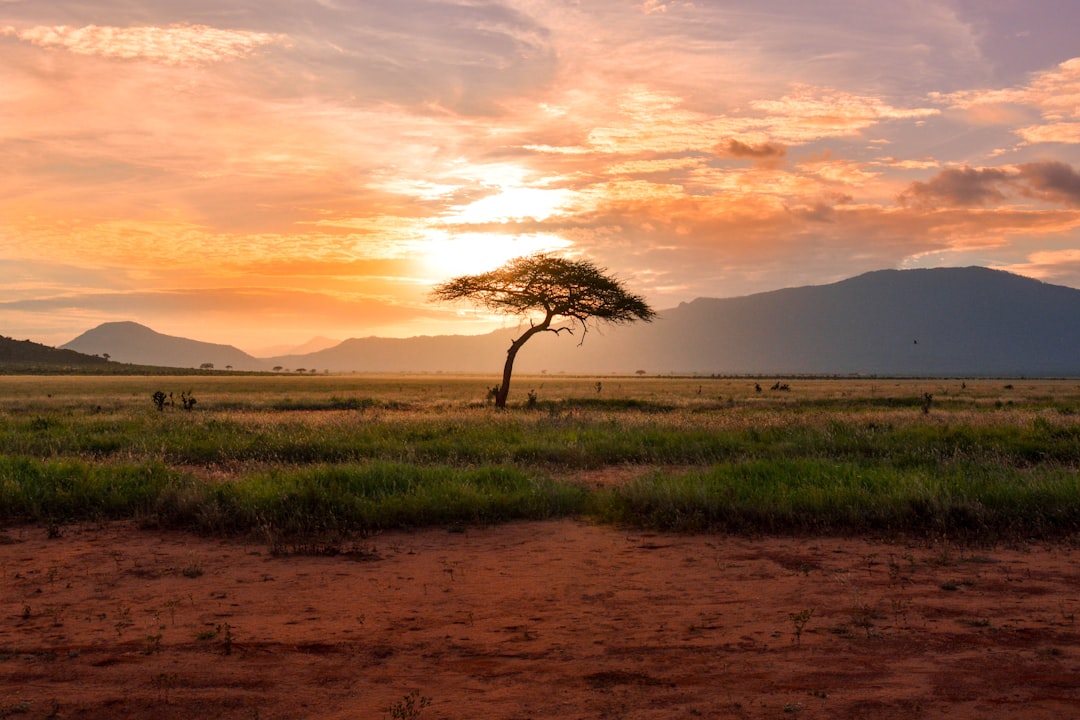
What Is Ethiopia Safari vs Kenya 2026?
Choosing between Ethiopia Safari vs Kenya 2026 means deciding between two African safari experiences. Kenya offers established wildlife viewing with guaranteed Big Five sightings and modern infrastructure. Ethiopia provides unique species, cultural immersion, and lower costs with fewer tourists.
Kenya wins for guaranteed Big Five viewing. Ethiopia wins for unique species and solitude. Choose Kenya if you want wildlife certainty. Choose Ethiopia if you want wildlife adventure. Both destinations deliver incredible African experiences, but they cater to different traveler types and budgets.
Why Compare Ethiopia and Kenya?
Both countries sit in East Africa and offer world-class safari experiences. However, their wildlife, costs, infrastructure, and visitor volumes differ significantly. Understanding these differences helps you pick the right destination for your 2026 safari adventure.
Kenya recorded approximately 2.4 million international arrivals in 2024, making it Africa's most popular safari destination. Ethiopia attracts far fewer tourists, creating a more exclusive experience. This difference affects prices, lodge availability, and wildlife viewing conditions.
Key Factors in the Comparison
Your decision depends on five main factors: wildlife variety, cost, infrastructure, crowds, and cultural experiences. Kenya excels in infrastructure and Big Five viewing. Ethiopia shines in unique species, lower costs, and authentic cultural immersion.
This guide breaks down each factor so you can make an informed decision. We'll compare prices, wildlife, best parks, and practical details for both destinations in 2026.
Wildlife: What Animals Will You See?
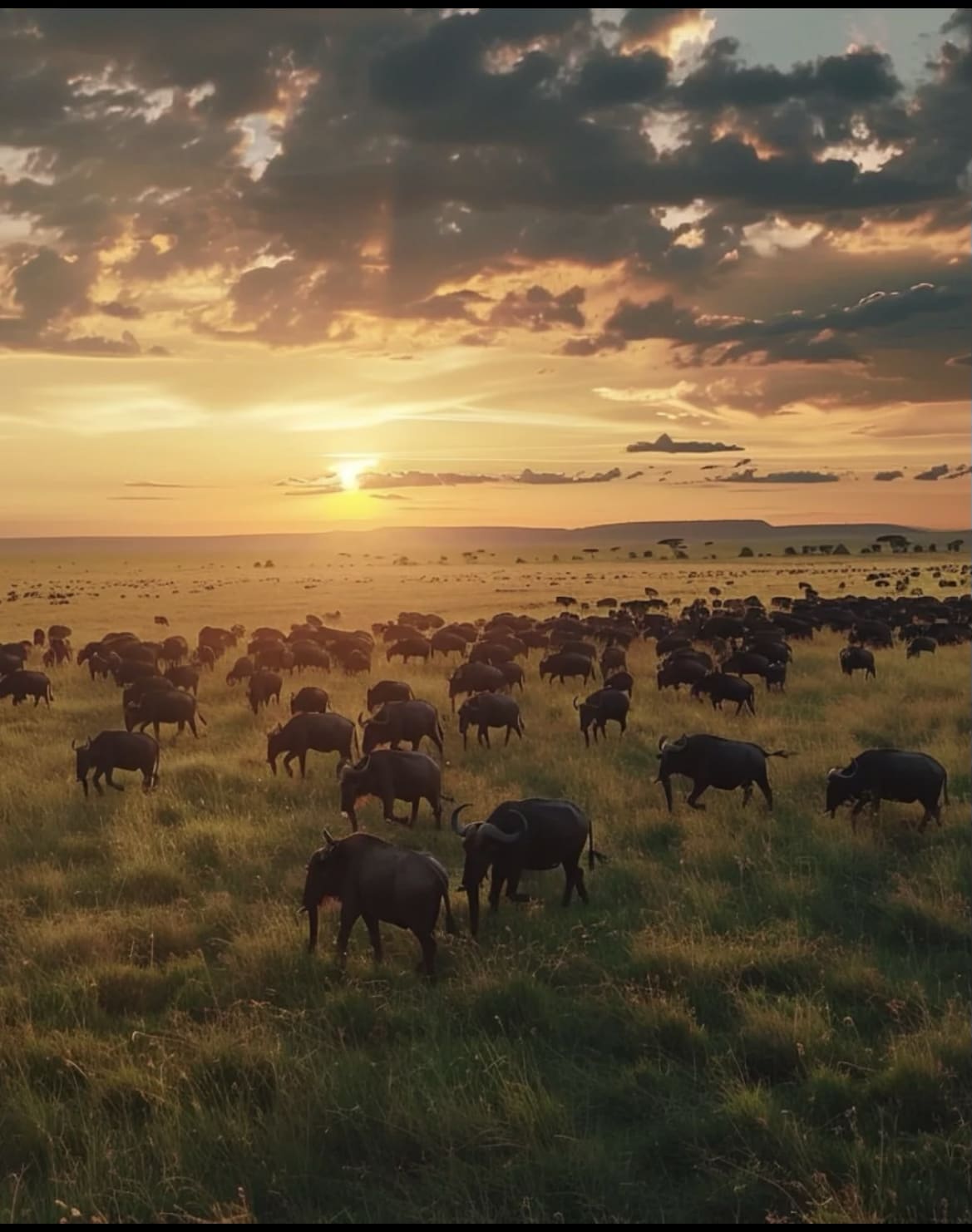
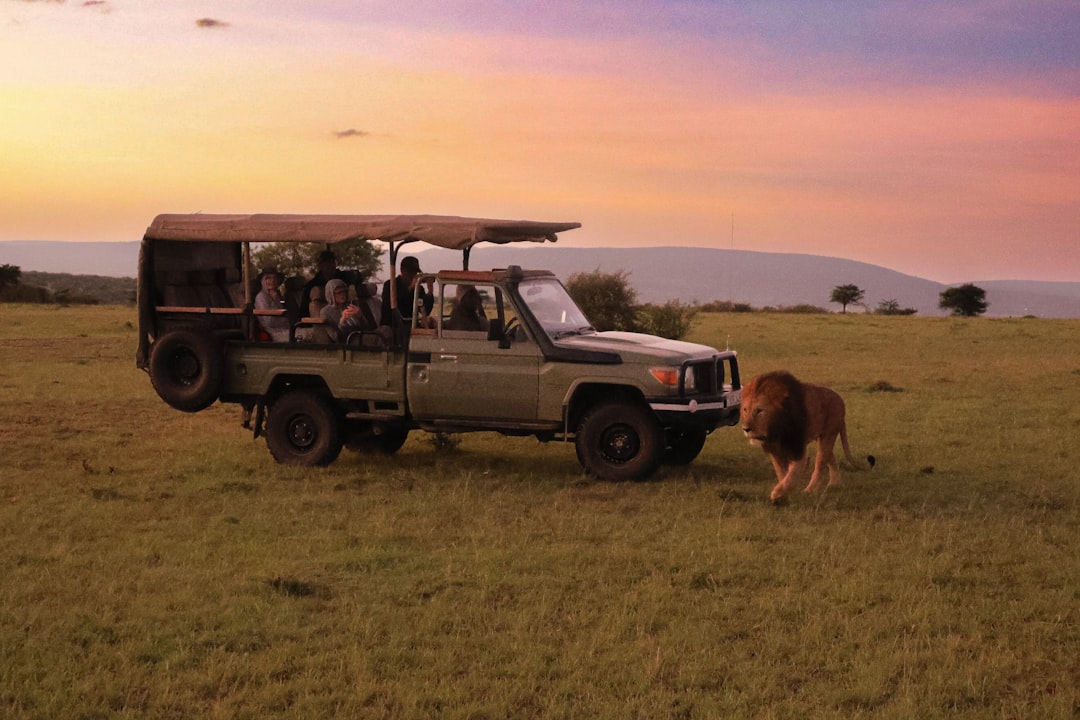
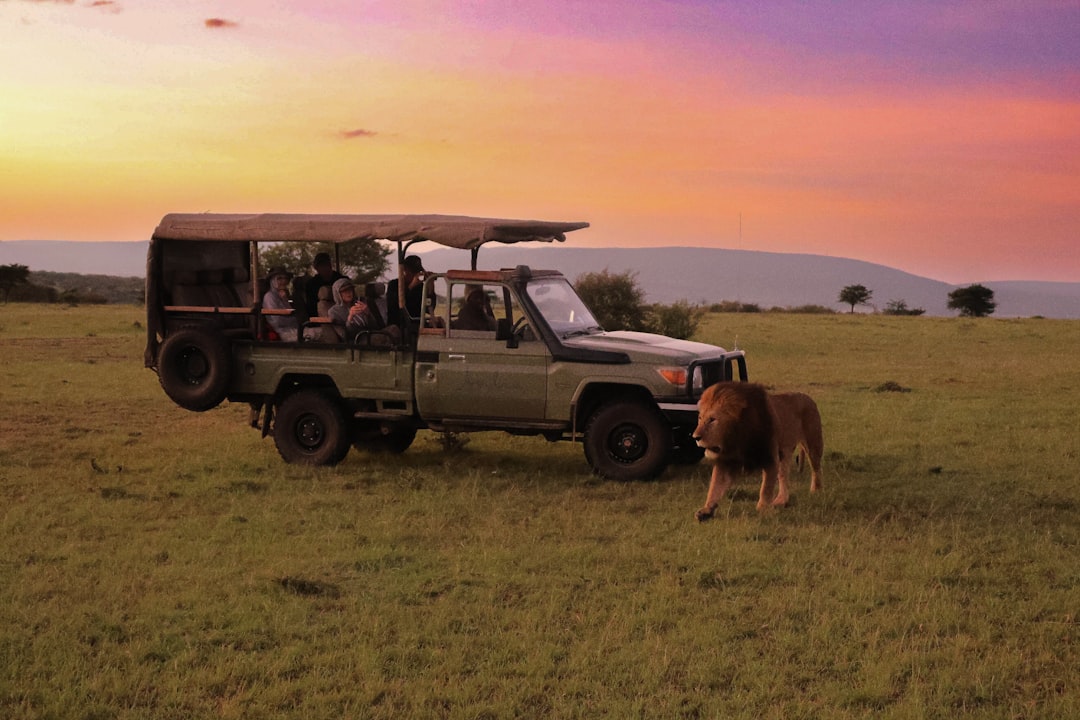
Kenya offers guaranteed Big Five sightings across its protected areas. The Big Five—lions, leopards, elephants, buffalo, and rhinos—draw most safari visitors. Kenya's Masai Mara and Amboseli parks deliver consistent Big Five encounters year-round.
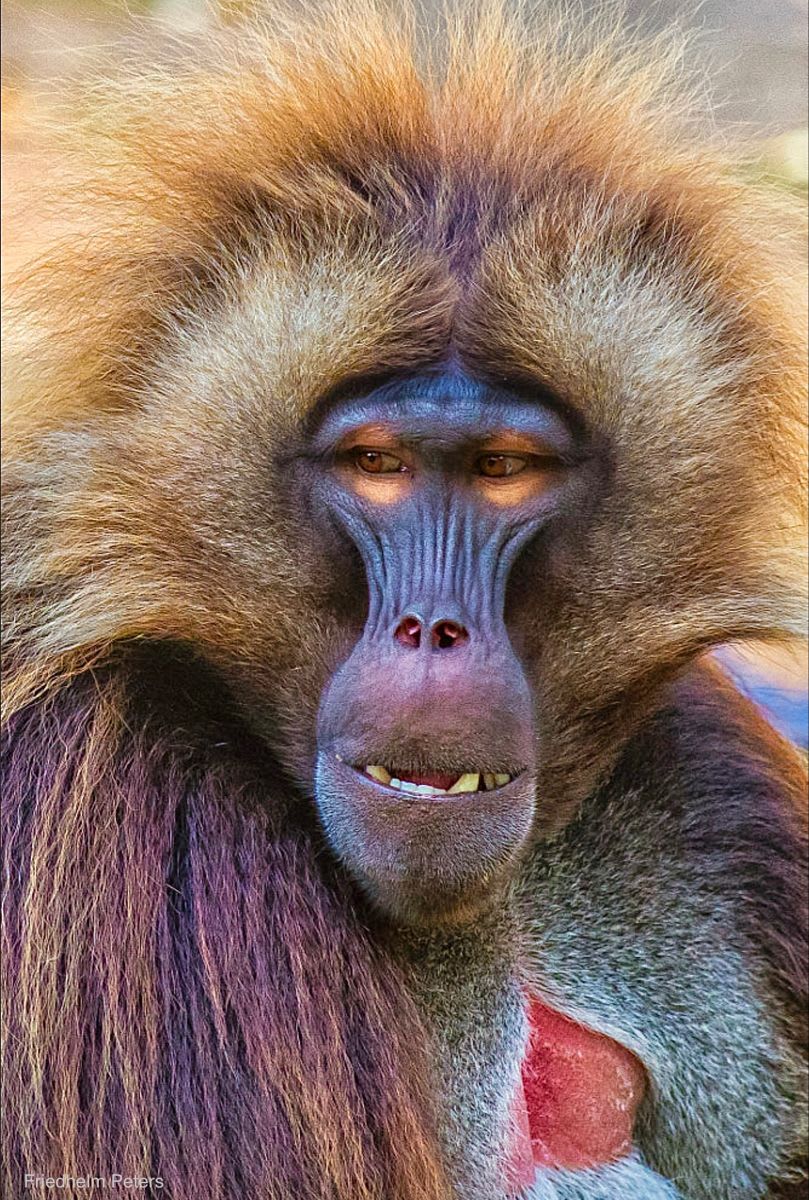
Ethiopia provides unique species you won't find elsewhere in Africa. Ethiopian wolves, Gelada baboons, and Walia ibex exist only in Ethiopia. These endemic species attract wildlife enthusiasts seeking rare animal encounters and photography opportunities.
Kenya's Wildlife Highlights
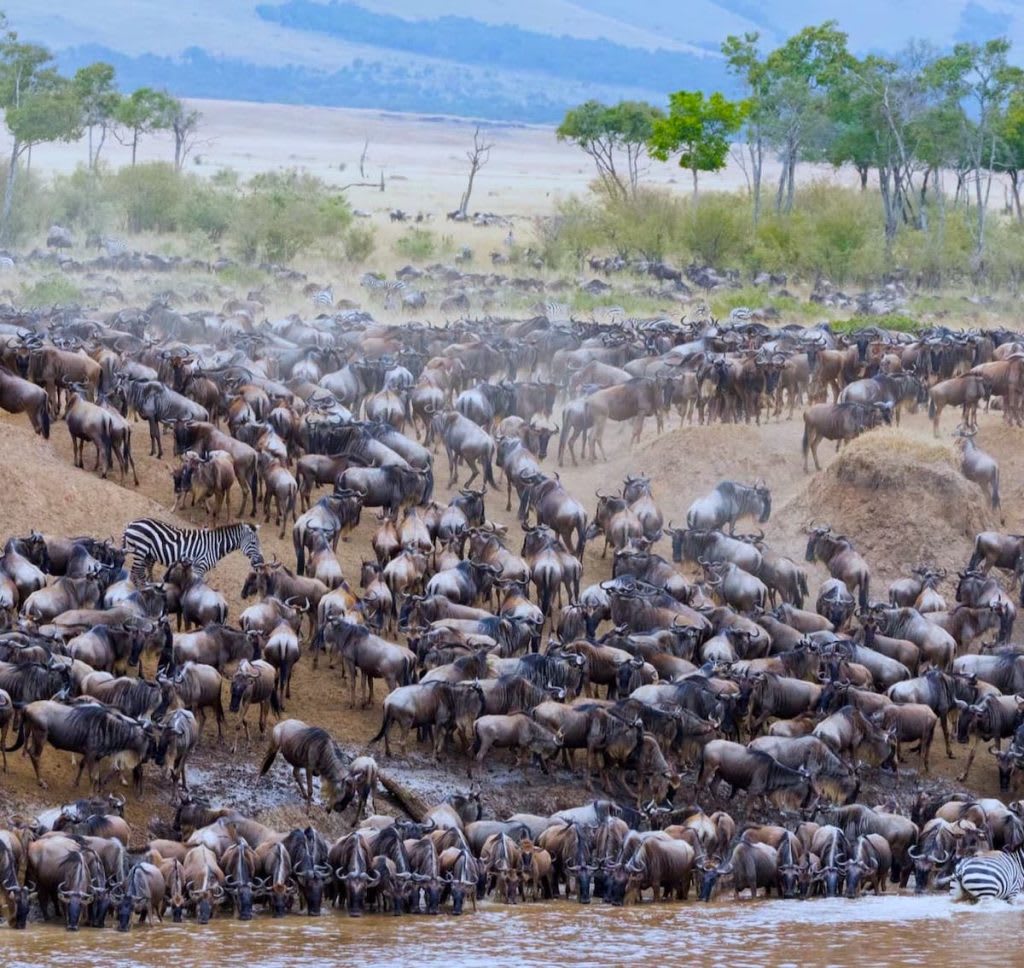
The Masai Mara National Reserve hosts over 1.5 million wildebeest during the Great Migration from July to October. You'll see lions, leopards, cheetahs, elephants, and buffalo in high concentrations. The abundance of predators and prey makes Kenya ideal for wildlife photography.
Amboseli National Park specializes in elephant viewing. The park's elephants are habituated to vehicles, allowing close encounters. You'll also see buffalo, giraffes, zebras, and various bird species against the backdrop of Mount Kilimanjaro.
Lake Nakuru and Tsavo offer additional wildlife diversity. Nakuru is famous for flamingos and rhinos. Tsavo showcases red elephants, lions, and vast savanna landscapes. Kenya's established parks mean predictable wildlife sightings.
Ethiopia's Wildlife Highlights
The Simien Mountains National Park protects endangered Walia ibex and Ethiopian wolves. These endemic species exist nowhere else on Earth. Gelada baboons inhabit the highlands in massive herds. The Simien experience combines wildlife viewing with dramatic mountain scenery.
The Awash National Park features lions, leopards, hyenas, and various antelope species. The park's diverse habitats support both savanna and desert wildlife. You'll encounter fewer tourists than in Kenya, creating more intimate wildlife moments.
The Omo Valley offers cultural safaris combined with wildlife viewing. You'll see various bird species, crocodiles, and hippopotamus in river habitats. Ethiopia's wildlife experiences emphasize adventure and discovery over guaranteed sightings.
For a comprehensive look at Ethiopian wildlife, explore our Ethiopia Safari Animals: 7-Day Wildlife Checklist 2026 guide for detailed species lists and viewing probabilities.
Cost Breakdown: Kenya vs Ethiopia 2026
Ethiopia offers significantly lower safari costs than Kenya. A 7-day mid-range Tanzania safari runs $4,500 to $6,500 per person. The Kenya equivalent runs $4,800 to $6,800. Ethiopia safaris typically cost $3,500-$5,500 for the same duration, making it 20-30% cheaper overall.
Budget-Tier Safaris
Budget safaris in Kenya cost $2,500-$3,500 per person for 7 days. These packages use shared vehicles, basic lodges, and group tours. Ethiopia budget safaris run $1,800-$2,800 for the same duration. The lower Ethiopian prices reflect fewer tourists and lower operational costs.
Budget lodges in Kenya offer comfortable rooms with basic amenities. Ethiopian budget lodges provide similar comfort at lower rates. Both destinations offer excellent value at the budget level, but Ethiopia edges ahead on price.
Mid-Range Safaris
Mid-range Kenya safaris cost $4,800-$6,800 per person for 7 days. These packages include private or semi-private vehicles, mid-range lodges, and experienced guides. Accommodations feature en-suite bathrooms, good meals, and scenic locations.
Mid-range Ethiopia safaris run $3,500-$5,500 for the same duration. You'll get similar vehicle and guide quality but at lower prices. Ethiopian mid-range lodges offer comparable comfort to Kenya's mid-range options.
Luxury Safaris
Luxury Kenya safaris cost $8,000-$15,000+ per person for 7 days. These packages feature private vehicles, exclusive lodges, gourmet meals, and premium experiences. Kenya's luxury market is well-developed with numerous high-end options.
Luxury Ethiopia safaris run $6,000-$10,000 for the same duration. Ethiopia has fewer luxury lodges, but prices remain lower than Kenya. Luxury experiences in Ethiopia emphasize exclusivity and adventure over lavish amenities.
What Drives the Price Difference?
Kenya has more lodges and more operators competing for the same clients. That pushes prices down through competition. Tanzania's remote locations mean fewer options and higher running costs for each camp. Those costs pass to the guest.
Ethiopia's lower tourism volume means operators can't spread fixed costs across as many visitors. However, lower local wages and operational expenses offset this factor. The net result: Ethiopia remains cheaper overall.
Accommodation competition matters greatly. Kenya recorded 2.4 million international arrivals in 2024 compared to Ethiopia's fraction of that number. More visitors means more lodges competing for your business, driving prices down across the board.
| Safari Tier | Kenya 7-Day Cost | Ethiopia 7-Day Cost | Savings |
|---|---|---|---|
| Budget | $2,500-$3,500 | $1,800-$2,800 | $700-$1,000 |
| Mid-Range | $4,800-$6,800 | $3,500-$5,500 | $1,300-$1,800 |
| Luxury | $8,000-$15,000 | $6,000-$10,000 | $2,000-$5,000 |
Ready to compare specific packages? Browse verified safari packages on SafariFind to see real 2026 pricing for both destinations.
Infrastructure and Accessibility
Kenya offers superior infrastructure for safari tourists. Multiple international airports, established roads, reliable electricity, and modern communications make Kenya easily accessible. Ethiopia's infrastructure is developing but less established than Kenya's.
Getting There: Flights and Transportation
Kenya's Jomo Kenyatta International Airport in Nairobi receives direct flights from major world cities. Ethiopian Airlines and numerous international carriers serve Nairobi daily. Flights from North America, Europe, and Asia typically connect through Addis Ababa or other hubs.
Ethiopia's Bole International Airport in Addis Ababa serves as the main entry point. Ethiopian Airlines dominates routes to Ethiopia. You may experience longer travel times and fewer direct flight options compared to Kenya.
Ground transportation in Kenya uses established roads and well-maintained highways. Safari drives typically occur on marked roads and designated routes. Ethiopia's roads are rougher, and safari routes often follow tracks. This makes Ethiopian safaris feel more adventurous but less comfortable.
Accommodation Quality and Availability
Kenya offers abundant accommodation options across all budget levels. Major parks feature dozens of lodges and camps. You'll find luxury tented camps, mid-range lodges, and budget hostels easily. Booking accommodation in Kenya is straightforward and competitive.
Ethiopia has fewer accommodation options, especially in remote areas. Major parks like Simien Mountains and Awash have limited lodge choices. During peak season (September-June), availability tightens considerably. This scarcity can drive prices up and limit booking flexibility.
For detailed Ethiopian lodging information, check our Ethiopia Safari Lodges 2026: Luxury vs Budget by Park guide for current availability and pricing.
Communication and Internet
Kenya has excellent mobile coverage and reliable internet in major cities and lodges. Most safari camps offer WiFi and charging facilities. You can stay connected throughout your safari.
Ethiopia's connectivity is more limited, especially in remote areas. Internet speeds are slower, and coverage gaps exist. If constant connectivity matters to you, Kenya is the better choice.
Food and Water Safety
Kenya's tourism infrastructure ensures safe food and water throughout the country. Safari lodges maintain high hygiene standards. Tap water in Nairobi is drinkable; bottled water is standard elsewhere.
Ethiopia also maintains reasonable food safety standards in tourist areas. However, water quality varies. Most travelers drink bottled water. Ethiopian cuisine is excellent, but digestive adjustment may occur for some visitors.
Best Time to Visit: Seasons and Migration
Kenya's best season is July to October for the Great Migration. The Serengeti's 1.5 million wildebeest cross the Mara River during this window. This period draws the most tourists and commands premium prices. January to February offers a second peak season with slightly lower costs.
Ethiopia's dry season runs September to June. The best viewing occurs from September to November and January to February. These months offer clear skies, accessible roads, and comfortable temperatures. June to August brings rain, making some areas inaccessible.
Kenya's Seasonal Patterns
July to October is Kenya's peak season. The Great Migration creates dramatic wildlife viewing and photography opportunities. Hotels fill quickly, and prices peak. Book 3-6 months ahead to secure accommodations and save 15-20% on peak season rates.
January to February is Kenya's secondary peak season. Weather is dry, and wildlife viewing is excellent. Prices remain high but slightly lower than July-October. This period suits travelers avoiding European summer crowds.
March to May brings long rains. Many roads become impassable. Tourist numbers drop, and prices fall significantly. This season offers budget opportunities but limits accessibility to some parks.
November to December features short rains. Weather is unpredictable but improving. Tourist numbers remain moderate, and prices are reasonable. This shoulder season works for budget-conscious travelers.
Ethiopia's Seasonal Patterns
September to November is Ethiopia's best season. The landscape is green after summer rains. Temperatures are cool and comfortable. Tourist numbers remain low, so you'll enjoy solitude and lower prices.
January to February offers dry weather and clear skies. This is peak season for Ethiopia. Temperatures are cool at higher elevations. Tourist numbers increase, but Ethiopia still feels less crowded than Kenya.
June to August brings heavy rains. Many highland routes become impassable. Low-altitude areas like Awash remain accessible. This off-season offers significant discounts and very few tourists.
For seasonal details, explore our Ethiopia Safari in July–September: Dry Season Guide 2026 for month-by-month planning.
Tourist Crowds and Solitude
Kenya attracts far more tourists than Ethiopia. The Masai Mara during the Great Migration sees dozens of vehicles around each wildlife sighting. Popular parks like Amboseli feature constant tourist traffic. If you seek wildlife solitude, Kenya disappoints during peak season.
Ethiopia offers genuine solitude and exclusivity. You may encounter only a handful of other tourists during a week-long safari. Wildlife viewing feels intimate and personal. This advantage appeals to photographers, adventurers, and travelers seeking authentic African experiences.
Crowd Levels by Destination
The Masai Mara during July-October hosts hundreds of vehicles daily. Popular wildlife sightings attract 10-20 vehicles simultaneously. This crowding detracts from the wildlife experience and complicates photography.
Amboseli National Park maintains moderate crowd levels but still feels busy compared to Ethiopia. The park's small size concentrates visitors. January-February peak season fills lodges and roads.
Simien Mountains National Park in Ethiopia rarely sees more than a handful of tourists daily. You'll hike and camp with minimal crowd interference. Wildlife encounters feel undisturbed and authentic.
Awash National Park in Ethiopia offers similar solitude. Game drives may reveal no other vehicles for hours. This peaceful experience contrasts sharply with Kenya's crowded parks.
Photography Implications
Kenya's crowds complicate wildlife photography. Multiple vehicles surround subjects, creating cluttered backgrounds. You'll struggle to capture animals without other tourists visible.
Ethiopia's solitude enables outstanding wildlife photography. You'll have unobstructed views and clean backgrounds. Patient photographers capture extraordinary images in Ethiopia's peaceful environment.
For first-timers prioritizing classic safari experiences, Kenya's crowds feel normal and energetic. For experienced travelers seeking photography excellence, Ethiopia's solitude is invaluable.
Cultural Experiences and Immersion
Kenya offers established cultural tourism programs. You can visit Maasai villages and interact with local communities. These experiences are well-organized but somewhat commercialized. Most safari packages include a cultural component.
Ethiopia provides deeper cultural immersion. The Omo Valley safaris combine wildlife viewing with visits to indigenous tribes. You'll encounter Mursi, Karo, and Hamer peoples living traditional lifestyles. These experiences feel authentic and transformative.
Kenya's Cultural Options
Maasai village visits are standard in Kenya. You'll meet Maasai warriors, see traditional homes, and learn about pastoral culture. These programs support local communities through tourism revenue. However, the experience feels somewhat staged for tourist consumption.
Cultural centers near major cities offer museum exhibits and cultural performances. Nairobi's Karen Blixen Museum and other attractions provide historical context. These experiences enhance your safari understanding.
Maasai guides often share cultural knowledge during game drives. Their perspectives enrich wildlife viewing with cultural insight. This informal cultural exchange often proves more valuable than organized village visits.
Ethiopia's Cultural Immersion
The Omo Valley offers unparalleled cultural experiences. You'll visit communities that maintain traditional practices largely unchanged for centuries. These encounters are profound and humbling. The experience requires openness, respect, and flexibility.
Market visits in small towns provide authentic cultural observation. You'll see daily life unfiltered by tourism infrastructure. These moments create lasting memories and genuine human connections.
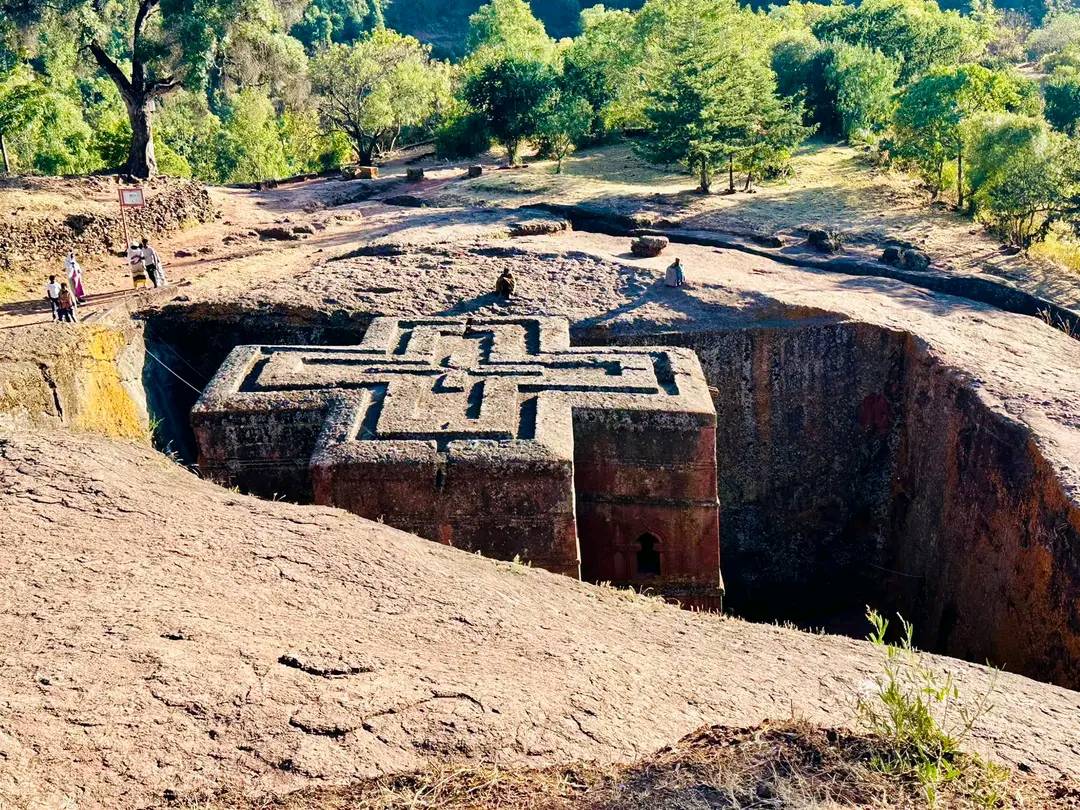
Religious sites like Lalibela feature ancient churches carved from rock. These UNESCO-listed sites combine cultural significance with spiritual atmosphere. Visiting Lalibela before or after your safari adds cultural depth.
Local guides in Ethiopia share detailed cultural knowledge. Their personal stories and family histories contextualize the landscape. This intimate cultural exchange distinguishes Ethiopian safaris from Kenya's more commercial offerings.
Safety and Practical Considerations
Kenya is generally safe for tourists. Major parks and cities maintain good security. Standard travel precautions apply: avoid displaying valuables, stay aware of surroundings, and follow guide instructions. Safari lodges provide secure environments.
Ethiopia is also safe for organized safaris. Tourist areas like Simien Mountains and Awash National Park have good security. However, some regions require caution. Always book through established operators and follow current travel advisories.
Health and Medical Considerations
Malaria exists in both countries' lower elevations. Take prophylaxis as recommended by your doctor. Simien Mountains' high altitude (above 2,500 meters) has minimal malaria risk. Kenya's major parks generally have moderate malaria risk requiring prevention.
Vaccinations against yellow fever, typhoid, and hepatitis A are recommended for both destinations. Consult your doctor 4-6 weeks before travel. Travel insurance with medical evacuation coverage is essential for remote areas.
Altitude sickness affects some visitors in Ethiopia's highlands. Ascend gradually and allow acclimatization days. Kenya's major parks are at lower elevations, minimizing altitude concerns.
For comprehensive safety information, check our Ethiopia Safari Safety 2026: Is It Safe Right Now? guide for current conditions and detailed precautions.
Visa Requirements
Kenya issues tourist visas on arrival for most nationalities. E-visas are available online. Processing takes 2-3 days. Visa costs approximately $50 USD.
Ethiopia also issues tourist visas on arrival. E-visas are available and recommended. Processing takes 2-3 days online. Visa costs approximately $50 USD as well.
Packing Essentials
Both destinations require similar safari gear. Pack neutral-colored clothing for wildlife viewing. Binoculars, camera gear, sunscreen, and insect repellent are essential. Layered clothing handles temperature variations, especially in Ethiopia's highlands.
Ethiopia's rough roads require sturdy shoes. Kenya's established roads are more forgiving. Both destinations benefit from good hiking boots for walking safaris.
Booking and Planning Your Safari
Booking your safari through verified operators ensures quality experiences and fair pricing. SafariFind connects travelers with verified tour operators offering authentic reviews and transparent pricing. Comparing multiple operators helps you find the best value for your budget and preferences.
When to Book
Book Kenya safaris 3-6 months ahead for peak season (July-October). This timing secures accommodations and saves 15-20% on rates. Last-minute bookings during peak season face limited availability and premium prices.
Ethiopia safaris can be booked 2-3 months ahead. Availability is generally better than Kenya due to lower tourist volume. Last-minute bookings often find reasonable options even during peak season.
Choosing Your Operator
Look for operators with strong reviews and transparent pricing. SafariFind's Ethiopia Safari Operators 2026: Verified & Rated by Travelers guide helps identify reputable companies. Read detailed reviews from past travelers to understand operator quality.
Ask operators about their experience, guide qualifications, and vehicle conditions. Reputable operators provide detailed itineraries and answer questions thoroughly. Avoid operators with vague descriptions or pressure tactics.
Consider operator size. Large operators offer structured experiences with many clients. Small operators provide personalized service and flexibility. Both approaches have merit depending on your preferences.
Budget Planning
If you're budget-conscious, explore our Ethiopia Safari Under $1,500: 5-Day Budget Itineraries 2026 guide for affordable options. For detailed cost breakdowns, check our Ethiopia Safari Cost 2026: Budget, Mid-Range & Luxury Breakdown guide.
Budget safaris require flexibility on accommodations and activities. Mid-range safaris offer good value with comfortable amenities. Luxury safaris prioritize comfort and exclusivity over budget considerations.
Ready to book? Request quotes from verified safari operators to compare packages, prices, and services for your 2026 safari.
Key Takeaways
- Choose Kenya for guaranteed Big Five viewing. The Masai Mara and Amboseli deliver predictable wildlife encounters with established infrastructure, ideal for first-time safari-goers in 2026.
- Choose Ethiopia for unique species and lower costs. Ethiopian wolves, Gelada baboons, and Walia ibex exist nowhere else, while Ethiopia safaris cost 20-30% less than Kenya's equivalent packages.
- Book Kenya safaris 3-6 months ahead to save 15-20% on peak season rates (July-October). Ethiopia safaris can be booked 2-3 months ahead with better last-minute availability.
- Ethiopia offers genuine solitude and cultural immersion. The Omo Valley provides unparalleled interactions with indigenous communities, while Kenya's experiences feel more commercialized and crowded.
- Compare verified operators on SafariFind to find the best value, read authentic traveler reviews, and request quotes from multiple companies before committing to your 2026 safari adventure.
Frequently Asked Questions
Is Kenya or Ethiopia better for first-time safari visitors?
Kenya is better for first-time visitors. Established infrastructure, guaranteed Big Five sightings, and abundant accommodations reduce uncertainty. Kenya's major parks deliver classic safari experiences tourists expect. Ethiopia suits experienced travelers seeking adventure and authentic cultural immersion.
How much does a 7-day safari cost in Kenya vs Ethiopia in 2026?
Kenya's 7-day mid-range safari costs $4,800-$6,800 per person. Ethiopia's equivalent costs $3,500-$5,500 per person. Budget safaris run $2,500-$3,500 in Kenya versus $1,800-$2,800 in Ethiopia. Ethiopia offers 20-30% savings across all price tiers.
What is the best time to visit Kenya vs Ethiopia?
Kenya's best season is July-October for the Great Migration. The Serengeti's 1.5 million wildebeest create dramatic viewing opportunities. Ethiopia's best season is September-November and January-February. These dry months offer clear skies and accessible roads with fewer tourists than Kenya.
Will I see the Big Five in Ethiopia?
Ethiopia does not guarantee Big Five sightings. Lions and leopards exist in some parks but sightings are less predictable than Kenya. Ethiopia specializes in endemic species like Ethiopian wolves and Walia ibex. If seeing the Big Five is your priority, Kenya is the better choice.
Which destination has better wildlife photography opportunities?
Ethiopia offers superior wildlife photography due to solitude and lack of crowds. You'll capture clean backgrounds without other vehicles visible. Kenya's crowded parks complicate photography with multiple vehicles surrounding subjects. For photography excellence, Ethiopia's peaceful environment is invaluable.
Is Ethiopia safe for safari tourism in 2026?
Yes, Ethiopia is safe for organized safaris through established operators. Tourist areas like Simien Mountains and Awash National Park maintain good security. Always book through verified operators and follow current travel advisories. Standard travel precautions apply in both Kenya and Ethiopia.
How do I book a safari in Kenya or Ethiopia?
Browse verified safari packages on SafariFind to compare operators, prices, and reviews. Request quotes from verified operators to customize your safari experience. Reading authentic traveler reviews helps you choose operators with proven track records.
Conclusion
Choosing between Ethiopia Safari vs Kenya 2026 depends on your priorities, budget, and travel style. Kenya excels in classic savanna safaris, abundant wildlife, established infrastructure, and Big Five guarantees. Kenya is ideal for first-time visitors seeking predictable experiences and comfort.
Ethiopia provides unique species, lower costs, cultural immersion, and genuine solitude. Ethiopia suits adventurous travelers seeking off-the-beaten-path experiences and authentic African encounters. Ethiopia safaris cost 20-30% less than Kenya while delivering equally memorable wildlife viewing.
Both destinations deliver outstanding African safari experiences. Kenya's 7-day mid-range safaris cost $4,800-$6,800 per person, while Ethiopia's equivalent runs $3,500-$5,500. Kenya's peak season (July-October) features the Great Migration; Ethiopia's dry season (September-June) offers excellent viewing with fewer crowds.
For detailed guidance on either destination, explore our comprehensive Ethiopia safari guides covering operators, costs, safety, and first-timer preparation. In 2026, verified operators on SafariFind can help you compare packages, read authentic reviews, and find your perfect safari experience at the best value.
Ready to compare your options? Compare verified safari packages on SafariFind to see current 2026 pricing for both Kenya and Ethiopia. Request quotes from verified operators today to start planning your African adventure.
Plan Your Safari with SafariFind
These recommendations use real data from SafariFind, where you can compare operators, browse packages, and read verified traveler reviews before you book.
Recommended Safari Operators from SafariFind
Recommended Safari Packages from SafariFind
What Travelers Say (SafariFind Reviews)
References
- SafariFind: Ethiopia Safari vs Kenya: Wildlife, Cost & Value
- African Trek Travel: Ethiopia vs Kenya: Which Is Better for Wildlife 2026-2027
- Get Safari Tours: Kenya vs Tanzania Safari 2026: Which Is Better?
- African Scenic Safaris: Tanzania Safari Cost vs Kenya Safari Cost - What to Find in 2026
- Paradise Africa Safari: Kenya Safari Cost Breakdown 2026–2027
- Safari Tanzania: Tanzania vs Kenya Safari 2026 — Which Is Better?
- Alika Adventures: Kenya vs Tanzania Safari: Which Is Better?
- Nature Bound Africa: Kenya Safari Cost 2026: Full Price Breakdown
Sources
- SafariFind: Ethiopia Safari vs Kenya: Wildlife, Cost & Value
- African Trek Travel: Ethiopia vs Kenya: Which Is Better for Wildlife 2026-2027
- Get Safari Tours: Kenya vs Tanzania Safari 2026: Which Is Better?
- African Scenic Safaris: Tanzania Safari Cost vs Kenya Safari Cost - What to Find in 2026
- Paradise Africa Safari: Kenya Safari Cost Breakdown 2026–2027
- Safari Tanzania: Tanzania vs Kenya Safari 2026 — Which Is Better?
- Alika Adventures: Kenya vs Tanzania Safari: Which Is Better?
- Nature Bound Africa: Kenya Safari Cost 2026: Full Price Breakdown
Related to
Ready to start your safari adventure?
Explore curated safari packages and find your perfect African adventure with verified operators.