Ethiopia Safari Safety 2026: Is It Safe Right Now?
Ethiopia safari safety in 2026: U.S. Level 3 advisory explained. Safe regions (Addis Ababa, Lalibela, Simien) vs. areas to avoid. Choose verified operators for secure travel.

Ethiopia Safari Safety 2026: Is It Safe?
Last updated: July 2026
Ethiopia safari safety in 2026 requires careful planning. While popular tourist areas like Addis Ababa, Lalibela, and Simien Mountains remain accessible, the U.S. State Department maintains a Level 3 "Reconsider Travel" advisory due to ongoing unrest in some regions. Book with verified operators who monitor security and stick to established safari routes for the safest experience.
At a Glance
- Current Advisory: U.S. Level 3 "Reconsider Travel" (as of 2026)
- Safe Regions: Addis Ababa, Lalibela, Simien Mountains, Arba Minch, Bale Mountains
- Avoid: Tigray, parts of Amhara and Oromo regions
- Best Time: October to May (dry season, improved infrastructure)
- Tour Operator Support: Professional guides, improved roads, stronger communications
- Key Requirement: Travel through verified safari operators with current security knowledge
What Is Ethiopia Safari Safety in 2026?
Ethiopia safari safety in 2026 is a nuanced topic that requires honest assessment. The short answer: certain areas are safe for tourists, but others are not. You need current information and the right operator.
The U.S. State Department maintains a Level 3 "Reconsider Travel" advisory for Ethiopia . This does not mean all travel is prohibited. Instead, it means travelers should carefully evaluate their plans and use reputable operators who understand local conditions.
Ethiopia's safari regions fall into two categories. Popular tourist destinations like Addis Ababa, Lalibela, Simien Mountains, Arba Minch, and Bale Mountains attract visitors regularly . These areas have improved infrastructure, better-trained guides, and organized tourist support. Meanwhile, the Tigray region and parts of Amhara and Oromo have experienced ongoing unrest and armed clashes .
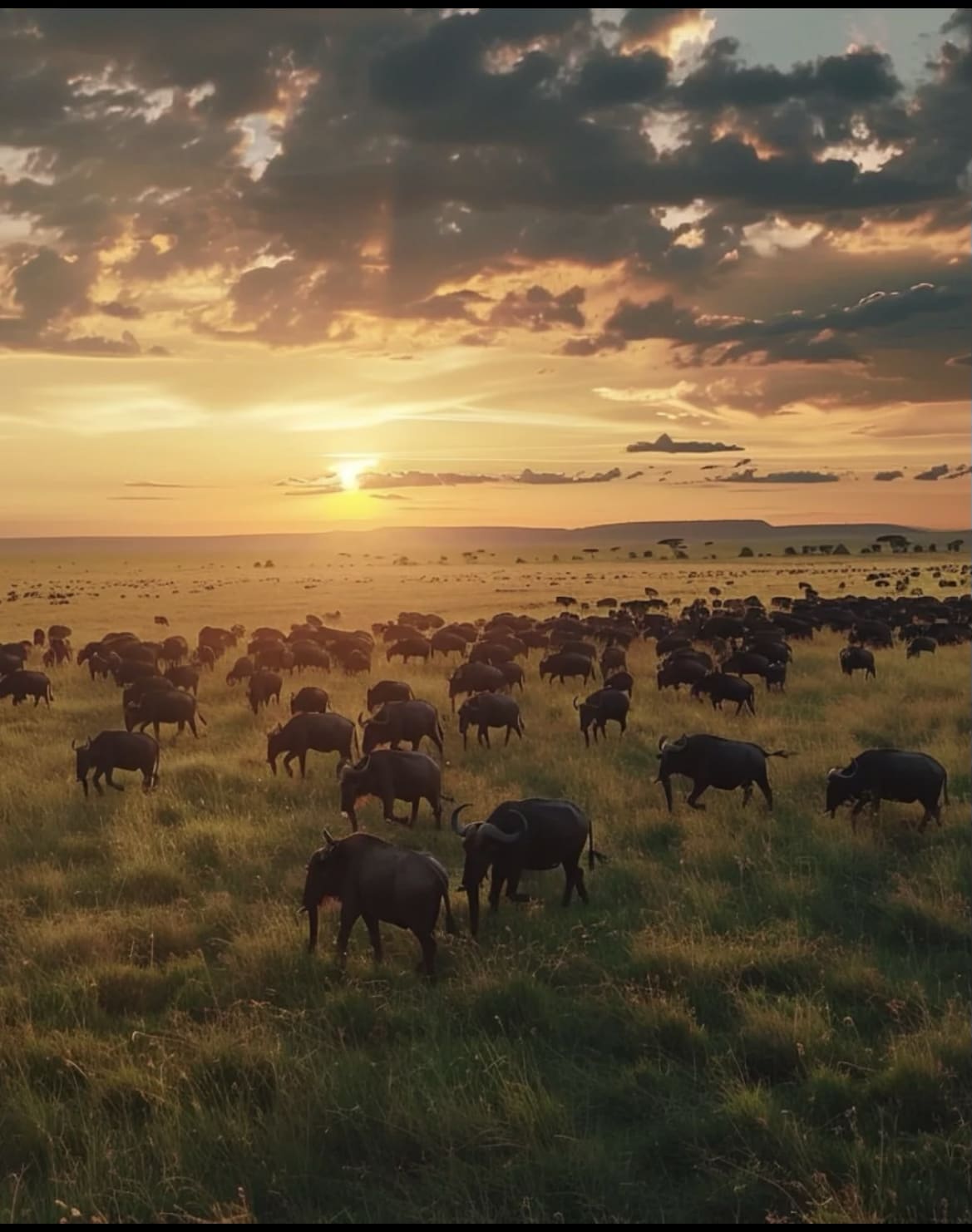
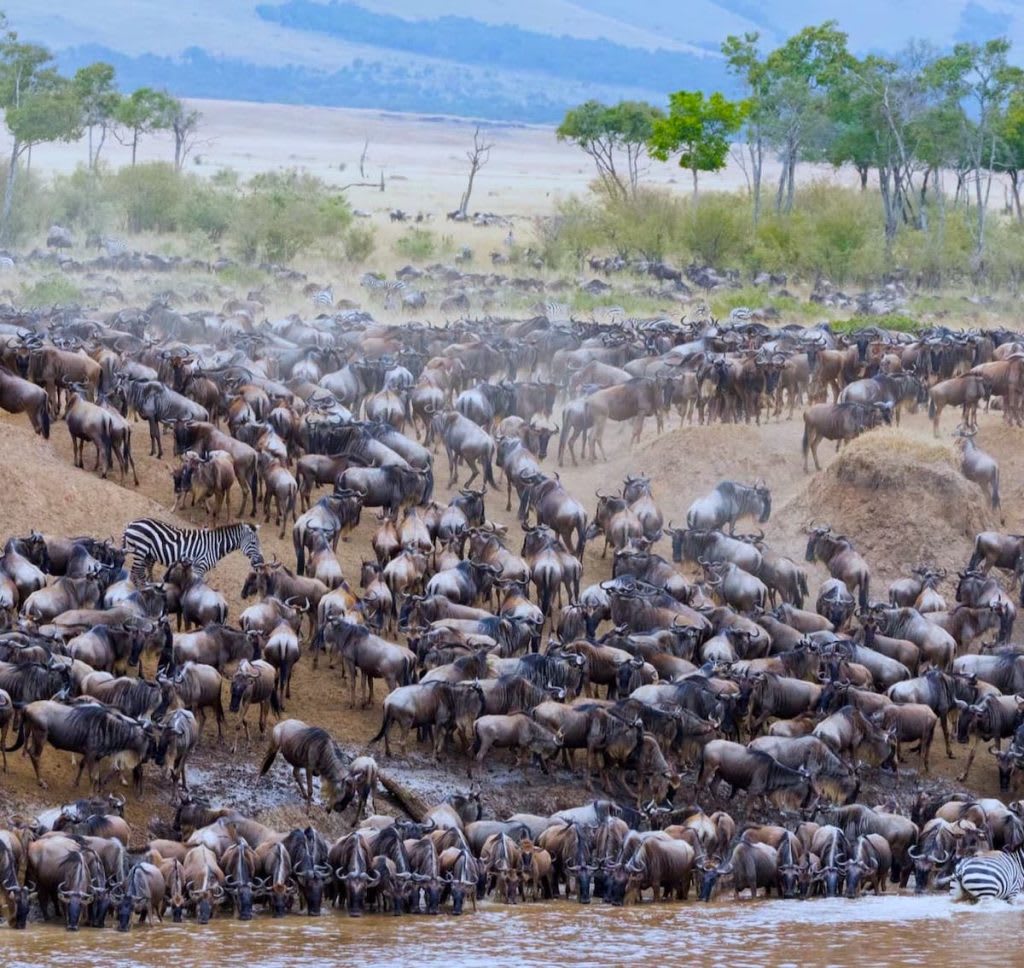
National Parks across Africa remain open, and safari operators continue to bring clients to see iconic wildlife . Ethiopia's parks operate under these same conditions. The key difference is choosing your destination and operator wisely.
Why does this matter? Ethiopia offers unique safari experiences unavailable elsewhere. The Simien Mountains feature the Ethiopian wolf and gelada baboon. Lalibela provides cultural and spiritual exploration. The Bale Mountains offer pristine wilderness. Skipping Ethiopia entirely means missing these irreplaceable experiences, but visiting without proper planning creates unnecessary risk.
This guide helps you understand current safety conditions, identify safe regions, and choose the right operator. You'll learn how to prepare, what to expect, and how to maximize your safety while experiencing Ethiopia's remarkable wildlife and culture.
Current Travel Advisory Status and What It Means
Ethiopia holds a Level 3 "Reconsider Travel" advisory from the U.S. State Department as of 2026 . This classification sounds alarming, but understanding what it means helps you make informed decisions.
Level 3 means the U.S. government advises its citizens to reconsider travel unless they have compelling reasons. It does not prohibit travel. It does not mean the country is entirely unsafe. It means conditions require extra caution and preparation.
The advisory was updated to include exit bans and communication disruptions . These factors matter if you travel independently. However, organized safari groups with professional operators typically avoid these complications because they operate established routes with security protocols.
The advisory applies broadly to Ethiopia as a whole, but conditions vary dramatically by region. Addis Ababa, the capital, remains relatively stable with active tourism infrastructure. Northern tourist circuits like Lalibela and the Simien Mountains see regular visitor traffic. Southern parks like Bale Mountains and Arba Minch continue welcoming safari groups.
Conversely, the Tigray region in the north and parts of Amhara and Oromo in the east and south have experienced significant armed conflict . The U.S. government specifically advises against all travel to these areas.
Understanding this distinction is crucial. A Level 3 advisory does not mean "don't go." It means "go carefully, with preparation, and through established channels." Professional safari operators monitor these conditions constantly and adjust itineraries accordingly.
Which Ethiopian Safari Regions Are Safe in 2026?
Several Ethiopian safari regions remain safe and welcoming for tourists in 2026. Travelers consistently report positive experiences in these established destinations with improved conditions.
Addis Ababa, Ethiopia's capital city, is the safest major destination . It serves as the entry point for most safaris. The city has good hotels, restaurants, and tourist services. Security presence is visible but not intrusive. Most travelers move through Addis Ababa without incident, though standard urban precautions apply.
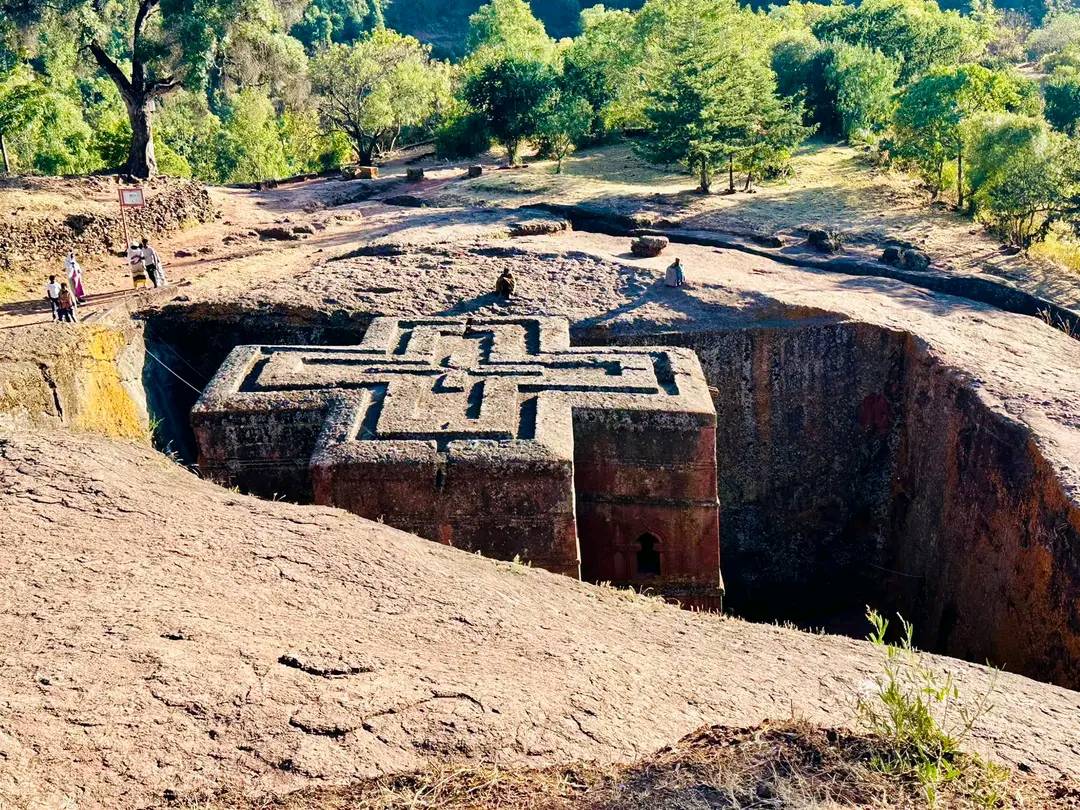
Lalibela represents one of Ethiopia's most visited destinations. This UNESCO World Heritage site features rock-hewn churches carved directly from stone. Travelers report positive experiences and well-organized tourist support . The town has dedicated tourism infrastructure, experienced guides, and established safety protocols. Visiting Lalibela involves minimal risk when using professional operators.
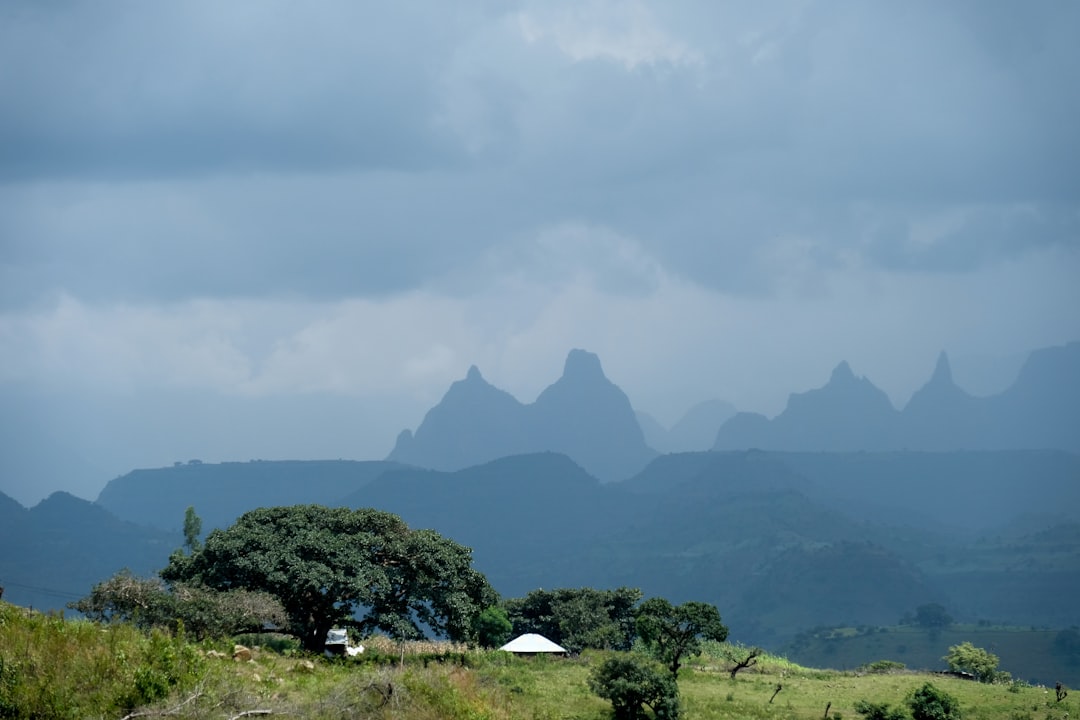
The Simien Mountains National Park offers dramatic highland landscapes and unique wildlife. The Ethiopian wolf, Africa's rarest carnivore, roams these peaks. Gelada baboons graze in large troops. Trekking routes are well-established and regularly used by safari groups . Guides are better trained than in previous years. Roads have improved substantially. This destination attracts serious trekkers and wildlife photographers.
Arba Minch sits in southern Ethiopia near the Omo Valley. This region provides access to lower Omo Valley communities and Lake Turkana. Travelers report positive experiences with organized tours . The area sees regular safari activity with established tour operators managing security and logistics.
The Bale Mountains National Park in southeastern Ethiopia protects pristine highland wilderness. The park is home to the endangered Ethiopian wolf and mountain nyala. Fewer tourists visit Bale compared to Simien, making it feel more remote. However, organized safari groups operate here regularly with trained guides and safety protocols.
When comparing Ethiopia to similar destinations, consider that Ethiopia safari vs Kenya offers different value propositions. Kenya has lower security concerns but higher costs. Ethiopia provides unique wildlife and cultural experiences at competitive prices for those willing to navigate current conditions carefully.
Explore safari packages to these safe regions on SafariFind. Professional operators list detailed itineraries, security measures, and recent traveler reviews. This transparency helps you assess risk and comfort level before booking.
Regions to Avoid and Why
Certain Ethiopian regions require avoidance due to ongoing armed conflict and unrest. Understanding which areas are off-limits protects your safety.
The Tigray region in northern Ethiopia experiences widespread violence and armed clashes . The U.S. State Department advises against all travel to Tigray. This region remains closed to tourism. No reputable operator will include Tigray in safari itineraries.
Parts of the Amhara region have also experienced significant armed conflict . While not all of Amhara is unsafe, large portions are off-limits. Professional operators avoid these areas entirely.
Portions of the Oromo region, particularly in the east and south, have seen unrest . Again, not all Oromo areas are dangerous, but operators exclude conflict zones from itineraries.
The situation remains changeable . Conditions can shift, which is why booking through operators who monitor security daily matters. A professional operator receives real-time security updates and adjusts routes accordingly. Independent travelers lack this advantage.
This is why using verified safari operators on SafariFind becomes essential. These operators maintain relationships with local authorities, guides, and security contacts. They know which roads are safe today, not which were safe last month.
Safety Improvements and Infrastructure Updates
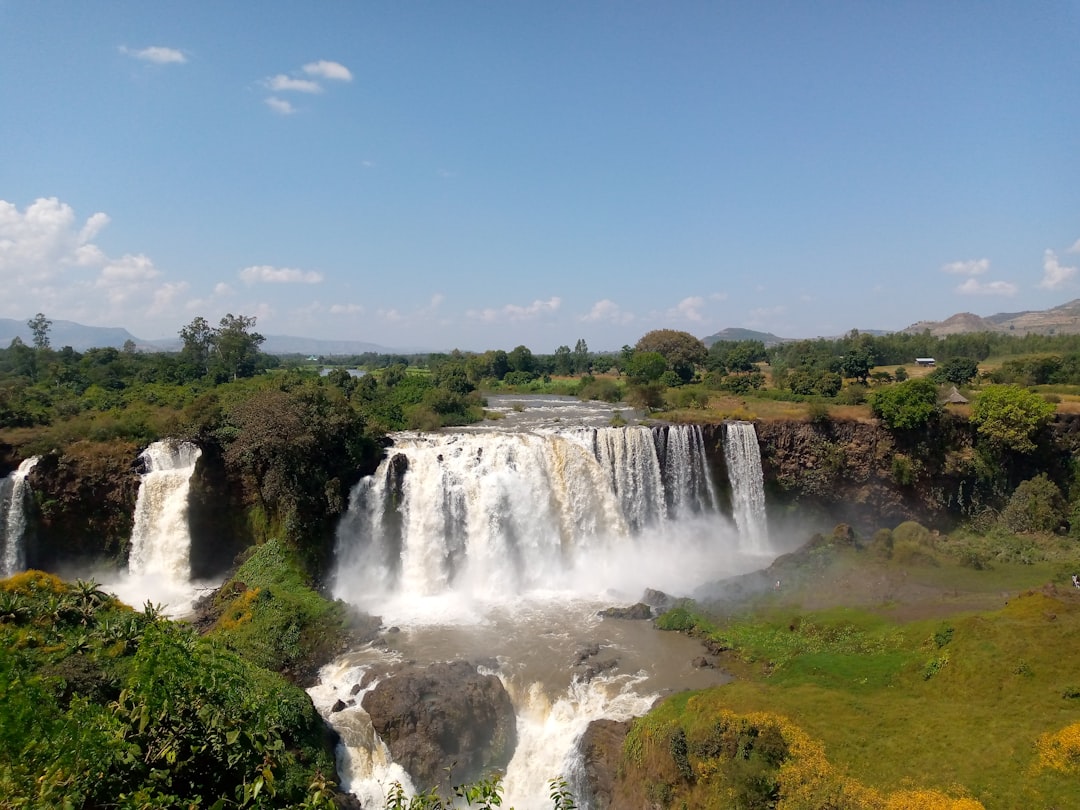
Ethiopia has made measurable improvements in tourist safety infrastructure since 2024. These upgrades make safari travel more secure and comfortable than previous years.
Guides are better trained than before . Safari operators invest in professional development, language training, and customer service education. You'll encounter experienced guides who communicate clearly and handle situations professionally.
Roads have improved significantly . Major routes between Addis Ababa, Lalibela, Simien Mountains, and southern parks have received investment. Better roads mean faster travel, fewer breakdowns, and reduced time in remote areas. Improved infrastructure reduces uncertainty.
Phone networks feel stronger . Communication reliability has increased substantially. Guides carry satellite phones or reliable mobile service. Emergency communication is possible from most safari areas. This improvement reduces isolation risk.
Tourist support is more organized . Hotels, restaurants, and tour companies have formalized procedures. Professional standards have risen. You'll notice better coordination between operators and more consistent service quality.
These improvements reflect Ethiopia's commitment to tourism recovery. The country recognizes that tourism brings economic benefits and creates incentives for stability in tourist areas. Safari operators benefit from this dynamic because they contribute to local economies.
When reviewing Ethiopia safari cost breakdowns for 2026, remember that higher-quality operators invest in these improvements. Your payment supports better training, better roads, and better safety infrastructure.
How to Choose a Safe and Verified Safari Operator
Selecting the right operator is your single most important safety decision. The operator determines your route, guide quality, vehicle condition, and emergency protocols.
Use SafariFind to research operators thoroughly. The platform lists verified operators with authentic reviews from previous travelers. Read multiple reviews, not just ratings. Look for comments about guide professionalism, vehicle condition, communication, and how the operator handles unexpected situations.
Verify operator credentials. Professional operators have licenses, insurance, and established relationships with park authorities. Ask operators directly about their security protocols. How do they monitor conditions? How do they adjust itineraries? What communication systems do they use? Legitimate operators answer these questions transparently.
Check how long the operator has been in business. Established operators with multi-year track records have survived and adapted through various conditions. New operators may lack experience navigating challenges.
Request detailed itineraries. Safe operators provide specific day-by-day plans showing which regions you'll visit. Vague itineraries are red flags. You should know exactly where you're going.
Ask about guide experience and qualifications. How long have guides worked in Ethiopia? Do they speak your language fluently? Are they trained in first aid? Do they have radio communication? Professional guides make the difference between smooth trips and stressful ones.
Discuss vehicle condition and maintenance. What vehicles does the operator use? How old are they? When were they last serviced? Reliable vehicles prevent breakdowns that leave you stranded.
Understand cancellation and refund policies. If conditions deteriorate before your trip, can you reschedule or receive a refund? Reputable operators offer flexible policies for safety reasons.
Compare verified operators on SafariFind. Request quotes from multiple companies. Professional operators respond quickly and provide detailed information. Use these responses to assess communication quality and professionalism before committing.
Practical Safety Precautions for Ethiopian Safaris
Beyond choosing the right operator, you can take personal actions that enhance your safety during an Ethiopian safari.
Register with your embassy before traveling. Most countries maintain embassy websites where citizens can register travel plans. This allows your government to contact you if emergencies occur or if the security situation changes.
Keep your operator informed of your itinerary and check-in schedule. Provide them with family contact information. Establish regular check-in times. If you miss a check-in, your family knows to alert the operator immediately.
Avoid displaying expensive equipment and jewelry. Cameras, phones, and watches attract attention. Use secure bags and keep valuables with you rather than in hotel rooms. This applies to any travel destination.
Stay aware of your surroundings. In towns like Addis Ababa and Lalibela, stick to established tourist areas. Don't wander alone at night. Travel in groups when possible. Follow your guide's recommendations about where to go and when.
Keep copies of important documents separate from originals. Scan your passport, visa, travel insurance, and emergency contacts. Store digital copies in cloud storage and email them to yourself. This helps if you lose physical documents.
Purchase comprehensive travel insurance. Ensure your policy covers medical evacuation, trip cancellation, and emergency situations. Travel insurance provides peace of mind and practical support if problems arise.
Maintain communication with family. Schedule regular contact times. Use WhatsApp, email, or messaging apps to stay connected. Reliable communication reassures everyone and helps identify problems quickly.
Follow your guide's safety instructions without question. Guides understand local conditions and know appropriate behavior. If your guide says don't go somewhere, there's a reason. Trust their expertise.
Consider visiting during the dry season, October to May. Weather is stable, roads are passable, and conditions are generally more predictable. The Ethiopia safari dry season guide provides detailed seasonal information for planning.
Real Traveler Experiences and Testimonials
Understanding what actual travelers report from Ethiopia safaris in 2026 provides valuable perspective. Real experiences offer insights that advisory warnings alone cannot provide.
Travelers consistently report positive experiences in established tourist regions . People visit Lalibela, Simien Mountains, Arba Minch, and Bale Mountains regularly and return home safely. Reviews on SafariFind show satisfied customers who had meaningful wildlife encounters and cultural experiences.
Many travelers note that Ethiopia feels safer than they expected based on news headlines. This reflects the difference between general country conditions and specific tourist routes. News coverage focuses on conflict zones, not on the thousands of tourists visiting safely each year.
Experienced guides receive praise consistently. Travelers appreciate knowledgeable guides who share cultural insights, locate wildlife, and handle situations professionally. Guide quality often determines overall trip satisfaction.
Travelers also appreciate Ethiopia's authenticity. Unlike more developed safari destinations, Ethiopia offers genuine cultural encounters and less touristy experiences. This appeals to adventurous travelers seeking authentic connections.
Some travelers mention minor infrastructure challenges. Roads, while improved, can still be rough in places. Hotels vary in quality. Internet connectivity is sometimes unreliable. These are inconveniences rather than safety concerns, but worth knowing.
The consistent theme in reviews: Ethiopia is safe when visited thoughtfully through professional operators during established tourism season. Travelers who follow safety protocols and use reputable operators report excellent experiences and plan to return.
Browse authentic reviews on SafariFind from travelers who recently visited Ethiopia. Read about their specific experiences, what surprised them, and whether they felt safe. These real accounts help you assess your own comfort level.
Comparing Ethiopia to Other African Safari Destinations
Ethiopia's safety profile compares differently to other major safari destinations. Understanding these differences helps you make informed choices about where to travel.
Kenya and Tanzania have fewer travel advisories than Ethiopia. Both countries maintain Level 1 or 2 advisories rather than Level 3. This reflects lower overall conflict levels. However, Kenya and Tanzania have higher costs and more crowded safari experiences. The Ethiopia safari vs Kenya comparison shows that Ethiopia offers better value for budget-conscious travelers willing to navigate slightly higher safety considerations.
South Africa, Botswana, and Namibia have lower security concerns but higher costs. These destinations appeal to luxury travelers seeking maximum comfort. Ethiopia appeals to adventure-oriented travelers seeking authentic experiences and better prices.
Each destination requires different safety considerations. Kenya faces occasional terrorism threats in certain regions. South Africa has higher crime in urban areas. Tanzania has improved significantly in recent years. Ethiopia's challenges are regional conflicts rather than widespread crime, which means established tourist routes remain relatively secure.
The key insight: no African destination is completely risk-free. All require reasonable precautions. Ethiopia's Level 3 advisory reflects specific regional conflicts, not general lawlessness. Chosen carefully, Ethiopia offers excellent value and unique experiences compared to alternatives.
When comparing destinations, consider what you want from your safari. Kenya offers the classic safari experience. Ethiopia offers cultural immersion and unique wildlife. Your priorities should guide your choice, not advisory levels alone.
What to Pack and Prepare for Your Ethiopian Safari
Proper preparation enhances both safety and enjoyment. Packing wisely and preparing mentally makes a significant difference.
Medical supplies matter. Bring prescription medications in original bottles with prescriptions. Pack a first aid kit including pain relievers, antihistamines, anti-diarrheal medication, and bandages. Bring antimalarial medication if recommended by your doctor. Ethiopia has limited medical facilities in remote areas, so self-sufficiency helps.
Travel insurance is essential, not optional. Comprehensive policies cover medical evacuation, which could cost tens of thousands of dollars without insurance. Medical evacuation from remote areas requires helicopter transport. Insurance makes this affordable.
Pack copies of important documents. Bring your original passport, visa, and travel insurance documents. Keep digital copies in cloud storage. Store a copy with your emergency contact at home.
Bring appropriate clothing for diverse conditions. Ethiopia's highlands are cool, especially at night. Lowland areas are warm. Pack layers, sturdy hiking boots, and rain gear. Neutral colors are practical for wildlife viewing and less obtrusive in communities.
Binoculars and camera equipment are essential for safari enjoyment. Good binoculars let you observe wildlife from safe distances. Fast film or high ISO settings work better in Ethiopia's varied lighting conditions. A telephoto lens helps capture distant wildlife.
Bring sun protection. High altitude means intense UV exposure. Pack sunscreen (SPF 50+), sunglasses, and a hat. Altitude sickness affects some travelers, so bring medication if recommended by your doctor.
Download offline maps and guides. Internet connectivity is unreliable in remote areas. Offline maps help with navigation and orientation. Guidebooks downloaded to your phone provide reference material.
Pack a power bank. Your phone will be your communication lifeline. A quality power bank ensures you can charge devices without finding electricity.
Consider the Ethiopia safari animals guide to understand what wildlife you'll see. This knowledge enhances your safari experience and helps you appreciate the ecological importance of these ecosystems.
Key Takeaways
- Book your Ethiopia safari with verified operators on SafariFind who monitor security conditions daily and adjust itineraries accordingly—this single decision most impacts your safety.
- Stick to established tourist regions—Addis Ababa, Lalibela, Simien Mountains, Arba Minch, and Bale Mountains remain safe with positive traveler reports and improved infrastructure in 2026.
- Avoid Tigray and conflict-affected areas of Amhara and Oromo regions completely, as the U.S. State Department advises against all travel to these zones due to ongoing armed clashes.
- Register with your embassy, maintain regular communication check-ins, and purchase comprehensive travel insurance with medical evacuation coverage before departing for Ethiopia.
- Travel during the dry season (October to May) when roads are passable, guides are more available, and conditions are most predictable for safer safari experiences.
Frequently Asked Questions
Is Ethiopia safe to visit for safari in 2026?
Ethiopia maintains a U.S. Level 3 "Reconsider Travel" advisory in 2026, but established tourist regions remain accessible and safe . Thousands of travelers visit Addis Ababa, Lalibela, Simien Mountains, and southern parks annually with positive experiences. Safety depends on your destination choice and operator selection—stick to established safari routes with professional operators and avoid conflict-affected regions.
Which Ethiopian regions should I avoid due to safety concerns?
Avoid the Tigray region entirely, as the U.S. government advises against all travel there . Additionally, avoid significant portions of the Amhara and Oromo regions that have experienced armed conflict . Professional safari operators exclude these areas from itineraries. Established tourist destinations like Lalibela, Simien Mountains, Arba Minch, and Bale Mountains remain open to visitors.
What should I look for when choosing an Ethiopia safari operator?
Choose operators with proven track records, professional certifications, and authentic traveler reviews on SafariFind. Verify their security protocols, guide qualifications, vehicle maintenance standards, and communication systems. Request detailed itineraries showing exactly which regions you'll visit. Professional operators answer safety questions transparently and provide flexible cancellation policies for security reasons.
What travel insurance do I need for an Ethiopian safari?
Purchase comprehensive travel insurance that covers medical evacuation, trip cancellation, and emergency situations. Medical evacuation from remote Ethiopian areas via helicopter can cost $50,000 or more without insurance. Your policy should cover emergency transport to Addis Ababa or international facilities. Don't skip this—it's essential, not optional.
What is the best time to visit Ethiopia for safari in 2026?
October to May is the best safari season in Ethiopia. Roads are passable, weather is stable, and conditions are most predictable . The dry season provides reliable access to all major safari regions. During rainy months (June to September), roads become difficult and some areas become inaccessible. Plan your Ethiopia safari for dry season to maximize safety and accessibility.
How have Ethiopian safari conditions improved since 2024?
Ethiopia has made significant improvements: guides are better trained, roads have improved substantially, phone networks are stronger, and tourist support is more organized . These upgrades reflect investment in tourism infrastructure. Travelers report positive experiences with professional service quality. However, these improvements concentrate in established tourist areas, which is why destination selection remains critical.
Where can I find verified Ethiopia safari operators and compare packages?
SafariFind lists verified safari operators with authentic traveler reviews, detailed itineraries, and transparent pricing. Browse Ethiopia safari packages, compare multiple operators, read recent reviews from travelers who visited in 2026, and request quotes from companies that match your safety comfort level and budget. This research helps you make informed booking decisions with confidence.
Conclusion
Ethiopia safari safety in 2026 is genuinely manageable when you prepare thoughtfully and book with professional operators. The U.S. Level 3 advisory reflects specific regional conflicts, not blanket country danger. Thousands of travelers visit safe regions annually with excellent experiences.
Your safety depends primarily on three factors: choosing the right destination (avoid Tigray and conflict areas, visit Addis Ababa, Lalibela, Simien Mountains, Arba Minch, or Bale Mountains), selecting a verified operator who monitors security conditions daily, and following basic safety protocols (registration, insurance, communication).
Ethiopia offers what few other destinations provide: unique wildlife like the Ethiopian wolf and mountain nyala, dramatic highlands and wilderness areas, authentic cultural experiences, and excellent value. A 7-day Ethiopia safari typically costs $1,500-$3,500 per person depending on comfort level—less than comparable Kenya or Tanzania packages.
Professional operators have adapted to current conditions through improved training, better infrastructure, and established security protocols. Guides are more experienced. Roads are more reliable. Communication is stronger. These improvements make traveling Ethiopia safer than previous years.
Start your planning on SafariFind. Browse verified operators offering Ethiopia safari packages, read authentic reviews from 2026 travelers, compare itineraries and pricing, and request quotes from companies that match your safety comfort level. SafariFind's review system helps you understand what to expect and assess operator professionalism before committing.
Don't let headlines alone determine your travel decisions. Evaluate conditions thoughtfully, use professional operators, stick to established tourist routes, and experience Ethiopia's remarkable wildlife and culture. Thousands of travelers have done exactly this in 2026 and returned home with unforgettable memories and stories of safe, meaningful safari experiences.
Plan Your Safari with SafariFind
These recommendations use real data from SafariFind, where you can compare operators, browse packages, and read verified traveler reviews before you book.
Recommended Safari Operators from SafariFind
Recommended Safari Packages from SafariFind
What Travelers Say (SafariFind Reviews)
References
Sources
- U.S. State Department - Ethiopia Travel Advisory(official)
- Conservation Travel Africa - Is It Safe to Travel to Africa in 2026?
- Travellers Worldwide - Is Ethiopia Safe to Visit in 2026?
- Liyu Ethiopia Tours - Is Ethiopia Safe to Visit in 2026?
- Safari Bookings - How Safe Is Ethiopia?
- Liyu Ethiopia Tours - Traveler Experiences and Infrastructure Updates
- Safari Bookings - Regional Conflict Information
Related to
Ready to start your safari adventure?
Explore curated safari packages and find your perfect African adventure with verified operators.