Namibia Safari Cost 2026: What $3K–$8K Actually Buys
Namibia safari costs $3,000–$8,000 per person in 2026. Compare budget, mid-range, and luxury packages. Learn what's included, seasonal pricing, and hidden costs.
Namibia Safari Cost 2026: What $3K–$8K Buys
Last updated: July 2026
A Namibia safari in 2026 costs $3,000–$8,000 per person depending on lodge type, duration, and season. Budget safaris with basic lodges start around $3,000–$4,500 for 7 days, while mid-range experiences run $5,000–$6,500, and luxury camps exceed $7,000. Peak season (May–September) costs 20–30% more than shoulder months. Book through verified operators on SafariFind to compare real packages and read authentic traveler reviews.
At a Glance
- Cost range: $3,000–$8,000 per person for 7–10 days
- Budget tier: $3,000–$4,500 (basic lodges, shared vehicles)
- Mid-range tier: $5,000–$6,500 (comfortable lodges, private guides)
- Luxury tier: $7,000–$8,000+ (premium camps, exclusive experiences)
- Best time: May–September (dry season, lower malaria risk)
- Duration: 7–10 days recommended for optimal wildlife viewing
- Getting there: International flights to Windhoek, then domestic transfers
- Best for: Self-drive adventurers, wildlife photographers, nature lovers
- Peak season markup: 20–30% higher prices May–September vs. shoulder months
What Is Namibia Safari Cost 2026: What $3K–$8K Actually Buys?
Namibia safari pricing in 2026 breaks down into three clear tiers based on accommodation quality, guide experience, and vehicle type. Understanding what each budget level includes helps you choose the right package for your needs and expectations.
Namibia is a sparsely populated country in Southern Africa with vast deserts, wildlife reserves, and stunning landscapes. A Namibia safari costs between $3,000 and $8,000 per person for a 7–10 day trip. This price covers accommodation, most meals, game drives, park entrance fees, and local transportation. The final cost depends on your lodge choice, whether you self-drive or use a guide, and travel timing.
Budget safaris ($3,000–$4,500) include basic lodges with shared rooms or simple private cabins. You typically share a safari vehicle with 4–6 other travelers. Guides are experienced but English may not be their first language. These packages skip luxury amenities but deliver authentic wildlife experiences.
Mid-range safaris ($5,000–$6,500) offer comfortable en-suite rooms, better meals, and smaller group sizes (2–4 people per vehicle). Guides speak fluent English and provide deeper wildlife knowledge. You get a balance of comfort and authentic adventure.
Luxury safaris ($7,000–$8,000+) feature premium lodges with private pools, gourmet dining, and spa services. You enjoy private guides, exclusive game drives, and high-end amenities. These experiences prioritize comfort and personalized service.
Breaking Down Your Namibia Safari Budget by Expense Category
Accommodation Costs and What They Include
Accommodation represents 40–50% of your total safari cost. Budget lodges charge $60–$100 per night for basic rooms. Mid-range properties cost $120–$200 per night with better furnishings and service. Luxury camps run $250–$400+ per night with premium amenities.
Most lodges include breakfast and dinner in their rates. Some all-inclusive packages bundle lunch and snacks too. Budget properties offer simple but clean rooms with shared bathrooms or basic en-suites. Mid-range lodges have private bathrooms, air conditioning, and sometimes mini-bars. Luxury camps feature handcrafted furniture, private decks, and outdoor showers overlooking wildlife areas.
When comparing lodges, check what's included beyond the room rate. Some charge extra for activities, WiFi, or premium drinks. Read recent reviews on SafariFind to see what past guests say about cleanliness, food quality, and staff friendliness.
Game Drive and Guide Fees
Game drives and professional guides typically cost $80–$150 per person per day. This covers vehicle fuel, guide wages, and park access. Most packages include 2–3 game drives daily (early morning and late afternoon). Some lodges offer night drives for an extra $25–$40 per person.
Private guides cost more than shared guides but offer personalized attention and flexible timing. A private guide for 2–4 people runs $120–$200 per day extra. Guides trained in bird identification or photography command premium rates.
Park entrance fees vary by location. Etosha National Park costs $80 per person for a 24-hour permit. Sossusvlei adds $60–$80 per vehicle. Multi-day permits offer better value. Most safari packages bundle these fees, but confirm before booking.
Food and Beverage Expenses
Meals included in your package typically cover breakfast, lunch, and dinner. Budget on an extra $15–$30 per day for drinks, snacks, and meals outside your lodge. Premium wine and spirits cost more than local beer or soft drinks.
Most lodges serve local Namibian cuisine alongside international options. Budget properties offer simpler menus. Mid-range and luxury lodges feature gourmet preparations by trained chefs. Dietary restrictions (vegetarian, gluten-free, vegan) are usually accommodated with advance notice.
Packed lunches for full-day game drives are standard. These typically include sandwiches, fruit, snacks, and bottled water. Some luxury camps offer picnic-style lunches with wine pairings.
Transportation and Transfers
Transfers from Windhoek airport to your lodge cost $60–$150 depending on distance and vehicle type. A 2-hour drive to Etosha costs less than a 4-hour transfer to Sossusvlei. Many packages include airport transfers; verify this when booking.
If you self-drive, car rental runs $40–$80 per day for a basic 2WD and $80–$150 per day for a 4WD vehicle. Fuel costs roughly $1.20 per liter (as of July 2026). Budget $200–$400 for fuel on a 7-day trip covering 1,500–2,000 kilometers.
Guided packages eliminate rental and fuel costs but reduce your freedom to explore independently. Self-drive options suit confident drivers comfortable with gravel roads and navigation.
Activities and Extras Beyond Game Drives
Standard packages include daily game drives. Optional add-ons cost extra: hot air balloon rides ($250–$350), scenic flights ($200–$400), dune walks ($40–$80), and cultural visits to local villages ($50–$100).
Photography workshops with expert guides run $100–$150 per day. Spa treatments at luxury lodges cost $80–$200 per service. Stargazing excursions (often free) and night drives ($30–$50) are popular extras.
Budget an extra $200–$500 for these optional activities during a 7–10 day trip. This ensures you can enhance your experience without breaking your budget.
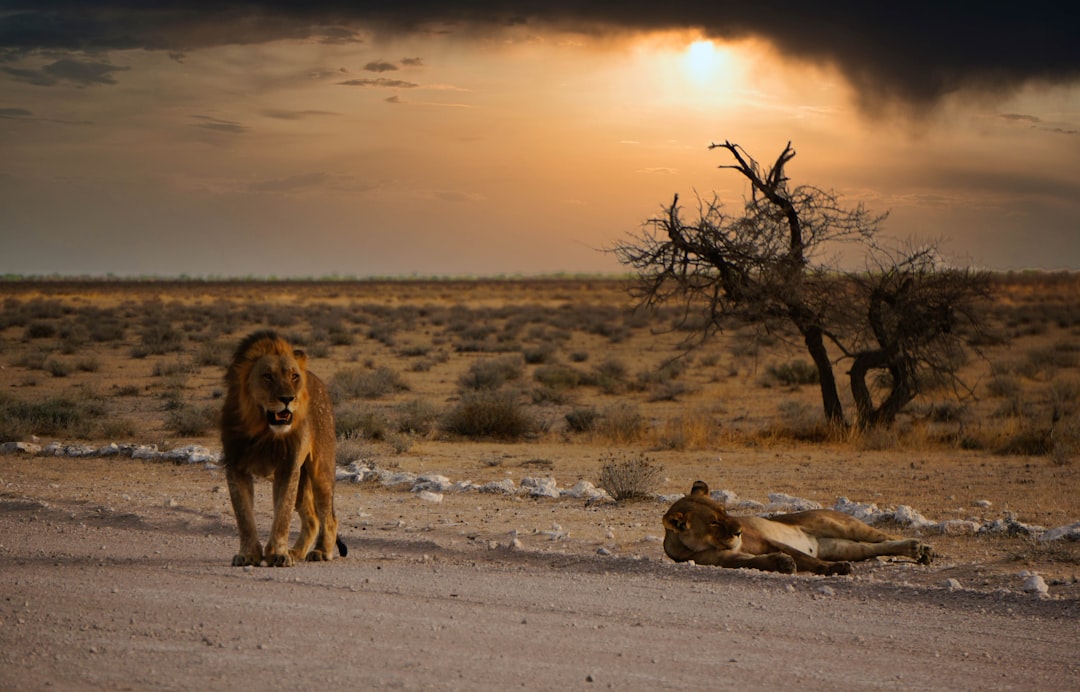
Budget Tier vs. Mid-Range vs. Luxury: What You Actually Get
Choosing between budget, mid-range, and luxury safaris depends on your comfort level, travel style, and priorities. Here's what each tier delivers in real terms.
| Category | Price per Person (7 days) | Accommodation Type | Group Size | Meals Included | Best For |
|---|---|---|---|---|---|
| Budget | $3,000–$4,500 | Basic lodge, shared/simple rooms | 4–8 people per vehicle | Breakfast, dinner; lunch sometimes | First-time travelers, budget-conscious groups |
| Mid-Range | $5,000–$6,500 | Comfortable lodge, private en-suite | 2–4 people per vehicle | All meals, some drinks included | Couples, small families, comfort seekers |
| Luxury | $7,000–$8,000+ | Premium camp, private pool/deck | Private vehicle or small group | All meals, premium drinks, snacks | Honeymooners, photographers, wellness seekers |
Budget Safari Reality: What Works and What Doesn't
Budget safaris deliver genuine wildlife experiences at lower cost. You see the same animals as luxury travelers. The trade-off: shared accommodations, larger group sizes, and fewer amenities.
Budget lodges are often located in prime wildlife areas. Etosha's budget camps sit right on waterholes where animals gather. You wake to bird calls and potentially spot wildlife from your room. Guides are knowledgeable and passionate despite lower wages.
Challenges include basic room conditions (no air conditioning in some budget lodges), limited hot water, and slower meal service. Shared vehicles mean you can't control timing or stop as long as you'd like. Noise from other travelers may disrupt your experience.
Budget safaris suit first-timers, solo travelers on tight budgets, and groups willing to sacrifice comfort for adventure. They're ideal if you're young, flexible, and excited by wildlife regardless of surroundings.
Mid-Range Safari: The Sweet Spot for Most Travelers
Mid-range safaris offer the best value for most travelers. You get comfortable private rooms, better food, and smaller vehicle groups without luxury prices.
Mid-range lodges typically have en-suite bathrooms, fans or air conditioning, and decent restaurant service. Rooms feel like proper hotel accommodations, not camping. Guides are fluent English speakers with extensive wildlife training. Vehicle groups of 2–4 people allow more flexibility and better photo opportunities.
You still experience authentic safari culture and wildlife intimacy. Meals are tasty and varied. Staff provide personal attention without the formality of luxury properties.
Mid-range safaris suit couples, small families, and travelers wanting comfort without excessive spending. They balance experience, comfort, and value perfectly for most visitors.
Luxury Safari: Premium Experience and Service
Luxury safaris prioritize comfort, exclusivity, and personalized service. You get private guides, gourmet meals, and premium accommodations.
Luxury camps feature designer interiors, private pools, and spa facilities. Rooms have king-size beds, rainfall showers, and premium toiletries. Meals rival fine dining restaurants. Guides cater to your interests and pace. You might have exclusive access to certain wildlife areas.
Luxury safaris suit honeymooners, photographers needing flexible timing, and travelers prioritizing relaxation between game drives. They're ideal if you value privacy, personalized service, and premium comfort.
The premium price tag ($7,000–$8,000+ per person) reflects these extras. For some travelers, the enhanced experience justifies the cost. For others, mid-range offers better value.
How Namibia Safari Prices Shift by Season and Travel Dates
Namibia safari prices vary dramatically by season. Understanding these patterns helps you save money or secure peak experiences.
Peak Season (May–September): Higher Prices, Best Wildlife Viewing
Peak season runs May through September when Namibia's dry season brings optimal wildlife viewing. Prices are 20–30% higher than shoulder months. A mid-range safari costing $5,500 in April jumps to $7,000 in June.
Why peak season costs more: Animals gather at water sources, making sightings predictable. Weather is cool and dry. Lodges book weeks ahead, reducing inventory and raising rates. International school holidays (June–July) drive family travel.
Peak season offers the best chance to see lions, elephants, and rare species. Photography conditions are excellent with clear skies and golden light. Etosha's waterholes attract thousands of animals daily.
Book peak season 3–6 months ahead. Last-minute availability is rare. Expect to share game drives with more vehicles, especially at popular spots.
Shoulder Season (April, October): Balanced Prices and Wildlife
April and October offer excellent value with good wildlife viewing. Prices drop 10–15% below peak season. A mid-range safari costs $4,700–$5,500 instead of $6,000+.
April marks the tail end of the rainy season. Vegetation is lush, birds are active, and animals are well-fed (reducing desperation for water). Fewer tourists mean smaller vehicle groups and more flexible game drive timing.
October is spring in Namibia. Animals gather at drying waterholes as rains end. Baby animals (calves, cubs) are visible. Weather is warm but not scorching. Prices remain reasonable as peak season hasn't started.
Shoulder season suits budget-conscious travelers and those wanting authentic experiences without crowds. Book 6–8 weeks ahead for good availability and rates.
Low Season (November–March): Cheapest Prices, Trade-Offs
Low season (November–March) offers 30–40% discounts. A mid-range safari drops from $6,000 to $3,600–$4,200. Budget lodges cost under $3,000 for 7 days.
Low season coincides with Namibia's rainy season. Animals disperse across vast areas, making sightings less predictable. Humidity is high (35–40°C/95–104°F). Mosquitoes increase malaria risk slightly (though Namibia has low malaria prevalence overall).
Benefits include smaller crowds, lush landscapes, and excellent bird watching. Prices are incredibly cheap. Lodges have more availability and may offer room upgrades.
Low season suits experienced travelers comfortable with variable wildlife viewing, heat tolerance, and flexibility. Book just 2–4 weeks ahead to snag last-minute deals.
Holiday Surcharges and School Break Pricing
Christmas, New Year, and school holidays (June–July in UK/EU) trigger 15–25% price premiums even in shoulder season. A $5,500 mid-range safari becomes $6,500–$6,800 in July.
Families with school-age children have limited flexibility. Book these periods 4–6 months in advance. Consider traveling in May or August for better rates with similar weather.
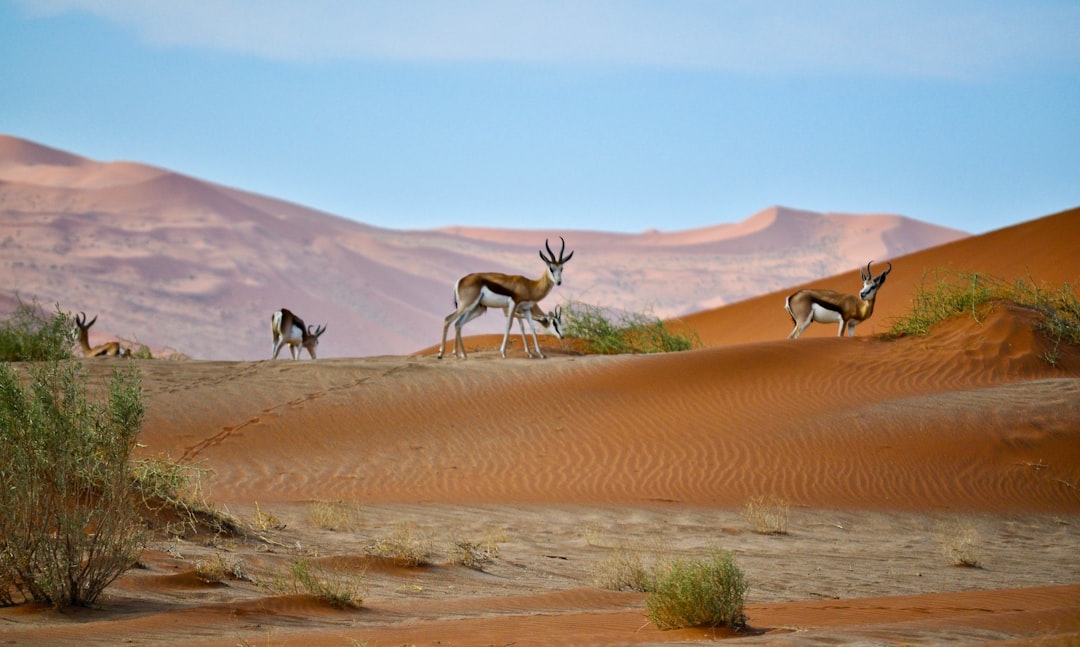
Practical Guide: How to Maximize Your Budget and Find Real Value
Self-Drive vs. Guided Packages: Cost and Value Comparison
Self-drive safaris save 20–30% on guide fees but require confidence navigating gravel roads and finding wildlife. A 7-day self-drive package costs $3,500–$4,500 total (lodges + car rental + fuel). A guided equivalent costs $5,000–$6,500.
Self-driving suits experienced travelers comfortable with basic vehicle maintenance and wildlife identification. You control pace and timing. You explore remote areas independently. The trade-off: you might miss wildlife that a professional guide would spot. Navigation can be challenging without GPS.
Guided packages cost more but provide expert knowledge, wildlife spotting skills, and safety. Guides know where animals gather daily. They identify bird species and track predator movements. They handle vehicle navigation and park logistics.
For budget-conscious travelers, self-drive in shoulder season offers the best value. For first-timers or those prioritizing wildlife viewing, guided packages justify higher costs. Read our detailed Namibia Safari Car Rental: Self-Drive vs Guided Cost Breakdown for a complete comparison.
Booking Timing: When to Reserve Your Safari
Booking timing directly impacts price. Reserve peak season (May–September) 4–6 months ahead for best rates. Last-minute bookings in peak season cost 15–25% more.
Shoulder season (April, October) requires 6–8 weeks advance booking. Low season (November–March) allows 2–4 weeks notice with frequent discounts.
Set calendar reminders 5 months before your target travel date. Check multiple operators for rate differences (often 10–20% variance). Use SafariFind to compare verified packages and read authentic reviews before committing.
Package Inclusions: Know What's Covered
Standard packages include accommodation, meals, game drives, park fees, and transfers. Confirm exactly what's included before booking. Some packages exclude:
- International flights ($600–$1,200 from Europe/US)
- Travel insurance ($50–$150 for 2 weeks)
- Visa fees (Namibia visa-free for most nationalities)
- Tips and gratuities (10–15% of package cost)
- Premium drinks (wine, spirits beyond local beer)
- Optional activities (hot air balloons, flights)
- Travel to Windhoek before/after safari
Request an itemized quote showing what's included. This prevents surprise costs. Budget an extra 15–20% beyond the quoted package for tips, drinks, and activities.
Combining Multiple Destinations for Better Value
Bundling Namibia with neighboring countries can offer better value. A 10-day Namibia + Botswana combo costs $6,500–$8,000 (vs. $5,000–$6,500 for Namibia alone) but delivers more wildlife variety and value per day.
Namibia excels for desert landscapes, self-drive opportunities, and budget lodges. Botswana (Okavango Delta) offers premium wildlife viewing. Combining both maximizes experiences within one trip.
International flights to Windhoek are often cheaper than flying to multiple countries. A combo trip amortizes flight costs across two destinations, improving overall value.
Explore Namibia Safari Packages 2026: Compare 7–10-Day Tours to see multi-destination options that maximize your budget.
Finding Discounts and Hidden Savings
Group bookings (4+ people) earn 10–15% discounts. Early-bird specials (booking 6+ months ahead) offer 10–20% off. Shoulder season travel saves 20–30% vs. peak.
Some operators offer last-minute deals (2–3 weeks before departure) at 30–40% discounts when they have unsold inventory. Sign up for operator newsletters to catch these deals.
Package deals combining safari + accommodation in Windhoek (pre/post trip) sometimes bundle cheaper than booking separately. Ask operators about combo rates.
Loyalty programs reward repeat travelers. Some operators offer 5–10% discounts for booking a second safari within 2 years.
Use SafariFind to request quotes from multiple verified operators. Competition often yields 10–15% price differences for identical itineraries. Compare real packages and authentic reviews to ensure you're getting genuine value, not just the cheapest price.
What $3K–$8K Buys You: Real-World Examples by Budget
$3,000–$4,500 Budget Safari: The Authentic Experience
A $3,500 budget safari for 7 days includes basic lodge accommodation, shared game drives, all meals, and park fees. You stay in a simple room (possibly with shared bathroom). You share a safari vehicle with 5–6 other travelers. Guides are knowledgeable but may speak English as a second language.
You wake at 5:30 AM for game drives. Breakfast is simple (porridge, toast, coffee). Full-day game drives include packed lunches. Dinners are communal, often featuring local dishes like kudu stew. Evenings include campfires and star-gazing.
Wildlife viewing is authentic. You see lions, elephants, giraffe, and zebra in Etosha. You explore red dunes at Sossusvlei. You visit local villages and learn Namibian culture. The experience is genuine; the comfort is basic.
This tier suits adventurous travelers, first-timers on tight budgets, and solo travelers. You sacrifice private bathrooms and large meals for authentic safari immersion and remarkable value.
$5,000–$6,500 Mid-Range Safari: Comfort Meets Value
A $5,500 mid-range safari includes a comfortable lodge with private en-suite bathroom, smaller vehicle groups (2–4 people), and quality meals. Your room has air conditioning, a proper bed, and shower facilities.
Game drives are personalized. Your guide speaks fluent English and explains wildlife behavior in detail. You stop longer for photography or wildlife observation. Lunches include better quality food (salads, cold meats, fresh fruit). Dinners feature varied cuisine.
Your lodge has a restaurant, bar, and lounge area. Some have pools. WiFi may be available (though often spotty). Staff remember your name and preferences. The experience feels like a proper hotel with wildlife access.
This tier suits couples, small families, and travelers wanting comfort without luxury premiums. You balance authentic safari experiences with reasonable comfort and personal service. It's the sweet spot for most travelers.
$7,000–$8,000+ Luxury Safari: Premium Everything
A $7,500 luxury safari features a premium lodge or exclusive camp with private accommodations, private guides, and gourmet meals. Your room has a king-size bed, rainfall shower, air conditioning, and a private deck overlooking wildlife areas.
Game drives are completely personalized. Your private guide designs itineraries around your interests. You photograph at sunrise without other vehicles nearby. Lunches are gourmet picnics with wine. Dinners rival fine dining.
Your lodge offers spa services, infinity pools, and fine-dining restaurants. Staff cater to every preference. WiFi is reliable. The experience prioritizes relaxation and luxury alongside wildlife immersion.
This tier suits honeymooners, luxury travelers, and those for whom comfort and exclusivity are paramount. It's ideal if you're celebrating a special occasion or prioritize pampering alongside safari adventure.
Hidden Costs and Budget Surprises to Anticipate
Most travelers underestimate total safari costs. Here are common expenses beyond the quoted package price.
Tips and Gratuities: The Unspoken 15%
Tipping is expected in Namibia but not mandatory. Budget 10–15% of your package cost for tips. A $5,500 safari warrants $550–$825 in gratuities across guides, lodge staff, and drivers.
Guides typically receive $10–$20 per day per person. Lodge housekeeping gets $2–$5 daily. Restaurant staff receive 10% of meal costs if not already added. Drivers get $5–$10 per day.
Tipping is discretionary but culturally respectful. It directly supports local staff earning modest wages. Budget this as a separate line item to avoid surprises.
Travel Insurance and Visa Costs
Travel insurance costs $50–$150 for a 2-week trip depending on coverage. It's not mandatory but strongly recommended for medical emergencies and trip cancellation.
Namibia visas are free for most nationalities (including US, UK, EU, Canada, Australia). Some nationalities require visas ($50–$100). Check your nationality requirements 3 months before travel.
Pre-Safari and Post-Safari Accommodation
Most travelers arrive in Windhoek 1–2 days before their safari and spend 1–2 days post-safari recovering. Budget hotels in Windhoek cost $80–$150 per night. This adds $160–$300 to your total trip cost.
Some packages include Windhoek accommodation; others don't. Clarify this when booking your safari.
Optional Activities and Upgrades
Hot air balloon rides over Sossusvlei cost $250–$350 per person. Scenic flights run $200–$400. Dune walks add $40–$80. Photography workshops run $100–$150 daily. Spa treatments cost $80–$200.
Budget an extra $200–$500 for these optional extras during a 7–10 day trip.
Drinks and Meals Outside Your Package
Most packages include breakfast and dinner. Lunches are often included on game drive days but not on rest days. Budget $15–$30 daily for meals and drinks outside your package.
Premium wines and spirits cost significantly more than local beer. A bottle of wine at a luxury lodge costs $30–$60 (vs. $8–$15 retail).
Comparing Namibia Safaris to Other African Destinations
Namibia safaris offer excellent value compared to Kenya and Tanzania. A 7-day Namibia safari costs $4,500–$6,500 for mid-range quality. A comparable Kenya safari costs $5,500–$7,500. Tanzania safaris run $5,000–$7,000.
Namibia excels for budget-conscious travelers and self-drive adventurers. Lodges are cheaper; guides are knowledgeable. You get authentic experiences without premium prices. Wildlife viewing is excellent but less concentrated than Kenya's Masai Mara or Tanzania's Serengeti.
Kenya offers the most famous wildlife spectacle (Great Migration) but charges premium prices. Tanzania delivers exceptional value in some areas but requires longer drives between destinations. Namibia balances cost, comfort, and wildlife viewing effectively.
For detailed comparisons, explore Tanzania vs Kenya Safari: Which Offers Better Value for UK Travelers in 2026? to understand regional price differences and experiences.
Best Namibia Lodges Across Your Budget Range
Choosing the right lodge directly impacts your experience and value. Different price tiers offer distinct advantages.
Budget Lodges ($60–$100/night): Authentic and Affordable
Budget lodges prioritize value over luxury. Rooms are clean but basic. Bathrooms may be shared or en-suite depending on the property. Common areas encourage traveler interaction.
Popular budget lodges in Etosha include Okaukuejo Rest Camp and Namutoni Rest Camp (government-run, reliable, basic). Sossusvlei budget options like Sossusvlei Dune Lodge offer authentic desert experiences at accessible prices.
These lodges suit first-timers, budget travelers, and those prioritizing wildlife over comfort. Staff are friendly; food is adequate; wildlife viewing is excellent.
Mid-Range Lodges ($120–$200/night): Comfort and Service
Mid-range lodges offer private rooms, good restaurants, and personalized service. They're located in prime wildlife areas. Rooms have proper amenities without luxury frills.
Popular mid-range options include Etosha Safari Lodge, Andersson's Camp (near Etosha), and Sossus Dune Lodge. These properties balance comfort, location, and value effectively. Staff provide good service. Food quality is high.
These lodges suit couples, families, and travelers wanting comfortable safari experiences without premium spending. They're the most popular tier for repeat visitors.
Luxury Camps ($250–$400+/night): Premium Experiences
Luxury camps offer exclusive accommodations, private guides, and exceptional service. Properties like Jack's Camp (Botswana border area) and Sorano Desert Camp deliver premium Namibia experiences with world-class amenities.
These camps feature designer interiors, private pools, spa facilities, and gourmet dining. Guides are highly trained. Experiences are fully customized. They're ideal for special occasions and luxury seekers.
For detailed lodge recommendations across all budget tiers, read Best Namibia Safari Lodges: 8 Stays Worth Booking in 2026 for expert reviews and honest assessments.
Seasonal Timing and Wildlife Highlights by Month
Namibia's wildlife patterns shift seasonally. Understanding these cycles helps you plan timing around specific wildlife experiences.
May–July (Dry Season): Peak wildlife viewing. Animals concentrate at waterholes. Weather is cool (15–25°C/59–77°F). Prices are highest (20–30% premium). Book 4–6 months ahead.
August–September (Late Dry): Exceptional wildlife viewing continues. Prices remain high but slightly lower than June–July. Weather warms (20–30°C/68–86°F). Last-minute deals appear in August.
October–November (Spring): Animals gather at drying waterholes. Baby animals appear. Prices drop 10–15% below peak. Weather warms (25–35°C/77–95°F). Fewer tourists.
December–February (Rainy Season): Animals disperse; sightings are less predictable. Vegetation is lush. Prices drop 30–40%. Weather is hot and humid (30–40°C/86–104°F). Fewer crowds. Malaria risk slightly increases.
March–April (Tail of Rainy): Animals remain dispersed. Vegetation is still lush. Prices drop 20–25%. Weather cools slightly. Good bird watching. Fewer tourists.
For detailed seasonal guidance including wildlife highlights and weather patterns by month, explore Best Time for Namibia Safari: Wildlife & Weather by Month to plan your timing strategically.
Key Takeaways
- Budget strategically by tier: Reserve $3,000–$4,500 for basic safaris, $5,000–$6,500 for mid-range comfort, or $7,000–$8,000+ for luxury experiences to match your priorities and expectations.
- Book peak season (May–September) 4–6 months ahead: Early reservations save 10–15% on rates and secure availability before lodges fill. Last-minute peak-season bookings cost 15–25% more.
- Factor in 15–20% beyond the quoted package: Budget extra for international flights, travel insurance, tips (10–15% of package), optional activities, and meals outside your package to avoid surprises.
- Compare self-drive vs. guided carefully: Self-drive safaris save 20–30% but require confidence navigating gravel roads and spotting wildlife independently. Guided packages cost more but provide expert knowledge and safety.
- Use SafariFind to compare real packages and authentic reviews: Request quotes from multiple verified operators to identify 10–15% price differences for identical itineraries and read genuine traveler experiences before committing.
Frequently Asked Questions
What does a $5,000 Namibia safari include for 7 days?
A $5,000 mid-range safari includes comfortable lodge accommodation with private en-suite bathroom, all meals (breakfast, lunch, dinner), 2–3 daily game drives with a professional guide, park entrance fees, and vehicle transfers. It typically excludes international flights, travel insurance, tips, and optional activities like hot air balloon rides or spa services.
Is Namibia safari cheaper than Kenya or Tanzania?
Yes, Namibia safaris are 10–20% cheaper than Kenya and Tanzania for comparable mid-range experiences. A $5,500 Namibia safari offers similar quality to a $6,500 Kenya safari. Namibia excels for budget travelers and self-drive adventurers. Kenya and Tanzania offer more concentrated wildlife viewing and famous spectacles like the Great Migration, which commands premium pricing.
How much should I budget for tips and gratuities?
Budget 10–15% of your package cost for tips. For a $5,500 safari, plan $550–$825 in gratuities. Guides typically receive $10–$20 per day per person. Lodge housekeeping gets $2–$5 daily. Restaurant staff receive 10% of meal costs. Tipping is discretionary but culturally respectful and directly supports local staff earning modest wages.
Can I save money by traveling in low season (November–March)?
Yes, low season offers 30–40% discounts. A mid-range safari drops from $6,000 to $3,600–$4,200. The trade-off: animals disperse (less predictable sightings), humidity increases (35–40°C/95–104°F), and mosquitoes are more prevalent. Low season suits experienced travelers comfortable with variable wildlife viewing and heat. It's ideal for bird watching and photography in lush landscapes.
What's the difference between self-drive and guided safaris in terms of cost?
Self-drive safaris cost 20–30% less than guided equivalents because you eliminate guide fees ($80–$150 per day). A 7-day self-drive costs $3,500–$4,500 total. A guided equivalent costs $5,000–$6,500. Self-driving requires confidence navigating gravel roads and spotting wildlife independently. Guided packages provide expert knowledge, wildlife spotting skills, and safety but command premium prices.
How can I find the best value Namibia safari packages?
Use SafariFind to request quotes from multiple verified operators and compare identical itineraries. Price differences of 10–15% are common for the same safari. Read authentic reviews from past travelers to ensure you're getting genuine value, not just the cheapest price. Book 6–8 weeks ahead for shoulder season (April, October) to balance good rates with excellent wildlife viewing. Set calendar reminders 5 months before your target travel date for peak season deals.
Conclusion
Namibia safaris in 2026 offer exceptional value across all budget tiers. A $3,000–$4,500 budget delivers authentic wildlife experiences with basic comfort. A $5,000–$6,500 mid-range safari provides comfortable accommodations, quality meals, and expert guides. A $7,000–$8,000+ luxury safari offers premium amenities and personalized service.
Your final cost depends on lodge choice, season, group size, and optional activities. Peak season (May–September) costs 20–30% more than shoulder months. Self-drive safaris save 20–30% compared to guided packages. Budget 10–15% extra for tips, drinks, and optional experiences beyond your quoted package price.
The key to maximizing value is booking at the right time. Reserve peak season 4–6 months ahead. Choose shoulder season (April, October) for balanced prices and wildlife viewing. Low season (November–March) offers steep discounts for flexible travelers.
Start planning your Namibia safari today. Browse verified operators and real packages on SafariFind to compare prices, read authentic reviews from past travelers, and request quotes from multiple tour companies. You'll discover 10–15% price differences for identical itineraries and find the perfect package matching your budget and priorities. Book now and experience one of Africa's most stunning and underrated safari destinations.
Plan Your Safari with SafariFind
These recommendations use real data from SafariFind, where you can compare operators, browse packages, and read verified traveler reviews before you book.
Recommended Safari Packages from SafariFind
What Travelers Say (SafariFind Reviews)
References
Sources
Related to
Ready to start your safari adventure?
Explore curated safari packages and find your perfect African adventure with verified operators.