Best Time for Namibia Safari: Wildlife & Weather by Month
Discover Best Time for Namibia Safari: Wildlife & Weather by Month - Expert guide to safari tourism and wildlife destinations.

Best Time for Namibia Safari: Wildlife & Weather
Last updated: July 2026
The best time for a Namibia safari is April to October during the dry season, when wildlife viewing is excellent and temperatures are comfortable. August offers peak wildlife viewing at Etosha National Park. Book your safari 3-6 months ahead through verified operators on SafariFind to secure the best rates and experiences.
At a Glance
- Best months: April to October (dry season)
- Peak wildlife viewing: June to September
- Cost range: $2,500-$6,000 per person for 7-10 days in 2026
- Best for: Wildlife photographers, nature lovers, first-time safari travelers
- Getting there: Fly into Windhoek, then drive or fly to safari regions
- Wildlife highlights: Lion, elephant, zebra, giraffe, cheetah, and desert-adapted species
What Is the Best Time for a Namibia Safari?
The best time for a Namibia safari is during the dry season from April to October, when wildlife congregates around water sources and viewing conditions are optimal. Namibia's dry season coincides with the Southern Hemisphere's winter, bringing cooler temperatures, clear skies, and minimal rainfall. During these months, animals are easier to spot because vegetation is sparse and they gather at permanent water holes.
Namibia has an average of 300 sunny days each year, making it a great destination throughout the year. However, the dry season remains the ideal window for most travelers. The landscape transitions from green to golden, creating stunning photography opportunities. Game viewing concentrates in specific areas, allowing guides to predict animal movements more accurately.
The dry season runs from May to October, with weather that is typically warm and sunny, albeit with very cold nights. Days are pleasant with temperatures between 20-25°C (68-77°F), while nights can drop to freezing in desert regions. This temperature range requires smart packing but provides comfortable safari conditions without extreme heat.
Different regions of Namibia have slightly different optimal periods. Etosha National Park peaks from June to October, while Sossusvlei and the Namib Desert shine from May to August. The variation helps you choose based on your specific interests and wildlife priorities.
Month-by-Month Weather and Wildlife Guide for 2026
April to May: Shoulder Season Excellence
April marks the transition from rainy to dry season in Namibia. Temperatures remain warm during the day (22-26°C / 72-79°F) but begin cooling at night. Wildlife is still spread across the landscape, but animals gradually move toward permanent water sources. April offers fewer tourists than peak months, meaning lower prices and quieter game drives.
May is often called the best shoulder season month. Days are pleasant at 20-24°C (68-75°F), and nights cool to 10-15°C (50-59°F). Vegetation has dried significantly, making animals more visible. Etosha National Park begins concentrating wildlife around its remaining water holes. May is ideal for travelers seeking good wildlife viewing without peak season crowds or costs.
June to August: Peak Dry Season and Wildlife Viewing
June through August is the heart of Namibia's dry season and peak safari season. Daytime temperatures range from 18-22°C (64-72°F), while nights drop to 5-10°C (41-50°F). The nights become colder during June, and at times the temperature can drop dramatically, while desert areas can experience below-freezing conditions. During the day, the weather is pleasant with clear, blue skies and no rainfall.
Wildlife viewing reaches its absolute peak during these months. Animals concentrate heavily around Etosha's water holes as the dry season intensifies. Etosha National Park offers prime wildlife viewing with dry pans and clear skies from June to October. Lions, elephants, zebras, giraffes, and numerous antelope species gather in predictable locations, making sightings nearly certain.
August is particularly popular for wildlife and desert activities. This month combines excellent wildlife viewing with manageable crowds compared to July. Predator activity increases as competition for water intensifies. Photography conditions are exceptional with clear skies and dramatic lighting at sunrise and sunset.
The trade-off during peak season is higher prices and more tourists. Safari packages cost 20-30% more than shoulder months. Popular lodges book 6-12 months ahead. However, the wildlife viewing guarantees justify the investment for many travelers.
September to October: Late Dry Season Transition
September maintains excellent wildlife viewing conditions as the dry season reaches its peak. Daytime temperatures begin rising to 23-27°C (73-81°F), while nights remain cool at 10-15°C (50-59°F). Animals remain concentrated around water sources. Visitor numbers start declining as school holidays end in many countries.
October marks the transition back to the rainy season. Temperatures warm significantly to 25-30°C (77-86°F) during the day. The first rains may arrive late in the month, bringing relief to the landscape. Animals begin dispersing as water becomes available across wider areas. October offers a sweet spot: good wildlife viewing with lower prices than peak months and fewer tourists than July-August.
November to March: Green Season Challenges
November through March is Namibia's rainy season, also called the green season. Temperatures are hot and humid, ranging from 25-32°C (77-90°F) during the day. Afternoon thunderstorms are common, making game viewing more difficult. However, this season offers unique advantages for specific travelers.
February is warm and wet, ideal for birdwatching. The landscape explodes with green vegetation and wildflowers. Over 600 bird species inhabit Namibia, and the rainy season brings migratory birds and breeding activity. Birdwatchers find February exceptional, though general wildlife viewing is more challenging.
The green season brings significantly lower prices—often 40-50% cheaper than peak season. Accommodations and guides have more availability. The landscape is lush and beautiful for photography. However, heavy rains can make some roads impassable, and animals disperse across the landscape, making sightings less predictable.
Most first-time safari travelers should avoid the green season unless birdwatching is their primary goal. However, experienced travelers seeking solitude and lower costs find value in visiting November, December, or January.
Regional Weather Patterns and Best Visiting Months for 2026
Namibia spans diverse landscapes, and each region has slightly different optimal visiting periods. Understanding regional variations helps you plan your safari around specific destinations and wildlife interests.
| Region | Best Months (2026) | Highlights | Why Visit |
|---|---|---|---|
| Etosha National Park | June to October | Prime wildlife viewing, dry pans, clear skies | Best lion, elephant, and zebra sightings; most reliable game viewing |
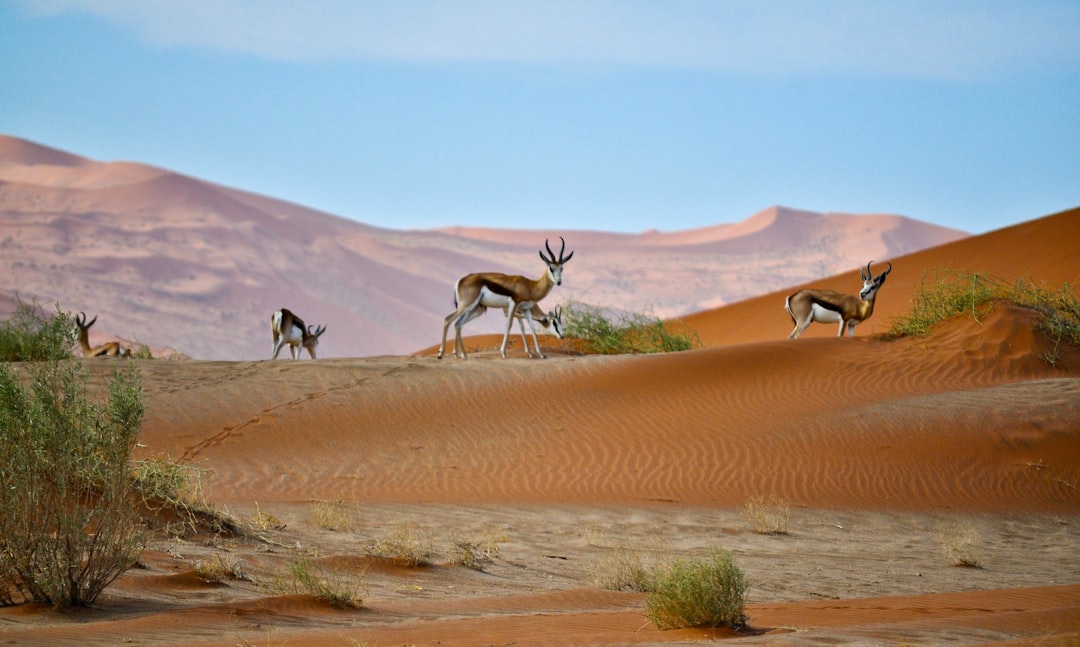
| Sossusvlei & Namib Desert | May to August | Cool mornings, spectacular dunes, excellent photography | Cooler temperatures ideal for desert hiking; stunning red dunes |
| Damaraland | June to September | Desert elephants, rocky landscapes, fewer tourists | Off-the-beaten-path experience with unique desert wildlife |
| Skeleton Coast | May to September | Seal colonies, dramatic coastline, cool weather | Unique coastal wildlife and dramatic scenery |
| Caprivi Strip | May to October | Water-based wildlife, birdwatching, lush vegetation | Perennial water means year-round wildlife viewing |
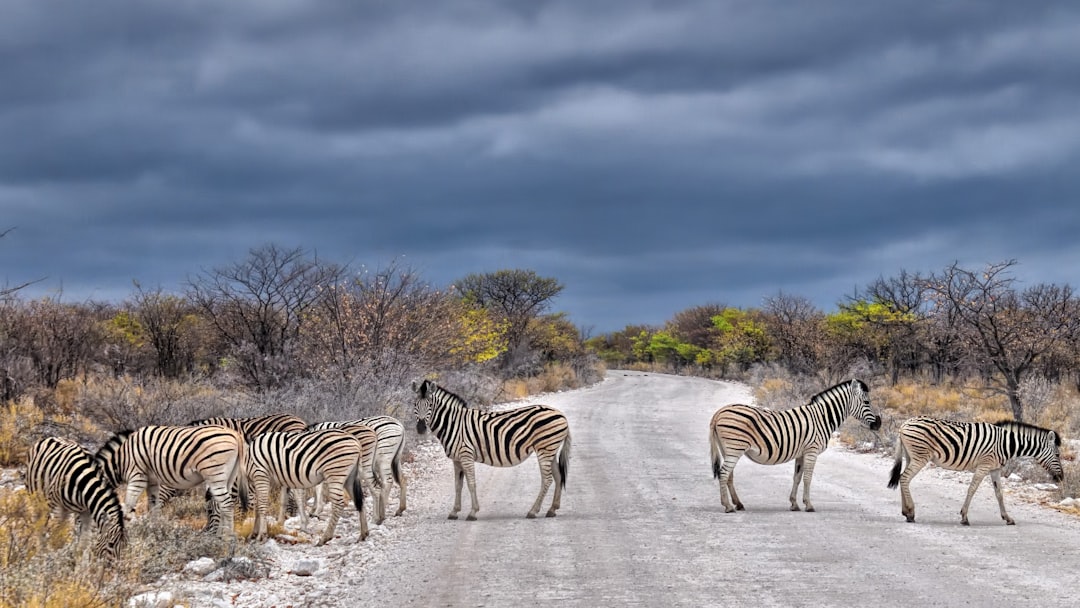
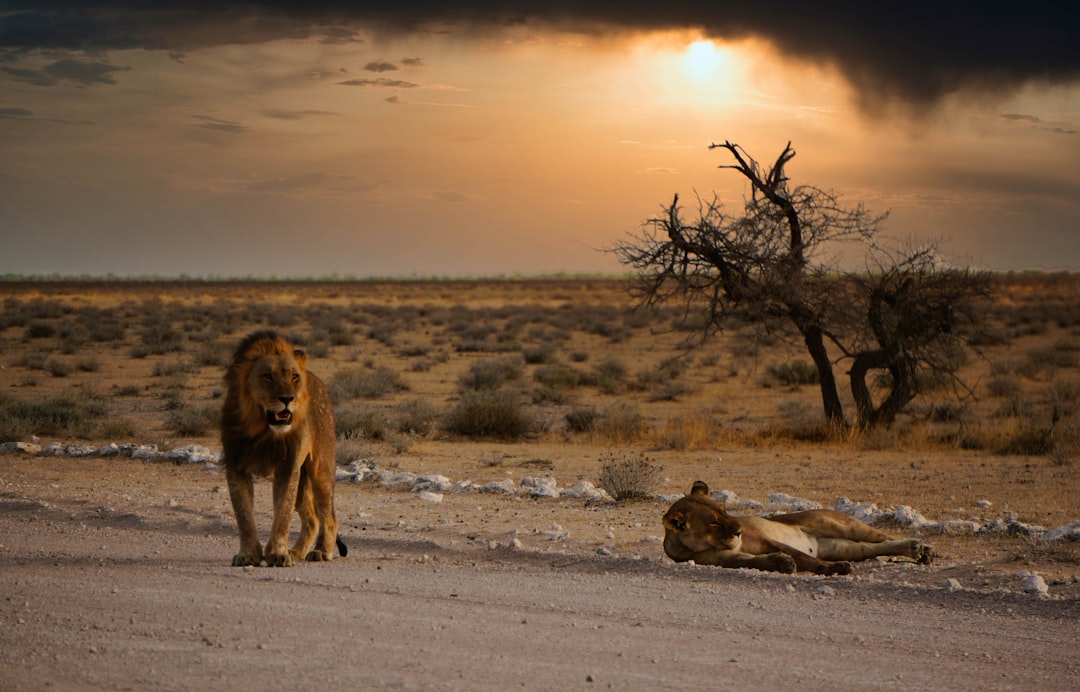
Etosha National Park is Namibia's premier wildlife destination. The park's famous white salt pans dry completely during the dry season, concentrating animals around remaining water holes. June to October offers the most reliable wildlife viewing, with August and September providing peak conditions. This is the ideal period for seeing the Big Five and numerous antelope species.
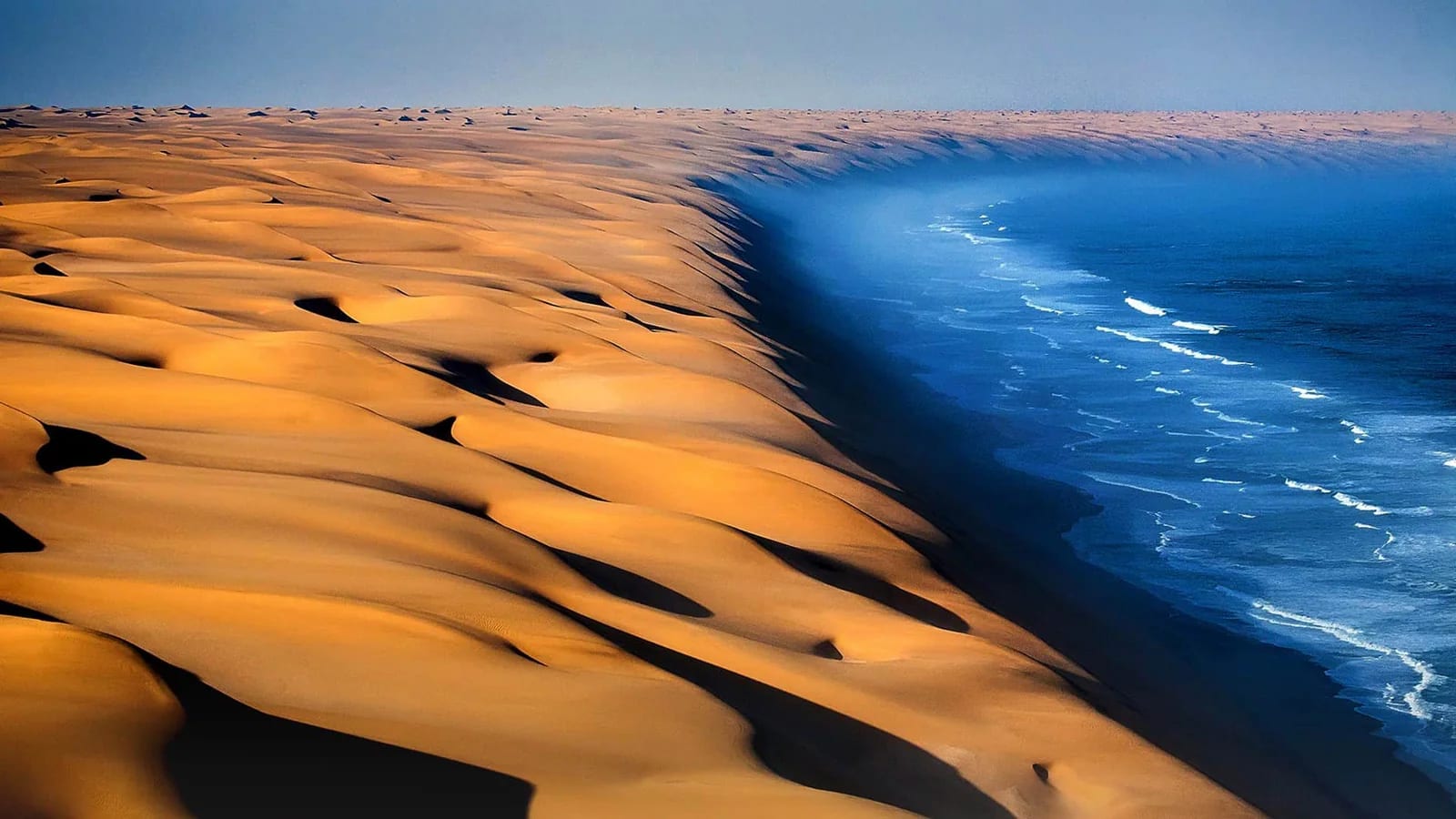
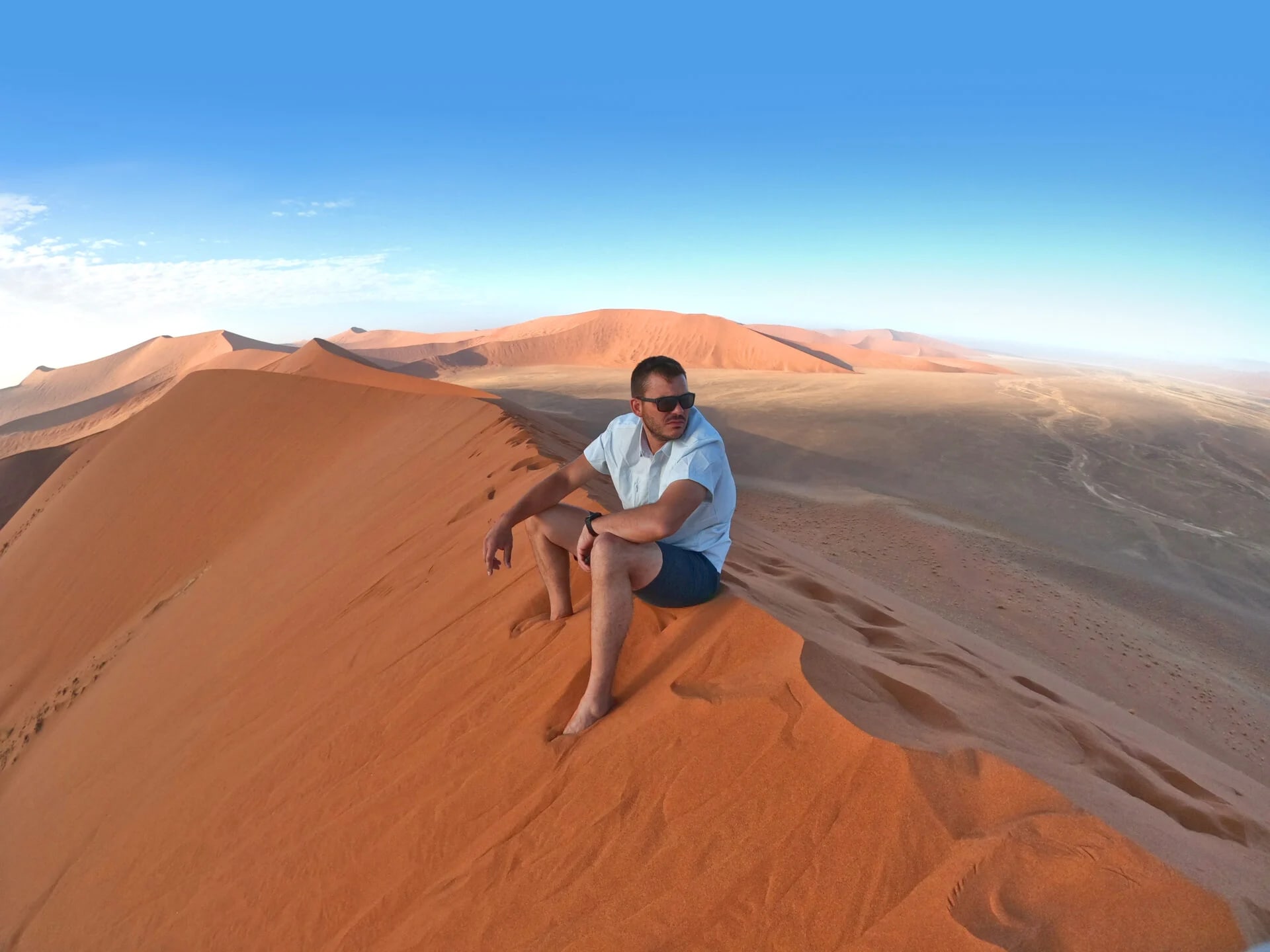
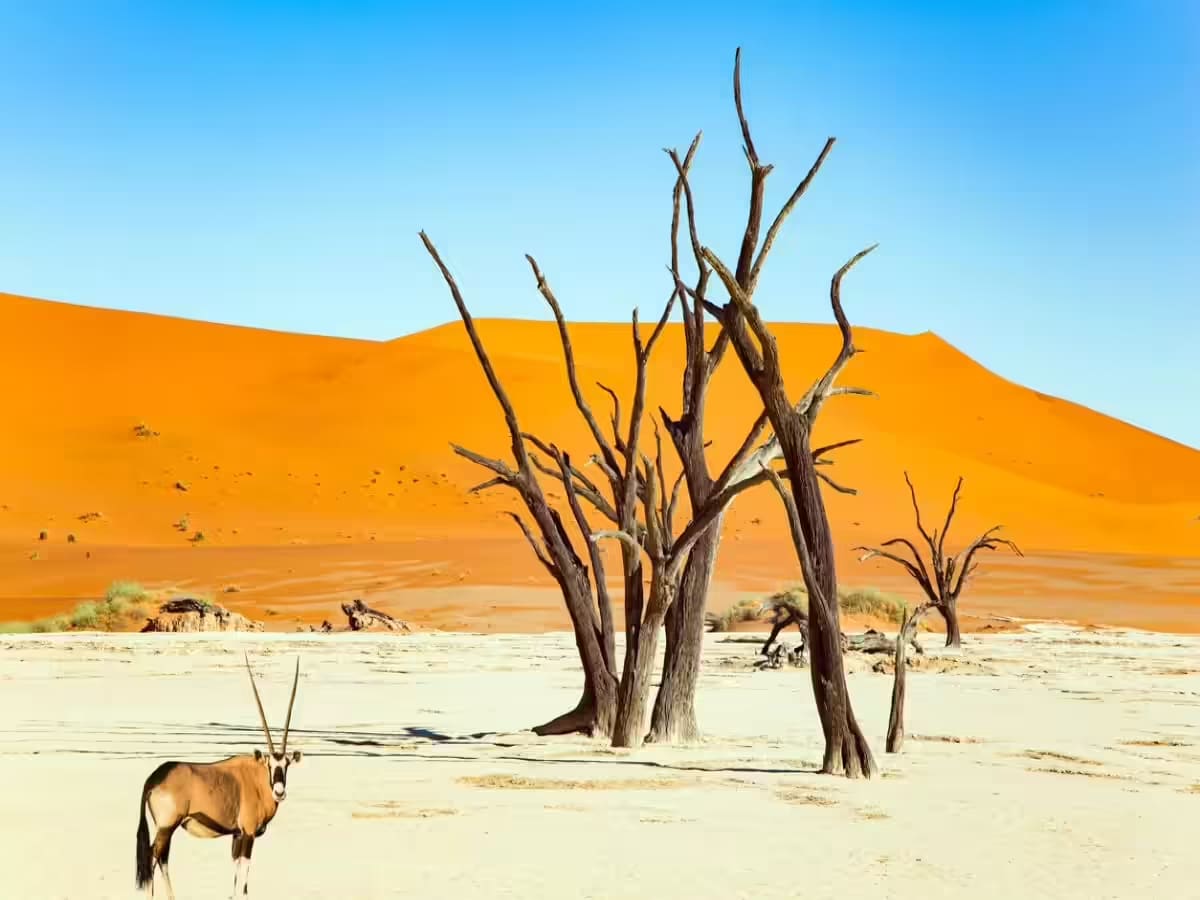
Sossusvlei and the Namib Desert region peaks from May to August. Cool morning temperatures make hiking the iconic red dunes comfortable. The landscape shifts from green to golden, creating photographer's paradise conditions. Early morning light on the dunes is spectacular during winter months.
Damaraland offers desert-adapted elephants and dramatic rocky landscapes. This region is best visited June to September when temperatures are cool and wildlife is concentrated. Damaraland attracts fewer tourists than Etosha, offering a more intimate experience.
The Skeleton Coast is best explored May to September when temperatures are mild and coastal conditions are favorable. Seal colonies and bird populations are active during these months.
The Caprivi Strip, Namibia's northeastern region with permanent water sources, can be visited year-round. However, May to October offers the most comfortable temperatures and best wildlife viewing. This region is excellent for water-based safaris and birdwatching.
Compare Namibia safari packages across these regions on SafariFind to find itineraries matching your interests and preferred months. Verified operators can customize tours around your specific wildlife priorities and weather preferences.
Wildlife Activity and Viewing Success by Season
Your choice of visiting month significantly impacts which animals you'll see and how easily you'll spot them. Understanding seasonal wildlife patterns helps you plan your safari around your priorities.
Dry Season Wildlife Concentration (April to October)
The dry season concentrates wildlife around permanent water sources, making sightings far more predictable. As rainfall decreases and temporary water holes dry up, animals must visit known water points to survive. This behavior allows guides to predict where and when animals will appear.
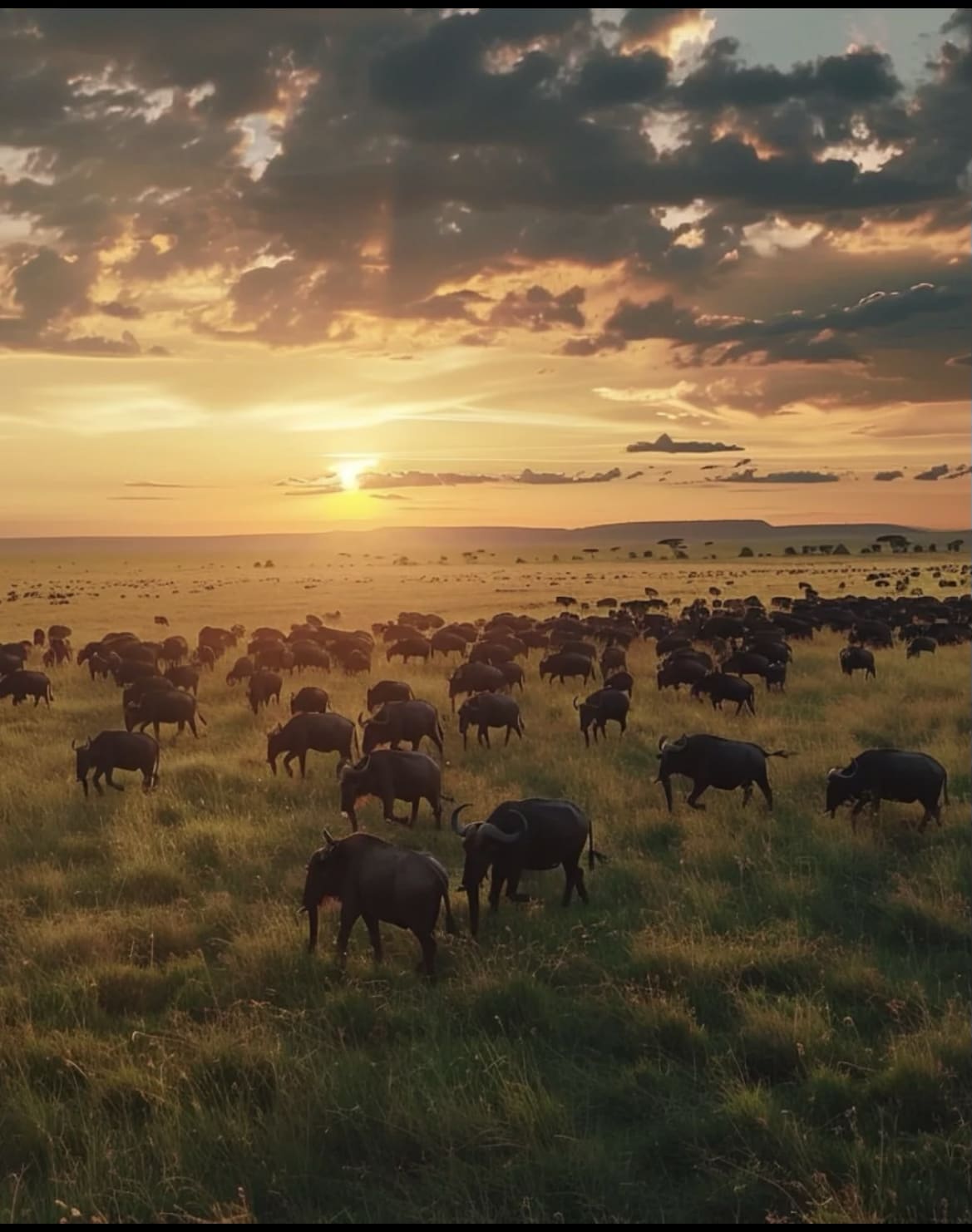
Lions are most active during the dry season, hunting nightly around water holes. Elephant herds gather in larger groups, creating spectacular sighting opportunities. Zebra and wildebeest congregate in massive numbers, particularly at Etosha. Cheetahs are easier to spot as vegetation thins, revealing their movements across the landscape.
Predator activity peaks during the dry season. Competition for water intensifies, leading to more dramatic wildlife interactions. Kill sightings become more frequent. This is the ideal season for photographers seeking action and wildlife drama.
Green Season Wildlife Dispersal (November to March)
The rainy season transforms the landscape with abundant water and vegetation. Animals disperse across the country rather than concentrating at specific water holes. This makes wildlife sightings less predictable and more challenging.
However, the green season offers unique advantages. Vegetation is lush and green, creating beautiful photography backdrops. Birdwatching reaches its peak with migratory species and breeding activity. Young animals born during the rainy season are visible, adding cuteness factor to sightings.
The landscape's transformation is dramatic and beautiful. Wildflowers bloom across the desert regions. The country transforms from golden to vibrant green. Many experienced travelers prefer the green season for its beauty and solitude, despite lower wildlife viewing success.
Birdwatching Seasons
Namibia hosts over 600 bird species. February is warm and wet, ideal for birdwatching with migratory species present and breeding activity visible. November to March is the best period for serious birdwatchers. The rainy season brings water to temporary pools, attracting diverse bird species.
The dry season (May to October) also offers excellent birdwatching, particularly around permanent water holes where birds concentrate. August offers spectacular birdwatching with clear skies and active breeding displays.
Pricing, Crowds, and Booking Strategy for 2026
Peak Season Pricing (July to August)
Peak season prices are significantly higher than shoulder months. Safari packages cost 20-30% more during July and August 2026. Luxury lodges charge premium rates. Tour operators increase prices due to high demand and limited availability.
However, peak season offers guaranteed wildlife viewing and optimal conditions. If budget allows, July and August justify the premium investment. Book 6-12 months ahead to secure accommodations and preferred guides.
Shoulder Season Value (April-May and September-October)
Shoulder months offer exceptional value. Prices are 15-25% lower than peak season while wildlife viewing remains excellent. Crowds are significantly smaller, meaning more personalized guide attention. Accommodations have greater availability.
May and September are particularly underrated. Both months offer excellent conditions at 20-30% lower prices than July-August. May transitions into the dry season with improving wildlife viewing. September maintains peak conditions while prices begin declining.
Review detailed pricing breakdowns for Namibia safaris on SafariFind to understand exact costs across different seasons. Budget-conscious travelers can save significantly by visiting May or September rather than July-August.
Green Season Discounts (November to March)
The green season offers 40-50% discounts compared to peak season. Accommodations have abundant availability. Wildlife viewing is less predictable, but unique experiences like birdwatching and solitude appeal to specific travelers.
Green season is ideal for budget-conscious travelers willing to accept less predictable wildlife viewing. Travelers seeking birdwatching, photography of lush landscapes, or peaceful solitude find excellent value.
Booking Recommendations for 2026
Book your safari 3-6 months ahead to secure the best rates and preferred accommodations. For peak season (July-August), book 6-12 months in advance. For shoulder months, 3-4 months advance booking typically secures good options.
Use SafariFind to book with verified tour operators who provide transparent pricing and authentic reviews. Verified operators offer better value and reliability than unvetted companies.
Who Should Visit Namibia in Each Season?
Peak Dry Season (June to September): Best For
Wildlife photographers should visit June to September for optimal lighting and maximum animal sightings. First-time safari travelers benefit from peak season's reliable wildlife viewing and excellent conditions. Travelers with flexible budgets prioritize peak months for guaranteed experiences.
Families with children should consider peak season for predictable wildlife sightings that keep kids engaged. Luxury travelers appreciate peak season's refined accommodations and premium services.
Shoulder Months (April-May and September-October): Best For
Value-conscious travelers find shoulder months ideal. Budget travelers seeking good wildlife viewing at lower prices should target May or September. Experienced safari-goers comfortable with variable conditions enjoy shoulder months' reduced crowds.
Photographers seeking unique light and fewer tourists prefer shoulder months. Small group travelers wanting more personalized guide attention benefit from smaller crowds.
Green Season (November to March): Best For
Serious birdwatchers should visit February for peak bird activity and migratory species. Travelers seeking solitude and authentic landscape photography prefer the green season's lush vegetation and empty parks.
Budget travelers willing to accept variable wildlife viewing find excellent value. Travelers interested in desert wildflowers and landscape photography should visit November to January.
Key Takeaways
- Book your Namibia safari during May or September 2026 to save 15-25% compared to peak season while maintaining excellent wildlife viewing conditions.
- Plan your trip for June to August if wildlife photography is your priority, accepting higher costs for peak wildlife activity and optimal lighting conditions.
- Visit Etosha National Park from June to October for concentrated wildlife viewing around dry season water holes, with August offering peak predator activity.
- Choose February if birdwatching is your main goal, when over 600 Namibian bird species are most active with migratory visitors and breeding displays visible.
- Reserve accommodations 3-6 months ahead for shoulder months or 6-12 months ahead for peak season to secure preferred lodges and guides at the best available rates.
Frequently Asked Questions
What is the absolute best month for a Namibia safari in 2026?
August 2026 is the absolute best month for Namibia safaris. It combines peak wildlife viewing with manageable crowds compared to July. Predator activity is intense, wildlife is concentrated around water holes, and photography conditions are exceptional with clear skies. However, August costs 25-30% more than shoulder months. If budget is flexible, August delivers the most reliable wildlife experiences.
Is April a good time to visit Namibia for a safari?
Yes, April is an excellent time to visit Namibia. The rainy season ends, temperatures are pleasant at 22-26°C (72-79°F), and wildlife begins concentrating around water sources. April offers good wildlife viewing at significantly lower prices than peak months. Fewer tourists mean more personalized guide experiences. April is ideal for budget-conscious travelers seeking good value without sacrificing wildlife viewing quality.
Can you do a safari in Namibia during the rainy season?
Yes, you can safari during the rainy season (November to March), but wildlife viewing is less predictable since animals disperse across the landscape with abundant water available. However, the rainy season offers unique advantages: prices drop 40-50%, birdwatching is exceptional (especially in February), and the landscape is lush and beautiful. The rainy season suits experienced travelers, birdwatchers, and budget-conscious visitors willing to accept variable wildlife sightings.
How far in advance should I book a Namibia safari?
Book 3-6 months ahead for shoulder months (April-May, September-October) and 6-12 months ahead for peak season (June-September). Early booking secures preferred accommodations, specific guides, and better rates. Last-minute bookings are possible but offer fewer options and potentially higher prices. For peak season travel in 2026, book by January or February for July-August trips.
What's the difference between Namibia's dry and wet seasons for safari?
The dry season (April to October) concentrates wildlife around permanent water holes, making sightings predictable and frequent. Temperatures are cool and comfortable. The wet season (November to March) disperses animals across the landscape with abundant water, making sightings less certain but offering lower prices, lush landscapes, and excellent birdwatching. Choose the dry season for wildlife viewing reliability and the wet season for budget and birdwatching.
Is September or October a good time to visit Namibia?
Yes, September and October are excellent months to visit Namibia. Both maintain good wildlife viewing conditions while offering significantly lower prices than July-August. September remains peak dry season with reliable wildlife sightings. October transitions toward the rainy season with warming temperatures and early rains, but animals remain concentrated around water sources. Both months suit travelers seeking good value with quality wildlife experiences. Book your trip through verified operators on SafariFind to compare September and October packages and read reviews from recent travelers.
Conclusion
The best time for a Namibia safari depends on your priorities, budget, and travel style. The dry season from April to October offers the most reliable wildlife viewing, with August and September providing peak conditions at different price points. August delivers absolute peak wildlife viewing and photography conditions, while May and September offer exceptional value at only 15-25% lower prices.
Namibia has an average of 300 sunny days each year, making it visitable throughout the year. However, different seasons suit different travelers. First-time visitors and wildlife photographers should prioritize the dry season for guaranteed sightings. Budget travelers should target May or September for value without sacrificing quality. Birdwatchers should plan February trips for peak migratory activity.
Regional variations matter significantly. Etosha National Park peaks June to October, while Sossusvlei and the Namib Desert shine May to August. Different regions of Namibia have slightly different optimal periods, helping you choose based on specific destinations and interests.
For 2026, book your safari 3-6 months ahead for shoulder months or 6-12 months ahead for peak season. Use verified tour operators to ensure quality experiences and transparent pricing. Compare Namibia safari packages across different months to find options matching your budget and wildlife priorities.
Ready to plan your Namibia safari adventure? Explore verified Namibia safari packages on SafariFind to compare operators, read authentic traveler reviews, and request quotes tailored to your preferred travel months and wildlife interests. SafariFind connects you with verified tour operators offering transparent pricing and exceptional experiences across all seasons in 2026.
Plan Your Safari with SafariFind
These recommendations use real data from SafariFind, where you can compare operators, browse packages, and read verified traveler reviews before you book.
Recommended Safari Packages from SafariFind
What Travelers Say (SafariFind Reviews)
References
- Best Time to Go on Safari in Africa 2026 - African Budget Safaris
- Best Time to Visit Namibia in 2026: Wildlife, Desert & Weather Guide 2026-2027 - African Trek Travel
- Best Time to Visit Namibia (High/Low Season, Weather & Conditions) - Go2Africa
- Best time to visit Namibia in 2026/2027 - TourRadar
- The Best Time to Visit Namibia by Month & Season - Wilderness Travel
- Best time to visit Namibia - Rough Guides
- Best Time to Visit Namibia: Your Month by Month Guide - Wayfarer Travel
- Best Time to Visit Namibia - Weather, Safari & Travel Guide - African Travel
Sources
- Best Time to Go on Safari in Africa 2026
- Best Time to Visit Namibia in 2026: Wildlife, Desert & Weather Guide 2026-2027
- Best Time to Visit Namibia (High/Low Season, Weather & Conditions)
- Best time to visit Namibia in 2026/2027
- The Best Time to Visit Namibia by Month & Season
- Best time to visit Namibia
- Best Time to Visit Namibia: Your Month by Month Guide
- Best Time to Visit Namibia - Weather, Safari & Travel Guide
Related to
Ready to start your safari adventure?
Explore curated safari packages and find your perfect African adventure with verified operators.