Zimbabwe Safari in July–September: Dry Season Wildlife 2026
Experience Zimbabwe safari during dry season (July–September) with peak wildlife viewing. Costs $2,500–$5,500 per person. Book verified operators on SafariFind.

Zimbabwe Safari July–September: Dry Season
Last updated: July 2026
Zimbabwe's dry season from July to September is the best time to see wildlife, with elephant herds gathering at water sources and visibility at its peak. Expect costs between $2,500–$5,500 per person for a 7-day safari. Book through verified operators on SafariFind to compare packages and read authentic reviews from past travelers.
At a Glance
- Best time to visit: July–September (dry season)
- Cost range: $2,500–$5,500 per person (7 days)
- Recommended duration: 7–10 days
- Peak wildlife activity: August–September
- Main gateway: Harare (Robert Gabriel Mugabe International Airport)
- Best for: Wildlife photographers, elephant enthusiasts, first-time safari travelers
What Is Zimbabwe Safari in July–September?
Zimbabwe safari during the dry season (July–September) offers world-class wildlife viewing when animals concentrate around water sources. The dry season coincides with cooler temperatures and sparse vegetation, making it easier to spot big game. This period attracts photographers and nature lovers seeking authentic African experiences without the crowds of peak international seasons.
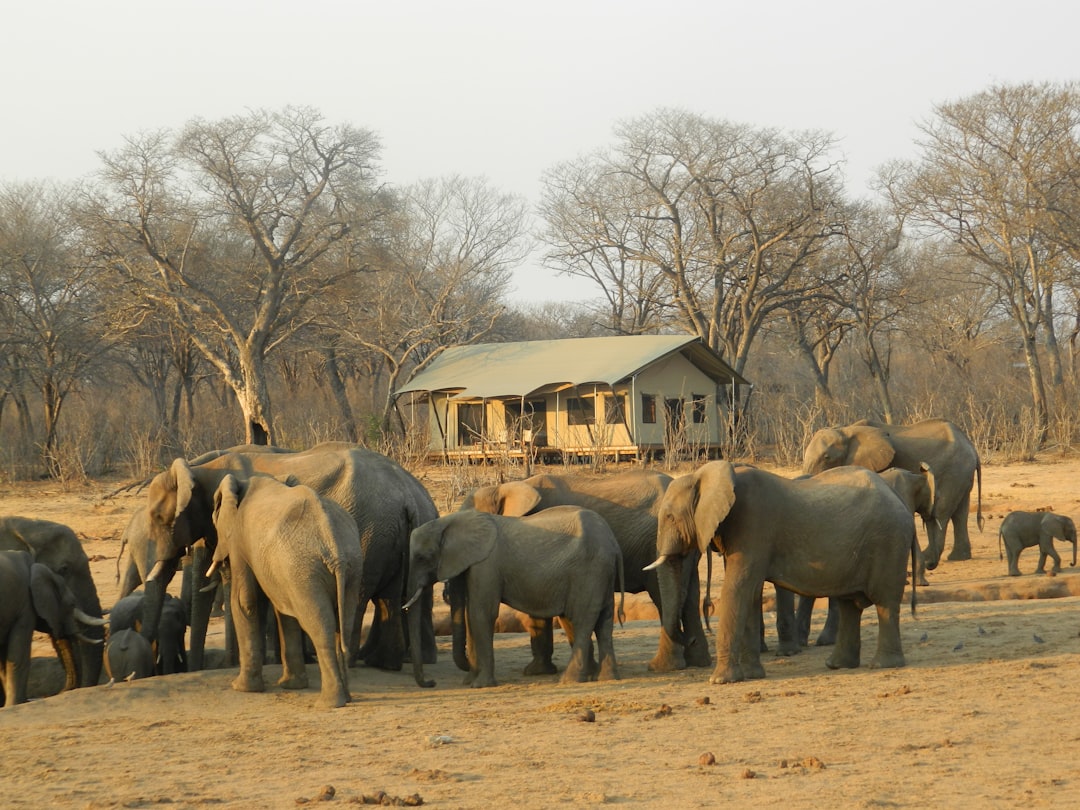
The dry season in Zimbabwe transforms the landscape into a wildlife watcher's paradise. Animals must travel to permanent water sources, creating predictable viewing patterns. Hwange National Park becomes a gathering place for massive elephant herds. Mana Pools attracts hippos, crocodiles, and antelope to the Zambezi River. Victoria Falls provides stunning scenery alongside wildlife encounters.
Zimbabwe safari packages in this season typically include game drives, walking safaris, and scenic activities. Most operators offer all-inclusive lodging and meals. Travelers experience authentic bush camps and luxury lodges depending on budget. The experience combines wildlife viewing with cultural interactions and natural wonders.
Why July–September Is Peak Season
July–September represents the optimal window for Zimbabwe safaris because water becomes scarce. Animals gather at remaining water sources, increasing sighting odds dramatically. Temperatures drop to comfortable levels—daytime highs range from 70–80°F (21–27°C). Nighttime temperatures hover around 50–60°F (10–15°C), making early morning game drives pleasant.
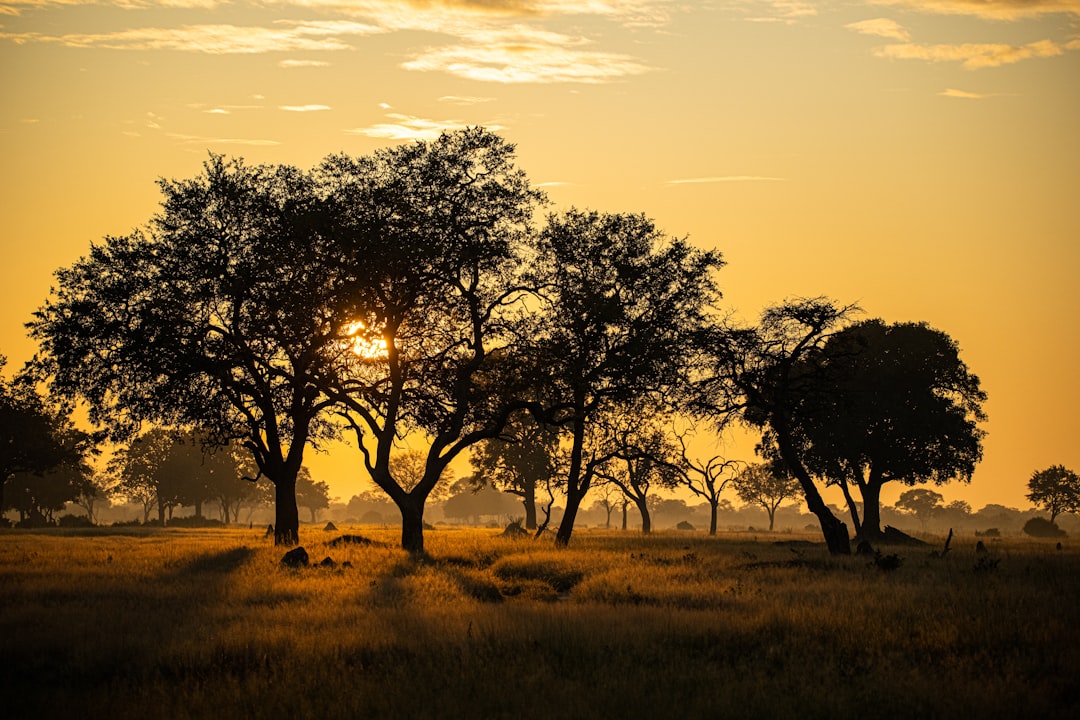
Vegetation thins as the dry season progresses, improving visibility. You can spot animals from greater distances. Photography conditions are ideal with clear skies and dramatic lighting. September offers peak activity as water sources dwindle further, concentrating wildlife in specific areas.
Key Features of the Dry Season
The dry season delivers several advantages for safari travelers. Game drives become more productive because animals move predictably toward water. Walking safaris are safer and more rewarding when vegetation is sparse. Birdwatching improves with migratory species arriving from the north. The landscape becomes golden and photogenic as grass dries.
Accommodation options range from budget-friendly lodges at $80–$150 per night to luxury camps exceeding $400 nightly. Most packages include experienced guides, game drives, and meals. Some operators offer scenic flights over Victoria Falls or helicopter safaris for additional costs. Private guides and specialized photography tours are available for extra fees.
This is the ideal time to experience Zimbabwe's natural beauty. The dry season combines comfort, wildlife abundance, and reasonable weather. Most travelers report this season as their preferred time to visit. Compare verified Zimbabwe safari operators on SafariFind to find packages matching your budget and interests.
Where to Go: Top Zimbabwe Safari Destinations
Zimbabwe offers several world-class safari destinations. Hwange National Park is the largest and most famous. Mana Pools National Park delivers river-based wildlife experiences. Victoria Falls provides natural wonder alongside wildlife viewing. Each destination offers distinct ecosystems and animal encounters.
Hwange National Park: The Elephant Capital
Hwange National Park covers 5,600 square miles in northwestern Zimbabwe. It ranks as one of Africa's finest elephant viewing destinations, hosting over 45,000 elephants during the dry season. The park contains diverse wildlife including lions, buffalo, zebras, and over 400 bird species. Game drives yield consistent wildlife sightings throughout July–September.
The park features multiple lodges and camps catering to all budgets. Somalisa Camp and Hwange Safari Lodge are popular luxury options. Budget travelers find comfortable accommodations at under $150 per night. Most camps organize twice-daily game drives. Walking safaris with armed guides are available for adventurous travelers.
Hwange excels for photography enthusiasts. The dry season reveals animals in their natural habitat without obscuring vegetation. Sunrise and sunset game drives offer spectacular lighting. Many operators combine Hwange with Victoria Falls for comprehensive Zimbabwe experiences.
Mana Pools National Park: River Wildlife
Mana Pools National Park sits along the Zambezi River in northern Zimbabwe. The park is known for large hippo and crocodile populations. Elephant and buffalo herds gather at the river during dry months. Fishing eagles, African fish eagles, and other water birds create a birding paradise.
Mana Pools offers unique safari experiences unavailable elsewhere. Canoe safaris float down the Zambezi while spotting animals on riverbanks. Walking safaris bring you close to wildlife in their natural setting. Swimming and fishing are possible during certain seasons. The park feels more remote and exclusive than Hwange.
Accommodation options range from luxury lodges to basic camps. Most visitors spend 3–4 days at Mana Pools as part of longer Zimbabwe itineraries. The park requires 4x4 vehicles and experienced guides. Access is sometimes limited during peak rains, but July–September offers reliable access.
Victoria Falls: Nature's Wonder
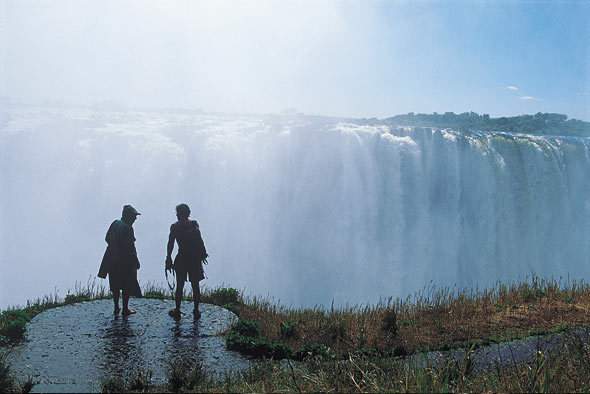
Victoria Falls ranks among the world's largest and most spectacular waterfalls. The falls span 5,604 feet (1,708 meters) across the Zambezi River. Victoria Falls town offers adventure activities alongside wildlife experiences. Most Zimbabwe safaris include 1–2 days at the falls.
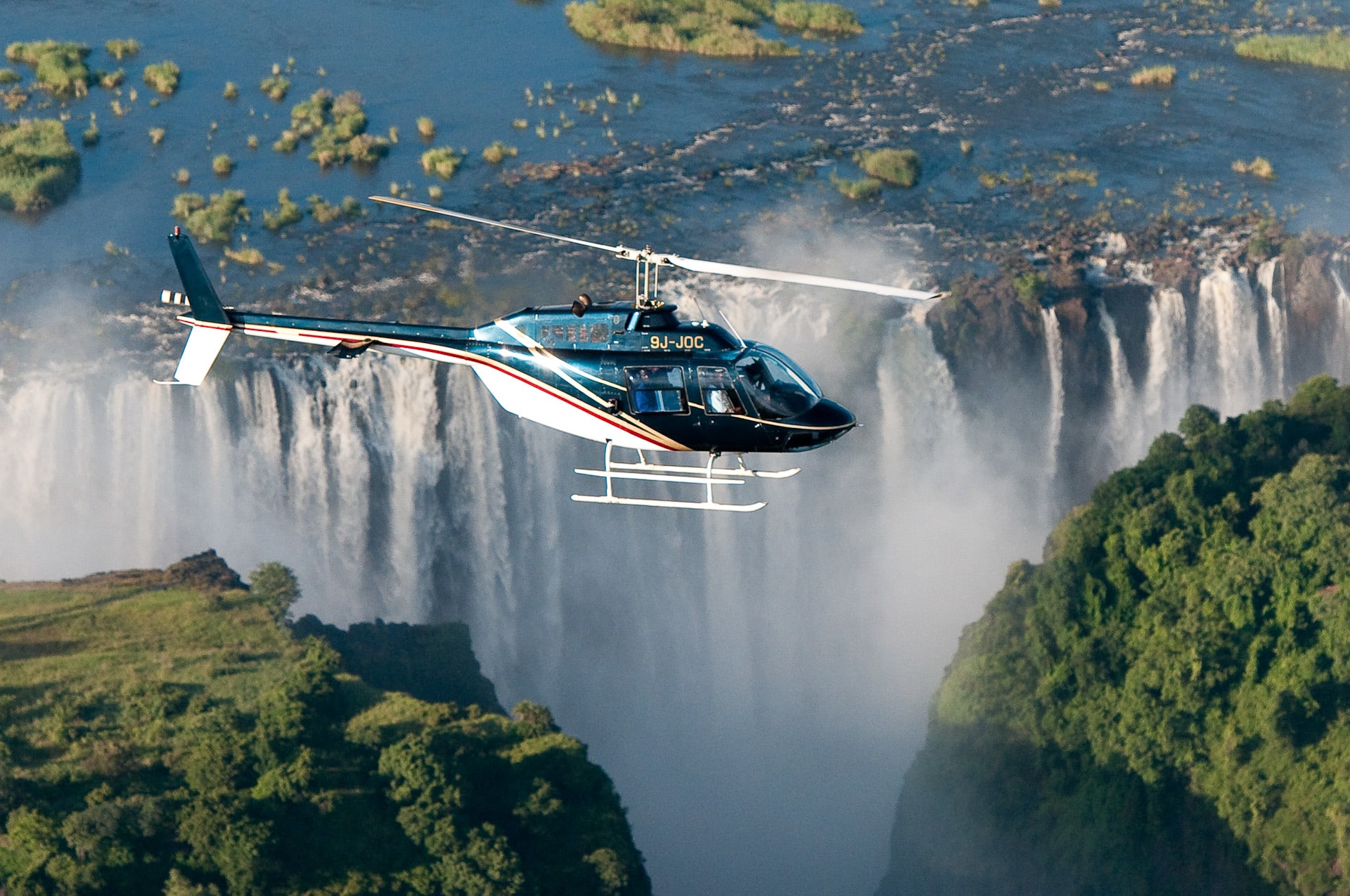
Activities include helicopter flights over the falls, white-water rafting, and zip-lining. Game drives in nearby areas yield wildlife sightings. The town provides restaurants, shops, and entertainment. July–September weather is perfect for exploring the falls without excessive heat or rain.
Victoria Falls serves as an ideal starting or ending point for Zimbabwe safaris. The town has modern amenities and international-quality lodging. Flights connect to Hwange and other parks. Many travelers combine Victoria Falls with safari parks for complete Zimbabwe experiences.
Wildlife You'll See During Dry Season
Zimbabwe's dry season concentrates animals around water sources, creating exceptional viewing opportunities. Elephants dominate the landscape with herds numbering in the thousands. Lions, leopards, and other predators follow prey animals. Birdwatching opportunities are world-class with over 650 species recorded in Zimbabwe.
The Great Elephant Herds
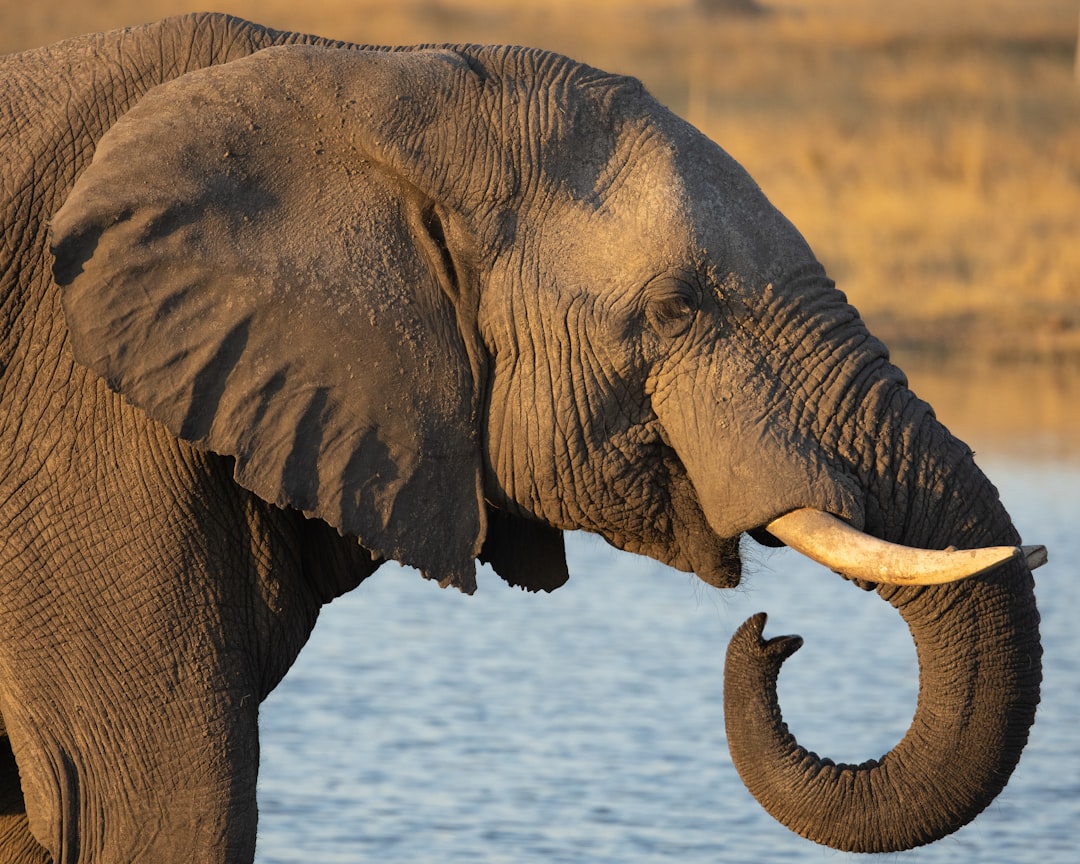
Hwange National Park hosts Africa's largest elephant populations. During dry season months, elephants gather at permanent water sources in predictable patterns. You'll witness herds of 50–100 elephants drinking together at waterholes. Family groups include mothers, calves, and matriarchs. Bull elephants with massive tusks are commonly seen.
Elephant viewing is most productive in August and September when water becomes scarce. Early morning and late afternoon game drives offer the best sightings. Professional guides know the best waterholes and likely elephant routes. Photography opportunities are exceptional with animals in natural poses.
Predators and Big Game
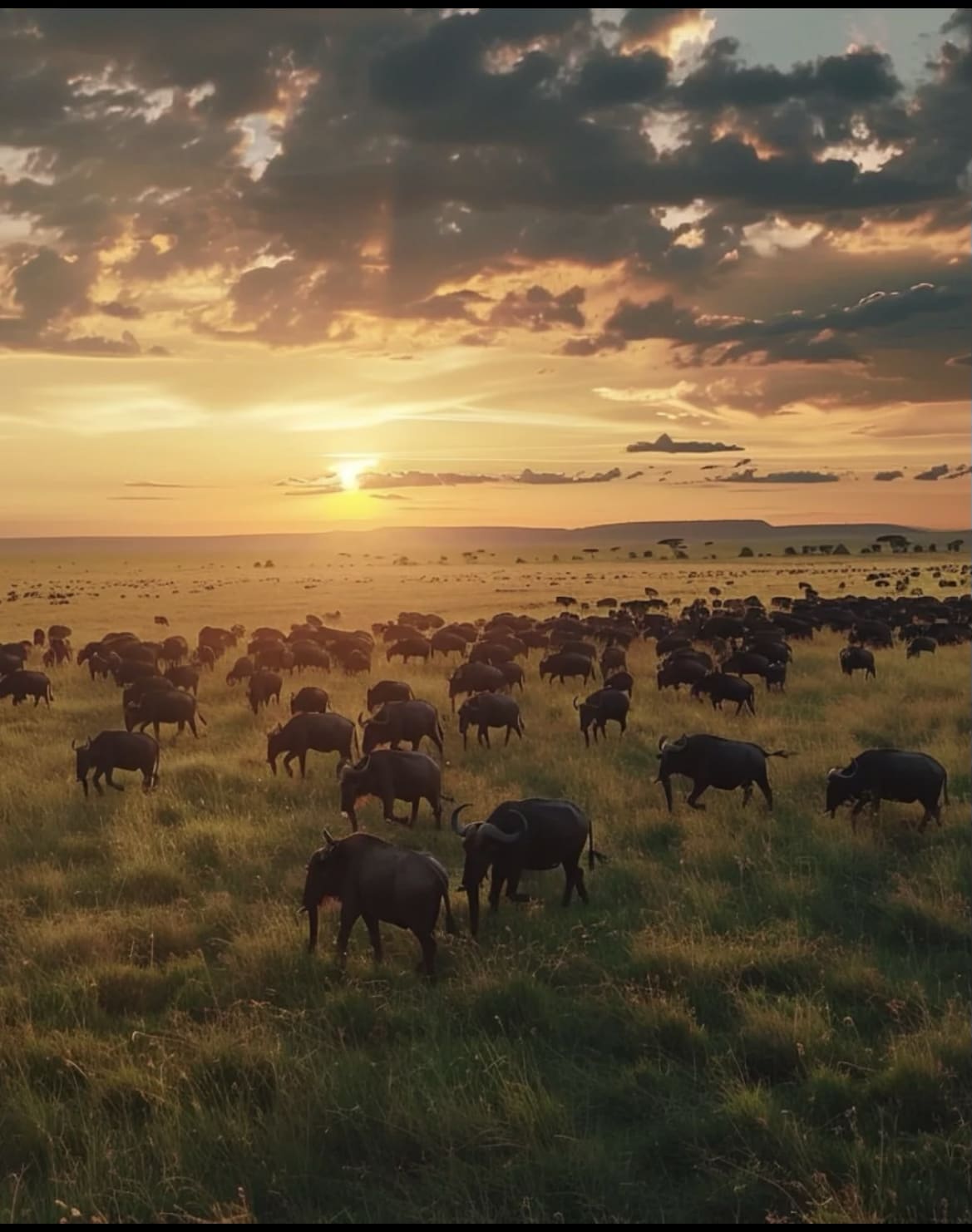
Lions hunt actively during the dry season, following prey animals to water sources. Buffalo herds gather in groups of hundreds. Zebras and wildebeest migrate to find grazing areas. Giraffes browse acacia trees despite limited water availability. Antelope species including impala, kudu, and sable are abundant.
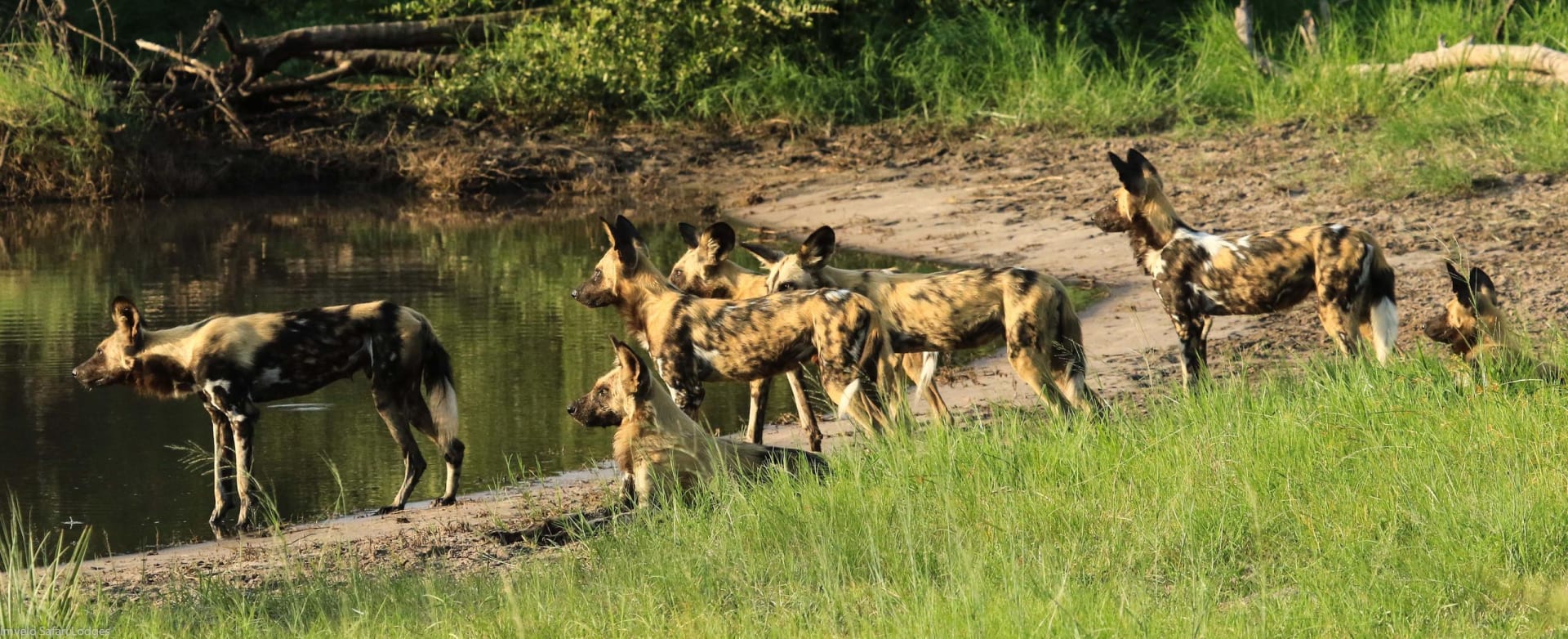
Leopards are notoriously difficult to spot but inhabit Zimbabwe's parks. Evening game drives offer the best leopard sighting chances. Wild dogs occasionally appear in packs hunting prey. Hyenas and jackals are commonly heard and occasionally seen. Smaller carnivores like honey badgers and wild cats exist but are rarely observed.
Birdwatching Paradise
Zimbabwe hosts over 650 bird species, making it a premier birdwatching destination. Migratory species arrive during the dry season from Europe and northern Africa. Fish eagles, crowned eagles, and martial eagles are regularly seen. Kingfishers, bee-eaters, and rollers add color to the landscape.
Mana Pools is particularly excellent for birdwatching with river-dependent species abundant. Early morning walks yield the most bird sightings. Experienced birding guides enhance identification and understanding. July–September offers ideal conditions for serious birdwatchers.
Planning Your Zimbabwe Safari: Practical Guide
Successful Zimbabwe safaris require advance planning. Visa requirements, health precautions, and packing decisions need attention. Booking accommodations and arranging transportation should happen 3–6 months ahead. Understanding costs and budgeting ensures a stress-free experience.
Visa and Entry Requirements
Most international travelers need visas to enter Zimbabwe. Tourist visas are available on arrival at Harare Airport or can be obtained in advance. Processing takes approximately 30 minutes at the airport. Passport validity of six months beyond your departure date is required. Check your country's specific requirements before booking.
Yellow fever vaccination is recommended for travelers from certain regions. Malaria prevention is essential for all Zimbabwe destinations. Antimalarial medications should begin one week before arrival. Consult your doctor about appropriate prophylaxis. Comprehensive travel insurance covering medical evacuation is highly recommended.
Best Time to Book
Book Zimbabwe safaris 3–6 months in advance for July–September travel. Peak season fills quickly with limited lodge availability. Early bookings secure better rates and preferred accommodations. Last-minute bookings are possible but offer limited choices and higher prices.
Package prices vary by operator and accommodation level. Budget safaris start at $2,500 per person for 7 days. Mid-range packages cost $3,500–$4,500 per person. Luxury safaris exceed $5,500 per person. Compare Zimbabwe safari costs and luxury vs budget packages on SafariFind to find options matching your budget.
What to Pack
Pack neutral-colored clothing for game drives to avoid startling animals. Khaki, tan, and olive tones are ideal. Avoid bright colors and white clothing. Bring long sleeves and pants for sun and insect protection. Comfortable hiking boots are essential for walking safaris.
Pack a good camera with extra batteries and memory cards. Binoculars enhance wildlife viewing significantly. Sunscreen, hat, and sunglasses protect against intense African sun. Insect repellent prevents mosquito-borne illnesses. A lightweight jacket handles cool evenings. Medications for stomach issues and pain relief are wise additions.
Health and Safety Considerations
Zimbabwe is generally safe for safari tourists in established parks and towns. [Read more about Zimbabwe safari safety at our detailed guide on Zimbabwe Safari Safety 2026.] Standard precautions apply: avoid walking alone at night and keep valuables secure. Park rangers and guides maintain security in wildlife areas.
Malaria is present in Zimbabwe's low-lying areas. Hwange and Mana Pools require antimalarial medication. Victoria Falls and higher elevations have lower malaria risk. Follow your doctor's recommendations strictly. Sleep under mosquito nets and use insect repellent religiously.
Tap water in lodges is generally safe, but bottled water is recommended for sensitive stomachs. Food in established restaurants and camps is safe. Avoid raw vegetables and unpeeled fruits. Most lodges maintain high hygiene standards. Travel insurance should cover medical evacuations and emergency care.
Getting There and Around
Robert Gabriel Mugabe International Airport in Harare is Zimbabwe's main entry point. International flights from Europe, Asia, and neighboring African countries arrive daily. Most packages include airport transfers. Internal flights connect Harare to safari destinations in 1–2 hours.
Safari operators arrange all ground transportation in 4x4 vehicles. Professional drivers navigate rough terrain safely. Vehicles are equipped with radio communication. Game drives typically occur twice daily: early morning and late afternoon. Walking safaris with armed guides are available at additional cost.
Most packages include all transportation within the safari itinerary. Meals, accommodations, and activities are typically included. Additional costs cover alcohol, tips, and optional activities like scenic flights. Budget accordingly for these extras when planning.
Comparing Zimbabwe Safari Packages for July–September
Multiple package types serve different traveler preferences and budgets. Understanding options helps you choose the best fit. Budget, mid-range, and luxury packages offer distinct experiences at different price points.
| Package Type | Price Per Person (7 days) | Accommodation Level | Best For | Includes |
|---|---|---|---|---|
| Budget Safari | $2,500–$3,200 | Basic lodges, shared camps | First-time travelers, budget-conscious groups | Game drives, meals, basic lodging |
| Mid-Range Safari | $3,500–$4,500 | Comfortable lodges, private rooms | Couples, small groups, comfort seekers | Game drives, all meals, quality lodging, some activities |
| Luxury Safari | $5,000–$6,500+ | Exclusive lodges, premium camps | Premium travelers, honeymoons, special occasions | All-inclusive: flights, guides, meals, activities, transfers |
Budget safaris provide excellent value and authentic experiences. Shared accommodations and communal dining create social atmospheres. Game drive quality remains high with experienced guides. These packages suit first-time safari travelers and budget-conscious groups.
Mid-range packages offer comfort without excessive cost. Private rooms and better-quality meals enhance the experience. More activity options are included. These packages appeal to couples and travelers seeking balance between comfort and value.
Luxury packages deliver premium experiences with exclusive accommodations and personalized service. Private guides and customized itineraries are standard. Fine dining and premium amenities are included. These packages suit special occasions and travelers prioritizing comfort.
Explore Zimbabwe safari lodges ranging from luxury to budget options under $250 per night on SafariFind to find accommodations matching your preferences and budget.
Why July–September Is Better Than Other Seasons
Zimbabwe offers year-round safari opportunities, but July–September stands out for specific reasons. The dry season combines ideal weather, abundant wildlife, and comfortable conditions. Comparing seasons helps travelers understand why this period is preferred.
Weather Advantages
July–September offers perfect weather for safari activities. Daytime temperatures range from 70–80°F (21–27°C)—comfortable for game drives and walking safaris. Nighttime temperatures around 50–60°F (10–15°C) require only light jackets. Rainfall is virtually absent, ensuring reliable daily activities.
The rainy season (January–March) brings heavy downpours that wash out roads and reduce visibility. Humidity is oppressive, making outdoor activities uncomfortable. Malaria risk increases significantly. September marks the transition to warmer, drier conditions before rains return. October becomes increasingly hot and dusty.
Wildlife Concentration
Water scarcity during dry months forces animals to permanent water sources. This predictability creates exceptional viewing opportunities. Hwange's waterholes become gathering places for massive elephant herds. Mana Pools' river concentrates hippos, crocodiles, and antelope. Wildlife encounters are more frequent and memorable.
Wet season disperses animals across vast areas, reducing sighting frequency. Vegetation obscures animals in dense greenery. Muddy roads limit vehicle access. Dry season viewing efficiency is dramatically higher, making every game drive productive.
Photography and Visibility
Golden light and sparse vegetation create photographer's paradise conditions. Dust creates dramatic atmospheric effects. Animals stand out clearly against dry landscapes. Sunset and sunrise photography yields stunning results. Professional and amateur photographers achieve exceptional images.
Dense vegetation during wet seasons obscures wildlife and reduces photo quality. Overcast skies limit dramatic lighting. Dry season provides unobstructed views and optimal lighting conditions throughout the day.
Booking Your Zimbabwe Safari on SafariFind
SafariFind simplifies the safari booking process by connecting travelers with verified operators. The platform lists authentic reviews from previous travelers. Price comparisons help you find the best value. Detailed package information enables informed decisions.
Browse hundreds of Zimbabwe safari packages on SafariFind. Filter by destination, duration, price range, and traveler type. Read verified reviews from past clients describing their experiences. Request quotes from multiple operators and compare offerings. SafariFind's verified operators maintain high standards and deliver quality experiences.
Most packages for July–September fill 3–6 months ahead. Early booking secures preferred dates and accommodations. SafariFind helps you navigate the booking process seamlessly. Customer support assists with questions and concerns. Payment protection ensures your financial security.
First-time safari travelers benefit from SafariFind's detailed information and honest reviews. Experienced travelers appreciate the comparison tools and verified operator network. Whether you seek budget adventure or luxury indulgence, SafariFind connects you with perfect options.
Key Takeaways
- Book your Zimbabwe safari 3–6 months ahead for July–September travel to secure preferred dates and accommodations at competitive rates.
- Expect to spend $2,500–$5,500 per person for a 7-day safari including accommodations, meals, and game drives in 2026.
- Visit Hwange National Park to witness over 45,000 elephants gathering at waterholes during the dry season for unforgettable experiences.
- Pack neutral-colored clothing, binoculars, quality camera equipment, and antimalarial medication for safe, comfortable safari experiences.
- Compare verified Zimbabwe operators on SafariFind to find packages matching your budget, interests, and travel style with authentic traveler reviews.
Frequently Asked Questions
What is the best time to visit Zimbabwe for a safari?
July–September is the best time to visit Zimbabwe on safari. The dry season concentrates wildlife around water sources, creating exceptional viewing opportunities. Temperatures are comfortable, ranging from 70–80°F (21–27°C) during the day. Vegetation is sparse, improving visibility. Most travelers prefer this period for safaris.
How much does a Zimbabwe safari cost in 2026?
Zimbabwe safari costs range from $2,500–$5,500 per person for a 7-day package in 2026. Budget safaris start at $2,500–$3,200 with basic accommodations. Mid-range packages cost $3,500–$4,500 with comfortable lodges. Luxury safaris exceed $5,500 with exclusive accommodations and premium services. Prices vary by operator, lodge quality, and included activities.
Which Zimbabwe parks offer the best wildlife viewing in July–September?
Hwange National Park is the top choice, hosting over 45,000 elephants and diverse wildlife. Mana Pools National Park delivers excellent river-based viewing with hippos, crocodiles, and elephants. Victoria Falls provides natural wonder alongside wildlife experiences. Most travelers combine multiple parks in comprehensive itineraries.
Do I need vaccinations for Zimbabwe safaris?
Yellow fever vaccination is recommended for travelers from certain regions. Malaria prevention is essential for all Zimbabwe destinations, requiring antimalarial medication beginning one week before arrival. Consult your doctor about appropriate health precautions. Travel insurance covering medical evacuation is highly recommended for safari travelers.
Is Zimbabwe safe for safari travelers?
Zimbabwe is generally safe for safari tourists in established parks and towns. Standard precautions apply: avoid walking alone at night and keep valuables secure. Park rangers and guides maintain security in wildlife areas. Learn more about Zimbabwe safari safety and current conditions on SafariFind before booking your trip.
How do I book a Zimbabwe safari package?
Book Zimbabwe safaris through SafariFind's verified operator network. Browse hundreds of packages, compare prices, and read authentic traveler reviews. Request quotes from multiple operators and compare offerings. SafariFind connects you with reputable operators offering quality experiences at competitive rates. Early booking 3–6 months ahead secures the best dates and prices for July–September travel.
Conclusion
Zimbabwe safari during July–September delivers world-class wildlife viewing in ideal conditions. The dry season concentrates animals around water sources, creating exceptional sighting opportunities. Hwange National Park hosts massive elephant herds. Mana Pools delivers river-based wildlife experiences. Victoria Falls provides natural wonder alongside safari adventures. Temperatures are comfortable, vegetation is sparse, and skies are clear—perfect conditions for photography and wildlife observation.
Costs range from $2,500–$5,500 per person for 7-day packages in 2026, accommodating various budgets and preferences. Budget safaris provide excellent value for first-time travelers. Mid-range packages offer comfort and quality experiences. Luxury options deliver premium accommodations and personalized service. Book 3–6 months ahead to secure preferred dates and accommodations.
Plan ahead by obtaining visas, arranging antimalarial medication, and packing appropriate clothing. Professional guides and experienced operators ensure safe, memorable experiences. Wildlife viewing, photography, and adventure activities satisfy diverse interests. Zimbabwe safaris create lifetime memories and authentic African connections.
Compare verified Zimbabwe safari operators and packages on SafariFind today to find your perfect adventure. Read authentic reviews from previous travelers, request quotes from multiple operators, and book with confidence. Your Zimbabwe safari awaits in 2026.
Plan Your Safari with SafariFind
These recommendations use real data from SafariFind, where you can compare operators, browse packages, and read verified traveler reviews before you book.
Recommended Safari Operators from SafariFind
Recommended Safari Packages from SafariFind
What Travelers Say (SafariFind Reviews)
References
- Adventure Life – Zimbabwe Safari Tours 2026-2027: Best Time to Visit Zimbabwe on Safari
- Uyaphi – 10 Best Places to Go on Safari in 2026: Wildlife Highlights and Park Information
- Private Tours Cape Town – Top 10 Luxury Private Safari Tours 2026: Hwange National Park Overview
- IV Seminars – Wildlife Safari in Zimbabwe, Victoria Falls and Botswana Trip 2026
- African Budget Safaris – Tours, Overlands & Safaris Departing from Victoria Falls July 2026
- G Adventures – Zimbabwe Tours & Safari Trips 2026: Seasonal Information and Best Times to Visit
- Go2Africa – The Ultimate Guide to a Zimbabwe Safari: Airport Information and Entry Requirements
- Wilderness Travel – Best Time to Visit Zimbabwe by Month & Season: Temperature and Wildlife Patterns
Sources
- Adventure Life – Zimbabwe Safari Tours 2026-2027: Best Time to Visit Zimbabwe on Safari
- Uyaphi – 10 Best Places to Go on Safari in 2026: Wildlife Highlights and Park Information
- Private Tours Cape Town – Top 10 Luxury Private Safari Tours 2026: Hwange National Park Overview
- IV Seminars – Wildlife Safari in Zimbabwe, Victoria Falls and Botswana Trip 2026
- African Budget Safaris – Tours, Overlands & Safaris Departing from Victoria Falls July 2026
- G Adventures – Zimbabwe Tours & Safari Trips 2026: Seasonal Information and Best Times to Visit
- Go2Africa – The Ultimate Guide to a Zimbabwe Safari: Airport Information and Entry Requirements
- Wilderness Travel – Best Time to Visit Zimbabwe by Month & Season: Temperature and Wildlife Patterns
Related to
Ready to start your safari adventure?
Explore curated safari packages and find your perfect African adventure with verified operators.