Zimbabwe Safari in July 2026: Hidden Season Pricing & Wildlife
July 2026 Zimbabwe safari costs $2,500–$5,500 per person for 7 days. Peak wildlife viewing, dry season, lower prices. Book verified operators on SafariFind.
Zimbabwe Safari in July 2026: Hidden Season
Last updated: July 2026
A Zimbabwe safari in July 2026 costs $2,500–$5,500 per person for a 7-day package during the dry season. July offers peak wildlife viewing with comfortable temperatures and lower prices than peak season months. Book through verified operators on SafariFind to find the best deals and read authentic traveler reviews.
At a Glance
- Cost: $2,500–$5,500 per person for 7 days in July 2026
- Best time: July–September for dry season wildlife concentration
- Temperature: Minimum 6°C (43°F), maximum 25°C (77°F)
- Best for: Budget-conscious travelers, wildlife photographers, experienced safari-goers
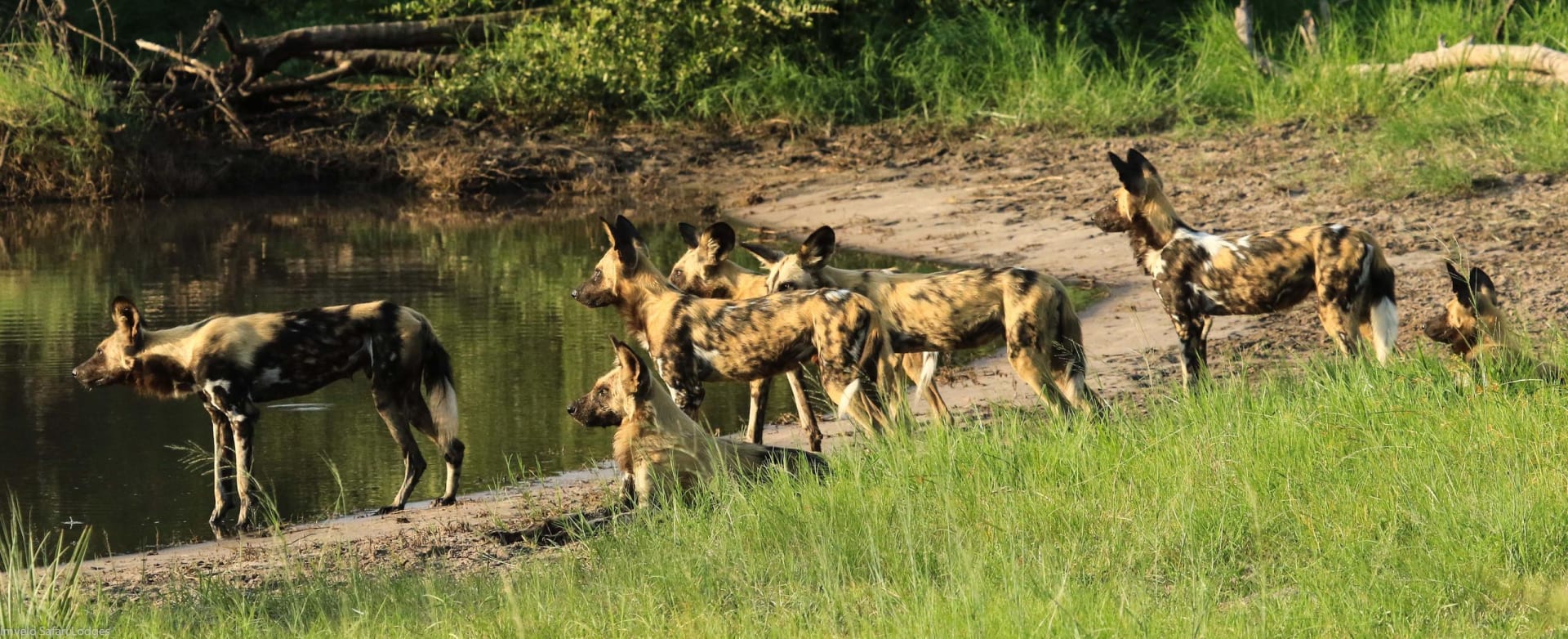
- Wildlife highlights: Elephants, lions, wild dogs, buffalo around water sources
- Top parks: Hwange National Park, Mana Pools, Matusadona
What Is a Zimbabwe Safari in July 2026?
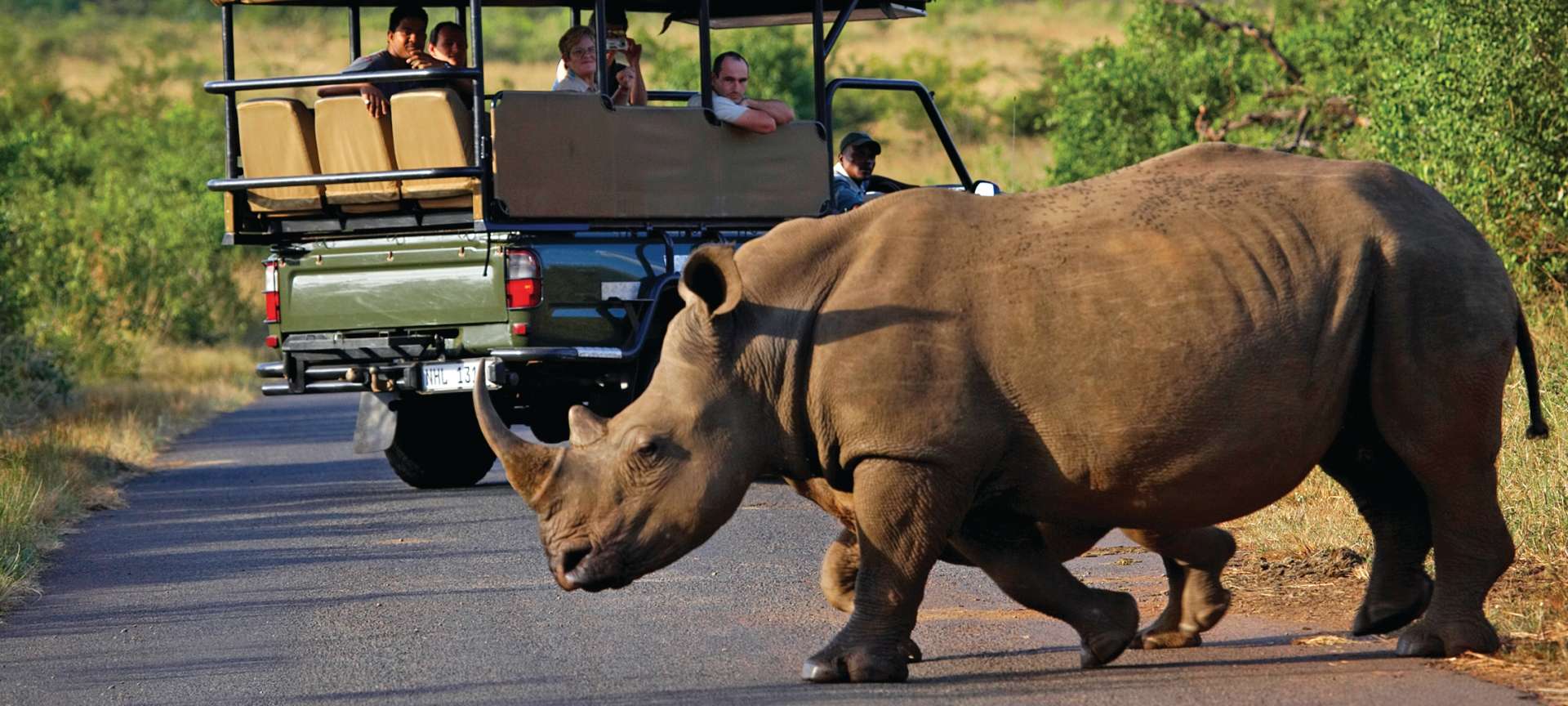
A Zimbabwe safari in July 2026 is a dry season adventure through Africa's most underrated wildlife destination. July marks the start of the dry season when water becomes scarce, forcing animals to gather near remaining water sources. This concentration creates exceptional viewing opportunities at a fraction of peak season prices. The weather is mild with cool mornings and warm afternoons, making it ideal for game drives and outdoor exploration.
Zimbabwe safaris in July offer something special: fewer crowds and lower costs than August through October. While the peak season brings premium pricing and crowded lodges, July travelers enjoy intimate wildlife encounters. The country's parks—particularly Hwange National Park—teem with elephants, lions, wild dogs, and buffalo. Victoria Falls remains spectacular year-round, providing a natural gateway to your safari adventure.
The hidden season advantage means you'll experience authentic Zimbabwe without the tourist rush. Verified operators on SafariFind offer excellent value packages during this overlooked month. You get world-class wildlife viewing, comfortable lodging, and expert guides at prices that won't drain your budget. July 2026 represents the sweet spot: serious wildlife action with wallet-friendly rates.
Why July Is a Hidden Season for Zimbabwe Safaris
July sits at the intersection of opportunity and affordability. The dry season concentrates wildlife around water sources, creating predictable and rewarding game drives. Meanwhile, tourism numbers drop compared to August and September, meaning fewer vehicles compete for sightings and quieter lodges throughout the country.
Wildlife Concentration During Dry Season
Zimbabwe's wildlife viewing peaks during the dry season from July to October. During these months, Hwange National Park sees large concentrations of elephants and other big game gathering around water sources. As the landscape dries, animals have nowhere else to go but toward remaining waterholes. This natural funnel creates photography gold and unforgettable encounters.
Matusadona National Park becomes particularly productive in July. The park's position on Lake Kariba's shores concentrates animals along water edges. You'll spot elephant herds, buffalo groups, and predators hunting in the early mornings and late afternoons. The dry conditions improve visibility through thornbush and grassland, making sightings clearer than during green season months.
Comfortable Weather and Lower Prices
July temperatures range from 6°C (43°F) at dawn to 25°C (77°F) at midday. This comfortable range beats the extreme heat of November through March. You'll need a light jacket for early game drives, but afternoons feel pleasant. The low rainfall—just 0.5 mm in July—means dry roads and no muddy obstacles to game drive routes.
Pricing in July reflects lower demand. Most 7-day packages range from $2,500 to $5,500 per person, compared to $4,000–$7,000 in peak season months. Budget-friendly Zimbabwe safari packages under $2,000 focus on July bookings to maximize value. Lodges offer discounts and bundle deals to fill rooms during this quieter month.
Compare this to peak dry season safaris in August through October, where prices climb and availability tightens. July gives you the dry season benefits without premium pricing.
July 2026 Wildlife Viewing by Park
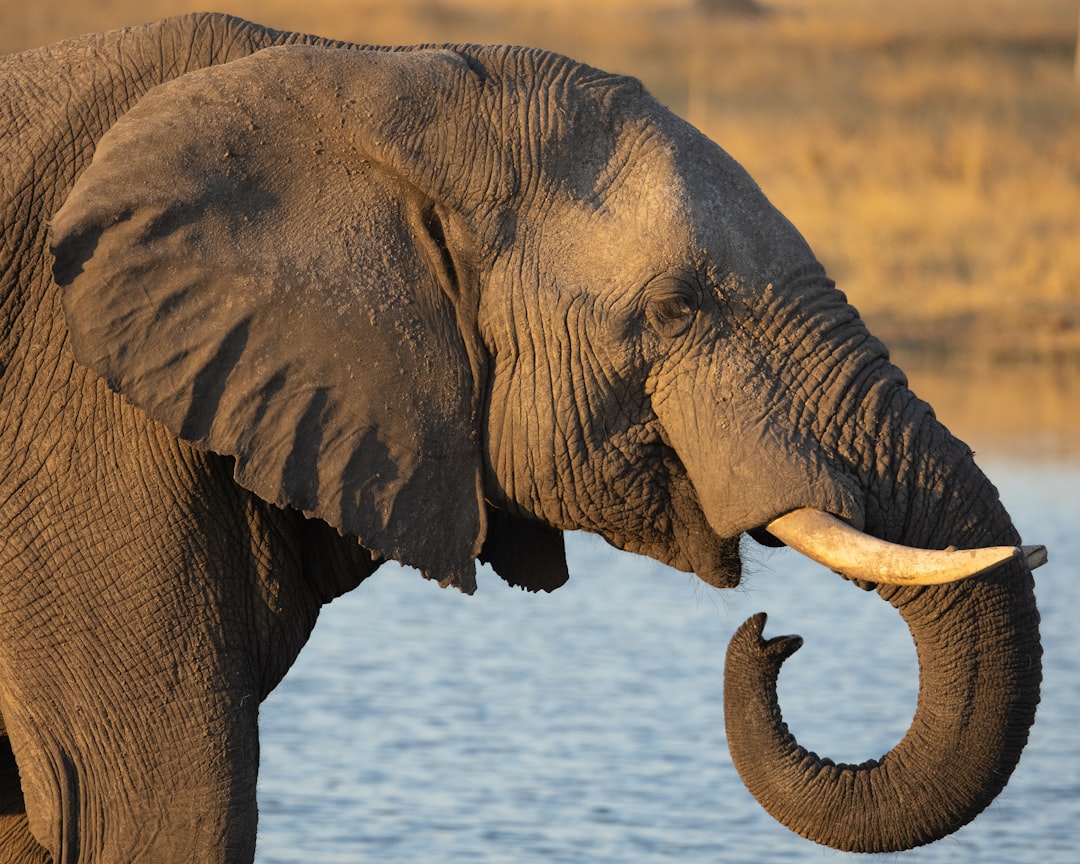
Zimbabwe's parks each offer distinct July experiences. Hwange dominates for elephant sightings, while Mana Pools excels for predator encounters and water-based wildlife. Matusadona provides intimate lake-edge viewing. Choosing your destination shapes your entire safari experience.
Hwange National Park: Elephant Haven
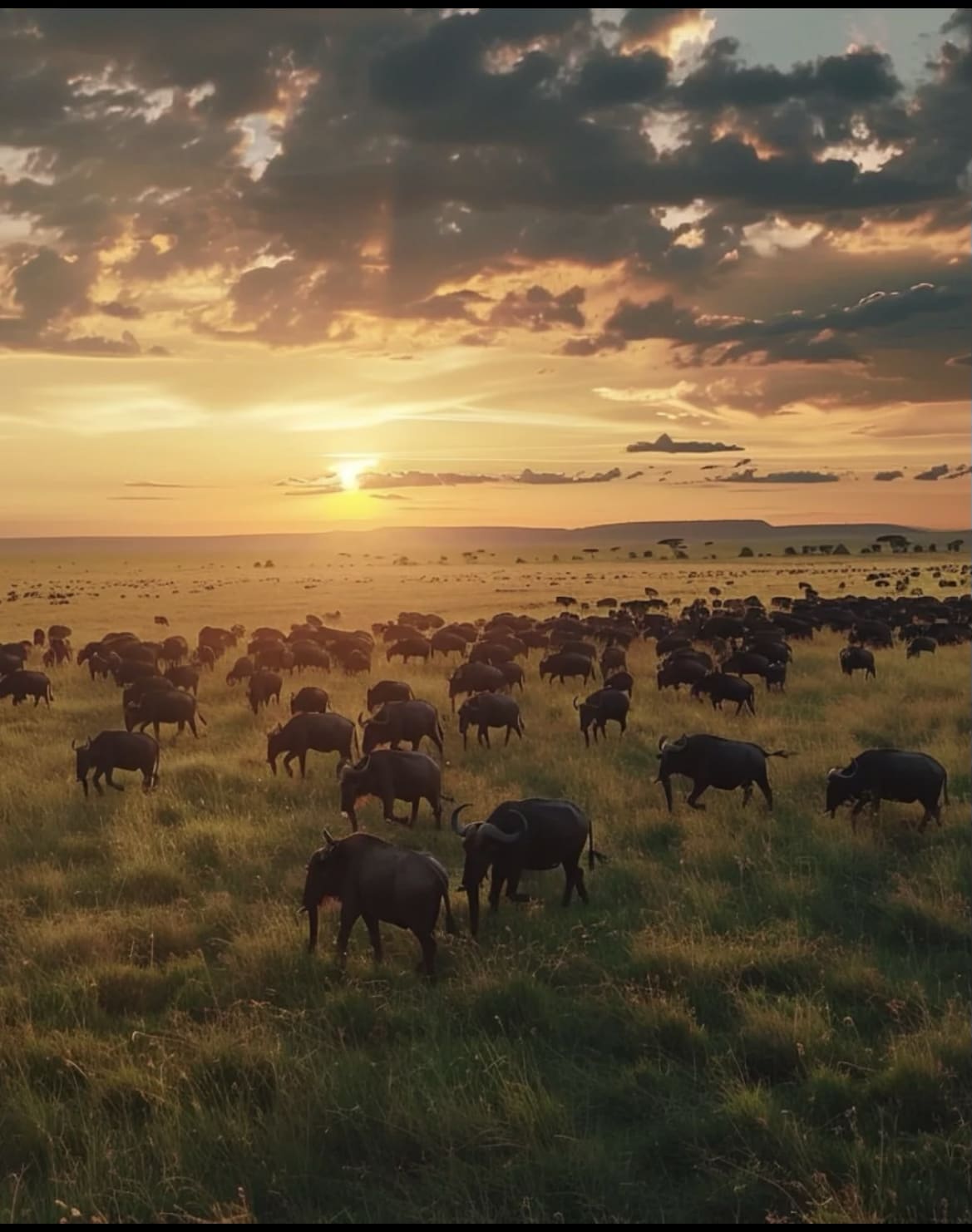
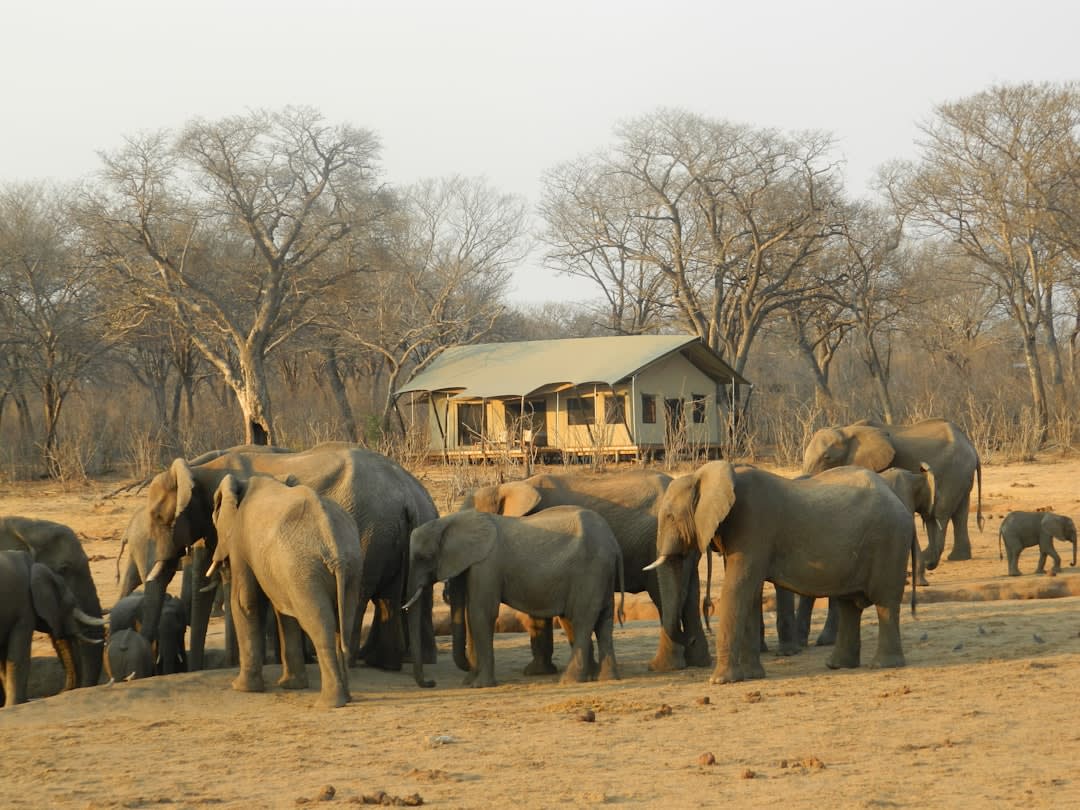
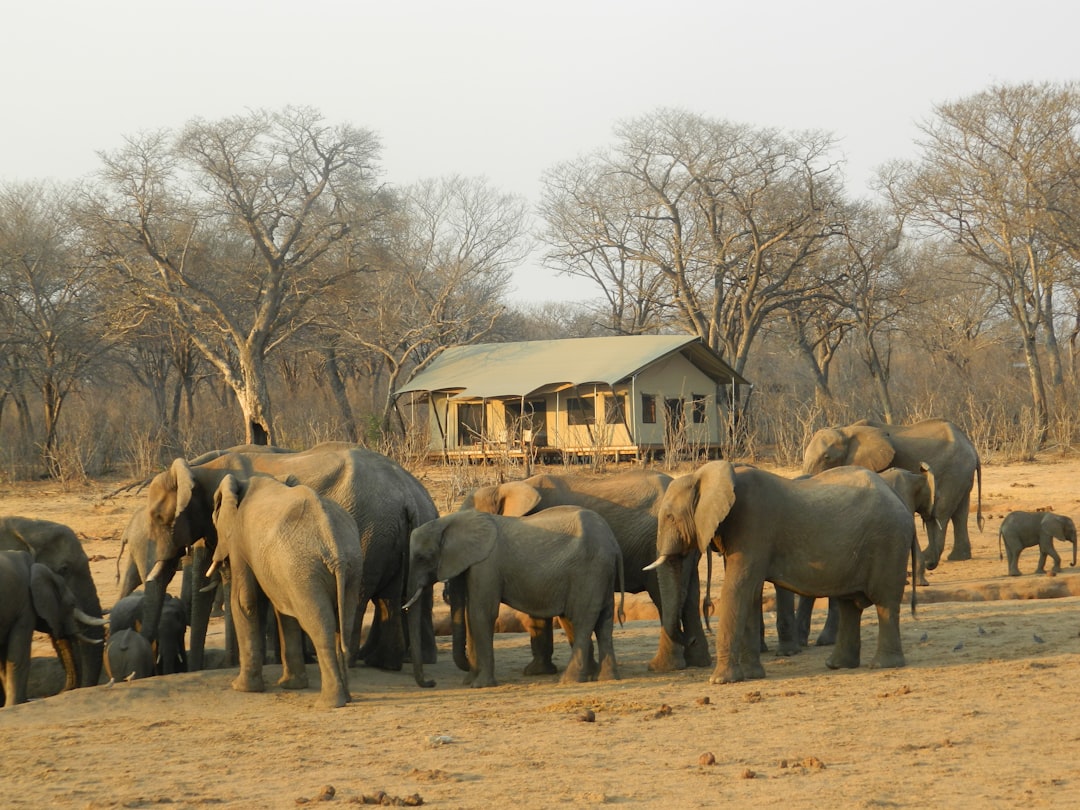
Hwange National Park is Zimbabwe's largest protected area and elephant capital. In July, the park's artificial water points become wildlife magnets. You'll observe massive elephant herds, often 50+ individuals, gathering at waterholes during morning and late afternoon game drives. Lions, buffalo, wild dogs, and zebras congregate in similar patterns, creating multi-species viewing opportunities.
Hwange's size—14,651 square kilometers—offers endless exploration. Different zones provide varied landscapes: dense thornbush, open grassland, and acacia woodland. July's clear visibility means you spot animals from greater distances. Photography enthusiasts find July ideal for capturing wildlife behavior as animals compete for water access. The park's lodges range from budget tented camps to luxury suites, accommodating different budgets within your $2,500–$5,500 package.
Mana Pools National Park: Predator Territory
Mana Pools National Park sits along the Zambezi River and specializes in predator sightings. July's dry conditions concentrate lions, wild dogs, and leopards along river access points. Walking safaris through Mana Pools offer intimate encounters with African wilderness—something vehicle-only parks can't match. The park's four floodplain pools create natural gathering points for all wildlife species.
Mana Pools appeals to experienced safari travelers seeking adventure beyond typical game drives. July water levels recede, exposing sandy beaches and riverbanks perfect for spotting basking crocodiles and hippos. The park remains less crowded than Hwange, giving you more solitude and personal guide attention. Wildlife photography here captures dramatic predator-prey interactions and river crossings.
Matusadona National Park: Lake Kariba's Hidden Gem
Matusadona National Park occupies a peninsula jutting into Lake Kariba. July game drives here combine traditional safari viewing with water-based exploration. Boat safaris reveal animals approaching water's edge—a perspective unavailable in landlocked parks. Elephant herds, buffalo groups, and antelope species congregate along the shoreline.
The park's smaller size (1,270 square kilometers) makes it more accessible and intimate than Hwange. July guides know exact waterholes where animals gather, maximizing your sighting chances. The scenery—rocky outcrops, acacia trees, and blue water—creates stunning photography backdrops. Zimbabwe safari animals vary significantly by park, so choosing Matusadona commits you to lake-specific species and experiences.
Pricing Breakdown for July 2026 Zimbabwe Safaris
Understanding costs helps you budget accurately. July 2026 pricing for Zimbabwe safaris breaks into lodging, activities, meals, and transport. A typical 7-day package includes accommodation, twice-daily game drives, meals, and park fees. Transport between destinations adds to total cost but varies by routing.
Budget vs. Mid-Range vs. Luxury Pricing
Budget safari packages in July 2026 range from $2,500–$3,500 per person for 7 days. These include basic tented camps or simple lodges, shared game drives, and standard meals. You'll stay in communal areas rather than private suites, but guides remain experienced and wildlife viewing quality stays high. Budget options work well for first-time safari travelers or those prioritizing wildlife over luxury amenities.
Mid-range packages cost $3,500–$4,500 per person for 7 days. These offer private or semi-private rooms, enhanced meal selections, and exclusive or smaller group game drives. Mid-range lodges provide better comfort without premium pricing. Most SafariFind verified operators focus on this tier, balancing quality and value.
Luxury packages range from $4,500–$5,500+ per person. These include high-end lodges with en-suite facilities, fine dining, guided walks, and personalized service. Luxury safaris might feature private game drives, helicopter tours, or premium lodge locations. The pricing reflects accommodation quality more than wildlife viewing superiority—animals don't recognize luxury status.
What's Included and What Costs Extra
Most July packages include accommodation, meals (breakfast, lunch, dinner), twice-daily game drives, park entrance fees, and professional guide services. Vehicle transport between parks and airport transfers typically come standard. Some operators bundle wine and beverages; others charge extra for alcoholic drinks.
Costs you'll typically pay separately: international flights to Zimbabwe, travel insurance, tips for guides and staff, laundry services, and premium activities like helicopter flights or walking safaris. Visas for some nationalities add $30–$50. Alcohol beyond house drinks, photographic permits, and equipment rentals (binoculars, camera lenses) charge extra.
Luxury African safari lodge pricing for 2026 shows 4-star nightly rates at $600–$850 per person, with 7-night packages starting around $5,700. This aligns with high-end July offerings. Budget lodges run $150–$300 nightly, making 7-night packages $1,050–$2,100 for accommodation alone—the core of budget package pricing.
Best Practices for Booking Your July 2026 Zimbabwe Safari
Successful safari planning requires research, timing, and smart booking choices. July offers advantages if you approach booking strategically. Start by identifying your budget tier, preferred parks, and must-see wildlife. Then verify operator credentials and read authentic reviews.
When to Book for July Departure
Book your July 2026 Zimbabwe safari 3–6 months in advance (January–April 2026). This timing gives you operator availability without last-minute price premiums. July doesn't fill as quickly as August–October, so you have flexibility. However, booking early locks in rates before any price increases. Most operators set 2026 pricing by March, so delaying past April risks higher costs.
Last-minute bookings in June might yield discounts if operators have unfilled slots, but availability becomes limited. You'll have fewer lodge choices and potentially less desirable departure dates. Early booking guarantees your preferred parks and lodge category.
Choosing Verified Operators
SafariFind lists only verified operators with authentic reviews from real travelers. When browsing packages, check operator ratings and review counts. A 4.7-star operator with 100+ reviews provides more confidence than a new operator with five reviews. Read recent reviews mentioning July experiences—past travelers describe actual conditions you'll encounter.
Verify that operators handle logistics smoothly: park permits, vehicle maintenance, guide qualifications, and emergency procedures. Ask about guide experience with July dry season conditions. Experienced guides know where animals concentrate during peak dry season, dramatically improving your sighting success. Request operator references or testimonials beyond their website.
Zimbabwe safari safety in 2026 depends partly on operator professionalism. Verified operators maintain vehicle safety standards, follow park regulations, and employ guides trained in wildlife safety. Review operator safety records through SafariFind ratings and comments.
Comparing Package Options
Create a spreadsheet comparing three to five operators you're considering. Include package cost, duration, parks visited, lodge ratings, included activities, and traveler reviews. This side-by-side view reveals which operator offers best value for your priorities.
Some operators specialize in photography safaris with extended game drives and expert wildlife photographers. Others focus on family experiences with child-friendly activities. Adventure companies emphasize walking safaris and active exploration. Match operator specialization to your interests.
Request quotes from at least two operators before committing. Provide your exact requirements: July dates, budget, parks, group size, and any special requests. Compare quotes line-by-line. Some operators quote all-inclusive prices; others add charges separately. Clarify what's included and what costs extra before deciding.
Planning Your Itinerary: Sample 7-Day July Route
A typical 7-day July Zimbabwe safari combines Hwange and either Mana Pools or Matusadona. This structure maximizes wildlife diversity while minimizing travel time. Here's a realistic itinerary framework.
Days 1–2: Victoria Falls Gateway
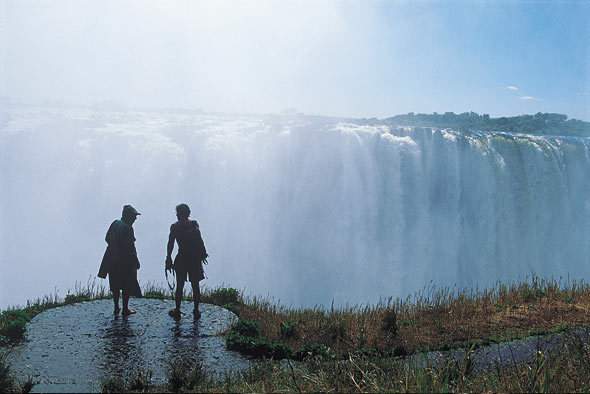
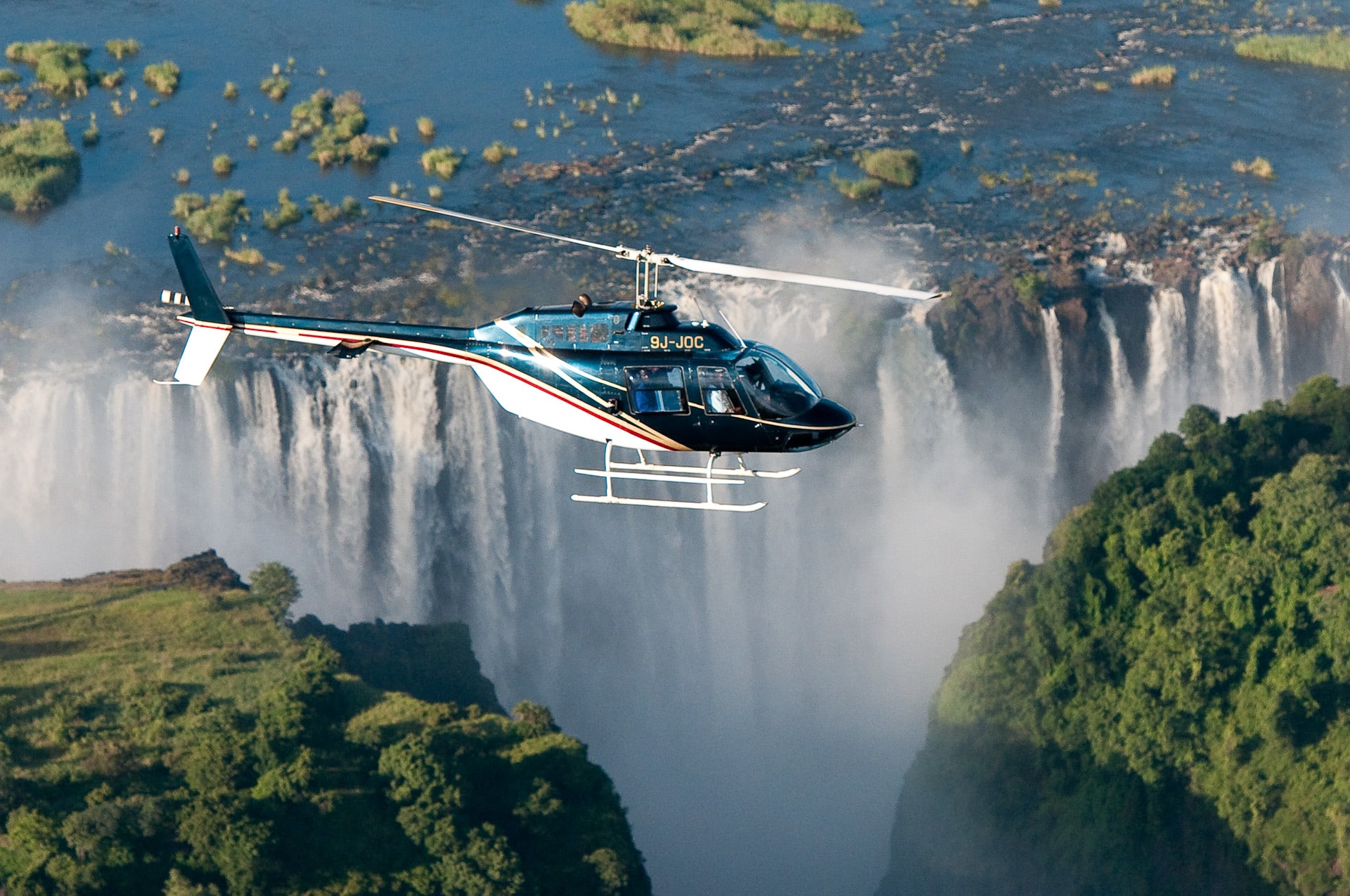
Arrive in Victoria Falls town on day one. Most international flights land at Victoria Falls Airport in the evening. Your operator arranges airport transfer to your lodge near the falls. Day one includes lodging and orientation—no safari activity. Day two offers a Victoria Falls tour or optional helicopter flight (extra cost), then travel to your first park.
Victoria Falls provides psychological preparation for safari immersion. The falls' power reminds you of Africa's grandeur. Most travelers appreciate the gateway day to adjust to time zones and meet fellow safari participants before intense game drives begin.
Days 3–5: Hwange National Park Deep Dive
Days three through five focus on Hwange's wildlife. You'll enjoy twice-daily game drives: early morning (5:30–10:00 AM) and late afternoon (3:30–6:30 PM). Early drives catch predators hunting and animals drinking at waterholes before heat peaks. Late afternoon drives capture golden light and evening feeding activity.
Your guide knows Hwange's seasonal patterns. In July, they'll navigate directly to water points where elephants congregate. You might encounter 50+ elephants at a single waterhole—an unforgettable experience. Guides also locate lions, wild dogs, and buffalo through radio communication with other vehicles and ground-based tracking knowledge.
Days in between game drives allow lodge relaxation, meals, and rest. Some operators include a walking safari or night drive on day four (extra cost). These activities reveal nocturnal species like aardvarks, porcupines, and nightjars.
Days 6–7: Mana Pools or Matusadona, Then Return
Day six morning includes a final Hwange game drive, then midday transfer to Mana Pools or Matusadona (2–3 hour drive). Afternoon activities start immediately upon arrival. Day seven offers final game drives before airport transfer for evening departure flights. Some itineraries reverse this order, starting with Mana Pools then Hwange, depending on flight schedules.
Mana Pools adds river-based perspective; Matusadona emphasizes lake scenery. Choose based on your wildlife priorities: Mana Pools for predators and walking safaris, Matusadona for intimate lake-edge viewing and easier logistics.
July Weather and What to Pack
Zimbabwe's July weather is mild by African standards. Daytime temperatures reach 25°C (77°F), but early mornings dip to 6°C (43°F). This temperature range requires layered clothing. Rainfall in July averages just 0.5 mm—essentially no rain—so you won't need heavy rain gear.
Essential Packing List
Pack these items for July Zimbabwe safari comfort:
- Lightweight, neutral-colored clothing for game drives (khaki, tan, gray, green)
- Warm fleece or insulated jacket for early morning drives
- Wide-brimmed hat and sunglasses for sun protection
- Sturdy hiking boots for walking safaris and lodge exploration
- Binoculars for wildlife viewing (10x42 magnification ideal)
- Camera with telephoto lens for photography
- High SPF sunscreen and lip balm
- Insect repellent (mosquitoes remain active near water)
- Medications (malaria prophylaxis prescribed by your doctor)
- Power adapters (Zimbabwe uses 220V, Type D plugs)
Avoid bright colors and patterns that startle wildlife. Neutral earth tones blend with landscapes and don't disturb animals. Lodges provide laundry service, so you don't need extensive clothing quantities. Pack one week's basics and have items washed mid-trip.
Comparing July to Other Zimbabwe Safari Seasons
Understanding how July compares to other months helps confirm it's right for you. August through October brings peak dry season conditions with maximum wildlife concentration but premium pricing. November sees the green season arrive with new vegetation and lower prices. December through March offers lush landscapes and bird watching but challenging game drives due to thick vegetation.
July vs. August–October Peak Season
July provides 90% of peak season wildlife concentration at 70% of peak season prices. August–October see more vehicles, crowded lodges, and $4,000–$7,000+ package costs. July offers comparable wildlife viewing with fewer tourists and better value. The tradeoff: slightly less extreme water concentration than September–October, but still excellent viewing conditions.
July vs. November–March Green Season
Green season safaris (November–March) feature lush vegetation, abundant birds, and lower prices ($2,000–$3,500). However, thick bush makes wildlife spotting harder. Rain interrupts game drives, and some parks become inaccessible. July's clear visibility and dry conditions beat green season for wildlife sighting success, despite similar pricing to early green season.
| Season | Months | Price Range | Wildlife Viewing | Weather | Crowds |
|---|---|---|---|---|---|
| Hidden Dry Season | July | $2,500–$5,500 | Excellent | Cool, dry | Low |
| Peak Dry Season | August–October | $4,000–$7,000 | Exceptional | Warm, dry | High |
| Early Green | November | $2,500–$3,500 | Good | Warm, wet | Low |
| Green Season | December–March | $2,000–$3,500 | Fair | Hot, wet | Very low |
How to Book Your July 2026 Zimbabwe Safari on SafariFind
SafariFind simplifies safari booking by listing verified operators with transparent pricing and authentic reviews. Here's how to find your perfect July package.
Browse and Filter Packages
Visit SafariFind's package catalog and filter by destination (Zimbabwe), month (July), and budget ($2,500–$5,500). You'll see verified operators offering July departures with clear pricing, duration, parks visited, and traveler ratings. Read package descriptions and included activities to understand what you're booking.
Read Authentic Traveler Reviews
SafariFind requires verified bookings before allowing reviews, ensuring authenticity. Read recent reviews mentioning July experiences. Look for comments about wildlife sightings, guide quality, lodge comfort, and overall satisfaction. Pay attention to reviews addressing your specific concerns—if you're a photographer, prioritize photography-focused reviews.
Request Quotes and Compare
Click "Request Quote" on your top three package choices. Operators respond within 24–48 hours with detailed quotes. Compare quotes side-by-side, noting what's included, what's extra, and cancellation policies. Ask operators questions about guide experience, lodge amenities, and customization options. SafariFind's platform makes operator communication straightforward.
Finalize Booking
Once you've selected an operator, confirm your booking through SafariFind. The platform handles payment processing securely, protecting both you and the operator. You'll receive booking confirmation, itinerary details, and pre-trip communications from your operator. SafariFind provides post-trip review opportunities to share your experience with future travelers.
Key Takeaways
- Book your July 2026 Zimbabwe safari 3–6 months ahead (January–April 2026) to secure best availability and lock in rates before price increases.
- Expect to pay $2,500–$5,500 per person for a 7-day July package, saving 30–40% compared to August–October peak season pricing.
- July offers exceptional wildlife viewing with 90% of peak season animal concentrations, thanks to dry conditions forcing animals toward water sources in Hwange, Mana Pools, and Matusadona parks.
- Pack lightweight layers for July's comfortable 6–25°C temperature range, neutral-colored clothing for wildlife viewing, and high SPF sunscreen for African sun protection.
- Compare verified operators on SafariFind by reading authentic reviews from previous July travelers, requesting quotes from multiple companies, and confirming guide experience with dry season wildlife patterns.
Frequently Asked Questions
How much does a Zimbabwe safari in July 2026 cost per person?
A Zimbabwe safari in July 2026 costs $2,500–$5,500 per person for a 7-day package. Budget options range $2,500–$3,500, mid-range packages $3,500–$4,500, and luxury packages $4,500–$5,500+. This represents significant savings compared to August–October peak season pricing of $4,000–$7,000. Costs include accommodation, meals, twice-daily game drives, park fees, and guide services. International flights, travel insurance, tips, and premium activities cost extra.
Is July the best time to visit Zimbabwe on safari?
July is an excellent time to visit Zimbabwe, though not the absolute peak. July–September is the dry season when wildlife concentrates around water sources, creating exceptional viewing opportunities. August–October sees slightly more extreme animal concentration and higher temperatures, but also higher prices and more tourists. July offers the best balance of wildlife viewing quality, comfortable weather, affordable pricing, and fewer crowds—making it the "hidden season" for savvy safari travelers.
What wildlife will I see on a July Zimbabwe safari?
July Zimbabwe safaris feature elephants (often 50+ at single waterholes), lions, buffalo, wild dogs, zebras, antelope species, hippos, and crocodiles. Specific sightings depend on which parks you visit. Hwange excels for elephant concentrations; Mana Pools specializes in predators; Matusadona emphasizes lake-edge wildlife. Bird watching is excellent year-round. July's clear visibility and dry conditions make spotting wildlife easier than during green season months.
What's the weather like in Zimbabwe during July 2026?
July weather in Zimbabwe is mild and dry. Temperatures range from 6°C (43°F) at dawn to 25°C (77°F) at midday, requiring lightweight layers and a warm jacket for early game drives. Rainfall averages just 0.5 mm—essentially no rain—so you don't need heavy rain gear. Clear skies provide excellent visibility for game drives and photography. The dry conditions also create dusty roads, so bring sunscreen and sunglasses for protection.
Should I book a July Zimbabwe safari through an operator or direct with lodges?
Book through verified operators on SafariFind for better value and protection. Operators bundle transportation, multiple parks, and lodging into packaged deals, often costing less than booking lodges separately. SafariFind's verified operators have authentic reviews from real travelers, transparent pricing, and professional support. Direct lodge bookings require you to arrange transportation, coordinate park permits, and manage logistics—saving little money while adding stress. SafariFind connects you with operators offering genuine July 2026 value.
What should I pack for a July Zimbabwe safari?
Pack lightweight, neutral-colored clothing (khaki, tan, gray), a warm fleece for cool mornings, sturdy hiking boots, wide-brimmed hat, sunglasses, high SPF sunscreen, binoculars, camera with telephoto lens, insect repellent, malaria prophylaxis medication, and power adapters for 220V. Avoid bright colors and patterns that startle wildlife. Lodges provide laundry service, so pack one week's basics. July's dry conditions mean minimal rain gear needed, but sun protection is essential for African temperatures and altitude.
How do I find the best Zimbabwe safari deals on SafariFind?
Visit SafariFind's package catalog and filter by destination (Zimbabwe), month (July 2026), and budget range ($2,500–$5,500). Read package descriptions, traveler reviews, and operator ratings. Request quotes from your top three choices. Compare quotes for what's included, extra costs, and cancellation policies. Ask operators about guide experience with July conditions and lodge amenities. Read recent reviews mentioning July experiences to understand actual conditions. SafariFind's verified operators and transparent pricing make comparing deals straightforward and secure.
Conclusion
A Zimbabwe safari in July 2026 offers outstanding wildlife viewing at prices 30–40% below peak season rates. The dry season concentrates animals around water sources, creating exceptional sightings in Hwange, Mana Pools, and Matusadona parks. Comfortable temperatures ranging 6–25°C make July ideal for game drives and outdoor exploration. This hidden season combines everything peak season offers—wildlife concentration, clear visibility, expert guides—without the tourist crowds or premium pricing.
July is the smart choice for budget-conscious travelers who refuse to sacrifice wildlife quality. A 7-day package costs $2,500–$5,500 per person, including accommodation, meals, game drives, and park fees. You'll witness elephant herds, lions hunting, wild dogs running, and countless other African experiences. Book through verified operators on SafariFind to access authentic reviews, transparent pricing, and professional support. Request quotes from multiple operators, compare their offerings, and select the package matching your budget and interests.
The window for July 2026 bookings closes as we move through 2026. Secure your spot now by browsing Zimbabwe safari packages on SafariFind, reading traveler reviews, and requesting quotes from verified operators. Your African adventure awaits—don't let peak season prices or crowds prevent you from experiencing Zimbabwe's magnificent wildlife. July represents your best opportunity to explore one of Africa's most underrated safari destinations at unbeatable value.
Plan Your Safari with SafariFind
These recommendations use real data from SafariFind, where you can compare operators, browse packages, and read verified traveler reviews before you book.
Recommended Safari Operators from SafariFind
Recommended Safari Packages from SafariFind
What Travelers Say (SafariFind Reviews)
References
- Zimbabwe Safari July–September: Dry Season Wildlife 2026 | SafariFind
- Zimbabwe Safari Tours 2026–2027 | Adventure Life
- How Much Does a Zimbabwe Safari Cost? Budget Breakdown 2026 | Private Tours Cape Town
- Your Zimbabwe Safari in July 2026: An Expert Guide | Safari Stays
- Tours, Overlands & Safaris from Victoria Falls July 2026 | African Budget Safaris
- African Safari Pricing Guide 2026–2027 Luxury | African Safari Home
- Zimbabwe in July: Weather and Wildlife Guide | Discover Africa
- 10 Best Safari Tours in Zimbabwe 2026–2027 | TourRadar
Sources
- Zimbabwe Safari July–September: Dry Season Wildlife 2026
- Zimbabwe Safari Tours 2026–2027
- How Much Does a Zimbabwe Safari Cost? Budget Breakdown 2026
- Your Zimbabwe Safari in July 2026: An Expert Guide
- Tours, Overlands & Safaris from Victoria Falls July 2026
- African Safari Pricing Guide 2026–2027 Luxury
- Zimbabwe in July: Weather and Wildlife Guide
- 10 Best Safari Tours in Zimbabwe 2026–2027
Related to
Ready to start your safari adventure?
Explore curated safari packages and find your perfect African adventure with verified operators.