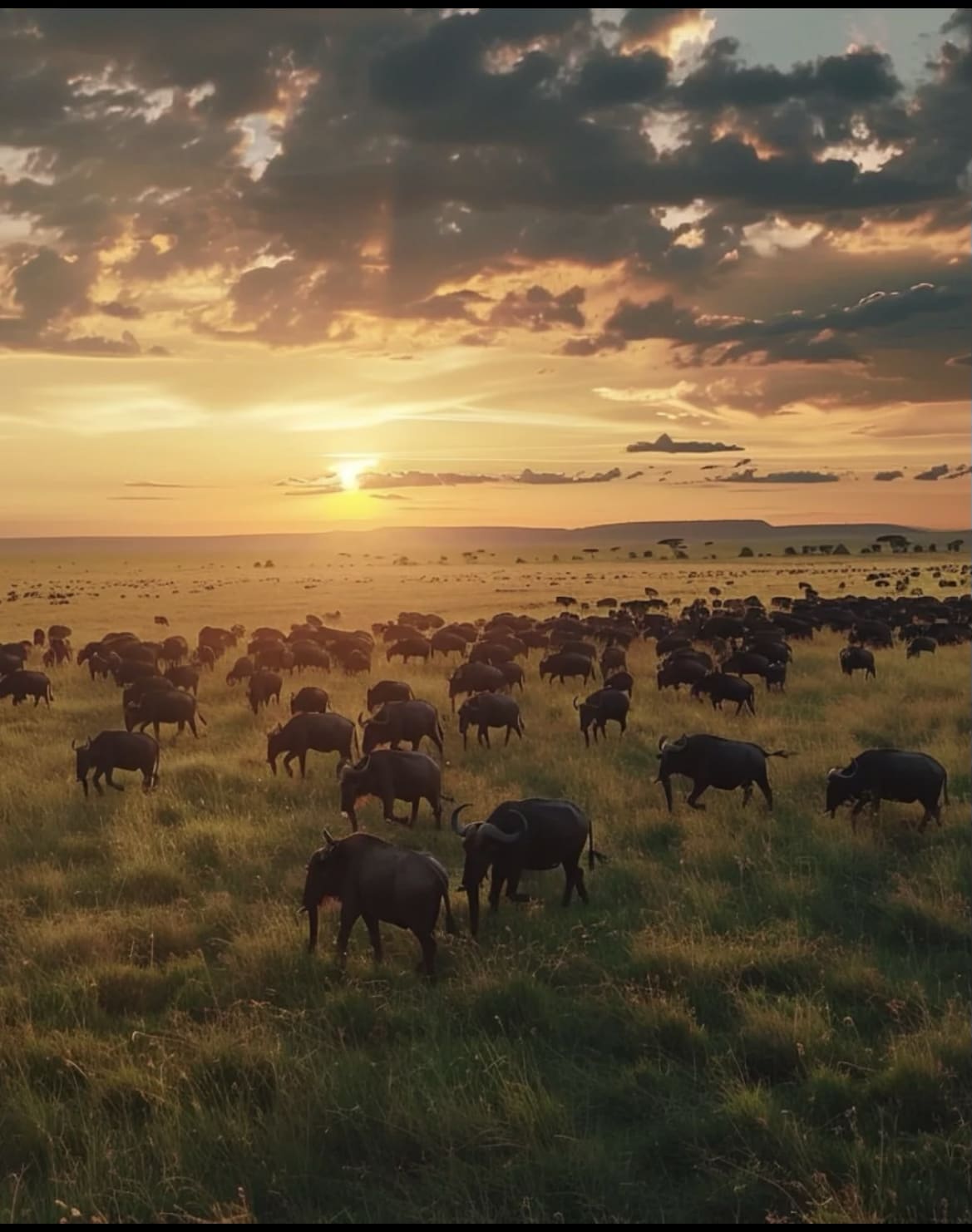
Malawi Safari Camps 2026: Wellness Walking vs Traditional Game Drives
Compare wellness walking safaris ($1,800-$2,500) vs traditional game drives ($1,600-$3,200) in Malawi 2026. Find verified camps, best season, and choose your perfect safari experience.
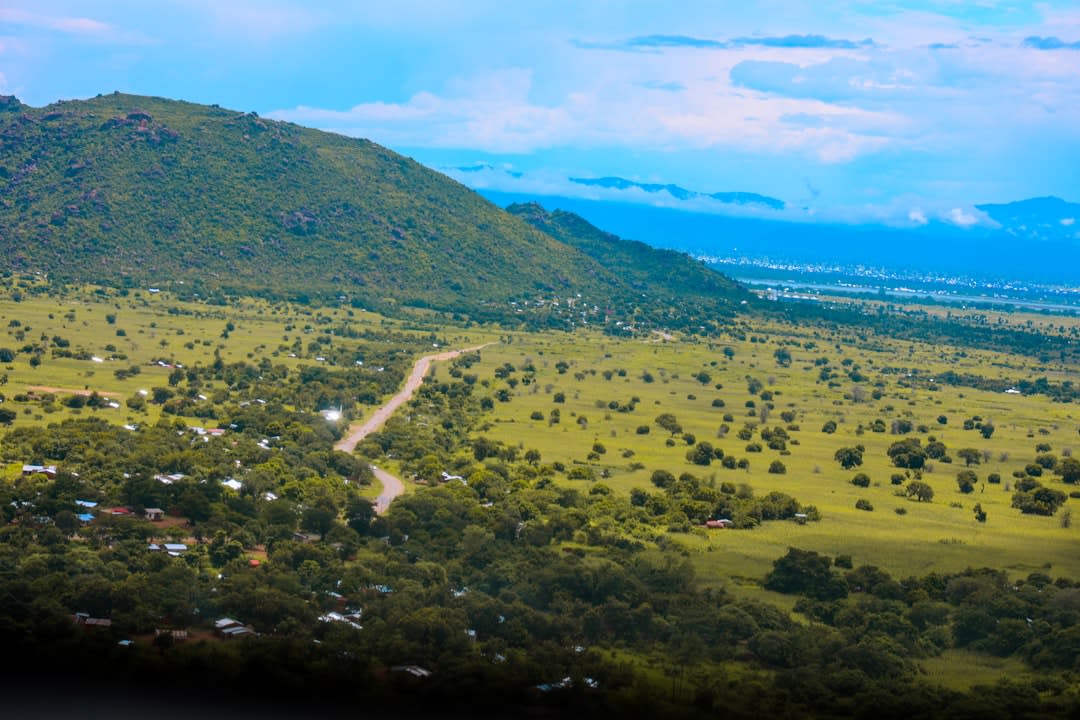
Malawi Safari Camps 2026: Wellness Walking vs Game Drives
Last updated: July 2026
Malawi safari camps in 2026 offer two distinct experiences: wellness walking safaris emphasize nature immersion and relaxation starting at $1,800-$2,500 per person, while traditional game drives focus on wildlife viewing from $1,600-$3,200 per person. The best time to visit is July through October for dry season wildlife. Choose walking safaris for a slower pace and game drives for maximum animal encounters. Explore verified Malawi safari packages on SafariFind to compare camps and read authentic traveler reviews.
At a Glance
- Wellness Walking Cost: $1,800-$2,500 per person per night in 2026
- Game Drive Cost: $1,600-$3,200 per person per night in 2026
- Best Time: July-October for dry season and wildlife concentration
- Recommended Duration: 5-7 days for either experience
- Best for Wellness Walking: Nature lovers, photographers, fitness enthusiasts, stress relief seekers
- Best for Game Drives: Wildlife photographers, families, first-time safari visitors, animal enthusiasts
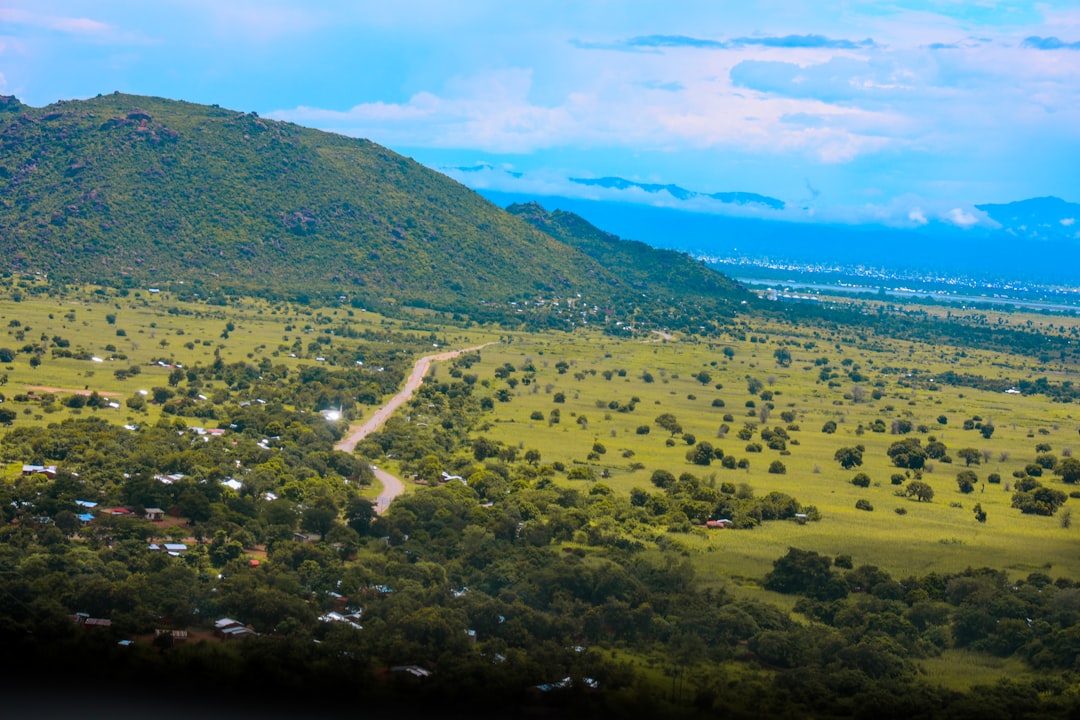
What Are Malawi Safari Camps 2026: Wellness Walking vs Traditional Game Drives?
Malawi safari camps in 2026 offer two fundamentally different approaches to experiencing Africa's wilderness. Wellness walking safaris emphasize mindfulness, physical activity, and intimate nature connection. Game drives prioritize wildlife spotting from vehicles with expert guides. Both experiences deliver authentic African adventure, but they serve different traveler goals and fitness levels.
The choice between these approaches shapes your entire safari experience. Wellness walking safaris feature early morning hikes through pristine landscapes, guided by naturalists who explain ecosystems and wildlife behavior. You'll move at a human pace, spotting animals on foot and experiencing the sights, sounds, and smells of the bush directly.
Traditional game drives use open-air vehicles to cover larger distances quickly. Drivers position vehicles for optimal animal viewing and photography. You'll see more species in a shorter timeframe, making game drives ideal for wildlife photographers and those with limited time.
Malawi's geography supports both experiences equally well. Liwonde National Park features river-based game drives and guided walking trails. Majete Wildlife Reserve offers adventure-focused walking safaris. Nyika Plateau provides mountain hiking combined with wildlife viewing. The cooler climate at elevation makes walking safaris comfortable, with Nyika offering a less-crowded, more adventurous experience than lower-altitude parks.
Both experiences include expert guides, comfortable accommodation, and all meals. The main difference lies in how you spend your days and how you connect with the landscape. Understanding these differences helps you choose the right camp for your 2026 Malawi safari adventure.
Wellness Walking Safaris: Experience & Benefits
Wellness walking safaris combine physical activity with mindful nature immersion. You'll walk 5-10 kilometers daily through protected areas, stopping frequently to observe wildlife, plants, and bird species. Expert guides share ecological knowledge while you experience the African bush on foot.
Physical & Mental Health Benefits
Walking safaris deliver genuine wellness benefits beyond traditional spa retreats. You'll strengthen your cardiovascular system, build leg muscles, and improve balance on varied terrain. The physical activity releases endorphins while reducing stress levels through nature exposure.
Mental health improvements are significant. Silence and natural soundscapes replace urban noise. Walking pace allows your mind to settle and observe details you'd miss from a vehicle. Many travelers report improved sleep, reduced anxiety, and enhanced mood after wellness walking safaris.
The wellness trend reflects broader 2026 travel patterns. Travelers increasingly seek space-first instead of spa-first resets rooted in nature, with rising demand for silence, walking safaris, and unhurried mornings. Malawi's camps respond to this shift by designing programs that emphasize restoration through movement and connection.
Wildlife Viewing from Walking Safaris
You won't see as many large animals on foot compared to game drives. However, you'll encounter animals in natural behavior patterns. Walking allows you to observe bird species, insects, and smaller mammals rarely noticed from vehicles. Guides teach you to read animal signs—tracks, scat, feeding patterns—deepening your understanding of ecosystems.
Elephant encounters occur regularly in Majete and Liwonde during dry season. You'll see hippos, crocodiles, and antelope species. The difference: walking gives you time to understand animal behavior rather than rushing to the next sighting.
Best Camps for Wellness Walking
Majete Wildlife Reserve camps emphasize adventure-focused walking. Guides combine fitness activities with wildlife education. Nyika's cooler climate at elevation makes walking safaris comfortable, offering a more adventurous, less-crowded experience than lower-altitude parks.
Liwonde National Park offers hybrid experiences. Liwonde itself is a gem of Malawi's protected areas with elephant herds, hippos, crocodiles, and abundant bird species, where guests can choose classic game drives, guided walks, or tranquil boat safaris.
Wellness walking safaris typically cost $1,800-$2,500 per person per night in 2026. This price includes accommodation at eco-friendly camps, all meals, expert guides, and daily walking activities. Compare 7-day Malawi safari itineraries under $2,500 on SafariFind to find camps matching your wellness priorities and budget.
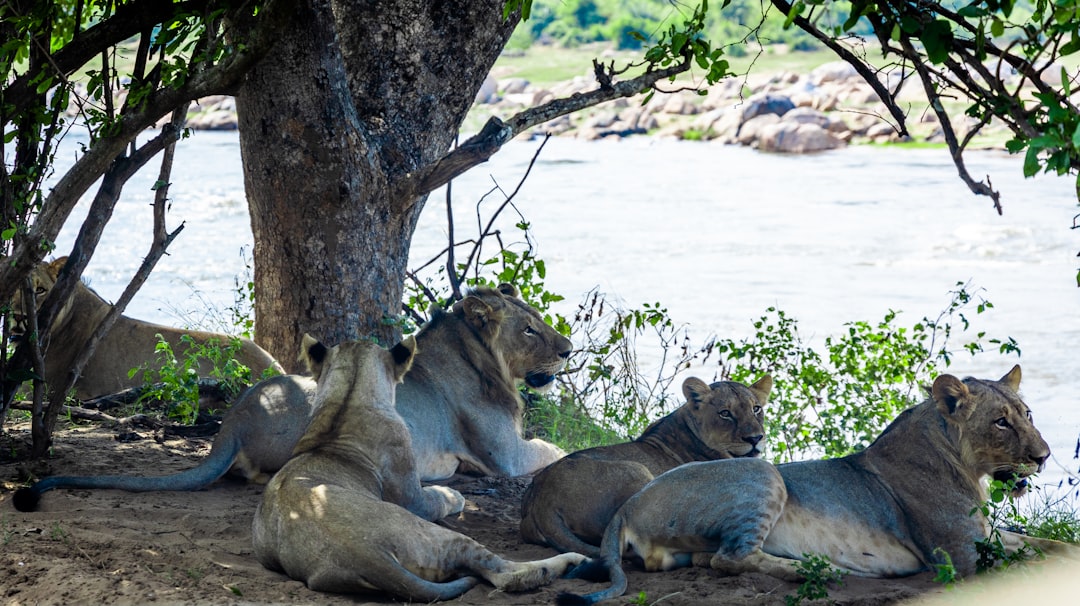
Traditional Game Drives: Wildlife Encounters & Strategy
Game drives remain the most popular safari format for seeing maximum wildlife. You'll spend 4-6 hours daily in open-air vehicles, traveling with experienced guides who locate animals using radio communication, tracking knowledge, and years of park experience. Game drives prioritize wildlife viewing and photography over physical activity.
Maximizing Wildlife Sightings
Game drives cover 100-150 kilometers daily, increasing your chances of encountering diverse species. Early morning drives (5:30-10:00 AM) catch animals during peak activity. Afternoon drives (3:00-7:00 PM) offer different wildlife patterns and lighting for photography.
Guides position vehicles for optimal viewing. You'll stop frequently for photography, animal behavior observation, and rest breaks. Radio networks connect multiple guides, allowing them to share animal locations and coordinate sightings across the park.
Malawi's parks support excellent game drive experiences. Liwonde attracts large elephant herds, particularly during dry season July-October. Majete offers diverse antelope species, big cats, and bird viewing. Peak wildlife concentration occurs August-October with the best animal viewing opportunities.
Game Drive Advantages
Game drives suit travelers with mobility limitations, families with young children, and visitors on tight schedules. You'll see more animals in less time. The vehicle provides shade from intense sun and protection in weather changes.
Photography enthusiasts prefer game drives. Guides position vehicles at ideal angles and distances for camera work. You'll capture images impossible from ground level. Binoculars reveal details invisible to the naked eye.
Game drives reduce physical exertion. You'll spend 4-6 hours seated, perfect for older travelers or those recovering from injuries. Evening drives offer unique nocturnal wildlife viewing experiences without the intense walking required for night hikes.
Game Drive Pricing & Camps
Traditional game drive safaris cost $1,600-$3,200 per person per night in 2026. Luxury camps with premium guides and vehicles command higher prices. Mid-range camps offer excellent value without sacrificing quality.
Private safari pricing in Africa is based on a per-person-per-night rate that bundles accommodation, all meals, two daily game drives with a private guide, and typically park fees. This all-inclusive structure simplifies budgeting and planning.
Liwonde camps offer river-based and terrestrial game drives. Majete provides diverse habitat viewing. Compare Malawi safari vs night safari options to understand which sees more wildlife in 2026 and decide if nocturnal game drives enhance your experience.
Comparing Wellness Walking and Game Drives: Head-to-Head
Choosing between wellness walking and game drives requires understanding key differences. The comparison below helps match your priorities, fitness level, and safari goals to the right experience.
| Factor | Wellness Walking Safaris | Traditional Game Drives |
|---|---|---|
| Daily Activity Level | High (5-10 km walking) | Low (mostly seated) |
| Animals Seen | Fewer, but more detail | More species, faster pacing |
| Cost Per Night | $1,800-$2,500 | $1,600-$3,200 |
| Best Time to Visit | July-October (dry season) | July-October (peak season) |
| Photography Quality | Good but limited distance | Excellent with professional positioning |
| Physical Fitness Required | Moderate to good fitness needed | Minimal fitness required |
| Wellness Benefits | High (exercise, stress relief, nature immersion) | Moderate (nature exposure, relaxation) |
| Best For | Fitness enthusiasts, nature photographers, stress relief | Families, wildlife photographers, all fitness levels |
Hybrid Experiences Available
Many 2026 Malawi camps now offer hybrid packages combining both activities. You might do game drives Monday-Wednesday, then wellness walking Thursday-Friday. This approach provides wildlife variety while delivering wellness benefits.
Hybrid packages cost $2,000-$2,800 per person per night. They suit travelers uncertain about their preference and those wanting comprehensive experiences. Explore Malawi safari packages 2026 starting under $2,000 to find hybrid options matching your interests.
Which Experience Suits You Best?
Your choice depends on fitness level, safari goals, photography interests, and wellness priorities. Understanding your preferences guides the right decision for your 2026 Malawi adventure.
Choose Wellness Walking If You:
- Enjoy physical activity and hiking regularly
- Prioritize mental health and stress relief
- Prefer slower-paced, immersive experiences
- Want to understand ecosystems deeply
- Seek nature photography focused on details and landscapes
- Have 5+ days for your safari
Choose Game Drives If You:
- Have limited mobility or physical limitations
- Travel with young children or elderly family members
- Want maximum wildlife sightings quickly
- Prioritize professional wildlife and animal photography
- Have less than 5 days available
- Prefer comfort and minimal physical exertion
Consider Your Fitness Level
Wellness walking safaris require moderate fitness. Daily 5-10 kilometer walks on uneven terrain demand cardiovascular endurance and strong legs. Most healthy adults aged 18-70 can participate with proper preparation.
Game drives suit all fitness levels. Mobility challenges rarely prevent participation. Camps provide vehicles with accessible seating, and guides adjust for individual needs.
Hybrid experiences work best if you're uncertain. They let you experience both styles before committing to one approach for future safaris.
Planning Your 2026 Malawi Safari: Practical Steps
Once you've decided between wellness walking and game drives, planning your trip involves several key steps. Booking timing, season selection, and camp choice all influence your experience quality and cost.
Best Time to Visit for Either Experience
July through October offers the best safari conditions in Malawi. Dry season concentrates animals around water sources, increasing sighting opportunities. Cooler temperatures make walking safaris comfortable. Rainfall is minimal, ensuring good road access throughout parks.
The dry season July-September 2026 provides peak wildlife viewing in Malawi. August-October sees the highest animal concentrations as dry conditions intensify.
Avoid November-June rainy season for either experience. Roads become muddy and difficult. Vegetation growth reduces animal visibility. Guides have fewer sighting opportunities. Wellness walking becomes challenging in mud and heat.
Booking Timing & Costs
Book your safari 3-6 months in advance for July-October trips. Early booking secures preferred camps and guides. Prices increase as departure dates approach, particularly for July-August peak season.
Last-minute bookings in October may offer discounts as demand drops. However, animal concentration remains excellent through October. This timing suits budget-conscious travelers.
Expect to pay premium rates July-August. Wellness walking safaris cost $2,200-$2,500 during peak season. Game drives range $2,200-$3,200. September-October prices drop 15-20% as demand decreases.
Finding Verified Camps & Operators
SafariFind connects you with verified Malawi safari operators offering both wellness walking and game drive packages. Browse camps by experience type, price range, and park location. Read authentic traveler reviews before booking.
Request quotes from multiple operators. Compare what's included: guides, meals, activities, park fees, and transportation. Quality operators transparently explain pricing and what you'll experience.
Check operator credentials. Established companies like those listed on SafariFind carry insurance, employ certified guides, and maintain safety standards. Read recent reviews (2025-2026) to understand current camp conditions and guide quality.
Packing & Preparation
Wellness walking safaris require different packing than game drives. Bring sturdy hiking boots broken in before travel. Pack moisture-wicking clothing, sun protection, and a light rain jacket. Bring trekking poles for support on steep terrain.
Game drive safaris need sun protection, binoculars, camera equipment, and comfortable clothing. Camps provide blankets for cool morning drives. Both experiences require malaria prevention medication and proper vaccinations.
Fitness preparation matters for wellness walking. Build hiking endurance 4-6 weeks before departure. Walk on varied terrain regularly. Strengthen your legs and cardiovascular system through consistent exercise.
Specialized Alternatives: Beyond Standard Safaris
Malawi's diverse landscapes support specialized safari experiences beyond wellness walking and traditional game drives. These alternatives combine wildlife viewing with specific activities matching unique interests.
Adventure-Focused Activities
Mountain biking combines fitness with wildlife viewing. Guides lead you through protected areas on bikes, covering more distance than walking while maintaining nature immersion. You'll see animals in their habitats while getting intense cardiovascular exercise.
Lake Malawi activities include kayaking, fishing, and snorkeling. Some camps combine terrestrial game drives with water-based experiences, offering diverse Malawi wildlife exposure. Aquatic activities appeal to travelers wanting safari variety beyond land-based activities.
Waterfall hikes in Nyika Plateau combine hiking with scenic landscape exploration. You'll experience Malawi's highest elevations, cooler temperatures, and different ecosystems than lower-altitude parks. These hikes suit fitness enthusiasts wanting adventure beyond traditional safaris.
Photography-Focused Safaris
Photography safaris use game drives but prioritize camera positioning and timing. Expert guides understand animal behavior and lighting conditions. They position vehicles for optimal shots and wait for interesting moments.
Photography camps employ professional photographers as guides. They teach composition, camera settings, and wildlife behavior. These experiences cost $2,500-$3,500 per person per night but deliver professional-quality images.
New Camps Launching 2026: Innovations in Malawi Safaris
Malawi's safari industry continues evolving in 2026 with new camps emphasizing both wellness and adventure. Recent launches reflect traveler demand for specialized experiences and sustainable tourism.
Luxury Wellness Camps
Nzovu Rundu Luxury Camp by Shearzone Safaris launched on June 1, 2026, in the Lower Zambezi, overlooking the tranquil Nkalange Channel. This new camp emphasizes luxury combined with wellness activities and game viewing.
New camps launching in 2026 feature modern amenities combined with authentic bush experiences. Expect spa facilities integrated with outdoor activities. Solar power and sustainable practices appeal to environmentally conscious travelers.
These premium camps cost $3,000-$4,500 per person per night. They suit luxury travelers wanting wellness benefits without sacrificing comfort. New camps often offer introductory rates in 2026, making them more affordable than later pricing.
Eco-Tourism Innovations
2026 camps emphasize conservation and community involvement. Many offer portion of profits to local villages and wildlife protection. This approach appeals to travelers wanting positive social impact.
Eco-camps use minimal electricity, natural building materials, and sustainable practices. They provide authentic wilderness experiences while protecting the environment. These camps typically cost $1,800-$2,500 per person per night.
Key Takeaways
- Book your wellness walking or game drive safari 3-6 months ahead to secure preferred camps and save 15-20% compared to last-minute rates in peak season July-October 2026.
- Wellness walking safaris cost $1,800-$2,500 per person per night and deliver genuine fitness benefits plus stress relief through nature immersion in Malawi's protected areas.
- Traditional game drives cost $1,600-$3,200 per person per night and suit all fitness levels, offering maximum wildlife sightings with minimal physical exertion required.
- Choose wellness walking if you prioritize mental health, fitness, and detailed nature observation; choose game drives if you want maximum wildlife photography and comfort with minimal walking.
- Explore hybrid safari packages combining both experiences for $2,000-$2,800 per person per night if you're uncertain which style suits you best.
Frequently Asked Questions
What's the main difference between wellness walking safaris and game drives?
Wellness walking safaris emphasize physical activity and nature immersion through 5-10 kilometer daily hikes, while game drives use vehicles to cover 100-150 kilometers daily prioritizing wildlife sightings. Walking safaris deliver fitness and stress relief benefits. Game drives suit all fitness levels and maximize animal encounters. Both experiences include expert guides, accommodation, and meals, but they differ fundamentally in pace, physical exertion, and animal observation style.
How much does a Malawi safari cost in 2026?
Wellness walking safaris cost $1,800-$2,500 per person per night in 2026. Traditional game drives range $1,600-$3,200 per person per night. Luxury camps cost $3,000-$4,500 per night. Prices include accommodation, all meals, two daily activities with expert guides, and typically park fees. Peak season July-August commands higher rates. September-October offers 15-20% discounts. Budget $2,100-$2,800 per person per night for a quality mid-range experience.
When is the best time to visit Malawi for either safari experience?
July through October is the best time for both wellness walking and game drive safaris in Malawi. Dry season concentrates animals around water sources, increasing sightings. Cooler temperatures make walking comfortable. Rainfall is minimal, ensuring good park access. August-October sees peak animal concentration. Avoid November-June rainy season when roads become muddy, vegetation obscures animals, and walking conditions deteriorate significantly.
Do I need special fitness for wellness walking safaris?
Wellness walking safaris require moderate fitness. Daily 5-10 kilometer walks on uneven terrain demand cardiovascular endurance and leg strength. Most healthy adults aged 18-70 can participate with proper preparation. Prepare 4-6 weeks before departure by hiking regularly on varied terrain. Build leg strength and cardiovascular fitness through consistent exercise. Game drives suit all fitness levels with minimal physical exertion required, making them ideal for mobility-limited travelers.
Which experience sees more wildlife?
Game drives see more wildlife species in shorter timeframes. Vehicles cover 100-150 kilometers daily with guides using radio networks to locate animals. You'll see more large animals quickly. Wellness walking safaris see fewer animals but observe them longer with greater behavioral detail. Walking reveals small mammals, birds, and insects invisible from vehicles. Your choice depends on priorities: maximum sightings versus intimate observation and nature immersion.
Can I combine wellness walking with game drives?
Yes, many Malawi camps now offer hybrid packages combining both experiences. You might do game drives three days, then wellness walking two days. Hybrid packages cost $2,000-$2,800 per person per night and suit travelers wanting comprehensive experiences. They're ideal if you're uncertain about your preference or want variety during your safari. Compare hybrid options on SafariFind to find camps matching your interests and budget.
How do I book a Malawi safari through SafariFind?
Browse verified Malawi safari operators and packages on SafariFind by experience type (wellness walking or game drives), price range, and park location. Read authentic traveler reviews from 2025-2026 to understand current camp quality. Request quotes from multiple operators to compare pricing and what's included. Quality operators transparently explain guides, meals, activities, and park fees. Book 3-6 months ahead for July-October trips to secure preferred camps and save money on peak season rates.
Conclusion
Malawi safari camps in 2026 offer two distinct pathways to African wilderness experiences. Wellness walking safaris deliver genuine fitness benefits and mental health improvements through nature immersion, costing $1,800-$2,500 per person per night. Traditional game drives provide maximum wildlife viewing with minimal physical exertion, ranging $1,600-$3,200 per person per night.
Your choice depends on personal priorities: fitness and wellness goals versus maximum wildlife photography and comfort. Both experiences shine during July-October dry season when animal concentration peaks and conditions favor either activity style.
New camps launching in 2026, including luxury wellness properties and eco-tourism innovations, expand your options. Hybrid packages combining both experiences suit travelers wanting comprehensive safari adventures.
Book 3-6 months ahead to secure preferred camps and maximize savings. Compare Malawi vs Tanzania safari costs in 2026 if you're considering multiple destinations. Compare verified Malawi safari packages on SafariFind today to explore camps, read authentic traveler reviews, and request quotes from established operators. Your perfect 2026 Malawi safari—whether wellness walking through pristine landscapes or game driving for wildlife encounters—awaits.
Plan Your Safari with SafariFind
These recommendations use real data from SafariFind, where you can compare operators, browse packages, and read verified traveler reviews before you book.
What Travelers Say (SafariFind Reviews)
References
- Africa Tour Operators Association - Private Safaris in Africa: What to Budget in 2026
- Crafted Africa - The Ultimate Malawi Safari Travel Guide 2026
- SafariFind - Malawi Safari vs Lake Malawi: River or Bush Wildlife in 2026
- Kabira Uganda Safaris - Types of African Safaris 2026: Walking, Game Drives & More
- The Topeka Capital-Journal - Go2Africa Releases 2025 Annual State of Safari Report
- Malawi Tourism - Discover the Wild Heart and Warm Shores of Malawi
- Our Africa - Nzovu Rundu Luxury Camp by Shearzone Safaris Launch 2026
- Discover Africa - Ultimate Guide to African Safari Activities
Sources
- Africa Tour Operators Association - Private Safaris in Africa: What to Budget in 2026
- Crafted Africa - The Ultimate Malawi Safari Travel Guide 2026
- SafariFind - Malawi Safari vs Lake Malawi: River or Bush Wildlife in 2026
- Kabira Uganda Safaris - Types of African Safaris 2026: Walking, Game Drives & More
- The Topeka Capital-Journal - Go2Africa Releases 2025 Annual State of Safari Report
- Malawi Tourism - Discover the Wild Heart and Warm Shores of Malawi
- Our Africa - Nzovu Rundu Luxury Camp by Shearzone Safaris Launch 2026
- Discover Africa - Ultimate Guide to African Safari Activities
Related to
Ready to start your safari adventure?
Explore curated safari packages and find your perfect African adventure with verified operators.