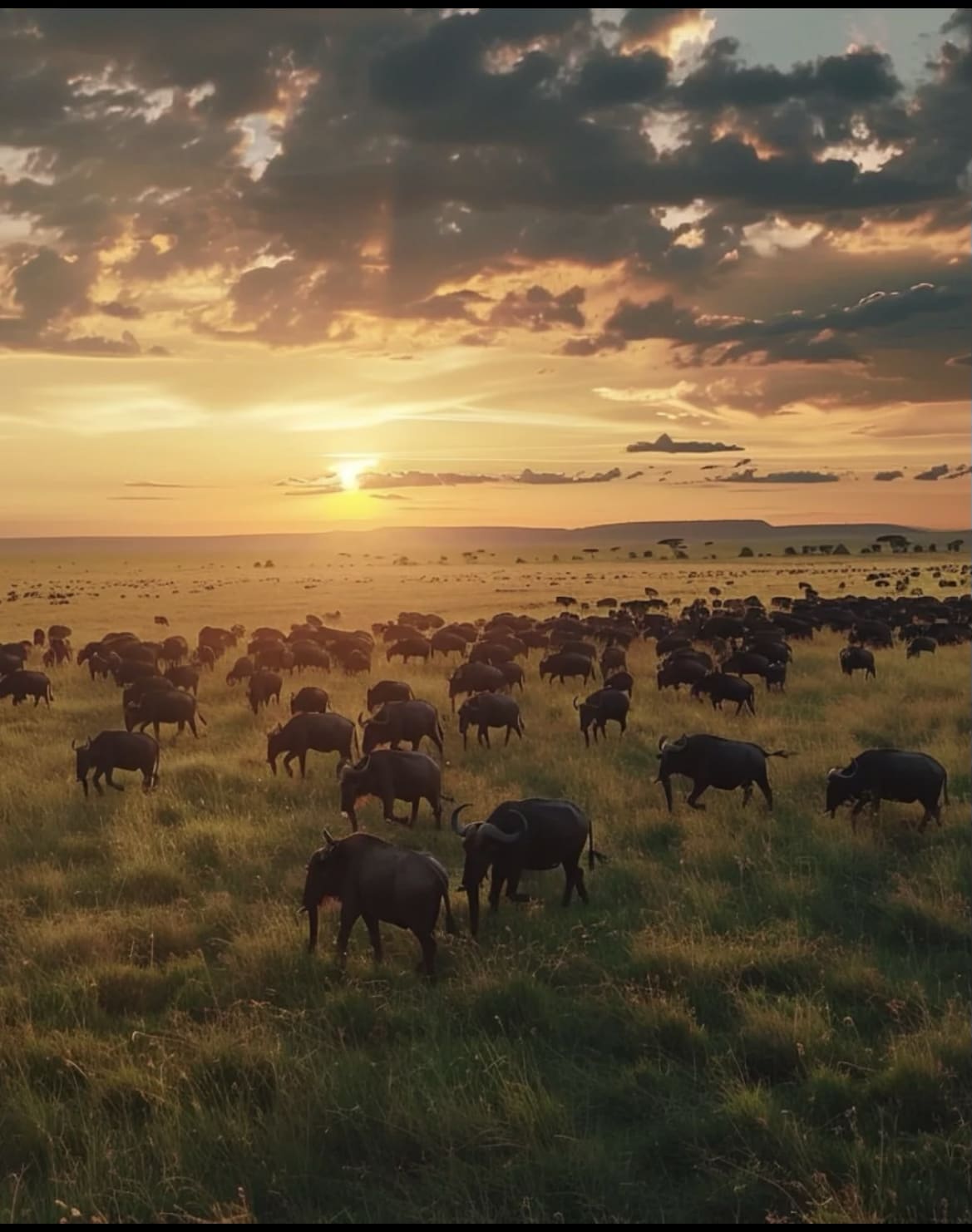
Malawi Safari vs Lake Malawi: River or Bush Wildlife in 2026?
Compare Malawi bush safaris in Liwonde and Majete with Lake Malawi relaxation. Combine both for $2,500-$4,500 per person. Best May-October.

Malawi Safari vs Lake: Bush or Water in 2026
Last updated: July 2026
Malawi offers two distinct vacation styles: bush safaris in Liwonde and Majete for Big Five wildlife viewing, or relaxing days on Lake Malawi for water activities. A 7-10 day combined "bush and beach" trip costs $2,500-$4,500 per person. The best time to visit is May through October during the dry season. Choose bush safaris for wildlife lovers or lake time for those seeking beach relaxation—or combine both for the ultimate Malawi experience.
At a Glance
- Cost: $2,500-$4,500 per person for combined trips (7-10 days)
- Best time: May-October (dry season with optimal wildlife viewing)
- Duration: 7-10 days recommended for bush and beach combination
- Getting there: Fly to Lilongwe, then domestic flights to Liwonde or lake lodges
- Best for: Wildlife enthusiasts, beach lovers, families, adventure travelers
- Wildlife highlights: Lions, leopards, elephants, hippos, fish eagles, cichlids
What Is Malawi Safari vs Lake Malawi: Choosing Your Adventure
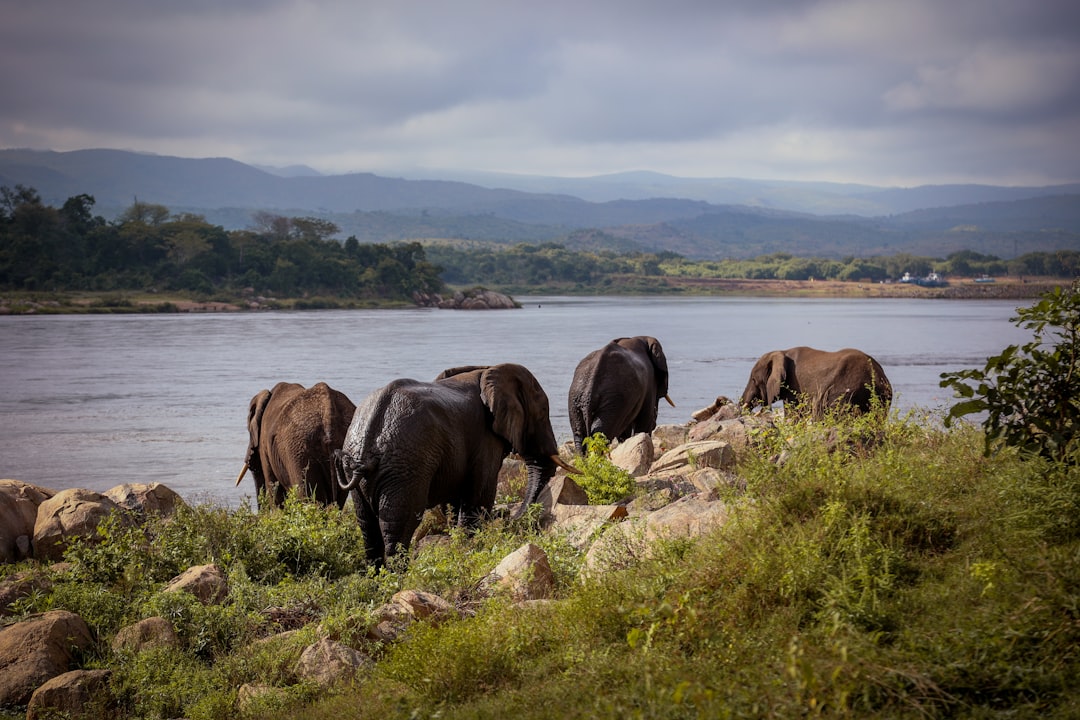
Malawi safari vacations offer a unique choice: explore wildlife-rich bushland or unwind on one of Africa's most beautiful freshwater lakes. Unlike other African destinations, Malawi lets you experience both ecosystems in a single trip. This flexibility makes Malawi increasingly popular with travelers seeking variety in 2026.
The choice between bush and lake depends on your interests and travel style. Bush safaris focus on wildlife spotting in protected reserves. Lake Malawi vacations emphasize water activities, snorkeling, and relaxation. Many visitors choose both—spending 4-5 days on safari, then 3-4 days on the lake.
Bush Safari: Wildlife-Focused Adventures
Malawi's national parks and wildlife reserves host impressive animal populations. Liwonde National Park and Majete Wildlife Reserve are the primary safari destinations. These parks feature Big Five wildlife: lions, leopards, elephants, buffalo, and rhinos. Thanks to conservation efforts led by African Parks, wildlife populations in Majete and Liwonde have rebounded impressively, making Malawi one of Africa's unsung conservation success stories.
Bush safaris involve game drives in open vehicles, walking safaris with guides, and early morning wildlife viewings. You'll spot elephants at waterholes, track leopards in acacia trees, and listen for lion calls at dawn. The experience is more intimate than crowded African parks, offering better wildlife photography opportunities and fewer tourists.
Lake Malawi: Water and Relaxation
Lake Malawi is Africa's third-largest lake, spanning 580 kilometers along Malawi's eastern border. The lake features pristine beaches, clear turquoise waters, and over 1,000 fish species found nowhere else on Earth. Lakeside lodges range from budget beachfront camps to luxury island retreats.
Water activities include snorkeling among colorful cichlid fish, kayaking along the shoreline, sailing on traditional dhow boats, and swimming in warm freshwater. Many lodges offer fishing trips, sunset cruises, and water sports. The lake atmosphere is peaceful and restorative—ideal for travelers seeking relaxation after safari drives.
Bush Safari Parks: Wildlife Destinations Explained
Malawi's primary wildlife reserves offer distinct safari experiences. Each park has unique wildlife populations, landscape features, and visitor facilities. Understanding the differences helps you choose the best destination for your interests.
Liwonde National Park: Elephant and Big Cat Haven
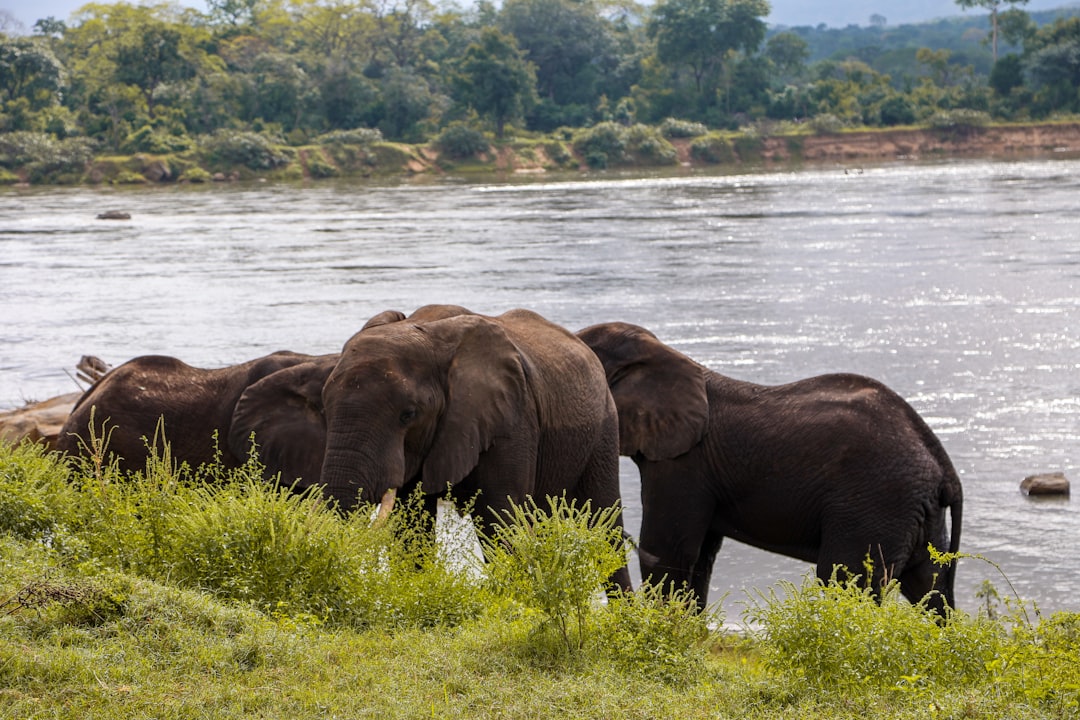
Liwonde National Park is Malawi's most popular safari destination. The park covers 548 square kilometers along the Shire River. Large elephant herds congregate at the river during dry season months (May-October), offering exceptional wildlife viewing opportunities. Liwonde also hosts lions, leopards, buffalo, hippos, and over 400 bird species.
Safari options include guided game drives, walking safaris with professional trackers, and boat trips on the Shire River. The river environment attracts diverse wildlife, making it ideal for photography and wildlife documentation. Liwonde lodges range from basic camps to mid-range accommodations. Most visitors spend 2-4 days here as part of a larger Malawi itinerary.
Majete Wildlife Reserve: Conservation Success Story
Majete Wildlife Reserve showcases Africa's most successful wildlife restoration project. The reserve was nearly depleted of wildlife by the 1980s. African Parks management transformed Majete into a thriving ecosystem with lions, cheetahs, rhinos, elephants, and buffalo reintroduced over the past two decades. Today, Majete represents conservation excellence.
Majete covers 700 square kilometers of diverse terrain—woodlands, grasslands, and riverine habitats. Game drives reveal excellent wildlife viewing, particularly during dry season. The reserve feels less crowded than Liwonde, offering a more exclusive safari experience. Accommodations include luxury lodges with premium amenities and mid-range options. A 3-4 day Majete visit provides comprehensive wildlife exposure.
Nyika National Park: Walking Safari Specialists
Nyika National Park in northern Malawi offers a different safari style. The park features high plateau terrain (1,600-2,400 meters elevation) with grasslands, forests, and mountain views. Nyika specializes in walking safaris, ideal for spotting smaller animals: zebras, antelopes, warthogs, and diverse birds.
The cooler climate at elevation makes walking safaris comfortable. Nyika is less developed for tourism than Liwonde or Majete, offering a more adventurous, less-crowded experience. Visitors can hike through pristine wilderness with expert guides. Accommodations are basic but comfortable. Nyika suits travelers seeking walking adventures and nature immersion over traditional game drives.
Lake Malawi: Beach Relaxation and Water Activities
Lake Malawi stretches 580 kilometers through Malawi, Mozambique, and Tanzania. The Malawi shoreline features sandy beaches, rocky coves, and island resorts. The lake maintains warm water year-round (22-28°C), perfect for swimming and water sports. One of Malawi's greatest advantages as a safari destination is Lake Malawi itself—a week in the south can comfortably combine Liwonde National Park with a few nights on the lake, creating the classic Malawi "bush and beach" safari.
Lake Activities and Experiences
Snorkeling is the primary lake activity. Lake Malawi contains over 1,000 fish species, with cichlid fish displaying brilliant colors. Snorkeling reveals underwater gardens of colorful fish in shallow waters. Most lodges include snorkeling equipment and guided snorkel trips. Even non-swimmers can enjoy the experience in shallow beach areas.
Additional activities include kayaking along the shoreline, sailing traditional dhow boats at sunset, fishing for tilapia and other species, and swimming. Some lodges offer sunset cruises with drinks and snacks. Water activities typically run 2-4 hours, leaving mornings and afternoons free for relaxation. The lake environment is peaceful and rejuvenating after safari excitement.
Lake Malawi Lodges and Accommodations
Lake accommodations range from budget beachfront camps ($50-$100 per night) to luxury island resorts ($300-$600+ per night). Budget lodges offer basic rooms, shared bathrooms, and simple meals. Mid-range lodges ($100-$250 per night) provide private rooms, better food, and water activities. Luxury resorts feature elegant bungalows, fine dining, spa services, and premium experiences.
Popular lake areas include Cape Maclear (budget-friendly village atmosphere), Nankumba Peninsula (mid-range lodges), and private islands (luxury resorts). Cape Maclear attracts backpackers and budget travelers. Nankumba offers family-friendly accommodations. Island resorts provide exclusive, romantic escapes. Choose based on your budget and desired atmosphere. Many visitors book 3-4 nights on the lake, combining it with 4-5 safari days for balanced experiences.
Bush vs Lake: Comparison and Combination Options
Choosing between bush safari and lake relaxation depends on your travel goals, budget, and time available. Each offers distinct benefits. Many experienced Malawi travelers recommend combining both for a complete experience.
| Experience | Cost per Night | Best For | Duration | Highlights |
|---|---|---|---|---|
| Bush Safari (Liwonde) | $150-$300 | Wildlife enthusiasts, photographers | 3-5 days | Elephants, lions, leopards, river wildlife |
| Bush Safari (Majete) | $200-$350 | Conservation-focused travelers | 3-4 days | Rhinos, cheetahs, restored ecosystems |
| Lake Malawi (Budget) | $50-$100 | Backpackers, budget travelers | 3-4 days | Snorkeling, beaches, village atmosphere |
| Lake Malawi (Luxury) | $300-$600 | Honeymooners, luxury seekers | 3-5 days | Island resorts, spa, fine dining |
| Combined Bush & Beach | $150-$350 avg | All travelers seeking variety | 7-10 days | Wildlife + relaxation + adventure |
Bush-Only Safari Itinerary
A bush-focused trip emphasizes wildlife viewing. Typical itineraries include 2-3 days in Liwonde National Park and 2-3 days in Majete Wildlife Reserve. You'll spend mornings and late afternoons on game drives, with midday breaks at your lodge. This schedule maximizes wildlife sightings during peak activity hours (dawn and dusk).
Bush-only trips suit wildlife photographers, bird watchers, and nature enthusiasts. You'll gain deeper wildlife knowledge through multiple park visits and guide expertise. The pace is active and focused. This option works for travelers with 5-7 days and strong wildlife interests. Explore 5-day safari packages under $2,000 on SafariFind for budget-conscious wildlife lovers.
Lake-Only Beach Itinerary
A lake-focused trip prioritizes relaxation and water activities. You'll spend entire days at your lodge, snorkeling, swimming, and enjoying beach time. Evening activities include sunset cruises, beachfront dinners, and socializing with other guests. The pace is leisurely and restorative.
Lake-only trips suit beach lovers, families with young children, and travelers seeking relaxation. You'll experience Malawi's natural beauty from the water perspective. This option works for 5-7 day trips with budget flexibility. However, visitors miss Malawi's renowned wildlife experiences by skipping safaris entirely.
Combined Bush and Beach (Recommended)
Most travel experts recommend combining both experiences. A typical 10-day itinerary includes 5 days of bush safari (split between two parks) and 4-5 days on Lake Malawi. This balance provides wildlife excitement and beach relaxation. You experience Malawi's full range of attractions.
A 10-day combined trip typically costs $2,500-$4,500 per person (all-inclusive with flights, lodges, meals, guides, activities). We recommend 10–14 days to explore Malawi for a family holiday—this allows time for a safari in Majete or Liwonde, cultural encounters in villages, and several days on Lake Malawi to relax. This schedule feels unhurried without excessive travel time.
Best Time to Visit: Seasonal Considerations
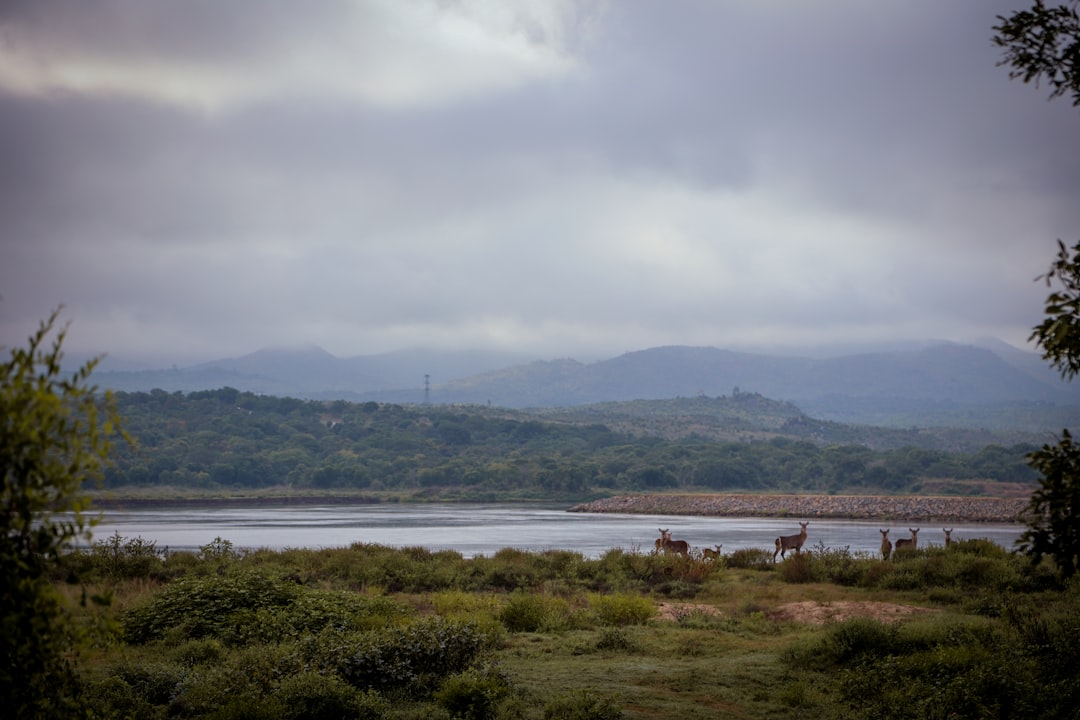
The best time to visit Malawi is during the dry season from May through October. This period offers optimal wildlife viewing, comfortable weather, and excellent lake conditions. Understanding seasonal variations helps you plan the best experience.
Dry Season (May-October): Peak Safari Time
May through October is Malawi's dry season. Rainfall is minimal, skies are clear, and temperatures are comfortable (15-25°C). Wildlife congregates at water sources, making game drives highly productive. Vegetation is less dense, improving wildlife visibility. This is the ideal safari period.
July and August are peak months with maximum wildlife activity and excellent photography conditions. However, these months attract more tourists, increasing lodge prices 20-30%. May, June, September, and October offer nearly equal wildlife viewing with fewer crowds and lower prices (10-15% savings). The dry season suits all safari types: game drives, walking safaris, and photography.
Wet Season (November-April): Fewer Tourists, Lush Landscape
November through April is Malawi's wet season. Heavy rains (November-March) make some park roads impassable. Wildlife disperses across the landscape with abundant water sources. Vegetation becomes dense, reducing visibility. However, bird watching is exceptional, and landscapes turn lush green.
The wet season suits budget travelers (30-40% price reductions), bird watchers, and those seeking solitude. However, wildlife viewing is less reliable. Malawi's rainy season is shorter and less intense than East African parks, but planning safaris during this period requires flexibility. Lake activities continue year-round, though occasional rain affects water comfort.
Shoulder Seasons (April-May, October-November)
Shoulder seasons offer compromises between peak and off-season conditions. April-May transitions from wet to dry season. October-November transitions from dry to wet. These months feature good wildlife viewing, fewer tourists, and moderate prices. Weather is generally pleasant with occasional rain showers.
Shoulder season trips offer excellent value for budget-conscious travelers. You'll experience good safari conditions without peak-season crowds or prices. These periods suit flexible travelers who don't require guaranteed perfect weather. Book safaris 3-6 months in advance during shoulder seasons for best lodge availability and rates.
Planning Your Malawi Trip: Practical Logistics
Planning a Malawi safari requires decisions about transportation, accommodation, guides, and activities. Understanding logistics helps you create a smooth, enjoyable itinerary.
Getting to Malawi
Most international visitors fly to Lilongwe International Airport (LLW), Malawi's main hub. Lilongwe connects to major African hubs (Johannesburg, Nairobi, Dar es Salaam) and some European cities. Flight times from Johannesburg are typically 2-3 hours. From Nairobi, flights take 3-4 hours.
Domestic flights connect Lilongwe to Liwonde National Park (1 hour flight) and lake destinations (1.5-2 hour flights). Many safari packages include domestic flights. Alternatively, driving from Lilongwe to Liwonde takes 3-4 hours on decent roads. Most visitors prefer flights to minimize travel time and maximize safari time.
Safari Guides and Activities
Professional guides are essential for safe, informative safaris. All reputable lodges provide experienced guides included in package prices. Guides offer wildlife identification, tracking skills, and natural history knowledge. Request guides experienced with your interests (photography, bird watching, general wildlife).
Safari activities include early morning game drives (5:30-10:00 AM), afternoon game drives (3:00-7:00 PM), and optional walking safaris. Most lodges include two game drives daily. Walking safaris (2-3 hours) cost $20-$40 extra. Night drives with spotlights reveal nocturnal animals and are highly recommended ($30-$50).
Booking and Cost Management
Book Malawi safaris 3-6 months in advance for best rates and lodge selection. Compare verified safari packages on SafariFind to find operators offering transparent pricing and authentic traveler reviews. Most packages include accommodations, meals, game drives, and guides. Additional costs include international flights, travel insurance, visa fees, and tips for guides.
Budget safaris cost $1,500-$2,500 for 5 days all-inclusive (lodge, meals, drives, guides). Mid-range safaris cost $2,500-$4,000. Luxury safaris cost $4,000-$6,000+. Combined bush and beach trips run $2,500-$4,500 for 10 days. Prices vary seasonally (peak vs. off-season) and by park choice. Request detailed quotes including all costs to avoid surprises.
Wildlife in Malawi: What You'll See on Safari
Malawi safaris offer excellent wildlife viewing despite the country's smaller size compared to Kenya or Tanzania. The parks host diverse species in concentrated areas, providing rewarding sightings.
Big Five and Large Animals
Malawi's national parks host all Big Five species: lions, leopards, elephants, buffalo, and rhinos. Elephants are most commonly sighted, especially in Liwonde during dry season when large herds gather at the Shire River. Lions are regularly seen in both Liwonde and Majete. Leopards are elusive but photographed regularly by patient observers.
Rhinos were extinct in Malawi but have been successfully reintroduced to Majete. Sightings are uncommon but possible. Buffalo herds roam both parks. Additional large animals include hippos (abundant in river areas), giraffes, zebras, warthogs, and various antelope species. View the complete guide to Malawi safari animals by park location for detailed species information and sighting probabilities.
Birds and Small Animals
Malawi is exceptional for bird watching. Over 600 bird species inhabit the parks and lake areas. Fish eagles, crowned eagles, and various raptors are commonly sighted. Colorful bee-eaters, kingfishers, and sunbirds delight photographers. The Shire River area attracts concentrations of water birds.
Small animals include hyenas, jackals, wild dogs (occasionally), porcupines, and numerous antelope species. Nocturnal animals like genets, civets, and bushbabies appear on night drives. Lake fish include over 1,000 cichlid species, visible while snorkeling. The biodiversity is impressive for a smaller African country.
Cost Breakdown: Budget Planning for 2026
Understanding Malawi safari costs helps you budget effectively. Prices vary by accommodation level, season, and activities chosen. In 2026, expect these cost ranges for all-inclusive packages.
Accommodation Costs
Safari lodge prices range significantly. Budget lodges cost $80-$150 per night with basic rooms and simple meals. Mid-range lodges cost $150-$300 per night with comfortable rooms, good food, and included activities. Luxury lodges cost $300-$600+ per night with premium amenities, fine dining, and exclusive experiences.
Lake accommodations follow similar patterns. Budget beach camps cost $50-$100 per night. Mid-range lake lodges cost $100-$250 per night. Luxury island resorts cost $300-$600+ per night. Most packages bundle accommodation, meals, and activities into all-inclusive rates, simplifying budgeting.
Activity and Guide Costs
Most safari packages include game drives and professional guides in the nightly rate. Additional activities cost extra: night drives ($30-$50), walking safaris ($20-$40), boat trips ($25-$60), and specialized tours ($40-$80). Tips for guides are customary (10-15% of package cost or $10-$20 daily per guide).
Lake activities typically include snorkeling and basic water access. Specialty activities cost extra: guided snorkel trips ($20-$40), sunset cruises ($30-$60), fishing trips ($50-$100), and water sports ($30-$50). Budget an additional $200-$400 for activities during a 10-day trip.
Transportation Costs
International flights from North America or Europe cost $800-$1,500 depending on origin and season. From South Africa, flights cost $300-$600. Domestic flights within Malawi (Lilongwe to safari parks or lake) cost $100-$200 per flight. Many packages include domestic flights; verify what's included.
Ground transportation (vehicle transfers, game drive vehicles) is typically included in safari packages. Travel insurance, visa fees (if applicable), and miscellaneous expenses add $200-$400 to total costs. Budget conservatively and expect total trip costs of $2,500-$5,000 per person for comprehensive 10-day experiences.
Choosing Your Safari Operator: Tips and Recommendations
Selecting the right safari operator significantly impacts your experience. Reputable operators provide knowledgeable guides, well-maintained vehicles, quality lodges, and reliable service. Poor operators create frustrating, unsafe experiences.
What to Look for in Operators
Choose operators with experience in Malawi (5+ years operating), positive reviews from recent travelers, professional certifications, and transparent pricing. Request references and verify lodge quality through photos and guest reviews. Ensure operators provide detailed itineraries, clear cost breakdowns, and responsive customer service.
Ask about guide qualifications, vehicle conditions, and emergency protocols. Reputable operators employ certified guides, maintain vehicles regularly, and have evacuation plans. Request to see sample itineraries and lodge photos. Avoid operators offering prices significantly below market rates—budget operators often provide inferior services and unsafe conditions.
SafariFind's Verified Operators
Browse verified Malawi safari packages on SafariFind to compare top-rated operators with authentic traveler reviews. SafariFind lists operators meeting strict quality standards with transparent pricing and verified customer feedback. Read recent reviews to understand actual traveler experiences. Request quotes from multiple operators and compare inclusions, pricing, and services.
SafariFind's review system helps identify the best operators for your needs. Filter by budget level, destination, and traveler type. Compare ratings, review counts, and specific feedback. Most quality operators offer flexible booking, cancellation policies, and post-booking support. Choose operators providing excellent communication and transparent policies.
Key Takeaways
- Combine bush and beach for complete Malawi experience: Spend 5 days on safari in Liwonde or Majete, then 4-5 days relaxing on Lake Malawi for balanced adventure and relaxation that suits diverse interests.
- Book during dry season (May-October) for optimal wildlife viewing: This period offers clear skies, comfortable temperatures (15-25°C), and concentrated wildlife at water sources, with July-August providing peak sightings.
- Budget $2,500-$4,500 per person for comprehensive 10-day trips in 2026: This covers accommodations, meals, game drives, guides, and most activities, with flexibility based on lodge level and season chosen.
- Reserve 3-6 months in advance for peak season rates: Early booking secures better lodge selection, discounted rates (10-20% savings), and confirmed availability at your preferred destinations.
- Request verified operators on SafariFind to ensure quality and safety: Read authentic traveler reviews, compare pricing transparently, and choose operators with professional certifications and positive recent feedback.
Frequently Asked Questions
What's the difference between Liwonde and Majete National Parks?
Liwonde National Park (548 sq km) emphasizes river wildlife along the Shire River with large elephant herds and excellent game drives. Majete Wildlife Reserve (700 sq km) showcases conservation success with reintroduced lions, cheetahs, and rhinos in diverse terrain. Both offer excellent safaris; Liwonde is more established, Majete more exclusive. Most visitors combine both parks for 5-6 days total.
Can I combine bush safari and lake relaxation in one trip?
Yes, absolutely. The classic Malawi "bush and beach" itinerary combines 5 days of safari with 4-5 days on Lake Malawi. This provides wildlife excitement and beach relaxation in a balanced 10-day experience. Most operators routinely arrange combined trips with domestic flights connecting parks and lake lodges.
How much does a Malawi safari cost in 2026?
Budget safaris cost $1,500-$2,500 for 5 days all-inclusive. Mid-range safaris cost $2,500-$4,000. Luxury safaris cost $4,000-$6,000+. Combined bush and beach trips cost $2,500-$4,500 for 10 days. Prices vary by season (peak vs. off-season) and lodge level. Request detailed quotes including all costs from your operator.
What's the best time to visit Malawi for safaris?
The dry season (May-October) offers optimal wildlife viewing with clear skies and concentrated animals at water sources. July-August provide peak sightings but attract more tourists and higher prices. May, June, September, and October offer excellent wildlife viewing with fewer crowds and 10-15% lower prices. Shoulder seasons balance wildlife activity and affordability.
Is Lake Malawi good for snorkeling?
Yes, Lake Malawi is exceptional for snorkeling. The lake contains over 1,000 fish species, with colorful cichlids visible in shallow waters. Most lodges include snorkeling equipment and guided trips. Water temperature is warm year-round (22-28°C), comfortable for swimming and snorkeling. Snorkeling is included in most lake lodge packages.
How do I book a Malawi safari and find reliable operators?
Browse verified Malawi safari packages on SafariFind to compare top-rated operators with authentic reviews. Read recent traveler feedback, compare pricing and inclusions, and request quotes from multiple operators. SafariFind's review system helps identify operators meeting quality standards with transparent pricing and verified customer experiences. Request detailed itineraries and lodge information before booking.
Conclusion: Planning Your Perfect Malawi Adventure
Malawi offers a unique choice between bush wildlife safaris and lakeside beach relaxation. Unlike many African destinations, Malawi lets travelers experience both ecosystems in a single trip. The combination of wildlife-rich national parks and Africa's third-largest freshwater lake creates versatile vacation options for diverse interests.
For wildlife enthusiasts, Liwonde National Park and Majete Wildlife Reserve provide excellent game viewing with Big Five animals, professional guides, and immersive safari experiences. For beach lovers, Lake Malawi offers snorkeling among 1,000+ fish species, sunset cruises, and peaceful relaxation. The recommended approach combines both: 5 days of safari followed by 4-5 days on the lake for a balanced, memorable 10-day experience costing $2,500-$4,500 per person in 2026.
Book during the dry season (May-October) for optimal wildlife viewing and comfortable conditions. Reserve 3-6 months in advance for best rates and lodge availability. Review Malawi's dry season wildlife guide for July-September 2026 conditions to plan your specific travel dates.
Choose verified operators on SafariFind offering transparent pricing, professional guides, quality lodges, and authentic customer reviews. Read recent traveler feedback to understand actual experiences. Request detailed quotes comparing multiple operators. SafariFind simplifies operator selection by connecting you with verified companies meeting strict quality standards.
Malawi's combination of accessible wildlife safaris, stunning lake scenery, and excellent value makes it an increasingly popular African destination in 2026. Whether you choose pure safari adventure, relaxing beach time, or the perfect combination of both, Malawi delivers memorable experiences. Start planning your Malawi adventure today.
Plan Your Safari with SafariFind
These recommendations use real data from SafariFind, where you can compare operators, browse packages, and read verified traveler reviews before you book.
What Travelers Say (SafariFind Reviews)
References
- Squam Lake Boat Cruise | Guided Nature Tours & Lake Rides
- 9 Reasons to Visit Malawi in 2026 | Safari & Lake Adventures
- The Complete Guide to Safari in Malawi (2026) | Central African Wilderness Safaris
- Malawi vacations & safaris in 2026 & 2027 | Responsible Vacation
- Malawi Safari Vacation Packages 2026/2027 | Goway
- Malawi Family Holiday and tours 2026/2027 | Far and Wild Travel
- Land and Lake Safaris in Malawi | Discover Africa
- Best Malawi Tours and Safari | Adventure Life
Sources
- Squam Lake Boat Cruise | Guided Nature Tours & Lake Rides
- 9 Reasons to Visit Malawi in 2026 | Safari & Lake Adventures
- The Complete Guide to Safari in Malawi (2026) | Central African Wilderness Safaris
- Malawi vacations & safaris in 2026 & 2027 | Responsible Vacation
- Malawi Safari Vacation Packages 2026/2027 | Goway
- Malawi Family Holiday and tours 2026/2027 | Far and Wild Travel
- Land and Lake Safaris in Malawi | Discover Africa
- Best Malawi Tours and Safari | Adventure Life
Related to
Ready to start your safari adventure?
Explore curated safari packages and find your perfect African adventure with verified operators.