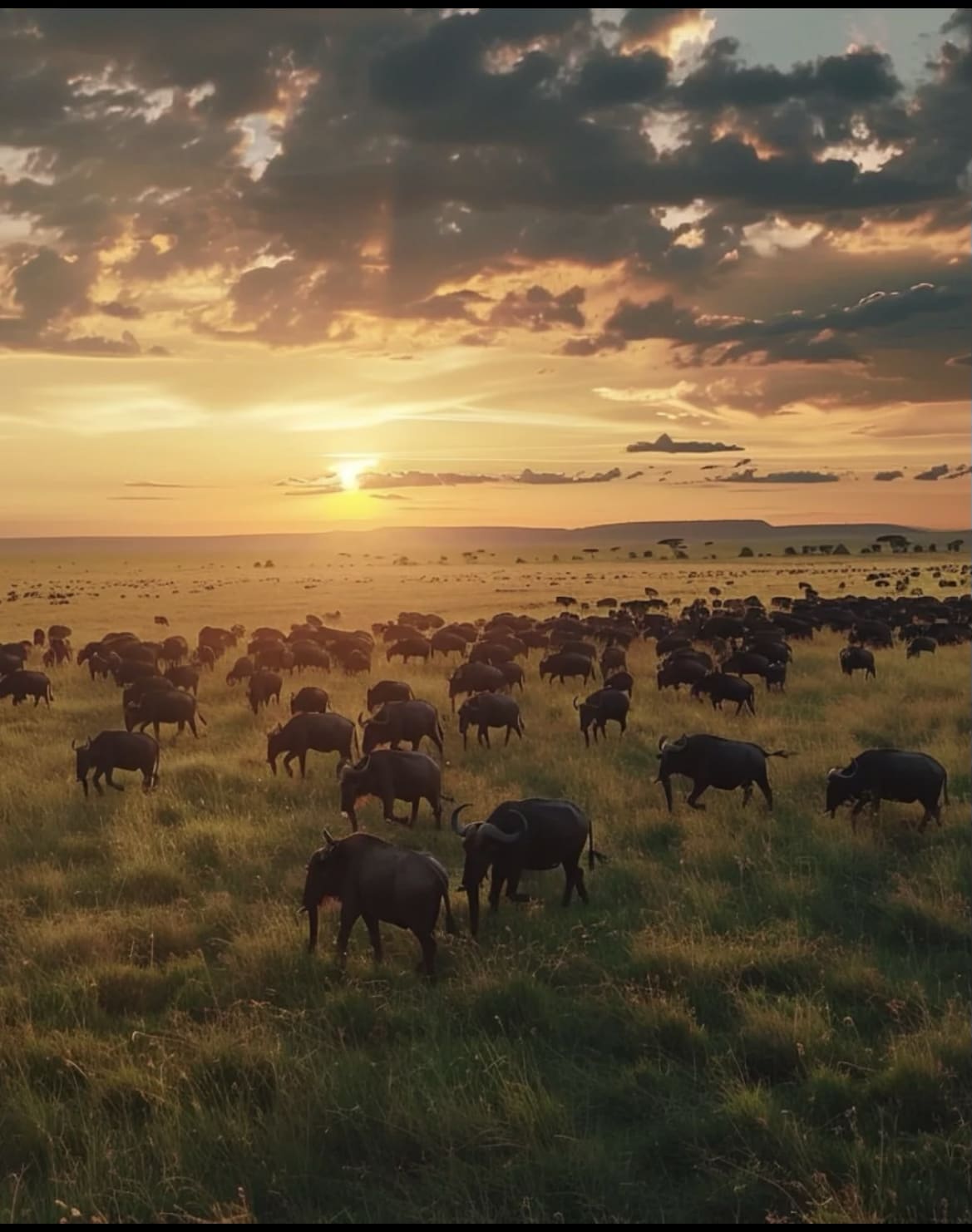
Malawi Safari Animals: Complete Species Guide by Park
Discover Malawi's Big Five and 400+ bird species across Liwonde, Majete, and Nyika parks. 5-day safaris from $1,500-$2,500. Best May-October. Book verified operators.

Malawi Safari Animals: Complete Species Guide
Last updated: July 2026
Malawi is home to the Big Five and over 400 bird species across its national parks and reserves. Liwonde National Park and Majete Wildlife Reserve offer the best wildlife viewing, with recent reintroduction programs bringing lions, cheetahs, and wild dogs back to the region. A 5-day safari costs $1,500-$2,500 per person, with the best time to visit being May to October. Browse verified safari packages on SafariFind to find the perfect Malawi adventure.
At a Glance
- Cost: $1,500-$2,500 per person for 5-7 days in 2026
- Best time to visit: May to October (dry season, peak wildlife viewing)
- Duration: 5-7 days recommended for comprehensive wildlife experience
- Best for: Budget-conscious travelers, bird watchers, wildlife photographers
- Wildlife highlights: Big Five, hippos, crocodiles, 400+ bird species, antelope varieties
- Top parks: Liwonde National Park, Majete Wildlife Reserve, Nyika National Park
Introduction
Malawi safari animals represent one of Africa's most underrated wildlife destinations, with the country hosting the Big Five and over 400 bird species across its protected areas. Until recently, Malawi wasn't known as a prime safari location, but ambitious wildlife reintroduction programs have transformed parks like Liwonde and Majete into world-class viewing destinations. This guide covers every major animal species you'll encounter by park, helping you plan your perfect Malawi safari in 2026.
Malawi offers exceptional value compared to neighboring Tanzania and Kenya. You can experience incredible wildlife viewing for significantly less money while supporting genuine conservation efforts. The country's recent transformation makes it ideal for travelers seeking authentic experiences without the crowds or high costs of traditional safari destinations.
What Animals Live in Malawi's Parks?
The Big Five in Malawi
The Big Five—lion, leopard, buffalo, elephant, and rhino—are all present in Malawi as of 2026. This represents a major achievement for the country's conservation programs. Just 15 years ago, many of these species were absent or critically endangered in Malawi's parks.
Lions were completely extinct in Liwonde National Park until 2017, when African Parks began reintroduction efforts. Today, visitors regularly spot these magnificent predators during game drives. Leopards remain elusive but inhabit several parks, particularly Nyika National Park, where sightings are more common than elsewhere in Malawi.
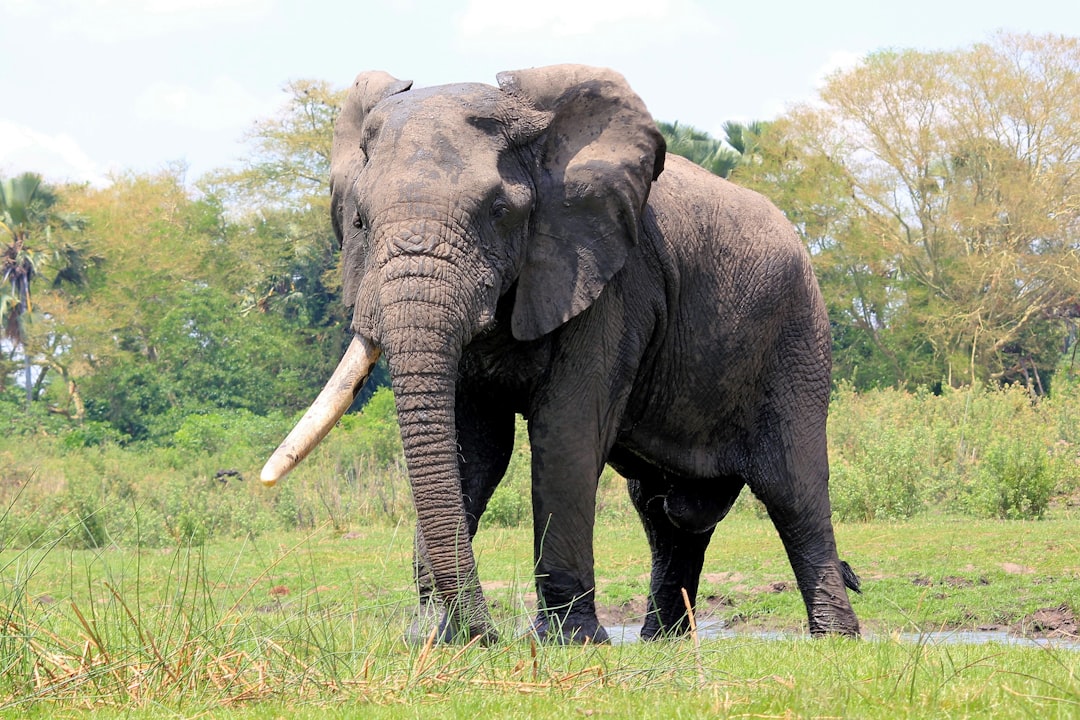
Elephants form large herds in Majete Wildlife Reserve and Liwonde National Park. Majete Wildlife Reserve covers approximately 700 square kilometres and is home to large herds of elephants. Buffalo roam the grasslands in substantial numbers, while black rhinos have been successfully reintroduced to select areas, though sightings remain rare.
Hippos and Crocodiles
Hippos are found in large numbers throughout Malawi's waterways, making them almost symbolic of the country's wildlife. The Shire River, which flows through both Liwonde and Majete, hosts enormous hippo populations that you'll see on boat safaris.
Crocodiles inhabit the floodplain grasslands and the Shire River itself. These prehistoric reptiles can reach 4-5 meters in length and are best viewed safely from boats or elevated viewing platforms. Early morning boat safaris offer the best opportunities to spot both hippos and crocodiles in their natural habitat.
Antelope Species and Smaller Mammals
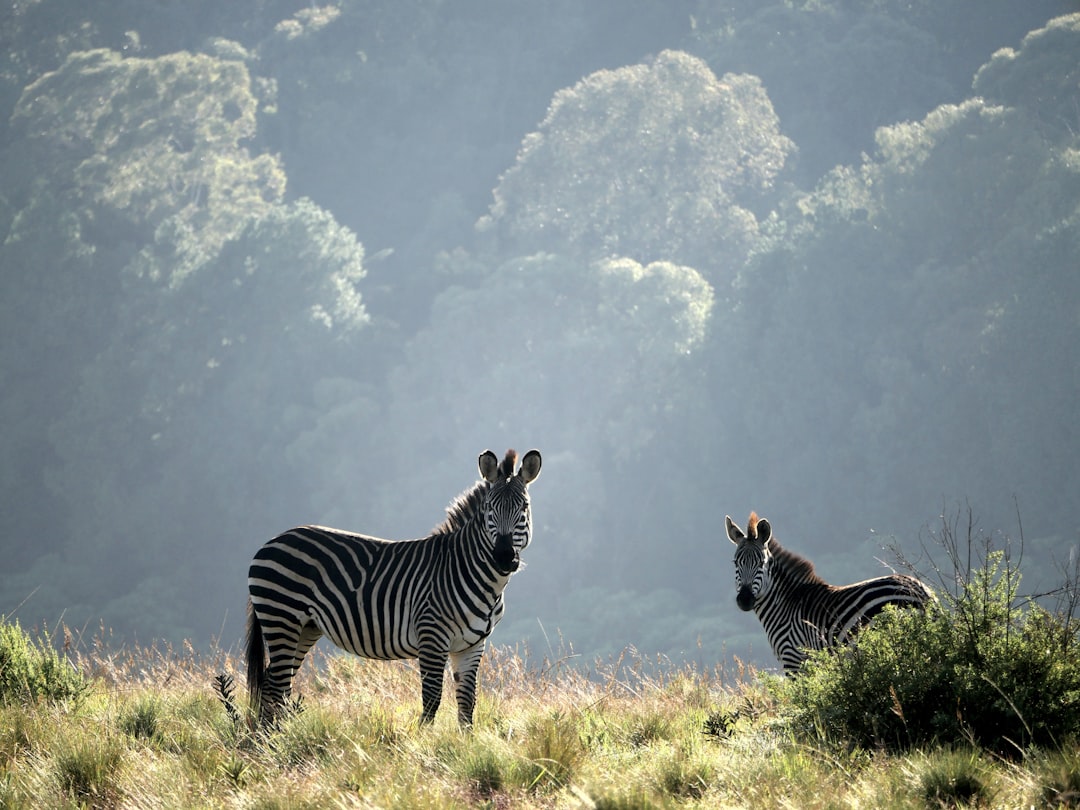
Malawi is home to a splendid range of antelope species that fill the savanna. Sable antelopes, klipspringers, waterbucks, and warthogs can be seen throughout the parks. Additionally, you'll encounter impalas, reedbucks, kudus, and zebras during game drives.
Smaller predators include caracal and serval cats, which are nocturnal and harder to spot. Spotted hyenas roam the floodplain grasslands, particularly around Majete. Wild dogs have been successfully reintroduced to Liwonde National Park as part of African Parks' conservation program, offering visitors the rare chance to see these endangered pack hunters.
Other mammals include warthogs, porcupines, and various monkey species. The understory woodlands shelter smaller carnivores and primates that add diversity to your wildlife viewing experience.
Liwonde National Park: Top Wildlife Destination
Location and Transformation
Liwonde National Park sits in southern Malawi along the Shire River and has undergone genuine transformation over the past decade. Just south of Lake Malawi, this 584-square-kilometre reserve is the country's best-known safari destination. African Parks took over management in 2015 and completely changed the park's trajectory through reintroduction programs and anti-poaching efforts.
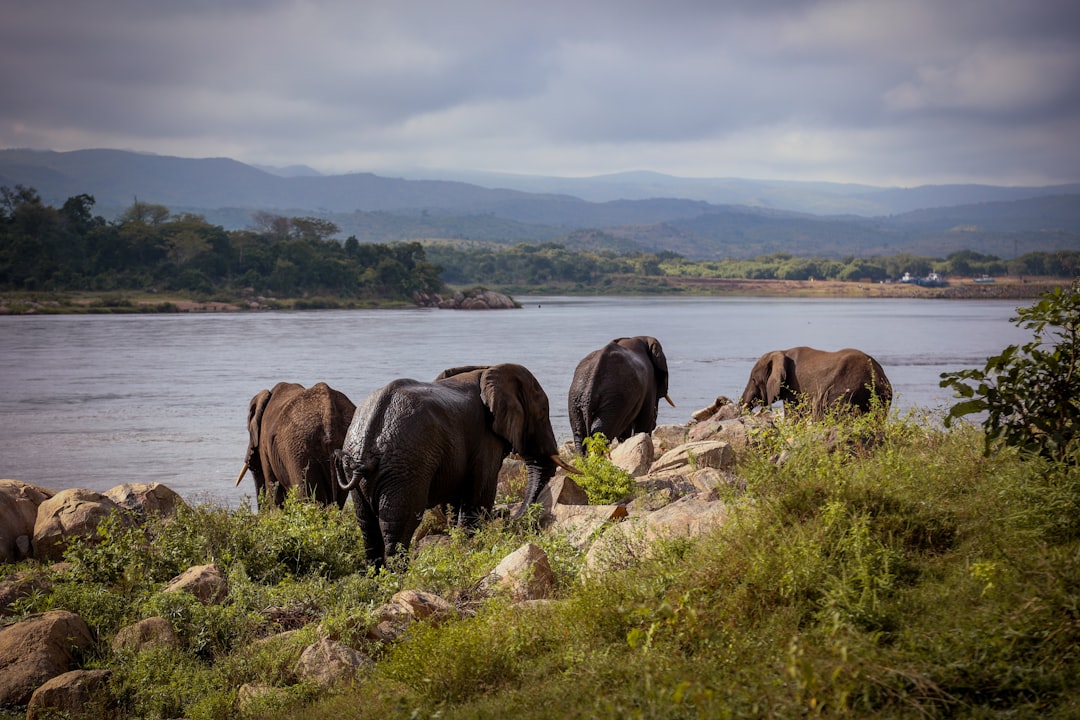
The park's location along the Shire River provides exceptional viewing opportunities. Boat safaris along the river flowing south from the lake allow close viewing of hippos, crocodiles, elephants, and water-dependent species. This unique advantage sets Liwonde apart from land-based safari parks.
Animals You'll See at Liwonde
Liwonde hosts all Big Five species as of 2026. The park is home to large herds of elephants, hippos, and crocodiles found in the floodplain grasslands and the Shire River. Lions, reintroduced starting in 2017, now patrol the park's grasslands regularly. Cheetahs and wild dogs have also been reintroduced, offering visitors rare predator viewing opportunities.
Sable antelopes, waterbucks, and warthogs populate the grasslands. The park's diverse habitat supports over 350 bird species, making it a paradise for birdwatchers. Herons, eagles, and kingfishers are commonly spotted along the river.
The combination of river and terrestrial ecosystems creates diverse wildlife viewing. Morning and evening game drives yield sightings of antelope, zebra, and predators. Afternoon boat safaris provide close encounters with hippos, crocodiles, and water birds.
Best Time to Visit Liwonde
May to October offers the best wildlife viewing at Liwonde. During these months, animals concentrate around water sources, making sightings more predictable. The dry season brings cooler temperatures and clearer skies for photography. November to April brings rain, which increases vegetation cover and makes animals harder to spot, though bird watching improves significantly.
Book your Liwonde safari 3-6 months ahead to secure the best rates. Explore 5-day Malawi safari packages under $2,000 on SafariFind to compare verified operators and read authentic traveler reviews.
Majete Wildlife Reserve: The Turnaround Story
Reserve Overview and Conservation Success
Majete Wildlife Reserve covers approximately 700 square kilometres in Malawi's southwest and is a mosaic of undulating hills, grassy plains, and mixed woodlands. This rugged wilderness on the banks of the Shire River has seen its fortunes completely turned around over the past 15 years and now has Big Five status. The transformation represents one of Africa's greatest conservation successes.
The reserve is anchored by the Shire River, which creates diverse habitats supporting varied wildlife populations. Mixed woodlands punctuated by star chestnut and mahogany trees provide shelter and food for numerous species. The combination of grasslands and woodland creates ideal conditions for both predators and prey.
Animal Populations at Majete
Majete now hosts over 3,000 animals, including elephants, leopards, lions, and other Big Five species. Large herds of elephants roam the plains, while hippos and crocodiles inhabit the river and floodplain grasslands. Spotted hyenas hunt in packs across the grasslands, and leopards patrol the woodland edges.
Antelope species include sable antelopes, waterbucks, kudus, warthogs, reedbucks, and impalas. The reserve's diverse habitat supports these varied herbivores, from small antelope to large buffalo herds. Wild dog packs have also been reintroduced, though sightings remain less frequent than at Liwonde.
Bird watching at Majete is exceptional, with over 350 species recorded. Fish eagles, herons, and kingfishers concentrate along the river. The woodland interior harbors raptors and game birds that attract serious bird watchers from around the world.
Visiting Majete Wildlife Reserve
Majete offers a more rugged safari experience than Liwonde, with fewer crowds and more remote viewing. The reserve's size and habitat diversity mean you'll encounter varied wildlife throughout your visit. Game drives through grasslands yield antelope and predator sightings, while river walks provide hippo and bird viewing opportunities.
The best time to visit is May to October, when dry conditions make wildlife viewing easiest. November to April brings rain but increases vegetation and bird activity. Accommodation options range from budget camping to mid-range lodges, keeping costs low compared to other African safari destinations.
Compare Malawi safari lodges from budget to luxury on SafariFind to find accommodations matching your budget and preferences.
Nyika National Park: Highlands and Hidden Gems
Unique Habitat and Location
Nyika National Park is known for its leopards and rare antelope species. Located in northern Malawi, Nyika sits at higher elevation than other parks, creating unique highland ecosystems. The park's rolling hills and grasslands differ dramatically from the river valleys of Liwonde and Majete.
The highland habitat supports species adapted to cooler temperatures and higher rainfall. Mountain streams provide water sources that concentrate wildlife in specific areas. The scenic beauty combines with wildlife viewing to create a distinctive safari experience.
Animals Found in Nyika
Leopards are more frequently sighted in Nyika than in other Malawi parks, making it ideal for travelers specifically seeking these elusive cats. Roan antelope, zebra, and various smaller antelope species inhabit the grasslands. Bird watching is exceptional, with highland species found nowhere else in Malawi.
While Nyika lacks the Big Five concentrations of Liwonde and Majete, the park offers intimate wildlife encounters and stunning landscapes. Hiking trails allow visitors to explore on foot, providing a different safari perspective than traditional vehicle-based game drives.
Best Visiting Strategy for Nyika
Nyika works best as part of a multi-park safari itinerary. A typical 7-day trip might include 3-4 days in Liwonde for Big Five viewing and 2-3 days in Nyika for leopard spotting and hiking. This combination provides diverse wildlife experiences and varied landscapes.
May to October remains the best season, though Nyika receives more rain than southern parks. The highland location means cooler temperatures even during warm months. Pack layers and rain gear if visiting during shoulder seasons.
Other Parks and Smaller Reserves
Kasungu National Park
Kasungu National Park offers wildlife viewing in central Malawi with less tourism infrastructure than Liwonde or Majete. The park hosts elephant, buffalo, antelope, and predator populations in a less-developed setting. Visitors seeking a more off-the-beaten-path experience often choose Kasungu.
Lengwe National Park
Lengwe National Park in southern Malawi is smaller but hosts diverse wildlife including elephant, buffalo, and various antelope species. The park's location near the Mozambique border creates unique wildlife dynamics. It's ideal for day trips from Blantyre or multi-park combinations.
Lake Malawi National Park
While famous for its fish species and snorkeling, Lake Malawi National Park also offers terrestrial wildlife viewing. Hippos, crocodiles, and water birds concentrate along the shoreline. The park provides a unique combination of aquatic and terrestrial experiences.
Best Practices for Wildlife Viewing in Malawi
Timing and Seasons
The dry season from May to October provides optimal wildlife viewing across all Malawi parks. Animals concentrate around remaining water sources, making sightings more predictable. Clear skies improve photography conditions, and cooler temperatures make outdoor activities more comfortable.
Early morning and late afternoon game drives yield the most wildlife sightings. Most animals are active during cooler parts of the day, resting during midday heat. Plan your itinerary to include dawn and dusk drives for maximum viewing opportunities.
Choosing the Right Park
Liwonde National Park is ideal if you want Big Five viewing and boat safaris. Majete Wildlife Reserve offers rugged wilderness and conservation success stories. Nyika National Park suits travelers seeking leopard spotting and highland hiking experiences. Compare Malawi safari parks to find which reserve has the most wildlife for your specific interests.
Working with Professional Guides
Experienced guides dramatically improve wildlife viewing success. Professional guides know animal behavior, track patterns, and locations of recent sightings. They provide context about conservation efforts and animal ecology that enriches your experience.
Request guides with specific expertise based on your interests. Bird watchers benefit from guides with ornithology knowledge. Photography enthusiasts prefer guides experienced with positioning for optimal shots. Most verified SafariFind operators match guides to traveler interests.
Wildlife Photography Tips
Bring a telephoto lens (200mm minimum) for distant wildlife shots. Early morning light provides the best photography conditions. Patient positioning rather than rapid movement yields better results. Respect wildlife by maintaining safe distances and following guide instructions.
Boat safaris offer unique photography angles for hippos and river wildlife. Avoid sudden movements or loud noises that startle animals. Professional photographers should discuss equipment and techniques with guides before drives.
Wildlife Conservation in Malawi
Reintroduction Programs
Malawi's ambitious wildlife reintroduction programs have led to both Liwonde National Park and Majete Wildlife Reserve becoming Big Five destinations. Lions were extinct in Liwonde until 2017, when African Parks began systematic reintroduction. Today, over 50 lions roam the park, with successful breeding populations.
Cheetahs and wild dogs were also reintroduced to Liwonde, creating predator diversity. These programs represent significant investment in wildlife recovery and demonstrate that extinction isn't permanent with proper management. Visitors directly support these efforts through park fees and operator payments.
Anti-Poaching Efforts
Strict anti-poaching patrols protect wildlife from illegal hunting. Armed ranger teams patrol parks daily, creating secure environments for animals. These efforts have dramatically reduced poaching incidents and allowed wildlife populations to recover.
Supporting Conservation
Every safari booking supports conservation directly. Park fees fund ranger salaries, equipment, and anti-poaching operations. Tourism creates economic incentive for wildlife protection, making conservation profitable for local communities. By visiting Malawi, you're investing in Africa's wildlife future.
Planning Your Malawi Safari Budget
Cost Breakdown for 2026
A 5-day Malawi safari typically costs $1,500-$2,500 per person in 2026, making it significantly cheaper than Kenya or Tanzania. Get detailed Malawi safari cost breakdown for budget vs. luxury to understand where your money goes.
Budget safaris include basic accommodation, park fees, and shared vehicle transportation. Mid-range packages add private vehicles and better lodges. Luxury safaris feature exclusive camps and personalized services. All price tiers offer excellent wildlife viewing since animal populations are equally accessible.
What's Included in Safari Packages
Standard packages include accommodation, most meals, game drives, and park entrance fees. International flights, travel insurance, and visa fees are typically extra. Some operators include boat safaris while others charge separately.
Clarify inclusions before booking. Ask about alcohol, park fees, and any activities beyond standard game drives. Budget operators often charge for optional activities like guided walks or night drives.
Booking Strategies to Save Money
Book 3-6 months ahead to access better rates and secure preferred dates. Multi-day packages offer better per-day rates than single-day excursions. Combining parks (Liwonde plus Majete) often costs less than visiting only one park. Traveling during shoulder seasons (April-May or September-October) reduces prices 15-20%.
Check Malawi safety and security information for 2026 before booking, then request quotes from verified SafariFind operators who can provide customized packages within your budget.
Key Takeaways
- Book Liwonde National Park 3-6 months ahead for the best rates and to ensure availability during peak season (May-October).
- Combine Liwonde and Majete Wildlife Reserve in a 7-day itinerary to see Big Five, hippos, crocodiles, and over 400 bird species while supporting conservation.
- Hire experienced guides specializing in your interests—bird watchers, photographers, and wildlife enthusiasts each benefit from targeted expertise.
- Visit during the dry season (May-October) for 90% better wildlife sightings and clearer photography conditions.
- Expect to spend $1,500-$2,500 for a 5-day safari in 2026, making Malawi 40-50% cheaper than traditional Kenya or Tanzania safaris with comparable wildlife viewing.
Frequently Asked Questions
What animals can I see on a Malawi safari?
You can see the Big Five (lion, leopard, buffalo, elephant, rhino), hippos, crocodiles, various antelope species including sable and waterbuck, wild dogs, cheetahs, spotted hyenas, warthogs, zebras, and over 400 bird species. Each park emphasizes different wildlife, so combining multiple parks maximizes your viewing diversity.
When is the best time to visit Malawi for wildlife viewing?
May to October is the best time for safari in Malawi. During this dry season, animals concentrate around water sources, making sightings more predictable and frequent. Temperatures are cooler, skies are clearer for photography, and vegetation is sparse, improving visibility. Avoid November to April when rain increases vegetation cover and makes wildlife harder to spot.
Is Liwonde or Majete better for first-time safari visitors?
Liwonde National Park is better for first-time visitors because it offers boat safaris, more developed infrastructure, and higher Big Five concentrations due to successful reintroduction programs. Majete Wildlife Reserve provides a more rugged experience with fewer tourists. Consider combining both parks in a 7-day trip for maximum variety and wildlife viewing opportunities.
How much does a Malawi safari cost in 2026?
A 5-day Malawi safari costs $1,500-$2,500 per person in 2026, including accommodation, meals, game drives, and park fees. This is significantly less than Kenya or Tanzania safaris offering similar wildlife viewing. Budget safaris use shared vehicles while mid-range and luxury options include private vehicles and better accommodations. Request quotes from verified operators on SafariFind to compare pricing and services.
Can I see lions and leopards in Malawi?
Yes, both lions and leopards are present in Malawi's parks as of 2026. Lions were reintroduced to Liwonde National Park starting in 2017 and now number over 50 individuals with successful breeding populations. Leopards inhabit multiple parks, with Nyika National Park offering the best sighting odds. Sightings are not guaranteed but are increasingly common, especially during the dry season.
What lodges and accommodation options are available in Malawi?
Malawi offers budget camping ($20-50/night), mid-range lodges ($100-200/night), and luxury camps ($250-400+/night). Most accommodation is concentrated near Liwonde and Majete parks. Budget options provide basic comfort while luxury lodges offer premium experiences. Compare Malawi safari lodges from budget to luxury under $300/night on SafariFind to find options matching your preferences and budget.
How do I book a Malawi safari with a verified operator?
Browse verified safari operators on SafariFind, read authentic reviews from past travelers, compare package prices and inclusions, and request quotes directly from operators. SafariFind connects you with established companies that have been vetted for reliability and quality. Most operators can customize itineraries based on your interests, budget, and travel dates. Booking 3-6 months ahead secures better rates and preferred dates.
Conclusion
Malawi safari animals represent one of Africa's greatest wildlife viewing opportunities at exceptional value. The Big Five, hippos, crocodiles, and over 400 bird species populate parks like Liwonde National Park and Majete Wildlife Reserve, where recent conservation successes have transformed these destinations into world-class safari experiences. A 5-day safari costs $1,500-$2,500 per person in 2026, making Malawi significantly more affordable than traditional Kenya or Tanzania safaris while delivering comparable wildlife viewing.
The best approach is combining multiple parks for diverse experiences. Spend 3-4 days at Liwonde National Park for boat safaris and Big Five viewing, then 2-3 days at Majete Wildlife Reserve for rugged wilderness and conservation success stories. Visit during the dry season (May-October) when animals concentrate around water sources and weather supports comfortable game drives.
Book your Malawi safari through verified operators on SafariFind to ensure quality experiences and authentic value. Compare multiple packages, read real traveler reviews, and request customized quotes matching your budget and interests. SafariFind's verified operators have been vetted for reliability, ensuring your safari investment supports genuine conservation efforts while delivering unforgettable wildlife encounters. Start planning your Malawi adventure today and discover why this underrated destination is rapidly becoming Africa's best-kept safari secret.
Plan Your Safari with SafariFind
These recommendations use real data from SafariFind, where you can compare operators, browse packages, and read verified traveler reviews before you book.
What Travelers Say (SafariFind Reviews)
References
- Majete | African Parks – Official park information and wildlife details
- Malawi Safari Cost & Destination Guide – Animal species and habitat overview
- Travel Guide Malawi: Liwonde National Park – Natucate wildlife and park information
- Safaris | Wildlife | Malawi Tourism – Official Malawi tourism wildlife guide
- Malawi Animals – Wildlife in Malawi – SafariBookings comprehensive species guide
- The Complete Guide to Safari in Malawi (2026) – Central African Wilderness Safaris
- Malawi: the ultimate wildlife guide – Bradt Guides wildlife reference
- Where to go on safari in Malawi – Responsible Vacation travel guide
Sources
Related to
Ready to start your safari adventure?
Explore curated safari packages and find your perfect African adventure with verified operators.