Malawi Safari Parks: Which Reserve Has the Most Wildlife?
Majete Wildlife Reserve has the most wildlife in Malawi with the Big Five. Compare reserves, costs ($1,500-$3,500), and best visiting times for your safari.

Malawi Safari Parks: Wildlife Guide
Last updated: July 2026
Majete Wildlife Reserve has the most wildlife in Malawi with the Big Five present. Liwonde National Park rivals African giants like the Serengeti with excellent elephant and hippo viewing. A typical safari costs $1,500-$3,500 per person for 3-5 days. The best time to visit is May through October when wildlife congregates near water sources.
At a Glance
- Best reserve for wildlife: Majete Wildlife Reserve (Big Five present)
- Most popular park: Liwonde National Park (elephants, hippos, birdlife)
- Cost per person: $1,500-$3,500 for 3-5 days as of 2026
- Best time to visit: May through October (dry season)
- Duration recommended: 3-5 days minimum
- Best for: Budget travelers, wildlife enthusiasts, first-time safari visitors
What Is Malawi Safari Parks: Which Reserve Has the Most Wildlife?
Malawi safari parks offer world-class wildlife viewing at a fraction of the cost of neighboring Tanzania and Kenya. The country hosts several major reserves, each with unique ecosystems and animal populations. Understanding which reserve has the most wildlife helps you plan the perfect safari experience.
Majete Wildlife Reserve stands out as Malawi's flagship destination for wildlife diversity. Located in the Lower Shire Valley in southwestern Malawi, Majete is an amazing success story of recovery and restoration. The reserve has been rehabilitated through partnerships between African Parks and Malawi's Department of National Parks and Wildlife (DNPW). This conservation effort has turned Majete into one of the most popular reserves in the country.
Liwonde National Park ranks as the second major wildlife destination. If Malawi has one reserve to rival the likes of the Serengeti in Tanzania and the Okavango Delta in Botswana, then it must be Liwonde National Park. Though small in size compared to African giants, Liwonde packs incredible wildlife density into its boundaries. The park features abundant elephants, hippos, crocodiles, and birdlife concentrated along the Shire River.
The country's northern region includes the unique Nyika Plateau and Vwaza Wildlife Reserve. Nyika National Park offers highland scenery and excellent elephant viewing opportunities. Vwaza Marsh Wildlife Reserve sits at the foot of Nyika and represents one of the best places in Malawi to see elephants and buffaloes. These northern parks provide alternatives for travelers seeking less crowded experiences.
Kasungu National Park and Nkhotakota Reserve occupy the central region as vast game areas. Each reserve offers distinct wildlife viewing opportunities and ecosystem types. Understanding the differences between these parks helps you choose the right destination for your safari interests.
Which Reserve Has the Most Wildlife in Malawi?
Majete Wildlife Reserve: The Wildlife Champion
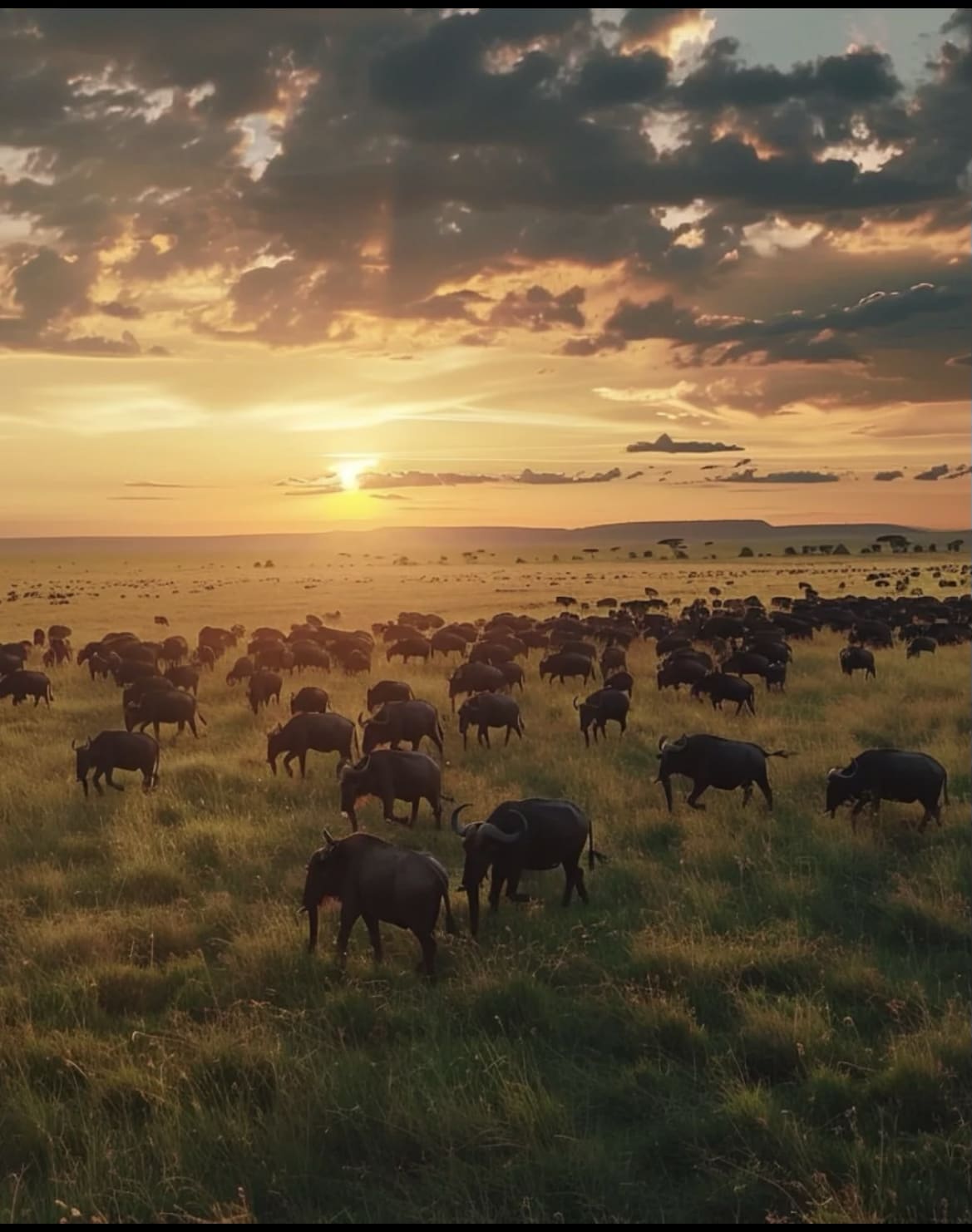
Majete Wildlife Reserve has the most wildlife in Malawi with the Big Five now present. The reserve's successful rehabilitation program has restored habitat and reestablished endangered species populations. This transformation makes Majete the top choice for travelers seeking diverse and abundant wildlife encounters.
The reserve covers a significant portion of the Lower Shire Valley landscape. African Parks and the DNPW have worked closely to rehabilitate habitat throughout Majete. These restoration efforts have created ideal conditions for wildlife to thrive and multiply. Today, visitors encounter elephants, lions, leopards, buffalo, and rhinoceros within the reserve's boundaries.
Majete's wildlife density creates excellent daily game viewing opportunities. Morning and afternoon game drives reveal abundant herbivores and predators. The reserve's varied terrain includes open plains, woodland, and riverine areas that support different animal species. This habitat diversity explains why Majete attracts more wildlife than other Malawian reserves.
Recent conservation successes have further boosted Majete's wildlife populations. Cheetahs have been introduced to the reserve, expanding the predator diversity. These additions demonstrate the reserve's commitment to complete ecosystem restoration. Travelers booking safaris here witness the results of dedicated conservation work.
Liwonde National Park: The Popular Alternative
Liwonde National Park is Malawi's most popular safari destination despite having less overall wildlife than Majete. The park's concentration of animals along the Shire River creates spectacular viewing opportunities. Liwonde offers walking safaris, canoe safaris, and game drives that bring visitors closer to wildlife.
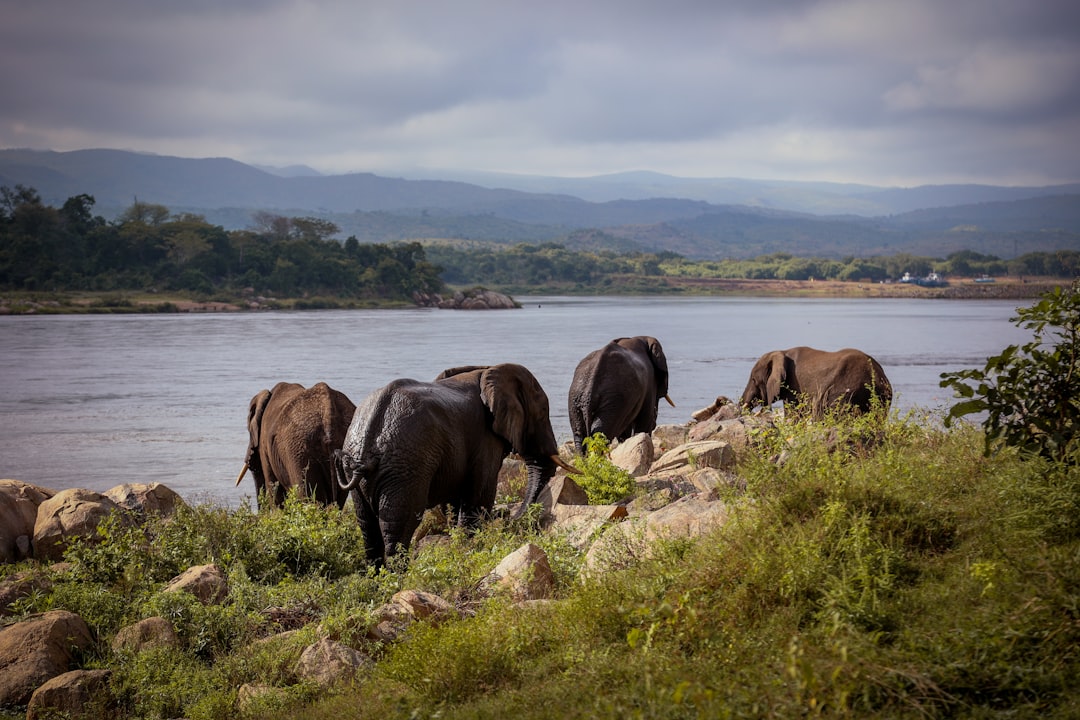
The Shire River forms Liwonde's heart and attracts incredible wildlife concentrations. Elephants, hippos, crocodiles, and abundant birdlife gather at the water's edge throughout the year. Walking and canoe safaris guided by experienced trackers reveal the landscape's secrets. These intimate safari experiences create unforgettable memories for visitors.
Liwonde's smaller size compared to Majete actually works in its favor for travelers. The park's compactness means higher wildlife encounter rates during game drives. Visitors spend less time searching and more time observing animals in their natural habitat. This efficiency appeals to travelers with limited time or budget constraints.
Other Major Reserves Worth Considering
Nyika National Park and Vwaza Marsh Wildlife Reserve serve the northern region effectively. Nyika's highland plateau offers unique scenery and excellent elephant viewing opportunities. Vwaza Marsh, located at Nyika's foot, specializes in elephant and buffalo encounters. These parks attract fewer international tourists, creating more exclusive safari experiences.
Kasungu National Park and Nkhotakota Reserve provide central region options for safari enthusiasts. Each reserve maintains healthy wildlife populations adapted to their specific ecosystems. Kasungu focuses on game viewing, while Nkhotakota offers diverse wildlife and scenic beauty. Choosing between these depends on your specific interests and travel schedule.
Discover more about planning your Malawi safari adventure by exploring Malawi Safari Cost 2026: Budget vs Luxury Breakdown, which breaks down expenses across different reserve options and travel styles.
How to Plan Your Malawi Safari Adventure
Best Time to Visit Malawi's Safari Parks
The best time to visit Malawi's safari parks is May through October during the dry season. During these months, wildlife congregates near water sources, creating excellent viewing opportunities. Temperatures remain comfortable, and vegetation thins out, making animals easier to spot. This period represents peak safari season with the most reliable wildlife encounters.
May and June offer excellent wildlife viewing with comfortable temperatures. The landscape remains green from recent rains while animals seek water. July through September represent the absolute peak season with the largest animal concentrations. October marks the end of dry season with lingering good conditions before the rains return.
November through April represents the wet season with challenges for safari travel. Heavy rains make roads difficult to navigate and reduce game visibility due to thick vegetation. However, this season attracts migratory birds and features lush landscapes. Budget-conscious travelers find lower prices during wet season months.
Safari Duration and Daily Itineraries
Most Malawi safaris run 3-5 days as the optimal duration. Three days provides sufficient time for meaningful wildlife encounters and park exploration. Five days allows visits to multiple reserves and includes rest days at lodges. Longer safaris spanning 7-10 days offer comprehensive experiences covering northern and southern regions.
A typical safari day starts before dawn with early morning game drives. Guides navigate park roads searching for active wildlife in cool temperatures. Mid-morning breaks at lodges provide refreshment and meal time. Afternoon game drives resume around 3 PM and continue until sunset when many animals become active.
Walking safaris and canoe safaris complement traditional game drives. Walking safaris in Liwonde bring visitors within meters of wildlife. Canoe safaris on the Shire River provide unique perspectives for bird watching and hippo encounters. Combining multiple safari types creates diverse and memorable experiences.
Planning Your Budget and Booking Strategy
A typical Malawi safari costs $1,500-$3,500 per person for 3-5 days in 2026. Budget safaris with basic lodging and simple meals start around $1,500. Mid-range options with comfortable accommodations range $2,000-$2,500. Luxury experiences with premium lodges and fine dining exceed $3,500 per person.
These costs typically include accommodation, meals, park fees, and guided game drives. International flights to Lilongwe or Blantyre airports add $800-$1,500 from Europe or North America. Travel insurance, visas, and personal expenses remain separate from package costs. Compare safari packages on SafariFind to find verified operators offering transparent pricing.
Book your Malawi safari 2-3 months in advance for peak season travel. Early booking secures better lodge availability and sometimes includes discounts. Last-minute bookings risk limited options and higher prices during July-September. Work with verified tour operators to ensure quality experiences and fair pricing.
SafariFind connects travelers with verified operators across Malawi's major reserves. Browse curated safari packages and request quotes from multiple operators to compare prices and services. Read authentic reviews from previous travelers to make informed booking decisions. This approach saves money while guaranteeing quality safari experiences.
Wildlife Viewing Experiences in Malawi's Reserves
Big Five and Major Animals
Majete Wildlife Reserve features all five members of the African Big Five: lions, leopards, elephants, buffalo, and rhinoceros. This complete predator-prey ecosystem creates natural wildlife dynamics rarely seen in smaller reserves. Viewing the Big Five in one location ranks among Africa's top safari experiences and justifies Majete's reputation as Malawi's premier wildlife destination.
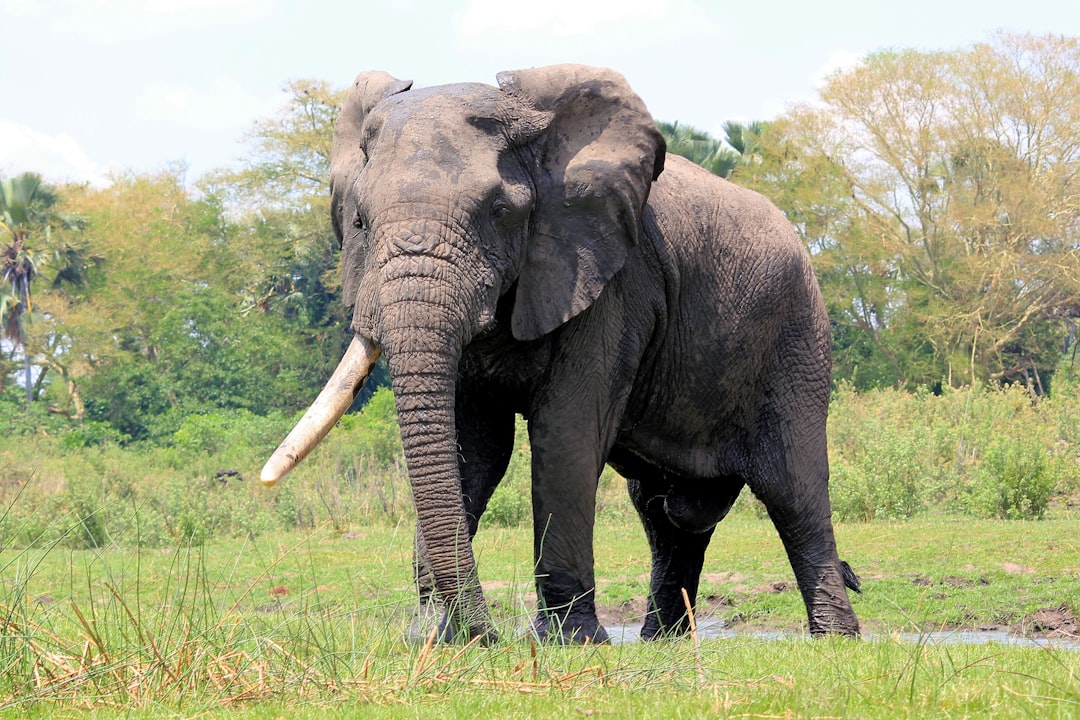
Elephants dominate wildlife viewing across all Malawi reserves. Majete and Liwonde host the largest elephant populations with hundreds of individuals. Vwaza Marsh Wildlife Reserve specializes in elephant viewing and offers some of Malawi's best pachyderm encounters. Daily game drives almost guarantee elephant sightings during peak season months.
Hippos concentrate along riverine areas, particularly in Liwonde National Park. The Shire River hosts one of Malawi's largest hippo populations with hundreds of individuals. These massive animals create dramatic encounters during water-based safaris. Hippo viewing peaks during dry season when animals cluster in remaining water sources.
Bird Watching and Smaller Wildlife
Malawi's reserves host over 600 bird species, making the country a paradise for ornithologists. Liwonde National Park attracts particular attention from bird watchers seeking rare and endemic species. The Shire River's diverse habitats support eagles, kingfishers, herons, and countless songbirds. Walking safaris and early morning drives offer the best bird viewing opportunities.
Small mammals and reptiles add diversity to wildlife encounters. Visitors spot antelope species including impala, kudu, and bushbuck throughout the reserves. Crocodiles sun themselves on riverbanks in Liwonde and along the Shire. Smaller creatures like mongoose, warthogs, and porcupines appear regularly during game drives.
Nocturnal wildlife viewing reveals animals unseen during daytime. Night drives in Majete reveal leopards, hyenas, and nocturnal birds. Spotlight safaris create exciting encounters with elusive predators. These specialized experiences require advance booking but offer unforgettable moments.
Comparing Malawi to Regional Safari Destinations
Malawi's safari parks offer excellent value compared to neighboring countries. For budget-conscious travelers, Malawi typically costs 20-30% less than Kenya or Tanzania safaris. The reserves may be smaller but deliver comparable wildlife viewing experiences. This cost advantage makes Malawi ideal for first-time safari visitors and budget travelers.
Learn how Malawi compares to other African safari destinations by reading Tanzania vs Kenya Safari: Which Offers Better Value for UK Travelers in 2026. This comprehensive comparison helps identify the best safari destination matching your budget and preferences.
| Destination | Wildlife Diversity | Cost per Day | Best For | Crowd Level |
|---|---|---|---|---|
| Majete, Malawi | Big Five present | $300-$700 | Complete ecosystems | Moderate |
| Liwonde, Malawi | Excellent density | $250-$600 | Water-based safaris | High |
| Serengeti, Tanzania | Exceptional variety | $400-$900 | Great Migration | Very high |
| Masai Mara, Kenya | Exceptional variety | $350-$850 | Big cats and migration | Very high |
Malawi's smaller reserves offer more intimate wildlife experiences than massive parks. Fewer international tourists mean quieter game drives and personal attention from guides. This exclusivity appeals to travelers seeking authentic African safari experiences away from crowded tourist areas.
The combination of affordability and quality makes Malawi an excellent choice for budget travelers. You save money compared to Kenya or Tanzania while enjoying comparable wildlife viewing. Longer safaris become possible within the same budget, allowing deeper exploration of the reserves.
Key Takeaways
- Book Majete Wildlife Reserve for the most wildlife diversity in Malawi, as it's the only reserve featuring the complete Big Five in 2026.
- Visit during May through October dry season to maximize wildlife encounters near water sources and enjoy comfortable temperatures.
- Budget $1,500-$3,500 per person for 3-5 day safaris in 2026, significantly less than Kenya or Tanzania packages.
- Choose Liwonde National Park for water-based safari experiences combining game drives, walking safaris, and canoe trips on the Shire River.
- Request quotes from verified SafariFind operators 2-3 months before travel to secure better lodge availability and competitive pricing.
Frequently Asked Questions
Which Malawi reserve has the most wildlife?
Majete Wildlife Reserve has the most wildlife in Malawi with the Big Five now present. The reserve's successful rehabilitation program through partnerships between African Parks and Malawi's Department of National Parks and Wildlife has restored habitat and reestablished endangered species populations, making it the top wildlife destination in the country.
What's the best time to visit Malawi's safari parks?
The best time to visit Malawi's safari parks is May through October during the dry season. During these months, wildlife congregates near water sources for excellent viewing opportunities. Temperatures remain comfortable, vegetation thins out making animals easier to spot, and you'll experience peak safari conditions with the most reliable wildlife encounters.
How much does a Malawi safari cost per person in 2026?
A typical Malawi safari costs $1,500-$3,500 per person for 3-5 days in 2026. Budget safaris with basic lodging start around $1,500, while mid-range options with comfortable accommodations range $2,000-$2,500. Luxury experiences with premium lodges exceed $3,500 per person. These costs include accommodation, meals, park fees, and guided game drives.
Is Liwonde National Park better than Majete Wildlife Reserve?
Liwonde National Park is more popular but Majete has more total wildlife diversity. Liwonde excels for water-based safaris along the Shire River with excellent elephant and hippo viewing. Majete offers the Big Five and more complete ecosystem experiences. Your choice depends on whether you prefer intimate river experiences or comprehensive wildlife encounters.
How can I book a Malawi safari with verified operators?
Browse curated safari packages on SafariFind and request quotes from verified tour operators across Malawi's major reserves. Read authentic reviews from previous travelers to make informed booking decisions. Book 2-3 months in advance for peak season travel to secure better lodge availability and competitive pricing. This approach saves money while guaranteeing quality safari experiences.
What wildlife will I see in Malawi's safari parks?
Malawi's reserves host the Big Five (lions, leopards, elephants, buffalo, rhinoceros), plus hippos, crocodiles, antelope species, and over 600 bird species. Majete offers all Big Five members while Liwonde specializes in elephants, hippos, and birdlife along the Shire River. Daily wildlife encounters are virtually guaranteed during May-October dry season visits.
Conclusion
Majete Wildlife Reserve has the most wildlife in Malawi with the Big Five and diverse ecosystems creating exceptional safari experiences. Liwonde National Park rivals African giants like the Serengeti with outstanding water-based safari opportunities and abundant wildlife concentrations. Together, these reserves offer world-class wildlife viewing at a fraction of the cost of neighboring Tanzania and Kenya.
Planning a Malawi safari in 2026 means choosing between different wildlife experiences rather than compromising on quality. Majete delivers complete ecosystem encounters with predators and prey in natural balance. Liwonde offers intimate river safaris with guaranteed elephant and hippo viewing. Both reserves provide excellent value with 3-5 day packages ranging $1,500-$3,500 per person.
The dry season from May through October remains your best window for wildlife viewing and comfortable travel conditions. Book your safari 2-3 months in advance to secure optimal lodge availability and competitive pricing. Explore verified safari packages on SafariFind to compare operators, prices, and authentic traveler reviews. This approach ensures you get the perfect Malawi safari experience matched to your budget and interests.
Malawi's safari parks represent Africa's best-kept secret for budget-conscious wildlife enthusiasts. The country's commitment to conservation through partnerships like those at Majete demonstrates the future of African tourism. Whether you choose Majete's comprehensive Big Five experience or Liwonde's intimate river adventures, you'll witness the results of dedicated habitat restoration and wildlife protection efforts.
Plan Your Safari with SafariFind
These recommendations use real data from SafariFind, where you can compare operators, browse packages, and read verified traveler reviews before you book.
What Travelers Say (SafariFind Reviews)
References
- African Parks - Cheetahs Introduced to Majete Wildlife Reserve
- Biosphere Expeditions - Malawi Expedition Report
- SafariBookings - Malawi National Parks & Game Reserves
- Africa Geographic - Best of Malawi's Safari Parks
- Timbuktu Travel - The Story of Magnificent Malawi
- A Luxury Travel Blog - Going Wild in Malawi
- Malawi Tourism - Safaris & Wildlife
- Malawi Embassy USA - Wildlife & Reserves
Sources
- African Parks - Cheetahs Introduced to Majete Wildlife Reserve(official)
- Biosphere Expeditions - Malawi Expedition Report
- SafariBookings - Malawi National Parks & Game Reserves
- Africa Geographic - Best of Malawi's Safari Parks
- Timbuktu Travel - The Story of Magnificent Malawi
- A Luxury Travel Blog - Going Wild in Malawi
- Malawi Tourism - Safaris & Wildlife
- Malawi Embassy USA - Wildlife & Reserves(official)
Related to
Ready to start your safari adventure?
Explore curated safari packages and find your perfect African adventure with verified operators.