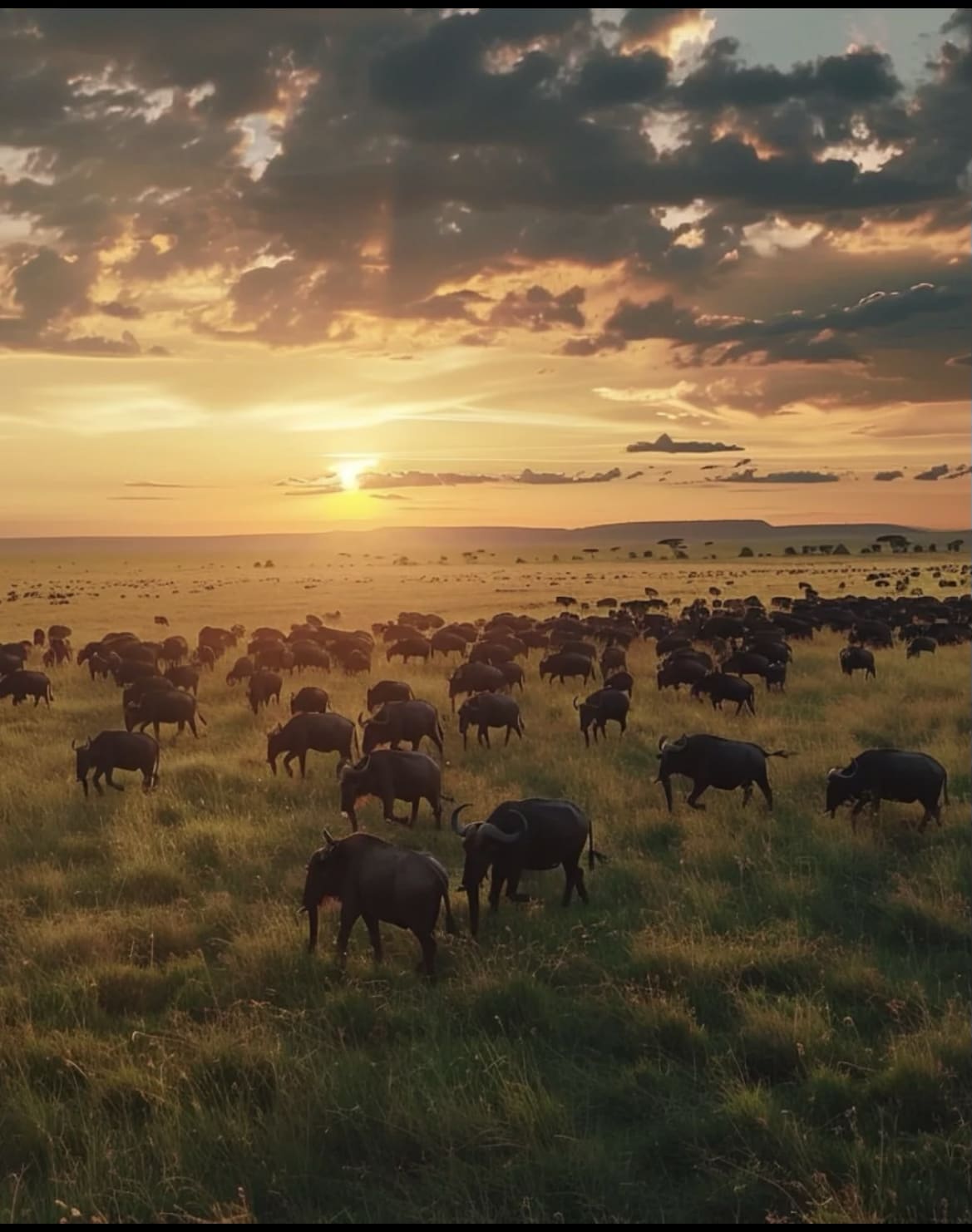
Walking Safari in Eswatini: Best Routes, Wildlife & Operator Guide
Explore Eswatini's walking safaris in Hlane and Mlilwane. See lions, rhinos, elephants. May-September best. $150-$400/day. Book verified operators.

Walking Safari in Eswatini: Best Routes & Wildlife
Last updated: July 2026
Walking safaris in Eswatini let you explore Hlane Royal National Park and Mlilwane Wildlife Sanctuary on foot, spotting lions, elephants, rhinos, and giraffes. The best time to visit is May to September during the dry season. Expect costs between $150 and $400 per person per day. Book through verified operators on SafariFind to find the perfect walking safari package.
At a Glance
- Cost: $150–$400 per person per day in 2026
- Best time: May to September (dry season, excellent wildlife viewing)
- Duration: 2–5 days recommended
- Best for: Adventure seekers, nature lovers, photographers, budget-conscious travelers
- Wildlife: Lions, elephants, rhinos, giraffes, leopards, abundant birdlife
- Getting there: Fly to Johannesburg, then domestic flight or 6-hour drive to Eswatini
What Is a Walking Safari in Eswatini?
A walking safari in Eswatini is an immersive wildlife experience where you explore protected reserves on foot with a trained guide. Unlike vehicle-based safaris, walking safaris put you closer to nature. You move slowly, observe animal behavior up close, and experience the landscape from ground level. Eswatini is one of Southern Africa's best-kept secrets, small enough to explore comfortably yet diverse enough to deliver wildly different landscapes and safari styles in one trip.
Walking safaris in Eswatini typically take place in Hlane Royal National Park and Mlilwane Wildlife Sanctuary. Both reserves offer guided walking trails designed for different fitness levels and interests. You'll have the chance to track rhinos, spot lions, and watch giraffes graze. The experience feels more personal and authentic than a vehicle safari. You hear animal calls, smell the bush, and feel the African landscape around you.
Why Choose a Walking Safari?
Walking safaris offer unique advantages over traditional game drives. First, you move quietly and see animals in their natural behavior. Second, you get better photography angles at ground level. Third, your guide shares detailed knowledge about plants, insects, and ecology. Finally, the physical activity makes the experience more rewarding and memorable.
Eswatini's walking safaris are also more affordable than safaris in Kenya or Tanzania. You'll save 20–30% compared to similar experiences in larger African countries. The kingdom's small size means less driving time and more time actually walking and observing wildlife. This makes walking safaris in Eswatini excellent value for budget-conscious travelers.
Best Walking Safari Routes in Eswatini
Eswatini offers several excellent walking safari routes across its protected reserves. Each route provides different wildlife viewing opportunities, difficulty levels, and scenic experiences. Here are the top walking safari destinations in 2026.
Hlane Royal National Park Walking Routes
Hlane Royal National Park is Eswatini's largest reserve and the premier walking safari destination. The park covers vast grasslands, acacia forests, and riverine areas. Hlane Royal National Park is home to lions, elephants, rhinos, giraffes, and abundant birdlife. Walking safaris here typically range from 2 to 6 hours depending on your fitness level and interests.
The most popular route is the Rhino Trail, a 4-hour guided walk focused on tracking white and black rhinos. Your guide uses knowledge of rhino habits to locate them in their preferred feeding areas. You'll also see giraffes, zebras, and various antelope species. The Rhino Trail is moderately challenging and suitable for most fitness levels.
Another excellent route is the Big Five Trail, a full-day walking safari (6–8 hours) designed to maximize wildlife encounters. While Hlane lacks buffalo, you have strong chances of seeing lions, elephants, rhinos, and leopards. This route requires good fitness and an early morning start. Guides often spot lions during dawn hours when they're most active.
Mlilwane Wildlife Sanctuary Walking Routes
Mlilwane Wildlife Sanctuary is best known as the birthplace of nature conservation in Eswatini. The sanctuary offers shorter, more relaxed walking safaris suitable for families and less experienced hikers. After a delicious breakfast, your guide will drive you a short distance to the boundary of the famous Mlilwane Wildlife Sanctuary.
The Valley Trail at Mlilwane is a 3-hour guided walk through scenic grasslands and acacia woodlands. You'll see giraffes, zebras, warthogs, and numerous bird species. This route is ideal for first-time safari walkers and families with children. The terrain is relatively flat and easy to navigate.
The Hippo Pool Trail is another popular option, a 2-hour walk that ends at a waterhole where hippos gather. You'll observe hippos from a safe distance and watch other animals drinking at dawn or dusk. This route is perfect for photography and shorter time commitments.
Mkhaya Game Reserve Exclusive Walks
Mkhaya Game Reserve is Eswatini's most exclusive wildlife destination, offering private walking safaris for small groups. The wildlife viewing in Eswatini's premier parks – Hlane Royal National Park and Mkhaya Game Reserve – is excellent. Mkhaya boasts the kingdom's only buffalo and offers exceptional rhino and bird viewing.
Walking safaris at Mkhaya are fully customized to your interests and fitness level. Guides focus on tracking specific species, photography, or general wildlife observation. The reserve's exclusivity means fewer tourists and more intimate wildlife encounters. Expect to pay premium prices, but the experience is unforgettable.
Wildlife You'll See on Walking Safaris
Eswatini's walking safaris offer excellent opportunities to see diverse wildlife species. The kingdom supports significant populations of large animals and exceptional bird diversity. Here's what you can expect to encounter during your walking safari.
Big Game Wildlife
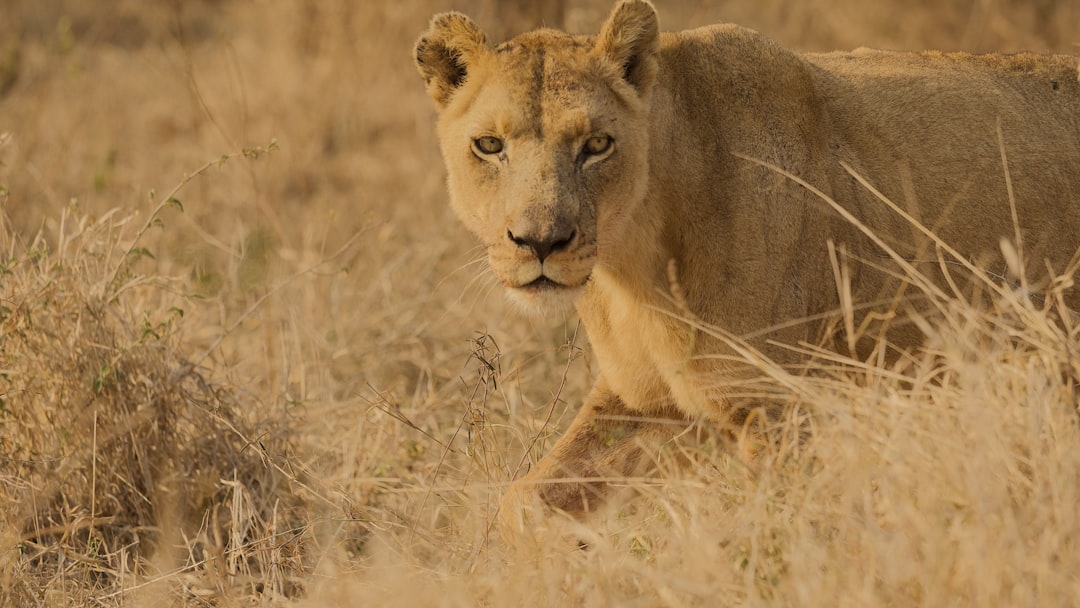
Lions are the most sought-after sighting on Eswatini walking safaris. Hlane Royal National Park has a healthy lion population, and experienced guides know where lions rest during the day. Early morning walks offer the best lion-spotting chances. Seeing a lion on foot creates an adrenaline rush you won't forget.
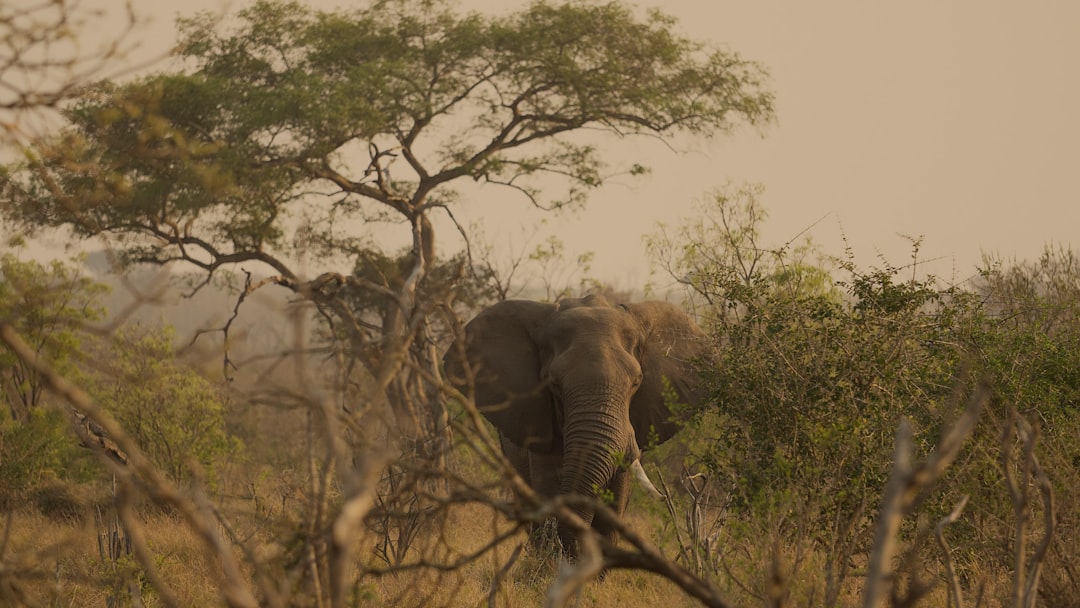
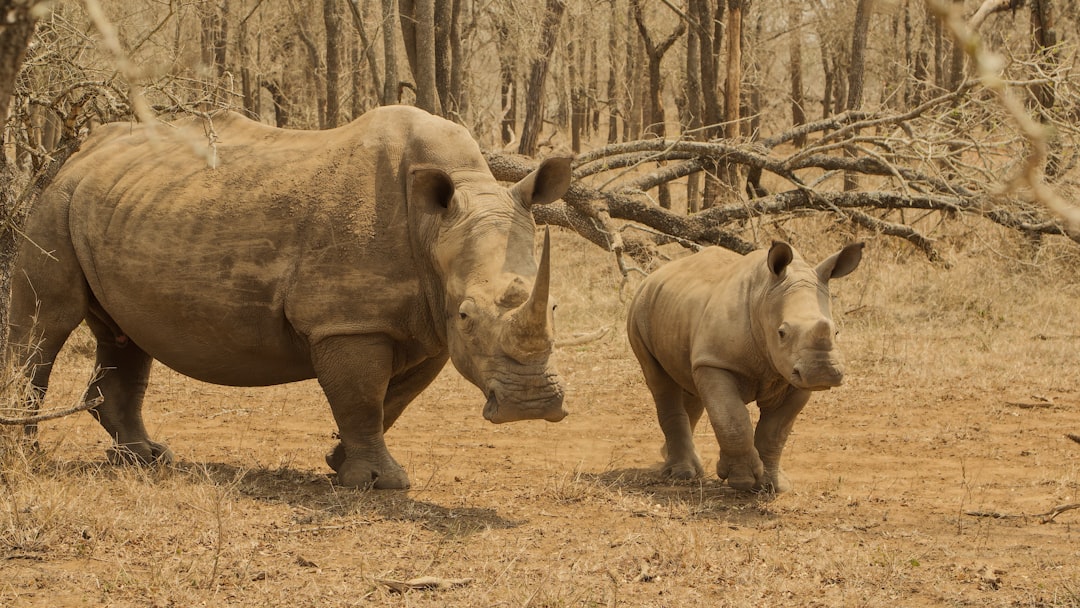
Elephants are common in Hlane, especially near water sources during dry season. Walking past elephants at ground level is humbling and unforgettable. Your guide will maintain safe distances and teach you elephant behavior and communication. Rhinos are also abundant—both white and black rhinos inhabit Hlane and Mkhaya reserves.
Leopards are present but rarely seen due to their nocturnal habits. However, skilled guides sometimes spot them in early morning or late afternoon. Giraffes are frequently spotted on walks, often in small groups or solitary individuals. Their graceful movements and size make them iconic safari subjects.
Antelope Species
Eswatini's reserves host numerous antelope species, from large kudu and impala to smaller duiker and steenbok. Zebras are common throughout both Hlane and Mlilwane, often seen in family groups. Wildebeest also inhabit the reserves, though in smaller numbers than in Tanzania or Kenya. These animals add color and movement to your walking safari experience.
Bird Watching Opportunities
Eswatini is a birdwatcher's paradise with over 500 recorded bird species. Walking safaris offer excellent bird viewing, especially during early morning walks. You'll see African fish eagles, crowned eagles, and various sunbird species. The sanctuary's diverse habitats support everything from grassland birds to forest species.
For wildlife, visit Hlane Royal National Park, Eswatini's largest reserve, the exclusive Mkhaya Game Reserve, and the hiking trails of Mbuluzi and Malolotja Nature Reserves. Mlilwane Wildlife Sanctuary offers a relaxed safari experience ideal for walking and birdwatching. Many walking safari guides are expert birders who can identify species by sight and call.
Best Time to Visit for Walking Safaris
Timing your walking safari is crucial for comfort and wildlife viewing. Eswatini has distinct seasons that affect animal behavior, weather, and accessibility. The dry winter months are ideal for walking safaris. May to September is the best time to visit, offering cool temperatures and excellent wildlife viewing.
Dry Season (May to September)
The dry season is peak time for walking safaris in Eswatini. Temperatures are cool and comfortable, ranging from 60°F to 75°F (15°C to 24°C) in the mornings and warming to 75°F to 85°F (24°C to 29°C) by afternoon. Animals congregate around water sources, making them easier to find. Vegetation is sparse, so visibility is excellent for spotting wildlife from a distance.
July and August are the coolest months, making them ideal for long walking safaris. You'll be comfortable even on 6-hour walks without excessive heat. Rainfall is minimal, so trails are dry and easy to navigate. However, this is also peak tourist season, so reserves are busier and accommodation costs are higher.
Shoulder Season (April, October)
April and October offer good walking safari conditions with fewer tourists than peak season. Temperatures are warm but not unbearably hot. Morning walks are pleasant, though afternoon temperatures can reach 85°F to 90°F (29°C to 32°C). Wildlife viewing is still excellent, though animals may be more dispersed due to increased water availability.
Wet Season (November to March)
The wet season brings lush vegetation and excellent birdwatching but also hot temperatures and humidity. Walking safaris are less popular during this period due to afternoon thunderstorms and muddy trails. However, wildlife viewing is still good, and you'll encounter fewer tourists. Accommodation prices drop significantly, making this a budget-friendly option.
Walking Safari Costs and Pricing in 2026
Walking safari costs in Eswatini vary based on duration, guide quality, group size, and included services. Budget-friendly options exist alongside luxury experiences. Here's a breakdown of typical pricing for walking safaris in 2026.
Daily Walking Safari Rates
Basic guided walking safaris cost $150 to $250 per person per day with a shared guide and small group. Premium guided walking safaris with experienced naturalists and photographers cost $250 to $350 per person per day. Exclusive private walking safaris with a dedicated guide cost $300 to $400 per person per day.
These prices typically include guide fees, park entrance fees, and basic refreshments like water and snacks. Accommodation, meals, and transportation to the reserve are usually separate. Multi-day walking safari packages often offer discounts of 10–15% compared to daily rates.
Multi-Day Package Pricing
A 3-day walking safari package costs approximately $450 to $900 per person, including accommodation in basic lodges. A 5-day walking safari package costs $750 to $1,500 per person, including accommodation and meals. Luxury 5-day packages with high-end lodging cost $1,500 to $2,500 per person.
Compare walking safari packages on SafariFind to find verified operators offering the best rates. You'll see current 2026 pricing, traveler reviews, and detailed itineraries. Many operators offer early-booking discounts of 10–20% if you reserve 2–3 months in advance.
What's Included and What's Extra
Most walking safari packages include guide fees, park entrance, and basic refreshments. Some include accommodation and meals, while others are day-walk only. Transportation to the reserve may or may not be included. Confirm what's covered before booking by requesting a detailed quote from your operator.
Optional add-ons include night drives (to spot nocturnal animals), photography coaching, and specialized bird-watching guides. These typically cost $50–$100 extra per activity. Travel insurance is highly recommended but rarely included in package prices.
Top Walking Safari Operators in Eswatini
Choosing a reliable tour operator is critical for a safe and enjoyable walking safari. Eswatini has several established operators with excellent reputations and verified reviews. Here are the top operators offering walking safaris in 2026.
Recommended Operators
King's Travel Africa is the most-reviewed tour operator in Eswatini, offering comprehensive walking safari packages across Hlane and Mlilwane reserves. African Trek & Travel is a recommended operator specializing in walking safaris with experienced guides and flexible itineraries. Both operators have strong ratings and positive traveler feedback.
Big Game Parks Eswatini operates the major reserves and offers guided walking safaris directly through their in-house guides. Their guides have extensive knowledge of animal behavior and reserve ecology. Contact them for authentic, conservation-focused walking safari experiences.
For luxury walking safaris with high-end accommodation, consider operators offering packages at Hilltop Camp or other premium lodges. These packages include private guides, gourmet meals, and comfortable accommodations. Expect to pay premium prices but receive exceptional service and comfort.
How to Choose an Operator
Read authentic reviews from previous travelers on SafariFind. Look for operators with consistent ratings above 4.5 stars and detailed reviews mentioning guide quality and wildlife sightings. Check how long the operator has been in business and their conservation credentials. Ask about guide certifications and experience levels.
Request detailed itineraries and pricing breakdowns before committing. Good operators provide clear information about what's included, daily schedules, and backup plans for bad weather. They should answer your questions promptly and professionally.
Verify that your operator has proper licenses and insurance. Check if they're members of recognized tourism associations. Ask about their environmental practices and commitment to conservation. Responsible operators support local communities and protect wildlife habitats.
Preparing for Your Walking Safari
Proper preparation ensures a comfortable and safe walking safari experience. Physical fitness, gear, permits, and health precautions all matter. Here's how to prepare for your Eswatini walking safari.
Physical Fitness and Training
Walking safaris require moderate fitness for 2–6 hour walks on uneven terrain. Start training 4–6 weeks before your safari with daily walks of 5–10 km. Build leg strength with light hiking or stair climbing. If you're over 50 or have health conditions, consult your doctor before booking.
Discuss fitness requirements with your operator when booking. They can recommend easier routes or shorter walks if needed. Most operators offer flexible itineraries and can adjust daily walk distances based on group fitness levels.
Essential Gear and Equipment
Bring sturdy hiking boots with good ankle support and grip. Wear neutral-colored clothing in tan, khaki, or green to avoid startling animals. Pack a wide-brimmed hat, sunscreen, and sunglasses. Bring a light rain jacket for unexpected showers. A small backpack (20–30 liters) works well for carrying water, snacks, and a camera.
Pack binoculars for spotting distant wildlife and birds. A camera or smartphone with zoom capability is essential for photography. Bring a water bottle or hydration pack to stay hydrated during long walks. Your operator will provide some water, but carrying extra is wise. Insect repellent is important in wet season to prevent mosquito bites.
Health and Safety Precautions
Consult your doctor about vaccinations before traveling to Eswatini. Malaria is present in some areas, so take prophylaxis if recommended. Pack a basic first-aid kit with blister treatment, pain relievers, and antihistamines. Bring any personal medications you need.
Ensure you have comprehensive travel insurance covering medical evacuation and trip cancellation. Walking safaris are generally safe, but wildlife encounters always carry some risk. Your guide will teach you proper behavior around animals and safety protocols.
Stay hydrated throughout your walk and rest when tired. Inform your guide if you have any health issues or concerns. Respect your guide's instructions about approaching animals and maintaining safe distances. Never attempt to photograph animals at dangerously close range.
Walking Safari Compared to Other Safari Types
Eswatini offers multiple safari styles beyond walking safaris. Understanding the differences helps you choose the best experience for your interests and budget. Here's how walking safaris compare to other options.
Walking vs. Vehicle Safaris
Vehicle safaris cover more ground and allow longer daily viewing. However, walking safaris offer closer wildlife encounters and more immersive experiences. Walking safaris cost less and provide better photography angles at ground level. Vehicle safaris are better for older travelers or those with limited fitness. Both have value depending on your preferences and physical abilities.
Walking Safaris vs. Horse Safaris
Horse safaris offer a unique perspective and cover more ground than walking. However, not everyone is comfortable riding horses, and equestrian skills are required.[External link: https://safarifind.com/blog/eswatini-horse-safari-2026-routes-prices-who-it-suits] Walking safaris are more accessible to non-riders and offer a more intimate connection to the landscape. Both options cost similarly and provide excellent wildlife viewing.
Walking Safaris in Eswatini vs. Regional Alternatives
Eswatini's walking safaris are more affordable than similar experiences in Tanzania or Kenya. Serengeti and Kruger National Park safaris offer larger animal populations and more dramatic landscapes.[External link: https://safarifind.com/blog/serengeti-vs-kruger-national-park-which-minimalist-safari-destination-is-better-for-budget-travelers-1766069180591] However, Eswatini's small size makes it easier to explore and offers a more intimate experience with fewer tourists.
Walking safaris in Eswatini work well as part of a broader Southern African trip. Combine them with visits to Kruger National Park in South Africa or Victoria Falls in Zimbabwe. This region offers diverse safari styles and world-class wildlife viewing at reasonable prices.[External link: https://safarifind.com/blog/eswatini-safari-parks-wildlife-cost-comparison-2026]
Practical Tips for an Excellent Walking Safari
Small decisions and preparation details can significantly enhance your walking safari experience. Here are proven tips from experienced travelers and guides.
Timing and Strategy
Start your walks early in the morning, ideally before 6:00 AM. Animals are most active at dawn when temperatures are cool and they're actively feeding. Early walks also avoid the midday heat and afternoon crowds. If you have time, take an additional short walk in late afternoon (4:00 PM to 6:00 PM) when animals become active again.
Move slowly and quietly, stopping frequently to observe and listen. Binoculars help you spot distant animals without disturbing them. Let your guide set the pace and take breaks when needed. Experienced guides know animal behavior and can predict where to find specific species.
Photography and Observation
Bring a camera with good zoom capability. A telephoto lens (200mm or more) is ideal but not essential. Your smartphone camera works well for most wildlife photos. Move carefully when approaching animals for photos, and never chase animals. Let them come to you or move naturally.
Take time to simply observe animals without photographing. Watch their behavior, interactions, and responses to your presence. These moments create lasting memories more valuable than photos. Your guide will share fascinating details about animal ecology, behavior, and conservation.
Comfort and Enjoyment
Wear comfortable, broken-in hiking boots to avoid blisters. Bring extra socks in case your feet get wet. Apply sunscreen liberally and reapply every 2 hours. Drink water regularly even if you don't feel thirsty. Pack energy snacks like nuts, dried fruit, or energy bars for sustained energy.
Dress in layers so you can adjust to temperature changes. Mornings are cool, but afternoons warm up significantly. Wear neutral colors that blend with the landscape. Avoid bright colors, perfumes, and strong scents that may disturb animals.
Booking Your Walking Safari on SafariFind
SafariFind connects travelers with verified safari operators offering authentic walking safari packages in Eswatini. The platform makes it easy to compare prices, read reviews, and book with confidence.
Finding the Right Package
Browse safari packages on SafariFind using filters for duration, price, and destination. Read detailed reviews from previous travelers who've completed these walks. Look for packages specifically labeled "walking safari" to ensure guided foot-based experiences. Compare multiple operators to find the best value and service quality.
Check operator ratings and review counts. Operators with 50+ reviews and ratings above 4.7 stars are generally reliable. Read recent reviews from the past 3–6 months to understand current service quality. Look for reviews mentioning guide expertise, wildlife sightings, and accommodation quality.
Requesting Quotes and Booking
Contact operators directly through SafariFind to request custom quotes. Provide details about your dates, fitness level, interests, and budget. Ask about group sizes, guide experience, and included services. Request detailed itineraries showing daily schedules and activities.
Compare quotes from 2–3 operators before deciding. Don't automatically choose the cheapest option. Consider guide quality, accommodation, and included services. A slightly more expensive package from a highly-rated operator may offer better value than a budget option.
Once you've selected an operator, confirm booking dates, payment terms, and cancellation policies. Request written confirmation of your itinerary and all included services. Ask about payment methods and whether deposits are refundable. Most reputable operators require 20–30% deposit with final payment due 30 days before departure.
Key Takeaways
- Book your Eswatini walking safari 2–3 months in advance to secure the best operators and save 10–15% on early-booking discounts.
- Visit between May and September during the dry season for optimal weather, excellent wildlife viewing, and comfortable walking conditions.
- Expect to pay $150–$400 per person per day for guided walking safaris, with 3–5 day packages offering the best value and deepest experiences.
- Choose operators with ratings above 4.7 stars and 50+ reviews on SafariFind to ensure experienced guides and high-quality service.
- Prepare physically with 4–6 weeks of training, bring proper hiking gear, and start walks early in the morning when animals are most active and temperatures are cool.
Frequently Asked Questions
How much does a walking safari in Eswatini cost per person?
Walking safari costs range from $150 to $400 per person per day in 2026, depending on guide experience and included services. Basic guided walks cost $150–$250 per day, while premium private safaris cost $300–$400 per day. Multi-day packages offer discounts of 10–15% compared to daily rates. Budget $450–$900 for a 3-day package or $750–$1,500 for a 5-day package including accommodation.
What's the best time to visit Eswatini for walking safaris?
The best time to visit is May to September during the dry season. Temperatures are cool (60–85°F), rainfall is minimal, and animals congregate around water sources making them easy to spot. July and August are the coolest months, ideal for long walking safaris. Shoulder seasons (April and October) offer good conditions with fewer tourists and lower prices.
Do I need to be very fit to do a walking safari in Eswatini?
Walking safaris require moderate fitness for 2–6 hour walks on uneven terrain. Most people with average fitness can complete easier routes like the Valley Trail at Mlilwane. Start training 4–6 weeks before your safari with daily walks and light hiking. Discuss your fitness level with your operator when booking—they can recommend appropriate routes and adjust daily distances to match your abilities.
What wildlife will I see on a walking safari in Eswatini?
You'll see lions, elephants, rhinos, giraffes, leopards, zebras, and numerous antelope species. Eswatini's reserves support over 500 bird species, making it excellent for birdwatchers. Wildlife viewing depends on the season and specific location—Hlane Royal National Park offers the best chances of seeing lions and elephants, while Mkhaya Game Reserve is excellent for rhinos and birds.
How do I choose a walking safari operator in Eswatini?
Compare verified operators on SafariFind by reading authentic traveler reviews and checking ratings. Look for operators with 50+ reviews and ratings above 4.7 stars. Request detailed itineraries and pricing breakdowns before booking. Ask about guide certifications, experience levels, and environmental practices. Contact 2–3 operators to compare quotes and service quality before deciding.
What gear and equipment do I need for a walking safari?
Bring sturdy hiking boots with ankle support, neutral-colored clothing (tan, khaki, green), a wide-brimmed hat, sunscreen, and sunglasses. Pack a 20–30 liter backpack, water bottle, binoculars, and a camera with zoom capability. Include a light rain jacket, insect repellent, and a basic first-aid kit. Your operator will provide some water and refreshments, but carrying extras is wise.
Can I combine a walking safari with other safari experiences in Eswatini?
Yes, absolutely. Combine walking safaris with vehicle safaris, horse safaris, or cultural experiences for a diverse trip. Many travelers spend 3 days on walking safaris and 2 days on vehicle safaris to maximize wildlife viewing and experiences. Check SafariFind for multi-activity packages that combine different safari styles and include accommodation at luxury lodges under $300 per night.
Conclusion
Walking safaris in Eswatini offer an authentic, affordable, and immersive wildlife experience that rivals larger African destinations. Hlane Royal National Park and Mlilwane Wildlife Sanctuary provide excellent opportunities to see lions, elephants, rhinos, and abundant birdlife on foot. The dry season from May to September offers optimal conditions with comfortable temperatures and excellent wildlife viewing.
Costs range from $150 to $400 per person per day in 2026, making walking safaris more affordable than similar experiences in Tanzania or Kenya. Experienced guides from reputable operators like King's Travel Africa and African Trek & Travel ensure safe, knowledgeable, and memorable experiences. Proper preparation with physical training, appropriate gear, and early morning walks maximizes your chances of incredible wildlife encounters.
Start planning your Eswatini walking safari today by exploring verified packages on SafariFind. Compare operators, read authentic reviews from previous travelers, and request quotes from your top choices. Book 2–3 months in advance to secure the best rates and ensure availability. Your walking safari in Eswatini will create lasting memories of Africa's wild beauty and untamed landscapes.
References
- Big Game Parks Eswatini – Safari Packages and Experiences
- Africa Tour Operators – Top Eswatini Tour Operators
- African Trek & Travel – How to Visit Eswatini for Wildlife
- Safari Bookings – Eswatini Safari Tours by Top Rated Operators
- Mountain Kingdoms – Eswatini, Kruger & Wild Pafuri Walking Safari
- Scratch Your Mapa – Top 18 Things to Do in Eswatini
- African Budget Safaris – Eswatini Travel Guide
- SafariFind – Eswatini Safari Parks: Wildlife & Cost Comparison 2026
Sources
- Big Game Parks Eswatini – Safari Packages and Experiences
- Africa Tour Operators – Top Eswatini Tour Operators
- African Trek & Travel – How to Visit Eswatini for Wildlife
- Safari Bookings – Eswatini Safari Tours by Top Rated Operators
- Mountain Kingdoms – Eswatini, Kruger & Wild Pafuri Walking Safari
- Scratch Your Mapa – Top 18 Things to Do in Eswatini
- African Budget Safaris – Eswatini Travel Guide
- SafariFind – Eswatini Safari Parks: Wildlife & Cost Comparison 2026
Related to
Ready to start your safari adventure?
Explore curated safari packages and find your perfect African adventure with verified operators.