Madagascar Safari in September 2026: Whale Watching Peak + Wildlife
September 2026 Madagascar safari combines peak whale watching with lemur viewing. 7-12 day packages cost $5,994–$15,295. Book verified operators on SafariFind.

Madagascar Safari September 2026: Whale Watching Peak
Last updated: July 2026
September 2026 is peak season for Madagascar safari with whale watching at its best and lemur activity peaking. A 7-12 day Madagascar safari in September costs $5,994 to $15,295 per person. Book through verified operators on SafariFind to compare packages and read authentic reviews from past travelers.
At a Glance
- Cost: $5,994–$15,295 per person for 6–12 days
- Best time: September for whale watching and lemur activity
- Duration: 6–12 days recommended
- Weather: Daytime temperatures around 27°C, under 50mm rain
- Best for: Wildlife enthusiasts, birdwatchers, whale watchers, nature photographers
- Wildlife highlights: Humpback whales, endemic lemurs, chameleons, rare birds
What Is Madagascar Safari in September 2026: Whale Watching Peak + Wildlife?
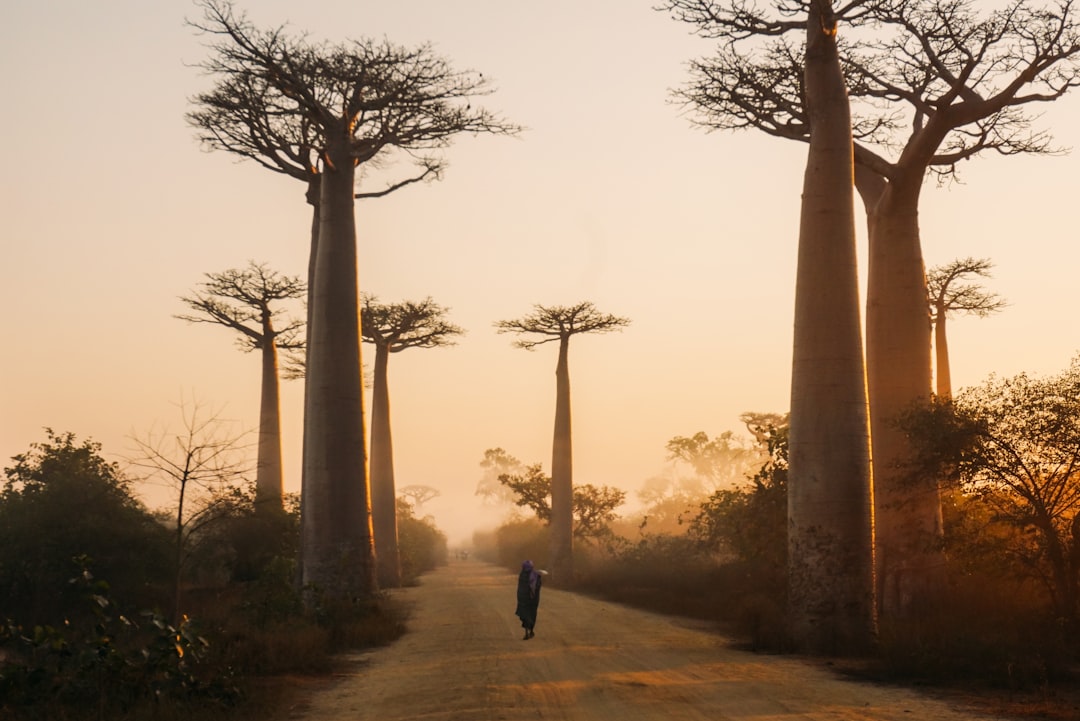
Madagascar safari in September 2026 combines world-class whale watching with peak wildlife viewing in one of Africa's most unique ecosystems. September marks the tail end of Madagascar's dry season, bringing perfect conditions for spotting humpback whales migrating through coastal waters and observing lemurs at their most active.
This month is special because multiple natural events align perfectly. The weather is dry and cool, lemurs are actively breeding and feeding, endemic bird species display their breeding plumage, and humpback whales are still concentrated in Madagascar's coastal waters before migrating back to Antarctic feeding grounds. You get the best of both worlds: incredible land-based wildlife viewing and exceptional marine mammal encounters.
A Madagascar safari in September typically includes visits to multiple ecosystems: rainforests teeming with lemurs, dry deciduous forests, limestone formations called tsingy, and coastal areas for whale watching expeditions. Most packages combine 4–7 days of land-based wildlife touring with 2–4 days of whale watching on the coast.
The experience differs significantly from traditional African safaris. Instead of seeing lions and elephants, you encounter 100+ lemur species found nowhere else on Earth, plus chameleons, fossas, and over 300 bird species. Whale watching adds a marine dimension absent from mainland African safaris, making Madagascar uniquely comprehensive for wildlife lovers.
Why September Matters for Your Safari
September is the peak month for two major wildlife events in Madagascar. Whale watching reaches its second-highest concentration (after August) with humpback whales actively feeding and breaching in coastal waters. Simultaneously, lemur activity peaks as breeding season intensifies, making animals more visible and vocal throughout forests.
The weather in September creates ideal conditions for both activities. Daytime temperatures hover around 27°C (81°F), cool enough for comfortable hiking without intense heat. Rainfall drops below 50mm, meaning dry conditions for rainforest exploration and clear skies for whale watching expeditions. This combination makes September arguably the second-best month for Madagascar safari, just behind August.
Additionally, September marks peak birdwatching season. Many endemic bird species display breeding plumage and actively build nests, making identification easier and photography more rewarding. Cultural festivals occur during this time, offering opportunities to experience local traditions alongside wildlife viewing.
Key Details: Planning Your September 2026 Madagascar Safari
Pricing and Package Options
Madagascar safari packages combining wildlife and whale watching range from $5,994 to $15,295 per person for 12-day trips in 2026. Group tours limited to 12 guests start at $5,994, while luxury small-group expeditions reach $15,295. Mid-range options typically cost $8,000–$12,000 per person.
Shorter 6-day safaris focusing primarily on wildlife cost less, starting around $3,409 for group tours. These packages emphasize rainforest exploration and lemur viewing without extensive whale watching. If whale watching is your priority, expect to add $1,500–$3,000 to your budget for dedicated coastal expeditions.
Most prices include accommodation in lodges or camps, meals, guided activities, and internal transportation. International flights to Madagascar are typically not included. Verify what each package covers before booking, as some operators charge separately for whale watching excursions or premium accommodations.
What You'll See and Experience
Humpback whale sightings are nearly guaranteed in September. These massive marine mammals migrate through Madagascar's coastal waters, breaching and displaying their acrobatic behavior. Whale watching expeditions typically last 4–6 hours, departing early morning for best conditions. You'll also encounter smaller dolphins and occasionally sea turtles.
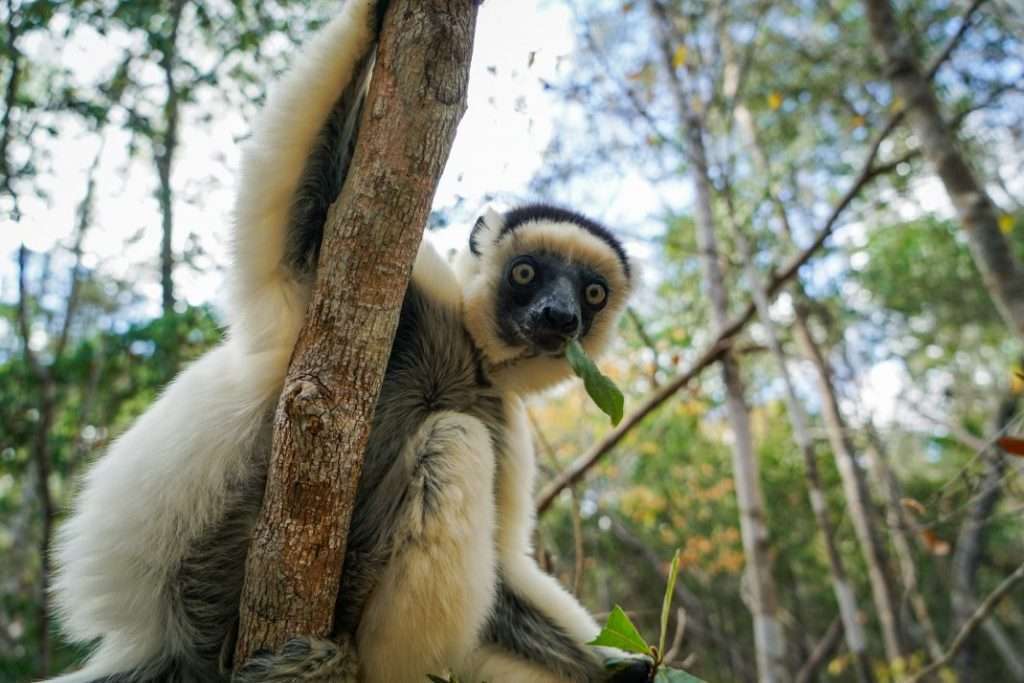
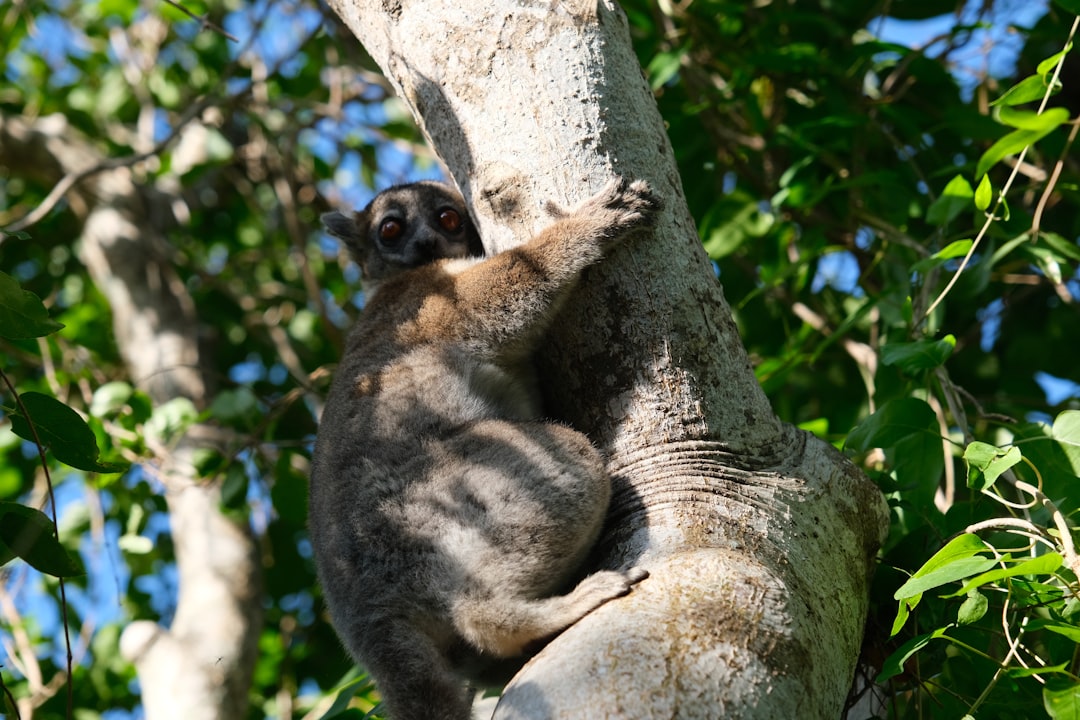
On land, lemur encounters are the highlight. Ring-tailed lemurs, sifakas, indris, and dozens of other species populate Madagascar's forests. September's breeding activity makes them more active and vocal, increasing your chances of close observations. Indris, the largest living lemurs, produce haunting calls that echo through rainforests—an unforgettable experience.
Chameleons thrive in September conditions. Madagascar hosts over 50 chameleon species, many endemic. Nocturnal nature walks reveal these color-changing reptiles hunting insects under moonlight. Day hikes through forests reveal Parson's chameleons, panther chameleons, and pygmy varieties.
Birdwatching enthusiasts find September exceptional. Madagascar hosts over 300 bird species, 60% found nowhere else. September's breeding season means birds display vibrant plumage and actively sing territorial songs. Guides can help identify rare species like the Madagascar fish eagle and various vangas.
Weather and What to Pack
September weather in Madagascar is ideal for safari activities. Daytime temperatures average 27°C (81°F), dropping to around 15°C (59°F) at night in some areas. Rainfall is minimal, typically under 50mm for the entire month. This creates dry conditions perfect for hiking and wildlife viewing without oppressive heat.
Pack lightweight, breathable clothing for daytime activities. Bring a warm fleece or jacket for early morning game drives and cool evenings. Sun protection is essential—high-altitude areas and coastal zones receive intense UV radiation. Waterproof gear remains useful despite low rainfall, as rainforest hikes can be wet from morning dew and vegetation moisture.
For whale watching, bring seasickness medication if prone to motion sickness. Ocean swells can be rough, though September conditions are generally calmer than winter months. Polarized sunglasses reduce water glare and help spot whale spouts from distance.
Planning Your September 2026 Madagascar Safari: Practical Guide
Getting Started: When to Book
Book your Madagascar safari 4–6 months in advance, ideally by March 2026 for September departures. Popular operators fill quickly for peak season, and early booking secures better pricing and preferred departure dates. Many tour companies offer 10–15% discounts for advance bookings made more than 5 months ahead.
Last-minute bookings (1–2 months before travel) are possible but expensive. You'll pay premium prices and have limited package options. Some operators release cancellations in July–August, offering deals if you're flexible with exact dates.
Start by exploring verified operators on SafariFind. Compare package inclusions, read authentic traveler reviews, and request quotes from multiple companies. This helps you understand pricing variations and identify operators matching your preferences and budget.
Choosing Between Wildlife-Focused and Whale-Watching-Focused Packages
Decide your priority before booking. Wildlife-focused packages emphasize rainforest exploration, lemur tracking, and birdwatching, typically lasting 6–8 days. These cost less ($5,994–$8,500) and minimize time on boats. Choose this if you prefer land-based activities and have limited vacation time.
Whale-watching-focused packages dedicate 3–5 days to coastal expeditions and marine wildlife. These cost more ($10,000–$15,295) but offer unmatched whale viewing opportunities. Choose this if whale watching is your primary goal and you have 10+ days available.
Combination packages balance both experiences. You'll spend 3–4 days in rainforests, 2–3 days whale watching, and 1–2 days on beaches or exploring other ecosystems. These mid-range options ($8,000–$12,000) suit most travelers and provide comprehensive Madagascar experiences.
Visa and Travel Logistics
Most international visitors need a visa to enter Madagascar. Tourist visas are issued on arrival for many nationalities, costing about $35–$50 USD. Check specific requirements for your country before travel. Bring passport copies and proof of onward travel.
International flights typically connect through Antananarivo, Madagascar's capital. Most safaris begin and end here. Major airlines including Air France, Kenya Airways, and Qatar Airways offer connections. Flight time from Europe is 12–14 hours; from North America, 18–20 hours.
Travel insurance is strongly recommended. Ensure your policy covers wildlife activities, marine expeditions, and evacuation from remote areas. Madagascar's healthcare infrastructure is limited outside major cities, making evacuation insurance valuable.
Best Practices for September Safari Success
Arrive 1–2 days before your safari begins. This reduces jet lag effects and allows time for last-minute preparations. Antananarivo has excellent hotels where you can acclimate and rest.
Bring binoculars for wildlife viewing. Quality optics dramatically improve your ability to spot distant lemurs, birds, and whales. Pack a field guide to Madagascar wildlife for species identification between guided activities.
Stay hydrated during hiking activities. Rainforest exploration is physically demanding. Carry water bottles and electrolyte drinks. Your operator typically provides lunch and snacks, but bringing personal energy bars helps maintain stamina.
Follow your guide's instructions for wildlife safety. Lemurs are wild animals and maintain distance naturally, but respecting their space prevents stress and ensures better viewing. Never attempt to feed or touch wildlife. Photography ethics matter—don't use flash at night or disturb animals for photos.
For whale watching, take seasickness prevention seriously. Eat a light breakfast before boat departures, avoid alcohol the previous night, and consider medication if you're prone to motion sickness. Staying on deck and focusing on the horizon often helps.
Learn basic Malagasy phrases. Locals appreciate effort to speak their language. Simple greetings and "thank you" build rapport with guides and community members, enriching your cultural experience.
Comparing September to Other Peak Months
August is technically the peak whale-watching month, with humpback whale concentrations at their annual maximum. However, August attracts more tourists and commands higher prices. September offers nearly identical whale watching with fewer crowds and slightly lower costs.
July remains excellent for both whale watching and wildlife viewing, but rainfall is slightly higher and temperatures cooler. If you prefer fewer tourists and don't mind potentially less reliable whale sightings, July offers better value.
October marks the end of peak season. Whale watching declines as whales migrate away. However, baby lemurs become more visible, creating different wildlife opportunities. October is ideal if lemur babies are your priority rather than whale watching.
For comprehensive whale watching plus peak wildlife activity, September represents the sweet spot between August's peak marine conditions and October's peak terrestrial conditions.
Why Madagascar Safari in September Beats Other Destinations
Unique Wildlife You Can't See Elsewhere
Madagascar evolved in isolation for 88 million years, creating wildlife found nowhere else on Earth. Over 90% of Madagascar's mammals are endemic, meaning they exist only in Madagascar. This uniqueness makes Madagascar safari fundamentally different from African mainland safaris. You won't see lions, elephants, or giraffes, but you will encounter lemurs, chameleons, and fossas unavailable anywhere else.
Whale watching adds another dimension. Most African safaris don't include marine wildlife. Madagascar combines terrestrial and marine ecosystems in a single trip, offering diversity unmatched by traditional safari destinations. This combination justifies the cost for many travelers.
Better Value Than You'd Expect
Madagascar safari costs less than comparable experiences in Botswana or Tanzania. A 12-day Madagascar safari with whale watching ($5,994–$15,295) costs similarly to a 10-day Botswana safari ($6,000–$14,000) but includes more diverse wildlife and marine experiences. When comparing cost per wildlife experience, Madagascar offers exceptional value.
Budget accommodations in Madagascar cost less than equivalent lodges in Botswana or Kenya. This pricing advantage extends throughout the region, making Madagascar an excellent choice for budget-conscious travelers seeking premium experiences at reasonable costs.
Fewer Tourists Than Peak African Destinations
While September is peak season in Madagascar, visitor numbers remain lower than Kenya's Masai Mara or Tanzania's Serengeti during peak season. This means less crowded wildlife viewing, shorter waits at popular sites, and more intimate experiences with guides. You get premium wildlife viewing without the safari tourism congestion of mainstream African destinations.
Key Takeaways
- Book your September 2026 Madagascar safari 4–6 months ahead to secure availability and save 10–15% on early-booking discounts.
- Expect to pay $5,994–$15,295 per person for 6–12 day packages combining wildlife and whale watching in September 2026.
- Pack lightweight clothing, sun protection, and binoculars to maximize wildlife viewing during September's ideal 27°C weather conditions.
- Prioritize packages balancing rainforest wildlife (lemurs, chameleons, birds) with coastal whale watching for the most comprehensive Madagascar experience.
- Book through verified SafariFind operators to compare authentic traveler reviews and ensure your chosen tour company matches your budget and interests.
Frequently Asked Questions
Is September the best month for Madagascar safari whale watching?
August is technically the peak whale-watching month with the highest humpback concentrations. However, September offers nearly identical whale watching with fewer tourists and lower prices. Both months are excellent for marine wildlife viewing, making September the better choice for budget-conscious travelers.
How much does a Madagascar safari cost in September 2026?
Madagascar safari packages combining wildlife and whale watching range from $5,994 to $15,295 per person for 12-day trips in 2026. Group tours with 12-person maximum size start at $5,994, while luxury small-group expeditions reach $15,295. Mid-range options typically cost $8,000–$12,000 per person.
What wildlife will I see on a September Madagascar safari?
You'll see humpback whales, 100+ lemur species (including ring-tailed lemurs and indris), over 50 chameleon species, fossas, and more than 300 bird species. September's breeding season makes animals more active and visible. Most wildlife is endemic to Madagascar, found nowhere else on Earth.
What's the weather like in Madagascar during September?
September brings ideal conditions with daytime temperatures around 27°C (81°F) and under 50mm of rain. Nights are cool, around 15°C (59°F) in some areas. This is Madagascar's dry season, perfect for rainforest hiking and whale watching expeditions with minimal weather disruptions.
How does Madagascar safari compare to Tanzania or Botswana safari?
Madagascar safari offers unique endemic wildlife unavailable in Tanzania or Botswana, plus whale watching experiences. Costs are comparable ($5,994–$15,295 for Madagascar vs. $6,000–$14,000 for Botswana), but Madagascar delivers more diverse ecosystems in a single trip. If you seek unique wildlife and marine experiences, Madagascar offers better value than mainland African destinations.
Where should I book my Madagascar safari?
Book through verified operators on SafariFind to compare authentic traveler reviews, package inclusions, and pricing. SafariFind connects you with established tour companies offering 6–12 day packages throughout Madagascar. Request quotes from multiple operators to find the best match for your budget, interests, and travel dates in September 2026.
Conclusion
Madagascar safari in September 2026 represents one of Africa's premier wildlife experiences, combining world-class whale watching with encounters with 100+ endemic lemur species and extraordinary biodiversity. September offers the ideal blend of peak whale-watching conditions, active lemur populations, and favorable weather around 27°C with minimal rainfall.
Expect to invest $5,994–$15,295 per person for a comprehensive 6–12 day package. This cost delivers exceptional value compared to mainland African safaris, especially considering Madagascar's unique endemic wildlife and combination of terrestrial and marine ecosystems. Book 4–6 months ahead to secure availability and access early-booking discounts.
The experience differs fundamentally from traditional African safaris. Instead of spotting lions and elephants, you'll track lemurs through rainforests, observe chameleons on nocturnal walks, photograph endemic birds in breeding plumage, and witness humpback whales breaching in coastal waters. This combination creates memories impossible to replicate elsewhere.
Start planning your September 2026 Madagascar safari today. Explore verified safari packages on SafariFind to compare options from established tour operators. Read authentic reviews from past travelers, request quotes matching your budget, and secure your place in this extraordinary destination before peak-season availability fills. Your Madagascar adventure awaits.
Plan Your Safari with SafariFind
These recommendations use real data from SafariFind, where you can compare operators, browse packages, and read verified traveler reviews before you book.
Recommended Safari Operators from SafariFind
Recommended Safari Packages from SafariFind
What Travelers Say (SafariFind Reviews)
References
- Whale Watching in Africa, Best Destinations & Seasons – Africa Tour Operators
- Madagascar Wildlife Adventure 2026 – San Diego Zoo Wildlife Alliance Adventures
- Madagascar Safari July-September: Whale Watching 2026 – SafariFind
- Best Time to Visit Madagascar: 2026 Wildlife & Weather Guide – Wau Madagascar
- Madagascar Group Tours 2026-2027: Limited Safari Departures – HT Agency Tours
- Madagascar Travel Guide – African Budget Safaris
- Best Time to Visit Madagascar – Safari Guide
- Best Time to Visit Madagascar: Month-by-Month Weather Guide 2026 – Pack Lightly
Sources
- Whale Watching in Africa, Best Destinations & Seasons
- Madagascar Wildlife Adventure 2026 – San Diego Zoo Wildlife Alliance
- Madagascar Safari July-September: Whale Watching 2026
- Best Time to Visit Madagascar: 2026 Wildlife & Weather Guide
- Madagascar Group Tours 2026-2027: Limited Safari Departures
- Madagascar Travel Guide
- Best Time to Visit Madagascar
- Best Time to Visit Madagascar: Month-by-Month Weather Guide 2026
Related to
Ready to start your safari adventure?
Explore curated safari packages and find your perfect African adventure with verified operators.