Mkhaya Game Reserve Walking Safari 2027: Prices & Tour Operators
Mkhaya Game Reserve walking safaris start from ZAR 3,410 per person in 2027. Book through verified operators, compare packages, and plan your Eswatini safari adventure.
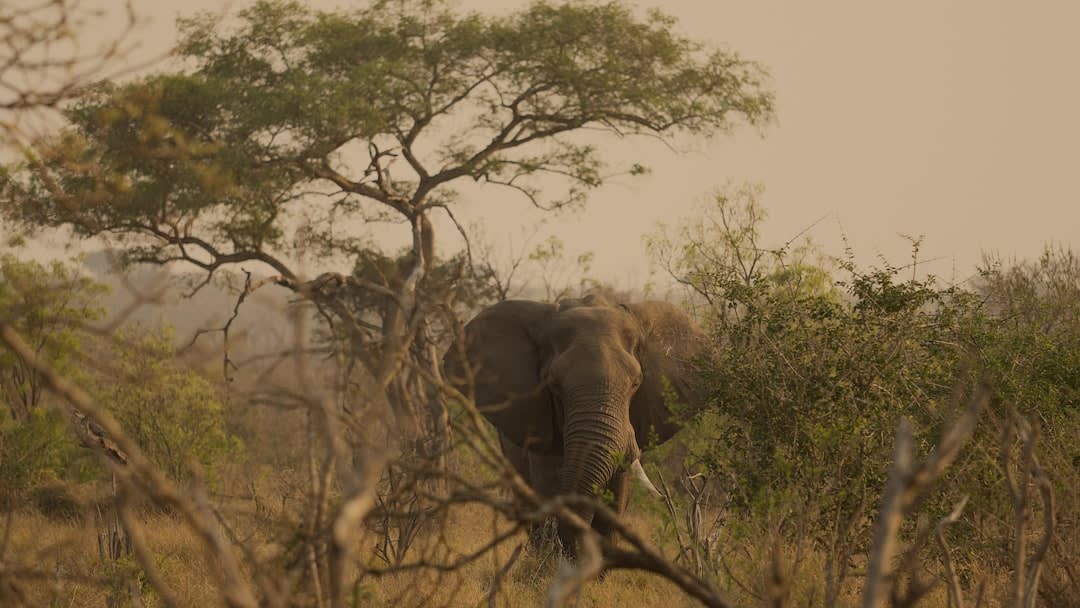
Mkhaya Walking Safari 2027: Prices
Last updated: August 2026
Mkhaya Game Reserve walking safaris in Eswatini start from ZAR 3,410 per person sharing in 2027. The best time to visit is May through September for cooler weather and excellent wildlife viewing. Book through verified tour operators on SafariFind to compare packages, read authentic reviews, and request custom quotes for your perfect safari experience.
At a Glance
- Cost: ZAR 3,410–ZAR 4,430 per person (Dinner, Bed & Breakfast)
- Best time: May–September (cool, dry season with prime wildlife viewing)
- Duration: 3–7 days recommended for immersive experience
- Best for: Wildlife photographers, rhino enthusiasts, nature lovers seeking intimate walking safaris
- Getting there: Fly into Johannesburg, South Africa; drive 5–6 hours to Eswatini
- Wildlife highlights: Black rhinos, nyala, warthogs, guineafowl, endangered species
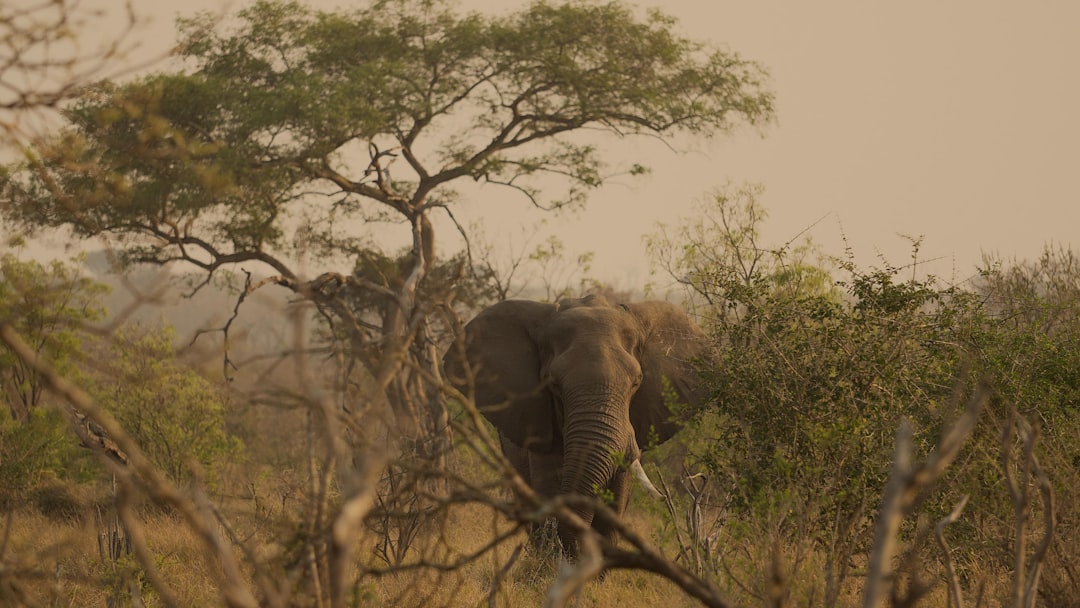
What Is Mkhaya Game Reserve Walking Safari?
Mkhaya Game Reserve walking safari is an on-foot wildlife experience in southeastern Eswatini where you explore pristine bush landscapes with expert guides. Unlike vehicle safaris, you walk through dry riverbeds, rocky outcrops, and grasslands to encounter black rhinos and other endangered species up close.
The reserve covers thousands of acres staffed entirely by local Swazi communities. Mkhaya has Africa's most effective anti-poaching unit, protecting some of the continent's rarest wildlife. Your base is Stone Camp, a rustic lodge where animals roam freely—nyala graze near your room, warthogs shuffle past, and guineafowl move through the trees.
Walking safaris at Mkhaya differ from traditional game drives. You move slowly through the landscape, spot tracks and droppings, and learn animal behavior from experienced trackers. This immersive approach creates deeper connections with nature and higher success rates for rhino sightings. The experience is physically moderate—guides adjust pace for all fitness levels.
Key Features of Mkhaya Walking Safaris
Mkhaya offers several distinctive elements that set it apart. The reserve's anti-poaching success means rhino populations remain stable and visible. Walking on foot gives you sensory experiences impossible from a vehicle—smell the dust, hear bird calls, feel the African heat.
Stone Camp provides basic but comfortable accommodation with meals included. The lodge sits within the reserve, so wildlife visits your doorstep throughout the day. This immersion is the core appeal—you're not observing nature from a distance but living within it.
Guides share deep knowledge of plant and animal ecology. They teach you to read animal signs, understand predator-prey dynamics, and appreciate conservation efforts. Many guides grew up in neighboring communities and bring personal stories to the experience.
Why Mkhaya Matters for Safari Travelers
Mkhaya addresses a growing demand for authentic, low-impact wildlife experiences. Mass tourism has transformed many African reserves into crowded circuits. Mkhaya's walking-only model limits visitor numbers and preserves the wilderness feel.
The reserve's conservation mission resonates with travelers seeking purpose beyond recreation. Your visit directly funds anti-poaching patrols and community development. This transparency appeals to ethical travelers who want their money supporting real protection work.
For photographers, Mkhaya offers unique opportunities. Walking gets you closer to animals than vehicles. You can photograph from ground level, capturing intimate moments and behavioral details. Early morning walks yield the best light and highest activity levels.
Mkhaya Walking Safari Pricing in 2027
Mkhaya Game Reserve walking safari pricing varies by accommodation type and length of stay. As of August 2026, the Dinner, Bed & Breakfast package at Stone Camp costs ZAR 3,410 per person sharing. Single rooms cost ZAR 4,430, while a third additional sharing drops to ZAR 2,725. These rates are confirmed for 2027 bookings.
Accommodation Rate Breakdown
Stone Camp offers three pricing tiers based on room occupancy. Per-person sharing rates are cheapest when you split costs with others. Solo travelers pay single supplements, while groups of three or more get the third-person discount.
| Package Type | Per Person Sharing | Third Additional Sharing | Single Room |
|---|---|---|---|
| Dinner, Bed & Breakfast (DBB) | ZAR 3,410 | ZAR 2,725 | ZAR 4,430 |
| 24-Hour Package (includes lunch) | ZAR 4,065 | ZAR 3,250 | ZAR 5,085 |
The 24-hour package adds lunch to your daily meals, boosting cost by about 20 percent. Many travelers choose this option for convenience—you don't leave camp to eat, maximizing wildlife viewing time.
Conservation Fees and Supplements
Beyond accommodation, Mkhaya charges additional conservation fees. These fund anti-poaching operations and community programs. Conservation fees total ZAR 665 per person for multi-day stays.
Single supplements apply if you want a private room. A 7-night lodge stay adds USD 2,355 (approximately ZAR 43,000) to your total cost. If you combine lodge nights with camping, the supplement drops to USD 2,280.
Optional add-ons enhance your experience. A 2-night rhino-focused extension costs extra but guarantees dedicated black rhino tracking with expert trackers. This premium experience suits serious wildlife enthusiasts and photographers.
Cost Comparison: How Mkhaya Stacks Against Other Eswatini Safaris
Walking safaris at Mkhaya cost more than vehicle-based alternatives but less than luxury lodges. A Hlane Royal National Park night drive costs less per night but offers fewer rhino sightings. Luxury resorts in the region charge ZAR 6,000–ZAR 8,000 per person.
Mkhaya's value proposition is authentic wilderness immersion at mid-range pricing. You get expert guides, rhino access, and conservation impact without luxury resort markup.
Tour Operators and How to Book Mkhaya Walking Safaris
Several established tour operators manage Mkhaya bookings and custom packages. Big Game Parks, the reserve's parent organization, handles direct bookings. African Horse Safaris offers multi-day itineraries combining Mkhaya walks with other Eswatini experiences.
Booking Through SafariFind
SafariFind connects you with verified tour operators offering Mkhaya packages. You can compare operators, read authentic traveler reviews, and request custom quotes directly through the platform. This transparency helps you find operators with strong reputations and fair pricing.
Browse verified Mkhaya walking safari packages on SafariFind to see current availability, ratings, and traveler feedback. Many operators offer flexible booking terms and can customize itineraries for groups or special interests.
Direct Booking vs. Package Tours
You can book Mkhaya directly through Big Game Parks or via tour operators. Direct booking saves middleman costs but requires more planning. You arrange flights, ground transport, and meals independently.
Package tours handle logistics for you. Tour operators arrange flights from Johannesburg, ground transport to Mkhaya, meals, and guided walks. They charge a markup but save you time and reduce coordination stress. Most packages include airport transfers and pre-arrival support.
Budget-focused travelers book direct and self-drive from Johannesburg (5–6 hours). Convenience-focused travelers use operators who manage everything. Mid-range travelers often use operators for international flights but book Mkhaya lodging separately.
Best Time to Book for 2027
Book Mkhaya 3–6 months ahead for peak season (May–September) to secure preferred dates and potential discounts. Early bookings sometimes include 10–15 percent savings. Last-minute bookings (within 4 weeks) have limited availability and no discounts.
Off-season (October–April) has easier availability and lower rates. However, November through March brings rain, reducing visibility and animal activity. December and January are hottest—wildlife moves to waterholes but guides struggle with heat.
Group bookings (6+ people) qualify for discounts of 15–20 percent. Operators often combine group bookings to meet minimum numbers. If you're flexible on dates, groups can negotiate better rates through SafariFind's verified operators.
What to Expect on Your Mkhaya Walking Safari
Your Mkhaya experience follows a daily rhythm centered on wildlife activity. Early morning walks (5:30–7:30 AM) offer the best rhino sightings and coolest temperatures. Afternoon walks (3:00–5:00 PM) reveal different animal behavior as creatures prepare for evening. Optional night walks (available seasonally) showcase nocturnal species.
Daily Schedule and Activities
Most days begin before sunrise. Your guide collects you from Stone Camp with water, binoculars, and field guides. You walk 5–10 kilometers depending on conditions and fitness levels. Guides adjust pace for your comfort and stop frequently for observation and photography.
Midday brings rest and meals at camp. You relax, review photos, journal, or nap. The afternoon walk covers new territory or revisits promising areas. Evening brings dinner around 7:00 PM, followed by campfire stories and wildlife discussions.
Walking safaris are not strenuous but require reasonable fitness. You walk on uneven terrain in heat. Bring sturdy hiking boots, sun protection, and plenty of water. Guides carry first aid and emergency supplies but medical facilities are distant.
Wildlife You'll Encounter
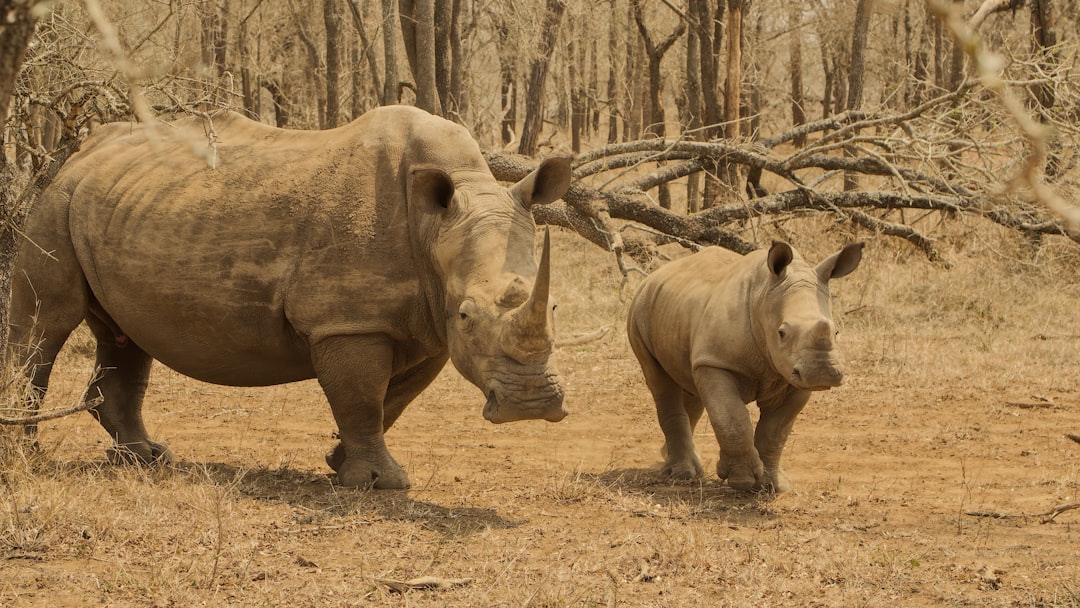
Black rhinos are Mkhaya's signature species. The reserve protects one of Africa's largest black rhino populations. Walking safaris achieve 70–80 percent rhino sighting success in peak season. You may see mothers with calves, solitary bulls, or family groups.
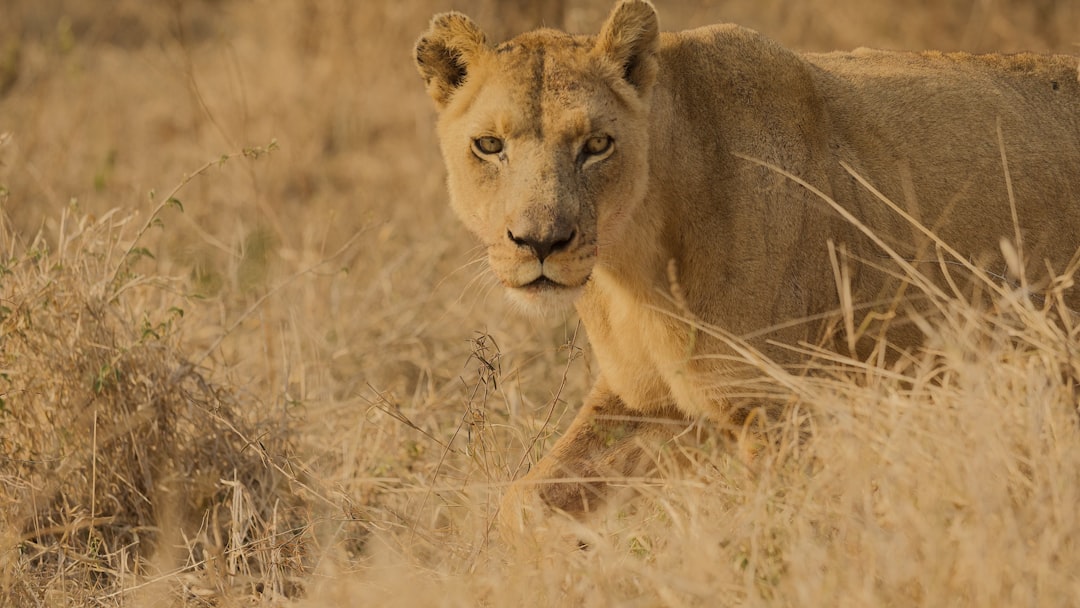
Nyala—a striking antelope with spiral horns—frequent Stone Camp itself. Warthogs, guineafowl, and other birds are daily sightings. Occasional sightings include kudu, zebra, and hyena. Predators like leopards and wild dogs are rare but possible.
The reserve's anti-poaching success means healthy animal populations. You're not competing with hundreds of vehicles for sightings like at famous parks. This exclusivity is Mkhaya's greatest appeal.
Accommodation and Meals
Stone Camp offers rustic comfort—solid beds, en-suite bathrooms, and reliable meals. Rooms have no electricity or WiFi, creating true wilderness immersion. Meals are simple but hearty: porridge and fruit for breakfast, sandwiches for lunch, stews and vegetables for dinner.
The camp's open design means you dine together, sharing stories and observations. This communal aspect builds friendships among travelers. Guides often join meals and answer questions about conservation and local culture.
Water is available but limited—brief showers are the norm. The lack of modern amenities appeals to nature-focused travelers but challenges those needing constant connectivity. Consider this carefully when booking.
Planning Your Mkhaya Walking Safari Trip
Successful Mkhaya trips require thoughtful preparation. You'll need proper gear, health precautions, and realistic expectations. Start planning 4–6 months before your preferred travel dates to secure good rates and availability.
Essential Packing List
Bring sturdy hiking boots broken in before arrival. Blisters ruin safaris. Pack neutral-colored clothing (khaki, brown, olive) to blend with the landscape—bright colors spook wildlife. Bring layers for temperature swings between dawn and midday.
Sun protection is critical. Include high-SPF sunscreen, a wide-brimmed hat, and sunglasses. Bring at least 2 liters of water capacity. Binoculars and a camera are essential for wildlife viewing. Consider a telephoto lens (200mm+) for wildlife photography.
Medications matter in remote areas. Bring malaria prophylaxis (consult your doctor), pain relievers, anti-diarrheal medication, and antihistamines. Mkhaya has basic first aid but no doctor. Serious injuries require helicopter evacuation.
Health and Safety Considerations
Malaria is present in lowland Eswatini. Take prophylaxis starting 1–2 weeks before arrival. Sleep under mosquito nets at Stone Camp. Wear long sleeves and pants at dawn and dusk when mosquitoes peak.
Walking safaris involve wildlife encounter risk. Stay with your guide at all times. Never approach animals. Black rhinos can be aggressive if threatened. Your guide's experience keeps you safe—listen to all instructions.
The remote location means help is distant. Serious injuries require air evacuation. Travel insurance covering medical evacuation is strongly recommended. Check your policy covers adventure activities.
Getting to Mkhaya from International Airports
Most travelers fly to Johannesburg's O.R. Tambo International Airport (South Africa's largest hub). From there, drive 5–6 hours northeast to Mkhaya. The route passes through beautiful highveld and lowveld landscapes.
Rental cars are available but self-driving requires local knowledge. Road conditions vary. Many travelers book ground transfers through tour operators, who provide experienced drivers familiar with the route. This costs ZAR 2,000–ZAR 3,000 per vehicle but eliminates stress.
Alternative: Fly Johannesburg to Eswatini's King Mswati III International Airport (near Mbabane), then drive 2 hours to Mkhaya. This saves drive time but domestic flights cost more and run limited schedules.
Nearby Attractions and Multi-Destination Itineraries
Mkhaya pairs well with other Eswatini attractions for extended trips. Hlane Royal National Park offers vehicle safaris and night drives. Mlilwane Wildlife Sanctuary provides hiking and bird watching. Mantenga Nature Reserve features cultural experiences and waterfall hikes.
4-Day Hlane to Mkhaya Combination
A 4-day Hlane to Mkhaya safari itinerary combines vehicle and walking experiences. Day 1–2: Hlane Royal National Park for game drives and night drives. Day 3–4: Mkhaya for walking safaris. This combination costs ZAR 6,500–ZAR 8,000 per person.
Extended Eswatini Safari Tours
Seven-day itineraries add cultural sites like Swaziland National Museum or scenic areas like Ngwenya Mine. These extended tours cost ZAR 10,000–ZAR 14,000 per person and provide comprehensive Eswatini experiences.
Some travelers combine Mkhaya with beach trips to Mozambique. Eswatini to Ponta d'Ouro beach tours add coastal relaxation after safari intensity. These multi-country trips require more planning but create memorable contrasts.
Key Takeaways
- Book Mkhaya walking safaris 3–6 months ahead to secure peak-season dates (May–September) and save 10–15 percent on early-bird rates.
- Expect to pay ZAR 3,410–ZAR 4,430 per person for Dinner, Bed & Breakfast packages at Stone Camp in 2027, plus ZAR 665 conservation fees.
- Combine Mkhaya with nearby attractions like Hlane Royal National Park for 4–7 day itineraries that showcase diverse Eswatini wildlife and culture.
- Choose experienced tour operators through SafariFind to compare packages, read verified reviews, and access transparent pricing from established guides.
- Pack hiking boots, sun protection, and malaria prophylaxis to stay safe and comfortable on walking safaris in remote, wildlife-rich terrain.
Frequently Asked Questions
What is the best time to visit Mkhaya Game Reserve for walking safaris?
The best time is May through September (cool, dry season). Temperatures range 15–25°C, wildlife congregates near waterholes, and vegetation is sparse, improving visibility. Black rhino sightings peak during these months. Avoid November through March (rainy season) when humidity rises, roads become muddy, and animal activity drops.
How much does a Mkhaya walking safari cost in 2027?
Mkhaya walking safaris cost ZAR 3,410 per person sharing for Dinner, Bed & Breakfast in 2027. The 24-hour package (including lunch) costs ZAR 4,065. Single rooms cost ZAR 4,430–ZAR 5,085. Add ZAR 665 conservation fees plus optional transport and activities. Compare verified operator packages on SafariFind for current rates and discounts.
Can I see black rhinos on a Mkhaya walking safari?
Yes. Mkhaya has Africa's most effective anti-poaching unit and one of the largest black rhino populations. Walking safaris achieve 70–80 percent rhino sighting success in peak season (May–September). You may encounter mothers with calves, solitary bulls, or family groups during morning or afternoon walks.
How physically demanding are Mkhaya walking safaris?
Walking safaris require moderate fitness. You walk 5–10 kilometers daily on uneven terrain in heat. Guides adjust pace for all fitness levels and stop frequently for observation. Bring sturdy hiking boots and expect leg soreness after day 1. The experience is not strenuous climbing but steady walking, so reasonable fitness is essential.
Do I need malaria prophylaxis for Mkhaya?
Yes. Malaria is present in lowland Eswatini where Mkhaya sits. Consult your doctor 4–6 weeks before travel to obtain appropriate prophylaxis. Start medication 1–2 weeks before arrival and continue through your stay. Use mosquito nets, wear long sleeves at dawn and dusk, and apply insect repellent for additional protection.
What should I pack for a Mkhaya walking safari?
Pack sturdy hiking boots, neutral-colored clothing (khaki, brown, olive), sun protection (sunscreen, hat, sunglasses), binoculars, camera with telephoto lens, 2+ liters water capacity, malaria prophylaxis, and first aid supplies. Leave behind bright colors, heavy luggage, and electronic devices—Stone Camp has no electricity. Verified tour operators on SafariFind provide detailed packing lists with your booking confirmation.
How do I book a Mkhaya walking safari with a tour operator?
Use SafariFind to browse verified Mkhaya tour operators, compare packages, read authentic traveler reviews, and request custom quotes. Operators handle flights, ground transport, lodge bookings, and guided walks. Book 3–6 months ahead for peak season (May–September) to secure preferred dates and potential discounts. Direct bookings through Big Game Parks cost less but require more personal coordination.
Conclusion
Mkhaya Game Reserve walking safaris deliver authentic African wilderness experiences at accessible prices. Starting from ZAR 3,410 per person in 2027, these immersive journeys combine black rhino encounters, expert guiding, and conservation impact in a remote setting. The reserve's walking-only model limits crowds and creates intimate wildlife connections impossible on vehicle safaris.
Peak season (May–September) offers ideal conditions for rhino sightings and comfortable walking temperatures. Book 3–6 months ahead to secure availability and save on early rates. The 24-hour package with lunch included costs only ZAR 4,065 per person, making multi-day stays economical for groups.
Beyond pricing, Mkhaya represents conservation success. Africa's most effective anti-poaching unit protects endangered black rhinos. Your visit directly funds these protection efforts and community development. This purpose-driven travel appeals to ethical travelers seeking meaningful experiences.
Compare verified Mkhaya walking safari packages on SafariFind today to find operators matching your budget, dates, and interests. Read authentic traveler reviews, request custom quotes, and book with confidence knowing you've chosen trusted, experienced guides. Your Mkhaya adventure awaits in 2027.
References
- Big Game Parks - Mkhaya Game Reserve Accommodation Rates 2027
- Vusa Mkhaya - Wikipedia
- African Horse Safaris - Trail Riding in the Kingdom of Eswatini
- Budget African Adventures - Eswatini Safari Tours
- Undiscovered Destinations - Eswatini Tour Packages 2026–2027
- Responsible Vacation - Eswatini Safaris & Vacations 2026 & 2027
- Native Eye Travel - Lesotho and Eswatini: A Journey Through Twin Kingdoms
- African Travel - 4 Day Eswatini Self-Drive Tour
V2Ui.sources
- Big Game Parks - Mkhaya Game Reserve Accommodation Rates 2027
- Vusa Mkhaya - Wikipedia
- African Horse Safaris - Trail Riding in the Kingdom of Eswatini
- Budget African Adventures - Eswatini Safari Tours
- Undiscovered Destinations - Eswatini Tour Packages 2026–2027
- Responsible Vacation - Eswatini Safaris & Vacations 2026 & 2027
- Native Eye Travel - Lesotho and Eswatini: A Journey Through Twin Kingdoms
- African Travel - 4 Day Eswatini Self-Drive Tour
Related to
Ready to start your safari adventure?
Explore curated safari packages and find your perfect African adventure with verified operators.