Mozambique Safari Animals: Big 5 Chances by Region in 2026
Discover Mozambique Safari Animals: Big 5 Chances by Region in 2026 - Expert guide to safari tourism and wildlife destinations.
Mozambique Safari Animals: Big 5 by Region in 2026
Last updated: August 2026
Mozambique Safari Animals: Big 5 by Region in 2026 are best assessed through Gorongosa National Park, which has the strongest reported Big Five chances in the country. Gorongosa records about 15–20 large mammals per 100 square kilometres in prime areas and more than 500 elephants. Safari prices, trip length, and best travel months depend on the package and operator, so request current quotes before booking.
At a Glance
- Best Big Five region: Gorongosa National Park in central Mozambique
- Wildlife density: About 15–20 large mammals per 100 square kilometres in prime viewing areas
- Elephant population: More than 500 elephants reported in Gorongosa
- Big Five: Lion, leopard, elephant, rhinoceros, and African buffalo
- Price range: Quote-based; no verified 2026 package prices were supplied for this guide
- Best for: Travellers who value strong wildlife viewing and park restoration stories
Mozambique Safari Animals: Big 5 Chances by Region in 2026 is a guide to where your sightings are most likely. The answer is clear: Gorongosa National Park offers Mozambique’s strongest reported Big Five opportunity. The park has high wildlife density, more than 500 elephants, several lion prides, and healthy wild-dog populations. Rhino sightings remain less common.
Quick answer: Gorongosa is the best region for Big Five chances in Mozambique in 2026. Elephants, lions, leopards, and buffalo have reliable reported sightings. Rhinos are harder to find. Use a verified operator, ask for a current wildlife plan, and compare park access, guiding, transfers, and lodge costs before booking.
This guide separates known facts from planning advice. It does not promise a complete Big Five list on one game drive. Wildlife moves, weather changes, and animal behaviour remains unpredictable. Instead, it shows how to choose a region with better evidence, clearer expectations, and a more useful safari plan.
SafariFind connects travellers with verified tour operators and authentic reviews. You can compare package details, read past traveller feedback, and ask operators which sightings they recorded during the latest season.
What Makes Gorongosa the Best Big Five Region?
Gorongosa National Park offers the best reported Big Five chances in Mozambique in 2026. Prime viewing areas hold approximately 15–20 large mammals per 100 square kilometres. That density gives game drives more opportunities to find large predators, elephants, and buffalo. However, rhinos remain less common than the other four animals.
Known for: strong wildlife density and recovery
Gorongosa National Park began major restoration efforts in 2008. The restoration story matters because wildlife viewing depends on habitat protection, law enforcement, local partnerships, and time. The park now reports more than 500 elephants, multiple lion prides, and healthy wild-dog populations.
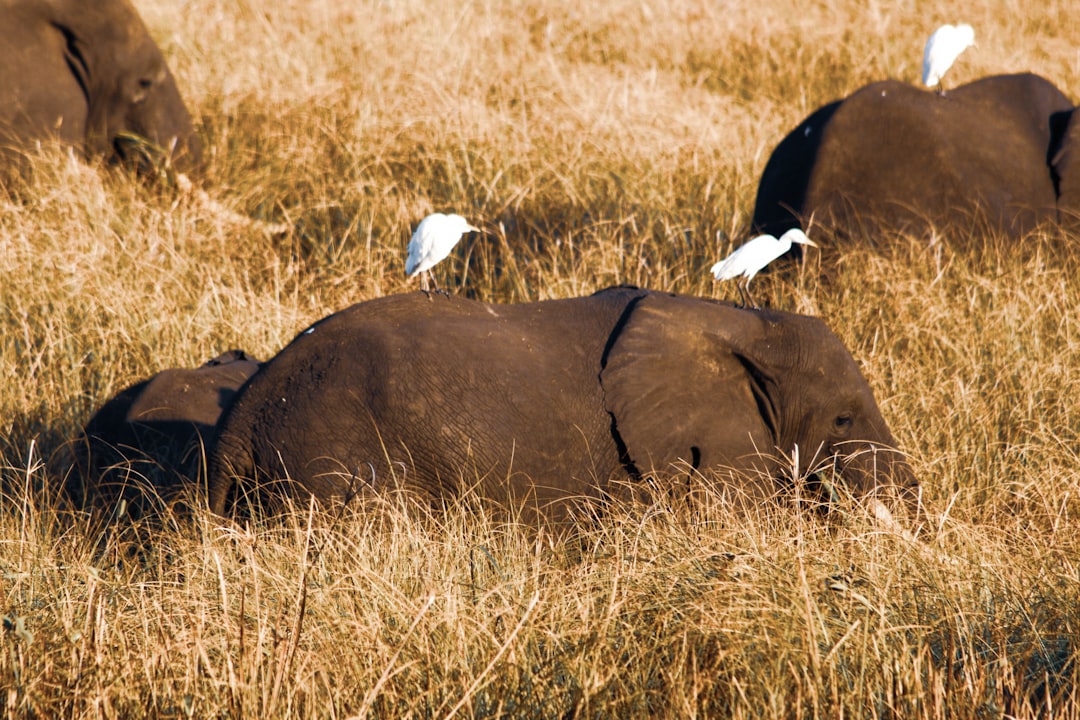
Elephants are among the clearest Big Five targets in Gorongosa. More than 500 elephants are reported in the park, so guides have a strong basis for planning elephant searches. Lions also offer a good target because the park is reported to hold multiple prides. Leopards and buffalo form part of the reported Big Five opportunity, but each sighting still depends on chance and conditions.
The Big Five are lion, leopard, elephant, rhinoceros, and African buffalo. The term began as a hunting label, but modern safari guests use it mainly as a wildlife-viewing goal. A good guide should explain this history and place animal welfare before a checklist.
Why the rhino target needs realistic planning
Rhino sightings are less common in Gorongosa than sightings of elephants, lions, leopards, and buffalo. This does not make the park a poor choice. It means you should treat a rhino sighting as a bonus rather than a promise.
A responsible operator should avoid claims such as “guaranteed Big Five.” No open wildlife area can guarantee five large species on a fixed itinerary. Ask how the operator defines a sighting, how often guides share recent wildlife reports, and whether the trip supports conservation work.
Travellers who want a wider comparison can read the Gorongosa versus Niassa park comparison for 2026. It helps place the strongest current wildlife-density evidence in a broader Mozambique safari plan.
Compare Mozambique safari packages with Gorongosa wildlife access to review routes, operators, and available trip details.
How Do Big Five Chances Compare by Region?
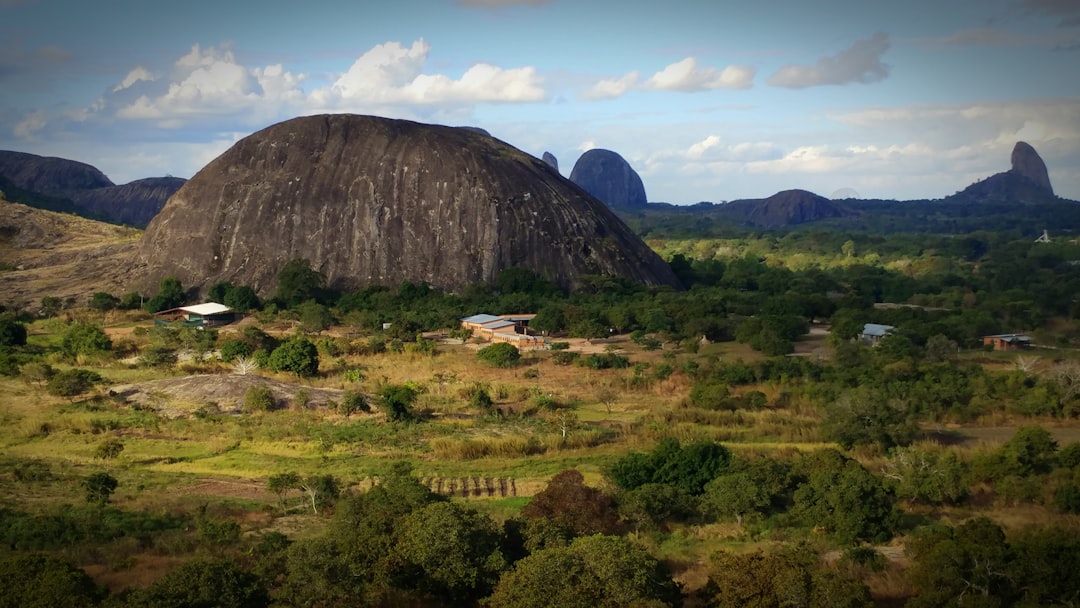
Gorongosa has the strongest documented Big Five position in the supplied 2026 research. Evidence for other Mozambique regions is less detailed in the available data, so travellers should not rank them by guesswork. Compare the strength of wildlife evidence, access, guide experience, and recent reviews before choosing a route.
Gorongosa National Park
Gorongosa National Park is the leading choice for a Mozambique Big Five safari in 2026. Its reported density reaches about 15–20 large mammals per 100 square kilometres in prime viewing areas. The park also reports more than 500 elephants, multiple lion prides, and healthy wild-dog populations.
Best for: first-time Mozambique safari guests, wildlife photographers, families seeking a clear conservation story, and travellers focused on large mammals.
Big Five outlook: strongest reported chances for elephant, lion, leopard, and buffalo; lower chance for rhino.
Planning note: Ask for the current access plan and recent wildlife reports. A guide’s local knowledge can make a major difference when animals spread across a large park.
Niassa and northern wilderness areas
Niassa is a region to research carefully rather than judge from a single Big Five checklist. The supplied 2026 research identifies Gorongosa as Mozambique’s best documented option, but it does not provide a matching animal-density figure for Niassa. Therefore, request current, region-specific evidence before choosing it for a Big Five goal.
Best for: travellers who want a remote wilderness experience and who can accept less certainty about a complete Big Five list.
Big Five outlook: do not assume equal chances to Gorongosa without recent operator records. Ask for the latest sightings, route length, and guide coverage.
Coastal and southern add-on regions
Mozambique’s coastal and southern routes often appeal to travellers combining wildlife with beaches. The supplied research does not provide a verified Big Five probability or animal-density figure for these areas. Treat them as combination routes unless a verified operator gives clear, current wildlife data.
Best for: travellers who want a safari and beach holiday, with wildlife as one part of the trip.
Big Five outlook: insufficient supplied data for a direct ranking against Gorongosa. Confirm the exact park, habitat, drive schedule, and animal records.
| Name | Price | Duration | Rating | Best For |
|---|---|---|---|---|
| Gorongosa National Park | Quote-based | Operator dependent | Not supplied | Strongest documented Big Five chances |
| Niassa region | Quote-based | Operator dependent | Not supplied | Remote wilderness planning |
| Coastal or southern add-on | Quote-based | Operator dependent | Not supplied | Safari and beach combinations |
The table uses only the verified information supplied for this article. SafariFind does not publish a fabricated price, duration, or rating here. Instead, use current package pages and reviews to check the details that match your dates.
Request quotes from verified Mozambique safari operators for your budget and region. Ask each operator to separate park fees, transfers, accommodation, guiding, and beach extensions.
How Should You Plan a Mozambique Big Five Safari?
Start with your main wildlife goal, then choose the region and route around it. If the Big Five are your priority, begin with Gorongosa because the supplied 2026 research gives it the strongest documented chances. If beaches matter equally, add coastal time only after confirming the park portion of your trip.
Step 1: Set a clear sighting goal
Decide whether you want any four large mammals or all five. Gorongosa offers strong reported chances for elephants, lions, leopards, and buffalo, while rhino sightings are less common. This simple distinction helps you choose an honest itinerary and avoid pressure on guides to chase rare animals.
- Choose Gorongosa for the strongest documented Big Five opportunity.
- Place rhino sightings in the “bonus” category.
- Ask for recent sightings from the same season.
- Confirm whether the trip uses private or shared game drives.
Step 2: Check access, time, and comfort
Game viewing improves when you allow enough time for dawn and late-day drives. The supplied research does not set one fixed ideal duration, so an operator should recommend nights based on access and wildlife areas. A short visit can work, but a longer stay gives guides more drives and more chances.
Ask about road transfers, internal flights, walking activities, vehicle type, and lodge location. These details shape your actual time in the bush. A low headline price can offer less value if long transfers replace game drives.
Step 3: Compare conservation and safety information
Gorongosa’s restoration work began in 2008. Ask how your visit supports the park, local communities, and wildlife protection. A trustworthy operator should explain park rules, guide conduct, distance from animals, and emergency procedures in plain language.
Read current safety guidance before you travel. Safari conditions differ by region, road, season, and route. SafariFind’s guide to Mozambique safari safety and regions to choose can help you form better questions for operators.
Step 4: Build a flexible wildlife plan
Use a daily sighting log, but do not measure a safari only by completed checklists. Wild dogs, elephants, birds, landscapes, and conservation stories add real value. Gorongosa is reported to have healthy wild-dog populations, which gives wildlife-focused travellers another major target beyond the Big Five.
The Big Five remain a useful planning term, not a promise. A 2026 Big Five guide updated on 30 January 2026 also treats the animals as major safari targets while stressing the role of timing and location. Your guide should set expectations before the first drive.
For travellers adding the capital or coast, review Maputo-to-safari add-on routes for 2026. For lodge planning, compare the regional options in this guide to eight Mozambique safari lodges.
Key Takeaways
- Choose Gorongosa National Park for Mozambique’s strongest documented Big Five chances in 2026.
- Plan around 15–20 large mammals per 100 square kilometres in Gorongosa’s prime viewing areas, while treating this as a density report rather than a sighting guarantee.
- Prioritise elephants and lions because Gorongosa reports more than 500 elephants and multiple lion prides.
- Keep rhino sightings as a bonus because rhinos are less common than the other reported Big Five targets in Gorongosa.
- Ask for current prices and recent sightings before booking, since the supplied research provides no verified package price, duration, or rating.
Frequently Asked Questions
What are the Big Five animals in Mozambique?
The Big Five are lion, leopard, elephant, rhinoceros, and African buffalo. Mozambique has all five, but the chance of seeing each animal varies by region, habitat, season, guide skill, and time spent on game drives.
Which Mozambique region has the best Big Five chances in 2026?
Gorongosa National Park has the best reported Big Five chances in Mozambique in 2026. The park has about 15–20 large mammals per 100 square kilometres in prime areas, more than 500 elephants, and multiple lion prides. Rhino sightings are less common.
Can I see all five Big Five animals in Gorongosa?
You can search for all five in Gorongosa, but no operator can guarantee a complete Big Five list. Gorongosa offers strong reported chances for elephants, lions, leopards, and buffalo. Rhino sightings are less common, so treat a complete list as a fortunate result.
How much does a Mozambique Big Five safari cost?
A Mozambique Big Five safari has a quote-based price in this guide because no verified 2026 package prices were supplied. Request an itemised quote that lists accommodation, park fees, transfers, meals, guiding, activities, and any beach extension.
How many days do I need for a Mozambique safari?
No single fixed duration is verified in the supplied research. Ask operators to match the trip length to your park access, transfer time, and Big Five goals. More game drives generally give you more search opportunities, but they cannot guarantee sightings.
How can I book a verified Mozambique safari?
SafariFind helps travellers compare verified operators, package details, and authentic reviews. Use the marketplace to request current quotes, check regional wildlife plans, and choose a Mozambique safari that fits your dates and expectations.
Conclusion
Gorongosa National Park is Mozambique’s best documented region for Big Five chances in 2026. Its reported density reaches about 15–20 large mammals per 100 square kilometres in prime areas. The park also has more than 500 elephants, multiple lion prides, and healthy wild-dog populations.
Choose Gorongosa when large mammals are your main goal. Keep rhino sightings as a bonus because they are less common. Choose a wider safari-and-beach route when coastal time matters as much as wildlife. In every case, ask for current prices, recent sightings, access details, and conservation standards.
Compare verified safari packages on SafariFind, read authentic reviews, and request a quote from a verified operator before you decide. A careful comparison will help you build a safer, clearer, and more rewarding Mozambique safari in 2026.


Plan Your Safari with SafariFind
These recommendations use real data from SafariFind, where you can compare operators, browse packages, and read verified traveler reviews before you book.
What Travelers Say (SafariFind Reviews)
References
V2Ui.sources
Related to
Ready to start your safari adventure?
Explore curated safari packages and find your perfect African adventure with verified operators.