Namibia Safari in May–June 2026: Peak Wildlife & Pricing
Plan your May–June 2026 Namibia safari: $3,500–$8,000 per person, peak wildlife viewing in Etosha, comfortable 15–25°C weather. Book 6–12 months ahead.
Namibia Safari May–June 2026: Peak Wildlife & Pricing
Last updated: July 2026
A Namibia safari in May–June 2026 costs $3,500–$8,000 per person for 7–10 days, with peak season pricing but optimal wildlife viewing and comfortable weather. June offers the best balance of dry conditions and active game around waterholes in Etosha National Park. Book 6–12 months ahead through verified operators on SafariFind to compare packages and secure the best rates.
At a Glance
- Cost: $3,500–$8,000 per person for 7–10 days in 2026
- Best time: June for waterhole game viewing and comfortable temperatures
- Duration: 7–10 days recommended for full experience
- Best for: Wildlife photographers, comfort-focused travelers, first-time safari goers
- Wildlife highlights: Etosha's diverse game, desert elephants, leopards, lions, giraffes
- Getting there: Fly into Windhoek International Airport, then internal flights or self-drive
What Is a Namibia Safari in May–June 2026?
A Namibia safari in May–June 2026 is a guided or self-drive wildlife adventure during Africa's peak season, when temperatures drop to comfortable levels and animals gather around shrinking waterholes. This period offers some of the year's best game viewing combined with ideal photography conditions and dry weather across Namibia's remote regions.
May–June represents the sweet spot between winter chill and peak tourist crowds. You'll enjoy dry skies, cool mornings, and concentrated wildlife viewing—especially in Etosha National Park, where thousands of animals converge at remaining water sources. Unlike the rainy season (November–March), you won't battle muddy roads or heavy downpours.
Namibia safari costs in May–June run 20–30% higher than shoulder months like April or September, reflecting peak demand and optimal conditions. However, you get genuine value: fewer tourists than July–August, better wildlife density than shoulder season, and comfortable outdoor temperatures ranging from 15–25°C (59–77°F).
Why Choose May–June for Your Namibia Safari?
May offers ideal conditions for exploring Namibia's remote regions, including Damaraland and the Skeleton Coast. Dry weather keeps roads passable, while cooler temperatures mean you can hike and explore without exhausting heat. Wildlife is active but not frantic—animals still move between waterholes predictably.
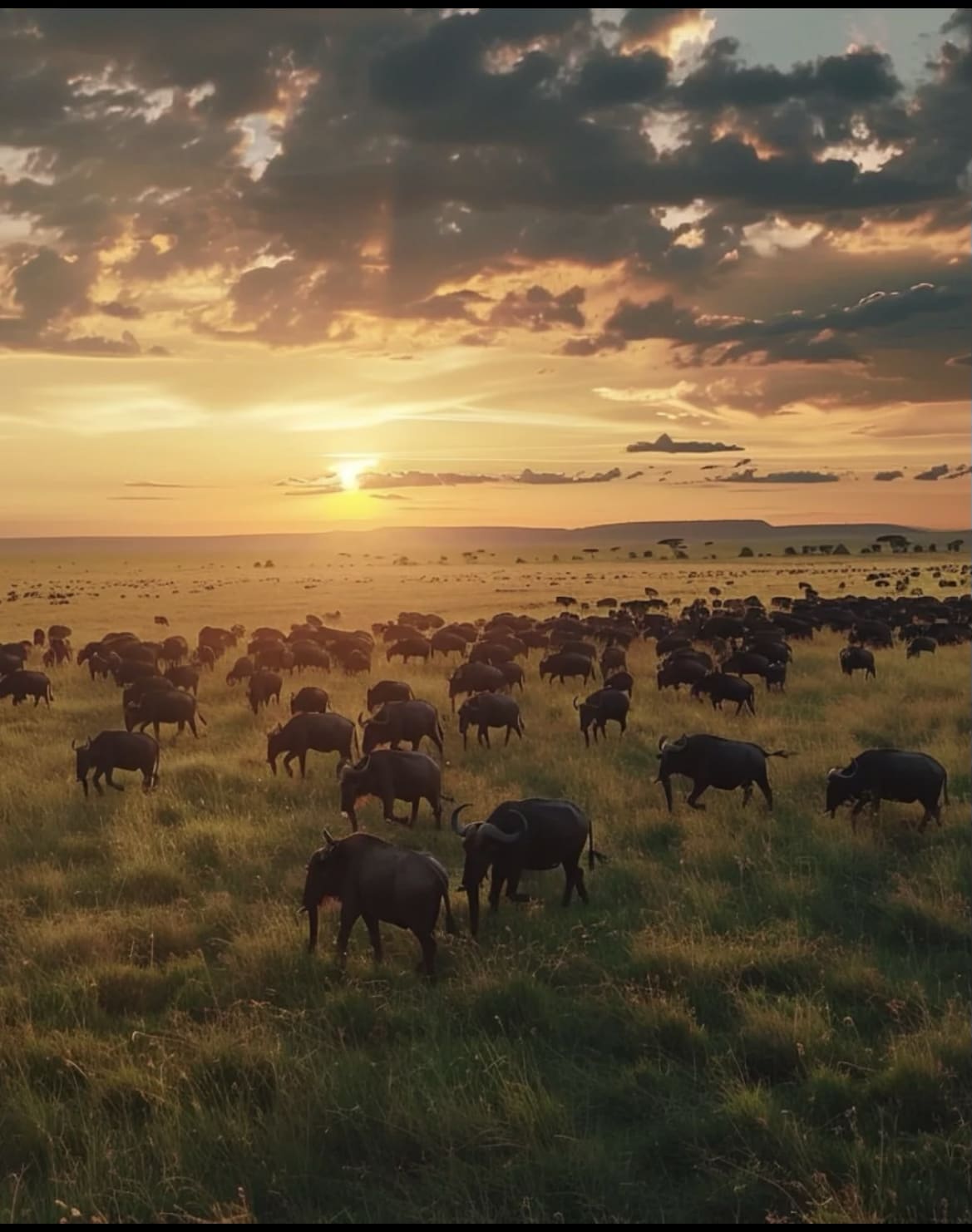
June intensifies the experience. For Etosha's waterhole game viewing, June to October is prime time. Waterholes shrink as rainfall ends, forcing elephants, lions, leopards, and buffalo to visit regularly. You'll sit at a waterhole in the cool morning or late afternoon and watch 20+ species drink within hours.
Self-drive safaris become more feasible in May–June. Namibia provides some of Africa's most affordable self-drive safari options, though costs increase with guided experiences and luxury accommodations. Self-drive adventures start around $150 per person per day, while fully guided trips with lodges range from $250–$500+ daily.
Peak Season Pricing Explained
Namibia safari prices vary dramatically by season. Understanding these patterns helps you save money or secure peak experiences. May–June sits in the premium zone—not quite peak July–August prices, but notably higher than April or September.
A 7-day guided safari with mid-range accommodation runs $3,500–$5,000 per person in May–June. Luxury lodges with private guides push to $6,000–$8,000+. Budget self-drive options with basic guesthouses drop to $2,500–$3,500. Prices spike 15–25% above shoulder season rates due to demand, optimal wildlife, and comfortable conditions.
Book 6–12 months in advance to secure your preferred operator and dates. Last-minute bookings in May–June are possible but often incur 10–15% premiums or limited availability.
Where to Go on Your Namibia Safari in May–June 2026
Namibia's top safari destinations in May–June each offer distinct experiences. Etosha National Park dominates for wildlife density. Damaraland and the Skeleton Coast suit adventure seekers. Sossusvlei delivers dramatic dune landscapes. Combining 2–3 regions creates a complete 7–10 day safari.
Etosha National Park: The Wildlife Hub
Etosha National Park is Namibia's premier wildlife destination, covering 22,915 square kilometers and hosting over 110 mammal species. In May–June, the park transitions from rainy season to dry season, concentrating game around permanent and semi-permanent waterholes.
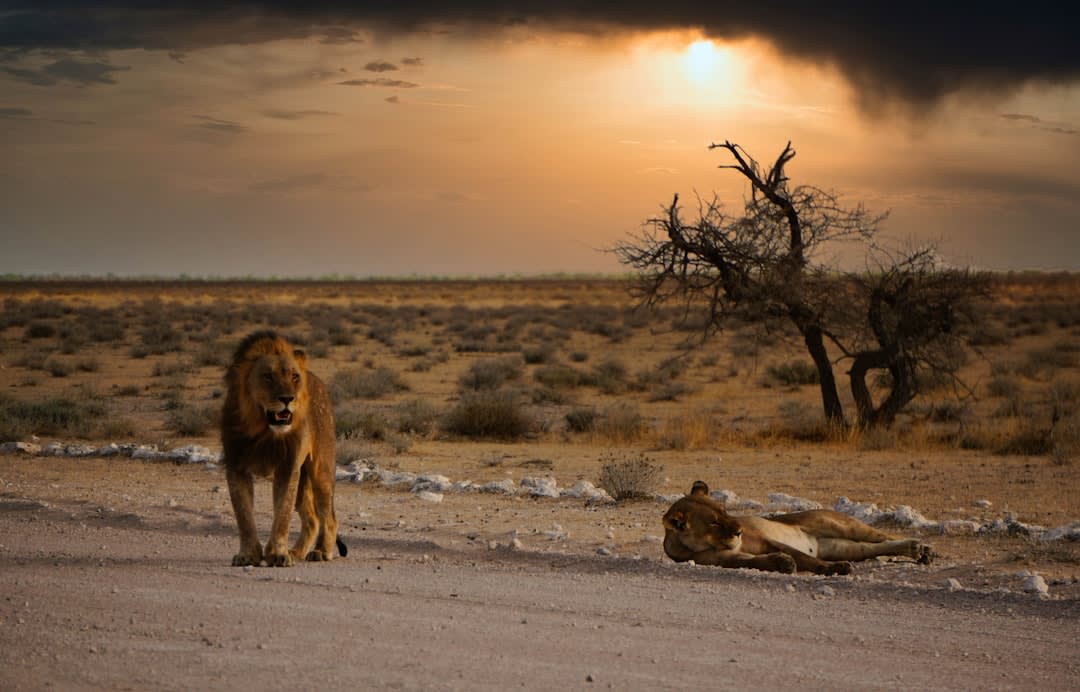
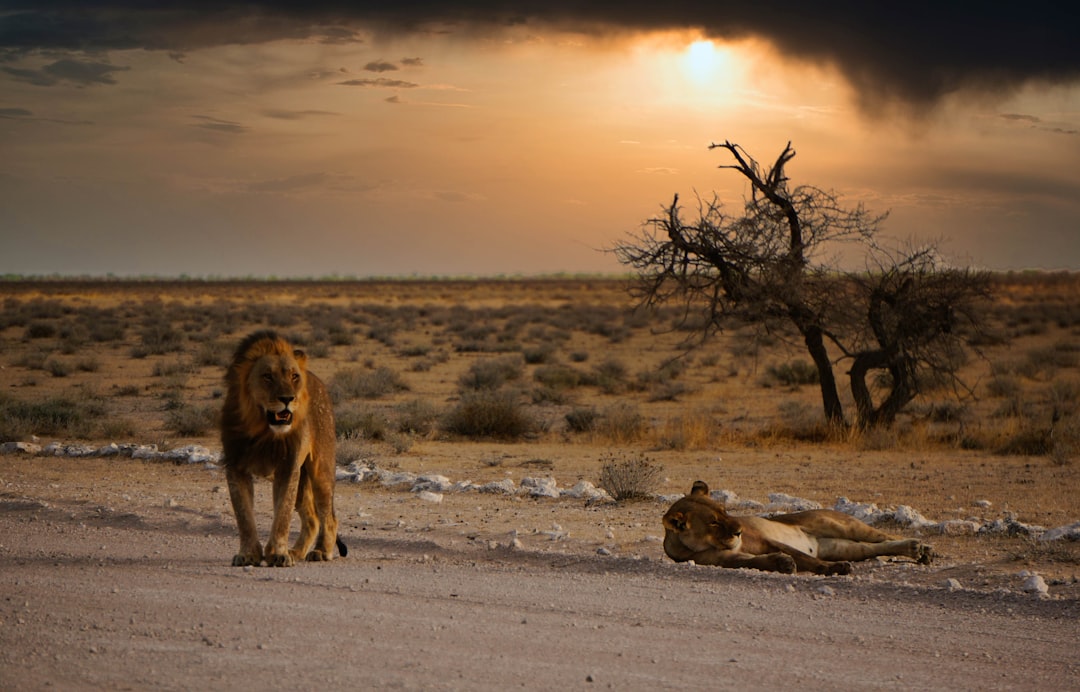
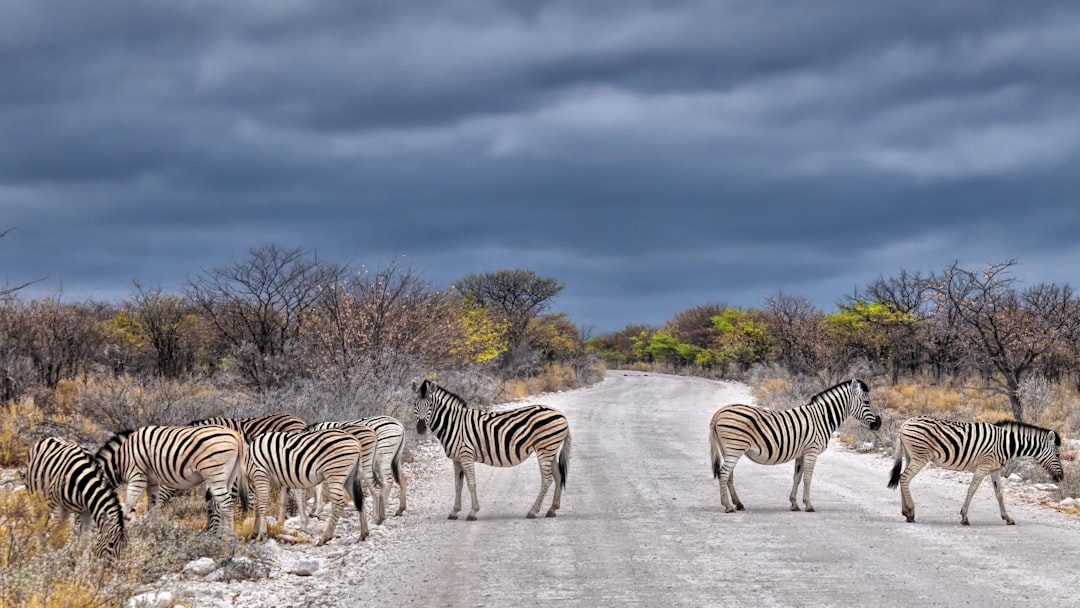
The Etosha Pan—a massive salt flat visible from space—dominates the park. During dry months (May–October), animals circle the pan's edges seeking water. You'll drive between waterholes at dawn and dusk, spotting lions, leopards, elephants, buffalo, giraffes, zebras, and hyenas. Predator sightings increase dramatically as prey clusters at water sources.
Stay at camps like Okaukuejo or Halali within the park for waterhole viewing from your lodge. Alternatively, base yourself in nearby towns like Outjo (1 hour away) for budget accommodation with guided day trips. Most 7-day safaris dedicate 3–4 days to Etosha.
Damaraland: Remote Desert Landscapes
Damaraland offers dramatic mountain scenery, desert-adapted elephants, and archaeological sites—perfect for photographers and adventurers. Located northwest of Windhoek, this semi-arid region receives fewer tourists than Etosha but rewards explorers with unique wildlife and stunning light.
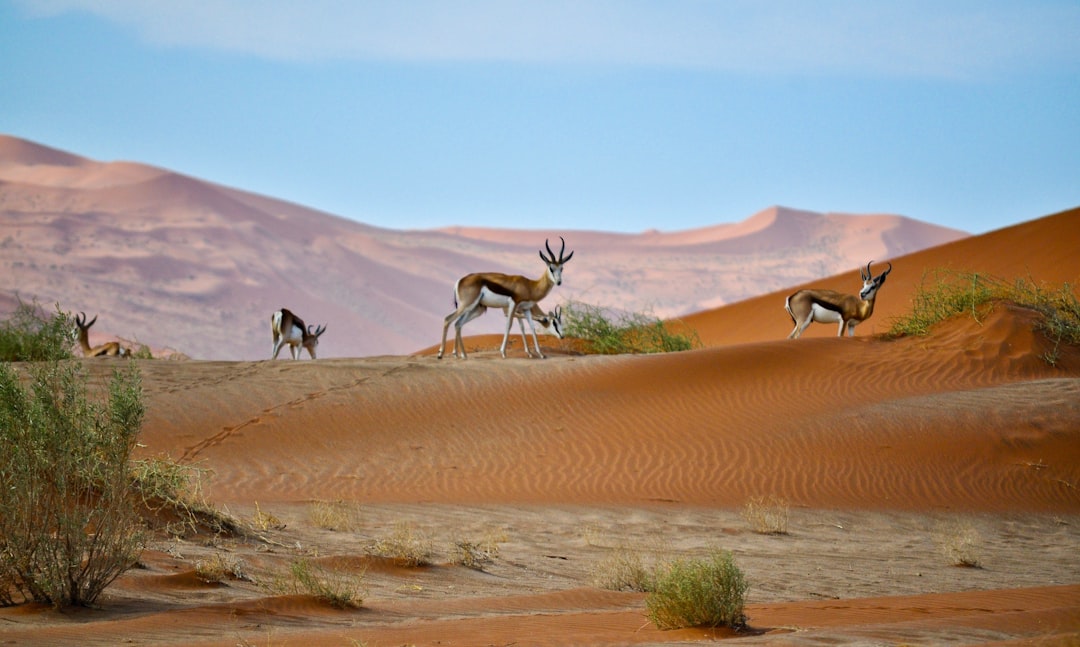
May–June conditions in Damaraland are ideal: dry enough for off-road exploration, cool enough for full-day excursions, and wildlife still active from recent rains. You'll search for desert elephants (a unique adaptation to Namibia's harshest terrain), mountain zebras, giraffes, and springbok across red rock formations.
Combine Damaraland with Etosha for a 10-day safari: 3 days Damaraland, 4 days Etosha, 1 day Windhoek arrival/departure, plus travel days. This itinerary costs $4,500–$7,000 per person with mid-range lodges.
Sossusvlei: Iconic Red Dunes
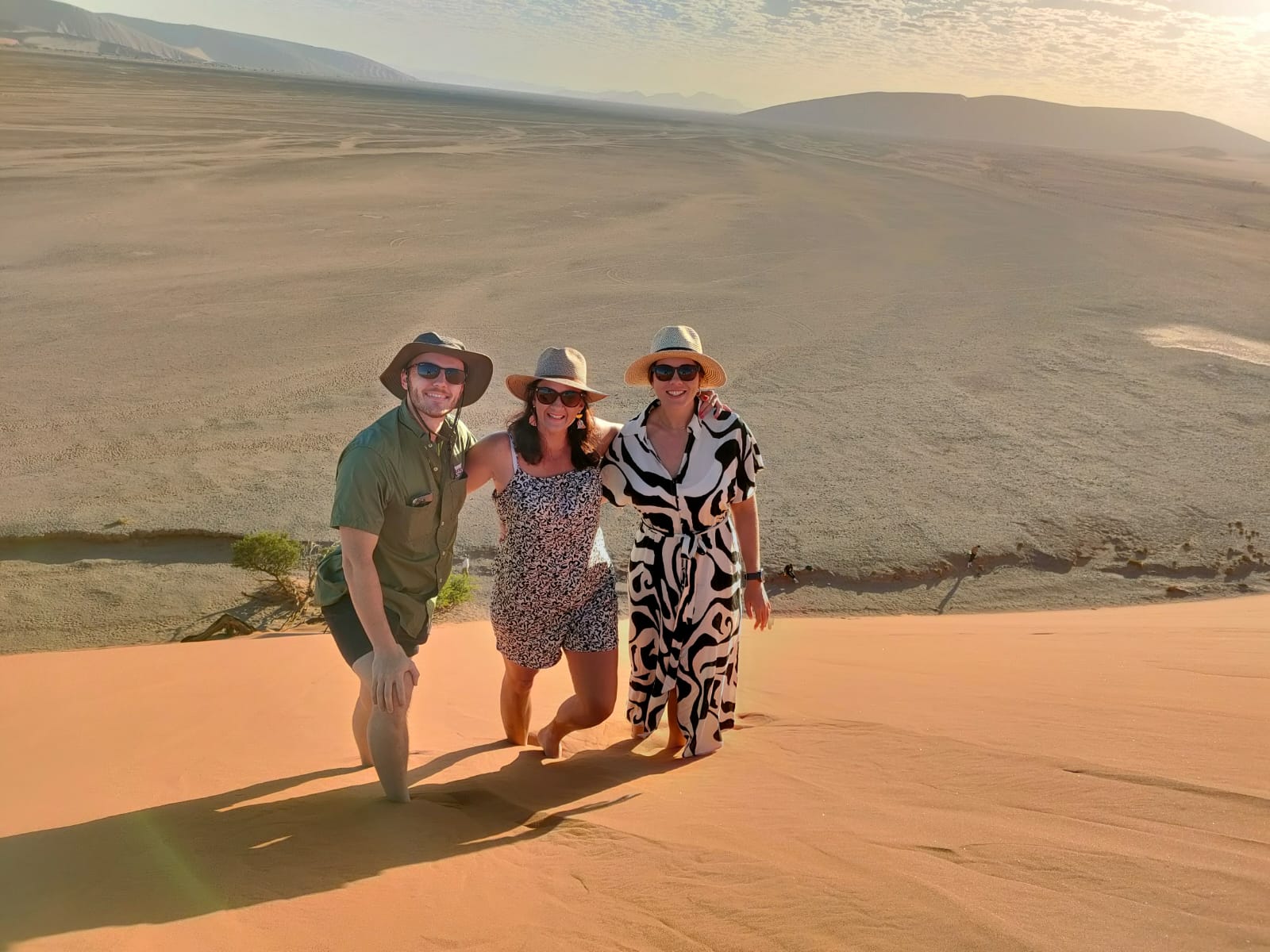
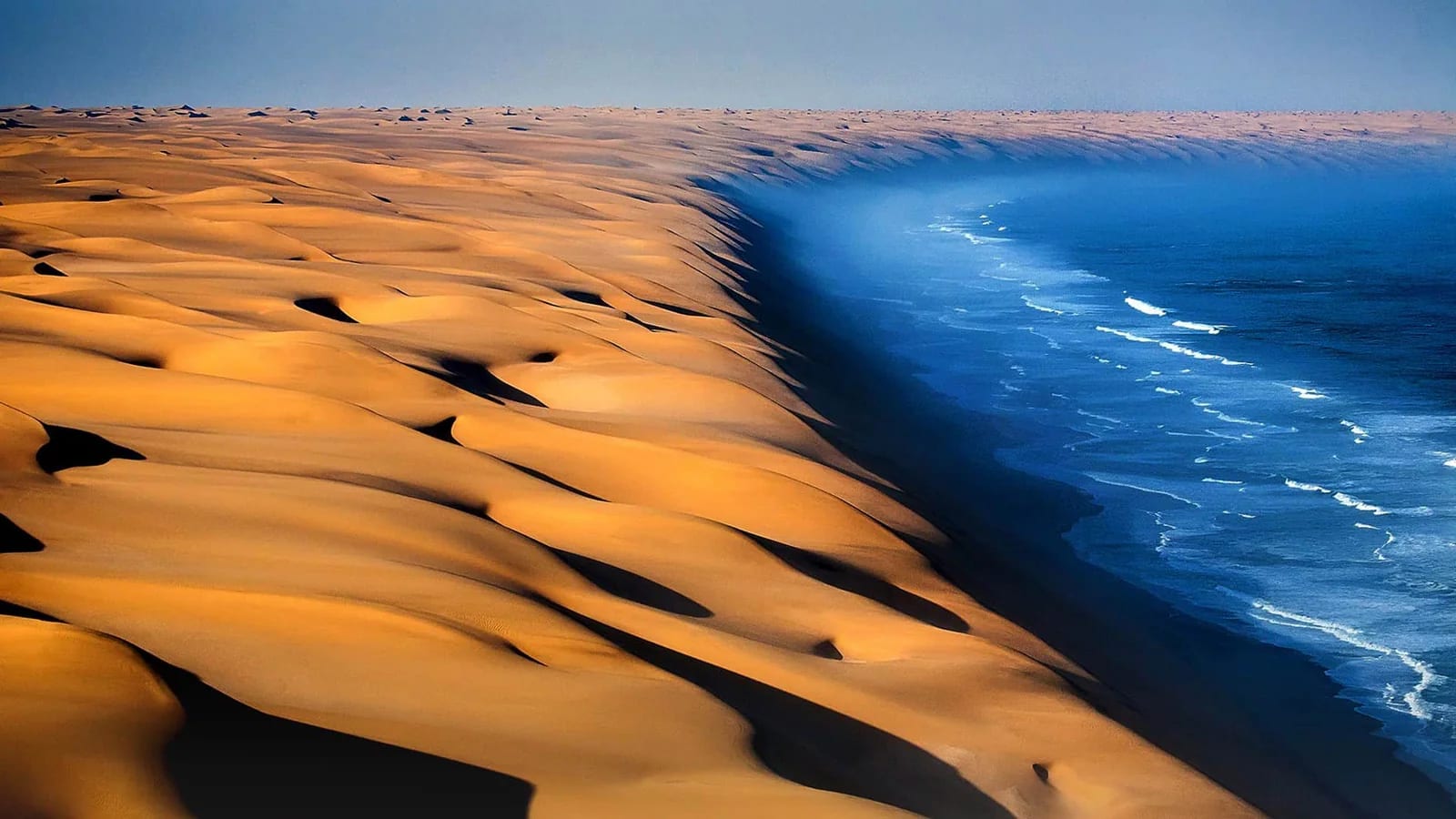
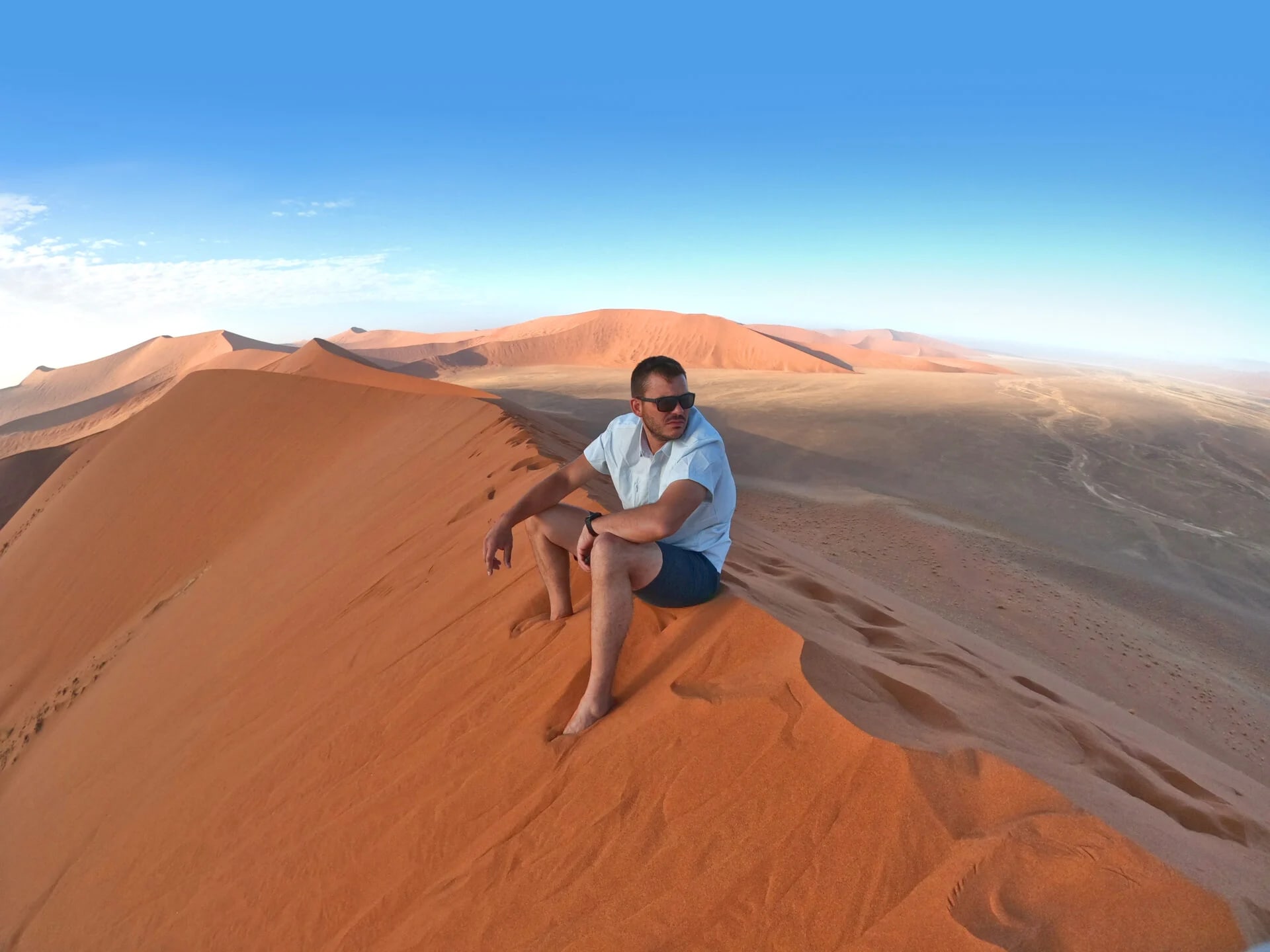
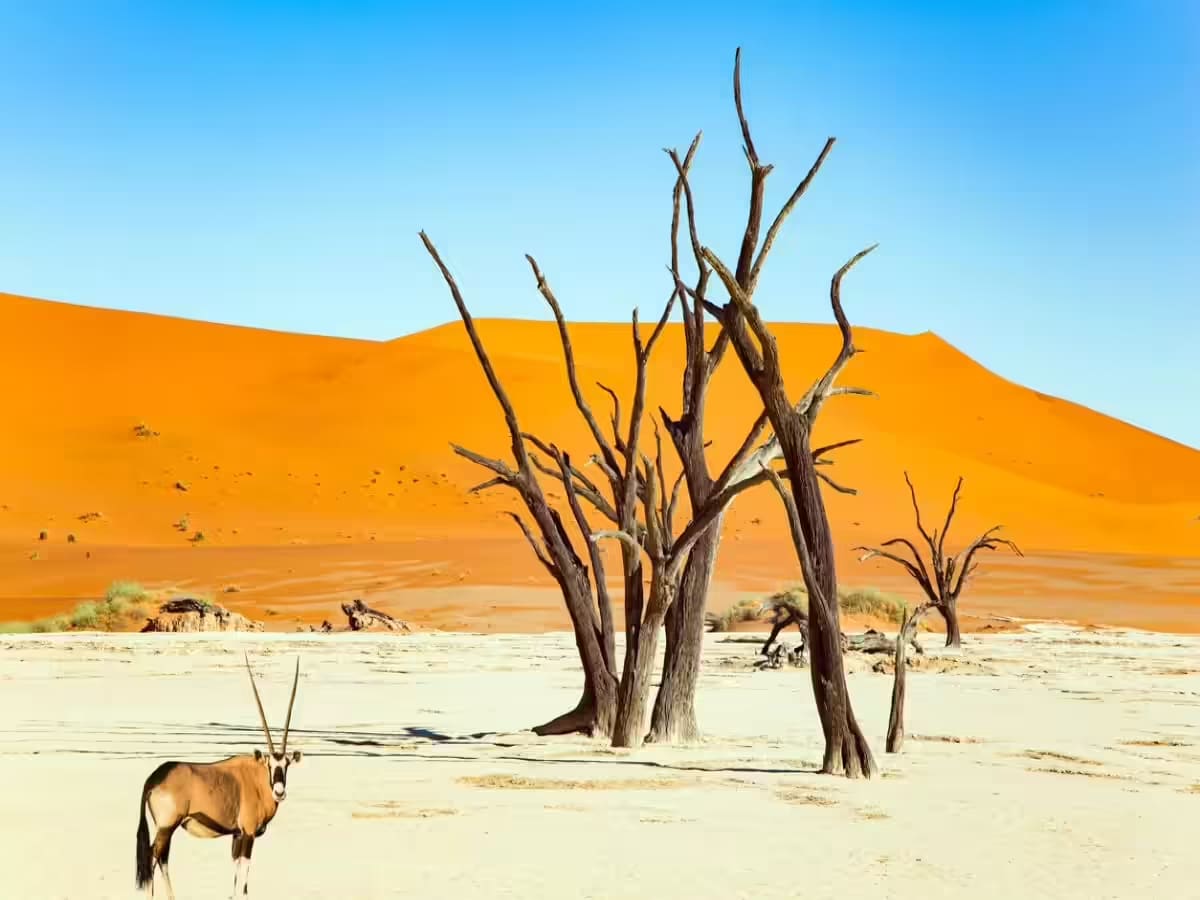
Sossusvlei is Namibia's most photographed landscape—towering red sand dunes rising 300+ meters above white salt pans. May–June offers cooler temperatures for climbing dunes and exploring Dead Vlei, a ghostly white pan ringed by ancient dead trees.
While Sossusvlei emphasizes landscape photography over wildlife, you'll spot oryx, springbok, ostrich, and occasional predators. The region suits travelers seeking dramatic scenery alongside game viewing. Most itineraries include 2–3 days here.
Access Sossusvlei from the town of Solitaire or nearby lodges. Self-drive options are popular here—rent a 4x4 in Windhoek and navigate independently. Guided tours add $100–$200 daily but provide geological and cultural context.
The Skeleton Coast: Extreme Adventure
The Skeleton Coast stretches 500 kilometers along Namibia's northwestern shore, where Atlantic fog meets desert. Named for shipwrecks and whale bones, this remote region suits adventurous travelers seeking isolation and unique wildlife.
May–June conditions allow exploration: coastal weather is cooler, and dry ground enables 4x4 access. You'll encounter desert-adapted lions, brown hyenas, and marine wildlife (seals, flamingos, dolphins). Few tourists venture here, making it perfect for those seeking authentic wilderness.
The Skeleton Coast requires 4x4 vehicles and experienced guides. Most safaris include 1–2 days as part of longer itineraries. Expect higher costs ($400–$600 daily) due to logistics and remoteness.
Combining Destinations: Sample 10-Day Itinerary
A balanced 10-day Namibia safari in May–June might look like this: Day 1 arrive Windhoek; Days 2–3 Damaraland; Days 4–7 Etosha National Park; Days 8–9 Sossusvlei; Day 10 depart Windhoek. This route covers diverse landscapes, optimal wildlife viewing, and manageable travel distances.
Total cost: $4,500–$7,500 per person with mid-range lodges, guided activities, internal flights, and meals included. Self-drive versions drop to $3,500–$5,000. Luxury options reach $8,000–$12,000+.
Compare verified safari packages on SafariFind to see actual 10-day itineraries with real operator pricing and authentic traveler reviews. You'll find detailed breakdowns of what's included, accommodation quality, and guide expertise.
Practical Guide: Planning Your May–June 2026 Namibia Safari
Successfully booking a Namibia safari requires attention to timing, documentation, health, and packing. Start planning 6–12 months ahead to secure preferred dates and operators, especially for May–June peak season.
Documentation and Visas
Most international travelers can enter Namibia visa-free for up to 90 days. However, specific rules apply by nationality. Australian citizens should review the Namibia Visa for Australian Citizens 2026 — Requirements & Application guide. Canadian travelers can consult the Namibia Visa for Canadian Citizens 2026: Requirements & Application guide. German citizens should check the Namibia Visa for German Citizens 2026: Requirements & Application guide.
Ensure your passport is valid for at least 6 months beyond your travel dates. Namibia requires proof of onward travel (return flight) and sufficient funds. Carry printed copies of your safari booking confirmation—border officials may request proof of accommodation.
Health and Vaccinations
Vaccinations are strongly recommended for Namibia safaris. Yellow fever vaccination is required if arriving from endemic countries but not necessary for direct flights from most Western nations. However, typhoid, hepatitis A and B, and tetanus protection are advised.
Malaria risk exists in northern Namibia (Etosha, Damaraland) during rainy season, but May–June dry season reduces transmission. Consult your doctor about antimalarial medication. Specific requirements vary by nationality: Australian travelers should review Vaccinations & Health Rules for Namibia for Australian Travellers 2026. Canadian travelers can check Namibia Vaccinations & Health Rules for Canadian Travellers 2026. German citizens should consult Namibia Vaccinations & Health Rules 2026 for German Citizens.
Carry a comprehensive travel medical kit including antibiotics, antihistamines, pain relief, and diarrhea medication. May–June is low-risk season—cool temperatures and dry conditions reduce insect-borne illness risk.
Best Booking Timeline
Start researching operators 9–12 months before your travel dates (September–December 2025 for May–June 2026 travel). Premium operators and lodges fill quickly for peak season. Book core accommodation 6–9 months ahead.
Contact 3–5 verified operators through SafariFind to request quotes. Compare package inclusions, guide expertise, accommodation quality, and traveler reviews. Most operators offer flexible booking with deposits of 20–30% to secure dates.
Finalize flights 3–6 months ahead. International flights to Windhoek (Hosea Kutako International Airport) typically require 24–48 hours notice for best rates. Internal flights between Windhoek, Etosha, and Sossusvlei should be booked with your safari operator or 2–3 months ahead.
What to Pack for May–June Safari Conditions
May–June weather is cool and dry: mornings 10–15°C (50–59°F), afternoons 20–25°C (68–77°F). Pack layers—thermal base layers, fleece, and a waterproof jacket for early morning game drives. Bring a warm hat and gloves for predawn departures.
Daytime sun is intense at high altitude. Pack high-SPF sunscreen, sunglasses, and a wide-brimmed hat. Neutral-colored clothing (khaki, tan, brown) blends better for wildlife photography than bright colors. Wear sturdy hiking boots for dune climbing and rocky terrain.
Essential gear includes binoculars (8x42 magnification recommended), a camera with a good zoom lens, a headlamp for night drives, and a reusable water bottle. Lodges provide most toiletries, but bring prescription medications and personal preferences.
Budget Breakdown for a 7-Day Safari
Here's what a typical 7-day May–June Namibia safari costs per person in 2026:
- Accommodation (6 nights): $1,200–$2,400 (mid-range lodge at $200–$400/night)
- Guided activities and transport: $800–$1,500 (game drives, guide fees, internal transfers)
- Meals: $400–$700 (lunch and dinner; breakfast often included)
- Park fees and permits: $200–$300 (Etosha entry, activity permits)
- International flights: $800–$1,500 (varies by origin city)
- Contingency/tips: $200–$300
Total: $3,600–$6,700 per person for a complete 7-day safari including flights. Self-drive versions drop to $2,800–$4,500. Luxury lodges push to $7,500–$12,000+.
Book your safari through SafariFind to compare detailed pricing from verified operators. You'll see exactly what's included, read real traveler reviews, and request quotes tailored to your budget.
Comparing Namibia Safari Costs vs. Other African Destinations
Namibia offers excellent value compared to other African safari destinations. Understanding regional pricing helps you decide if Namibia is right for your budget and experience goals.
Namibia vs. Botswana: Cost and Experience
Botswana safaris, particularly in the Okavango Delta, are notoriously expensive—typically $400–$800+ per person daily for mid-range lodges. A 7-day Botswana safari costs $3,500–$6,500 at budget operators, with luxury options reaching $10,000+.
Namibia safaris run 15–30% cheaper: $250–$500 daily for comparable comfort. You'll pay less while accessing equally diverse wildlife and more varied landscapes (dunes, coastline, mountains). However, Botswana's water-based safaris (boat drives in the Delta) offer unique experiences unavailable in Namibia.
For budget-conscious travelers, Namibia wins. For those prioritizing water-based viewing and don't mind premium prices, Botswana offers distinct advantages. Learn more in our detailed comparison: Namibia Safari vs Botswana: Which Costs Less in 2026?
Namibia vs. Kenya and Tanzania
Kenya (Masai Mara) and Tanzania (Serengeti) are Africa's most famous safari destinations, but costs vary wildly by season. During peak season (July–October), both countries charge premium rates: $3,500–$8,000 for 7 days.
Namibia in May–June offers comparable pricing but earlier in the season with fewer crowds. Kenya and Tanzania peak in July–August when Namibia still offers availability at slightly lower rates. If you prefer less crowding and don't mind cooler temperatures, Namibia delivers better value.
Namibia vs. South Africa
South Africa's Kruger National Park is Africa's largest national park with exceptional wildlife diversity. Self-drive safaris in Kruger are remarkably cheap—$100–$200 daily—but lack guided expertise. Guided safaris at private reserves run $300–$600+ daily, matching or exceeding Namibia's mid-range prices.
Namibia offers better value for guided safaris, more dramatic landscapes, and fewer tourists than Kruger's crowded roads. South Africa excels for budget self-drive options and access from coastal cities like Cape Town.
Wildlife Highlights: What You'll See in May–June
May–June safaris in Namibia deliver consistent wildlife viewing, though sightings vary by location and luck. Etosha's waterhole concentrations create predictable game viewing, while remote regions reward patience and exploration.
The "Big Five" and Beyond
Namibia hosts four of Africa's "Big Five": lions, leopards, elephants, and buffalo. Rhinoceros (black and white species) inhabit some regions but are harder to spot. You'll reliably encounter all four during a 7-10 day safari, particularly in Etosha.
Beyond the Big Five, expect zebras, giraffes, wildebeest, springbok, oryx, hyenas, and various antelope species. Bird watching is excellent—over 340 bird species inhabit Namibia, including raptors, waders, and colorful bee-eaters.
Predator sightings increase in May–June as lions and leopards hunt around waterholes. Dawn and dusk drives maximize your chances of seeing active predators. Night drives (where permitted) reveal nocturnal species like aardvarks, porcupines, and genets.
Desert Elephants: A Namibia Specialty
Desert elephants are a unique Namibia attraction found nowhere else in Africa. These elephants adapted to Damaraland's extreme aridity by traveling vast distances (up to 80 kilometers) between water sources and eating bark, roots, and dry vegetation.
Damaraland safaris in May–June offer reasonable chances of spotting these remarkable animals. They're smaller than savanna elephants and possess unique behavioral adaptations. Guides specializing in Damaraland can interpret their tracks and predict water-hole visits.
Seasonal Wildlife Patterns
May–June sits between rainy season (November–March) and peak dry season (July–September). Animals remain active from recent rains but concentrate increasingly at waterholes as water sources shrink. Vegetation is still green in some areas, supporting diverse herbivore populations.
Predators follow prey concentrations, making May–June excellent for lion and leopard sightings. Bird activity peaks as species take advantage of remaining water and nesting opportunities. Photography conditions are ideal: clear skies, soft morning light, and concentrated subjects.
Photography Tips for Peak Season
May–June dry season offers superior photography conditions compared to rainy months. Clear skies allow dramatic sunrise and sunset shots. Dust from animals' movement around waterholes creates atmospheric backlight opportunities.
Bring a camera with good zoom capability (200mm+ lens recommended) and high ISO performance for low-light dawn/dusk drives. A tripod or monopod stabilizes long lenses. Shoot in RAW format for maximum editing flexibility in post-processing.
Position yourself at waterholes during peak drinking times (dawn 6–8 AM, dusk 4–6 PM). Patient waiting often yields more shots than constant driving. Work with your guide to anticipate animal movements and positioning for optimal backgrounds.
Key Takeaways
- Book your Namibia safari 6–12 months ahead of May–June travel to secure preferred operators and save 10–15% vs. last-minute rates.
- Budget $3,500–$8,000 per person for a 7–10 day May–June safari including flights, accommodation, guided activities, and meals in 2026.
- June offers the best balance of waterhole game viewing in Etosha, comfortable temperatures (15–25°C), and fewer tourists than July–August peak.
- Combine Etosha (wildlife), Damaraland (desert elephants), and Sossusvlei (dunes) for a complete 10-day experience covering diverse landscapes and optimal viewing.
- Self-drive safaris cost 30–40% less than guided options but require 4x4 rental, navigation skills, and wildlife knowledge—ideal for experienced travelers.
Frequently Asked Questions
How much does a 7-day Namibia safari cost in May–June 2026?
A 7-day Namibia safari in May–June 2026 costs $3,500–$5,500 per person for mid-range guided packages including accommodation, meals, activities, and park fees. Budget self-drive options run $2,500–$3,500. Luxury lodges with private guides cost $6,000–$8,000+. Prices are 20–30% higher than shoulder months due to peak season demand and optimal wildlife viewing conditions.
Is June better than May for a Namibia safari?
June is slightly better than May for Namibia safaris. For Etosha's waterhole game viewing, June to October is prime time. By June, waterholes have shrunk significantly, forcing animals to drink at predictable locations. Temperatures remain cool (15–25°C), and vegetation is still green enough to support wildlife. May is excellent too, but June offers more concentrated game around waterholes.
Do I need vaccinations for a Namibia safari?
Yellow fever vaccination is required only if arriving from endemic countries. However, typhoid, hepatitis A and B, and tetanus protection are strongly recommended. Malaria risk exists in northern regions (Etosha, Damaraland), but May–June dry season reduces transmission significantly. Consult your doctor and review nationality-specific guidance: Australian travelers should check Vaccinations & Health Rules for Namibia for Australian Travellers 2026.
Can I self-drive a safari in Namibia, or do I need a guide?
Namibia provides some of Africa's most affordable self-drive safari options. You can self-drive with a rented 4x4 vehicle, but guided safaris offer superior wildlife interpretation, safety, and predator tracking. Self-drive costs $150–$250 daily (vehicle + accommodation). Guided safaris run $250–$500+ daily but include expert guides and predetermined routes. Choose self-drive for independence and budget savings; choose guided for wildlife expertise and convenience.
What's the best region for wildlife viewing: Etosha, Damaraland, or Sossusvlei?
Etosha National Park offers the most reliable and diverse wildlife viewing, particularly in May–June when animals concentrate at waterholes. Damaraland delivers unique desert elephants and dramatic landscapes but fewer animals. Sossusvlei excels in photography and scenery but offers limited wildlife. For a complete safari, combine all three: 4 days Etosha, 2 days Damaraland, 2 days Sossusvlei.
How far in advance should I book a May–June 2026 Namibia safari?
Book 6–12 months ahead for May–June 2026 travel to secure preferred dates, operators, and accommodation. Premium lodges and established operators fill quickly for peak season. Booking early also allows time to arrange visas, vaccinations, and international flights. Last-minute bookings (1–2 months ahead) are possible but often incur 10–15% premiums or limited availability. Compare verified operators on SafariFind to request quotes and lock in your preferred dates.
What should I pack for a May–June Namibia safari?
May–June weather is cool and dry: mornings 10–15°C, afternoons 20–25°C. Pack thermal base layers, fleece, and a waterproof jacket for early morning game drives. Bring a warm hat, gloves, high-SPF sunscreen, and a wide-brimmed hat. Wear neutral-colored clothing (khaki, tan, brown) and sturdy hiking boots. Essential gear includes binoculars, a camera with zoom lens, a headlamp, and a reusable water bottle. Most lodges provide toiletries.
Conclusion
A Namibia safari in May–June 2026 delivers exceptional value, optimal wildlife viewing, and comfortable conditions at prices 15–30% lower than peak July–August season. The combination of waterhole concentrations in Etosha, cool temperatures, dry skies, and fewer tourists makes this period ideal for first-time safari goers and experienced adventurers alike.
Whether you choose a 7-day guided safari ($3,500–$5,500) or a 10-day multi-region itinerary ($4,500–$8,000), you'll experience Africa's most underrated safari destination with reliable game viewing, dramatic landscapes, and authentic wildlife encounters. Desert elephants in Damaraland, predators at Etosha waterholes, and iconic red dunes at Sossusvlei create memories that last a lifetime.
Start planning now by browsing verified safari packages on SafariFind. Compare real operator pricing, read authentic traveler reviews, and request quotes tailored to your budget and interests. Book 6–12 months ahead to secure preferred dates and save 10–15% vs. last-minute rates. Your perfect Namibia safari awaits—find it on SafariFind today.
Plan Your Safari with SafariFind
These recommendations use real data from SafariFind, where you can compare operators, browse packages, and read verified traveler reviews before you book.
Recommended Safari Packages from SafariFind
What Travelers Say (SafariFind Reviews)
References
- Namibia Safari Cost 2026: Budget $3K–$8K | SafariFind
- Safari Trip Cost: Explorest Travel's 2026 Pricing Guide
- Best Time to Go on Safari in Africa 2026 | Month-by-Month Guide
- When to Visit Namibia for Safari (2026)
- 10 Best Places to Go on Safari in 2026 | African Safari Blog
Sources
Related to
Ready to start your safari adventure?
Explore curated safari packages and find your perfect African adventure with verified operators.