Rewilding & Wildlife Translocations in Botswana 2026
Botswana is deploying large-scale wildlife translocations and rewilding across protected areas and transboundary landscapes, moving hundreds of animals to restore ecosystems and combat habitat fragmentation. Success depends on managing human-wildlife conflict, community trust, and long-term monitoring.

Conservation Status: Rewilding & Translocations in Botswana (2026)
Botswana is actively engaged in rewilding initiatives and conservation translocations—the intentional, science-backed movement of wildlife to restore populations and ecological function in degraded or emptied landscapes. As of 2026, translocation programmes are underway across multiple protected areas and the transboundary Kavango-Zambezi Transfrontier Conservation Area (KAZA TFCA), with particular focus on large herbivores, rhinos, and carnivores. These efforts operate within a dual framework: ecological recovery and human coexistence, guided by the IUCN Guidelines for Rewilding (2025) and supported by international partnerships including the National Geographic Society, African Parks, and the Endangered Wildlife Trust.
Why Rewilding Matters in Botswana
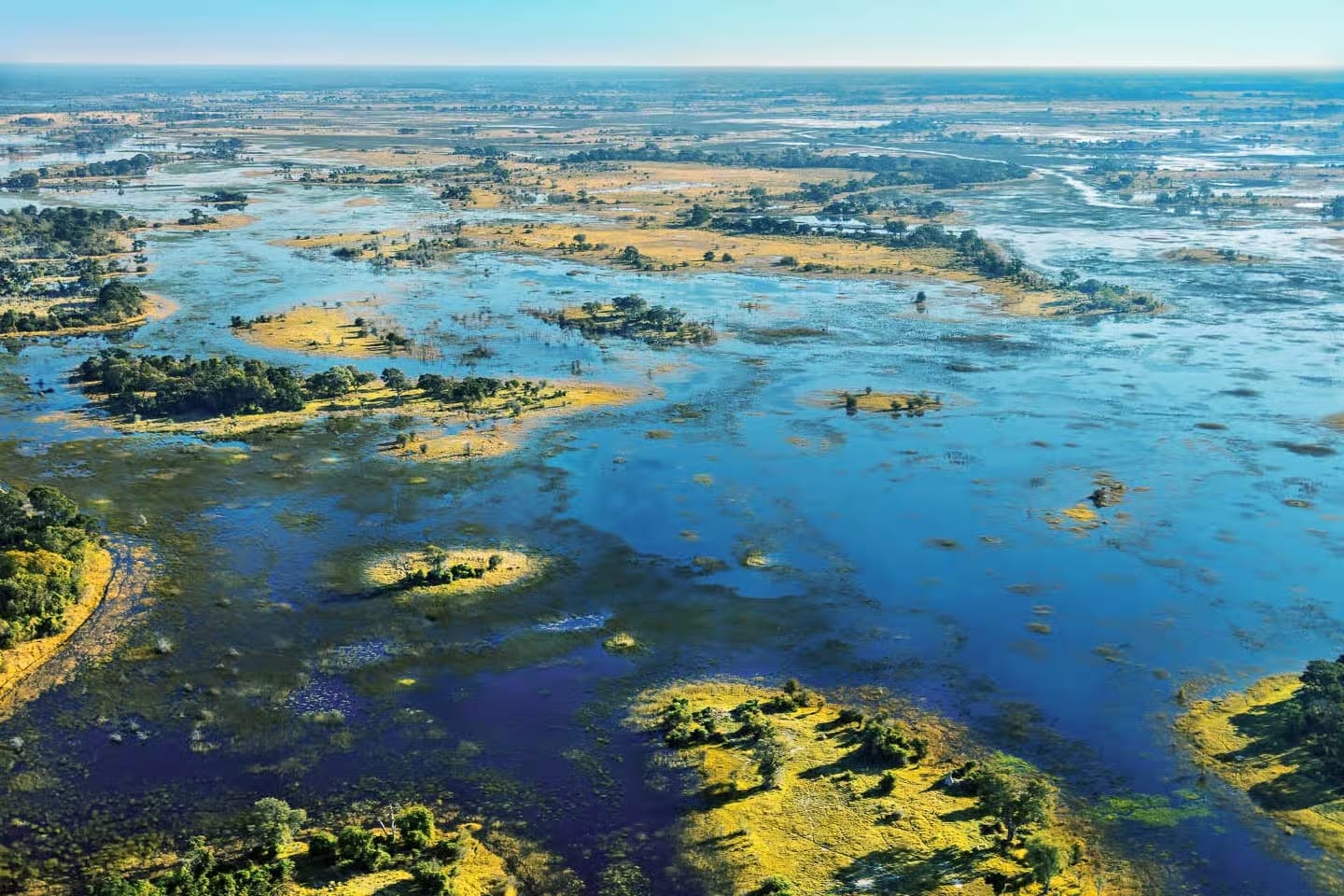
Botswana protects approximately 17% of its land through game reserves and national parks, yet decades of habitat fragmentation, human agricultural expansion, and wildlife movement restrictions have left many areas depleted of their historical fauna. The country's most iconic landscapes—the Okavango Delta, Chobe National Park, and the Kalahari—once supported vast herds and diverse carnivore populations. Today, rewilding is essential to:
- Reverse biodiversity loss: Reintroduce keystone species (elephants, rhinos, large predators) that structure ecosystems and drive nutrient cycling.
- Restore ecosystem services: Healthy, rewilded landscapes improve water retention, soil fertility, carbon storage, and climate resilience.
- Support tourism economies: Wildlife abundance drives sustainable ecotourism, generating revenue for local communities and national conservation budgets.
- Enable cross-border conservation: The KAZA TFCA, spanning 520,000 km² across Botswana, Namibia, Angola, Zambia, and Zimbabwe, requires coordinated translocations to maintain genetic diversity and natural migration routes.
Current Threats to Wildlife & Habitat
Despite Botswana's conservation reputation, rewilding efforts face persistent challenges:
Habitat Fragmentation & Human Development
Human activities—farming, urban expansion, and infrastructure development—are fragmenting wildlife corridors in key regions like Chobe District. A 2026 study documented how species respond differently to human presence; baboons, hyenas, antelope, and sable alter their movement patterns and temporal activity to avoid or overlap with human activity, depending on landscape type. Without protected corridors and careful land-use planning, isolated populations face inbreeding and local extinction risks.
Poaching & Illegal Hunting
Although Botswana has made progress in anti-poaching efforts, illegal hunting remains a threat to recovering populations. Recent conservation initiatives in the region have documented success: in one multi-country programme, illegal logging incidents decreased from eight cases to one by project's end, and targeted species populations were maintained within a 7% natural fluctuation range. However, sustained ranger patrols and funding are essential to prevent backsliding.
Climate Change & Drought
Botswana's semi-arid climate means drought is a recurring crisis. The Kalahari Desert covers more than 70% of the country, and rainfall is sporadic and unpredictable. Climate change is intensifying drought frequency and severity, threatening both wildlife and pastoral livelihoods, which can drive human-wildlife conflict.
Human-Wildlife Conflict
As wildlife populations recover through rewilding, conflicts with farmers and communities intensify. Herbivores consume crops; carnivores threaten livestock and, rarely, humans. The IUCN Guidelines for Rewilding (2025) emphasize that rewilding is not purely ecological—it requires addressing social, cultural, and economic dimensions to achieve lasting coexistence.
Major Rewilding & Translocation Programmes
African Parks & Rhino Rewild Project
African Parks is managing an unprecedented rhino rewilding initiative across multiple African landscapes, including Botswana. The Rhino Rewild project operates in three phases:
- Rescue Phase: Purchase and secure farmland to prevent poaching and allow population recovery.
- Rewild Phase: Translocate rhinos to safe, appropriate protected areas across Africa, including Botswana's national parks and private reserves.
- Renew Phase: Ensure long-term viability through adaptive management and anti-poaching security.
The scale is sobering: African Parks acknowledges "years of hard work ahead," including translocations at unprecedented scale and numerous anticipated and unforeseen challenges. By 2026, preparations for black rhino reintroduction and landscape-wide land-use planning were underway.
Okavango Eternal Partnership (National Geographic & De Beers)
Launched in 2021, Okavango Eternal combines science, storytelling, education, and community-led conservation to protect the Okavango Basin—the source of approximately 95% of water flowing into the Okavango Delta. A major 2026 milestone: Angola designated Lisima Lya Mwono ("Source of Life") as the country's first Ramsar Wetland of International Importance, protecting 53,670 km² of the Angolan Highlands Water Tower. This transboundary approach supports wildlife movement and habitat connectivity across Botswana's northern borders.
Cheetah Metapopulation Management (Endangered Wildlife Trust)
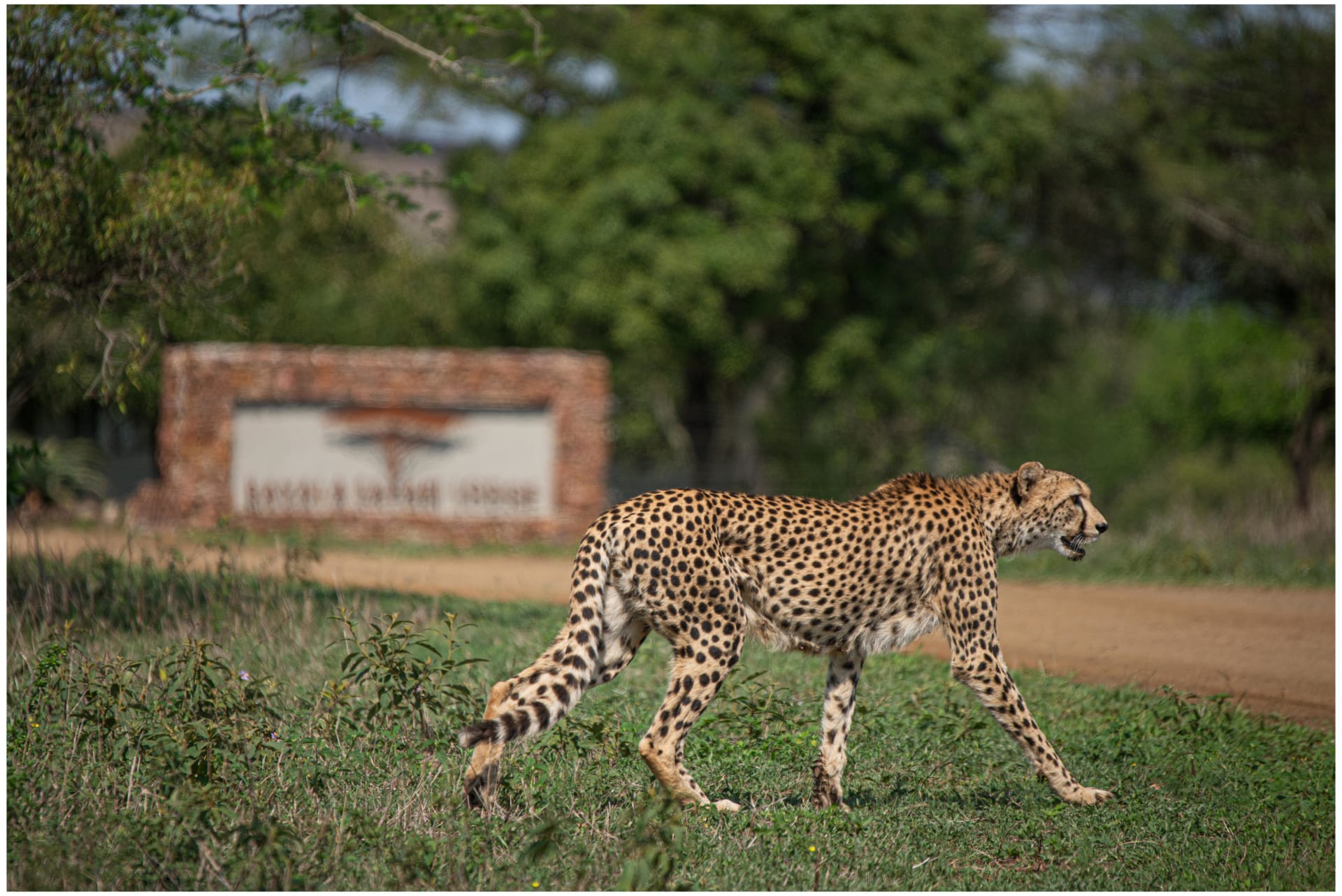
While centred in South Africa, the Endangered Wildlife Trust's cheetah metapopulation project has direct relevance to Botswana. Since 2012, more than 700 translocations have been coordinated across fenced reserves in southern Africa, including Botswana. This managed system maintains genetic diversity and prevents inbreeding in small, isolated populations by simulating natural dispersal through carefully planned inter-reserve movements. The EWT maintains a long-term dataset on over 2,000 individual cheetahs, tracking survival, reproduction, and emerging risks. Cheetah conservation in Botswana benefits from this regional coordination and science-based translocation protocols.
Elephant Corridor & Transboundary Movement Studies
Elephants are keystone species in Botswana's rewilding vision. Research by Elephants Without Borders has documented how elephants move through human-dominated landscapes in Chobe District, revealing that human development restricts natural movement patterns. Chobe National Park alone hosts more than 50,000 elephants, the largest in body size of all living elephants. Understanding these movement patterns is vital for any wildlife management plan that aims to maintain genetic connectivity and reduce human-wildlife conflict. Satellite-collared elephants tagged in northern Botswana have been tracked moving into Angola's Luiana Protected Reserve, demonstrating the need for cross-border corridor protection and veterinary fence realignment.
Regional Coordination: KAZA TFCA
The Kavango-Zambezi Transfrontier Conservation Area, inaugurated in 2011, is one of the world's largest inhabited conservation landscapes, spanning 520,000 km² and home to 3 million people. KAZA serves as the institutional framework for coordinating rewilding and translocations across Botswana, Namibia, Angola, Zambia, and Zimbabwe. Multi-country initiatives like the Kavango-Zambezi Animal Health for the Environment and Development (AHEAD) project promote integrated livelihoods approaches, bridging conservation, agriculture, and human health expertise.
Translocation Best Practices & Human Dimensions
Science-Based Protocols
Modern conservation translocations follow IUCN standards, combining rigorous bio-ecological knowledge with veterinary expertise. Animals are captured using skilled, experienced teams; transported under close veterinary supervision; and acclimated in temporary enclosures (bomas) before gradual release into their new habitat. Early monitoring is essential: in Zambia's Sioma Ngwezi National Park, over 200 impala, wildebeest, and zebra were translocated in late 2025, with calves already observed among newly established herds, indicating successful reproduction and population establishment.
Human-Wildlife Interaction & Community Trust
The IUCN Guidelines for Rewilding (2025) and recent conservation literature emphasize that rewilding success depends on addressing human dimensions—social, cultural, and economic factors—from project inception. Key principles include:
- Transparency: Document and disseminate translocation processes, results, and challenges using research-based data to maintain dialogue with local people and governments.
- Culturally important species: Prioritize recovery of species with high cultural, spiritual, or livelihood value to local communities, reconciling biodiversity conservation with quality of life.
- Holistic restoration: Integrate conservation translocations with broader landscape management, livelihood support, and conflict mitigation frameworks.
- Long-term commitment: Recognize that rewilding is a beginning, not an endpoint; sustained management, monitoring, and community engagement are essential for decades.
Managing Human-Wildlife Conflict
As wildlife populations recover, human-wildlife conflict (HWC) emerges as a central management challenge. The IUCN Guidelines for Rewilding (2025) highlight HWC as one of the most pressing issues in rewilded landscapes. Botswana's experience shows that conflict management requires:
- Early engagement with farming and pastoral communities to identify hotspots and develop mitigation strategies.
- Alternative livelihood support and compensation mechanisms for crop and livestock losses.
- Shift from lethal control (culling) to non-lethal approaches, including strategic translocations of problem animals.
- Robust ranger networks and anti-poaching patrols that also serve as conflict-response teams.
Community Conservancies & Sustainable Tourism
Community conservancies in Botswana have emerged as powerful models linking rewilding to local livelihoods. These conservancies manage wildlife on communal land, generating revenue through trophy hunting, photographic tourism, and wildlife product sales. Conservation economists argue that Botswana's wildlife sector has not been comprehensively replanned for decades; a modern, economically-driven approach would recognize that wildlife and tourism value are likely to exceed agricultural commodities, particularly given climate change and global market trends. Tourism revenue from rewilded areas can fund ranger patrols, anti-poaching operations, and community development.
Sustainable, upmarket safari tourism—tightly controlled and often exclusive—is Botswana's conservation model. When wildlife is abundant and visible, tourists return, generating revenue that justifies land-use decisions favoring conservation over agriculture or extractive industries. Visitors booking conservation-supporting safaris through responsible operators contribute directly to anti-poaching efforts and ranger salaries.
Results, Progress & Remaining Challenges
Documented Successes
| Programme | Achievement (2025–2026) | Citation |
|---|---|---|
| Sioma Ngwezi Translocation (Zambia) | 200+ impala, wildebeest, zebra translocated; calves observed; wildlife presence increasing in previously depleted areas | |
| Okavango Eternal (Angola) | 53,670 km² designated as Ramsar Wetland; 6,500 people benefited from infrastructure projects | |
| Cheetah Metapopulation (Southern Africa) | 700+ translocations coordinated since 2012; 2,000+ individual cheetahs tracked; genetic diversity maintained | |
| Anti-Poaching (Multi-country Programme) | Illegal logging incidents: 8 → 1; species populations within 7% natural fluctuation; 105 conservancy rangers funded |
Challenges & Ongoing Threats
Scale & Financing: Rewilding at the scale required in Botswana demands sustained, multi-year funding and coordination across government, NGOs, and private sector. African Parks acknowledges that the Rhino Rewild project faces "numerous challenges—both known and unknown."
Habitat Fragmentation: Even as translocations succeed in protected areas, ongoing human development outside parks continues to fragment corridors and isolate populations.
Climate Variability: Drought and extreme weather can undermine translocation success, particularly if recipient areas lack adequate water and forage.
Human-Wildlife Conflict: Rewilding inevitably increases encounters between wildlife and people, requiring adaptive conflict-mitigation strategies that are not always in place at translocation inception.
Monitoring & Adaptive Management: Long-term monitoring is resource-intensive. Without sustained data collection and willingness to adjust management based on outcomes, translocations may fail to achieve conservation goals.
How Travellers Can Support Rewilding & Translocations
Visitors to Botswana play a tangible role in rewilding success:
- Choose responsible operators: Select safari companies committed to conservation, with transparent anti-poaching and community engagement practices.
- Visit protected areas: Park entrance fees and tourism revenue fund ranger salaries and habitat management. Visiting Botswana's national parks directly supports protection efforts.
- Support community conservancies: Engage with community-run tourism initiatives that directly benefit local people and incentivize land-use decisions favoring wildlife.
- Minimize your footprint: Follow park regulations, stay on designated routes, and respect wildlife distance guidelines to reduce human-wildlife conflict and disturbance.
- Learn & advocate: Understand rewilding challenges and successes; share your experience to raise awareness and support for Botswana's conservation vision.
- Book through conservation-focused platforms: Platforms like SafariFind feature operators and lodges committed to science-based conservation and community benefit, ensuring your safari spend supports rewilding on the ground.
Looking Ahead: Botswana's Rewilding Vision
Rewilding in Botswana is not a short-term project but a generational commitment to restore ecological processes, wildlife abundance, and human-nature coexistence across one of Africa's most important conservation landscapes. Success requires sustained investment in anti-poaching, community engagement, cross-border coordination, and adaptive management. The IUCN Guidelines for Rewilding (2025), combined with on-the-ground programmes from African Parks, National Geographic, the Endangered Wildlife Trust, and local partners, provide a roadmap.
As Botswana faces critical decisions about land use in the coming decade—balancing agriculture, mining, and wildlife—rewilding offers an economically compelling and ecologically sound path forward. Tourism and wildlife value are likely to outpace traditional commodities, while healthy ecosystems provide climate resilience and food security benefits that benefit all Batswana.
Last reviewed July 2026. Conservation data changes—see the cited sources for the latest figures.
 Ask Tembo about this guide
Frequently Asked Questions
What is a conservation translocation, and how does it differ from rewilding?
A conservation translocation is the intentional, science-backed movement of wildlife to restore populations in their former range or establish new populations in suitable habitat. Rewilding is the broader ecological restoration process that includes translocations as one tool, along with habitat restoration, corridor protection, and long-term management. Translocations are a tactic; rewilding is the strategy.
How many animals have been translocated in Botswana's rewilding efforts?
Specific figures for Botswana alone are limited in recent data. However, regional efforts demonstrate scale: over 200 impala, wildebeest, and zebra were translocated to Sioma Ngwezi National Park in Zambia in late 2025, with calves already observed. In South Africa's cheetah metapopulation programme (which includes Botswana reserves), more than 700 translocations have been coordinated since 2012. Rhino rewilding across African Parks' portfolio is described as "unprecedented in scale," with detailed figures to be released as projects advance.
What species are being prioritized for translocation in Botswana?
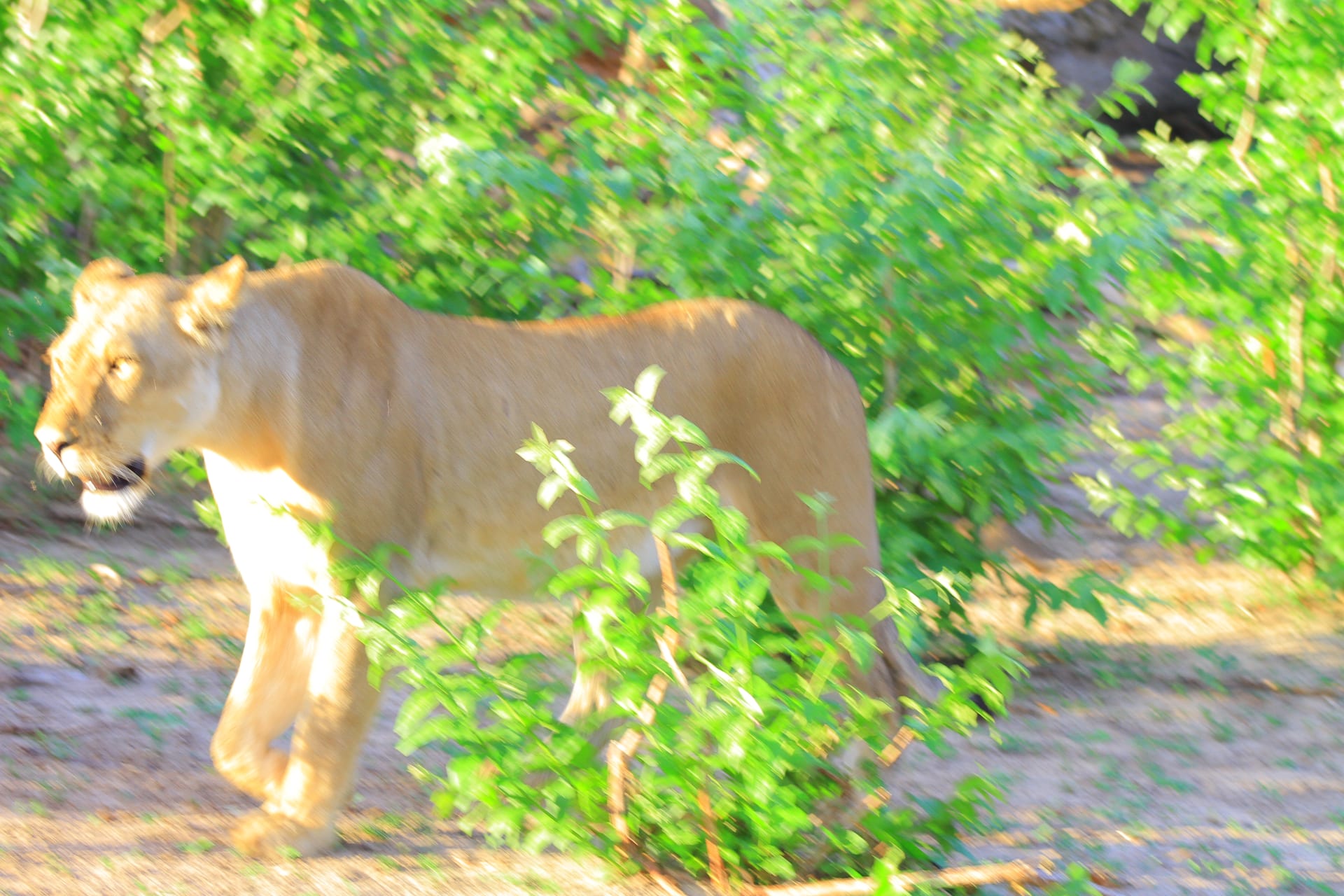
Priority species include large herbivores (elephants, wildebeest, zebra, impala, sable antelope), rhinos (black and white), and large carnivores (cheetahs, lions). These keystone species structure ecosystems through grazing, predation, and nutrient cycling, making their recovery essential for ecological restoration.
What are the main threats to rewilding success in Botswana?
Key threats include habitat fragmentation from human development and agriculture, poaching and illegal hunting, climate change and drought, and human-wildlife conflict. Sustained funding, ranger capacity, and community engagement are also critical bottlenecks.
How do conservation translocations address human-wildlife conflict?
Translocations reduce conflict in two ways: (1) moving problem animals (those habituated to raiding crops or livestock) away from conflict zones, and (2) reintroducing wildlife to protected areas with strong security and monitoring, reducing encounters with humans. However, as wildlife populations recover, new conflicts may emerge, requiring adaptive mitigation strategies like compensation schemes and livelihood support for affected communities.
What role do community conservancies play in rewilding?
Community conservancies generate revenue from wildlife through tourism and sustainable use, creating economic incentives for land-use decisions favoring conservation. This revenue funds ranger patrols, anti-poaching operations, and community development, making conservation financially sustainable and locally beneficial. Conservancies also serve as buffers between protected areas and human settlements, facilitating coexistence.
How does tourism support rewilding in Botswana?
Safari tourism generates revenue through park entrance fees, lodge operations, and guide services. This revenue funds anti-poaching patrols, ranger salaries, habitat management, and community benefit-sharing. Upmarket, tightly controlled tourism also incentivizes governments and communities to maintain wildlife abundance and habitat integrity, as wildlife value exceeds alternative land uses like agriculture. Visitors booking through conservation-focused platforms contribute directly to these efforts.
What is the Kavango-Zambezi Transfrontier Conservation Area (KAZA), and why is it important for rewilding?
KAZA TFCA, inaugurated in 2011, is one of the world's largest inhabited conservation landscapes, spanning 520,000 km² across Botswana, Namibia, Angola, Zambia, and Zimbabwe. It is essential for rewilding because wildlife (particularly elephants and large carnivores) require vast, connected landscapes to sustain healthy populations. KAZA enables coordinated translocations, corridor protection, and cross-border management that would be impossible within single-country borders.
How do scientists monitor translocation success?
Long-term monitoring includes camera traps, aerial surveys, satellite tracking (for large animals like elephants), and field observations to track survival, reproduction, movement patterns, and habitat use. Early signs of success include observation of calves among translocated herds, increasing wildlife presence in previously depleted areas, and stable or growing population numbers. Detailed life-history datasets (e.g., the Endangered Wildlife Trust's 2,000+ individual cheetah records) enable identification of emerging risks before they threaten populations.
What is the IUCN Guidelines for Rewilding (2025), and how does it guide Botswana's efforts?
The IUCN Guidelines for Rewilding (2025) provide science-based standards for rewilding projects globally. They emphasize that rewilding is not purely ecological but deeply intertwined with social, cultural, and economic dimensions. Botswana's rewilding programmes incorporate these guidelines by prioritizing human-wildlife coexistence, community engagement, transparency, and culturally important species—ensuring that rewilding benefits both wildlife and people.
Can I visit rewilded areas in Botswana, and how does my visit help?
Yes. Botswana's national parks, community conservancies, and private reserves welcome visitors on safaris. Your visit helps by: (1) generating revenue for anti-poaching and ranger operations, (2) supporting local communities dependent on wildlife tourism, (3) demonstrating to governments that wildlife is economically valuable, and (4) raising global awareness of rewilding efforts. Choose operators committed to conservation and community benefit for maximum impact.
What are the next steps for rewilding in Botswana through 2027?
Key priorities include: completing black rhino reintroduction preparations (African Parks), expanding the Okavango Eternal protection across the basin, increasing cheetah and other carnivore translocations, strengthening wildlife corridors in Chobe and other fragmented districts, and scaling community conservancy tourism to fund long-term management. Sustained donor support, government commitment, and cross-border coordination are essential.
Sources
- IUCN Guidelines for Rewilding (2025) & Human Dimensions of Wildlife Pathways (2026 Programme)
- Bringing Wildlife Back: Sioma Ngwezi National Park Rewilding & Okavango Eternal (2026)
- South Africa's Managed Cheetah Metapopulation: A Collaborative Conservation Model (Endangered Wildlife Trust)
- Botswana Country Profile (National Geographic Kids)
- Rewilding the Anthropocene: KAZA TFCA & Human-Animal Assemblages
- Elephants Without Borders: Impacts of Human Development on Wildlife Corridors in Botswana (2026)
- Tackling Emerging Conservation Threats in Africa: African Wildlife Initiative Rapid Action Grants 2019–2024 (IUCN)
- African Parks 2023 Annual Report: Reflecting on the Past, Building for the Future (2024)(official)
- African Elephant Conservation Fund & KAZA AHEAD Project (U.S. Fish & Wildlife Service)(official)
Related to
Ready to start your safari adventure?
Explore curated safari packages and find your perfect African adventure with verified operators.