Rwanda Safari in July–September 2026: Dry Season Wildlife & Prices
Discover Rwanda Safari in July–September 2026: Dry Season Wildlife & Prices - Expert guide to safari tourism and wildlife destinations.

Rwanda Safari July–September 2026: Dry Season Guide
Last updated: July 2026
Rwanda's dry season from July to September 2026 offers excellent wildlife viewing and gorilla trekking, with temperatures ranging from 15°C to 25°C. Expect prices between $3,500 and $8,000 per person for a 7-day safari. Book gorilla permits 4-6 months in advance, as they sell out quickly during peak season.
At a Glance
- Best time to visit: July, August, September (dry season)
- Cost range: $3,500–$8,000 per person for 7 days
- Gorilla permit price: $1,500 per person (as of 2026)
- Duration: 7–10 days recommended
- Best for: Gorilla trekking, wildlife photography, bird watching
- Getting there: Kigali International Airport (KGL), then road transfers
What Is Rwanda Safari in July–September 2026?
Rwanda safari in the dry season from July to September 2026 is an exceptional time to explore Africa's most biodiverse small nation. The country experiences its peak dry season during these months, creating ideal conditions for wildlife viewing and outdoor activities. Rwanda's tropical highland climate keeps temperatures cool and comfortable compared to other African safari destinations. This period attracts thousands of travelers who want to see mountain gorillas, golden monkeys, and diverse wildlife across three main parks: Volcanoes National Park, Nyungwe Forest, and Akagera National Park.
July through September marks the busiest safari season in Rwanda, with clear skies and minimal rainfall. Grass dries out, making animals easier to spot near water sources. Gorilla permits become highly sought after during these months, often selling out 4-6 months in advance. Travelers willing to book early and pay premium prices gain access to one of the world's most unforgettable wildlife experiences.
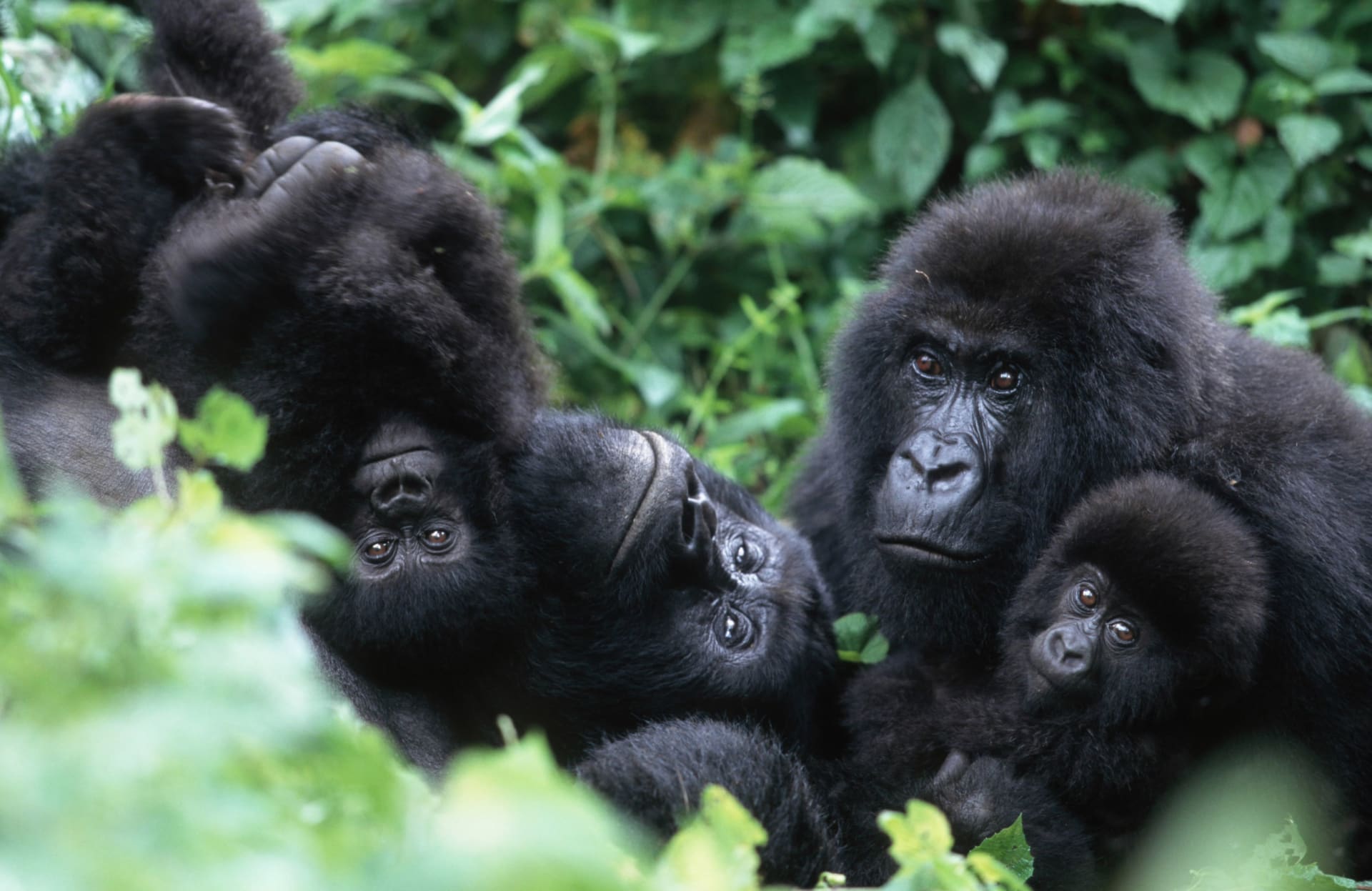
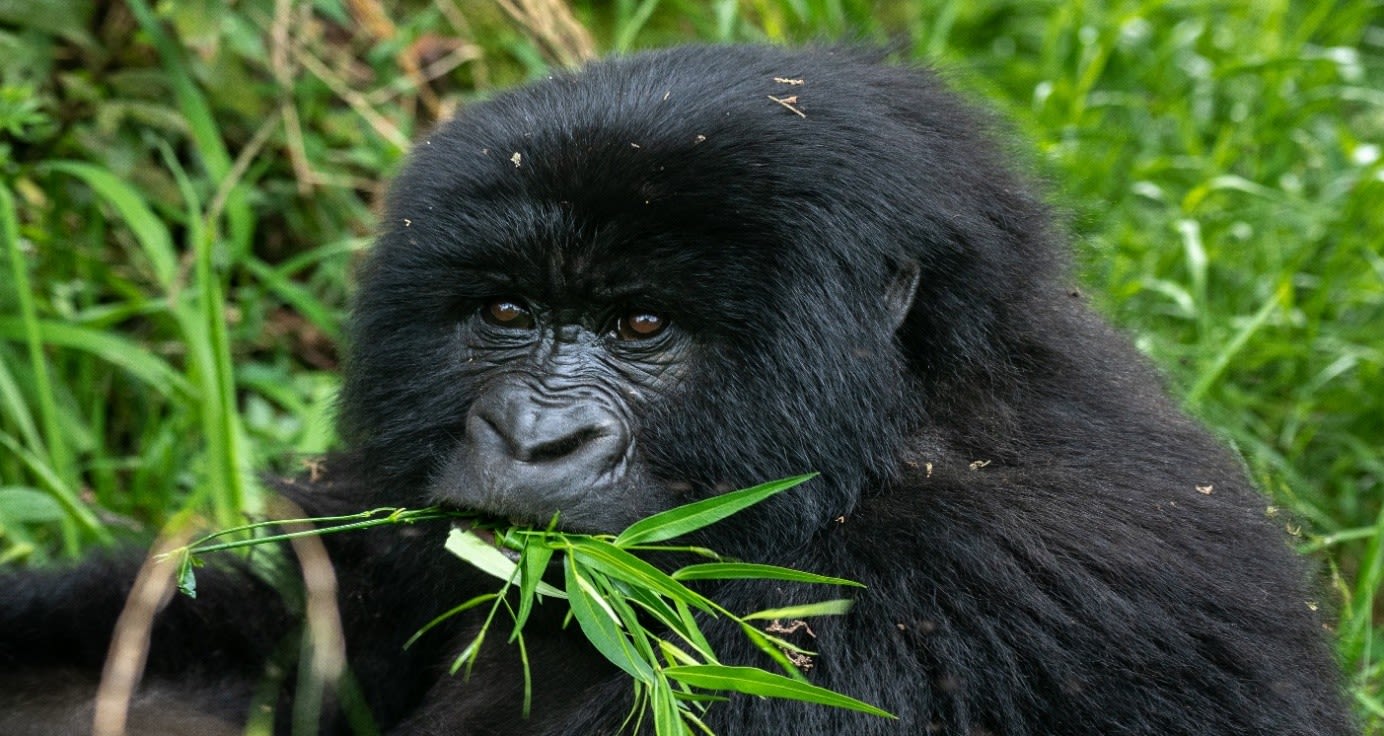
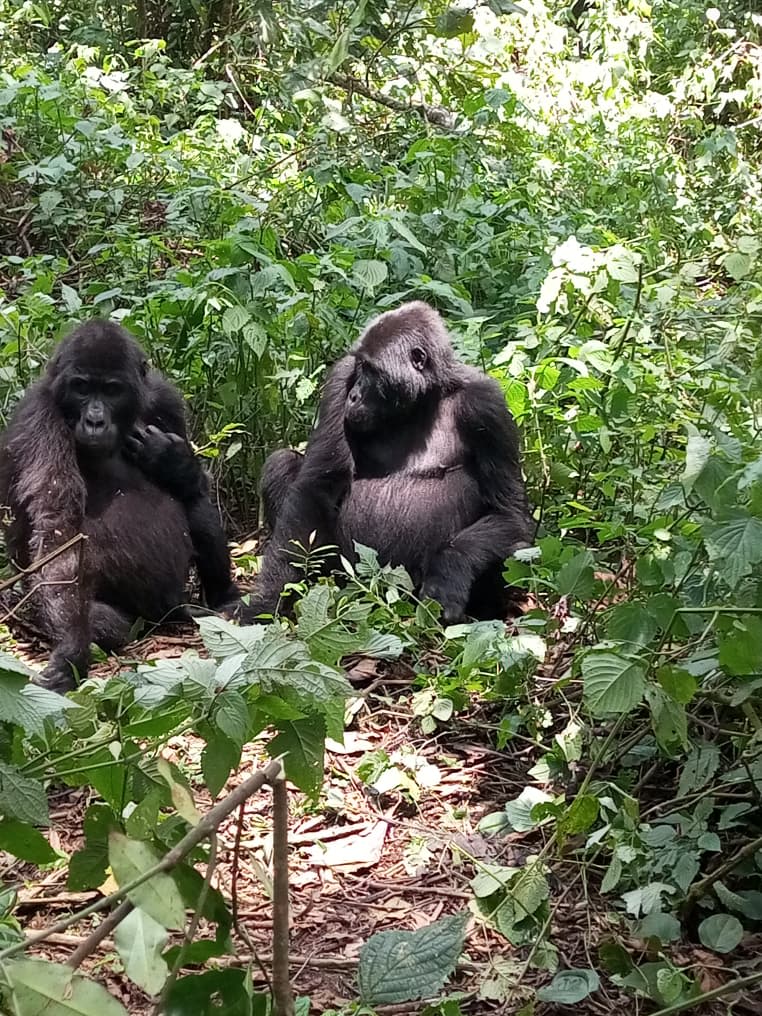
The dry season in Rwanda differs from other East African destinations. While Kenya's Masai Mara experiences the Great Migration during these months, Rwanda focuses on mountain gorilla trekking and forest wildlife. Volcanoes National Park holds approximately 320 mountain gorillas—about half the world's remaining population. This concentration makes Rwanda the premier destination for gorilla encounters in July, August, and September 2026.
Why July–September Is Peak Safari Season
Ideal Weather Conditions
July marks the beginning of Rwanda's long dry season, with minimal rainfall and clear skies perfect for photography and hiking. August continues this pattern with warm days and cool nights. September transitions toward the short rains but remains largely dry with excellent visibility. Temperatures range from 15°C at night to 25°C during the day across most parks.
The dry season creates the best trekking conditions for gorilla encounters. Trails dry out, making hiking easier and more comfortable. Animals congregate around remaining water sources, increasing your chances of wildlife sightings. Cloud cover decreases, offering better views of the volcanic landscape and forest canopy.
Wildlife Visibility and Activity
Parched grass and reduced vegetation make animals more visible during July–September. Mountain gorillas become easier to track as they move predictably through feeding areas. Bird watchers find this season excellent, as migratory species arrive while resident birds remain active. Chimpanzees in Nyungwe Forest are more visible as fruit trees produce less foliage.
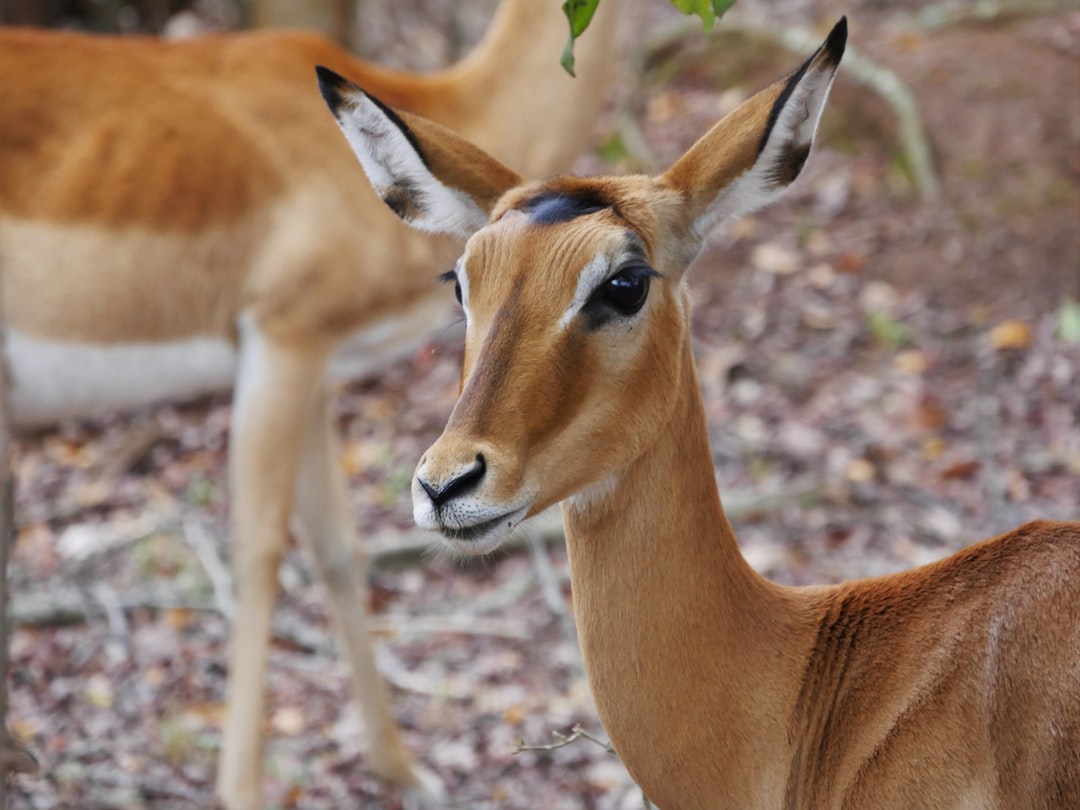
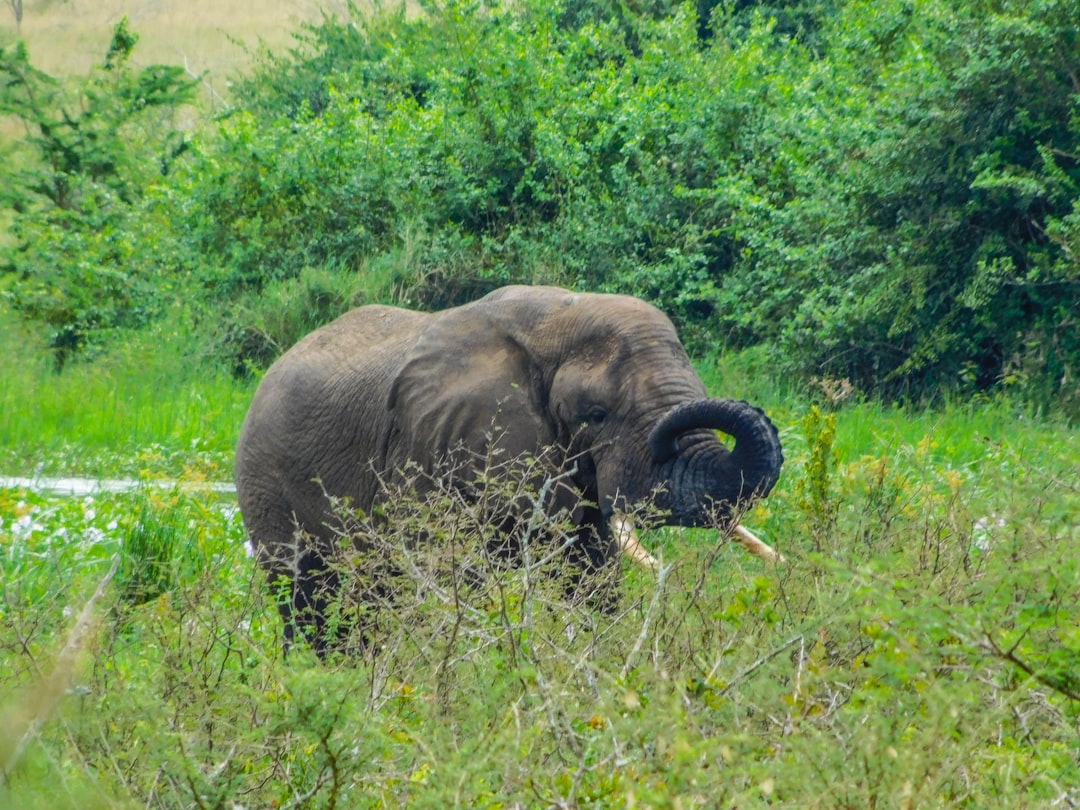
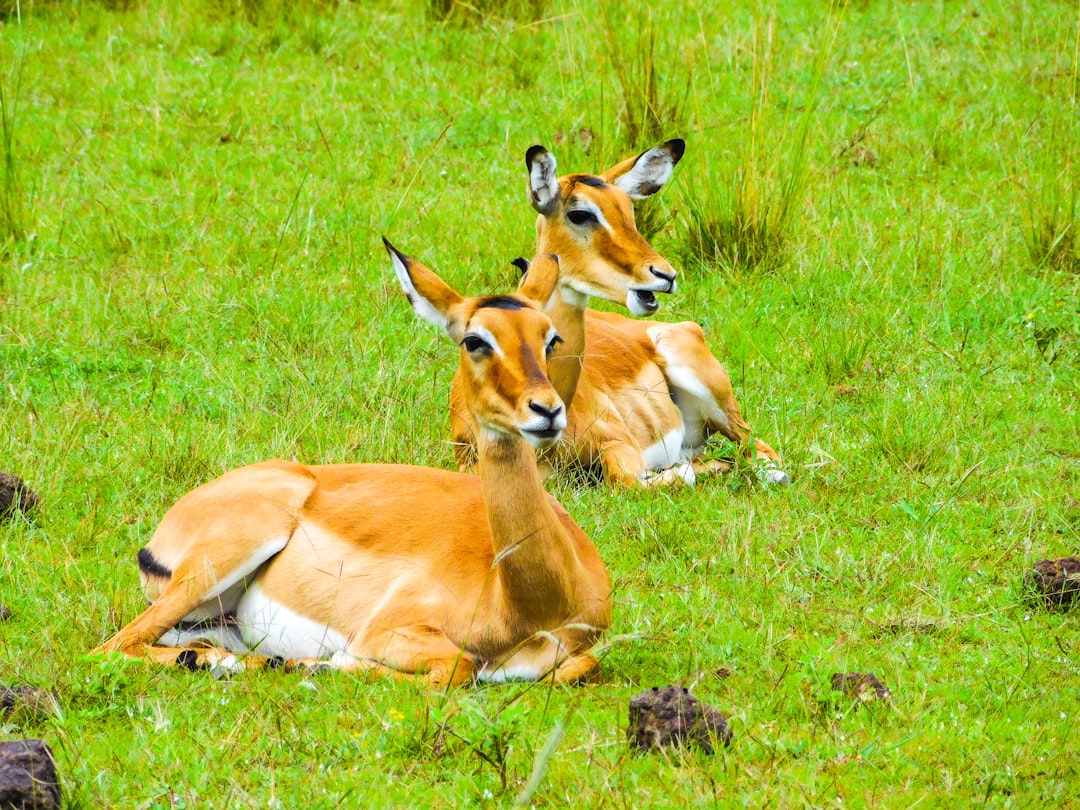
Akagera National Park experiences peak wildlife concentration around water holes. Elephants, buffalo, lions, and antelope gather at shrinking water sources, creating spectacular viewing opportunities. The dry season is when safari guides report the most frequent predator sightings and wildlife interactions.
Gorilla Permit Availability and Demand
Gorilla permits are the most valuable safari commodity in Rwanda during July–September 2026. Rwanda issues only 80 permits daily across four gorilla groups in Volcanoes National Park. Each permit costs $1,500 per person and must be booked months ahead. July and August typically sell out completely by March or April. September remains available longer but still requires advance booking.
The high demand for gorilla permits drives peak-season pricing across all safari components. Lodges, guides, and transport services charge maximum rates from July through September. However, many travelers consider the gorilla trekking experience worth every premium penny.
Rwanda Safari Pricing in July–September 2026
Budget Safari Packages
Budget Rwanda safaris in the dry season typically cost $3,500–$5,000 per person for 7 days, including one gorilla trek, basic accommodation, and park fees. This category includes mid-range lodges with comfortable but simple amenities. You'll share guides and vehicles with other travelers, reducing individual costs. Budget packages often exclude premium experiences like private guides or exclusive lodge access.
A typical budget package includes accommodation in 3-star lodges, all meals, park entrance fees, and one gorilla trekking permit. Transportation uses shared safari vans rather than private vehicles. This option works well for independent travelers and groups willing to compromise on luxury for savings.
Mid-Range Safari Packages
Mid-range packages cost $5,000–$7,000 per person for 7 days, offering better lodges and more personalized service. These packages include one gorilla trek, visits to 2-3 parks, private or small-group vehicle transport, and stays in comfortable 4-star properties. You'll have more flexibility in daily activities and better access to guides' expertise.
Mid-range safaris often include two gorilla permits, allowing you to experience multiple gorilla groups or extend your trek. Meals upgrade to better quality cuisine, and lodges offer more amenities like spas or better views. This category appeals to travelers seeking comfort without excessive spending.
Luxury Safari Packages
Luxury Rwanda safaris range from $7,000–$8,000+ per person for 7 days or more, featuring exclusive lodges, private guides, and premium experiences. Luxury properties offer stunning views, gourmet dining, and personalized service. You'll have a dedicated guide and often a private vehicle, maximizing wildlife encounters and photography opportunities.
Luxury packages typically include multiple gorilla permits, allowing extended treks or visits to different groups. Some include helicopter transfers, private aircraft flights, or exclusive access to research projects. These safaris provide unparalleled comfort and customization but represent the highest investment.
Gorilla Permit Costs Breakdown
The gorilla permit costs $1,500 per person as of 2026, accounting for 30-40% of a 7-day safari budget. This fee goes directly to Rwanda's national conservation efforts. Additional costs include guide fees ($50–$100 per day), park entrance fees ($50–$100), and porter fees ($10–$20) for those needing assistance during treks.
When budgeting, remember that gorilla permits are non-refundable and must be purchased months in advance. Many operators require 50% deposit at booking and final payment 60 days before travel. Compare verified operators on SafariFind to find Rwanda safari costs and packages that match your budget.
Best Parks and Activities in July–September
Volcanoes National Park and Gorilla Trekking
Volcanoes National Park is Rwanda's crown jewel, home to the endangered mountain gorillas. The park spans 160 square kilometers of volcanic highlands with elevations between 2,400 and 4,500 meters. July–September offers the best conditions for gorilla trekking, with dry trails and clear visibility. Treks typically last 2-6 hours depending on gorilla location and your fitness level.
A typical gorilla trek starts before dawn with a briefing from your guide. You'll hike through dense forest, following gorilla tracks and signs. When you locate a family, you spend one hour observing their behavior—feeding, playing, resting. The experience is profound and transformative, justifying the $1,500 permit cost. Most travelers report it as their most memorable safari moment.
Beyond gorillas, Volcanoes National Park offers volcano hikes, golden monkey trekking, and bird watching. Mount Bisoke and Mount Karisimbi are popular volcanic summits with stunning views. The park contains over 200 bird species, making it excellent for ornithology enthusiasts.
Nyungwe Forest National Park
Nyungwe Forest is Africa's oldest rainforest, covering 970 square kilometers of pristine habitat. The dry season from July to September makes forest exploration more comfortable, though it remains humid. Nyungwe is famous for chimpanzees, golden monkeys, and over 300 bird species. The forest canopy walkway offers a unique perspective 50 meters above the ground.
Activities in Nyungwe include chimpanzee tracking, guided forest walks, and waterfall hikes. The dry season increases visibility and reduces muddy trail conditions. Bird watchers find July–September productive, as resident species remain active. Budget 2-3 days for Nyungwe to experience its full biodiversity.
Akagera National Park
Akagera National Park sits in eastern Rwanda, offering classic African savanna wildlife. Unlike the forested parks, Akagera features grasslands, wetlands, and woodland habitats. The park recently reintroduced lions and other predators, creating exciting game viewing opportunities. July–September is peak season for predator sightings as animals concentrate around water.
Akagera safaris typically cost less than gorilla-focused packages, making it ideal for budget travelers. A 2-3 day visit includes game drives, boat safaris on Lake Ihema, and visits to wetland areas. The park offers a different safari experience from gorilla trekking, emphasizing traditional wildlife viewing.
Practical Planning for July–September 2026 Safaris
Booking Timeline and Gorilla Permits
Book your Rwanda safari 4-6 months in advance for July–September travel. Gorilla permits sell out quickly—March and April are critical booking months for summer travel. Reserve your permit through a licensed tour operator, as permits cannot be purchased directly by travelers. Many operators require 50% deposit at booking to secure your permit.
Check visa requirements early. Italian and Dutch citizens need an eVisa or can obtain a visa on arrival at Kigali airport. Review Rwanda visa requirements for Italian citizens and Rwanda visa options for Dutch citizens well before your trip. Yellow fever vaccination is recommended; consult Rwanda vaccinations and health rules for Italian travelers or Rwanda vaccinations for Dutch citizens for complete health guidance.
Getting to Rwanda
Most international travelers fly into Kigali International Airport (KGL), located 15 kilometers from the capital. Major airlines including Brussels Airlines, RwandAir, and Ethiopian Airlines operate flights from Europe. Flight time from Europe is typically 12-18 hours with one connection. Once in Kigali, ground transfers to parks take 2-4 hours depending on your destination.
Arrange transportation through your safari operator. They'll coordinate airport pickups, park transfers, and inter-park movements. Some luxury operators offer helicopter transfers, reducing travel time and adding convenience.
What to Pack for Dry Season Travel
Pack layers for varying temperatures. Daytime highs reach 25°C, but nighttime temperatures drop to 15°C, especially at higher elevations in Volcanoes National Park. Bring a waterproof jacket despite the dry season—afternoon showers occur occasionally, and forest areas remain humid.
Essential items include sturdy hiking boots for gorilla trekking, binoculars for wildlife viewing, sun protection, and insect repellent. Wear neutral colors for wildlife photography and gorilla trekking—bright colors disturb animals. Pack a camera with a good zoom lens, as wildlife distances vary. Bring any prescription medications, as pharmacies in rural areas have limited stock.
Fitness Considerations for Gorilla Trekking
Gorilla trekking requires moderate fitness and hiking experience. Treks involve steep, muddy terrain at high elevation (2,400–3,500 meters). Most treks last 2-6 hours depending on gorilla location. If you have health concerns, discuss them with your operator beforehand. Porters are available for additional fees and can assist with hiking difficulty.
Train before your trip by hiking hills or using stair-stepping exercises. Arrive in Rwanda a day early to acclimatize to elevation. Drink plenty of water and use trekking poles to reduce knee strain.
Shoulder Seasons: May–June and October as Alternatives
If July–September prices seem high, consider shoulder seasons for better value. May–June marks the transition from wet to dry season, with green landscapes and fewer tourists. October transitions from dry to short rains, offering excellent weather at lower prices. Both periods provide similar wildlife viewing to peak season with 30-40% lower costs.
Shoulder season gorilla permits cost the same ($1,500), but lodges and guides offer discounts. Fewer tourists mean shorter wait times and more personalized service. Weather remains excellent for trekking and game drives. If flexibility exists in your travel dates, shoulder seasons offer exceptional value without sacrificing quality.
Read more about Rwanda safari costs and seasonal comparisons at Rwanda safari cost guides for 2026. Explore Rwanda safari lodge options by park and budget to understand accommodation choices across seasons.
Safety and Health Considerations
Health Precautions for Rwanda Safaris
Rwanda is generally safe for tourists, with excellent healthcare in Kigali and good facilities in major towns. Malaria exists in lower-altitude areas like Akagera, so take antimalarial medication if visiting. Yellow fever vaccination is recommended, particularly if visiting other African countries before or after Rwanda.
Consult your doctor 4-6 weeks before travel about vaccinations and medications. Carry comprehensive travel insurance including evacuation coverage. Water in major towns is safe to drink, but stick to bottled water in remote areas. Food safety is generally good at established lodges and restaurants.
Safety for Travelers
Rwanda is one of Africa's safest countries for tourists. Violent crime against visitors is rare, and petty theft is uncommon in tourist areas. Follow standard safety practices: avoid walking alone at night, secure valuables, and stay aware of surroundings in Kigali.
Political stability is strong, with regular security forces in all parks. Your safari operator will brief you on current conditions. Trust their guidance regarding safe areas and activities.
Key Takeaways
- Book gorilla permits 4-6 months in advance for July–September travel, as the 80 daily permits sell out quickly during Rwanda's peak dry season.
- Budget $3,500–$8,000 per person for a 7-day safari, with gorilla permits costing $1,500 and representing 30-40% of total expenses in 2026.
- Pack layers for temperatures ranging 15–25°C, sturdy hiking boots for forest trekking, and neutral-colored clothing to avoid disturbing wildlife.
- Consider shoulder seasons (May–June or October) for 30-40% cost savings while maintaining excellent weather and wildlife viewing conditions.
- Arrange transportation through verified safari operators on SafariFind to ensure proper permits, reliable guides, and authentic traveler reviews before booking.
Frequently Asked Questions
How much does a Rwanda safari cost in July–September 2026?
A 7-day Rwanda safari costs $3,500–$8,000 per person during peak dry season, depending on lodging quality and activities. Budget packages start at $3,500, mid-range at $5,000–$7,000, and luxury at $7,000–$8,000 or more. Gorilla permits ($1,500 per person) comprise 30-40% of total costs. Compare verified operators on SafariFind to find packages matching your budget.
Why is July–September the best time for Rwanda safaris?
July–September is Rwanda's dry season, offering clear skies, minimal rainfall, and excellent visibility for wildlife viewing and gorilla trekking. Grass dries out, making animals easier to spot near water sources. Mountain gorillas are more visible as vegetation thins, and trails dry for comfortable hiking. This season concentrates wildlife around water, increasing sighting chances.
How far in advance should I book a Rwanda gorilla safari?
Book your gorilla safari 4-6 months in advance for July–September travel. Gorilla permits are limited to 80 per day and sell out quickly during peak season. Reserve permits through licensed tour operators, not directly. Many operators require 50% deposit at booking and final payment 60 days before travel to confirm your permit.
Is Rwanda safer than other African safari destinations?
Yes, Rwanda is one of Africa's safest countries for tourists. Violent crime against visitors is rare, and petty theft is uncommon in tourist areas. Political stability is strong with regular security forces in all parks. Follow standard safety practices like avoiding solo nighttime walks and securing valuables. Your safari operator will advise on current conditions and safe areas.
What fitness level do I need for gorilla trekking in Rwanda?
Gorilla trekking requires moderate fitness and hiking experience. Treks involve steep terrain at elevations of 2,400–3,500 meters, lasting 2-6 hours. Train before travel through hill hiking or stair-stepping exercises. Arrive early to acclimatize. Porters are available for additional fees to assist with hiking difficulty. Discuss health concerns with your operator beforehand.
What should I pack for a Rwanda safari in July–September?
Pack layers for temperatures between 15–25°C, including a waterproof jacket for occasional rain and forest humidity. Bring sturdy hiking boots, binoculars, sun protection, insect repellent, and a quality camera. Wear neutral colors for wildlife photography and gorilla trekking. Include prescription medications, as rural pharmacies have limited stock. Use trekking poles to reduce knee strain during gorilla hikes.
How do I book a Rwanda safari on SafariFind?
Visit SafariFind to browse verified Rwanda safari packages and tour operators. Filter by dates, budget, and activities like gorilla trekking. Read authentic reviews from previous travelers. Request quotes from multiple operators to compare prices and services. SafariFind helps you find the best package matching your needs and budget for July–September 2026 travel.
Conclusion
Rwanda's dry season from July to September 2026 offers unparalleled opportunities for mountain gorilla trekking and African wildlife viewing. Expect to pay $3,500–$8,000 per person for 7 days, with gorilla permits costing $1,500 and selling out 4-6 months in advance. The ideal weather, high wildlife visibility, and concentrated animal populations make these months the peak safari season in Rwanda.
Planning is essential for July–September travel. Book permits early through licensed operators, review visa requirements, and consult health guidelines before departure. Consider shoulder seasons if budget is tight—May–June and October offer similar experiences at 30-40% lower costs. Verify your operator's credentials and read traveler reviews to ensure quality service.
Ready to experience Rwanda's mountain gorillas and pristine wilderness? Explore verified safari packages and tour operators on SafariFind. Compare prices, read authentic reviews from past travelers, and request quotes from multiple operators. SafariFind connects you with trusted partners who deliver unforgettable Rwanda safari experiences in 2026. Start your gorilla trekking adventure today.
Plan Your Safari with SafariFind
These recommendations use real data from SafariFind, where you can compare operators, browse packages, and read verified traveler reviews before you book.
Recommended Safari Packages from SafariFind
What Travelers Say (SafariFind Reviews)
References
- BBC News – Rwanda country profile
- Wikipedia – Rwanda climate and geography
- National Geographic – Rwanda wildlife and gorilla population
- World Bank – Rwanda country information
- Private Tours Cape Town – Best time for African safari by month
- African Budget Safaris – July–December safari value guide
- Duma Explorer – East Africa best time to visit 2026
 Ask Tembo about this guide
Sources
- BBC News – Rwanda country profile
- Wikipedia – Rwanda climate and geography
- National Geographic – Rwanda wildlife and gorilla population
- African Budget Safaris – July–December safari value guide
- Private Tours Cape Town – Best time for African safari
- World Bank – Rwanda country information
- Duma Explorer – East Africa best time to visit 2026
Related to
Ready to start your safari adventure?
Explore curated safari packages and find your perfect African adventure with verified operators.