South Africa Safari Best Time to Go: 2026 Wildlife Calendar
Discover South Africa Safari Best Time to Go: 2026 Wildlife Calendar - Expert guide to safari tourism and wildlife destinations.

South Africa Safari Best Time to Go: 2026 Calendar
Last updated: August 2026
South Africa offers Big Five wildlife, varied landscapes, and easy travel links in one safari destination.
The South Africa Safari Best Time to Go: 2026 Wildlife Calendar points to May through September for the clearest wildlife viewing. July is strongest for Kruger National Park, while April–May and September–October offer milder weather and fewer visitors. Safari prices have no single fixed rate, so compare verified packages and request current operator quotes for your dates.
At a Glance
- Cost: No single 2026 price; compare package rates and request operator quotes.
- Best time: May–September for dry weather, thinner vegetation, and easier wildlife viewing.
- Best month for Kruger: July, when game viewing conditions are especially strong.
- Shoulder season: April–May and September–October for mild weather, fewer tourists, and possible savings.
- Summer season: November–March for warm weather and lush green landscapes.
- Getting there: Fly to Johannesburg or Cape Town, then connect with your safari route.
What Is the South Africa Safari Best Time to Go in 2026?
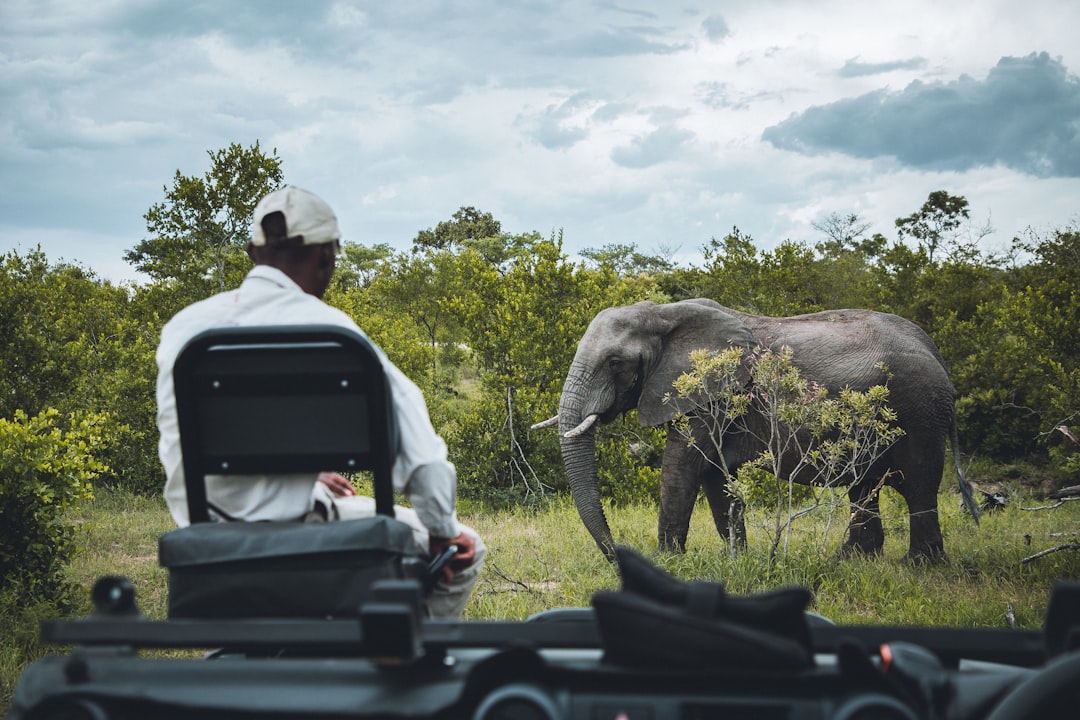
South Africa Safari Best Time to Go in 2026 is May through September. The dry winter season brings less rain and thinner bush, especially in eastern parks. Animals also gather near rivers and waterholes. These conditions make elephants, lions, leopards, rhinos, and buffalo easier to find.
Overview of the 2026 wildlife calendar
May to September is the main wildlife-viewing season across many South African safari areas. Cooler temperatures can also make long game drives more comfortable. July stands out for Kruger National Park, while September and October can suit travelers who want wider itinerary choices.
Kruger National Park is especially rewarding during the dry season. Sparse vegetation improves sight lines from open safari vehicles. Water sources also become important gathering points. Your guide can often spend more time checking these areas because animal movement becomes easier to read.
South Africa’s summer season runs from November through March. Warm, wet weather turns many landscapes bright green and full of new growth. The bush can look beautiful, but thicker vegetation may make some animals harder to spot. Summer therefore suits travelers who value scenery, warmth, and a quieter seasonal feel.
Why timing matters
The month you choose affects more than animal sightings. It also shapes temperatures, road conditions, crowd levels, and the feel of your lodge stay. A dry-season trip may focus on waterholes and clear views. A summer trip may focus on green scenery and changing weather.
SafariFind connects travelers with verified tour operators and authentic traveler reviews. Use the month that fits your wildlife goals, then compare the actual services included in each itinerary.
Compare South Africa safari packages by travel month and wildlife goal.
Known for:
- Big Five wildlife, including elephants, lions, leopards, rhinos, and buffalo.
- Dry-season game viewing from May through September.
- Flexible safari styles, from larger parks to private reserves.
- Easy links through Johannesburg and Cape Town.
Best for:
- First-time safari travelers who want varied wildlife options.
- Families seeking manageable logistics and comfortable game drives.
- Couples comparing private reserves, lodges, and national parks.
- Travelers who want to combine safari time with a wider South Africa trip.
Which Months Offer the Best South Africa Safari Viewing?
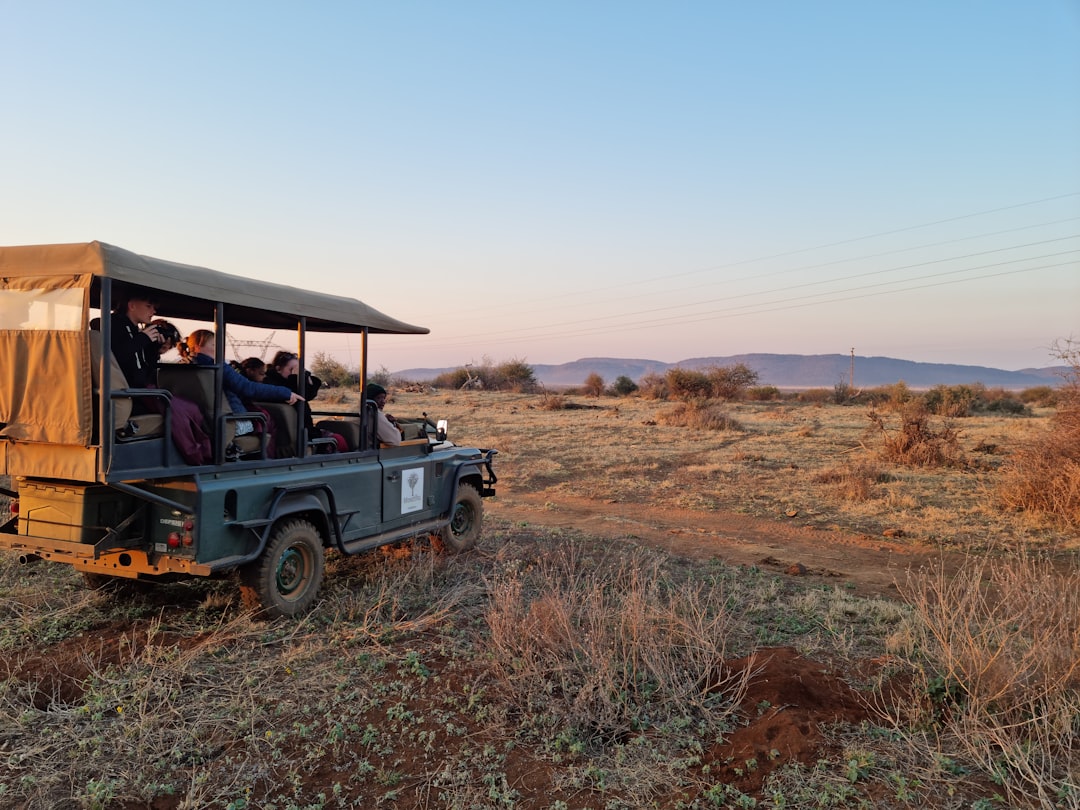
May through September offers the best overall South Africa safari viewing in 2026. Dry conditions reduce thick plant growth, and wildlife often stays close to reliable water. July is the strongest choice for Kruger, while the shoulder months can balance good viewing with milder weather and fewer tourists.
January to March: green summer landscapes
January to March falls within South Africa’s warm, wet summer season. Rain supports lush landscapes and fresh plant growth. The scenery can feel vibrant and dramatic, especially after storms. However, thicker vegetation can reduce visibility in some wildlife areas.
Summer is a good fit for travelers who prefer warm days and green views. It can also suit visitors who want to avoid planning around the main dry-season months. Pack light rainwear, flexible layers, and shoes that can handle wet ground.
April to May: the first shoulder season
April to May is a shoulder-season period with milder weather, fewer tourists, and possible lower prices. April may still carry some wet-season features, while May often begins the clearer dry-season pattern. This period can work well for travelers who want a balance between comfort and wildlife viewing.
May also starts the strongest overall viewing window. As vegetation becomes less dense, animals stand out more clearly. Water sources become useful places for patient viewing, especially during cooler mornings and late afternoons.
June to August: peak dry-season game drives
June to August provides cool, dry conditions and strong wildlife visibility. July is identified as the best month for Kruger National Park. Early drives can feel cold, so bring a fleece or warm jacket. Afternoons often feel more pleasant, while evening temperatures can drop again.
July and August are useful months for travelers focused on the Big Five. Sparse bush improves views across open areas. Lions and other predators may also be easier to locate when guides can follow tracks and inspect water points.
September to October: flexible spring travel
September to October offers a strong balance between wildlife viewing and broader travel flexibility. These months sit near the shoulder season, with fewer visitors than some peak periods and generally milder conditions. September still benefits from dry-season viewing in many eastern parks.
October can bring warmer weather and changing conditions. It suits travelers who want to combine safari with other South African experiences. Check each park and reserve before booking, because local rainfall and habitat can differ.
November to December: warm and wet conditions
November and December belong to the warm, wet summer season. Rainfall supports green scenery and fresh growth. These months are best for visitors who value landscapes and warm weather as much as clear animal views.
| Period | Wildlife conditions | Weather | Best for |
|---|---|---|---|
| January–March | Green scenery; thicker vegetation | Warm and wet | Lush landscapes and warm travel |
| April–May | Improving visibility | Milder shoulder-season weather | Fewer tourists and possible savings |
| June–August | Strong dry-season viewing | Cool and dry | Big Five searches and Kruger trips |
| September–October | Good visibility with flexible planning | Milder to warmer | Mixed itineraries and shoulder travel |
| November–December | Green scenery; thicker bush | Warm and wet | Summer landscapes and warm days |
For a deeper budget guide, read South Africa safari cost by park: Kruger versus Sabi Sands. It can help you compare park styles before requesting quotes.
How Much Does It Cost for a Safari in South Africa?
There is no single fixed answer to how much a safari in South Africa costs in 2026. The final rate depends on the park, lodge, travel dates, transport, group size, and included activities. Use current package listings and direct operator quotes instead of relying on one broad national average.
Price range: what to check before booking
Price range: a verified 2026 rate must come from the selected operator and itinerary. The research supplied for this guide does not provide a reliable dollar range. Therefore, this article does not invent one. Ask whether the quote includes accommodation, meals, game drives, park fees, transfers, and domestic flights.
Peak dry-season dates can affect demand, especially in July and August. Shoulder periods may offer possible lower prices, according to current travel guidance. A lower nightly rate is not always better if it excludes transfers or limits the number of included game drives.
How to compare safari quotes
- Check the exact travel dates and number of safari nights.
- Confirm whether the trip uses a national park or private reserve.
- Ask if meals, drinks, park fees, and guide services are included.
- Compare vehicle type, transfer plans, and group size.
- Read authentic reviews before choosing an operator.
SafariFind helps you compare verified operators, package details, and traveler feedback. Request a quote for the same dates from more than one operator. This approach makes differences in service and inclusions easier to see.
Request 2026 South Africa safari quotes from verified operators.
Which part of South Africa is best for safari?
Kruger National Park is the clearest starting point for many first-time visitors. It offers strong dry-season viewing, and July is highlighted as the best month for Kruger. Private reserves can offer a different style, while other South African parks may suit travelers with more specific landscape or wildlife goals.
South Africa combines Big Five wildlife with varied safari settings and relatively easy logistics. Direct flights to Johannesburg or Cape Town support many routes. Your best location depends on your dates, budget, desired level of comfort, and interest in combining safari with cities or coastlines.
Explore eight South Africa safari locations beyond Kruger before making a final choice. Comparing regions can reveal a better fit for your trip length and wildlife priorities.
How Should You Plan a South Africa Safari by Season?
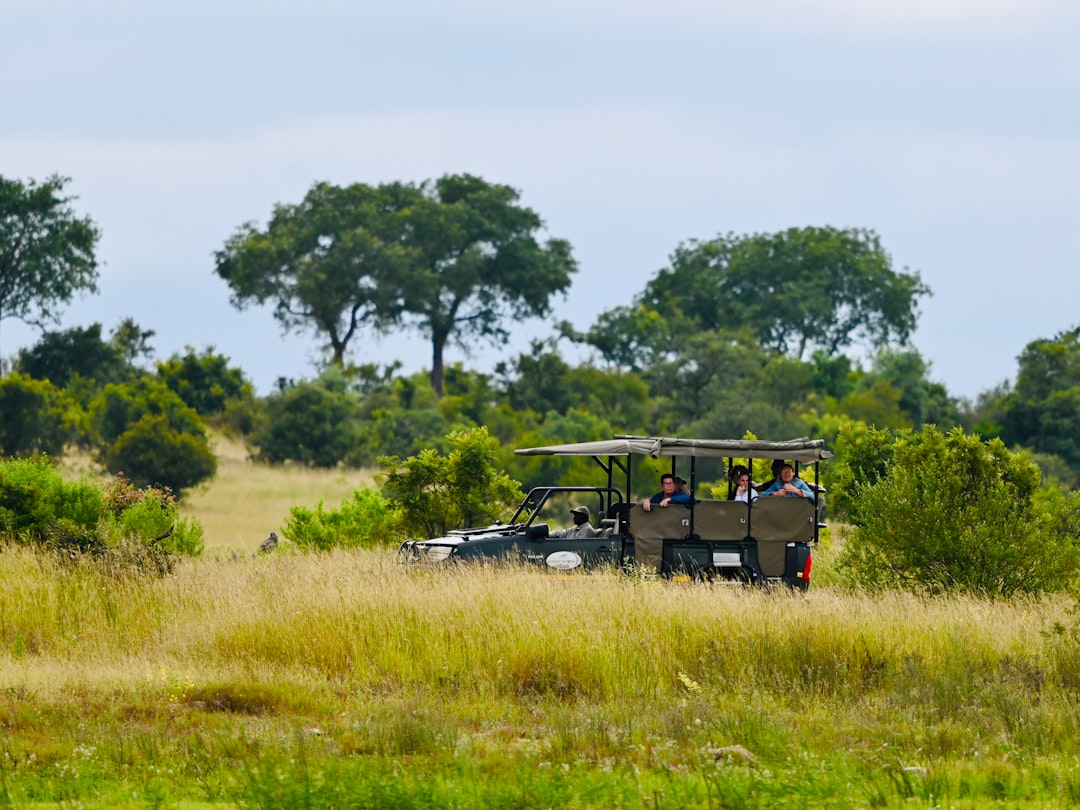
Start your South Africa safari plan with one clear priority: wildlife visibility, green scenery, mild weather, or lower visitor numbers. Then match that priority with the 2026 wildlife calendar. May–September suits clear viewing, while April–May and September–October offer shoulder-season balance.
Step 1: choose your wildlife goal
Wildlife viewing is strongest when dry conditions reduce vegetation and concentrate animals near water. If elephants, lions, leopards, rhinos, and buffalo lead your wish list, begin with May–September. Choose July if Kruger is the main focus.
Green scenery is the main summer advantage. November–March brings warm, wet conditions and lush landscapes. This season suits photographers who value color, changing skies, and fresh plant growth. Keep your schedule flexible because rain can change the pace of a day.
Step 2: choose the right travel window
April–May and September–October work well for travelers who want a middle path. Shoulder season can bring milder weather, fewer tourists, and potentially lower prices. These months also give you more freedom when building a route that includes several South African regions.
June–August suits travelers who accept cooler mornings for clearer game drives. Bring warm layers for early departures. Ask the operator about vehicle roofs, seating, transfer times, and the usual daily drive schedule.
Step 3: plan transport and time
Johannesburg and Cape Town are key arrival points for South Africa safari trips. Your operator can explain the next transfer, road journey, or flight connection. Confirm every transfer before paying, especially when your international flight arrives late.
Safari logistics matter because long transfers reduce time in the bush. A simple route can give you more game-drive hours. A wider route can add varied scenery and activities. Compare both options with your available days and comfort needs.
Step 4: prepare for the field
- Pack warm layers for dry-season morning drives.
- Bring sun protection for open vehicles and afternoon drives.
- Use neutral clothing that works in warm and cool conditions.
- Carry rain protection during November–March summer travel.
- Ask about family rules, walking activities, and age limits.
- Review cancellation terms before confirming a 2026 booking.
Responsible planning also includes guide etiquette and local customs. Read how much to tip a South Africa safari guide in 2026 before departure. Small details can make your trip smoother and more respectful.
Planning checklist
- Select your preferred season and backup month.
- Choose Kruger or compare other safari locations.
- Request at least two detailed operator quotes.
- Check what the price includes and excludes.
- Read recent traveler reviews and confirm the booking terms.
Families should also review health, transfers, and lodge rules early. Safari planning becomes easier when every traveler understands the daily schedule. For safety questions, see this practical South Africa safari safety guide for families.
Key Takeaways
- Choose May–September for dry conditions, thinner vegetation, and easier wildlife viewing in 2026.
- Choose July when Kruger National Park is your main safari destination.
- Compare April–May and September–October for milder weather, fewer tourists, and possible lower prices.
- Choose November–March for warm weather and lush green landscapes, not the clearest wildlife views.
- Request several 2026 quotes because safari cost changes with dates, lodges, transport, and inclusions.
Frequently Asked Questions
What is the best time to go on a South Africa safari in 2026?
May through September is the best overall time for a South Africa safari in 2026. Dry weather and thinner vegetation can make animals easier to see. July is the strongest month for Kruger National Park, while September and October offer broader itinerary flexibility.
How much does it cost for a safari in South Africa?
There is no single fixed South Africa safari cost for 2026. Rates depend on the park, lodge, travel dates, transport, group size, and included services. Compare detailed package prices and request current quotes from verified operators before booking.
Which part of South Africa is best for safari?
Kruger National Park is the best starting point for many first-time safari travelers. July offers especially strong game-viewing conditions there. Private reserves and other parks may suit travelers seeking different lodge styles, landscapes, or route combinations.
Is December a good month for a South Africa safari?
December is a good month for warm weather and lush landscapes, but it is not the clearest wildlife-viewing period. December falls within South Africa’s warm, wet summer season, so thicker vegetation can make some animals harder to spot.
What animals can I see during the dry season?
The dry season can make elephants, lions, leopards, rhinos, and buffalo easier to spot. Animals often gather near rivers and waterholes as vegetation becomes sparse. May through September provides the strongest overall conditions for these Big Five sightings.
How do I book the best South Africa safari for my dates?
SafariFind connects travelers with verified tour operators, current package information, and authentic reviews. Compare itineraries, check inclusions, request quotes, and choose the month that matches your wildlife and weather goals.
Conclusion
May through September is the best overall time for a South Africa safari in 2026. July is the strongest month for Kruger, while April–May and September–October offer a useful mix of mild weather, fewer tourists, and possible savings.
Choose the dry season if clear wildlife views lead your plans. Choose November–March if green landscapes and warm weather matter more. South Africa also makes route planning simple, with access through Johannesburg or Cape Town and many safari styles to compare.
Before booking, check every inclusion, transfer, and cancellation term. Read authentic traveler reviews and compare operators serving your chosen park. Compare verified safari packages on SafariFind and request a quote that matches your 2026 dates. Better planning will help you spend more time enjoying the bush throughout the rest of 2026.
Plan Your Safari with SafariFind
These recommendations use real data from SafariFind, where you can compare operators, browse packages, and read verified traveler reviews before you book.
Recommended Safari Operators from SafariFind
Recommended Safari Packages from SafariFind
What Travelers Say (SafariFind Reviews)
References
- South Africa Safari Best Time to Go: 2026 Month-by-Month
- Best Time to Go on Safari in South Africa in 2026
- Best Time for a South Africa Safari: When to Visit in 2026
- When to Visit South Africa for Safari in 2026
- Where to Go in 2026 for an African Safari and Why You Should Book Now
- The Ultimate Guide to the Best African Safari Tours
- Best Time to Visit South Africa: Seasonal Safari Guide
- Luxury African Safaris 2026