South Africa vs Tanzania Safari 2026: Cost & Wildlife
Compare South Africa and Tanzania safaris in 2026. South Africa costs $120-$300/day; Tanzania $250-$500/day. See wildlife, seasons, and which suits you best.

South Africa vs Tanzania Safari 2026
Last updated: July 2026
South Africa safaris cost $120-$300 per day with luxury lodges and short transfers, while Tanzania safaris run $250-$500 per day with the famous Great Migration. South Africa suits first-time visitors and families; Tanzania offers more remote, immersive experiences. Book through verified operators on SafariFind to compare packages and find the best value for your budget and travel style.
At a Glance
- South Africa cost: $120-$300 per person per day
- Tanzania cost: $250-$500 per person per day
- Best for South Africa: First-time visitors, families, self-drivers, budget travelers
- Best for Tanzania: Adventure seekers, wildlife photographers, Great Migration viewers
- South Africa highlights: Kruger National Park, Big 5, luxury lodges, short transfers
- Tanzania highlights: Serengeti, Ngorongoro Crater, 1.5 million wildebeest migration
What Is South Africa vs Tanzania Safari 2026: Cost & Wildlife?
Choosing between a South Africa safari and a Tanzania safari is one of the biggest decisions for African wildlife travelers. Both destinations offer incredible wildlife viewing, but they differ significantly in cost, comfort level, and the types of experiences you'll have. In 2026, South Africa typically offers cheaper safaris than Tanzania, with daily costs ranging from $120 to $300 per person compared to Tanzania's $250-$500 per day . The choice depends on your budget, travel style, and what animals you want to see.
South Africa is usually the better choice for first-time safari travelers, families, self-drivers, and budget-conscious visitors . The country features well-established infrastructure, shorter transfer distances, and comfortable luxury lodges. Tanzania, meanwhile, appeals to adventure seekers and wildlife photographers who want a more remote, immersive experience. Tanzania is famous for the Great Migration, where 1.5 million wildebeest cross the Mara River between July and October . Both countries offer Big 5 sightings—lion, leopard, elephant, buffalo, and rhino—but the experience and price tag differ considerably.
Understanding the cost breakdown, wildlife opportunities, and best travel times for each destination helps you make an informed decision. This guide compares South Africa and Tanzania safaris across pricing, wildlife diversity, accommodation options, and traveler suitability. We'll show you real package examples so you can see exactly what your budget covers in each country. Whether you're planning a budget safari under $2,000 or a luxury expedition, the details below will help you choose the right destination for 2026.
South Africa Safari: Cost, Wildlife & Experience
What Does a South Africa Safari Cost in 2026?
South Africa safari costs range from $120 to $300 per person per day, making it the more affordable option for many travelers . A typical 5-day safari in Kruger National Park costs between $600 and $1,500 per person, depending on accommodation type and season. Budget tented camps run $120-$150 per day, mid-range lodges cost $150-$250 per day, and luxury properties exceed $300 per day . These prices usually include accommodation, most meals, game drives, and a professional guide.
South Africa's advantage lies in its efficient infrastructure and shorter distances. You spend less time driving between locations and more time actually viewing wildlife. Most safari packages include transport from major cities like Johannesburg, reducing additional travel costs. Optional activities like hot air balloon safaris ($450-$550 per person) and cultural village visits ($20-$50) add to your experience but aren't required . Travel insurance costs $100-$300 for comprehensive coverage and is highly recommended .
The Kruger National Park is South Africa's flagship destination. It covers 19,485 square kilometers and hosts all the Big 5 animals. Self-driving options let budget travelers save 30-40% compared to guided tours. You can explore South Africa safari cost details through comprehensive guides comparing Kruger and private reserves to understand exactly how your money is spent.
South Africa Wildlife & Safari Experience
South Africa offers excellent wildlife viewing with all the Big 5 animals in one country. Kruger National Park alone hosts over 500 bird species, 150 mammal species, and countless reptiles and insects. The wildlife density varies by season, with dry season (May-September) offering the best sightings because animals gather at water sources. During this period, you'll see lions, elephants, leopards, buffalo, and rhinos regularly.
South Africa safaris feature very comfortable and efficient travel . Luxury lodges provide excellent amenities, short transfers between locations, and fly-in safari options. This makes South Africa ideal for families, elderly travelers, and anyone who wants wildlife viewing without roughing it. Private game reserves like Sabi Sands offer exclusive experiences with fewer vehicles and more personalized service.
The travel style in South Africa emphasizes comfort and convenience. Roads are well-maintained, guides are highly trained, and accommodations range from basic but clean to ultra-luxury. You can combine your safari with beach holidays on the South African coast. Many travelers appreciate that South Africa safaris are less physically demanding than Tanzania's longer drives and more remote camps.
Tanzania Safari: Cost, Wildlife & Experience
What Does a Tanzania Safari Cost in 2026?
Tanzania safari costs run higher than South Africa, ranging from $250 to $500 per person per day . A private Tanzania safari costs between $250 and $2,500+ per person per day, with extreme price variation driven by accommodation tier, park choice, and season . A typical 5-day Serengeti safari costs $2,500-$3,500 per person, while budget options near Ngorongoro Crater run $1,200-$1,800 . Prices include accommodation, meals, game drives, and a professional guide.
Tanzania's higher costs reflect several factors. The Serengeti and Ngorongoro Crater require longer drives from airports, increasing transport expenses. Camps tend to be more remote, which raises logistics costs. The Great Migration is a premium experience—traveling to witness 1.5 million wildebeest crossing the Mara River commands premium pricing during peak season (July-October) . Optional activities like hot air balloon safaris ($450-$550 per person) and cultural village visits ($20-$50) are popular add-ons .
In 2026, budget options exist in Tanzania, but they come with trade-offs. You'll drive longer distances, stay in basic camps, and have fewer amenities. Mid-range packages ($300-$400 per day) offer better balance. Luxury options ($500+ per day) provide exclusive camps, private guides, and premium experiences. Travel insurance costs $100-$300 and is essential for remote Tanzania travel .
Tanzania Wildlife & Safari Experience
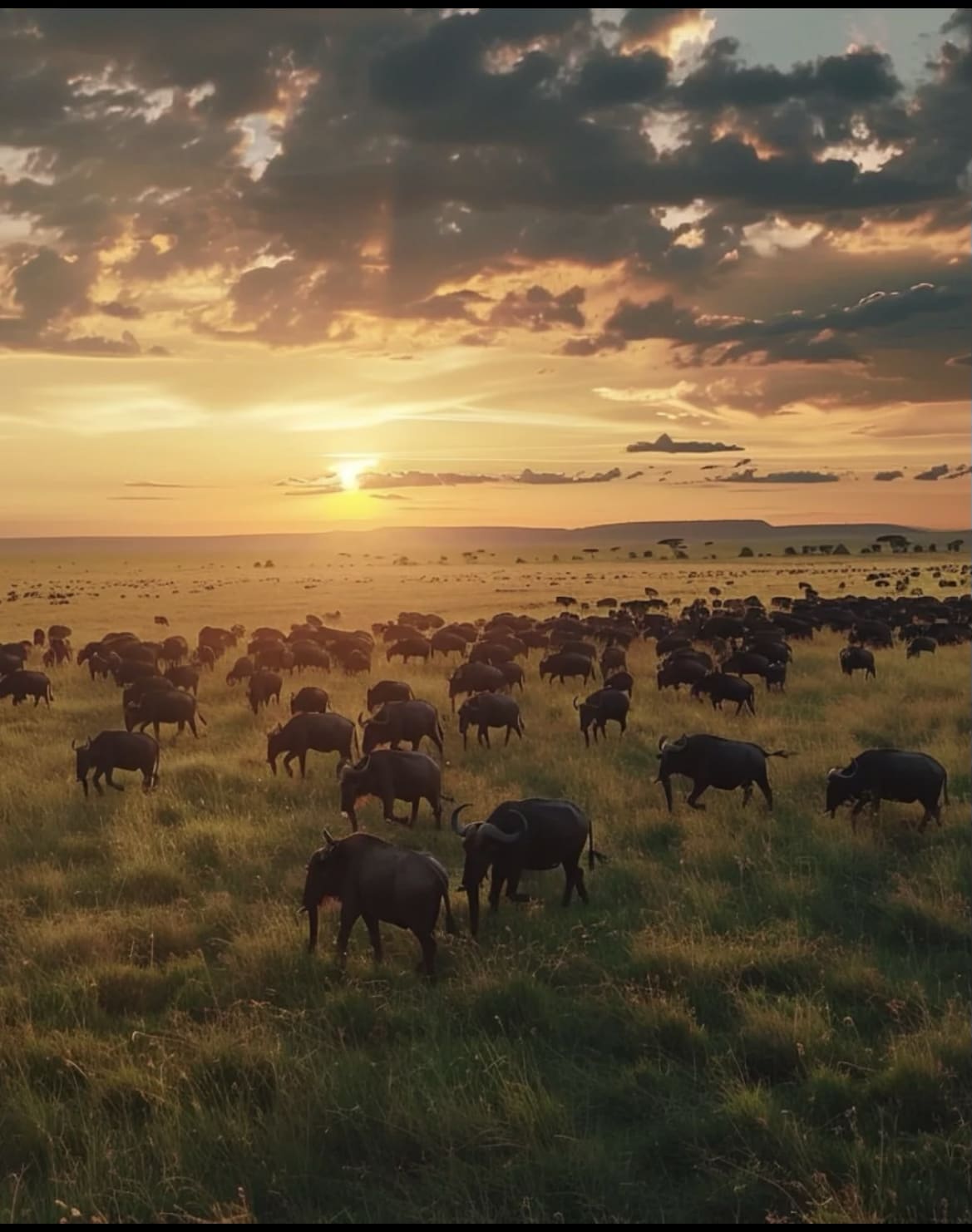
Tanzania is home to the Serengeti National Park, one of Africa's most famous wildlife destinations. The Serengeti covers 14,750 square kilometers and hosts the world's largest terrestrial mammal migration. Between July and October, 1.5 million wildebeest, zebras, and gazelles cross the Mara River in dramatic fashion . This natural spectacle is unmatched anywhere on Earth and justifies the higher safari costs.
Tanzania safaris feature longer drives and more adventurous, immersive experiences . You'll spend more time in remote camps with fewer tourists and more wildlife encounters. The Ngorongoro Crater is another must-see destination—a UNESCO World Heritage Site with the highest concentration of large animals in Africa. You can see lions, elephants, buffaloes, zebras, and flamingos in one stunning crater.
The travel style in Tanzania emphasizes adventure and authenticity. Camps are often in more remote locations, requiring longer transfers but offering greater immersion in nature. You'll experience more varied landscapes, from vast plains to volcanic highlands. Tanzania appeals to photographers, wildlife enthusiasts, and travelers seeking a deeper connection with African wilderness. The experience is less "comfortable" than South Africa but more transformative.
Head-to-Head Comparison: South Africa vs Tanzania Safari 2026
Cost Comparison
South Africa is the clear winner for budget-conscious travelers. Daily costs of $120-$300 per person make it 40-60% cheaper than Tanzania's $250-$500 per day . For a 5-day safari, you'll spend $600-$1,500 in South Africa versus $1,250-$2,500 in Tanzania. This difference adds up quickly for families or group travel. South Africa's efficient infrastructure, shorter drives, and abundant mid-range accommodations keep costs down.
However, Tanzania's higher costs reflect premium experiences. The Great Migration is a once-in-a-lifetime event worth the premium price for many travelers. If you're willing to spend more, you get exclusive camps, private guides, and access to Africa's most dramatic wildlife spectacle. Budget travelers can find cheaper Tanzania options ($200-$300 per day), but these involve longer drives, basic camps, and less flexibility.
| Factor | South Africa | Tanzania |
|---|---|---|
| Daily Cost | $120-$300 per person | $250-$500 per person |
| 5-Day Safari | $600-$1,500 | $1,250-$2,500 |
| Budget Tier | $120-$150/day | $200-$250/day |
| Luxury Tier | $300+/day | $500+/day |
| Best for Budget | Yes, self-driving options | Limited budget options |
Wildlife & Safari Highlights Comparison
Both countries offer Big 5 viewing, but the experiences differ. South Africa's Kruger National Park guarantees Big 5 sightings with excellent wildlife density year-round. You'll see lions, leopards, elephants, buffalo, and rhinos reliably. Tanzania's Serengeti also offers Big 5 viewing, but the main draw is the Great Migration. Seeing 1.5 million wildebeest crossing the Mara River between July and October is unmatched anywhere .
South Africa excels in diverse ecosystems and bird watching. The country has 500+ bird species and varied habitats—from savanna to wetlands to mountains. Private game reserves offer exclusive wildlife encounters with fewer vehicles competing for sightings. Tanzania specializes in dramatic landscapes and concentrated wildlife. The Ngorongoro Crater has the highest density of large animals in Africa, offering incredible sightings in a compact area.
Best Travel Style & Comfort Comparison
South Africa offers very comfortable and efficient travel with luxury lodges, short transfers, and fly-in safari options . Roads are excellent, guides are highly trained, and amenities are top-notch. This makes South Africa ideal for families, elderly travelers, and anyone prioritizing comfort. You can combine your safari with beach holidays on the South African coast.
Tanzania offers longer drives, remote camps, and more adventurous experiences . The travel style is less "easy" but more immersive. You'll spend more time in nature, experience greater solitude, and connect more deeply with African wilderness. Tanzania suits adventure seekers, wildlife photographers, and travelers seeking authentic, transformative experiences. The trade-off is less comfort for more authenticity.
Best Time to Visit: South Africa vs Tanzania Safari 2026
South Africa Safari Season
The best time for a South Africa safari is dry season from May to September. During these months, temperatures are cooler, vegetation is sparse, and animals gather at water sources, making them easier to spot. Wildlife sightings are most reliable during this period. September is particularly good because it marks the end of dry season when animals are concentrated around remaining water.
Wet season from November to March brings lush vegetation, baby animals, and abundant bird life. However, dense foliage makes wildlife harder to see. Prices are lower during wet season, making it ideal for budget travelers who don't mind reduced sightings. Shoulder seasons (April and October) offer good wildlife viewing with fewer tourists and moderate prices.
Tanzania Safari Season
The best time for Tanzania safari depends on which wildlife event you want to witness. For the Great Migration, visit July to October when 1.5 million wildebeest cross the Mara River . This is peak season with premium prices but unmatched wildlife drama. June and November offer good migration viewing with slightly lower prices and fewer tourists.
Dry season (June-October) is overall best for Tanzania wildlife viewing. Animals are concentrated at water sources, and vegetation is sparse. Wet season (November-May) brings green landscapes, baby animals, and lower prices. However, rain can make roads difficult and wildlife viewing challenging. For the best combination of wildlife, weather, and value, visit Tanzania in June or November during shoulder season.
Who Should Choose South Africa vs Tanzania in 2026?
Choose South Africa Safari If You Are:
South Africa is usually the better choice for first-time safari travelers, families, self-drivers, and budget-conscious visitors . If you want comfort, efficiency, and excellent wildlife viewing without breaking the bank, South Africa delivers. The country's well-developed infrastructure, shorter transfers, and abundant accommodation options make it easy to plan and execute a successful safari.
Families appreciate South Africa's safety, comfortable lodges, and flexible self-driving options. You can control the pace, take breaks, and customize your experience. Elderly travelers or anyone with mobility concerns find South Africa more accessible due to shorter drives and better amenities. Budget travelers save 30-40% compared to Tanzania while still seeing all the Big 5 animals.
Self-drivers love South Africa's excellent roads, clear signage, and affordable vehicle rentals. You can explore Kruger National Park independently at your own pace. First-time safari visitors benefit from South Africa's manageable learning curve—the country is easy to navigate, guides are abundant, and expectations are clear.
Choose Tanzania Safari If You Are:
Tanzania suits adventure seekers, wildlife photographers, and travelers wanting a more remote, immersive experience. If the Great Migration is your dream, Tanzania is non-negotiable. Seeing 1.5 million wildebeest crossing the Mara River between July and October is a once-in-a-lifetime event worth the premium cost . Wildlife photographers prize Tanzania for dramatic action shots and exclusive camp access.
Experienced safari travelers appreciate Tanzania's authenticity and challenge. The longer drives, remote camps, and more adventurous style appeal to those seeking deeper connection with African wilderness. If you want to escape crowds and experience safari in a more traditional, immersive way, Tanzania delivers.
Travelers with flexible budgets who can afford $250-$500 per day find Tanzania's premium experiences worthwhile. Exclusive camps, private guides, and access to the Serengeti's dramatic migration justify higher costs. Tanzania suits those who view safari as a transformative journey rather than a box-to-check vacation.
Practical Booking Tips for South Africa vs Tanzania Safari 2026
How to Book and Save Money
Book your safari 3-6 months in advance to secure the best rates and availability. Peak season (July-October for both countries) books quickly, so early planning is essential. Off-season travel (November-May for South Africa, November-April for Tanzania) offers 20-30% discounts if you're flexible with dates. Group bookings of 4+ people often qualify for 10-15% discounts with tour operators.
Use guides to affordable safari packages under $2,000 to find budget-friendly options that don't compromise quality. Compare packages on SafariFind to see real pricing from verified operators. Many companies offer all-inclusive packages that bundle flights, accommodation, and game drives at better rates than booking separately.
Negotiate directly with tour operators for better deals. Ask about package discounts, free activities, or room upgrades. Travel during shoulder season (April, May, September, November) for the sweet spot between wildlife viewing and pricing. Consider multi-country trips—combining South Africa and Tanzania into one journey sometimes costs less than visiting each separately.
What to Book and What to Skip
Book accommodations and game drives in advance—these are your core safari experience. Skip expensive optional activities unless they're must-dos for you. Hot air balloon safaris ($450-$550) are incredible but optional . Cultural village visits ($20-$50) offer value if you're interested in local communities . Walking safaris are usually included in packages or cost $50-$100 .
Invest in comprehensive travel insurance ($100-$300) . This protects against trip cancellations, medical emergencies, and lost luggage. Don't skip this to save money. Book internal flights in advance if combining multiple locations. Last-minute domestic flights in Africa can be expensive or unavailable during peak season.
Using SafariFind to Compare and Book
SafariFind connects you with verified tour operators offering transparent pricing and authentic reviews from previous travelers. Browse safari packages for both South Africa and Tanzania to compare costs, durations, and inclusions side-by-side. Read real reviews to understand what past travelers experienced with each operator and destination.
Request quotes from multiple operators to compare pricing. Many SafariFind operators offer customized packages tailored to your budget, dates, and preferences. Check operator ratings and review counts—highly-rated operators (4.5+ stars with 50+ reviews) have proven track records. Use SafariFind's review section to read detailed feedback from families, budget travelers, and luxury seekers to find operators matching your travel style.
Health, Safety & Preparation for South Africa vs Tanzania 2026
Vaccinations and Health Requirements
Check vaccination requirements before traveling. Both South Africa and Tanzania recommend yellow fever vaccination, though it's not required for entry from most countries. Malaria prevention is essential in both destinations—consult your doctor about antimalarial medications . Comprehensive travel insurance covering medical evacuation is highly recommended, especially for Tanzania's remote areas .
South Africa's healthcare infrastructure is excellent, with modern hospitals in major cities and adequate clinics near safari areas. Tanzania's healthcare is more limited in remote regions, making travel insurance critical. Pack a personal medical kit with basics like antibiotics, anti-diarrhea medication, pain relievers, and any prescription medications you need.
For detailed health guidance specific to your citizenship, review resources like vaccinations and health rules for South Africa tailored to your country of residence.
Safety Considerations
Both South Africa and Tanzania are generally safe for tourists following standard precautions. Avoid displaying expensive jewelry, cameras, or cash in public areas outside your safari lodge. Stay aware of your surroundings in cities like Johannesburg and Dar es Salaam. Safari lodges maintain excellent security, and game drives are conducted by experienced, armed guides.
South Africa's infrastructure and security systems are more developed than Tanzania's. Crime rates are higher in major South African cities, but safari areas are well-protected. Tanzania's main risks are in urban areas; safari regions are quite safe. Both countries have excellent safari operators with strong safety records. Follow your guide's instructions during game drives and respect wildlife boundaries.
What to Wear and Pack
Pack neutral-colored clothing for game drives—khaki, tan, brown, and green blend with the landscape and don't startle animals. Avoid bright colors, white, and blue. Bring long pants and long-sleeved shirts for protection from sun and insects. Pack a warm layer for early morning game drives, which can be chilly. Comfortable walking shoes are essential for lodge walks and optional walking safaris.
Bring high SPF sunscreen, a wide-brimmed hat, and sunglasses for protection from intense African sun. Pack binoculars for better wildlife viewing. Bring any prescription medications in original containers. A lightweight rain jacket handles occasional showers. For detailed packing guidance, explore family-friendly safari guides that include comprehensive packing lists.
Key Takeaways
- Book your South Africa safari 3-6 months ahead to save 15-20% on peak season rates and secure the best lodge availability.
- South Africa safaris cost $120-$300 per day versus Tanzania's $250-$500, making South Africa 40-60% cheaper for budget travelers .
- Choose South Africa for first-time visitors, families, and self-drivers; choose Tanzania for the Great Migration and adventure seekers wanting remote camps .
- Dry season (May-September for South Africa, June-October for Tanzania) offers the best wildlife viewing and reliable sightings during 2026 .
- Use SafariFind to compare verified operators, read authentic traveler reviews, and request quotes from multiple companies to find the best value for your safari style and budget.
Frequently Asked Questions
Is South Africa safari cheaper than Tanzania safari in 2026?
Yes, South Africa safaris cost $120-$300 per person per day, while Tanzania safaris run $250-$500 per day . For a 5-day safari, South Africa costs $600-$1,500 versus Tanzania's $1,250-$2,500. South Africa's efficient infrastructure and shorter transfers keep costs down, making it ideal for budget travelers.
Which safari is better for first-time visitors: South Africa or Tanzania?
South Africa is usually the better choice for first-time safari travelers, families, self-drivers, and budget-conscious visitors . The country offers excellent wildlife viewing, comfortable lodges, well-maintained roads, and abundant guides. Tanzania is better for experienced travelers seeking adventure and the Great Migration experience.
When is the best time to visit South Africa and Tanzania for safari?
For South Africa, visit dry season May-September for the best wildlife viewing and cooler temperatures. For Tanzania, visit July-October to witness the Great Migration with 1.5 million wildebeest crossing the Mara River . Shoulder seasons (April-May, September-November) offer good wildlife viewing with fewer tourists and lower prices.
What is the cost of a private safari in Tanzania versus South Africa?
A private Tanzania safari costs between $250 and $2,500+ per person per day, depending on accommodation tier and season . South Africa private safaris range from $120-$300 per person per day . Tanzania's higher costs reflect premium experiences like the Great Migration and remote camps. South Africa offers better value for budget travelers.
Can I see the Big 5 in both South Africa and Tanzania?
Yes, both countries offer Big 5 viewing—lion, leopard, elephant, buffalo, and rhino. South Africa's Kruger National Park guarantees reliable Big 5 sightings year-round. Tanzania's Serengeti also features all Big 5 animals, plus the world-famous Great Migration. Both destinations deliver excellent wildlife experiences at different price points.
How do I book a safari in South Africa or Tanzania and get the best deal?
Book 3-6 months in advance to secure the best rates and availability. Compare packages on SafariFind from verified operators with authentic reviews. Request quotes from multiple companies to find the best value. Travel during shoulder season (April-May, September-November) for 20-30% discounts. SafariFind helps you browse packages, compare prices, and read real traveler experiences before booking.
Is Tanzania safari more adventurous than South Africa safari?
Yes, Tanzania safaris feature longer drives, remote camps, and more adventurous, immersive experiences . South Africa offers very comfortable and efficient travel with luxury lodges and short transfers . Tanzania suits adventure seekers and wildlife photographers; South Africa suits families and comfort-focused travelers. Both deliver incredible wildlife experiences in different styles.
Conclusion
South Africa and Tanzania both offer world-class safari experiences in 2026, but they serve different travelers and budgets. South Africa is usually the better choice for first-time safari travelers, families, self-drivers, and budget-conscious visitors . With daily costs of $120-$300 per person, South Africa delivers excellent wildlife viewing without excessive expense. The country's efficient infrastructure, shorter transfers, comfortable lodges, and reliable Big 5 sightings make it the smart choice for most travelers.
Tanzania is the right choice if the Great Migration is your dream or you're an experienced traveler seeking adventure and immersion. Watching 1.5 million wildebeest cross the Mara River between July and October is unmatched anywhere on Earth . Tanzania's premium pricing ($250-$500 per day) reflects exclusive camps, dramatic landscapes, and transformative experiences. The trade-off is longer drives, more remote locations, and less comfort—but greater authenticity and wildlife drama.
For most travelers in 2026, starting with South Africa makes sense. You'll save 40-60% compared to Tanzania, see all the Big 5 animals, and experience safari in a manageable, comfortable way. Many travelers then return to Tanzania later for the Great Migration. Whatever you choose, book through verified operators on SafariFind to compare packages, read authentic reviews from previous travelers, and request quotes tailored to your budget. Your perfect African safari awaits—now it's time to decide which destination matches your dreams and budget.
Plan Your Safari with SafariFind
These recommendations use real data from SafariFind, where you can compare operators, browse packages, and read verified traveler reviews before you book.
Recommended Safari Operators from SafariFind
Recommended Safari Packages from SafariFind
What Travelers Say (SafariFind Reviews)
References
- Tanzania vs South Africa Safari: Wildlife, Costs & Key Differences
- Tanzania Safari Cost 2026 - Everything You Need to Know!
- South Africa vs Tanzania: Where Should You Go for an African Safari?
- Private Tanzania Safari 2026: 9 Best Options & Costs
- How much does a Kenya Tanzania Safari Cost? 2026 Ideal Guide
- SOUTH AFRICA vs TANZANIA SAFARI - Nature Bound Africa
- South Africa Safari Cost in 2026: Real prices by Travel Style
 Ask Tembo about this guide
Sources
- Tanzania vs South Africa Safari: Wildlife, Costs & Key Differences
- Tanzania Safari Cost 2026 - Everything You Need to Know!
- South Africa vs Tanzania: Where Should You Go for an African Safari?
- Private Tanzania Safari 2026: 9 Best Options & Costs
- How much does a Kenya Tanzania Safari Cost? 2026 Ideal Guide
- SOUTH AFRICA vs TANZANIA SAFARI - Nature Bound Africa
- South Africa Safari Cost in 2026: Real prices by Travel Style
Related to
Ready to start your safari adventure?
Explore curated safari packages and find your perfect African adventure with verified operators.