Tanzania Safari Visa & Vaccinations: US Citizen Checklist 2026
US citizens need Tanzania e-visa ($50-$100), yellow fever vaccination, and malaria prophylaxis. Plan 4-6 weeks ahead. Complete 2026 checklist inside.

Tanzania Safari Visa & Vaccinations Checklist
Last updated: July 2026
US citizens need a Tanzania e-visa (available on arrival or online for $50-$100), yellow fever vaccination if arriving from endemic countries, and malaria prophylaxis recommended for most regions. Plan vaccinations 4-6 weeks before travel and book through verified operators on SafariFind to ensure proper pre-trip health guidance and smooth entry.
At a Glance
- Visa cost: $50-$100 USD for e-visa
- Processing time: 1-3 business days online or on arrival
- Yellow fever vaccine: Recommended if arriving from endemic countries
- Malaria prophylaxis: Advised for most safari regions year-round
- Vaccination prep time: 4-6 weeks before departure
- Best time to book: 2-3 months before travel for visa and health planning
What You Need to Know: Tanzania Entry Requirements for US Citizens
Tanzania safari visa and vaccination requirements for US citizens are straightforward in 2026, but they require advance planning. You need a valid passport with at least six months validity, a visa, and specific vaccinations depending on your travel route. Most travelers get these items in order within 2-3 months of departure.
The Tanzania e-visa system makes entry simple. US citizens can apply online before travel or obtain a visa on arrival at Julius Nyerere International Airport in Dar es Salaam. Both methods work well, though online application reduces airport delays.
Health requirements matter more than many travelers realize. Yellow fever vaccination is mandatory if you arrive from certain countries and recommended regardless. Malaria protection is essential across most safari regions, including the Serengeti and Ngorongoro Crater areas.
Tanzania E-Visa Requirements for US Travelers
The Tanzania e-visa is the standard entry document for US citizens traveling to Tanzania in 2026. You can apply online through the official Tanzania immigration portal or obtain it on arrival. The process takes 1-3 business days when applying online, though airport processing may take longer during peak travel seasons.
How to Apply for Your Tanzania E-Visa
Apply for your Tanzania e-visa online at least two weeks before travel. You'll need your passport, a recent passport photo (digital), and a valid email address. The application fee is $50-$100 USD, payable by credit card. You'll receive your e-visa via email within 3 business days.
If you prefer not to apply online, you can get a visa on arrival at Tanzania's main airports. The on-arrival visa costs the same amount but may involve longer lines. During July-October (peak safari season), airport visa queues can stretch 30-45 minutes.
Your passport must be valid for at least six months from your arrival date in Tanzania. If your passport expires within six months, renew it before applying for your visa. This requirement applies to all US citizens, including children.
Visa Duration and Extensions
The Tanzania tourist e-visa allows you to stay for 90 days from your arrival date. Most safari trips last 7-10 days, so this gives you plenty of time. If you plan to stay longer or combine Tanzania with other East African countries like Kenya, your 90-day window provides flexibility.
Extensions are possible but require visiting immigration offices in Dar es Salaam. Most safari travelers don't need extensions since their trips fit comfortably within the 90-day period. Plan your itinerary before applying so your visa duration matches your travel dates.
When you book through verified Tanzania safari companies, they can provide guidance on visa timing and help coordinate your arrival dates with your safari schedule.
Recommended Vaccinations for Tanzania Safari Travel
Yellow fever vaccination is the most important health requirement for Tanzania safari travel. While it's not mandatory for all travelers, it's required if you're arriving from countries with yellow fever transmission, including most other African nations. Even if not required, health experts recommend it for all Tanzania visitors.
Yellow Fever Vaccination
The yellow fever vaccine provides lifelong protection after one dose. You need to receive it at least 10 days before travel for it to be effective. Many countries require proof of yellow fever vaccination if you've visited Tanzania and plan to travel there next, so getting vaccinated protects your future travel plans too.
You must get your yellow fever vaccine at an authorized travel clinic, not your regular doctor's office. The vaccine costs $100-$200 and requires a special certificate that proves your vaccination date. Keep this certificate with your passport during travel—some countries request it at immigration.
Malaria Prevention and Prophylaxis
Malaria is present in Tanzania year-round, with highest transmission during rainy seasons. Most safari regions, including the Serengeti, Ngorongoro Crater, and Lake Tanganyika areas, carry malaria risk. Your doctor will recommend antimalarial medication based on your travel dates and specific destinations.
Common malaria prophylaxis options include atovaquone-proguanil (Malarone), doxycycline, and mefloquine. Each medication has different side effects and costs. Atovaquone-proguanil works quickly and has fewer side effects but costs more. Doxycycline is cheaper but requires daily dosing and sun protection. Discuss options with your travel medicine doctor to find what works best for you.
Start antimalarial medication 1-2 days before arrival and continue for 4 weeks after leaving Tanzania. Missing doses reduces effectiveness significantly. Set phone reminders to take your medication at the same time each day throughout your trip.
Additional Recommended Vaccinations
Beyond yellow fever, several other vaccinations are recommended for Tanzania safari travelers. Hepatitis A protection is advised since the virus spreads through contaminated food and water. A two-dose series provides lifelong immunity. Many people received Hepatitis A vaccines in childhood, so check your vaccination records before scheduling new doses.
Typhoid vaccination protects against bacteria spread through contaminated food and water. The shot lasts two years, while oral vaccine provides five years of protection. If you've traveled to developing countries before, you may already have immunity.
Polio boosters are recommended if you haven't received one in the past 10 years. Tanzania has circulating poliovirus risk, making this booster important for all international travelers. Most adults received polio vaccines in childhood, so you likely just need a single booster dose.
Routine vaccinations like tetanus, measles, and flu should be current. Check with your doctor about your complete vaccination history before travel. Getting all recommended vaccines 4-6 weeks before departure gives your immune system time to build protection.
Health Preparation Timeline: When to Start Planning
Begin health preparations 6-8 weeks before your Tanzania safari departure date. This timeline ensures vaccines take effect and you have time to address any complications. Starting early also lets you coordinate with your travel medicine doctor and safari operator.
8 Weeks Before Travel
Schedule an appointment with a travel medicine doctor or your primary care physician. Bring your complete vaccination history and planned Tanzania itinerary. The doctor will review your health, assess malaria and yellow fever risk based on your specific destinations, and recommend appropriate vaccinations and prophylaxis.
Research Tanzania safari packages during this phase too. Understanding Tanzania safari costs and what's included helps you plan your health budget alongside your trip expenses.
6-4 Weeks Before Travel
Get your yellow fever vaccination at an authorized travel clinic. This timing gives the vaccine 4+ weeks to provide full protection. Schedule any other recommended vaccines at this appointment too. If you need multiple doses of a vaccine (like Hepatitis A), get your first dose now and schedule the second dose for 4 weeks later.
Pick up your antimalarial prescription and start taking it as directed by your doctor. Ask your pharmacist about potential side effects and how to minimize them. Some people experience mild nausea or dizziness—taking medication with food often helps.
2-3 Weeks Before Travel
Confirm all vaccinations are complete. Get any second doses needed and collect your yellow fever certificate. Make copies of your vaccination records and store them separately from your originals. Take photos of your vaccination cards with your phone as backup.
Apply for your Tanzania e-visa online if you haven't already. The 2-3 week timeline ensures you receive your visa before departure and have time to address any application issues. Check your email regularly for visa approval notifications.
1 Week Before Departure
Gather all health documents: yellow fever certificate, vaccination records, malaria medication, and prescription copies. Pack medications in original bottles with your name and dosage clearly labeled. TSA allows prescription medications through airport security in carry-on bags.
Confirm your safari booking and departure details with your tour operator. Share your vaccination status and any health conditions that might affect your safari experience. Operators can arrange additional medical support if needed.
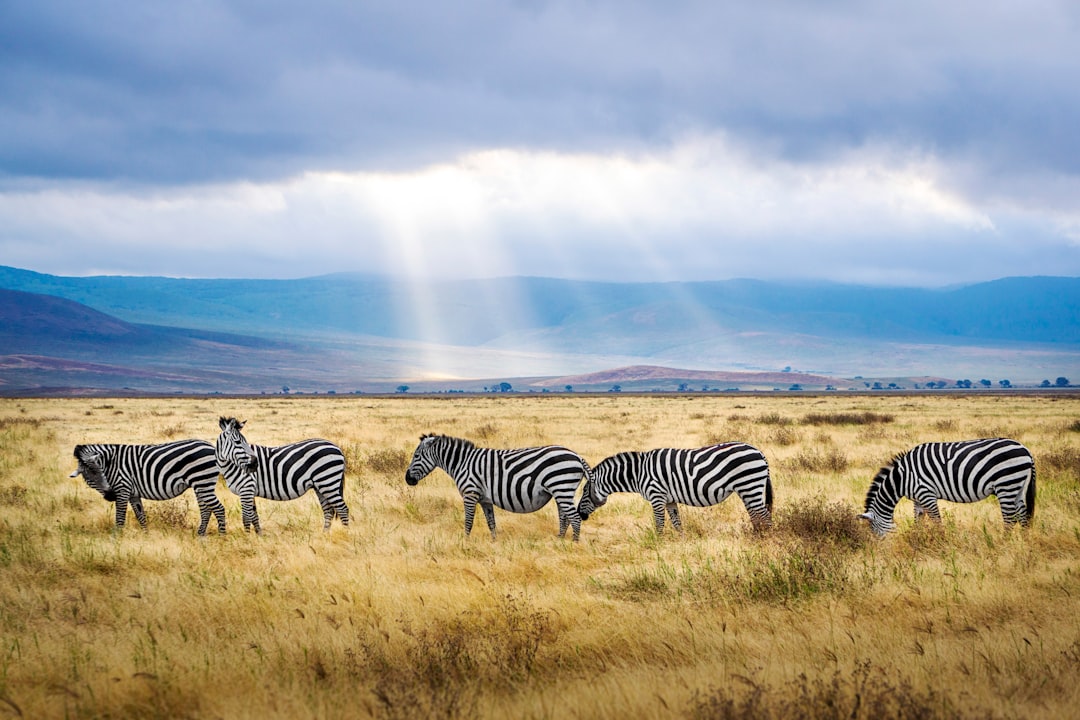
Health Considerations During Your Tanzania Safari
Staying healthy during your safari requires attention to food, water, insect protection, and altitude. Tanzania's diverse ecosystems mean different health risks in different regions. The Serengeti at high altitude presents different challenges than Lake Tanganyika at low elevation.
Food and Water Safety
Drink only bottled or purified water throughout Tanzania. Most safari lodges provide safe drinking water, but carry bottled water during game drives. Avoid ice in drinks unless you're certain it was made from purified water. This simple practice prevents most traveler's diarrhea cases.
Eat cooked foods served hot and avoid raw vegetables unless you can peel them yourself. Safari lodges maintain high food safety standards, but street food and informal restaurants carry higher risk. Stick to established restaurants and your lodge dining facilities.
Insect Protection and Malaria Prevention
Mosquitoes transmit malaria, dengue, and other diseases. Use DEET-based insect repellent (20-30% concentration) on exposed skin every 3-4 hours. Reapply after swimming or sweating. Wear long sleeves and pants during dawn and dusk when mosquitoes are most active.
Sleep under mosquito nets even in lodges with screens. Many safari accommodations provide nets, but bring your own if you want guaranteed protection. Permethrin-treated nets offer additional protection. Combine net use with repellent for maximum malaria prevention.
Altitude and Sun Exposure
The Ngorongoro Crater and Mount Kilimanjaro regions sit at high elevation. Some visitors experience mild altitude effects like headache or fatigue. Ascend slowly, stay hydrated, and avoid alcohol for the first 24 hours. These simple steps prevent most altitude-related issues.
Tanzania's equatorial sun is intense. Sunburn happens quickly even on cloudy days. Apply broad-spectrum SPF 30+ sunscreen every two hours and after swimming. Wear a wide-brimmed hat and sunglasses to protect your face and eyes. Sun protection prevents skin damage and reduces skin cancer risk years later.
Combining Tanzania Safari with Other East African Destinations
Many travelers combine Tanzania with Kenya, Uganda, or Rwanda safaris. Your visa and vaccination requirements adjust based on your complete itinerary. Planning multi-country trips requires understanding entry requirements for each destination.
Tanzania and Kenya Safari Combinations
A Tanzania and Kenya safari is popular since both countries share similar wildlife and ecosystems. Your 90-day Tanzania e-visa covers travel between both countries. Kenya has similar vaccination requirements to Tanzania, so your yellow fever vaccine and malaria prophylaxis cover both nations.
Consider comparing Kenya and Tanzania safari options to decide which destination fits your interests better. Some operators offer combined packages that save money compared to booking separately.
Tanzania and Zanzibar Combinations
Zanzibar is part of Tanzania, so your single e-visa covers both the mainland and island. Many travelers add 2-3 days on Zanzibar after their safari to relax on beaches. Health requirements remain the same since Zanzibar follows Tanzania's regulations.
Malaria risk is similar in Zanzibar as mainland Tanzania, so continue your antimalarial medication. Yellow fever vaccination recommendations also apply to Zanzibar. The island's beaches and Stone Town cultural sites provide perfect safari recovery time.
Documentation and Insurance for Your Tanzania Safari
Beyond visa and vaccinations, proper documentation ensures smooth travel and peace of mind. Travel insurance becomes essential when combining international flights with remote safari activities.
Passport and Documentation
Your passport must be valid for at least six months from your Tanzania arrival date. Check expiration now—passport renewal takes 6-12 weeks. Make two copies of your passport's main page and store them separately from your original.
Keep vaccination records accessible but secure. Digital copies on your phone and cloud storage provide backup if physical documents are lost. Print extra copies of your yellow fever certificate since some countries request proof if you travel onward from Tanzania.
Travel Insurance and Medical Coverage
Purchase travel insurance that covers medical emergencies, evacuation, and trip cancellation. Safari regions are remote—emergency medical evacuation can cost $5,000-$15,000 without insurance. Most comprehensive travel policies include evacuation coverage.
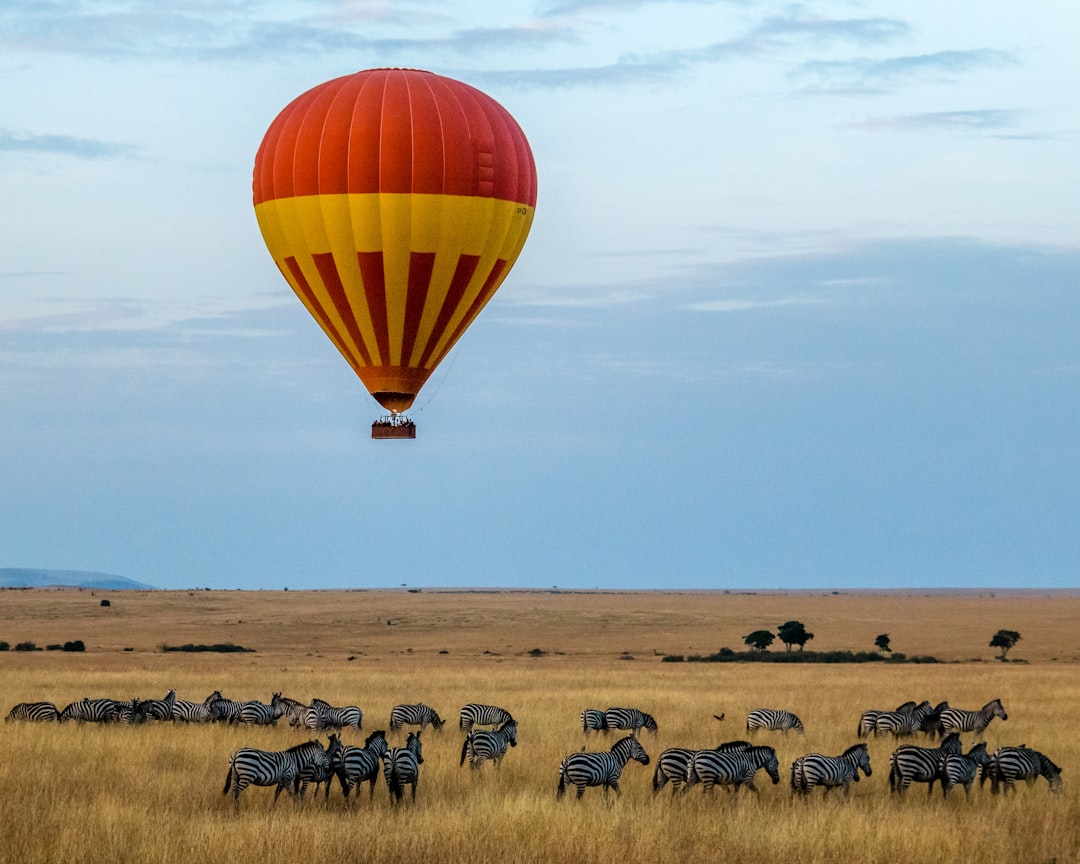
Check your insurance coverage for adventure activities. Some safari experiences like hot air balloon rides or hiking require additional coverage. Discuss your planned activities with your insurance provider before purchase.
Bring a copy of your insurance policy and emergency contact numbers. Store contact information separately from your passport. If medical issues arise, your insurance company can coordinate care and arrange evacuation if needed.
Key Takeaways
- Apply for your Tanzania e-visa online 2-3 weeks before travel to avoid airport delays and save processing time during peak safari season.
- Schedule yellow fever vaccination at an authorized travel clinic 4-6 weeks before departure for full protection and to receive your required certificate.
- Start antimalarial medication 1-2 days before arrival and continue for 4 weeks after leaving Tanzania to prevent malaria infection in safari regions.
- Book your safari 2-3 months ahead through verified operators on SafariFind who can coordinate health guidance with your travel dates and specific destinations.
- Obtain travel insurance with medical evacuation coverage before departure since remote safari locations require expensive emergency transportation if serious illness occurs.
Frequently Asked Questions
Do US citizens need a visa to enter Tanzania in 2026?
Yes, US citizens require a Tanzania e-visa for entry. You can apply online through the official Tanzania immigration portal ($50-$100 USD, 1-3 business days) or obtain a visa on arrival at major airports. Your passport must be valid for at least six months from your arrival date. Online application is recommended to avoid airport delays during peak safari season.
Is yellow fever vaccination mandatory for Tanzania safari travel?
Yellow fever vaccination is mandatory if you're arriving from countries with yellow fever transmission. Health experts recommend it for all Tanzania visitors regardless of origin country. The vaccine provides lifelong protection after one dose and must be received at least 10 days before travel. You'll receive a certificate proving vaccination for future international travel.
What malaria prevention should I take for a Tanzania safari?
Malaria is present year-round in most Tanzania safari regions. Your doctor will recommend antimalarial medication based on your travel dates and destinations. Common options include atovaquone-proguanil (Malarone), doxycycline, or mefloquine. Start medication 1-2 days before arrival and continue for 4 weeks after leaving Tanzania. Combine medication with DEET insect repellent and mosquito nets for maximum protection.
How long before my safari should I get vaccinations?
Begin health preparations 6-8 weeks before departure. Yellow fever vaccination needs 4+ weeks to reach full effectiveness. Hepatitis A and typhoid vaccines require time between doses. Schedule your travel medicine appointment 8 weeks before travel to allow time for multiple vaccine doses and antimalarial medication adjustment.
Can I get a Tanzania visa on arrival at the airport?
Yes, you can obtain your Tanzania e-visa on arrival at major airports including Julius Nyerere International Airport in Dar es Salaam. The on-arrival visa costs the same as online application ($50-$100 USD) but may involve longer processing times. During peak safari season (July-October), airport visa queues can take 30-45 minutes. Online application is faster and recommended.
Do I need travel insurance for a Tanzania safari?
Travel insurance is highly recommended for Tanzania safaris, especially coverage for medical emergencies and evacuation. Remote safari regions can require expensive emergency evacuation ($5,000-$15,000 without insurance). Comprehensive travel policies cover medical emergencies, evacuation, and trip cancellation. Confirm your policy covers adventure activities like hot air balloon rides before booking.
Where can I book a Tanzania safari with proper health and visa guidance?
Book through verified safari operators on SafariFind who understand visa requirements and health recommendations for US travelers. Quality operators coordinate your arrival timing with your health preparations and can provide medical support during your safari. Browse Tanzania safari packages on SafariFind to compare operators with authentic traveler reviews and transparent pricing.
Conclusion: Planning Your Healthy Tanzania Safari in 2026
Tanzania safari travel requires straightforward preparation: a valid passport, e-visa application, yellow fever vaccination, and malaria prevention. Starting 6-8 weeks before travel ensures all health requirements are met and your visa is processed smoothly. The Tanzania e-visa costs $50-$100 and takes 1-3 business days when applied online, while yellow fever vaccination is best done at authorized travel clinics 4-6 weeks before departure.
Your complete health preparation protects your safari investment and lets you focus on wildlife viewing instead of health concerns. Antimalarial medication, insect repellent, and sun protection prevent most health issues during your trip. Travel insurance with evacuation coverage provides essential peace of mind in remote safari regions.
When planning your itinerary, consider combining your health preparation timeline with safari booking. Tanzania all-inclusive safari packages often include health guidance and coordination with your travel dates. SafariFind connects you with verified operators who understand US traveler requirements and can answer health questions specific to your chosen destinations.
The best time to book is 2-3 months before travel, which aligns perfectly with your health preparation timeline. This advance planning ensures your yellow fever vaccine takes effect, your antimalarial medication is ready, and your safari operator can coordinate your arrival with peak wildlife seasons. Start your preparation today and look forward to an unforgettable Tanzania safari experience in 2026.
Plan Your Safari with SafariFind
These recommendations use real data from SafariFind, where you can compare operators, browse packages, and read verified traveler reviews before you book.
Recommended Safari Operators from SafariFind
Recommended Safari Packages from SafariFind
What Travelers Say (SafariFind Reviews)
References
- Tanzania, including Zanzibar - Traveler view | Travelers' Health | CDC
- Immunization | Embassy of Tanzania in Washington D.C, USA
- Tanzania Entry Requirements & Travel Advisory 2025–2026 | Vencha Travel
- Essential Travel Planning Resources for Your Tanzania Safari 2025/2026 | Tanzania Wild Camps
- What Vaccinations Do You Need for an East Africa Safari in 2026? | Asilia Africa
- Vaccination Requirements To Travel To Tanzania | Eco Africa Climbing
- What Vaccinations Do I Need for Africa? | 2026 Guidelines | Go2Africa
- Travel Vaccines and Advice for Tanzania | Passport Health
Sources
- Tanzania, including Zanzibar - Traveler view | Travelers' Health | CDC(official)
- Immunization | Embassy of Tanzania in Washington D.C, USA(official)
- Tanzania Entry Requirements & Travel Advisory 2025–2026
- Essential Travel Planning Resources for Your Tanzania Safari 2025/2026
- What Vaccinations Do You Need for an East Africa Safari in 2026?
- Vaccination Requirements To Travel To Tanzania
- What Vaccinations Do I Need for Africa? | 2026 Guidelines
- Travel Vaccines and Advice for Tanzania
Related to
Ready to start your safari adventure?
Explore curated safari packages and find your perfect African adventure with verified operators.