Tanzania Safari vs South Africa: Which Costs Less in 2026?
Compare Tanzania and South Africa safari costs in 2026. South Africa averages $2,000-$4,500 per person; Tanzania $2,500-$5,000. Find the best value for your budget.

Tanzania vs South Africa Safari: Which Costs Less in 2026?
Last updated: July 2026
Tanzania safaris typically cost $2,500-$5,000 per person for 7 days, while South Africa safaris range from $2,000-$4,500 per person for the same duration in 2026. South Africa offers more budget-friendly options due to higher operator competition, but Tanzania delivers exceptional value for wildlife encounters like the Great Migration. Book through verified operators on SafariFind to compare real pricing and authentic traveler reviews.
At a Glance
- Tanzania cost: $2,500-$5,000 per person (7 days)
- South Africa cost: $2,000-$4,500 per person (7 days)
- Cheaper destination: South Africa by 10-20% overall
- Best time to visit: June-October (dry season for both)
- Duration recommended: 7-10 days for best value
- Best for: Budget travelers (South Africa), wildlife enthusiasts (Tanzania)
What Is Tanzania Safari vs South Africa: Which Costs Less in 2026?
Choosing between Tanzania and South Africa for your African safari involves weighing wildlife experiences against your budget in 2026. Both destinations offer world-class game viewing, but their pricing structures differ significantly based on infrastructure, competition, and logistics.
South Africa generally costs less per day for safaris compared to Tanzania in 2026.[1] South Africa offers more budget-friendly options, while Tanzania tends to be more expensive due to remote locations and limited operator competition in certain regions.[2] However, the price difference reflects accessibility, not quality of wildlife encounters.
Key Features of Each Destination
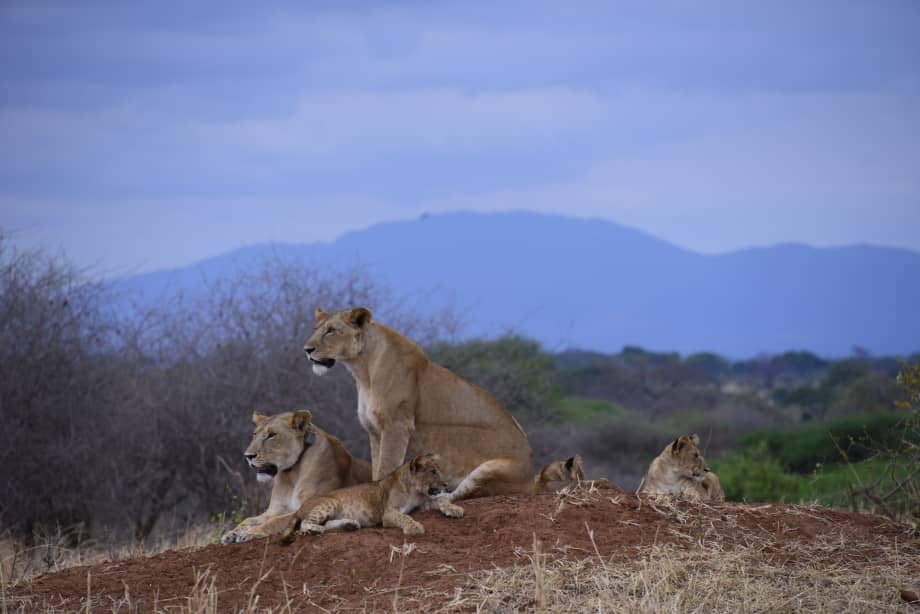
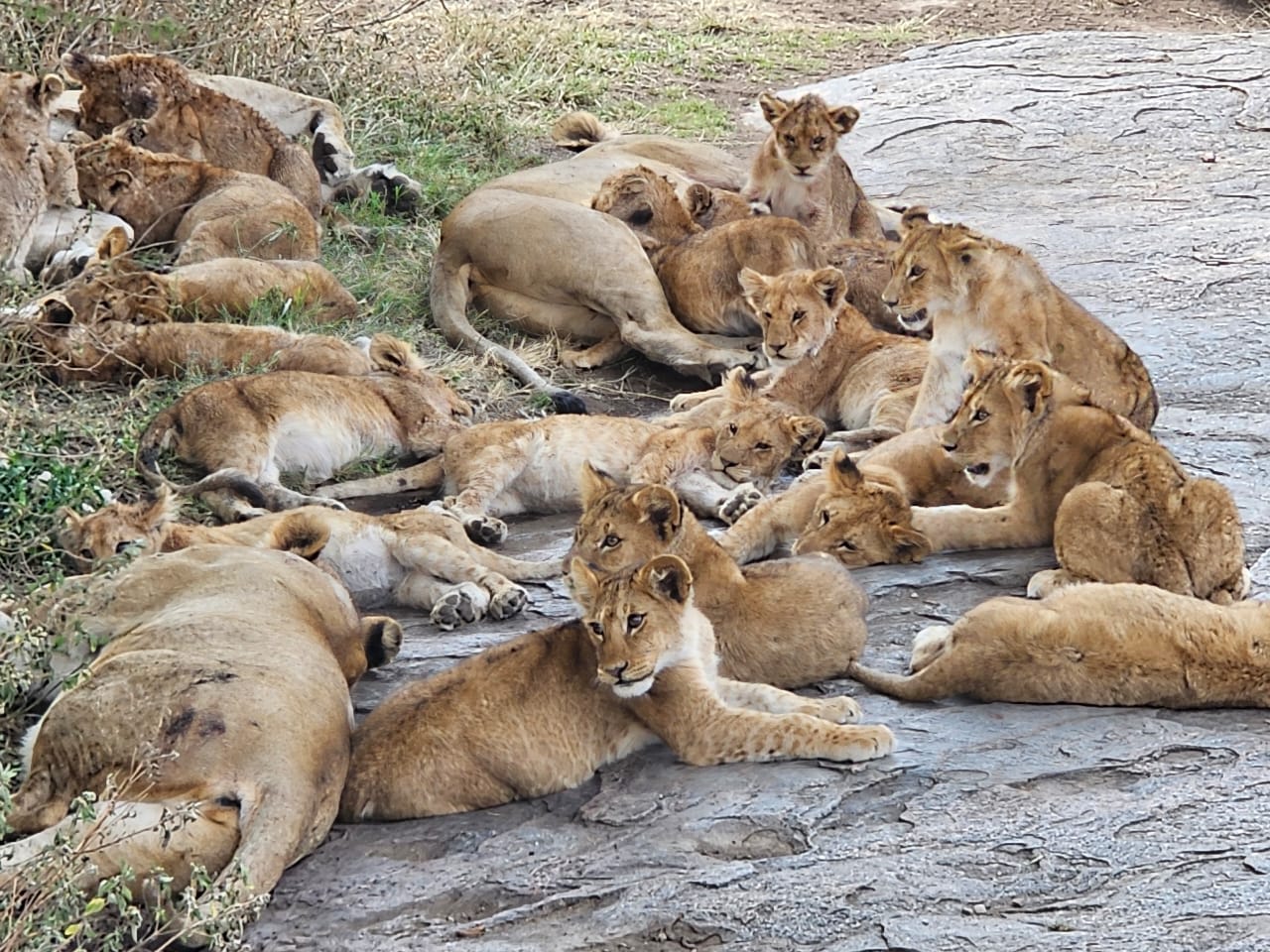
Tanzania safari costs in 2026 sit in the upper-middle range of African safari destinations, generally 10-25% more expensive than comparable Kenya safaris but with distinct advantages.[1] Game drives can be longer, camps more remote, and logistics more complex, but the rewards are extraordinary: from the Great Migration in the Serengeti, the Ngorongoro Crater's unique wildlife density, to vast lion-filled landscapes in Ruaha.[2]
South Africa's safari infrastructure is more developed. You'll find more operators competing for your business, which drives prices down. The country offers diverse wildlife viewing across multiple regions without the extreme remoteness of Tanzania's southern circuit. This accessibility makes South Africa ideal for travelers seeking value without sacrificing experience.
Why This Comparison Matters
Your safari budget directly impacts which destination makes sense for you. If you're traveling on a tight budget, South Africa's lower costs and competitive market can stretch your money further. If wildlife density and unique experiences like the Great Migration are your priority, Tanzania's premium pricing reflects genuine value. Understanding these differences helps you make an informed choice aligned with both your wallet and your safari dreams.
Main Cost Breakdown: Tanzania vs South Africa in 2026
Tanzania Safari Pricing Structure
Transport costs are one of the main extra expenses for Tanzania safaris, especially on the southern circuit.[3] However, other factors increase costs further: there are fewer safari operators covering the south, which means less competition and higher prices. Accommodation tier is the single biggest variable in overall cost. Budget lodges, mid-range tented camps, and luxury camps can differ by hundreds of dollars per night.[8]
A typical Tanzania safari breakdown for 7 days includes: accommodation ($150-$400 per night), park fees ($50-$100 daily), vehicle rental with guide ($100-$150 daily), and meals ($30-$60 daily). This totals $2,500-$5,000 per person depending on your comfort level. Peak season (June-October) adds 20-30% to these prices.[1]
South Africa Safari Pricing Structure
The South African safari price structure differs from other destinations. Here seasonality is much less of an issue than your choice of travel style.[5] Peak season pricing exists but affects costs less dramatically than in Tanzania. You'll find more operators in South Africa, creating natural price competition that benefits travelers.
Average South Africa safari costs per person per day break down as follows: budget safaris ($80-$150 daily), mid-range safaris ($150-$300 daily), and luxury safaris ($300+ daily).[4] For a 7-day safari, expect $2,000-$4,500 total per person including accommodation, meals, and activities. All costs are guidelines only and average per person per night, sharing a room in high and low season, excluding international flights, visas, and optional activities.[6]
Direct Cost Comparison Table
| Cost Category | Tanzania | South Africa | Difference |
|---|---|---|---|
| Budget 7-day safari | $2,500 | $2,000 | South Africa cheaper by $500 |
| Mid-range 7-day safari | $3,500 | $3,000 | South Africa cheaper by $500 |
| Luxury 7-day safari | $5,000+ | $4,500 | South Africa cheaper by $500+ |
| Daily accommodation | $150-$400 | $120-$350 | South Africa 10-15% lower |
| Park fees per day | $50-$100 | $30-$60 | South Africa 30-40% lower |
Hidden Costs to Consider
Tanzania's southern circuit requires expensive charter flights between reserves. Serengeti park fees ($60 daily) and Ngorongoro conservation fees ($80 daily) add up quickly. These remote locations justify premium pricing but catch budget travelers off guard.
South Africa's main parks (Kruger, Sabi Sands) have better road access, reducing transport costs. However, private reserves add premium fees. International flights to Johannesburg cost less than flights to Tanzania's hubs, saving another $200-$400 per person. This accessibility advantage makes South Africa the budget winner.
When Tanzania Offers Better Value
Despite higher daily costs, Tanzania can offer better overall value for specific experiences. The Great Migration attracts travelers willing to pay premium prices for unmatched wildlife drama. The Ngorongoro Crater delivers the world's highest wildlife concentration in one location. Ruaha National Park offers authentic, uncrowded safari experiences unavailable elsewhere in Africa.
If your priority is witnessing the Great Migration or experiencing remote wilderness, Tanzania's costs reflect genuine value. You're paying for exclusivity and natural wonders, not inflated prices from tourist inflation. Compare verified Tanzania safari packages on SafariFind to see operators pricing these experiences fairly.
Practical Guide: How to Choose and Book Your Safari
Getting Started with Your Decision
Start by defining your safari priorities. Are you chasing the Great Migration? Seeking maximum wildlife density? Traveling on a tight budget? Your answers determine whether Tanzania or South Africa makes sense. Budget travelers typically find South Africa's lower costs more attractive. Wildlife enthusiasts often justify Tanzania's premium pricing for iconic experiences.
Next, determine your travel dates. Peak season (June-October) costs 20-30% more in Tanzania but affects South Africa pricing less dramatically.[5] Traveling May or November saves 30-40% in Tanzania while maintaining good wildlife viewing. South Africa's seasonality matters less, making it flexible for budget-conscious travelers.
Booking Smart: Operator Selection
Tanzania has fewer operators covering remote areas, reducing your options but sometimes offering better personalized service. South Africa's competitive market means more operators, better pricing, and easier comparison shopping. Request quotes from multiple verified operators to find the best value for your specific needs.
Use SafariFind to compare Tanzania and South Africa safari packages side by side. Browse verified operators with authentic reviews from travelers who've recently completed safaris in 2026. Read what previous guests paid and what they experienced. This transparency helps you avoid overpaying and select operators matching your budget and expectations.
Money-Saving Strategies
Book 3-6 months ahead to secure better rates on both destinations. Early booking saves 15-20% on peak season packages.[1] Travel in shoulder season (May, November) for 25-35% savings without sacrificing wildlife viewing. Group bookings of 4+ people often qualify for 10-15% discounts from operators.
Consider longer safaris (10-14 days) for better per-day pricing. Many operators offer volume discounts on extended trips. Combine both destinations in one trip: 4 days in South Africa (lower cost base) plus 3 days in Tanzania (premium experiences) for balanced value and unforgettable wildlife encounters.
What's Included vs. Extra Costs
Most safari packages include accommodation, meals, game drives, and park fees. However, international flights, visas, travel insurance, and tips typically aren't included in quoted prices.[6] Budget an extra $500-$1,000 for these expenses per person. Verify exactly what's covered before confirming your booking with any operator.
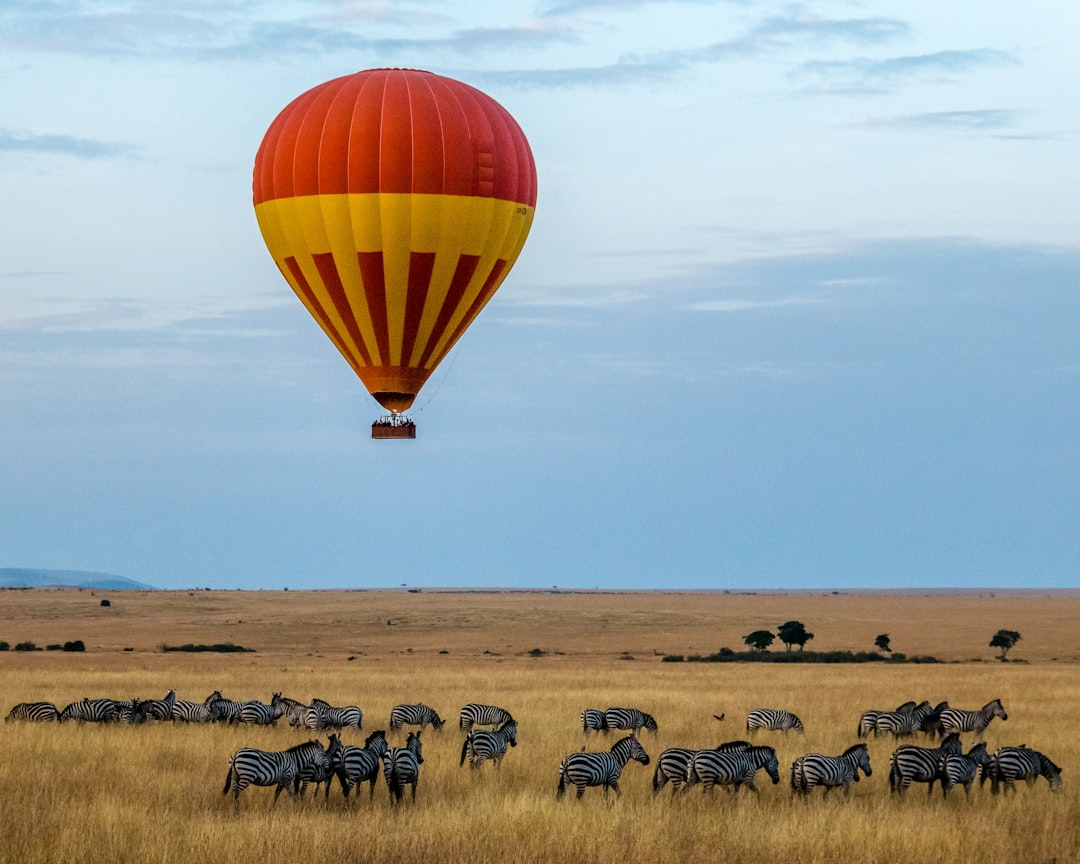
Optional activities like hot air balloon rides ($400-$500), walking safaris ($100-$150), or night drives ($75-$125) add to your final cost. Request itemized quotes showing included and excluded services. This clarity prevents budget surprises and lets you allocate funds strategically across your safari experience.
Wildlife Experiences: Value Beyond Price
Tanzania's Unique Wildlife Advantages
The Great Migration brings 1.5 million wildebeest across the Mara River between July and October, creating wildlife drama unavailable anywhere else on Earth.[2] The Ngorongoro Crater concentrates lions, elephants, buffalo, zebras, and over 500 bird species in one stunning location. Ruaha National Park offers authentic, remote safari experiences where you might see only one vehicle all day.
These experiences justify Tanzania's premium pricing for serious wildlife enthusiasts. You're not just paying for accommodation and meals—you're paying for encounters with nature's most dramatic spectacles. Travelers consistently report that Tanzania's wildlife density and unique ecosystems exceed their expectations, making the higher costs feel worthwhile.
South Africa's Wildlife Strengths
South Africa's Kruger National Park spans nearly 20,000 square kilometers with excellent wildlife viewing at lower costs than Tanzania.[4] Sabi Sands Private Reserve offers Big Five sightings with luxury accommodations at mid-range prices. The country's diverse ecosystems—from bushveld to coastal regions—provide varied wildlife experiences in one trip.
South Africa's infrastructure means better guides, more frequent sightings, and less time searching for wildlife. You'll see more animals per dollar spent compared to Tanzania. For travelers prioritizing quantity of sightings and comfort over extreme remoteness, South Africa delivers exceptional value.
Key Takeaways
- South Africa costs 10-20% less overall for 7-day safaris in 2026, with budget packages starting at $2,000 per person compared to Tanzania's $2,500 starting point.
- Book 3-6 months ahead to save 15-20% on peak season rates in both destinations and secure your preferred dates and operators.
- Shoulder season travel (May, November) saves 25-35% in Tanzania while maintaining excellent wildlife viewing without compromising your safari experience.
- Tanzania justifies premium pricing for the Great Migration, Ngorongoro Crater, and remote wilderness experiences unavailable in South Africa.
- Compare verified operators on SafariFind to find transparent pricing, authentic reviews, and the best value for your specific safari priorities and budget constraints.
Frequently Asked Questions
How much does a 7-day safari cost in Tanzania vs South Africa in 2026?
Tanzania safaris cost $2,500-$5,000 per person for 7 days, while South Africa safaris range from $2,000-$4,500 per person for the same duration in 2026.[1][4] South Africa's lower costs reflect more operators, better infrastructure, and lower park fees. Tanzania's premium pricing reflects remote locations, limited competition, and iconic wildlife experiences like the Great Migration.
Which destination offers better value for wildlife viewing?
South Africa delivers better value if you prioritize wildlife sightings per dollar spent. More operators, better roads, and established reserves mean frequent animal encounters at lower costs. Tanzania offers better value if you prioritize unique, iconic experiences—the Great Migration and Ngorongoro Crater justify premium pricing for these once-in-a-lifetime encounters.[2]
What's the best time to visit each destination for budget travelers?
Tanzania: Travel in May or November (shoulder season) to save 25-35% while maintaining good wildlife viewing. South Africa: Seasonality affects pricing less, so travel whenever your budget allows for consistent value. Both destinations offer excellent wildlife viewing year-round, with June-October being peak season (most expensive) in both locations.
Are there hidden costs I should budget for beyond quoted safari prices?
Yes. International flights, visas, travel insurance, tips, and optional activities (hot air balloons, walking safaris) typically aren't included in quoted prices.[6] Budget an extra $500-$1,000 per person for these expenses. Always request itemized quotes showing what's included and excluded before booking with any operator.
Can I save money by booking a longer safari?
Absolutely. Longer safaris (10-14 days) offer better per-day pricing, with many operators providing 10-15% discounts on extended trips. Booking 3-6 months ahead saves an additional 15-20% on peak season rates in both destinations. Request group discounts if traveling with 4+ people for extra savings.
How do I find the best safari deals and verify operator quality?
Use SafariFind to compare verified safari operators side by side with authentic reviews from travelers who completed safaris in 2026. Read what previous guests paid, what they experienced, and their honest feedback about guides and accommodations. This transparency helps you avoid overpaying and select operators matching your budget and expectations for an unforgettable safari experience.
Conclusion
South Africa offers more affordable safaris overall in 2026, with 7-day packages typically costing $2,000-$4,500 per person compared to Tanzania's $2,500-$5,000 range.[1][4] South Africa's developed tourism infrastructure, competitive operator market, and lower park fees create natural cost advantages for budget travelers. However, Tanzania's premium pricing reflects genuine value for iconic experiences—the Great Migration, Ngorongoro Crater's wildlife density, and remote wilderness adventures justify the higher daily costs for wildlife enthusiasts.
Your ideal choice depends on your priorities and budget. If cost is your primary concern, South Africa delivers exceptional wildlife viewing at lower prices. If experiencing Africa's most dramatic wildlife spectacles matters more than saving money, Tanzania's premium pricing reflects authentic value. Many travelers find the best solution combines both: 4 days in South Africa for budget-friendly wildlife viewing, plus 3 days in Tanzania for iconic experiences.
Ready to book your safari in 2026? Compare verified Tanzania and South Africa safari packages on SafariFind today. Browse operators with authentic reviews, request transparent quotes, and find the perfect safari matching your budget and travel style. Whether you choose South Africa's affordability or Tanzania's unforgettable wildlife drama, SafariFind connects you with trusted operators who deliver world-class safari experiences. Start exploring packages now and turn your African safari dreams into reality.
Plan Your Safari with SafariFind
These recommendations use real data from SafariFind, where you can compare operators, browse packages, and read verified traveler reviews before you book.
Recommended Safari Operators from SafariFind
Recommended Safari Packages from SafariFind
What Travelers Say (SafariFind Reviews)
References
- Tanzania Safari Cost 2026: Complete Budget Breakdown & Money-Saving Tips
- Tanzania vs South Africa Safari: Costs, Wildlife & Best Choice
- Tanzania Safari Cost 2026 - Everything You Need to Know!
- How Much Does a South Africa Safari Cost?
- South Africa Safari Cost in 2026: Real prices by Travel Style
- What Does an African Safari Cost? | 2026 Guidelines - Go2Africa
- Kenya vs Tanzania Safari Cost
- Private Tanzania Safari 2026: 9 Best Options & Costs
Related to
Ready to start your safari adventure?
Explore curated safari packages and find your perfect African adventure with verified operators.