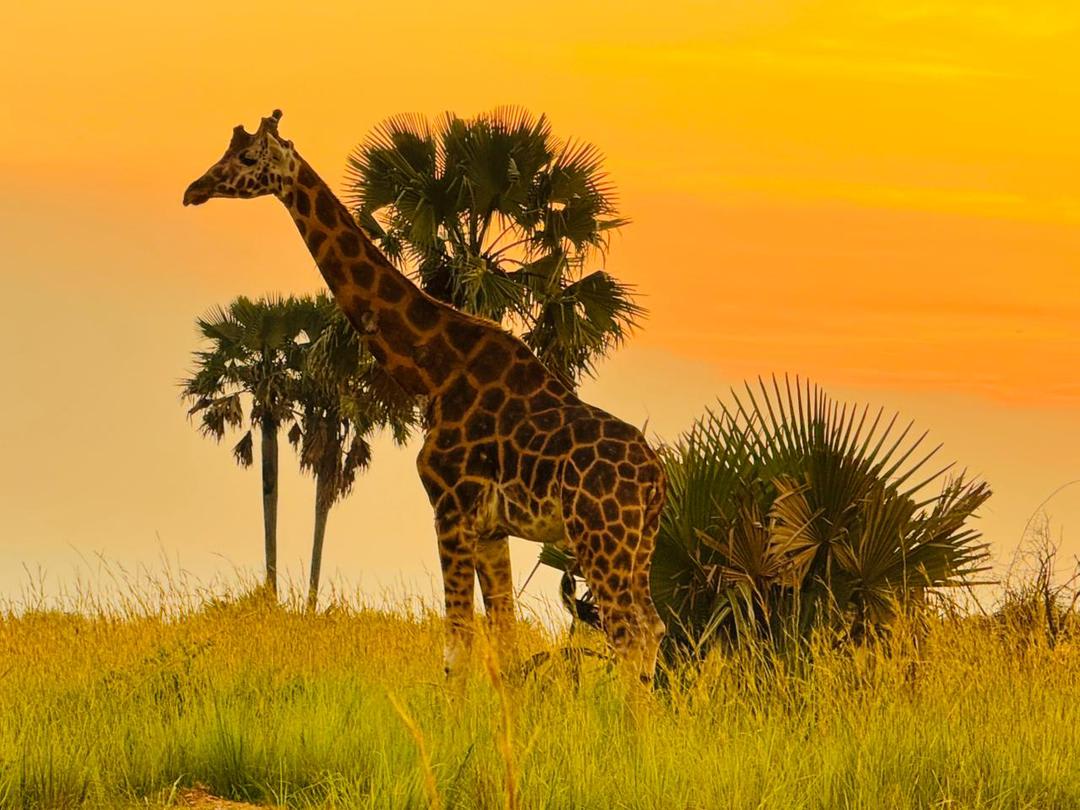
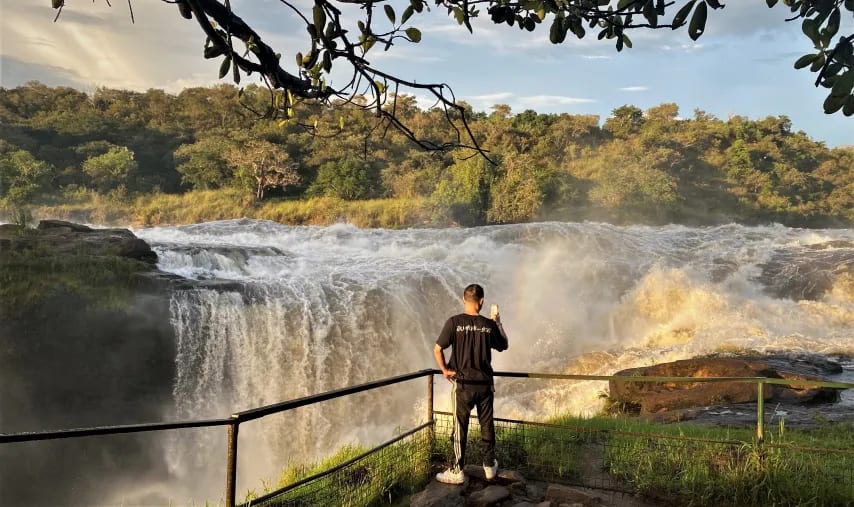
Uganda Safari in July 2026: Peak Season Wildlife & Real Costs
Uganda safari in July 2026 costs $2,800–$4,500 per person for 7–10 days. Book gorilla permits 6+ months ahead. Peak wildlife viewing with 96%+ success rates.

Uganda Safari July 2026: Peak Season Costs
Last updated: July 2026
A Uganda safari in July 2026 costs $2,800–$4,500 per person for 7–10 days during peak season. July offers excellent wildlife viewing with dry weather and active animals. Book gorilla permits 6+ months ahead, as this is the most expensive month. Compare verified operators on SafariFind to find the best value packages for your budget.
At a Glance
- Cost: $2,800–$4,500 per person (7–10 days)
- Best time: July (peak season with excellent wildlife visibility)
- Duration: 7–10 days recommended
- Getting there: Fly into Entebbe International Airport
- Best for: Gorilla trekking, game drives, chimpanzee tracking, wildlife photography
- Wildlife highlights: Mountain gorillas, tree-climbing lions, chimpanzees, elephants, buffalo
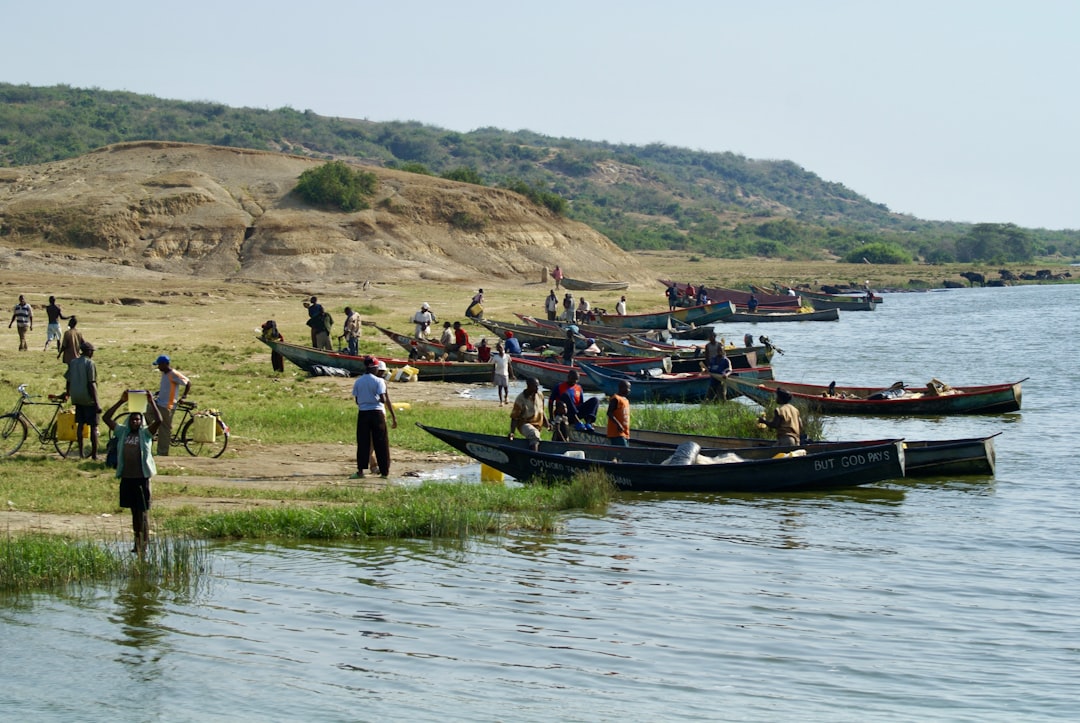
What Is a Uganda Safari in July 2026?
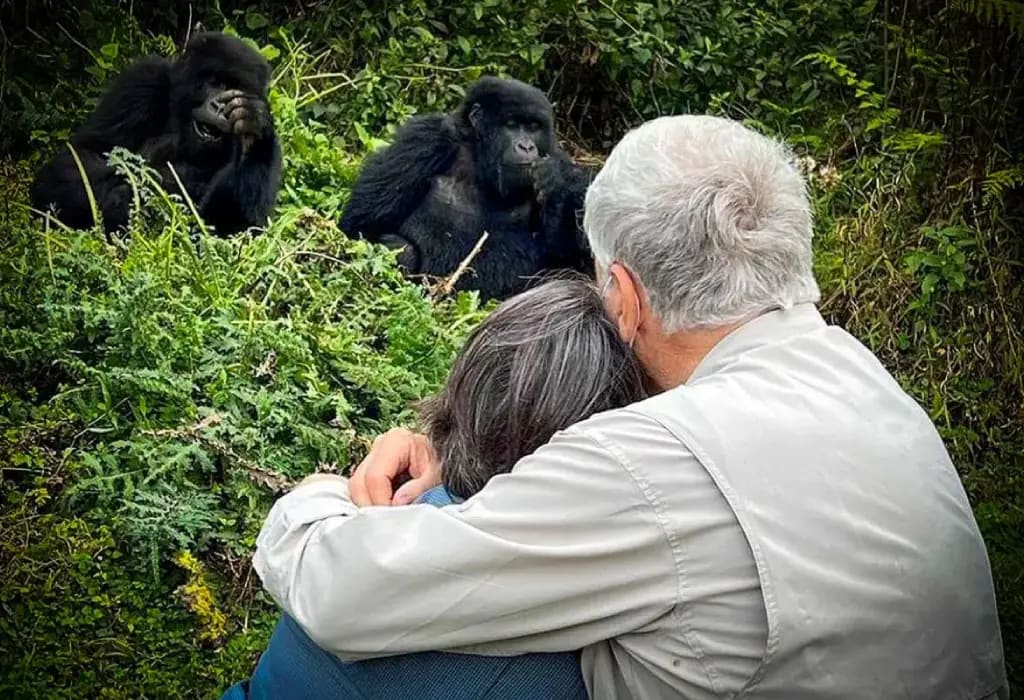
Uganda safari in July 2026 represents one of Africa's most diverse wildlife experiences during the continent's peak season. July is when Uganda experiences its dry season, making it ideal for spotting animals and trekking through national parks. Travelers can combine mountain gorilla trekking in Bwindi Impenetrable National Park with game drives in Queen Elizabeth National Park and chimpanzee tracking in Kibale Forest.
Uganda offers one of Africa's most diverse safari experiences—mountain gorilla trekking, tree-climbing lions, chimpanzee tracking, big game savannah safaris, Nile River adventures and untouched wilderness. July delivers excellent conditions for all these activities because rainfall is minimal and wildlife congregates around water sources. This makes animal spotting easier for photographers and first-time safari-goers.
Planning a July safari in Uganda requires booking early since permits and accommodations fill quickly during peak season. Gorilla permits cost $700 per person and are limited daily, making advance reservations critical. Most travelers combine multiple destinations—typically spending 3–4 days on gorilla trekking, 2–3 days on game drives, and 1–2 days on chimpanzee tracking or cultural visits.
Why Choose July for Your Uganda Safari?
July 2026 offers peak wildlife viewing with guaranteed dry weather. Animals gather at water holes, making sightings more frequent and reliable. The landscape is lush green from the previous rainy season, creating stunning photography backdrops. However, July is also the most expensive month, with prices 30–40% higher than shoulder seasons like March or November.
The dry season in July means fewer mosquitoes and lower malaria risk compared to rainy months. Hiking conditions are excellent for gorilla trekking—trails are less muddy and more manageable. Cloud cover is minimal at higher elevations, offering clearer views of mountain scenery. These advantages make July worth the premium cost for serious wildlife enthusiasts.
Key Features of July Safari Season
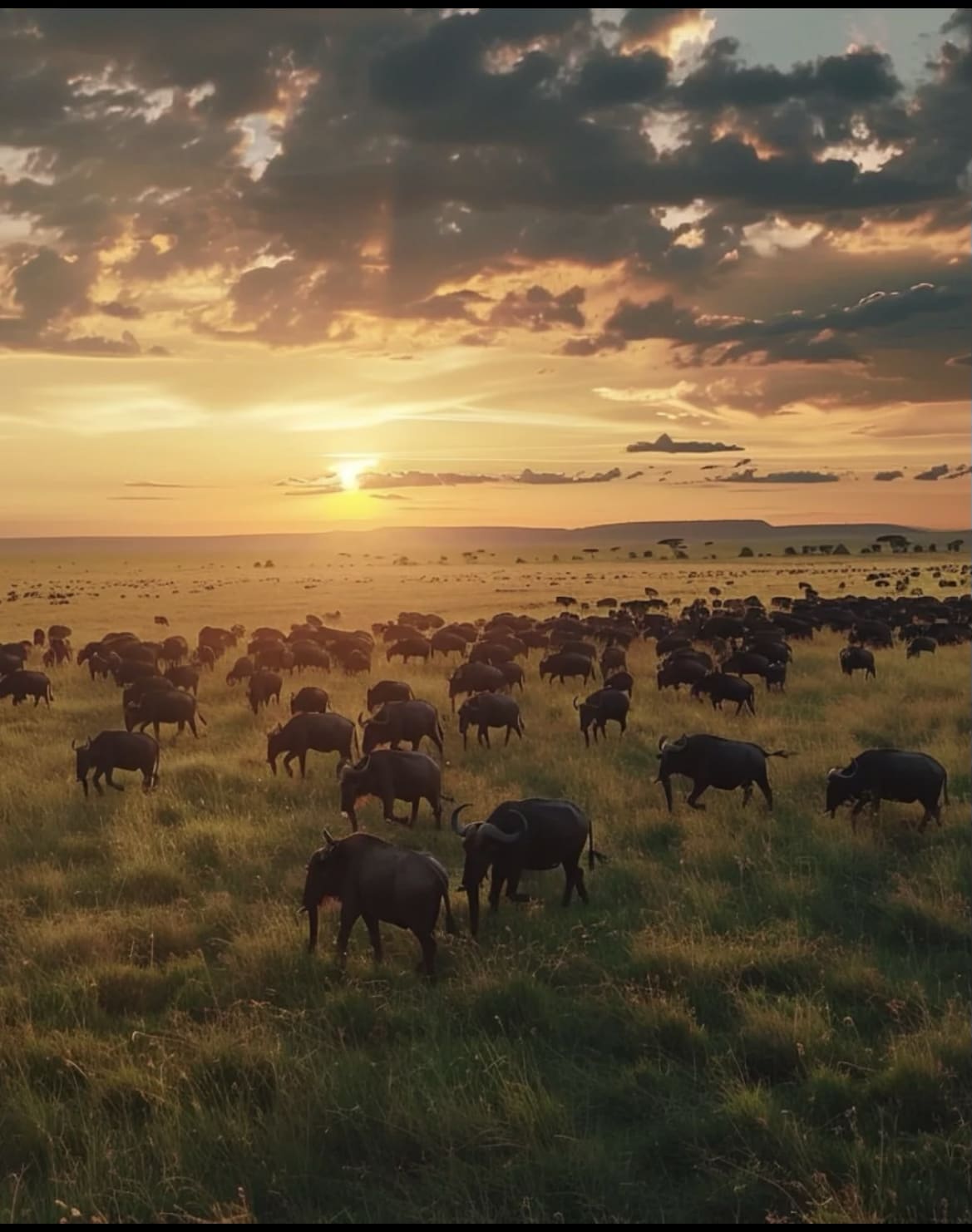
Peak season brings larger tour groups, meaning you'll share experiences with other travelers. Popular lodges and campsites book months in advance, so flexibility becomes limited. Roads are passable without four-wheel-drive vehicles in many areas. Wildlife density is highest, particularly around water sources in Queen Elizabeth and Lake Mburo National Parks.
Tree-climbing lions in Queen Elizabeth National Park are most active in July, spending daylight hours in fig trees to escape heat and insects. Chimpanzee tracking success rates exceed 95% during dry season months. Birdwatching is excellent with over 1,000 bird species documented across Uganda's parks and reserves.
Real Costs Breakdown: July 2026 Pricing
Uganda safari costs in July 2026 range from $2,800 to $4,500 per person for a 7–10 day trip, depending on accommodation level and activities chosen. Budget safaris run $1,500–$2,500 per person, mid-range packages cost $2,800–$3,500, and luxury safaris exceed $4,000 daily. These prices include guides, park fees, transportation, and most meals but exclude international flights.
Gorilla Permit Costs
Mountain gorilla permits cost $700 per person in Uganda as of 2026. This is the largest single expense for most visitors. Permits are limited to 80 trackers daily in Bwindi Impenetrable National Park, split into groups of eight. You must book permits through the Uganda Wildlife Authority or licensed tour operators at least 6 months ahead for July travel.
Permit prices are non-refundable if you cancel within 30 days. Travel insurance that covers trip cancellation is strongly recommended. Some operators include permit costs in their package prices, while others charge them separately. Always clarify what's included before booking.
Accommodation Price Ranges
| Accommodation Type | Nightly Cost (USD) | Total 7-Night Cost | Best For |
|---|---|---|---|
| Budget Hostels/Campsites | $30–$60 | $210–$420 | Backpackers, independent travelers |
| Mid-Range Lodges | $150–$300 | $1,050–$2,100 | Couples, small groups, families |
| Luxury Lodges | $400–$800+ | $2,800–$5,600+ | Premium experience, special occasions |
Mid-range lodges dominate the Uganda safari market and offer excellent value. Facilities include private bathrooms, hot water, restaurant meals, and guided activities. Luxury properties add spa services, fine dining, and exclusive game drives. Budget options provide basic comfort but may require shared facilities.
Activity and Guide Costs
Guided game drives cost $40–$80 per person for half-day trips in Queen Elizabeth National Park. Full-day drives run $80–$150. Chimpanzee tracking permits cost $200 per person in Kibale Forest. Boat safaris on the Kazinga Channel run $25–$50 per person. Cultural village visits and community tourism activities cost $15–$40.
Professional private guides charge $50–$100 daily, while group guide services are included in most package prices. Photography guides specializing in wildlife cost $100–$150 daily. Many operators offer "gorilla trek only" packages at $1,500–$2,500 for 3 days, allowing budget-conscious travelers to combine with cheaper destinations like Rwanda.
Transportation Costs
Domestic flights between Kampala and parks cost $150–$300 round-trip. Four-wheel-drive vehicle rentals with drivers run $100–$200 daily. Most package tours include ground transportation, but independent travelers should budget separately. Airport transfers from Entebbe International Airport cost $30–$60 one-way.
Fuel surcharges may apply during peak season. Some operators charge additional fees for park entry beyond permit costs. Always request a detailed cost breakdown before committing to any operator.
Comparing Group vs. Private Safaris
Group safaris cost $1,500–$2,500 per person and share expenses across 8–15 travelers. You follow fixed itineraries but pay less per person. Private safaris run $2,500–$4,500 per person for couples or small groups. You control pacing, timing, and activities but pay premium rates. For families of 4+, private safaris often provide better value per person.
Group safaris suit solo travelers and budget-conscious visitors seeking social experiences. Private safaris appeal to couples celebrating anniversaries or families wanting flexibility. Many operators offer hybrid options—shared transportation with private guide time—splitting the difference.
You can find and compare these safari packages on SafariFind, where you'll see real prices from verified operators and read authentic traveler reviews to help you choose the best option for your budget.
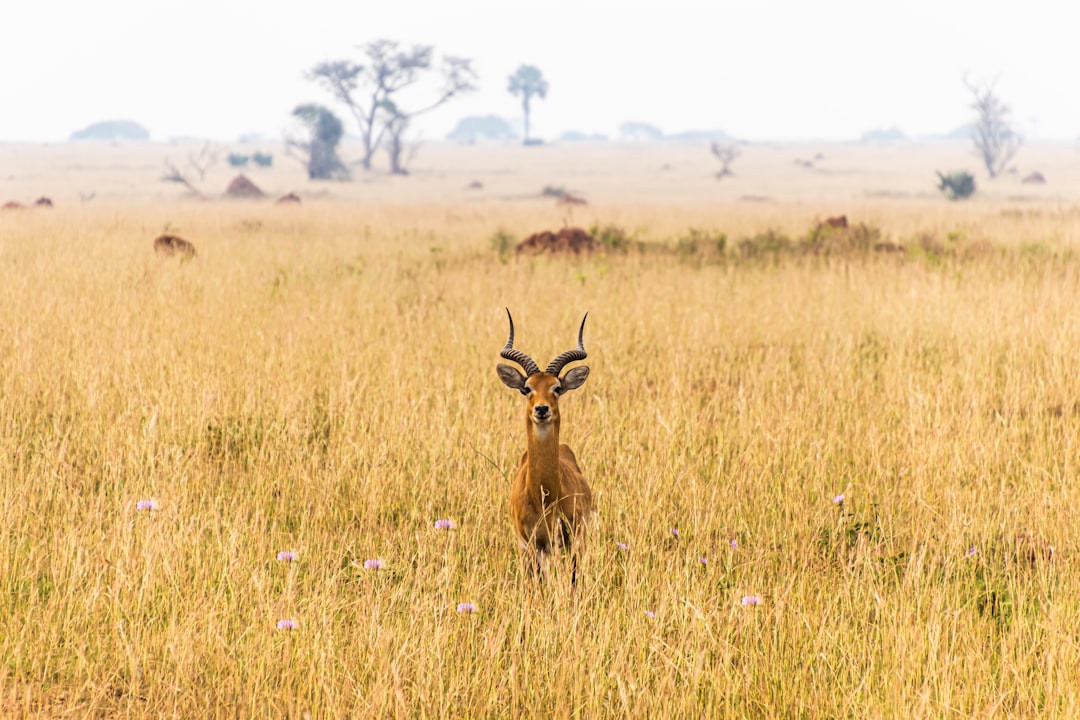
Planning Your July 2026 Uganda Safari
Booking a Uganda safari in July requires advance planning since permits and accommodations fill quickly during peak season. Start planning 6–8 months ahead, particularly if gorilla trekking is your priority. July 2026 is already popular, so early action increases your chances of securing preferred dates and lodges.
When to Book Your Safari
Book gorilla permits immediately upon deciding your travel dates—they sell out 4–6 months ahead for July. Reserve mid-range and luxury lodges 3–4 months in advance. Budget accommodations can be booked 1–2 months ahead. International flights should be booked 2–3 months before travel for better rates.
Create a booking timeline: decide dates (now), book permits (immediately), reserve lodges (within 2 weeks), book flights (within 1 month), arrange travel insurance (before paying final balance). This sequence ensures you secure the most limited resources first.
What to Pack for July Conditions
July is Uganda's dry season but still relatively cool at higher elevations. Pack lightweight, breathable clothing for daytime wear. Bring a warm fleece or jacket for early morning game drives and mountain trekking—temperatures drop to 45–55°F (7–13°C) at Bwindi's higher elevations. Waterproof hiking boots with good ankle support are essential for gorilla trekking on muddy trails.
Include high-SPF sunscreen, insect repellent, and a hat for sun protection. Binoculars enhance wildlife viewing significantly. A camera with a telephoto lens (200mm+) captures distant animals. Carry a small backpack (15–20 liters) for day trips with water, snacks, and medications.
Health and Safety Considerations
Malaria risk is lower in July due to drier conditions, but antimalarial medication is still recommended for lower-elevation parks like Queen Elizabeth. Consult your doctor 4–6 weeks before travel. Yellow fever vaccination is required for entry into Uganda. Typhoid and hepatitis A vaccines are recommended.
Travel insurance covering medical evacuation is essential—Uganda's remote parks require helicopter rescue in emergencies, costing $10,000–$50,000 without insurance. Ensure your policy covers adventure activities like gorilla trekking. Check for pre-existing condition exclusions.
Uganda is generally safe for tourists in national parks and established lodges. Avoid traveling alone at night in towns. Use registered taxis or lodge transportation. Keep valuables secure. Most travelers experience no safety issues when following basic precautions and using reputable operators.
Getting to Uganda in July 2026
Entebbe International Airport (40 km south of Kampala) is Uganda's main entry point. Major airlines including Qatar Airways, Ethiopian Airlines, Kenya Airways, and Brussels Airlines offer connections via hubs like Doha, Addis Ababa, Nairobi, and Brussels. Flight times from Europe run 14–18 hours with connections; from North America, 18–24 hours.
Visas are available on arrival ($50) or online via Uganda's e-visa portal ($50). Processing takes 2–5 business days online. Most visitors receive 90-day tourist visas. Passport validity of 6+ months beyond your travel date is required.
From Entebbe, most safaris depart via domestic flights to park airstrips (Bwindi, Kasese, Mbarara). These flights cost $150–$300 round-trip and take 1–2 hours. Alternatively, drive overland for 6–8 hours on roads in decent condition. Package tours typically include these logistics.
For detailed cost comparisons between different safari options, explore Uganda safari packages on SafariFind where you can find deals from verified operators and request quotes tailored to your budget and dates.
July 2026: Wildlife & Weather Highlights
July offers Uganda's best combination of reliable wildlife viewing and comfortable hiking conditions. The dry season means animals cluster around permanent water sources, making them easier to spot. Weather is cool and dry at higher elevations, ideal for physical activity like gorilla trekking. Daytime temperatures range 65–75°F (18–24°C) in highlands and 75–85°F (24–29°C) in lowland parks.
Animal Sightings in July
Mountain gorillas in Bwindi Impenetrable National Park are most active and visible in July when vegetation is less dense. Success rates for gorilla trekking exceed 96% during dry season months. Herds remain in predictable locations, making them easier to track. Mothers with infants are frequently spotted, offering memorable encounters.
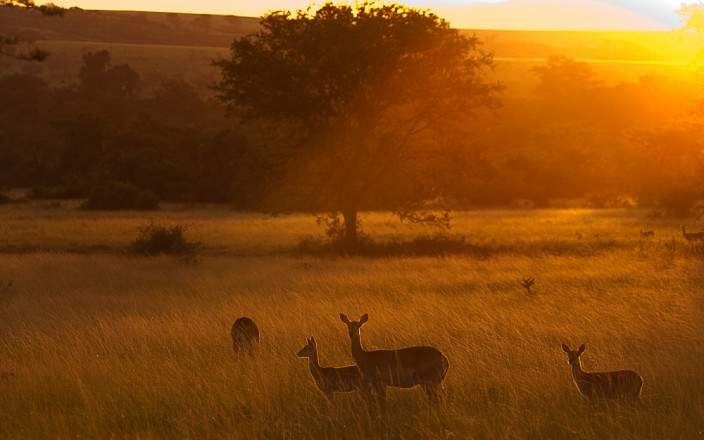
Tree-climbing lions in Queen Elizabeth National Park spend July days resting in fig trees to escape insects and heat. This behavior makes them visible from safari vehicles, unlike other locations where lions hunt at night. Chimpanzee tracking success rates exceed 95% in Kibale Forest. Elephants, buffalo, and antelopes congregate at waterholes and salt licks.
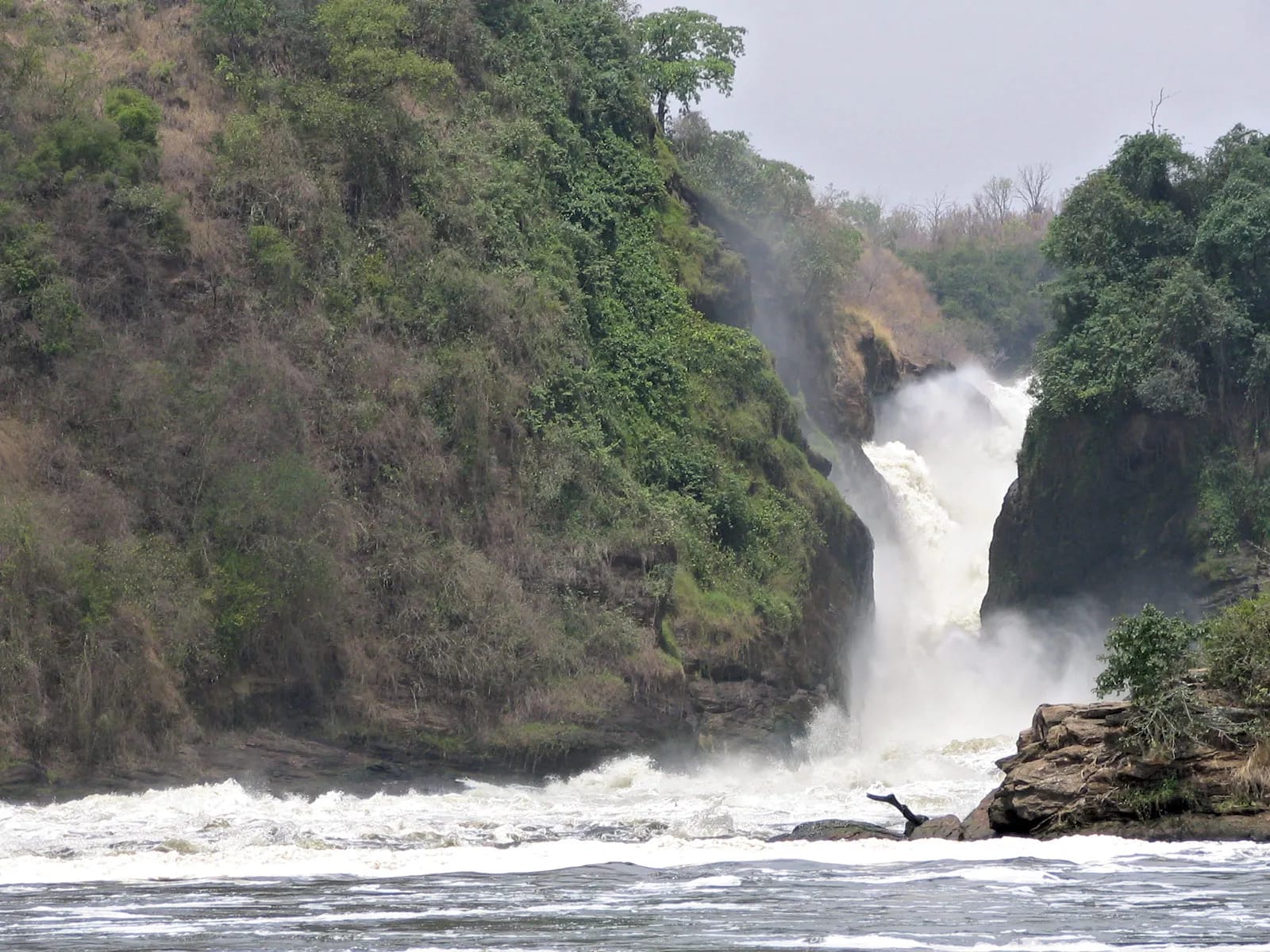
Birdwatching peaks in July with over 1,000 species documented across Uganda's protected areas. Migratory species from Europe and Asia add to resident populations. Shoebill storks are visible in Murchison Falls and Semuliki wetlands. Crowned cranes appear in open grasslands.
Weather and Trekking Conditions
July is the driest month in Uganda, with minimal rainfall and excellent visibility. Mornings are cool (45–55°F) at high elevations, warming to comfortable levels by midday. Afternoon clouds occasionally develop but rarely bring rain. Nights are cool, requiring warm layers for camping or lodge stays without heating.
Gorilla trekking trails are less muddy than during rainy seasons, making hikes safer and less physically demanding. Trail conditions allow for faster progress, though jungle vegetation still requires machete work. Altitude sickness is rare in Bwindi (4,844 feet maximum), but the steep terrain demands moderate fitness levels.
Visibility for photography is excellent with minimal haze. Sunsets over the Rwenzori Mountains and Kazinga Channel are spectacular. Early morning game drives offer golden light ideal for wildlife photography. Low humidity makes outdoor activities more comfortable than other seasons.
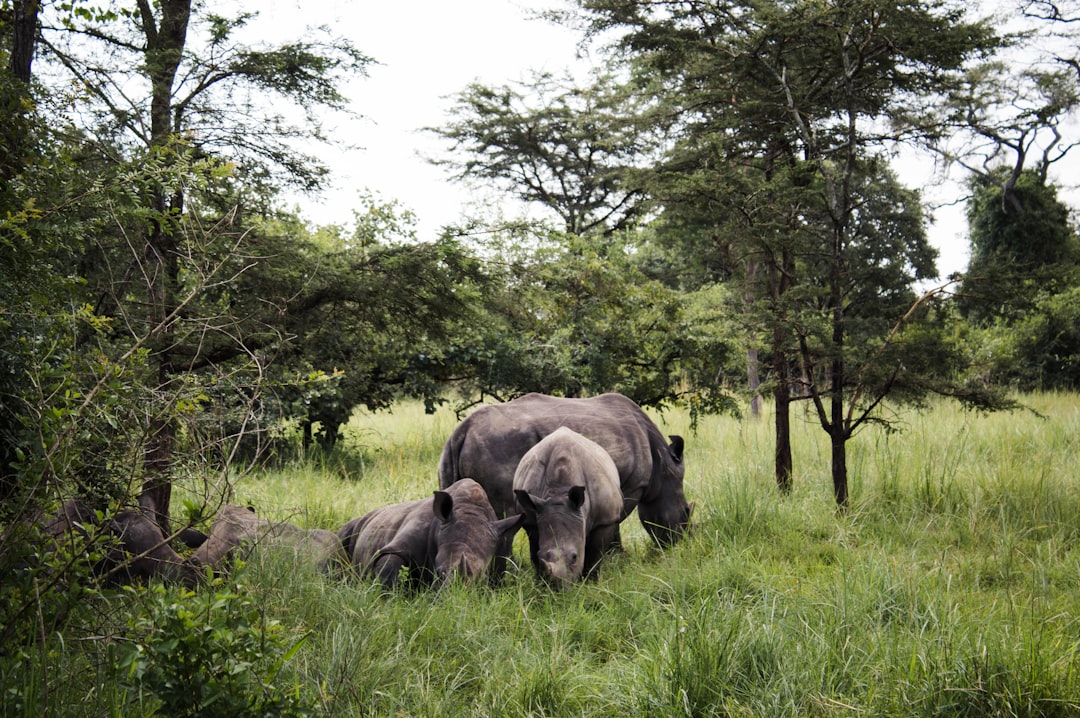
Comparing July to Other Months: Is It Worth the Cost?
July is Uganda's most expensive safari month, with prices 30–40% higher than shoulder seasons. January and February are equally pricey due to Northern Hemisphere winter holidays. March, April, May, and November offer 15–35% discounts while maintaining good wildlife viewing. December is moderate in cost and conditions.
Cost Comparison Across Seasons
| Month | Price per Person (7 days) | Savings vs. July | Weather | Wildlife Viewing |
|---|---|---|---|---|
| January | $3,200 | 0% (peak) | Dry, hot | Excellent |
| February | $3,200 | 0% (peak) | Dry, hot | Excellent |
| March | $2,700 | 15% savings | Warm, some rain | Very good |
| April | $2,000 | 35% savings | Rainy | Good |
| May | $2,200 | 30% savings | Rainy, cooling | Good |
| July | $3,200 | 0% (peak) | Dry, cool | Excellent |
| November | $2,500 | 20% savings | Dry, warm | Very good |
| December | $2,800 | 10% savings | Dry, warm | Excellent |
July justifies premium pricing for serious wildlife photographers, gorilla enthusiasts, and travelers seeking guaranteed conditions. If budget is your priority, March and November offer 15–20% savings with nearly identical wildlife viewing. April and May are best for budget travelers—prices drop 30–35%, and gorilla trekking remains reliable despite occasional rain.
Read our detailed guide on Uganda Safari Cost 2026: Gorilla Trek vs Game Drive Pricing for a complete breakdown of expenses across different safari types and seasons.
Alternative: December vs. July
December costs 10% less than July but offers equally excellent conditions. Weather is dry and warm (75–85°F). Wildlife viewing is excellent. Gorilla permits are easier to book. Accommodations have more availability. December suits families on school holidays with slightly lower costs. July is better for photographers seeking cool temperatures and minimal haze.
Booking Your July Safari: Best Operators & Packages
Uganda has dozens of safari operators ranging from budget outfitters to luxury concierges. Verified operators on SafariFind offer transparent pricing, authentic reviews from past travelers, and professional service. When selecting an operator, check their experience, licensing, and customer ratings.
What to Look for in an Operator
Choose operators with Uganda Wildlife Authority licenses and at least 5 years of experience. Read reviews specifically mentioning gorilla trekking success rates, guide quality, and vehicle conditions. Verify they provide detailed cost breakdowns including permits, meals, and activities. Ask about cancellation policies and refund terms.
Request references from travelers who completed similar itineraries in the past 12 months. Confirm guides are trained naturalists (not just drivers). Check if they offer small group sizes (maximum 6–8 people) for better wildlife viewing and personal attention.
Operators should provide pre-trip consultations covering health, packing, and logistics. They should handle all permit applications and bookings. Avoid operators offering "discounted" gorilla permits below $700—these are likely scams. Licensed operators charge standard rates set by Uganda Wildlife Authority.
Package Options
Standard 7-day packages combine 3 days of gorilla trekking in Bwindi with 3 days of game drives in Queen Elizabeth National Park. Prices range $2,800–$3,800 per person including permits, guides, and mid-range lodges. Add 1–2 days of chimpanzee tracking in Kibale Forest for $300–$500 extra.
Luxury packages ($4,500–$6,000+) include premium lodges with spa services, private guides, and exclusive game drives. Budget packages ($1,800–$2,400) use hostels and budget lodges with shared transportation and larger groups. Most travelers prefer mid-range packages offering best value.
Browse verified safari operators and packages on SafariFind to compare options, read real traveler reviews, and request customized quotes for your exact dates and budget.
Extended Itineraries
10-day safaris add chimpanzee tracking (Kibale Forest), Lake Bunyonyi relaxation, or Rwenzori Mountains hiking. These cost $3,800–$5,000 per person. 14-day safaris combine multiple regions and often include Rwanda's Volcanoes National Park for additional gorilla encounters. Read our guide comparing Uganda Safari vs Rwanda Gorilla 2026: Cost & Wildlife to decide if multi-country travel suits your budget.
Add-on activities include hot air balloon rides over Queen Elizabeth ($400–$500), Nile River white-water rafting in Jinja ($50–$100), and cultural visits to Karamojong communities ($30–$50). These enhance your experience without significantly increasing base package costs.
Lodging Options: Budget to Luxury
Uganda offers diverse accommodation ranging from backpacker hostels to world-class safari lodges. Your choice significantly impacts total safari cost and comfort level. Most travelers select mid-range lodges offering excellent value and reliable amenities.
Budget Accommodations ($30–$60/night)
Budget hostels and campsites suit backpackers and independent travelers. Facilities include basic bedding, shared bathrooms, and communal kitchens. Some offer private rooms with shared baths. Meals are typically not included. Popular budget options include Buhoma Community Rest Camp near Bwindi and Kasese's budget lodges.
Budget stays work well for short visits or travelers combining Uganda with neighboring countries. They allow flexibility in activities and dining. However, basic facilities may lack consistent hot water or reliable electricity. For gorilla trekking trips, budget accommodations near Bwindi are recommended to minimize travel time on trek day.
Mid-Range Lodges ($150–$300/night)
Mid-range lodges dominate Uganda's safari market and offer excellent value. Facilities include private bathrooms, hot showers, restaurant meals, and guided activities. Many have backup generators and solar power. Common areas provide comfortable gathering spaces. Popular options include Buhoma Lodge, Engagi Lodge, and Crater Lake Lodge.
These properties provide authentic safari experiences without luxury premium prices. Staff are knowledgeable and personable. Meals are well-prepared using local ingredients. Game drives and guided walks are professionally organized. For most travelers, mid-range lodges deliver optimal balance of comfort, service, and value.
Luxury Lodges ($400–$800+/night)
Luxury properties offer all-inclusive experiences with premium amenities. Facilities include spa services, fine dining, private plunge pools, and exclusive game drives. Guides are highly trained naturalists. Accommodations feature high-end furnishings and modern technology. Examples include Mahogany Springs, Bwindi Wilderness Lodge, and Crater Lodge.
Luxury lodges justify premium prices through exceptional service, privacy, and curated experiences. They're ideal for special occasions, anniversaries, or travelers prioritizing comfort. All-inclusive pricing simplifies budgeting. However, you pay 2–3x more than mid-range options for similar wildlife experiences.
For detailed comparisons of lodging options across price ranges, explore our guide on Uganda Safari Lodges 2026: Budget vs Luxury Stays to find accommodations matching your preferences and budget.
Key Takeaways
- Book gorilla permits immediately for July 2026—they sell out 4–6 months ahead at $700 per person, making early action critical for this peak season month.
- Budget $2,800–$4,500 per person for a 7–10 day July safari in Uganda, with mid-range lodges ($150–$300/night) offering the best value for most travelers.
- July offers peak wildlife viewing with 96%+ gorilla trekking success rates and excellent photography conditions, justifying the 30–40% premium over shoulder seasons like March or November.
- Choose verified operators on SafariFind with Uganda Wildlife Authority licenses and 5+ years of experience—avoid operators offering discounted gorilla permits below $700, which signal unreliable service.
- Pack warm layers for cool mornings (45–55°F at higher elevations), quality hiking boots for muddy trails, and high-SPF sunscreen for intense equatorial sun, plus travel insurance covering medical evacuation for remote park emergencies.
Frequently Asked Questions
How much does a Uganda gorilla safari cost in July 2026?
A Uganda gorilla safari in July 2026 costs $2,800–$4,500 per person for 7–10 days. This includes the $700 gorilla permit, mid-range lodge accommodation ($150–$300 nightly), professional guides, park fees, and most meals. Budget options run $1,800–$2,400; luxury safaris exceed $5,000 per person daily. Prices are highest in July due to peak season demand.
Can I book a Uganda safari just one month in advance?
Booking just one month ahead in July is risky—gorilla permits typically sell out 4–6 months ahead, and popular lodges are fully booked. If you absolutely must book last-minute, contact SafariFind operators immediately to check availability. You may secure budget accommodations and game-drive-only safaris, but gorilla trekking will likely be unavailable. Always plan 6–8 months ahead for July travel.
Is July the best time to visit Uganda for gorilla trekking?
July is one of the two best months for gorilla trekking (along with January and February) with 96%+ success rates and excellent hiking conditions. Weather is dry, cool at high elevations, and trails are less muddy. However, July is also the most expensive month. March and November offer nearly identical wildlife viewing at 15–20% lower costs, making them better value for budget-conscious travelers.
What is included in a Uganda safari package price?
Standard Uganda safari package prices include professional guides, park entry fees, gorilla permits (if specified), accommodation at the chosen lodge level, most meals, and ground transportation via safari vehicle. International flights, travel insurance, visas, personal spending, tips, and activities outside the main itinerary are typically extra. Always request a detailed cost breakdown from your operator before booking.
How do I choose between budget, mid-range, and luxury Uganda safaris?
Budget safaris ($1,800–$2,400) suit backpackers and independent travelers willing to accept basic facilities and larger group sizes. Mid-range safaris ($2,800–$3,500) offer excellent value with private rooms, restaurant meals, and quality guides—ideal for most travelers. Luxury safaris ($4,500+) provide premium amenities, exclusive guides, and all-inclusive pricing for special occasions. Compare options on SafariFind to find packages matching your comfort level and budget.
What documents do I need for a Uganda safari in July 2026?
You need a passport valid 6+ months beyond your travel date, a yellow fever vaccination certificate (required for entry), and a Uganda tourist visa ($50 on arrival or via e-visa portal). Malaria prophylaxis is recommended for lower-elevation parks. Travel insurance covering medical evacuation is essential—emergency helicopter rescue in remote parks costs $10,000–$50,000 without coverage. Consult your doctor 4–6 weeks before departure.
How can I find the best Uganda safari operator and book with confidence?
Browse verified operators on SafariFind to compare prices, read authentic reviews from past travelers, and request customized quotes for your dates and budget. Choose operators with Uganda Wildlife Authority licenses, 5+ years of experience, and consistently high ratings. Request references from recent clients. Verify they handle all permits and bookings transparently. Avoid operators offering discounted gorilla permits below $700.
Conclusion
Uganda safari in July 2026 delivers world-class wildlife experiences with peak gorilla trekking success rates and excellent photography conditions. Expect to pay $2,800–$4,500 per person for 7–10 days during this premium season, with gorilla permits accounting for $700 of the total cost. July's dry weather, cool mountain temperatures, and concentrated wildlife make it worth the premium for serious safari enthusiasts and photographers.
Start planning immediately—book gorilla permits 6 months ahead and secure mid-range lodges 3–4 months before your travel date. Choose verified operators on SafariFind who handle permits, logistics, and accommodations professionally. Request detailed cost breakdowns and read authentic traveler reviews to ensure you get value for your investment.
If July's premium pricing challenges your budget, consider March or November instead—both offer 15–20% savings with nearly identical wildlife viewing and comfortable conditions. However, if July is your only available month, the guaranteed gorilla encounters and excellent hiking conditions justify the cost for unforgettable memories.
Ready to book your July 2026 Uganda safari? Compare verified safari packages on SafariFind where you can browse real operators, read authentic reviews, and request quotes tailored to your budget and preferences. Start your journey today and secure your gorilla permit before availability disappears.
Plan Your Safari with SafariFind
These recommendations use real data from SafariFind, where you can compare operators, browse packages, and read verified traveler reviews before you book.
Recommended Safari Operators from SafariFind
Recommended Safari Packages from SafariFind
What Travelers Say (SafariFind Reviews)
References
- Best Time for a Uganda Safari: Month-by-Month Wildlife Guide (2026) – Travel Giants International Ltd
- Best Time to Visit Uganda for a Safari 2026–2028 | Weather, Seasons & Wildlife – Paradise Africa Safari
- Cost of Big Five Safari in Uganda 2026: Complete Guide – Pawmac Safaris
- Uganda Safari Cost 2026: Full Price Guide & Travel Breakdown – Feather Trail Safaris
- How Much Does a Uganda Safari Cost? (Budget Breakdown) – Private Tours Cape Town
Sources
- Best Time for a Uganda Safari: Month-by-Month Wildlife Guide (2026)
- Best Time to Visit Uganda for a Safari 2026–2028 | Weather, Seasons & Wildlife
- Cost of Big Five Safari in Uganda 2026: Complete Guide
- Uganda Safari Cost 2026: Full Price Guide & Travel Breakdown
- How Much Does a Uganda Safari Cost? (Budget Breakdown)
Related to
Ready to start your safari adventure?
Explore curated safari packages and find your perfect African adventure with verified operators.