Uganda Safari Operators 2026: How to Pick Verified & Safe
Choose verified Uganda safari operators in 2026. Check licensing, read authentic reviews, confirm safety measures. Book with SafariFind for trusted, licensed companies.

Uganda Safari Operators 2026: How to Pick Verified & Safe
Last updated: July 2026
Choosing a verified Uganda safari operator in 2026 means checking licensing from Uganda Wildlife Authority, reading authentic reviews, and confirming safety measures. Most visits are trouble-free when you book with licensed operators who provide experienced guides and follow sustainable practices. Use SafariFind to compare operators, read verified traveler reviews, and request quotes from trusted companies.
At a Glance
- Cost: $1,800–$4,500 for 7-day packages in 2026
- Gorilla permit: $800 per person (uniform across all operators)
- Best time: June-August and December-February for dry seasons
- Duration: 7-10 days recommended for gorilla treks and game drives
- Best for: First-time safari-goers, wildlife photographers, primate enthusiasts
- Safety: Uganda is safe when using licensed operators and experienced guides
What Makes a Uganda Safari Operator Verified and Safe?
Uganda safari operators 2026 must meet strict licensing requirements to operate legally. A verified operator holds a current license from Uganda Wildlife Authority (UWA) and maintains accreditation with the Uganda Tourism Board. These credentials ensure the company follows safety standards, employs trained guides, and maintains vehicles to legal specifications. Without proper licensing, operators cannot legally conduct gorilla treks or game drives in protected areas.
Safety in Uganda safaris depends on operator experience and transparency. Licensed operators provide detailed itineraries, disclose permit costs upfront, and never promise illegal discounts on gorilla permits (which cost exactly $800 per person across all sectors). They train guides in wildlife safety, first aid, and emergency protocols. Experienced operators know terrain, animal behavior, and seasonal conditions that keep travelers secure.
Verified operators maintain sustainable tourism practices that protect Uganda's ecosystems. This means limiting group sizes, following wildlife viewing distances, and supporting local communities through employment and conservation initiatives. When you choose a verified operator, you protect Uganda's natural heritage while funding conservation efforts that benefit wildlife.
Uganda is considered a safe safari destination in East Africa in 2026. Most visits are trouble-free when travelers use established lodges, experienced guides, and reputable tour operators. Current safety records contradict outdated information about conflicts that ended years ago. Your choice of operator directly impacts your safety and experience.
How to Verify Licensing and Accreditation
Check Uganda Wildlife Authority Registration
The Uganda Wildlife Authority (UWA) maintains a public registry of licensed safari operators. Before booking, visit the UWA website or contact them directly to verify an operator's current license status. Licensed operators display their registration number prominently on websites and marketing materials. If an operator cannot provide this number or refuses verification, they are not legitimate.
Licensed operators have passed safety inspections and compliance reviews. They carry insurance, maintain vehicle standards, and employ certified guides. This protects you legally if accidents occur. Always ask to see the license certificate or UWA registration before committing to a booking.
Look for Tourism Board Membership
The Uganda Tourism Board accredits tour operators who meet professional standards. Membership shows the company commits to ethical practices, fair pricing, and customer service. Accredited operators appear in official tourism directories and maintain complaint resolution processes. This membership provides recourse if disputes arise during your safari.
Membership in professional associations like the Uganda Tourism Board also means operators follow code-of-conduct guidelines. These include transparent pricing, honest marketing, and responsible wildlife interaction. Membership demonstrates accountability and professionalism.
Request Credentials and Certifications
Ask operators for copies of their licenses, insurance certificates, and guide certifications. Legitimate companies provide these documents without hesitation. Guides should hold wilderness first aid certification and wildlife education credentials. Drivers must have commercial vehicle licenses and clean safety records.
Don't settle for verbal assurances. Request written proof of all credentials. Reputable operators email documents immediately. If an operator delays or refuses, this is a red flag. Your safety depends on verifying these credentials before departure.
Reading and Trusting Online Reviews
Identify Authentic Traveler Feedback
Authentic reviews come from verified travelers who actually completed safaris with operators. Look for reviews that mention specific details: guide names, wildlife sightings, lodge conditions, and meal quality. Generic praise ("Amazing experience!") or vague criticism ("Bad service") often indicate fake reviews. Detailed accounts from real travelers are more trustworthy.
Check review timestamps and patterns. If an operator received 50 five-star reviews in one week, this suggests fake activity. Genuine reviews spread over months and include a mix of ratings. SafariFind displays verified traveler badges and review dates so you can assess authenticity.
Look for Consistent Patterns Across Platforms
Read reviews across multiple platforms: SafariFind, TripAdvisor, Google Reviews, and the operator's website. If an operator has excellent SafariFind reviews but poor ratings elsewhere, investigate why. Consistent positive feedback across platforms is more reliable than high ratings in one place only.
Pay attention to recurring themes. If multiple reviews mention "excellent guides," "prompt communication," and "fair pricing," these are genuine strengths. If several reviews note "vehicle broke down" or "guide was unprepared," these are real concerns worth considering.
Prioritize Recent Reviews from 2025-2026
Safari experiences change year to year as operators update vehicles, hire new guides, and adjust itineraries. Reviews from 2025-2026 reflect current operations. Older reviews from 2023 or earlier may not represent today's company standards. When comparing operators, weight recent reviews more heavily than older feedback.
Ask operators for references from recent travelers. Legitimate companies provide contact information for past clients willing to share experiences. Direct conversations with recent travelers give you real insights about current operations.
Comparing Uganda Safari Operators: Key Factors
Safety Record and Insurance
Request information about the operator's safety record over the past three years. How many incidents occurred? Were guides trained in emergency response? Does the company carry comprehensive insurance covering medical evacuation? Operators with clean safety records and full insurance are more reliable.
Ask about vehicle maintenance schedules and age. Vehicles over 15 years old are higher risk than newer models with modern safety features. Regular maintenance logs show the operator takes vehicle safety seriously. In Uganda's terrain, reliable vehicles prevent breakdowns that could strand you in remote areas.
Guide Experience and Training
Experienced guides transform safaris from ordinary to unforgettable. Ask about guide qualifications: years of experience, wildlife education, language skills, and first aid training. Top operators employ guides with 10+ years of experience who know animal behavior intimately.
The best guides are passionate about wildlife and conservation. They share knowledge about ecosystems, species behavior, and Uganda's natural history. During booking, request a guide with experience matching your interests. Photography-focused safaris need guides skilled in animal positioning and lighting. Family safaris benefit from guides excellent with children.
Pricing Transparency and Value
Transparent pricing means operators explain exactly what you pay for. Gorilla permits cost $800 per person—no discounts exist, no matter what operators claim. Legitimate companies list accommodation, meals, transportation, and guide fees separately. Hidden costs should not appear after booking.
Compare pricing across multiple operators for identical itineraries. If one operator offers a 7-day gorilla trek at $2,200 while others charge $3,500, ask why. Lower prices might reflect smaller group sizes, budget lodges, or less experienced guides. Higher prices might include luxury accommodations or expert naturalists. Understand what drives price differences.
Sustainability Commitment
Responsible operators support Uganda's conservation and local communities. Ask about their sustainability practices: Do they limit group sizes? Support local hiring? Contribute to conservation projects? Fund education in nearby villages? Operators genuinely committed to sustainability discuss these initiatives openly.
Sustainable operators reduce environmental impact through waste management, water conservation, and wildlife protection protocols. They follow strict viewing distances from animals and never encourage unethical wildlife interactions. Choosing sustainable operators ensures your safari doesn't harm Uganda's natural heritage.
Red Flags: What to Avoid in Uganda Safari Operators
Unrealistic Pricing and Permit Promises
Operators offering gorilla permits below $800 are breaking the law. Uganda's permit system is regulated by government agencies. No legitimate discount exists. If an operator promises "special rates" or "group discounts" on permits, they are either lying or operating illegally. Avoid these companies completely.
Prices significantly lower than competitors warrant investigation. A 7-day Uganda safari typically costs $1,800–$4,500 depending on accommodation level and activities. If an operator offers the same itinerary for $1,200, ask detailed questions. Are meals included? What's the lodge quality? How many people per guide? Unrealistically cheap prices often mean compromised quality or hidden costs.
Lack of Communication and Documentation
Professional operators respond to emails within 24 hours and answer questions thoroughly. If an operator takes days to reply or gives vague answers, communication problems will likely continue during your safari. Poor communication creates stress and prevents you from making informed decisions.
Legitimate operators provide written itineraries, price breakdowns, cancellation policies, and booking confirmations. They explain what's included and what costs extra. If an operator refuses written documentation or keeps details vague, this is a major red flag. Require everything in writing before paying.
Inability to Verify Credentials
Operators who cannot provide license numbers, insurance certificates, or guide certifications are not legitimate. They may be operating illegally or without proper oversight. Never book with unverified operators, no matter how good their reviews seem. Your safety depends on choosing licensed, accredited companies.
If an operator claims their license is "being renewed" or "in process," wait until it's current before booking. Legitimate companies maintain continuous licensing. Gaps in licensing suggest operational problems or legal issues. Avoid these operators entirely.
Negative Patterns in Recent Reviews
Multiple recent reviews mentioning "guide was unprepared," "vehicle broke down," or "meals were poor" indicate systemic problems. One bad review might be an outlier. Five similar complaints across 2025-2026 show the operator has real issues. Trust patterns over isolated incidents.
Reviews mentioning "bait-and-switch tactics" or "hidden costs" are serious concerns. These suggest the operator deceives customers about what they're paying for. Avoid operators with these patterns. Your safari should be transparent and stress-free.
Where to Book: SafariFind and Verified Platforms
Why SafariFind Matters for Uganda Safaris
SafariFind connects you with verified Uganda safari operators who meet strict standards. Every operator listed has been vetted for licensing, insurance, and safety compliance. You can compare packages side-by-side, see real traveler reviews with verified badges, and request quotes directly from companies.
SafariFind's platform protects you by displaying operator credentials transparently. You see license status, years in business, guide qualifications, and pricing policies. This eliminates the guesswork in choosing operators. You make decisions based on verified information, not marketing claims.
Using SafariFind to Compare Operators
Start by filtering operators by destination and budget. If you want gorilla trekking in Bwindi, filter for that experience. If your budget is $2,500–$3,500, use the price filter. SafariFind shows operators matching your criteria with ratings, review counts, and package details.
Read verified traveler reviews for your top choices. Look for reviews mentioning specific details about guide quality, wildlife sightings, and overall experience. Compare multiple operators before deciding. SafariFind makes it easy to request quotes from your top three choices and compare their responses.
Requesting Quotes and Asking the Right Questions
When requesting quotes through SafariFind, include specific details about your interests, dates, and budget. Ask for a detailed itinerary, accommodation descriptions, meal information, and a complete price breakdown. Request references from recent travelers. Ask about cancellation policies and what happens if wildlife sightings disappoint.
Follow up with any operator that doesn't provide clear, detailed quotes. Legitimate companies answer all questions and provide written documentation promptly. Use operator responses to gauge professionalism and communication quality. Your interactions during booking predict how they'll treat you during the safari.
Compare quotes carefully. The cheapest option isn't always the best value. Consider guide experience, accommodation quality, vehicle condition, and group size. A slightly higher price might include better guides, smaller groups, or superior lodges. Choose the operator offering the best overall value for your budget and interests.
Understanding Gorilla Permit Costs and What's Included
The $800 Gorilla Permit: What It Covers
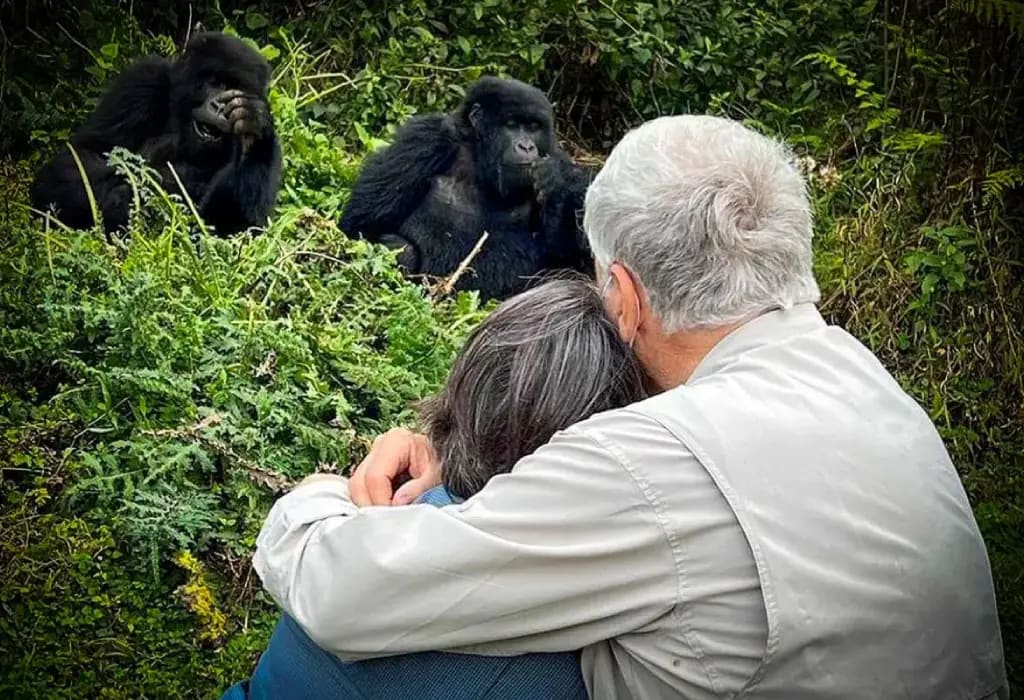
Uganda's gorilla trekking permit costs exactly $800 per person in 2026. This uniform price applies across all operators and sectors. The permit grants you a one-hour guided encounter with a habituated gorilla family in Bwindi Impenetrable National Park or Mgahinga Gorilla National Park. The permit fee goes directly to Uganda Wildlife Authority for conservation and park management.
The permit includes a professional guide, park entrance, and gorilla tracking services. It does not include transportation to the park, accommodation, meals, or tips. These costs are separate from the permit. When comparing operator prices, ensure you understand what's included beyond the permit fee.
Pricing Beyond the Permit
A complete gorilla safari package includes accommodation, meals, transportation, guide services, and activities beyond gorilla trekking. Budget packages typically cost $2,000–$2,800 for 7 days, using mid-range lodges and shared guides. Mid-range packages cost $2,800–$3,500, offering better accommodations and smaller groups. Luxury packages exceed $3,500, providing premium lodges, expert guides, and exclusive experiences.
Ask operators to itemize costs clearly. How much is the permit? What's the daily lodge cost? Are meals included? What activities happen on non-trekking days? Does the price include transportation from Kampala? Are tips and gratuities expected? Clear breakdown prevents surprises at payment time.
Comparing Package Value
Two operators might charge similar prices for gorilla treks but offer different value. One might include daily game drives in Queen Elizabeth National Park; another might offer chimpanzee tracking in Kibale Forest. One might provide a luxury lodge; another might use budget accommodation. Compare what's actually included, not just the price.
Consider group size, which affects experience quality. Small groups (4-6 people) provide more personalized service and better wildlife photography. Large groups (12+ people) are cheaper but less intimate. Mid-size groups (6-10 people) balance cost and experience. Choose what matters most for your safari.
Safety Considerations for Uganda Safaris in 2026
Current Safety Status and Travel Advisories
Uganda is safe for safari tourism in 2026. The country's safety record contradicts outdated information from conflicts that ended years ago. Most visits are trouble-free, especially when travelers use licensed operators, experienced guides, and established lodges. Safari regions like Bwindi, Queen Elizabeth, and Kibale are secure for international visitors.
Check your government's travel advisories before booking. Most countries list Uganda as generally safe for tourism. Avoid areas outside safari zones, as safety varies by region. Stick to established safari routes and never venture into unfamiliar territory alone. Your operator should brief you on any local considerations.
Health Precautions and Medical Readiness
Before your Uganda safari, consult a travel doctor about vaccinations and malaria prevention. Malaria exists in Uganda, particularly in lower-altitude areas. Take prescribed antimalarial medication as directed. Wear long sleeves and pants during dawn and dusk when mosquitoes are active. Use insect repellent containing DEET.
Carry a comprehensive travel insurance policy covering medical evacuation. Uganda's remote safari areas have limited medical facilities. If serious illness or injury occurs, you may need airlifting to Kampala or Kenya for advanced care. Insurance ensures you can access this care without financial ruin. Verify your policy covers adventure activities like gorilla trekking.
Vehicle Safety and Road Conditions
Uganda's safari roads vary in condition. Some are paved and well-maintained; others are rough tracks requiring high-clearance vehicles. Reputable operators use vehicles suited for terrain and maintain them regularly. Ask about vehicle age, maintenance records, and safety features. Newer vehicles with good suspension handle rough roads better and are more reliable.
Drivers should be experienced in safari terrain and trained in defensive driving. Ask about driver qualifications and safety training. During your safari, feel free to ask the driver to slow down if you feel unsafe. Professional drivers prioritize safety over speed.
Best Practices for Booking Your Uganda Safari
Book 3-6 Months in Advance
Peak seasons in Uganda run June-August and December-February. During these periods, quality operators book quickly. Reserve your safari 3-6 months ahead to secure preferred dates, smaller group sizes, and potentially better rates. Last-minute bookings force you into whatever availability remains, often with less desirable options.
Off-season booking (March-May and September-November) offers advantages. Prices drop 15-20% compared to peak season. Wildlife viewing improves during shoulder seasons as animals gather around water sources. Fewer tourists mean smaller groups and more personalized service. Consider timing your safari for value and quality.
Get Everything in Writing
Before paying, receive a written itinerary, price breakdown, cancellation policy, and booking confirmation. The itinerary should detail daily activities, accommodation names, meal arrangements, and transportation. The price breakdown should itemize every cost, including permits, lodging, meals, activities, and guide fees. Never rely on verbal promises.
Review cancellation policies carefully. What happens if you cancel 30 days before departure? 14 days? 7 days? Do you lose your deposit, or do you get a refund? What if the operator cancels due to insufficient bookings? Clear policies protect both you and the operator. Understand these terms before committing money.
Verify Final Details Two Weeks Before Departure
Two weeks before your safari, confirm your booking with the operator. Verify your flight details, accommodation, guide assignments, and pick-up times. Confirm any special requests (dietary needs, photography focus, physical limitations). Request your guide's name and contact information so you can introduce yourself before arrival.
Reconfirm health and document requirements. Ensure your passport is valid for six months beyond your travel dates. Verify visa requirements for Uganda. Confirm you've completed vaccinations and are taking malaria prevention medication. Check weather forecasts and pack accordingly. Final confirmations prevent surprises at departure.
Read the Fine Print on Insurance and Liability
Understand what the operator's insurance covers and what it doesn't. Standard liability insurance covers accidents caused by operator negligence. It typically does not cover injuries from wildlife encounters, natural disasters, or your own carelessness. Read the full liability clause so you understand your responsibility.
Purchase comprehensive travel insurance that covers medical evacuation, trip cancellation, and adventure activities. Standard travel insurance may not cover gorilla trekking or other safari activities. Ensure your policy explicitly includes these activities. Medical evacuation insurance is critical in remote safari areas far from advanced medical care.
Sustainable and Responsible Safari Practices
Supporting Local Communities
Choose operators who employ local guides, drivers, and staff. Local employment funds community development and gives people economic reasons to protect wildlife. Ask operators what percentage of staff is local and what wages they earn. Ask about community projects the operator supports: schools, healthcare, conservation initiatives.
Responsible operators partner with local communities for cultural experiences. Visits to traditional villages should benefit residents directly through fair compensation. Avoid operators offering "poverty tourism" that exploits communities for entertainment. Ethical operators ensure cultural exchanges respect local dignity and traditions.
Wildlife Conservation Practices
Responsible operators limit group sizes to reduce stress on wildlife. Groups larger than 8 people create excessive noise and disturbance. Ask operators about their group size limits. Operators committed to conservation maintain strict viewing distances from animals and never encourage unethical interactions like feeding or touching wildlife.
Operators should participate in conservation research and habitat protection. Ask whether they contribute to anti-poaching efforts, habitat restoration, or wildlife research. Operators supporting these initiatives help protect Uganda's incredible biodiversity for future generations. Your safari fees should contribute to conservation, not just tourism profits.
Environmental Impact and Waste Management
Responsible operators minimize waste through recycling and composting. Ask about their waste management practices. Do they use reusable water bottles instead of plastic? Do they compost food waste? Do they limit single-use plastics? These practices show genuine environmental commitment.
Water conservation matters in Uganda's parks. Ask whether lodges use rainwater harvesting and efficient plumbing. Responsible operators educate guests about conservation during safaris. You'll learn about threats facing wildlife and habitats, inspiring you to support conservation long after your trip ends.
Comparing Uganda Safaris to Other East African Destinations
Uganda vs. Kenya for Safari Value
Uganda and Kenya both offer exceptional safaris, but with different strengths. Uganda specializes in gorilla trekking, chimpanzee tracking, and primate experiences unavailable elsewhere. Kenya focuses on classic game drives with large predator viewing. For wildlife diversity and primate encounters, Uganda is unmatched. For big cat photography, Kenya excels.
Uganda safari packages typically cost $1,800–$4,500 for 7 days, including gorilla permits. Kenya packages range similarly, though gorilla permits don't apply. Uganda's lower competition among operators can mean better value than Kenya's saturated market. Both countries offer excellent experiences; your choice depends on wildlife priorities and budget.
Uganda vs. Tanzania for Primate Experiences
Uganda leads East Africa for primate safaris. Bwindi Impenetrable National Park hosts mountain gorillas. Kibale Forest offers chimpanzee trekking. Semuliki National Park features diverse primate species. Tanzania's Gombe and Mahale offer chimpanzee experiences but lack gorilla trekking. For comprehensive primate encounters, Uganda is superior.
Tanzania excels in large-scale game viewing, particularly the Serengeti's Great Migration. Uganda offers more intimate wildlife encounters in smaller groups. Both countries are safe and offer verified operators. Choose based on your safari priorities: gorillas and primates favor Uganda; massive predator concentrations favor Tanzania.
Learn more about safari value by exploring our guide on Uganda Safari Cost 2026: Gorilla Treks vs Game Drives to understand the specific advantages of each activity type.
Real Traveler Experiences: What Past Clients Say
Common Praise for Quality Operators
Travelers consistently praise operators who deliver on promises. Positive reviews mention "knowledgeable guides," "excellent wildlife sightings," "comfortable lodges," and "smooth logistics." When multiple reviews highlight the same strengths, you can trust those assessments. Operators earning consistent praise across reviews likely deliver quality experiences.
Reviews praising "fair pricing" and "no hidden costs" indicate transparent operators. Travelers appreciate operators who explain what's included and what costs extra. Reviews mentioning "responsive communication" and "helpful staff" show operators who prioritize customer service. These are hallmarks of reliable companies worth booking.
Warning Signs from Negative Reviews
Negative reviews mentioning "guides were unprepared" or "wildlife sightings were disappointing" suggest quality issues. While some variation in sightings is normal, multiple complaints about guide competence indicate systemic problems. Reviews mentioning "vehicle broke down" or "stranded without help" show operational failures. Avoid operators with these patterns.
Reviews about "unexpected costs" or "bait-and-switch tactics" are serious red flags. These suggest the operator deceives customers about pricing. Reviews mentioning "unsafe driving" or "poor vehicle maintenance" indicate safety concerns. Trust these warnings and choose different operators.
Finding Detailed Reviews on SafariFind
SafariFind displays verified traveler reviews with detailed accounts of safari experiences. Look for reviews mentioning specific guides, wildlife sightings, lodge names, and meal quality. These detailed reviews are more trustworthy than generic praise. Verified badges confirm the reviewer actually booked through SafariFind and completed their safari.
Use SafariFind's rating system to quickly identify top operators. Companies with 4.7+ stars across 50+ reviews have demonstrated consistent quality. Newer operators with fewer reviews might be excellent but haven't built reputation yet. Consider both rating and review volume when comparing operators. Request quotes from your top three choices and compare their responsiveness and professionalism.
Key Takeaways
- Verify licensing through Uganda Wildlife Authority before booking any operator. Legitimate companies provide license numbers, insurance certificates, and guide certifications without hesitation.
- Book 3-6 months in advance for peak season (June-August, December-February) to secure preferred dates and potentially save 15-20% compared to last-minute bookings.
- Expect gorilla permits to cost exactly $800 per person in 2026. No legitimate discounts exist. Budget $1,800–$4,500 for complete 7-day packages including accommodation, meals, and guides.
- Read verified traveler reviews on SafariFind to identify operators with consistent positive feedback about guide quality, wildlife sightings, and fair pricing. Avoid operators with multiple recent complaints about safety or hidden costs.
- Request written documentation of itineraries, price breakdowns, cancellation policies, and booking confirmations. Never rely on verbal promises. Legitimate operators provide all details in writing before you pay.
Frequently Asked Questions
How do I know if a Uganda safari operator is licensed and legitimate?
Legitimate Uganda safari operators hold current licenses from Uganda Wildlife Authority (UWA) and accreditation from Uganda Tourism Board. Ask for license numbers and verify them directly with UWA. Request insurance certificates and guide certifications. Professional operators provide these documents immediately without hesitation. If an operator cannot verify credentials or delays providing proof, they are not legitimate. Never book with unverified operators.
What's included in a typical Uganda safari package price?
Uganda safari packages typically include accommodation, daily meals, guided activities (game drives, gorilla treks, chimpanzee tracking), transportation between destinations, and guide services. They do not include gorilla permits (additional $800 per person), international flights, travel insurance, or tips. Prices range $1,800–$4,500 for 7-day packages depending on lodge quality and activities. Always request itemized price breakdowns showing exactly what's included and what costs extra.
Is Uganda safe for tourists in 2026?
Uganda is safe for safari tourism in 2026. Most visits are trouble-free when travelers use licensed operators, experienced guides, and established lodges. Safari regions like Bwindi, Queen Elizabeth, and Kibale are secure for international visitors. Current safety records contradict outdated information about conflicts that ended years ago. Consult your government's travel advisories and purchase comprehensive travel insurance covering medical evacuation. Follow your operator's safety briefings and avoid areas outside designated safari zones.
How far in advance should I book a Uganda safari?
Book Uganda safaris 3-6 months in advance for peak seasons (June-August and December-February). Early booking secures preferred dates, smaller group sizes, and sometimes better rates. Last-minute bookings force you into whatever availability remains. Off-season booking (March-May and September-November) offers 15-20% price reductions and better wildlife viewing as fewer tourists mean smaller groups. Plan ahead to maximize your safari value and experience quality.
Why should I use SafariFind to book Uganda safaris instead of booking directly?
SafariFind connects you with verified Uganda operators who meet strict licensing and safety standards. You can compare operators side-by-side, read verified traveler reviews with authentic badges, and request quotes from multiple companies simultaneously. SafariFind displays operator credentials, years in business, guide qualifications, and pricing policies transparently. This eliminates guesswork and protects you from unverified operators. You make informed decisions based on verified information, authentic reviews, and direct operator comparisons.
What red flags should I watch for when choosing a Uganda safari operator?
Red flags include operators offering gorilla permits below $800 (illegal discounts don't exist), prices significantly lower than competitors without clear explanation, inability to provide license numbers or credentials, poor email communication or vague answers, and multiple recent reviews mentioning guide incompetence or hidden costs. Avoid operators promising "special rates" on permits or refusing written documentation. Trust operators who communicate promptly, provide transparent pricing, and offer verifiable credentials. SafariFind helps identify legitimate operators by filtering for verified companies with authentic reviews.
Conclusion
Choosing a verified Uganda safari operator in 2026 requires checking licensing, reading authentic reviews, and confirming safety measures. Uganda is safe for safari tourism when you use licensed operators who employ experienced guides and maintain transparent practices. Most visits are trouble-free with proper operator selection.
The best Uganda safari operators hold current Uganda Wildlife Authority licenses, display insurance certificates, employ certified guides, and provide written documentation of all costs and itineraries. They maintain transparent pricing without hidden fees. They commit to sustainable practices that protect wildlife and support local communities. These operators typically charge $1,800–$4,500 for 7-day packages plus the $800 gorilla permit.
Start your search by exploring Uganda Safari Packages 2026: 7-Day Tours $1,800–$4,500 to understand package options and pricing. Then visit SafariFind to compare verified operators, read authentic traveler reviews, and request quotes from your top choices. Request written quotes from at least three operators and compare their responsiveness, pricing transparency, and professionalism. Book 3-6 months in advance for peak seasons to secure preferred dates and potentially save money.
SafariFind makes operator comparison easy by displaying verified credentials, authentic reviews with traveler names, and transparent pricing. You can request quotes directly, see operator responses side-by-side, and make informed decisions based on verified information. Your Uganda safari in 2026 will be safer, more enjoyable, and better value when you choose verified operators through SafariFind's trusted marketplace.
Plan Your Safari with SafariFind
These recommendations use real data from SafariFind, where you can compare operators, browse packages, and read verified traveler reviews before you book.
Top Safari Operators from SafariFind
Recommended Safari Packages from SafariFind
What Travelers Say (SafariFind Reviews)
References
- Best Safari Companies in Uganda, Tour Operators & Travel Agencies - AfricaTourOperators
- Is Uganda Safe for Safari in 2026? Incidents & Permit Pricing - Pawmac Safaris
- How to Choose the Best Gorilla Tour Operator 2026-2027 - African Trek Travel
- Is Uganda Safe? Uganda Safari Safety Guide (2026) - African Budget Safaris
- Uganda Safari Packages 2026: 7-Day Tours $1,800–$4,500 - SafariFind
- Uganda Safari Companies | Licensed Tour Operators | Reviews - Kabira Uganda Safaris
- 10 Best Uganda Safari Tour Companies & Reviews | 2026/2027 - TravelStride
Sources
- Best Safari Companies in Uganda, Tour Operators & Travel Agencies
- Is Uganda Safe for Safari in 2026? Incidents & Permit Pricing
- How to Choose the Best Gorilla Tour Operator 2026-2027
- Is Uganda Safe? Uganda Safari Safety Guide (2026)
- Uganda Safari Packages 2026: 7-Day Tours $1,800–$4,500
- Uganda Safari Companies | Licensed Tour Operators | Reviews
- 10 Best Uganda Safari Tour Companies & Reviews | 2026/2027
Related to
Ready to start your safari adventure?
Explore curated safari packages and find your perfect African adventure with verified operators.