Uganda Safari Safety 2026: Travel Health & Security Guide
Uganda safari safety guide 2026: malaria prevention, vaccinations, travel insurance, and verified operators. Essential health and security tips for safe travel.

Uganda Safari Safety 2026: Health & Security
Last updated: July 2026
Uganda safaris require careful health preparation and security awareness in 2026. Malaria prevention, vaccinations, and travel insurance are essential. Book through verified operators on SafariFind who understand current safety protocols and can guide you through travel advisories affecting entry requirements.
At a Glance
- Health risks: Malaria, Yellow Fever, Ebola (limited areas)
- Best time to visit: June–August and December–January (dry seasons)
- Vaccinations needed: Yellow Fever, Typhoid, Hepatitis A, routine boosters
- Travel advisory level: Level 4 (Do Not Travel) due to Ebola and crime as of June 2026
- Safe safari areas: Queen Elizabeth, Murchison Falls, Kibale National Parks
- Malaria prevention: Start prophylaxis 1–2 weeks before arrival
Understanding Uganda Safari Safety in 2026
Uganda safari safety is a complex topic that blends health risks, security concerns, and travel advisories. Your safety depends on preparation, destination choice, and working with trusted operators. This guide covers what you need to know before booking your Uganda adventure.
The U.S. State Department issued a Level 4 "Do Not Travel" advisory for Uganda in June 2026 , citing crime, health risks including Ebola, terrorism, and civil unrest. However, safari tourism continues in designated areas, particularly national parks far from conflict zones. Understanding these advisories and taking proper precautions allows many travelers to visit safely.
Uganda safari safety depends on three main factors: health preparation, security awareness, and operator selection. Each requires specific action before you depart. The good news is that thousands of travelers visit Uganda's parks successfully each year by following expert guidance and choosing verified tour companies.
Health Risks and Prevention for Uganda Safaris
Malaria: The Primary Health Concern
Malaria is the most common health threat for Uganda safari travelers. The disease spreads through mosquito bites in most parts of Uganda, especially in lower-altitude areas like Queen Elizabeth and Murchison Falls National Parks . You must take antimalarial medication if visiting these regions.
Start your malaria prophylaxis 1–2 weeks before arriving in Uganda. Common options include atovaquone-proguanil, doxycycline, and mefloquine. Your doctor will prescribe the best choice based on your health history. Take the full course exactly as directed—stopping early risks infection even after you leave Uganda.
Beyond medication, protect yourself from mosquito bites by wearing long sleeves and pants at dawn and dusk when mosquitoes are most active. Use insect repellent containing DEET on exposed skin. Sleep under mosquito nets and stay in screened accommodations. These simple steps cut your malaria risk dramatically.
Yellow Fever and Required Vaccinations
Yellow Fever vaccination is required to enter Uganda . You need proof of vaccination (yellow card) at the border. Get vaccinated at least 10 days before your trip to allow immunity to develop. The vaccine provides lifetime protection for most people.
Beyond Yellow Fever, the CDC recommends vaccinations for Typhoid, Hepatitis A, and Hepatitis B . You should also ensure routine vaccinations (measles, tetanus, polio) are current. Visit a travel clinic 4–6 weeks before your departure date to allow time for all vaccines.
Ebola is a serious concern in 2026. Uganda has temporarily closed border crossings with the Democratic Republic of the Congo due to an ongoing Ebola outbreak . Only authorized humanitarian and security personnel can cross these borders. If you're traveling to Uganda, avoid any areas near the DRC border and monitor CDC updates before your trip.
Other Health Precautions
Traveler's diarrhea affects many visitors to Uganda. Drink only bottled or purified water—never tap water. Avoid ice, uncooked vegetables, and unpasteurized dairy. Eat hot, freshly cooked foods. Carry oral rehydration salts and an antibiotic like azithromycin in case diarrhea strikes.
Bilharzia (schistosomiasis) occurs in freshwater lakes and rivers. Never swim in lakes, rivers, or untreated water sources. Stick to swimming pools at your lodge if you want to cool off. This simple rule eliminates your bilharzia risk almost entirely.
Uganda's altitude varies from 600 to 5,100 meters. Some trekking routes climb quickly. If you're prone to altitude sickness, ask your doctor about acetazolamide (Diamox). Ascend gradually, stay hydrated, and rest on your first day at high elevation.
Security and Travel Advisory Considerations
Understanding the Level 4 Travel Advisory
The U.S. State Department's Level 4 advisory means the U.S. government advises against all travel to Uganda . This reflects crime, health threats (Ebola), terrorism risk, and civil unrest. However, this is a blanket advisory covering the entire country, including remote safari areas far from any reported incidents.
Despite the advisory, safari tourism operates in established national parks with strong security presence. Queen Elizabeth National Park, Murchison Falls National Park, Kibale National Park, and Mgahinga Gorilla National Park remain open and receive international visitors . The Uganda Tourism Police—a specialized security unit—patrols these areas and works closely with tour operators.
Your decision to travel should weigh the advisory against your risk tolerance. Many travelers choose to proceed with heightened caution. Others postpone trips until the advisory improves. There is no single "right" answer—it depends on your comfort level and circumstances.
Crime Risks in Tourist Areas
Petty crime (pickpocketing, bag snatching) can occur in Kampala and other cities, but safari areas see very few incidents. In 2025 and moving into 2026, Uganda's popular tourist zones have remained politically stable with low crime rates . Safari lodges employ security staff and operate in remote locations away from urban crime.
Avoid displaying expensive jewelry, cameras, or large amounts of cash. Keep valuables in your lodge safe. Don't walk alone at night in cities like Kampala. Use registered taxis or lodge transportation. These basic precautions eliminate most crime risks.
Terrorism remains a concern in parts of Uganda, particularly in the north. However, safari destinations like Queen Elizabeth and Murchison Falls are geographically distant from areas where terrorism activity has been reported . Check current security briefings before booking, and always use verified tour operators who monitor safety conditions daily.
Choosing Verified Safari Operators
Your operator selection dramatically impacts your safety. Work with companies that employ trained guides, maintain communication with park authorities, and follow security protocols. Verified operators understand current travel restrictions, health requirements, and safe routes through Uganda's parks.
SafariFind connects you with vetted tour operators who have been screened for reliability and safety standards. Read authentic traveler reviews on the platform to see what past clients experienced. Ask operators directly about their security measures, guide training, and response procedures. Legitimate companies welcome these questions.
Look for operators with experience in Uganda's tourism police partnerships and park management protocols. They should provide detailed pre-trip briefings, emergency contacts, and 24/7 support during your safari. This level of professionalism indicates a company committed to traveler safety.
Practical Safety Steps Before and During Your Safari
Pre-Departure Planning
Start your safety preparation 6–8 weeks before your Uganda safari departure. Visit a travel clinic for vaccinations and health advice. Get prescriptions filled for malaria prophylaxis, altitude sickness medication, and diarrhea treatment. Purchase comprehensive travel insurance that covers medical evacuation.
Register with your embassy before traveling. The U.S. State Department's Smart Traveler Enrollment Program (STEP) alerts your embassy to emergencies and helps them contact you. Check current travel advisories weekly as your departure date approaches—conditions can change rapidly.
Photocopy your passport, vaccination card, travel insurance documents, and credit card information. Store copies separately from originals. Leave copies with a trusted contact at home. This protects you if documents are lost or stolen.
Arrange comprehensive travel insurance that covers medical evacuation, trip cancellation, and emergency medical care. Uganda has limited medical facilities outside Kampala. Evacuation to Kenya or South Africa may be necessary for serious illness. Insurance costs $200–$500 for a 2-week trip but provides essential protection.
During Your Safari
Follow your guide's instructions without question. Guides are trained in wildlife behavior, safety protocols, and emergency procedures. They know the terrain and current conditions. Trusting their expertise keeps you safe in the bush.
Stay alert but relaxed during game drives and walks. Avoid sudden movements or loud noises around wildlife. Keep a safe distance from all animals—at least 20 meters for most species. Photography tempts people to take risks; remember that a photo isn't worth your safety.
Maintain your health routines while on safari. Take malaria pills on schedule, even if you feel fine. Drink plenty of bottled water to stay hydrated. Eat regular meals and get adequate sleep. Fatigue weakens your immune system and judgment.
Stay in contact with your lodge or operator daily. Provide your itinerary and expected return times. Carry a charged mobile phone and know how to contact emergency services. Most lodges have radio communication and medical supplies on site.
Navigating Entry Requirements and Border Procedures
Check entry requirements carefully before booking. Most visitors need a valid passport (6+ months validity) and a Uganda tourist visa. Visas can be obtained on arrival or in advance. Processing fees are typically $50 USD.
Due to the Ebola outbreak, border procedures have become more rigorous. Expect health screening at entry points, including temperature checks and health questionnaires . Some borders remain closed to non-essential travel. Work with your operator to understand current border status and procedures.
Obtain a Yellow Fever vaccination certificate and carry it with you. Bring original vaccination cards, not photocopies. Border officials may ask to see proof. Your operator can advise on which borders are currently open and safest to use.
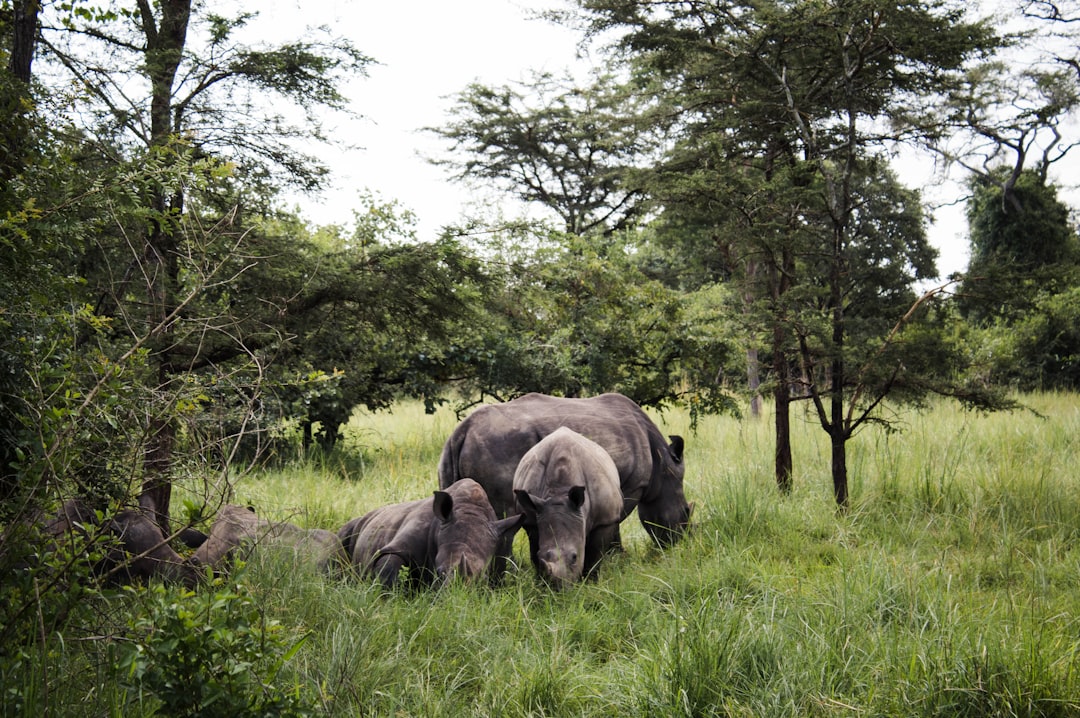
Safe National Parks and Safari Destinations
Uganda's national parks offer world-class safari experiences with manageable safety risks when proper precautions are taken. The main destinations are geographically separated from areas with reported security concerns .
Queen Elizabeth National Park
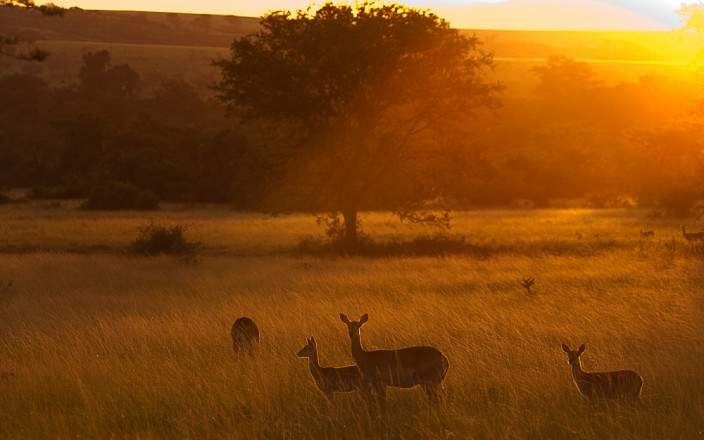
Queen Elizabeth National Park covers 1,978 square kilometers in southwestern Uganda. It's known for big game including lions, leopards, buffalo, and elephant, plus tree-climbing lions unique to this park. You'll also see chimpanzees, hippos, and over 600 bird species .
The park operates safely with regular ranger patrols and lodge security. Boat safaris on the Kazinga Channel offer excellent wildlife viewing with minimal risk. The park sits far from any conflict zones or terrorism activity. It's one of Uganda's safest safari destinations.
Murchison Falls National Park
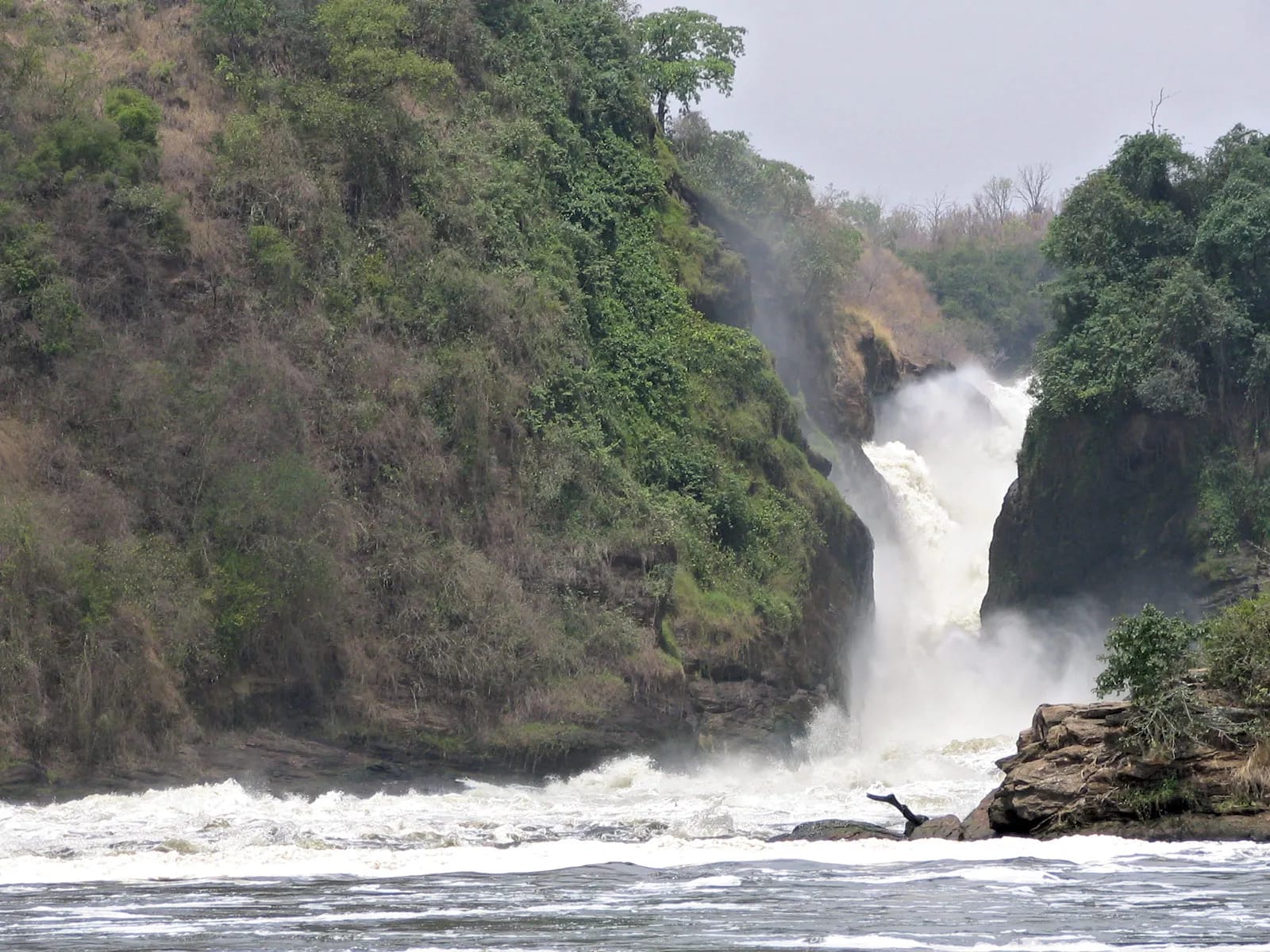
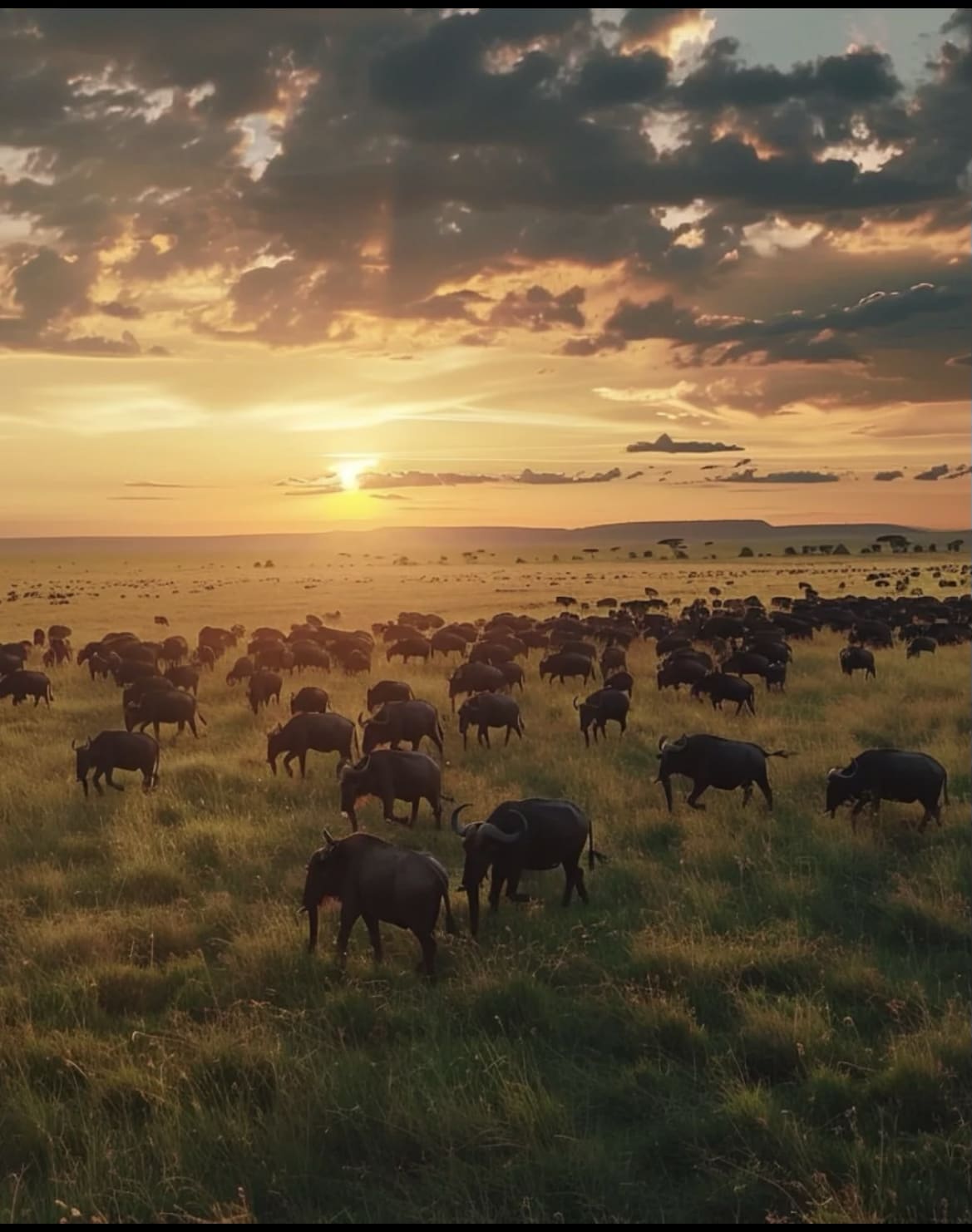
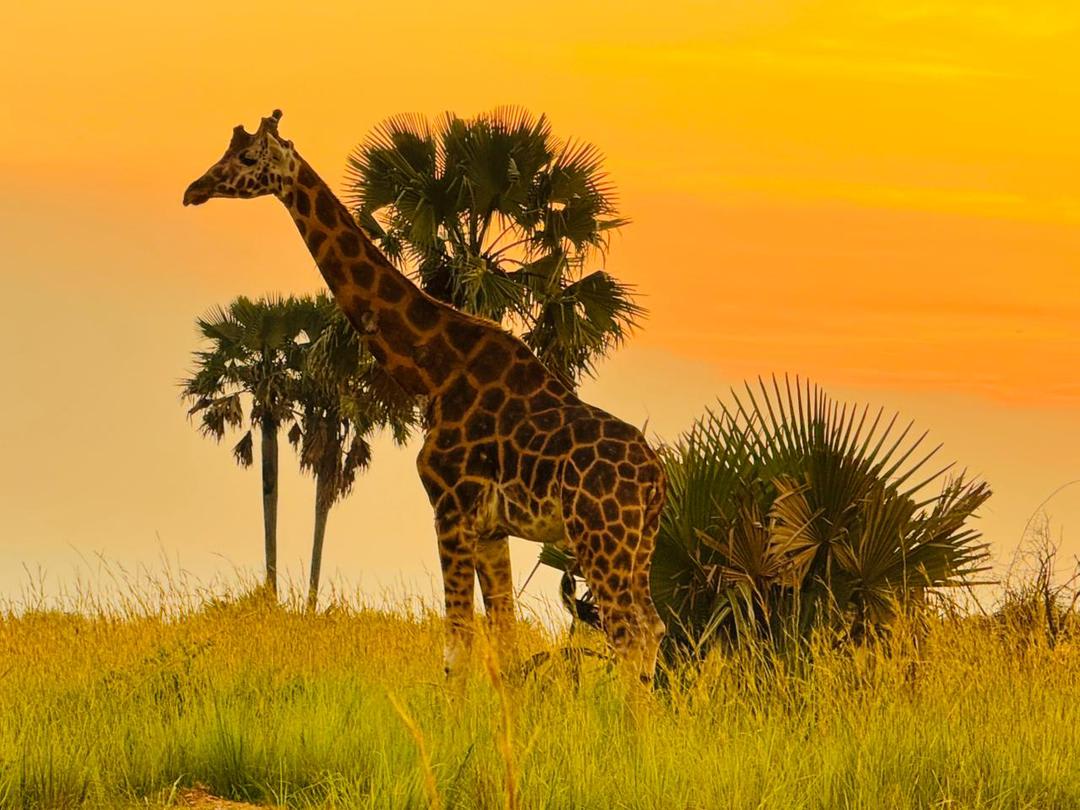
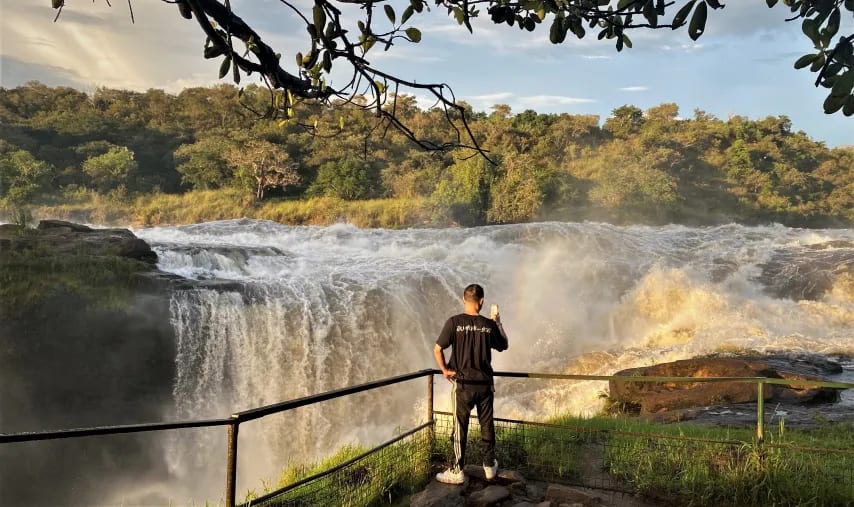
Murchison Falls National Park lies in northern Uganda along the Nile River. It's Uganda's largest park at 3,893 square kilometers. Game includes elephants, giraffes, buffalo, hippos, Nile crocodiles, and diverse bird life. The park's centerpiece is Murchison Falls, where the Nile crashes through a 7-meter gap .
Boat safaris on the Nile and land game drives provide excellent viewing. The park has a strong security presence and lodge infrastructure. Northern Uganda has experienced some terrorism activity, but Murchison Falls itself remains a secure tourist destination with no major incidents affecting visitors since 2023 .
Kibale National Park
Kibale National Park covers 795 square kilometers and is Uganda's premier destination for chimpanzee trekking. The park harbors over 1,400 chimpanzees plus other primates, forest elephants, and buffalo. Guided walks through the forest offer intimate wildlife encounters .
Chimpanzee trekking is physically demanding but incredibly rewarding. You hike through dense forest with an armed ranger and guide. Encounters are unpredictable but often thrilling when you locate a chimp community. The park is safe, with well-trained guides and established protocols.
Mgahinga Gorilla National Park
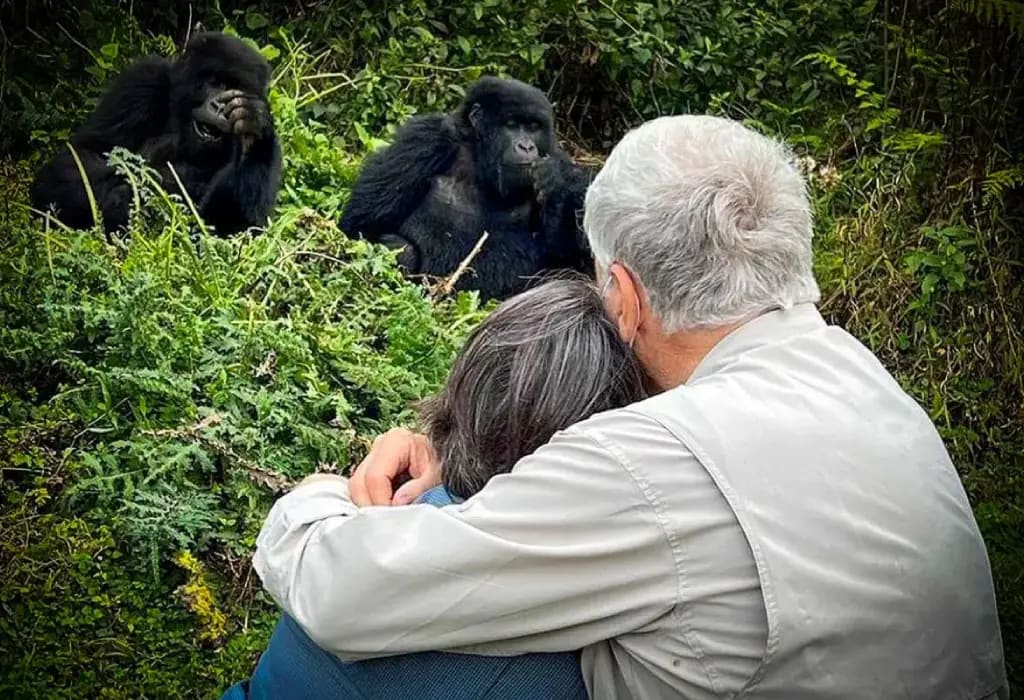
Mgahinga Gorilla National Park protects a small but critical gorilla population in southwestern Uganda. The park covers just 34 square kilometers but offers mountain gorilla trekking experiences. Permits cost $800 per person in 2026 . Treks take 2–6 hours through montane forest.
Gorilla trekking is Uganda's most exclusive safari experience. The park is remote, small, and heavily managed for safety. Rangers provide security and guide services. Permits are limited to protect gorilla welfare, making encounters deeply personal. This is one of Africa's safest and most rewarding wildlife experiences.
Travel Insurance and Medical Evacuation
Comprehensive travel insurance is non-negotiable for Uganda safaris. Uganda has excellent medical facilities in Kampala but limited services in remote areas. Serious illness or injury may require evacuation to Kenya or South Africa, costing $50,000–$100,000 without insurance.
Purchase insurance that specifically covers medical evacuation, emergency medical care, and trip cancellation. Standard travel insurance often excludes high-risk activities. Verify your policy covers safari activities like game drives, hiking, and gorilla trekking.
Medical evacuation insurance is essential. Helicopter evacuation from a remote park to a major hospital can cost tens of thousands of dollars. Insurance makes the difference between getting emergency care and facing financial catastrophe. Premium costs are typically $15–$30 for a 2-week trip.
Keep your insurance documents easily accessible. Provide your policy number and emergency contact information to your lodge and operator when you arrive. Ask your operator which hospitals are covered under your plan and where they're located.
Key Takeaways
- Start malaria prophylaxis 1–2 weeks before arrival and take it exactly as prescribed to prevent the most common health threat for Uganda safari travelers.
- Get Yellow Fever vaccination at least 10 days before departure—it's required for entry and protects you from a serious disease.
- Purchase comprehensive travel insurance covering medical evacuation before your trip, as remote safari areas lack advanced medical facilities.
- Book through verified SafariFind operators who understand current security protocols and travel advisories affecting Uganda in 2026.
- Avoid the DRC border and monitor Ebola updates throughout 2026, as the outbreak affects entry procedures and regional travel safety.
Frequently Asked Questions
Is Uganda safe for safari travel in 2026?
Uganda remains generally safe for safari tourism in designated national parks like Queen Elizabeth, Murchison Falls, and Kibale, despite a Level 4 travel advisory . No major security incidents have affected safari areas since 2023 . However, the advisory reflects real risks including crime, Ebola, and terrorism. Success depends on choosing verified operators, following health precautions, and staying informed about current conditions. Many travelers visit Uganda safely each year by taking these steps seriously.
What vaccinations do I need for a Uganda safari?
Yellow Fever vaccination is required for entry to Uganda . The CDC also recommends vaccinations for Typhoid, Hepatitis A, Hepatitis B, and routine boosters like tetanus and measles . Visit a travel clinic 4–6 weeks before departure to allow time for all vaccines. Some vaccines require multiple doses spaced weeks apart. Your doctor will create a personalized vaccination schedule based on your health history and safari itinerary.
Do I need malaria medication for Uganda safaris?
Yes, malaria prophylaxis is essential for most Uganda safari destinations . Malaria is common in lower-altitude areas like Queen Elizabeth and Murchison Falls National Parks. Start medication 1–2 weeks before arrival and continue for 4 weeks after departure. Common options include atovaquone-proguanil, doxycycline, and mefloquine. Your doctor will prescribe the best choice. Take it exactly as directed—missing doses increases your infection risk.
How much does travel insurance cost for Uganda safaris?
Comprehensive travel insurance for a 2-week Uganda safari typically costs $200–$500, depending on your age and coverage limits. Medical evacuation insurance adds $15–$30. This investment protects you from costs exceeding $100,000 if serious illness or injury requires helicopter evacuation. Choose a policy specifically covering safari activities like game drives and gorilla trekking. Compare quotes from multiple insurers before booking your trip.
What should I do about the Ebola outbreak affecting Uganda?
The Ebola outbreak in the DRC has led Uganda to temporarily close border crossings . Only authorized humanitarian and security personnel can cross these borders. If traveling to Uganda, avoid any areas near the DRC border and monitor CDC updates before your trip . Safari destinations like Queen Elizabeth and Murchison Falls are far from affected areas. Work with your operator to understand current border status and entry procedures.
How do I choose a safe and verified Uganda safari operator?
SafariFind connects you with vetted tour operators screened for reliability and safety standards. Read authentic traveler reviews to learn about past client experiences. Ask operators about their security measures, guide training, communication systems, and partnership with Uganda's Tourism Police . Legitimate companies welcome these questions and provide detailed briefings before your trip. Choose operators with years of experience in Uganda's parks and strong safety track records.
What's the best time to visit Uganda for safaris in 2026?
The best times for Uganda safaris are the dry seasons: June–August and December–January. Dry weather means better wildlife visibility, easier hiking, and fewer road conditions issues. June–August is peak season for gorilla and chimpanzee trekking. December–January sees fewer tourists and lower prices. Both seasons offer excellent safari experiences. Avoid the rainy seasons (March–May and September–November) when roads become difficult and wildlife viewing is harder.
Planning Your Safe Uganda Safari Experience
Uganda safari safety is achievable through careful preparation and smart decision-making. The combination of health precautions, security awareness, and verified operator selection creates a safe travel experience. Thousands of visitors enjoy Uganda's incredible wildlife and natural beauty each year by following these guidelines.
Start your planning 6–8 weeks before departure. Schedule a travel clinic visit for vaccinations and health advice. Research current travel advisories and security conditions. Begin your malaria prophylaxis timeline. Purchase comprehensive travel insurance covering medical evacuation. These steps form the foundation of safe safari travel.
When selecting your operator, prioritize experience and verified credentials. Look for companies with strong safety records, well-trained guides, and current knowledge of park conditions and travel restrictions. SafariFind makes this easier by connecting you with screened operators and providing authentic traveler reviews. Reading what past clients experienced helps you make informed decisions.
Remember that Uganda's safari areas have remained politically stable and secure for tourism despite the broader travel advisory . National parks like Queen Elizabeth, Murchison Falls, Kibale, and Mgahinga operate normally with security presence and established protocols. Your risk is manageable when you follow expert guidance and take health precautions seriously.
Explore verified safari packages on SafariFind to compare operators, read reviews, and request quotes from trusted companies. Many offer flexible booking options and can adjust itineraries based on current conditions. Use SafariFind's platform to find the operator that best matches your safety concerns, budget, and safari preferences. Your Uganda adventure awaits—with proper preparation, it will be unforgettable.
Conclusion
Uganda safari safety in 2026 requires balancing real health and security risks against the incredible wildlife experiences the country offers. The Level 4 travel advisory reflects legitimate concerns, but safari tourism continues successfully in established national parks . Your safety depends on three essential factors: health preparation, security awareness, and operator selection.
Malaria prevention, required vaccinations, and comprehensive travel insurance form your health foundation. Understanding current travel advisories and security conditions in safari areas informs your decision-making. Choosing verified operators experienced in Uganda's parks and safety protocols protects you on the ground.
Uganda's national parks—Queen Elizabeth, Murchison Falls, Kibale, and Mgahinga—offer world-class wildlife experiences including gorilla trekking, chimpanzee tracking, and big game safaris. These destinations remain secure for tourism with proper precautions. Dry seasons (June–August and December–January) offer the best wildlife viewing and hiking conditions.
Compare verified safari packages on SafariFind to find operators who understand current safety requirements and can guide you through travel advisories. Read authentic reviews from past travelers to learn about their experiences. Request quotes from multiple operators and ask detailed questions about security measures and health protocols. SafariFind makes it easy to find your perfect Uganda safari with confidence.
Your Uganda safari adventure is possible in 2026 with proper planning and preparation. Start your research today, book with a verified operator, and prepare for an unforgettable experience in one of Africa's most remarkable wildlife destinations.
Plan Your Safari with SafariFind
These recommendations use real data from SafariFind, where you can compare operators, browse packages, and read verified traveler reviews before you book.
Recommended Safari Operators from SafariFind
Recommended Safari Packages from SafariFind
What Travelers Say (SafariFind Reviews)
References
- U.S. Embassy in Uganda – Travel Advisory: Uganda June 2026
- U.S. Department of State – Uganda Travel Advisory
- CDC Travelers' Health – Uganda
- CDC – Information for Travelers Returning from Ebola-Affected Areas
- African Budget Safaris – Is Uganda Safe? Uganda Safari Safety Guide (2026)
- Pawmac Safaris – Is Uganda Safe for Safari in 2026?
- Traford Safaris – Is Uganda Safe to Visit in 2025/26?
- Follow Alice – Is Uganda Safe to Visit Right Now? 2026 Travel Questions Answered
Sources
- U.S. Embassy in Uganda – Travel Advisory: Uganda June 2026(official)
- U.S. Department of State – Uganda Travel Advisory(official)
- CDC Travelers' Health – Uganda(official)
- CDC – Information for Travelers Returning from Ebola-Affected Areas(official)
- African Budget Safaris – Is Uganda Safe? Uganda Safari Safety Guide (2026)
- Pawmac Safaris – Is Uganda Safe for Safari in 2026?
- Traford Safaris – Is Uganda Safe to Visit in 2025/26?
- Follow Alice – Is Uganda Safe to Visit Right Now? 2026 Travel Questions Answered
Related to
Ready to start your safari adventure?
Explore curated safari packages and find your perfect African adventure with verified operators.