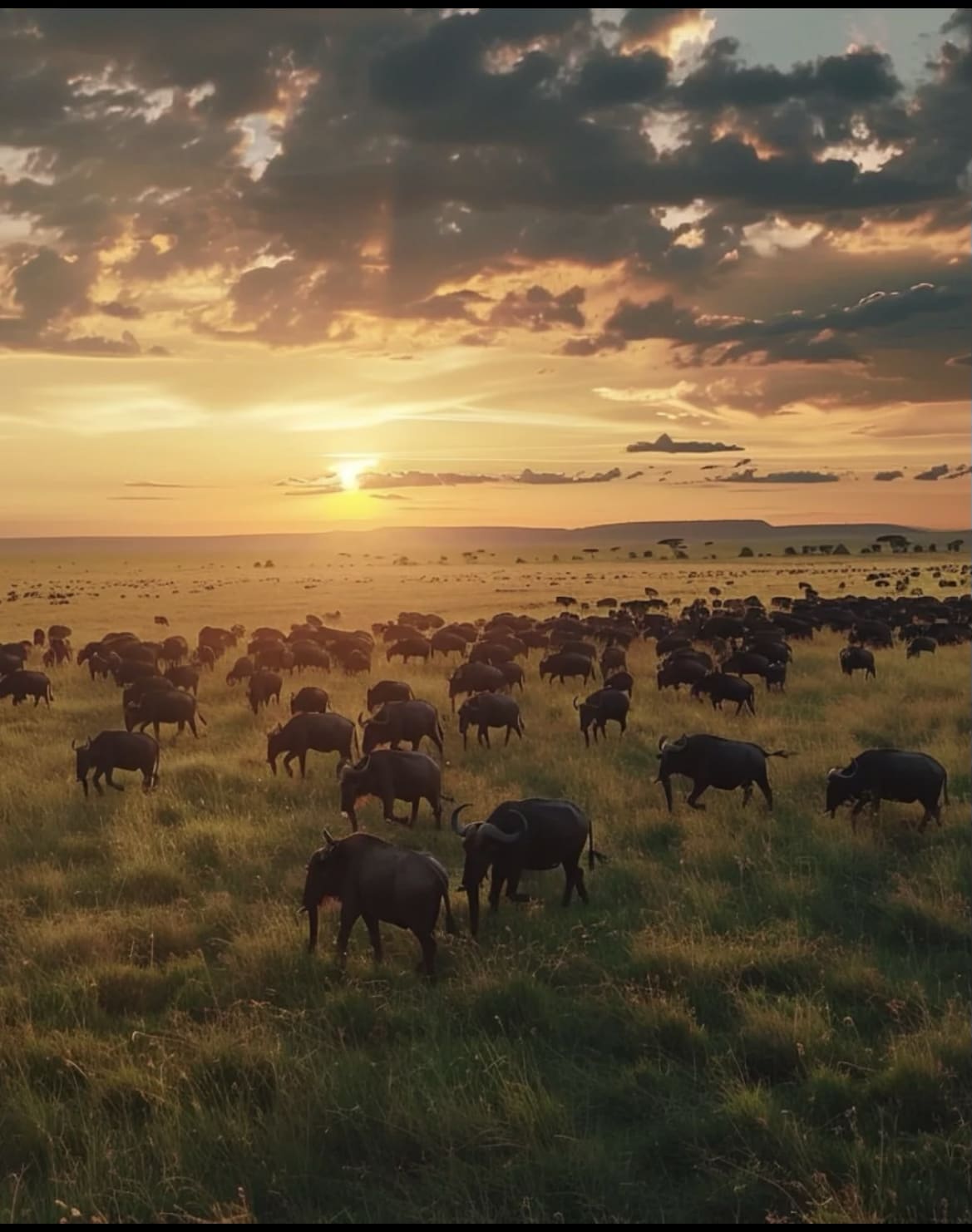
Eswatini Safari Safety 2026: Travel Health & Security
Eswatini is Africa's safest safari destination in 2026. Get vaccinations, travel insurance, and security tips for healthy, worry-free wildlife travel.

Eswatini Safari Safety 2026
Last updated: July 2026
Eswatini is one of Africa's safest safari destinations in 2026, with low violent crime and friendly locals. Travelers should get vaccinations for malaria, yellow fever, and hepatitis before arrival, and avoid displaying wealth in urban areas. Book your Eswatini safari through verified operators on SafariFind to ensure expert safety guidance and authentic traveler reviews.
At a Glance
- Safety Rating: One of Africa's safest countries for travelers
- Main Health Risks: Malaria (certain regions), yellow fever, hepatitis A
- Vaccinations Needed: Yellow fever, malaria prophylaxis, hepatitis A
- Crime Level: Low violent crime; petty theft in urban areas
- Best Time to Visit: May to September (dry season, fewer mosquitoes)
- Travel Documents: Valid passport, check visa requirements before departure
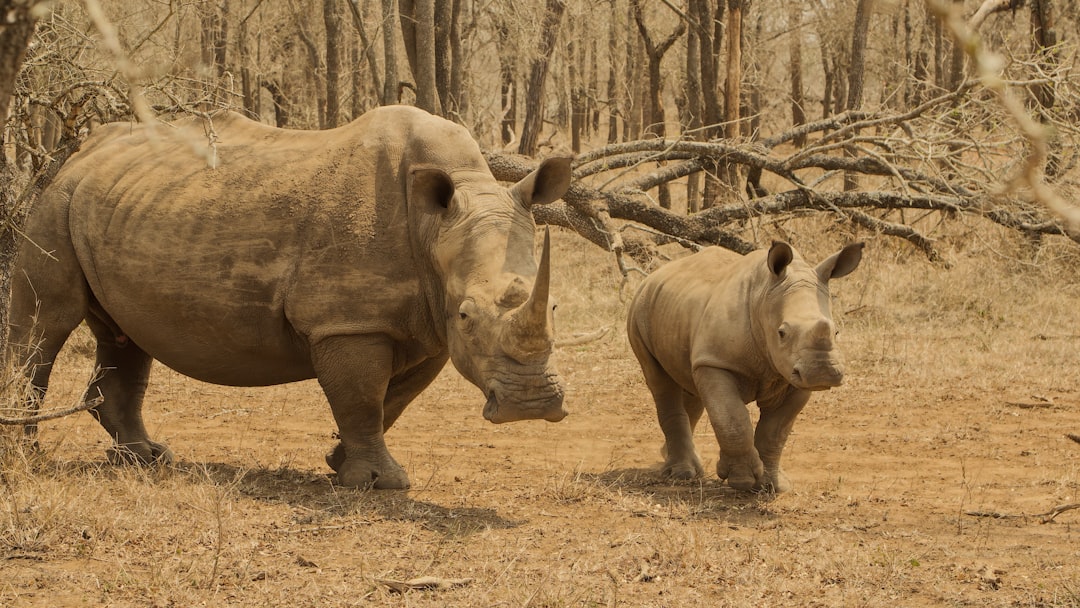
What Is Eswatini Safari Safety in 2026?
Eswatini safari safety in 2026 refers to the health precautions, security measures, and travel planning needed for a safe visit to this small southern African nation. Eswatini is widely considered one of the safest countries in Africa for travelers, with low rates of violent crime and welcoming communities. However, like any international destination, visitors must take proactive steps to protect their health and belongings.
Understanding Eswatini's safety landscape helps you enjoy wildlife experiences without worry. The country offers exceptional safari opportunities in protected areas like Hlane Royal National Park and Mlilwane Wildlife Sanctuary. Your safety depends on smart preparation: getting the right vaccinations, understanding local customs, and choosing reputable tour operators.
Eswatini's tourism infrastructure is well-developed. Hotels, lodges, and safari companies maintain international safety standards. The local population is famously friendly and respectful toward visitors. Violent crime against tourists is extremely rare. This combination makes Eswatini an excellent choice for both first-time and experienced safari travelers.
When you compare Eswatini safari costs, you'll find that safety investments like professional guides and secure lodging are built into most packages. This protects your health and security from day one.
Travel Health Requirements for Eswatini Safaris
Vaccinations and Disease Prevention
Getting vaccinated before your Eswatini safari is essential. The CDC and travel health experts recommend specific vaccines for this region. Yellow fever vaccination is strongly advised, especially if you're visiting from countries with yellow fever risk. Hepatitis A protection is also important, as this virus spreads through contaminated food and water.
Malaria is a significant health concern in certain parts of Eswatini. If you're traveling to low-altitude areas or during the rainy season (November to March), malaria risk increases. Your doctor will prescribe malaria prevention pills (antimalarial medication) based on your destination within Eswatini. Take the full course as directed—don't skip doses or stop early.
Typhoid vaccination protects against another waterborne disease. While tap water in major towns is generally safe, rural areas and safari lodges may have different water quality. Hepatitis B vaccination is recommended for longer stays or if you might have medical procedures. Schedule your vaccinations at least 4-6 weeks before departure to allow your immune system to build protection.
Malaria prophylaxis requires planning. Fill your prescription before leaving home and bring enough medication for your entire trip. Some antimalarial drugs must start before arrival, continue during your stay, and finish after departure. Your travel health clinic will provide exact timing instructions.
Mosquito and Insect Protection
Mosquitoes transmit malaria, dengue fever, and other diseases in Eswatini. Use insect repellent containing DEET (20-30%) on exposed skin. Reapply after swimming or sweating. Wear long sleeves and pants during dawn and dusk, when mosquitoes are most active.
Sleep under a bed net treated with insecticide. Most safari lodges provide these, but bring your own as backup. Keep your accommodation's doors and windows closed or screened. Use air conditioning when available. These simple steps significantly reduce mosquito bites.
Ticks and other insects also inhabit the bush. Check your body daily for ticks, especially after game drives. Remove ticks carefully with tweezers, pulling straight out. Don't crush them with your fingers. Wear closed-toe hiking boots during walking safaris to protect against snake bites and insect bites.
Medical Care and Insurance
Eswatini has limited medical facilities outside major cities. Travel health insurance with medical evacuation coverage is strongly recommended. If you become seriously ill or injured, evacuation to South Africa (the nearest country with advanced medical care) may be necessary and expensive.
Carry a comprehensive travel medical kit: pain relievers, anti-diarrhea medication, antihistamines, antibiotic cream, blister treatment, and any personal prescription medications. Bring double the amount you think you'll need. Pack medications in original containers with labels.
Before departure, research hospitals and clinics near your safari destination. Note their locations and phone numbers. Inform your lodge of any medical conditions. Eswatini's medical professionals are competent, but resources are limited compared to developed countries.
Security and Crime Safety in Eswatini
Understanding Crime Levels
Eswatini is widely considered one of the safest countries in Africa for travelers. Violent crime against tourists is rare. The local population is known for friendliness and hospitality. However, petty crime including robbery and theft does occur, particularly in urban areas and at night. Most incidents involve opportunistic theft rather than organized crime targeting visitors.
Petty theft is relatively low compared to other southern African countries. Don't display signs of wealth like expensive jewelry, cameras, or large amounts of cash. Keep your passport and travel documents secure. Avoid walking alone after dark, especially in towns like Mbabane. Use official taxis or arrange rides through your lodge.
Carjacking and armed robbery are uncommon but possible. Lock your vehicle doors while driving. Don't stop for strangers on remote roads. If you're renting a car, choose a reputable company and avoid driving at night. Most safari packages include professional drivers who know safe routes and best practices.
Road Safety
Road conditions in Eswatini are generally good, but driving hazards exist. Many local drivers don't follow traffic rules strictly. Speed limits aren't always observed. Livestock and pedestrians may appear suddenly on roads. Drive defensively, especially at night when visibility is poor.
Hire experienced drivers through established safari operators. They know road conditions and safe driving practices. Avoid self-driving in unfamiliar areas, particularly after dark. Most accidents involving tourists happen on roads rather than in protected areas.
When you book a Hlane Safari experience, professional drivers are included in your package, eliminating driving concerns entirely.
Wildlife Safety
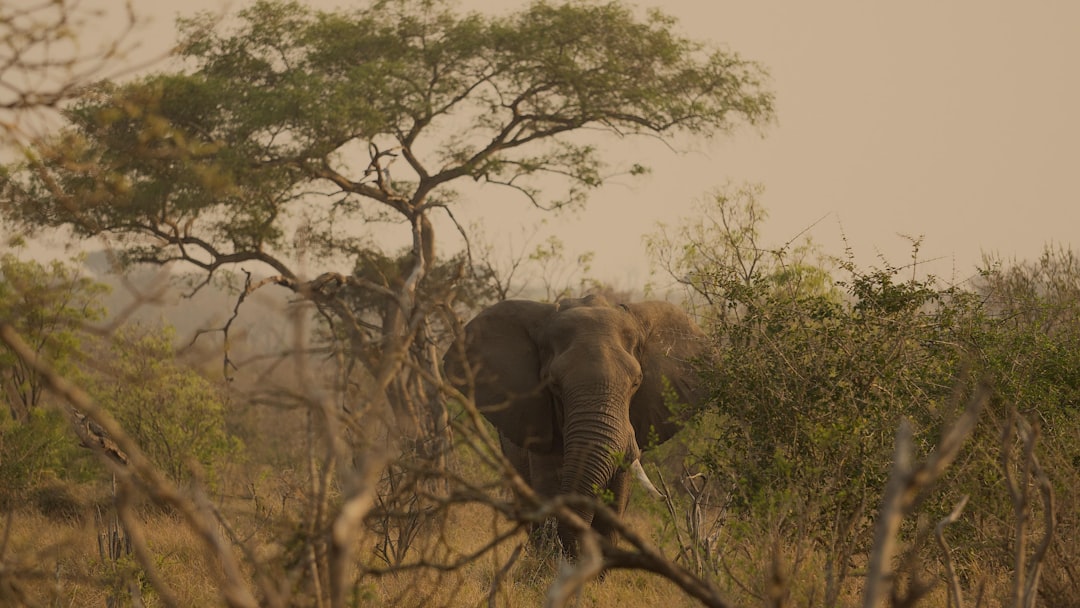
Eswatini's wildlife is generally habituated to safari vehicles and poses minimal danger when you follow guide instructions. Never exit your vehicle without permission. Stay inside during game drives. Keep noise levels low to avoid startling animals. Maintain safe distances—at least 20 meters from most wildlife, more for elephants and buffalo.
Walking safaris are conducted by trained guides who understand animal behavior and carry appropriate safety equipment. These guides know how to position you safely and when to retreat. Listen carefully to all instructions. Walking safaris offer incredible experiences while maintaining reasonable safety standards.
Snakes are present but rarely encountered. Wear closed-toe boots and watch where you step. Don't reach into vegetation or under rocks. Most snake encounters happen when people provoke the animal. If you see a snake, simply move away and alert your guide.
Practical Safety Guide for Eswatini Safari Travel
Pre-Departure Preparation
Start safety preparations 6-8 weeks before your trip. Schedule a travel medicine appointment. Discuss your specific itinerary with your doctor. Get required vaccinations and antimalarial prescriptions. Register with your country's embassy before departure—this helps them contact you in emergencies.
Purchase comprehensive travel insurance covering medical expenses, evacuation, and trip cancellation. Read the policy carefully to understand coverage limits and exclusions. Keep insurance documents and emergency contact numbers easily accessible. Share your itinerary with family or friends at home.
Check current travel advisories from your government. While Eswatini is generally safe, conditions can change. Review visa requirements and passport validity (most countries require 6+ months validity). Make copies of important documents: passport, visas, insurance policies, vaccination certificates. Store copies separately from originals.
During Your Safari
Follow all guide instructions without exception. Guides understand local conditions, animal behavior, and safety protocols. They've received training in emergency response. Trust their judgment about when to approach wildlife or take breaks.
Stay aware of your surroundings. Keep valuables secure in your room safe or with you. Don't leave belongings unattended. Be cautious with alcohol consumption—impaired judgment increases accident risk. Stay hydrated and use sunscreen regularly to prevent heat illness and sun damage.
Respect local customs and people. Dress appropriately, especially in towns. Ask permission before photographing locals. Learn a few Swati or English phrases. Friendly interactions with local people enhance your experience and reduce misunderstandings.
Stay in regular contact with your lodge about your activities and whereabouts. Most lodges conduct daily briefings about wildlife sightings and safety conditions. Attend these briefings and ask questions.
Choosing Safe Safari Operators
Select tour operators with strong safety records and positive reviews. Verified operators on SafariFind display ratings and authentic traveler feedback. Read reviews carefully—experienced travelers mention safety practices, guide competence, and emergency procedures. Look for operators with 4+ star ratings and substantial review counts.
Ask operators directly about their safety protocols. How are guides trained? What emergency equipment do vehicles carry? How do they handle medical situations? Professional operators answer these questions confidently and thoroughly. They maintain vehicle maintenance schedules and conduct regular safety briefings.
Browse verified safari packages on SafariFind to compare operator safety records and read what previous travelers experienced. This helps you choose operators who prioritize your wellbeing.
Managing Health During Your Trip
Take antimalarial medication exactly as prescribed. Set phone reminders if needed. Eat at reputable restaurants and lodges—avoid street food if you're concerned about food safety. Drink bottled or purified water. Most safari lodges provide filtered or boiled water.
Protect yourself from the sun. Eswatini's sun is intense. Use SPF 30+ sunscreen. Reapply every 2 hours and after swimming. Wear a hat and sunglasses. Heat exhaustion is possible, especially during physical activities. Drink water constantly, even when you're not thirsty.
Diarrhea is common when traveling internationally. Carry anti-diarrhea medication and oral rehydration salts. If diarrhea persists beyond 3 days or is severe, seek medical attention. Most cases resolve with rest and hydration.
Sleep well and manage stress. Fatigue increases your susceptibility to illness and accidents. Your body needs time to adjust to new time zones and environments. Plan rest days during longer trips.
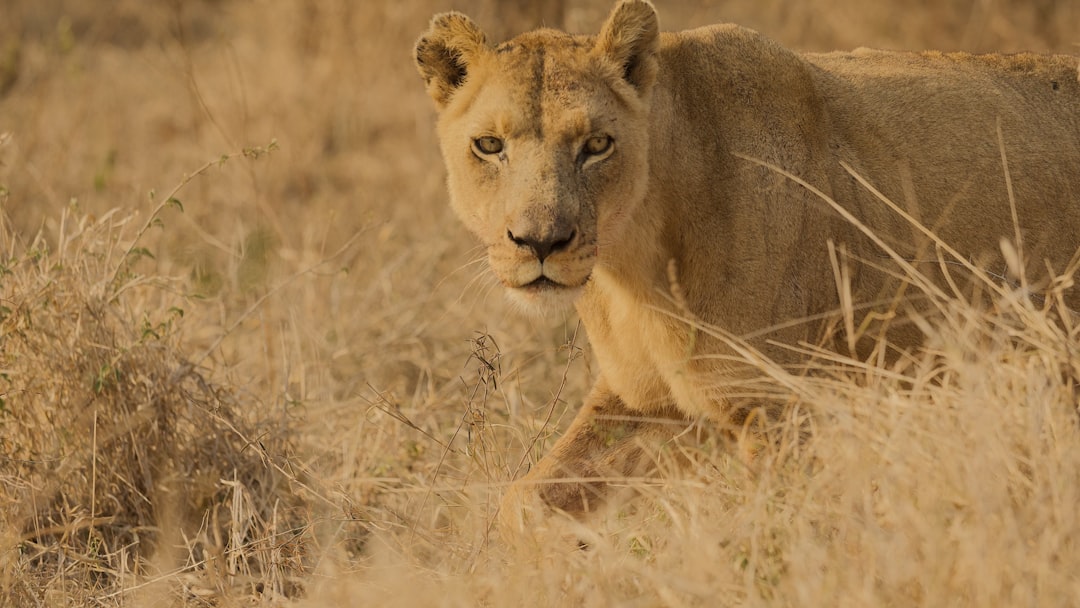
Seasonal Considerations for Safe Safari Travel
Dry Season Safety (May to September)
The dry season offers excellent safety conditions for Eswatini safaris. Mosquito activity is lowest during these months, reducing malaria risk. Roads are in good condition—no flooding or mud. Visibility for wildlife viewing is excellent as vegetation thins. Temperatures are comfortable, ranging from 15-25°C (59-77°F).
This season attracts more tourists, so lodges are busier. Book accommodations in advance. Roads are busier too, but this actually improves safety—more traffic means better maintenance and more people around in case of emergencies.
Rainy Season Precautions (November to March)
The rainy season brings higher malaria risk due to increased mosquito breeding. Antimalarial medication becomes even more critical. Roads may become muddy and difficult—some areas become inaccessible. Flooding can strand travelers. Visibility for wildlife viewing decreases as vegetation becomes dense.
If you visit during rainy season, mosquito protection is paramount. Use insect repellent religiously. Sleep under treated bed nets. Wear long sleeves and pants in evenings. Avoid areas with standing water where mosquitoes breed. Stick to established roads and don't attempt remote driving.
However, rainy season offers advantages: fewer tourists, lower prices, and incredible bird watching. If you're healthy and take precautions, it's manageable. Choose experienced operators familiar with rainy season conditions.
Shoulder Seasons (April, October)
Shoulder seasons offer moderate conditions. Malaria risk is moderate—take antimalarial medication but mosquitoes aren't as prevalent as in rainy season. Roads are generally passable. Weather is pleasant. Tourist numbers are lower than peak season. Prices are moderate.
These months are excellent for safety-conscious travelers seeking balance between risk management and good value. Wildlife viewing is still productive, and you'll encounter fewer crowds.
Emergency Contacts and Resources
Important Phone Numbers
Save these numbers in your phone before arrival: Emergency services (911 in Eswatini), your lodge's emergency contact, your travel insurance company's emergency line, your country's embassy in South Africa, and your travel doctor's contact information.
Eswatini's emergency response system is basic compared to developed countries. Response times may be slower. That's why travel insurance with evacuation coverage is essential. Most serious medical situations require evacuation to South Africa, which can cost $10,000-$50,000 without insurance.
Embassy and Consular Services
Register your travel with your country's embassy before departure. Most embassies provide emergency assistance to their citizens. They can help with medical emergencies, lost documents, or serious incidents. Keep embassy contact information in multiple locations—phone, email, and written notes.
Travel Health Resources
Before departure, consult the CDC website for Eswatini-specific health information. Visit your travel clinic 4-6 weeks before departure. Contact NaTHNaC (National Travel Health Network and Centre) for UK travelers or equivalent services in your country. These resources provide current information about disease risks and vaccination requirements.
Key Takeaways
- Schedule vaccinations 6-8 weeks before travel: yellow fever, hepatitis A, and malaria prophylaxis are essential for Eswatini safaris in 2026.
- Purchase travel insurance with medical evacuation coverage—serious illnesses may require transport to South Africa, costing $10,000-$50,000 without insurance.
- Eswatini is one of Africa's safest countries for tourists, but avoid displaying wealth, don't walk alone after dark, and use secure transportation through verified operators.
- Use DEET-based insect repellent, wear long sleeves during dawn and dusk, and sleep under treated bed nets to prevent malaria and dengue fever transmission.
- Book with verified SafariFind operators who maintain safety standards, employ trained guides, and receive positive reviews for emergency response and health protocols.
Frequently Asked Questions
Do I need vaccinations for an Eswatini safari in 2026?
Yes, vaccinations are essential for Eswatini. Yellow fever vaccination is strongly recommended. Hepatitis A protection is important. Malaria prophylaxis (antimalarial medication) is critical if you're visiting low-altitude areas or during rainy season (November-March). Schedule a travel medicine appointment 6-8 weeks before departure to receive required vaccines and prescriptions.
Is Eswatini safe for tourists compared to other African countries?
Eswatini is one of Africa's safest countries for travelers. Violent crime against tourists is extremely rare. The local population is famously friendly and welcoming. However, petty theft occurs in urban areas, so avoid displaying wealth and don't walk alone after dark. Overall, Eswatini is safer than many popular safari destinations.
What's the malaria risk in Eswatini, and how do I prevent it?
Malaria is a risk in some parts of Eswatini, particularly low-altitude areas and during rainy season. Prevention involves taking antimalarial medication as prescribed by your doctor, using insect repellent with DEET (20-30%), wearing long sleeves and pants during dawn and dusk, and sleeping under treated bed nets. The dry season (May-September) has lower malaria risk.
Should I purchase travel insurance for an Eswatini safari?
Absolutely. Travel insurance with medical evacuation coverage is strongly recommended. Eswatini has limited medical facilities outside major cities. Serious illnesses or injuries may require evacuation to South Africa, costing $10,000-$50,000. Travel insurance protects you financially and ensures access to quality medical care during emergencies.
What's the best time to visit Eswatini for safety and health reasons?
The dry season (May to September) is safest and healthiest. Mosquito activity is lowest, reducing malaria risk. Roads are in excellent condition. Temperatures are comfortable (15-25°C). Visibility for wildlife viewing is excellent. If you must visit during rainy season (November-March), take extra malaria precautions and stick to established roads.
How do I choose a safe safari operator in Eswatini?
Select operators with strong safety records and positive reviews. Browse SafariFind's verified operators and read authentic traveler reviews. Look for 4+ star ratings and substantial review counts. Ask operators about guide training, vehicle maintenance, emergency procedures, and medical protocols. Professional operators answer these questions confidently and provide detailed safety information.
What medical items should I pack for an Eswatini safari?
Pack a comprehensive medical kit: pain relievers, anti-diarrhea medication, antihistamines, antibiotic cream, blister treatment, and any personal prescription medications (in original containers). Include malaria medication, insect repellent, sunscreen (SPF 30+), and any special medications. Bring double the amount you think you'll need. Most items are available in Eswatini, but selection is limited.
Conclusion
Eswatini safari safety in 2026 is achievable through smart preparation and informed decision-making. Eswatini is one of Africa's safest countries for travelers, with low violent crime and welcoming communities. However, your safety depends on proactive health measures: getting vaccinated, taking antimalarial medication, using insect protection, and purchasing travel insurance with evacuation coverage.
Health preparation is your priority. Schedule a travel medicine appointment 6-8 weeks before departure. Discuss your specific itinerary with your doctor. Get yellow fever and hepatitis A vaccinations. Obtain antimalarial medication and take it exactly as prescribed. These steps prevent serious diseases and allow you to enjoy your safari confidently.
Security in Eswatini is generally excellent. Violent crime against tourists is rare. Petty theft occurs but is manageable through simple precautions: don't display wealth, secure your belongings, and avoid walking alone after dark. Choose professional safari operators with strong safety records and trained guides.
When you explore complete Eswatini safari cost breakdowns, you'll see that safety investments—professional guides, secure lodging, vehicle maintenance—are included in most packages. This protects your health and security from arrival to departure.
Ready to experience Eswatini's incredible wildlife and landscapes safely? Compare verified safari packages on SafariFind to find operators with excellent safety records and authentic traveler reviews. Request quotes from multiple operators, read what previous travelers experienced, and choose the package that best fits your safety preferences and budget. Your dream Eswatini safari awaits—prepare wisely and travel confidently in 2026.
References
- Active Learning: Africa Trip with College of Health Sciences – SUU
- Eswatini (Swaziland) – Traveler view | Travelers' Health | CDC
- Eswatini Travel and Tourism | CountryReports
- Complete Eswatini Travel Guide 2026 – Travel with Hello
- Eswatini (Swaziland): Travel Health & Safety – Trek.Zone
- How Safe Is Eswatini (Swaziland)? – Safety & Security – SafariBookings
- International Health Insurance for Eswatini | Expert Advice (2026) – Insurancy
- NaTHNaC – Eswatini
Sources
- Active Learning: Africa Trip with College of Health Sciences – SUU
- Eswatini (Swaziland) – Traveler view | Travelers' Health | CDC(official)
- Eswatini Travel and Tourism | CountryReports
- Complete Eswatini Travel Guide 2026 – Travel with Hello
- Eswatini (Swaziland): Travel Health & Safety – Trek.Zone
- How Safe Is Eswatini (Swaziland)? – Safety & Security – SafariBookings
- International Health Insurance for Eswatini | Expert Advice (2026) – Insurancy
- NaTHNaC – Eswatini
Related to
Ready to start your safari adventure?
Explore curated safari packages and find your perfect African adventure with verified operators.