Madagascar Safari Movies vs Reality: What You'll Actually See
Discover what you'll actually see on a Madagascar safari versus the movies. Real lemur behavior, wildlife, costs, and best times to visit explained.
Madagascar Safari Movies vs Reality
Last updated: July 2026
Madagascar's movie franchise shows lemurs as silly comedians, but real safaris reveal complex wildlife behavior. The island is home to 85 percent of animals found nowhere else on Earth, including chameleons, geckos, and fossas. A Madagascar safari costs $2,000–$4,500 for 7 days. Visit July–September for whale watching and dry season wildlife viewing. Book through verified operators on SafariFind to compare authentic packages and read real traveler reviews.
At a Glance
- Cost: $2,000–$4,500 per person for 7 days
- Best time: July–September (dry season, whale watching)
- Duration: 7–10 days recommended
- Best for: Wildlife lovers, nature photographers, conservation enthusiasts
- Wildlife highlights: Ring-tailed lemurs, fossas, chameleons, geckos, whale sharks
- Getting there: Fly into Antananarivo, then domestic flights to national parks
What Are Madagascar Safari Movies vs Reality?
Madagascar safari movies show exaggerated, comedic versions of the island's wildlife. Real safaris reveal the true behavior, habitats, and conservation challenges of one of Earth's most unique ecosystems. The film franchise has sparked tourism interest, but visitors often discover the reality is far more complex and rewarding than Hollywood's cartoon portrayal.
The Madagascar movie franchise entertains millions with talking lions, dancing lemurs, and goofy hippos. However, the real Madagascar island is nothing like the film's portrayal. When you visit for an actual safari, you'll encounter genuine wildlife in their natural habitats, not fictional characters with human personalities.
Madagascar is home to extraordinary biodiversity that few people understand. The island's animals evolved in isolation for millions of years, creating species found nowhere else on the planet. This unique ecosystem faces real conservation challenges that the movies never address, making actual safari experiences both humbling and educational.
Understanding the difference between movie fantasy and safari reality helps you prepare for what you'll actually see. You won't find singing lemurs or wisecracking zebras. Instead, you'll witness authentic animal behavior, stunning landscapes, and ecosystems under threat from habitat loss.
How Does the Movie Portray Madagascar?
The Fictional Cast
The Madagascar films feature four main animal characters: Alex the lion, Marty the zebra, Melman the giraffe, and Gloria the hippo. These animals don't naturally live together in Madagascar's wild. In fact, lions, zebras, and giraffes are African savannah animals, not native to Madagascar at all. The movies use Madagascar as a tropical backdrop but populate it with animals from other continents.
The lemurs in the films steal the show as comedic sidekicks. They're portrayed as silly, mischievous, and often annoying to the main characters. This exaggerated portrayal misses the complex social structures and fascinating behaviors of real lemurs. Ring-tailed lemurs, the most famous species, are actually highly intelligent and organized creatures with sophisticated communication systems.
The Inaccurate Setting
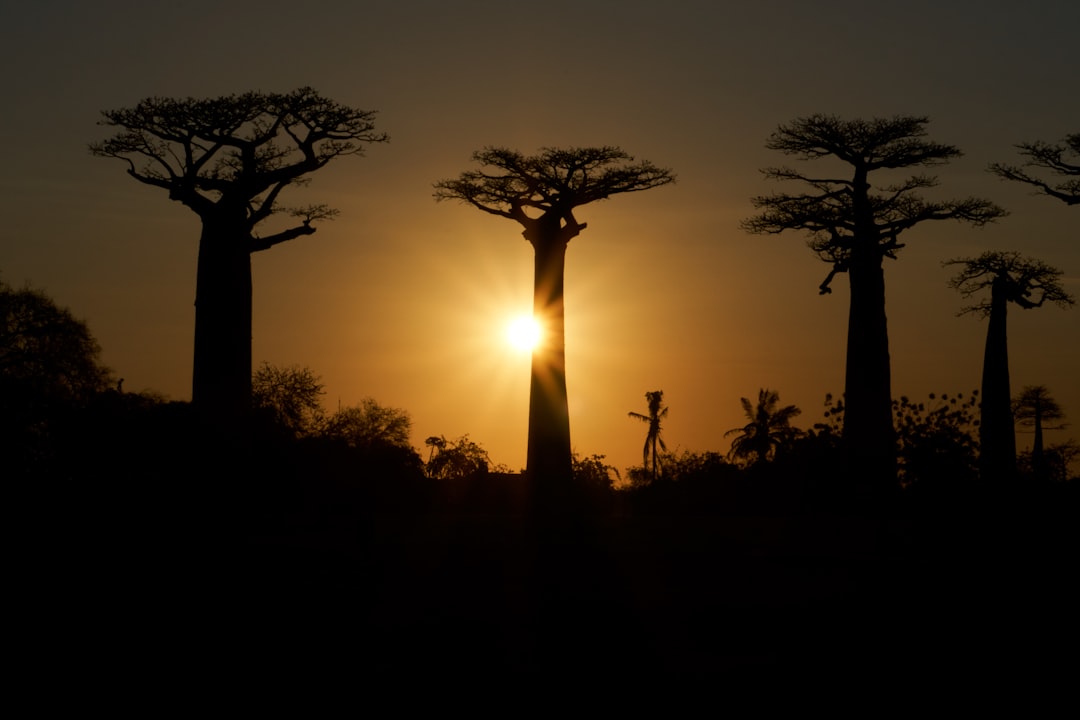
Madagascar the movie shows a lush, tropical paradise filled with dense jungle and exotic creatures. While the island does have beautiful rainforests, it's also home to dry deciduous forests, spiny forests, and savannas. The films don't capture the island's geographic diversity or the distinct ecosystems that support different wildlife.
The movie universe combines all of Madagascar into one location where the characters freely travel. Real Madagascar requires flights or long drives between regions. Madagascar safari tours take careful planning to visit multiple parks, each with unique animals and landscapes.
Hollywood's version ignores the island's human population and culture. In reality, Madagascar has over 30 million people with rich traditions, languages, and histories. Real safaris often include interactions with local communities, which adds meaningful context to conservation efforts.
What Wildlife Will You Actually See?
Lemurs: The Real Stars
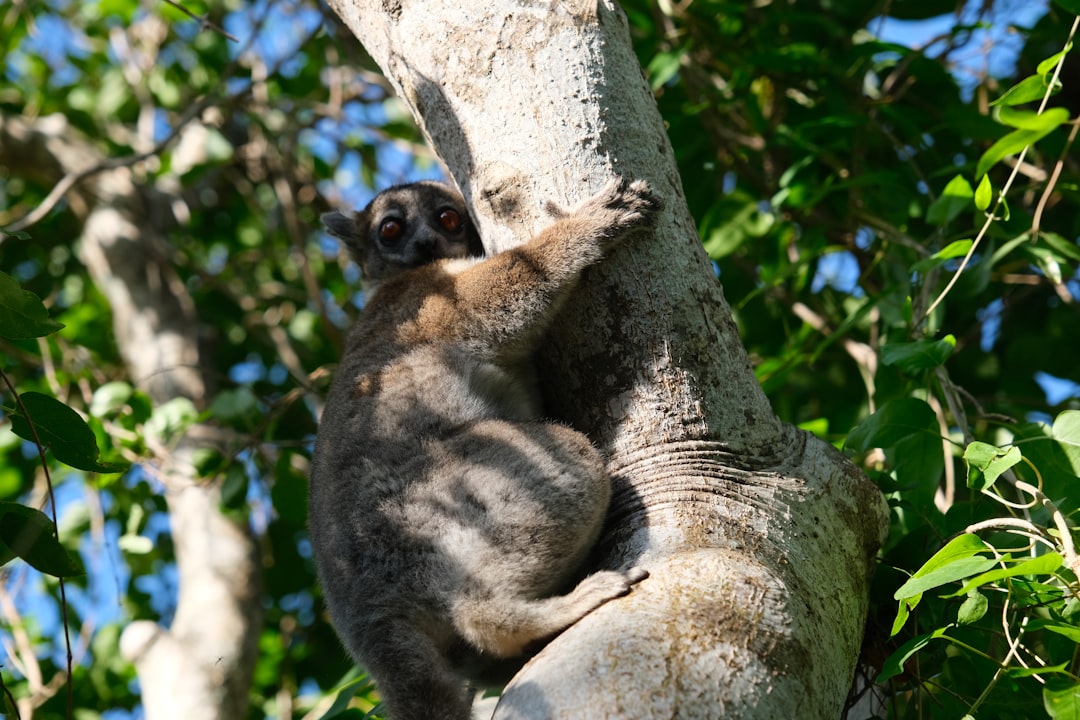
Lemurs are Madagascar's most iconic animals, and they deserve the spotlight more than the movies suggest. However, they behave very differently from their film counterparts. Real lemurs are not comedians or sidekicks—they're intelligent primates with complex social hierarchies and communication systems.
Ring-tailed lemurs, the species featured most in the films, live in troops of 6–30 individuals. These groups are led by dominant females, a unique trait among primates. In the wild, you'll observe lemurs sunbathing in vertical poses, traveling through trees, and foraging for fruit. They're vocal animals that make chirping, meowing, and alarm calls to communicate with their troop.
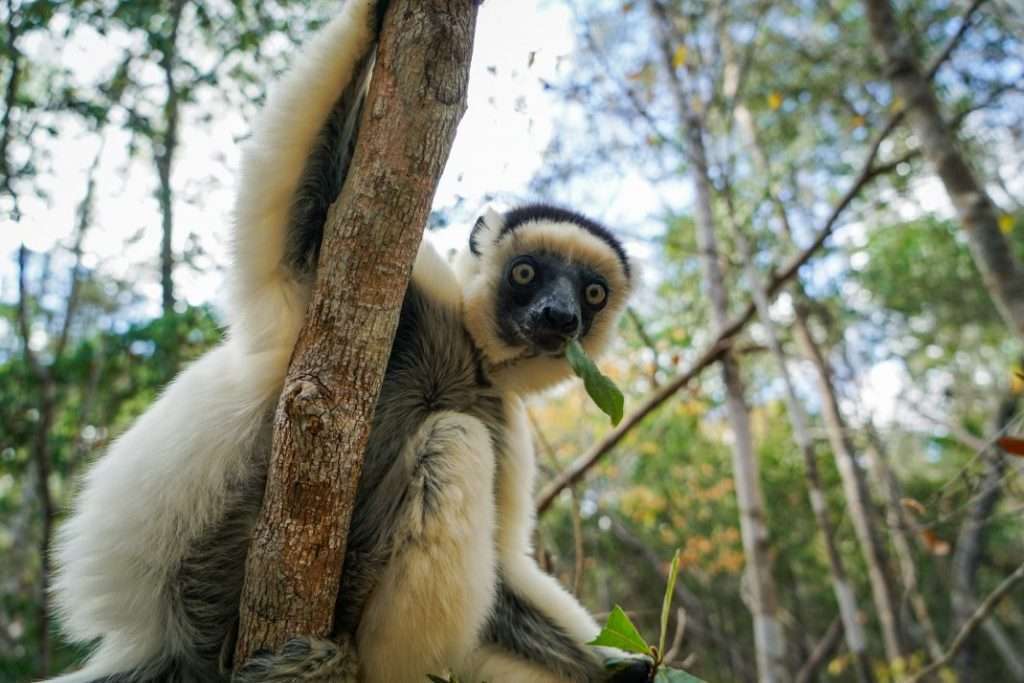
Madagascar is home to over 100 lemur species, and most aren't featured in the movies. You might see indri lemurs, which are the largest and loudest species. You could encounter sifakas, which move through trees in a distinctive bouncing motion. Madagascar safari animals include mouse lemurs and aye-ayes, which are nocturnal and rarely seen by casual tourists.
Beyond Lemurs: The True Biodiversity
Madagascar has lots of unique wildlife beyond lemurs. Around 85 percent of Madagascar's animals are found nowhere else on Earth . The film features many of Madagascar's other unique creatures in cameos, including geckos, chameleons, boas, crocodiles, and tenrecs .
The fossa is Madagascar's largest carnivore and the island's apex predator. Despite appearing briefly in the movies, fossas are rarely seen by tourists because they're shy and solitary. Spotting a fossa in the wild is considered a major safari achievement.
Chameleons thrive across Madagascar's varied ecosystems. The island has more chameleon species than any other location on Earth. You'll see tiny species the size of a coin and larger varieties with impressive color-changing abilities. Geckos are equally diverse, with leaf-tailed geckos that look like tree bark and day geckos with brilliant blue and red coloring.
Tenrecs are small, spiky insectivores that look like hedgehogs but are actually closer relatives to elephants. Crocodiles inhabit Madagascar's rivers and wetlands. Snakes include both harmless species and venomous varieties. None of these animals appear as characters in the films, yet they're essential to Madagascar's ecosystem.
Birds and Marine Life
Madagascar has over 250 bird species, with about 50 percent found only on the island . You might see colorful kingfishers, paradise flycatchers, and unique owl species. Birdwatchers often consider Madagascar safaris among the world's best for endemic species.
If you visit July through September, you can experience whale watching off Madagascar's coast. Humpback whales migrate to Madagascar's warm waters during this period. Madagascar safari in July–September offers whale watching and wildlife viewing, making it the peak season for diverse experiences.
The Indian Ocean surrounding Madagascar hosts whale sharks, sea turtles, and tropical fish species. Snorkeling and diving opportunities complement land-based safari experiences, giving you a complete Madagascar adventure.
How Do Real Lemur Behaviors Differ From the Movies?
Social Structure and Communication
The films show lemurs as chaotic and unorganized, following a funny but fictional hierarchy. Real lemur troops have strict social structures with dominant females making key decisions about movement and feeding. Males have their own ranking system and compete for status through scent-marking and vocalizations.
Lemurs communicate using various calls. Alarm calls alert the troop to predators. Contact calls keep separated individuals in touch. Some species use specific vocalizations for different threats. This sophisticated communication is nothing like the gibberish sounds in the movies.
Feeding and Diet
The Madagascar films show characters eating whatever is convenient, often with exaggerated enjoyment. Real lemurs have specialized diets based on their species and habitat. Ring-tailed lemurs are primarily frugivores, eating fruit when available and supplementing with leaves and bark. They play a crucial role in forest health by dispersing seeds through their diet.
Lemurs spend much of their day foraging for food. They travel through trees searching for ripe fruit, which requires knowledge of seasonal availability and location memory. This is intelligent, purposeful behavior—not the silly antics shown in films.
Breeding and Family Life
Lemur reproduction follows specific seasonal patterns. Most species breed once yearly, with births timed to coincide with abundant food. Mothers give birth to offspring that depend on them for months. Young lemurs learn survival skills from their mothers and older troop members.
Unlike the movies, lemur family life is serious business focused on survival. Mothers are protective and strict with offspring. Siblings bond through play and grooming. These family dynamics are touching and complex in ways Hollywood simplifies into comedy.
What Are the Conservation Challenges?
Habitat Loss and Deforestation
Madagascar's forests are disappearing at an alarming rate. The island has lost over 90 percent of its original forest cover since human settlement . Deforestation happens for agriculture, logging, and charcoal production. This habitat destruction directly threatens all endemic wildlife, including lemurs.
When you visit Madagascar, you'll see the stark contrast between protected national parks and deforested areas. This reality is absent from the movies, which show endless forests. Real safaris include discussions about conservation challenges and the importance of protected areas.
Climate Change and Drought
Madagascar's southern and western regions face increasing drought. Climate change is altering rainfall patterns, affecting water availability and food sources for wildlife. The spiny forests of the south are particularly vulnerable to drought stress.
Recent years have seen severe droughts in Madagascar's southwest, threatening vulnerable species. Conservation organizations work to protect remaining habitat and restore degraded areas. Safari tourism generates revenue that supports these conservation efforts.
Invasive Species
Non-native species introduced by humans threaten Madagascar's unique wildlife. Feral cats, rats, and dogs prey on endemic species. Invasive plants compete with native vegetation. These threats are often invisible to casual observers but represent serious conservation challenges.
Understanding these issues during your safari deepens appreciation for conservation work. Many tour operators partner with local organizations to support habitat protection and species research. Madagascar is good for safari experiences that support conservation, making your visit directly beneficial to wildlife protection.
How Should You Prepare for an Authentic Madagascar Safari?
Set Realistic Expectations
Forget everything the Madagascar movies taught you about the island. Real safaris are slower-paced, more contemplative, and deeply rewarding for different reasons than Hollywood entertainment. You won't see animals talking or performing, but you will witness genuine behavior in natural settings.
Pack binoculars and a camera with good zoom capability. Many animals are small, distant, or camouflaged. Patient observation reveals details that rushing past would miss. Expect to spend hours looking for a single species.
Bring a field guide or hire a guide who knows local wildlife. Learning animal names, behaviors, and ecological roles enhances your experience. Many guides are passionate about conservation and eager to share knowledge. This educational aspect makes real safaris more meaningful than passive tourism.
Choose the Right Season and Parks
Madagascar has distinct dry and wet seasons. July through September is the dry season, best for wildlife viewing and whale watching. November through March is wet season, when some parks close due to flooding. Madagascar safari lodges offer different experiences by region, so choose parks matching your interests.
Andasibe-Mantadia National Park is excellent for lemur viewing and rainforest experience. Isalo National Park offers dramatic canyons and dry forest ecosystems. Tsingy de Bemaraha features unique limestone formations and specialized wildlife. Ranomafana National Park protects rainforest and endemic species.
Each park requires different travel times and logistics. Plan 7–10 days minimum to experience multiple parks properly. Rushing through parks reduces your chances of quality wildlife sightings and meaningful experiences.
Budget for Quality
A quality Madagascar safari costs $2,000–$4,500 per person for 7 days in 2026. This includes accommodation, guides, park fees, and transportation between parks. Budget safaris around $2,000–$2,800 offer basic comfort and experienced guides. Mid-range safaris from $2,800–$3,500 provide better accommodation and more flexible itineraries. Luxury safaris above $3,500 feature upscale lodges and personalized experiences.
Cheaper packages often skip important parks or rush through experiences. Investing in quality guiding, accommodation, and park access improves your wildlife sightings and overall satisfaction. Compare Madagascar safari costs and find verified operators on SafariFind to ensure you get value for your investment.
Work with Verified Operators
Not all Madagascar tour operators are equally experienced or ethical. Verified operators employ knowledgeable guides, maintain vehicles properly, and support local communities. They follow conservation principles and avoid disturbing wildlife.
SafariFind connects you with verified Madagascar safari operators who have authentic reviews from past travelers. Reading real reviews helps you choose operators matching your preferences and budget. Request quotes from multiple operators to compare itineraries, prices, and services.
What Experiences Will Surprise You Most?
The Silence and Stillness
Real Madagascar safaris are quieter than movie versions. You'll spend hours watching animals in near-silence, broken only by natural sounds: bird calls, insect chirping, wind rustling leaves. This stillness is meditative and deeply connecting.
Unlike the constant action and noise of films, authentic wildlife viewing requires patience. Animals ignore tourists. You observe their natural behavior without interference. This quiet authenticity is profoundly moving for many visitors.
The Scale of Adaptation
Madagascar's isolation created animals adapted to specific ecological niches. Chameleons vary from tiny to large, each species occupying different forest layers. Geckos show incredible color and pattern diversity. Lemurs fill ecological roles that other primates fill elsewhere.
Understanding these adaptations reveals the genius of evolution. Every animal you see is perfectly suited to its environment. This revelation often moves visitors more than any movie could.
The Connection to Conservation
When you see lemurs in their habitat, you understand why conservation matters. Visiting protected areas directly supports habitat protection and species research. You become part of conservation solutions rather than passive observers.
Many visitors report that experiencing Madagascar's unique wildlife inspires lifelong commitment to conservation. This emotional connection is genuine and lasting, unlike entertainment provided by films.
The Local Culture
Real Madagascar safaris include interactions with local people, communities, and traditions. You learn about the 18 ethnic groups, their languages, and their relationships with wildlife. This cultural dimension adds richness absent from movies.
Supporting local guides and communities through safari tourism creates economic incentives for conservation. Your visit directly benefits people who live alongside wildlife and protect forests.
Key Takeaways
- Book your Madagascar safari 3–6 months in advance to secure spots with verified operators and save 10–15 percent on standard rates.
- Visit July–September for optimal dry season wildlife viewing and whale watching off the coast, avoiding wet season park closures.
- Expect to spend $2,000–$4,500 for a quality 7-day safari that includes multiple parks, experienced guides, and comfortable accommodation.
- Pack binoculars, telephoto camera lens, and field guides to observe small endemic species like chameleons, geckos, and mouse lemurs that movies ignore.
- Work with guides who understand lemur behavior, conservation challenges, and local culture to transform your safari from entertainment into education.
Frequently Asked Questions
How different are real lemurs from the movie versions?
Real lemurs are intelligent, social animals with complex hierarchies and communication systems. They don't talk or joke like movie characters. Ring-tailed lemurs live in troops led by dominant females and spend most of their time foraging for fruit. They're fascinating to observe but require patience, binoculars, and expert guides to see properly. Movie lemurs are pure fiction created for entertainment.
What animals in the Madagascar movie actually live on the island?
Only lemurs and some reptiles from the films are native to Madagascar. Lions, zebras, giraffes, and hippos don't live wild in Madagascar—they're African savannah animals. The movies use Madagascar as a setting but populate it with animals from other continents. The island actually has unique species like fossas, tenrecs, and chameleons that the films barely mention. Around 85 percent of Madagascar's animals are found nowhere else on Earth.
Is Madagascar a good safari destination compared to Kenya or Tanzania?
Madagascar offers completely different safari experiences than East African countries. Madagascar specializes in endemic species and rainforest ecosystems, while Kenya and Tanzania feature savannah wildlife and the Great Migration. Madagascar safari versus Kenya offers distinct wildlife and conservation value. Madagascar is better for unique species viewing; Kenya and Tanzania are better for big cats and large herds. Many travelers visit both destinations on separate trips.
How much does a real Madagascar safari cost in 2026?
Madagascar safaris cost $2,000–$4,500 per person for 7 days in 2026, depending on accommodation quality and park selection. Budget safaris around $2,000–$2,800 include basic lodges and experienced guides. Mid-range safaris from $2,800–$3,500 offer better comfort and flexibility. Luxury safaris above $3,500 feature upscale lodges and personalized itineraries. Prices include accommodation, park fees, guides, and transportation between parks. SafariFind helps you compare verified operators and find packages matching your budget.
What's the best time to visit Madagascar for safaris?
July–September is the best time for Madagascar safaris. This dry season offers optimal wildlife viewing, comfortable temperatures, and whale watching off the coast. Humpback whales migrate to Madagascar's waters during these months. November–March is wet season, when some parks close due to flooding and roads become impassable. October–November and April–May are shoulder seasons with decent weather and fewer tourists. Avoid the rainy season unless you specifically want to see wet season species.
Can I see all Madagascar's animals in one 7-day safari?
No, you cannot see all of Madagascar's 85 percent endemic wildlife in one week. Each national park protects different species and ecosystems. A 7-day safari typically covers 2–3 parks, allowing you to see lemurs, chameleons, birds, and possibly whales. Longer safaris of 10–14 days let you visit more parks and increase wildlife sighting chances. Plan your itinerary based on which animals interest you most, and consider combining a safari with beach time for a complete Madagascar experience.
How do I find verified Madagascar safari operators on SafariFind?
Visit SafariFind's marketplace to browse verified Madagascar safari operators with authentic reviews from previous travelers. Filter by destination, price range, duration, and traveler rating. Read detailed reviews to understand operator quality, guide expertise, and customer experiences. Request quotes from multiple operators to compare itineraries and pricing. SafariFind's verification process ensures operators meet quality standards and ethical practices. This helps you avoid overpriced or low-quality tour companies and find the perfect safari matching your needs and budget.
Conclusion
Madagascar safari movies are entertaining fiction, but real Madagascar safaris are extraordinary experiences grounded in genuine wildlife, unique ecosystems, and conservation challenges. The island's 85 percent endemic animal population includes lemurs, fossas, chameleons, geckos, and hundreds of bird species that evolved in isolation for millions of years. Real safaris reveal intelligent, complex animal behavior that Hollywood simplifies into comedy.
Planning an authentic Madagascar safari requires setting realistic expectations, choosing quality operators, and investing adequate time and budget. July–September offers the best wildlife viewing and whale watching. A quality 7-day safari costs $2,000–$4,500 per person in 2026 and includes multiple parks, experienced guides, and meaningful conservation support.
Your Madagascar safari will surprise you with its stillness, beauty, and emotional impact. You'll see animals perfectly adapted to their environments through millions of years of evolution. You'll understand why conservation matters when you witness unique species in their natural habitats. You'll connect with local communities and cultures that steward these ecosystems.
Start planning your Madagascar adventure today. Browse verified Madagascar safari packages on SafariFind to find operators matching your interests and budget. Request quotes, read authentic traveler reviews, and compare itineraries. Your real Madagascar experience awaits—far more rewarding than any movie.
Plan Your Safari with SafariFind
These recommendations use real data from SafariFind, where you can compare operators, browse packages, and read verified traveler reviews before you book.
Recommended Safari Operators from SafariFind
Recommended Safari Packages from SafariFind
What Travelers Say (SafariFind Reviews)
References
- Lemur Conservation Network – Madagascar: A Guide to Using the Film as an Educational Tool for Lemur Conservation
- Wildlife Madagascar – Discover the Unique Animals of Madagascar
- Mongabay – Environmentalists Hope New Film Will Help Conservation Efforts in Madagascar
- Natural Habitat Adventures – Madagascar Trip: African Safaris
- Wayfarer Travel – How to Bring the Madagascar Movie to Life
Sources
- Lemur Conservation Network – Madagascar: A Guide to Using the Film as an Educational Tool for Lemur Conservation
- Wildlife Madagascar – Discover the Unique Animals of Madagascar
- Mongabay – Environmentalists Hope New Film Will Help Conservation Efforts in Madagascar
- Natural Habitat Adventures – Madagascar Trip: African Safaris
- Wayfarer Travel – How to Bring the Madagascar Movie to Life
Related to
Ready to start your safari adventure?
Explore curated safari packages and find your perfect African adventure with verified operators.