Zambia Safari in November–April 2026: Green Season Wildlife
Discover Zambia's green season safari (Nov–Apr 2026): lush landscapes, 200+ bird species, newborn wildlife, and 20–30% lower prices. Plan your adventure.
Zambia Safari Nov–Apr 2026: Green Season
Last updated: July 2026
Zambia's green season (November–April 2026) offers lush landscapes, lower prices, and excellent birdwatching with migratory species. Expect newborn wildlife, dramatic skies, and fewer crowds—perfect for photographers and returning visitors. Book 2–3 months ahead to save 20–30% compared to dry season rates.
At a Glance
- Best time to visit: November–April (green season)
- Cost per person: $1,500–$3,500 for 7 days (vs. $2,500–$5,000 in dry season)
- Recommended duration: 7–10 days
- Best for: Photographers, birders, second-time visitors, budget-conscious travelers
- Wildlife highlights: Newborn animals, migratory birds (200+ species), elephants, lions, leopards
- Key parks: South Luangwa, Lower Zambezi, Kafue National Park
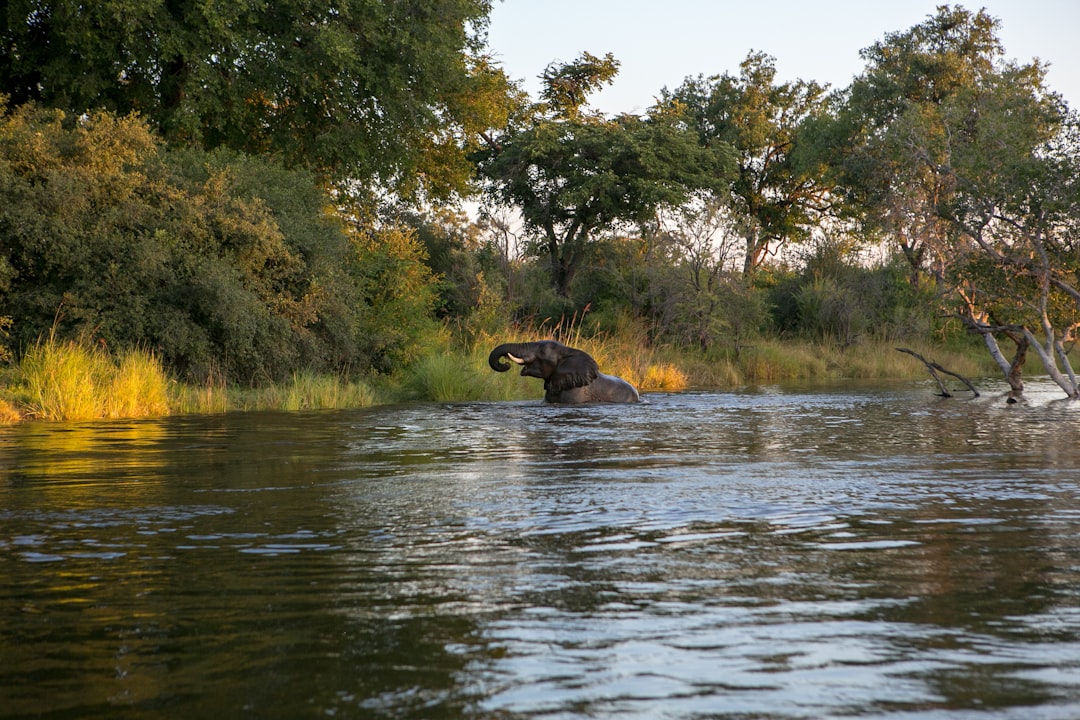
What Is Zambia Safari in November–April 2026: Green Season Wildlife?
Zambia's green season safari runs from November through April, when the landscape transforms into lush green vegetation, wildlife gives birth, and migratory birds arrive from Europe and Asia. This shoulder season delivers authentic wildlife experiences at 30% lower costs than the dry season, with fewer tourists and dramatic photographic conditions.
Zambia safari in the green season represents one of Africa's best-kept safari secrets. Unlike the dry season (May–October) when wildlife concentrates around water sources, the green season spreads animals across vast territories . This means you explore more actively and experience Zambia's true wilderness character.
The green season spans November through April, with distinct phases. November and December bring scattered rains and emerging vegetation. January through March see peak rainfall, lush landscapes, and the highest bird diversity. April marks the transition with clearer skies and cooling temperatures .
This season is known for three defining features. First, you'll see newborn animals as calving season peaks from December to March. Second, migratory birds arrive in massive numbers—over 200 species grace Zambia's parks during this period. Third, dramatic storm clouds create stunning photography light, especially in late afternoon .
Why does the green season matter? It offers genuine value. You pay 20–30% less than dry season rates while experiencing wildlife behavior that dry season visitors miss. Fewer tourists mean intimate encounters and authentic camp experiences. For photographers and birders, the green season delivers unmatched opportunities .
Compare verified Zambia safari packages on SafariFind to see how green season rates differ from peak season pricing. Many operators offer exclusive green season discounts for bookings made 2–3 months ahead.
Why Choose Green Season Safari in Zambia?
Lower Prices and Fewer Crowds
Green season pricing drops significantly compared to dry season rates. A 7-day safari costs $1,500–$3,500 per person in green season versus $2,500–$5,000 during July–October . This 30–40% savings applies to lodges, guiding, and package tours across all three major parks.
Fewer tourists mean better experiences. South Luangwa and Lower Zambezi operate at half their dry season capacity. You'll encounter other travelers rarely, enjoying quiet camps and personal attention from guides . Walking safaris—Zambia's signature experience—feel more immersive when you're not queuing with other groups.
Exceptional Birdwatching and Migratory Species
Zambia hosts over 700 bird species, and the green season brings 200+ migratory birds from Europe, Asia, and southern Africa . This makes November–April the premier birdwatching window. Species like Carmine Bee-eaters, Stork-billed Kingfishers, and African Skimmers arrive in massive flocks.
Birdwatching in the green season differs from dry season. Migratory birds concentrate in specific habitats—wetlands, riverine forests, and floodplains—making sightings predictable. Early morning drives often yield 15–20 bird sightings before breakfast .
For serious birders, January through March offers peak diversity. Guides trained in bird identification lead specialized walks focusing on endemic and migratory species. Many operators offer optional birdwatching add-ons costing $50–$100 extra per day.
Newborn Wildlife and Calving Season
Calving season peaks from December to March across Zambia's parks. Elephants, buffalo, zebras, and antelopes give birth during this period, creating exciting predator-prey dynamics . You'll witness vulnerable newborns alongside protective mothers—powerful wildlife moments.
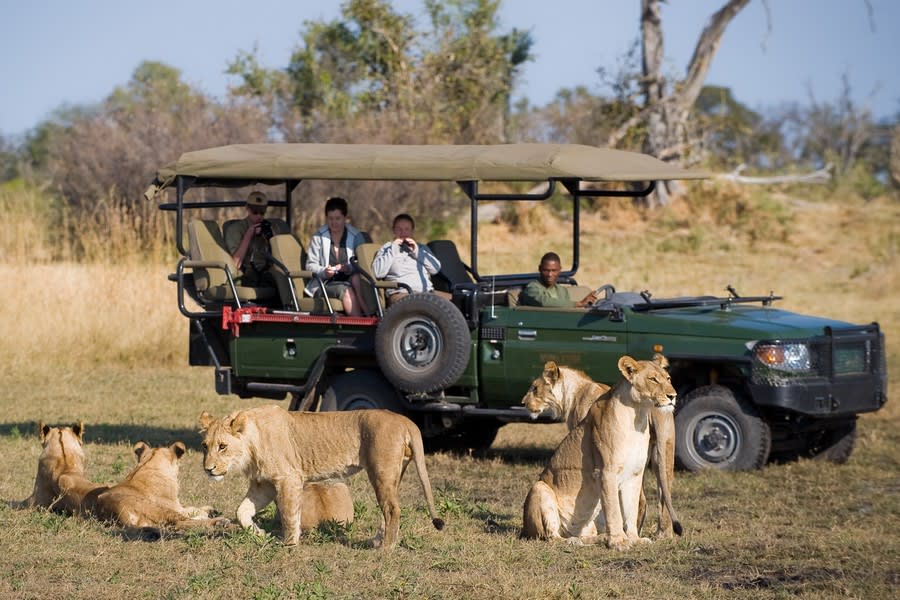
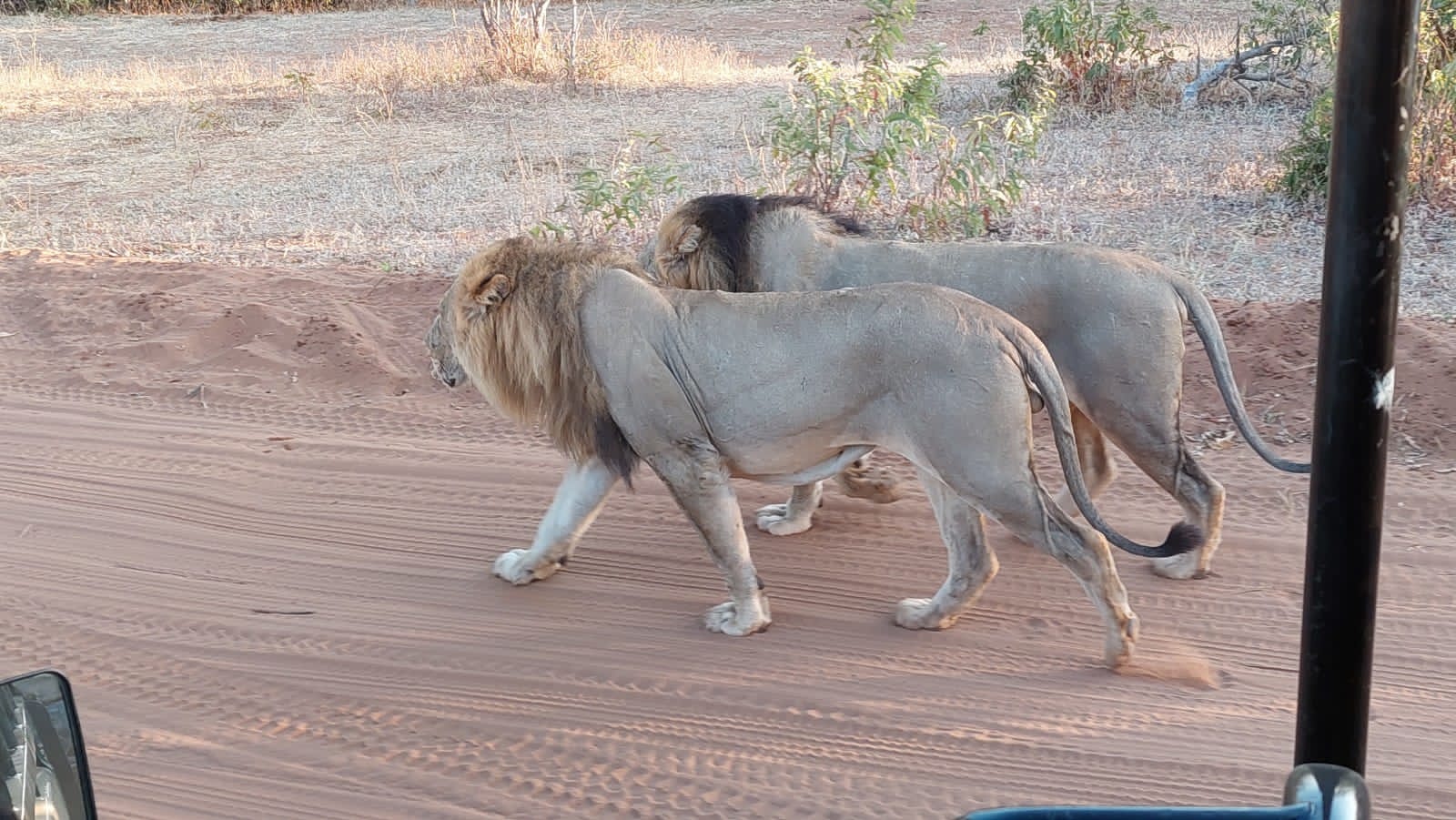
Predators hunt more actively when prey is abundant and partially immobilized by young calves. Lions and leopards move more visibly during green season. Night drives—a Zambia specialty—offer excellent predator sightings as hunters become active after sunset.
Dramatic Photography and Landscape Light
Green season delivers photography that dry season cannot match. Lush vegetation creates layered landscapes. Storm clouds build dramatic skies. Afternoon light turns golden and moody . Professional photographers rank Zambia's green season among Africa's best for landscape and wildlife imagery.
The combination of wet grass, green foliage, and dramatic cloud formations produces gallery-quality images. Animals stand out against vibrant backgrounds. Water reflects light beautifully in rivers and temporary ponds. Visit Zambia safari lodges with photography-focused services for guided shooting locations and lighting advice.
Authentic Wilderness Experience
Zambia remains Africa's most authentic safari destination . The green season amplifies this authenticity. Fewer tourists mean camps focus on immersion rather than volume. Guides share deeper knowledge. Walking safaris—Zambia's signature—feel genuinely remote.
Walking safaris in the green season combine lush scenery with active wildlife. Grass reaches knee height, creating natural concealment for stalking. Rivers flow powerfully, attracting animals. You move slowly, observing details that vehicle safaris miss—tracks, scat, feeding signs, insect life .
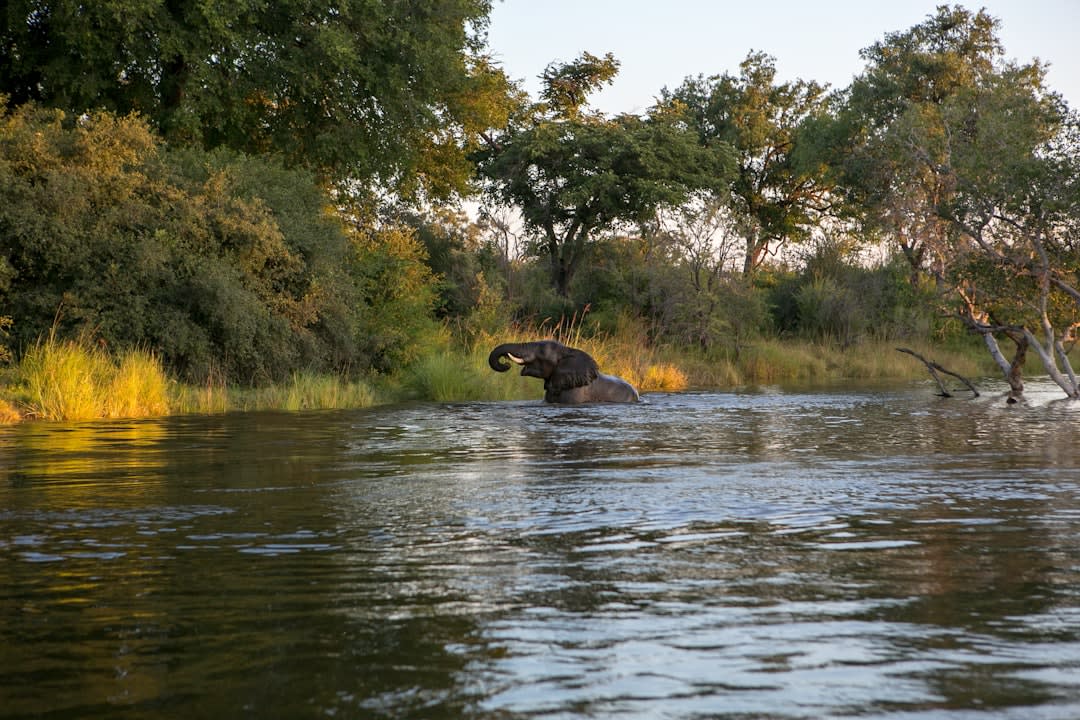
Boat safaris on the Zambezi and Luangwa rivers reveal different wildlife. Hippos, crocodiles, and water birds concentrate along banks. Morning and sunset cruises provide relaxed viewing and photography opportunities. This variety—walking, driving, boating—distinguishes Zambia from other African destinations.
Best Parks for Green Season Safari in Zambia
South Luangwa National Park
South Luangwa is Zambia's flagship park and the best green season destination. The 9,050-square-kilometer park straddles the Luangwa River in eastern Zambia . Walking safaris originated here, and the park remains the world's walking safari capital.
Green season in South Luangwa transforms the landscape. The Luangwa River flows powerfully, creating diverse habitats. Floodplains turn into lush grasslands. Woodland greens dramatically. Migratory birds fill the air with calls and color .
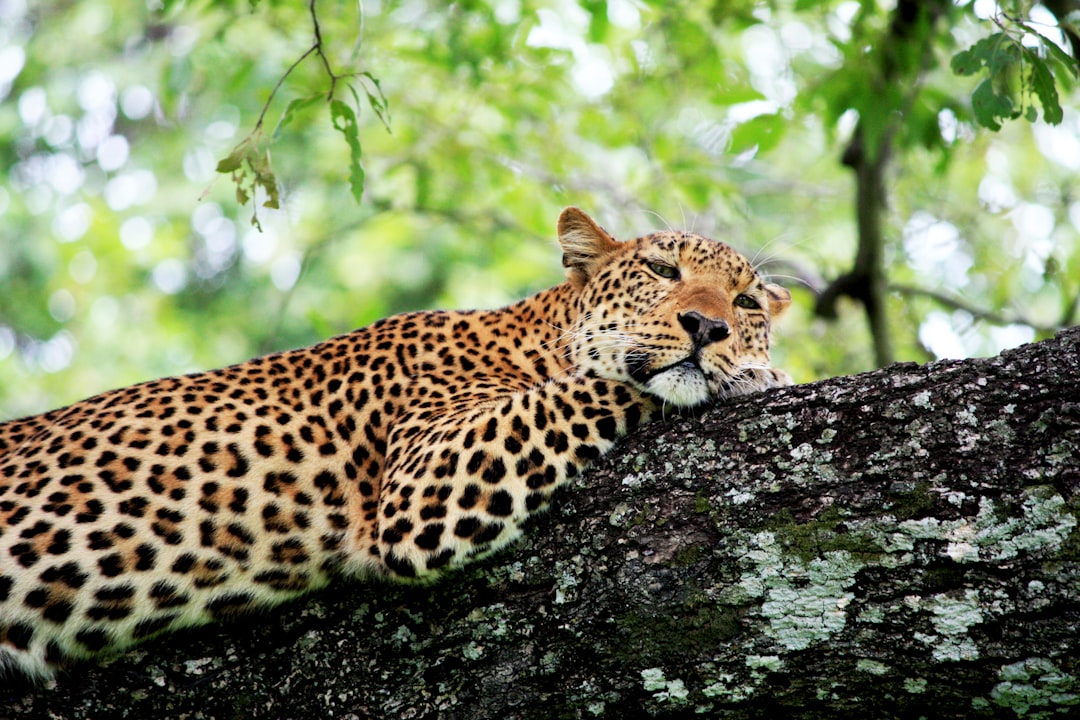
Wildlife density remains impressive despite dispersal. Elephants gather at favorite feeding areas. Lions hunt more actively, especially at night. Leopards move visibly through woodlands. The park supports the highest concentration of Thornicroft's giraffe—an endemic subspecies found only here .
Camps in South Luangwa range from budget ($150–$250/night) to luxury ($600–$1,200/night). Walking safaris cost $25–$50 extra per day. Night drives add $30–$60 per person. Most camps offer 3–5 game activities daily, combining walks, drives, and boat trips.
Lower Zambezi National Park
Lower Zambezi stretches along the Zambezi River in southern Zambia, offering different green season experiences. The 4,092-square-kilometer park features river-based safaris, walking, and canoeing .
Green season on the Zambezi brings dramatic river dynamics. Water levels rise, creating rapids and fast currents. Hippos concentrate in deeper pools. Crocodiles bask on banks. Fish eagles call from riverside trees. Migratory birds crowd wetlands and riverine forests .
Canoeing safaris—unique to Lower Zambezi—offer intimate wildlife encounters. Paddling quietly downstream, you approach animals undetected. Hippos, buffalo, and elephants drink at banks. Birds perch overhead. Guides paddle while you photograph and observe. This activity costs $40–$80 per person per day.
Lower Zambezi camps range from basic ($100–$200/night) to upscale ($400–$800/night). The park attracts fewer visitors than South Luangwa, offering genuine solitude. Walking safaris and night drives carry similar costs to South Luangwa.
Kafue National Park
Kafue is Zambia's largest park at 22,500 square kilometers, yet remains largely undeveloped and quiet . Green season transforms Kafue into an explorer's paradise for travelers seeking true wilderness.
The park features diverse habitats—open plains, woodlands, wetlands, and rivers. During green season, water spreads across the landscape, creating temporary ponds and expanding wetlands. Wildlife disperses widely, requiring active searching. This challenges and rewards dedicated safari-goers.
Kafue excels for specific wildlife. Desert-adapted elephants survive in near-waterless northern regions, displaying unique behaviors. Wild dogs hunt across open plains. Antelopes—including Puku (endemic to Kafue)—gather in specific areas . Bird diversity rivals South Luangwa.
Kafue camps range from budget ($80–$150/night) to mid-range ($250–$400/night). Fewer luxury options exist compared to other parks. Walking safaris and multi-day wilderness camps offer authentic experiences. Fewer tourists mean guides focus on education and immersion rather than volume.
Green Season Wildlife: What You'll See
Mammals and Large Herbivores
Zambia's green season supports diverse mammal populations. Elephants remain visible throughout the season, though they spread across larger areas as water becomes abundant. You'll encounter herds at water holes during dry spells and scattered through forests during wet periods .
Buffalo congregate in herds ranging from 50 to 500 animals. Green season provides abundant grass, so buffalo move predictably to grazing areas. Early morning drives often locate feeding herds. Lions hunt buffalo more actively during green season, creating predator-prey dramas .
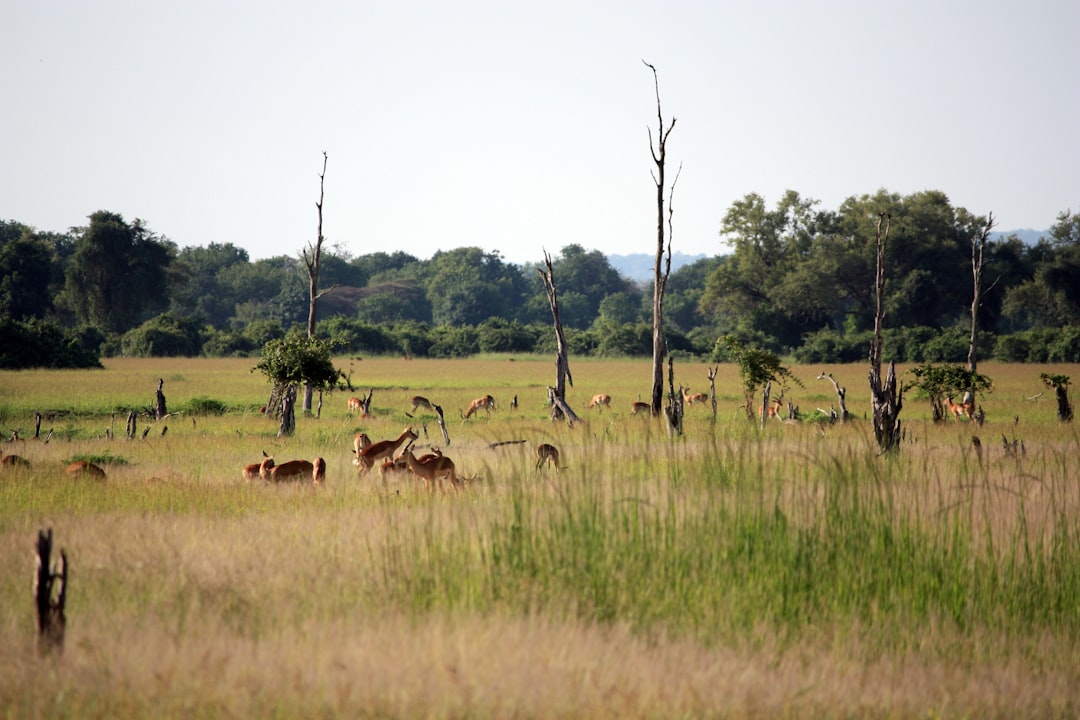
Antelopes thrive in green season. Impala—the most common species—give birth from December to February. Newborn impalas attract predators, creating hunting opportunities. Zebras, wildebeest, and bushbuck also calve during this period. Puku (endemic to Kafue) concentrate in specific valleys .
Predators including lions, leopards, hyenas, and wild dogs remain active year-round. Green season hunting pressure intensifies as prey animals produce vulnerable young. Night drives—a Zambia specialty—reveal predator activity invisible during daylight. Guides use spotlights to locate nocturnal hunters.
Birds: Migratory and Resident Species
Over 200 migratory bird species arrive in Zambia during green season, transforming the birding landscape . European migrants include Carmine Bee-eaters (arriving in massive flocks), European Roller, and various warblers. Asian migrants include Stork-billed Kingfisher and Asian Openbill .
Resident species remain year-round, with population boosts during green season. Fish Eagles—Zambia's national bird—concentrate along rivers and wetlands. Secretary Birds hunt in open grasslands. Crowned Eagles soar over woodlands. Guineafowl and francolins call constantly during early morning and dusk.
Wetland birds explode in diversity. African Skimmers, various herons, egrets, storks, and ibises gather at floodplains and river edges. Wattled Cranes—increasingly rare—appear in specific wetland areas. Shoebills—massive, prehistoric-looking storks—inhabit northern Kafue's swamps.
Early morning birding walks yield 15–25 species before breakfast. Guides trained in bird identification point out calls and behaviors. Binoculars and field guides enhance the experience. Many camps offer optional bird-focused days costing $50–$100 extra.
Reptiles and Amphibians
Green season brings explosive amphibian activity. Frogs and toads breed in temporary ponds, creating evening choruses that fill the night. This abundance attracts reptile predators. Snakes become more active hunting frogs and rodents.
Crocodiles concentrate in rivers and permanent water sources. The Luangwa and Zambezi rivers support healthy populations. Green season provides abundant fish, so crocodiles feed actively. Night drives often spotlight crocodiles with glowing eyes reflecting light.
Aquatic snakes, monitor lizards, and terrapin turtles inhabit rivers and wetlands. Python sightings increase during green season as snakes move through vegetation hunting prey. Venomous species including cobras and mambas remain present but rarely encountered on safaris.
When to Visit: Month-by-Month Green Season Guide
November: Early Green Season
November marks green season's beginning. Scattered rains fall, bringing fresh vegetation. Temperatures rise from October's cool levels, reaching 25–28°C (77–82°F). Vegetation greens gradually, creating patchy landscapes .
Wildlife disperses as water becomes available. Animals spread across parks rather than concentrating at water holes. Birdwatching improves as migratory species begin arriving. Some birds arrive in November; others peak in December and January.
November offers excellent value. Prices remain lower than December–February. Crowds are minimal. Guides focus on personalized service. This month suits photographers seeking dramatic light before peak rainfall.
December–January: Peak Calving and Migratory Birds
December and January represent peak green season. Rainfall is regular but not constant. Vegetation reaches peak lushness. Temperatures warm to 26–30°C (79–86°F). Humidity increases noticeably .
Calving season peaks during these months. Newborn elephants, buffalo, zebras, and antelopes appear daily. Mother-offspring interactions create memorable sightings. Predators hunt more actively, creating natural dramas.
Migratory birds reach maximum diversity. Over 200 species create a birder's paradise. Early morning walks reveal constant bird activity. Wetlands and floodplains overflow with water birds. Photography light remains excellent with dramatic afternoon storms.
These months attract more tourists and command higher prices. Book lodges 2–3 months ahead to secure availability. Expect to share camps with other travelers, though crowds remain far below dry season levels.
February–March: Late Green Season Excellence
February and March continue peak conditions. Rainfall concentrates in this period, with occasional days of continuous rain. Vegetation remains lush. Temperatures peak at 27–32°C (81–90°F). Humidity reaches 70–80%, creating lush landscapes but potentially uncomfortable conditions .
Calving season continues through March. Newborn animals are larger and more active than in December–January, offering better photography. Predator hunting remains intense. Walking safaris reveal countless tracks and signs of recent activity.
Bird diversity remains excellent. Some early migrants depart in late March, but overall species counts stay high. Wetland birds remain abundant. Photography light stays dramatic, though afternoon rains increase.
Late green season pricing remains competitive. Some camps offer discounts in March as travelers anticipate the transition season. This is an excellent value month for budget-conscious travelers.
April: Shoulder Season Transition
April marks the transition from green season to dry season. Rainfall decreases significantly. Vegetation remains green but begins drying. Temperatures cool to 22–28°C (72–82°F). Humidity drops noticeably .
April offers unique advantages. Animals remain dispersed like green season, but visibility improves as vegetation thins. Newborn animals from calving season are now juvenile-sized and active. Predator hunting remains excellent. Migratory birds begin departing, but residents remain abundant.
Prices increase slightly as the dry season approaches, but remain below May–October rates. Crowds increase modestly as travelers seek cooler temperatures. April combines green season pricing with improving dry season conditions—an excellent value month.
April suits travelers wanting wildlife density without peak season crowds or prices. The weather is pleasant, not too hot or humid. Photography light transitions from dramatic storms to clearer skies.
Practical Guide: Planning Your Green Season Safari
Booking and Advance Planning
Book your green season safari 2–3 months ahead for best availability and rates . Early booking secures preferred lodges and guides. Many operators offer early-booking discounts of 10–15%.
Work with verified tour operators on SafariFind to compare packages and pricing. SafariFind connects you with established operators offering authentic green season experiences. Read traveler reviews to understand what to expect during your visit.
Consider your travel dates carefully. December–January command premium prices and attract more tourists. November and April offer better value and fewer crowds. February–March hit a sweet spot with excellent wildlife and moderate pricing.
What to Pack
Green season packing differs from dry season. Bring lightweight, quick-dry clothing in earth tones. Mornings are cool (15–18°C / 59–64°F), but afternoons warm quickly. Pack layers to adjust to temperature changes .
Rain gear is essential. Bring a quality rain jacket and waterproof bag for electronics. Afternoon rains are common but usually brief. Waterproof camera covers protect equipment. Quick-dry pants and shirts keep you comfortable during wet conditions.
Footwear matters for walking safaris. Bring waterproof hiking boots with good grip. Wet grass and muddy paths require sturdy soles. Sandals for camp use keep feet comfortable during rest periods. Hat, sunscreen, and insect repellent complete your kit.
Physical Fitness and Activity Level
Walking safaris require moderate fitness. Walks range from 1–4 hours depending on your preference and wildlife activity. Guides adjust pace to group capability. Flat terrain predominates, though some areas have gentle hills .
If you're not a regular walker, start training 4–6 weeks before your trip. Daily walks of 30–45 minutes build stamina. Guides can modify walks to match fitness levels—shorter distances, slower paces, rest breaks.
Boat safaris and vehicle drives require minimal physical effort. Canoeing demands moderate upper body strength but guides assist paddling. Night drives involve sitting in open vehicles. Most green season activities suit varied fitness levels.
Weather Expectations
Green season brings rain, but not continuous downpours. November sees 50–100mm rainfall. December–February average 150–250mm. April drops to 50mm . Rain usually falls in afternoon thunderstorms lasting 30–90 minutes.
Expect humidity levels of 60–80% during peak season (December–March). This creates lush landscapes but can feel uncomfortable. Early morning and evening remain pleasant. Afternoon heat peaks at 28–32°C (82–90°F).
Humidity supports insect activity. Mosquitoes are present year-round but more active during green season. Malaria precautions are essential. Consult your doctor about antimalarial medication 4–6 weeks before travel. Insect repellent with 20–30% DEET provides excellent protection.
Budget Considerations
Green season pricing is 30–40% lower than dry season. Budget safaris cost $1,500–$2,500 per person for 7 days. Mid-range packages run $2,000–$3,500. Luxury safaris range $3,500–$6,000 .
Prices include accommodation, meals, guiding, and most activities. Optional add-ons like specialized birdwatching, photography guidance, or multi-day walking trips cost $50–$150 extra per day. International flights (typically $800–$1,500 from North America/Europe) are separate.
Travel insurance is strongly recommended. Coverage should include medical evacuation, trip cancellation, and evacuation due to weather. Annual travel insurance costs $150–$300. Single-trip policies run $50–$150.
Find verified safari packages and operators on SafariFind to compare green season rates and inclusions. Request quotes from multiple operators to secure competitive pricing.
Green Season vs. Dry Season: Which Should You Choose?
| Factor | Green Season (Nov–Apr) | Dry Season (May–Oct) |
|---|---|---|
| Wildlife Density | Dispersed, requires active searching | Concentrated at water holes, easier sightings |
| Bird Diversity | 200+ migratory species, excellent | Resident species, good but fewer migrants |
| Newborn Animals | Peak calving season, mothers with young | Young animals nearly adult-sized |
| Photography Light | Dramatic storms, moody skies, lush landscapes | Clear skies, golden light, dust |
| Crowds | Minimal, intimate experiences | Peak tourism, shared camps |
| Price (7 days) | $1,500–$3,500 per person | $2,500–$5,000 per person |
| Weather | Afternoon rains, humid, green landscapes | Dry, cool, dust, brown vegetation |
| Best For | Photographers, birders, budget travelers, repeat visitors | First-time visitors, wildlife concentration seekers |
Choose green season if you're a returning visitor, photographer, birder, or budget-conscious traveler . The season delivers authentic Zambia experiences at genuine value. Fewer tourists mean personalized service and immersive wilderness time.
Choose dry season (May–October) if it's your first safari and you want reliable wildlife sightings. Concentrated animals near water holes simplify spotting. Cooler temperatures and clear skies suit travelers with limited activity tolerance. However, expect crowds and premium pricing .
Learn more about Zambia safari in dry season to understand the full contrast between seasons and make an informed choice.
Getting There and Practical Logistics
International Flights
Fly to Lusaka International Airport (Harry Mwanga Nkumbula Airport), Zambia's main hub. Most international carriers serve Lusaka with connections from major cities. Flight times from New York (12–16 hours), London (10–12 hours), and Johannesburg (2 hours) vary by routing .
Round-trip flights cost $800–$1,500 from North America and Europe. Booking 6–8 weeks ahead secures better fares. Consider flying into Johannesburg (South Africa) and connecting to Lusaka, sometimes cheaper than direct flights.
Domestic Flights
From Lusaka, fly to park gates or airstrips. South Luangwa has multiple airstrips; flights cost $200–$300 per person. Lower Zambezi airstrips cost $150–$250. Kafue National Park flights range $250–$350. Most lodges arrange flights as part of safari packages .
Alternatively, drive from Lusaka (6–8 hours to South Luangwa, 5–6 hours to Lower Zambezi). Driving offers budget savings but requires long transfers. Most travelers prefer flying for time efficiency.
Visas and Documentation
US, UK, Canadian, and Australian citizens receive 90-day tourist visas on arrival at Lusaka Airport. No advance visa application required. Bring a passport valid for 6 months beyond your travel dates. Yellow fever vaccination proof may be requested; check current requirements before travel .
Travel insurance and evacuation coverage are strongly recommended. Medical facilities in remote parks are limited. Evacuation insurance covers emergency helicopter transport to Lusaka or regional centers.
Vaccinations and Health Precautions
Consult your doctor 4–6 weeks before travel. Recommended vaccinations include yellow fever, typhoid, hepatitis A/B, and routine immunizations. Antimalarial medication is essential—malaria risk exists year-round in Zambia .
Malaria prophylaxis options include atovaquone-proguanil, doxycycline, or mefloquine. Start medication 1–2 days before travel and continue 4 weeks after departure. Bring mosquito repellent (20–30% DEET), bed nets, and permethrin-treated clothing.
Key Takeaways
- Book your green season safari 2–3 months ahead to save 20–30% compared to dry season rates and secure preferred lodges.
- Choose December–February for peak calving season and maximum migratory bird diversity, or November/April for better value and fewer crowds.
- Pack waterproof hiking boots, rain gear, and layers for green season conditions including afternoon thunderstorms and morning cool temperatures.
- Expect 200+ migratory bird species, newborn mammals, and dramatic photography light—perfect for returning visitors, photographers, and birders.
- Compare verified green season safari packages on SafariFind to find operators offering the best value, guiding quality, and authentic experiences.
Frequently Asked Questions
Is green season good for safari in Zambia?
Yes, especially for photographers, birders, and returning visitors. Green season delivers newborn animals, 200+ migratory bird species, dramatic photography light, and 30–40% lower prices than dry season. You'll encounter fewer tourists and experience more authentic wilderness. The trade-off is longer grass, occasional afternoon rains, and more active searching for wildlife .
What's the best month to visit Zambia on green season safari?
December–January offer peak calving season and migratory bird diversity, but attract more tourists and higher prices. November and April provide excellent value, fewer crowds, and good wildlife viewing at lower costs. February–March hit a sweet spot with continued peak conditions and moderate pricing. Choose based on your priorities: peak conditions (December–January), value (November/April), or balance (February–March) .
How much does a green season safari cost in Zambia?
A 7-day green season safari costs $1,500–$3,500 per person in 2026, including accommodation, meals, guiding, and most activities. Budget options run $1,500–$2,500. Mid-range packages cost $2,000–$3,500. Luxury safaris range $3,500–$6,000. Add $800–$1,500 for international flights and $150–$300 for travel insurance .
What wildlife will I see during green season in Zambia?
Green season wildlife includes newborn elephants, buffalo, zebras, and antelopes from peak calving season. Predators hunt more actively with vulnerable young prey. Over 200 migratory bird species arrive, including Carmine Bee-eaters and Stork-billed Kingfishers. Resident species like Fish Eagles, Secretary Birds, and Crowned Eagles remain abundant. Reptiles and amphibians thrive in wet conditions [2, 4].
Can I do walking safaris during green season in Zambia?
Yes, walking safaris are excellent during green season. Zambia pioneered walking safari experiences, and green season provides lush landscapes and active wildlife. Walks range 1–4 hours depending on fitness and wildlife activity. Wet grass and muddy paths require waterproof hiking boots. Guides adjust pace to group capability. Walking safaris cost $25–$50 extra per day beyond lodge rates .
How should I prepare for green season weather in Zambia?
Pack lightweight, quick-dry clothing in earth tones, waterproof rain jacket, and waterproof bag for electronics. Bring waterproof hiking boots for walking safaris and sandals for camp. Expect afternoon thunderstorms (30–90 minutes), humidity of 60–80%, and temperatures of 25–32°C (77–90°F). Mornings are cool (15–18°C / 59–64°F), so pack layers. Antimalarial medication and insect repellent (20–30% DEET) are essential .
Where should I book my green season safari in Zambia?
Compare verified safari packages and operators on SafariFind to find the best value, guiding quality, and authentic experiences. SafariFind connects you with established operators in South Luangwa, Lower Zambezi, and Kafue National Parks. Read traveler reviews to understand what previous guests experienced. Request quotes from multiple operators 2–3 months ahead to secure competitive pricing and preferred lodges .
Conclusion
Zambia's green season (November–April 2026) offers authentic safari experiences at exceptional value. The season delivers newborn wildlife, 200+ migratory bird species, dramatic photography light, and 30–40% lower prices than dry season [1, 2, 5]. Fewer tourists mean intimate encounters and immersive wilderness time—perfect for photographers, birders, returning visitors, and budget-conscious travelers.
Choose your green season month strategically. December–January provide peak conditions but higher prices and more crowds. November and April offer excellent value and fewer tourists. February–March balance good conditions with moderate pricing. All months deliver world-class wildlife experiences across South Luangwa, Lower Zambezi, and Kafue National Parks .
Zambia remains Africa's most authentic safari destination, and green season amplifies this authenticity . Walking safaris—Zambia's signature experience—feel genuinely remote during green season. Boat safaris on the Zambezi and Luangwa rivers reveal different wildlife. Night drives showcase predator activity. This variety distinguishes Zambia from other African safari destinations.
Plan your green season safari now. Book 2–3 months ahead to secure availability and early-booking discounts. Browse verified safari packages on SafariFind to compare operators, pricing, and guest reviews. Request quotes from multiple operators to find the best fit for your travel style and budget. Green season 2026 awaits—book your authentic Zambia safari adventure today.
Plan Your Safari with SafariFind
These recommendations use real data from SafariFind, where you can compare operators, browse packages, and read verified traveler reviews before you book.
Recommended Safari Operators from SafariFind
Recommended Safari Packages from SafariFind
What Travelers Say (SafariFind Reviews)
References
- Is Zambia Good for Safari in 2026? Wildlife & Value | SafariFind
- Zambia Safari: Best Guide 2026–2027 | The Top Guide Adventures Tanzania
- Is Zambia Good for Safari in 2026? | Crafted Africa
- 10 Best Places to Go on Safari in 2026 | African Safari Blog
- Best Time for a Green Season Safari (2026) | Private Tours Cape Town
- Luxury Green Season Safaris for 2026 | Jacada Travel
- Where to Go in 2026 for an African Safari | Explorers Against Extinction
- Best Time to Go on Safari in Africa 2026 | African Budget Safaris
Sources
- Is Zambia Good for Safari in 2026? Wildlife & Value | SafariFind
- Zambia Safari: Best Guide 2026–2027 | The Top Guide Adventures Tanzania
- Is Zambia Good for Safari in 2026? | Crafted Africa
- 10 Best Places to Go on Safari in 2026 | African Safari Blog
- Best Time for a Green Season Safari (2026) | Private Tours Cape Town
- Luxury Green Season Safaris for 2026 | Jacada Travel
- Where to Go in 2026 for an African Safari | Explorers Against Extinction
Related to
Ready to start your safari adventure?
Explore curated safari packages and find your perfect African adventure with verified operators.