Is Madagascar Good for Safari? Safety, Wildlife & Honest Review
Madagascar safari guide: unique wildlife, safety tips, costs ($2,000–$4,500), best season (July–September), and honest reviews. Book verified operators on SafariFind.

Is Madagascar Good for Safari? Safety, Wildlife & Honest Review
Last updated: July 2026
Madagascar is safe for safari with unique wildlife found nowhere else on Earth, including 20 national parks and diverse lemur species. A 10-day Madagascar safari costs $2,000–$4,500 per person in 2026. The best time to visit is July–September for whale watching and cooler temperatures. Book through verified operators on SafariFind to compare packages and read authentic reviews from past travelers.
At a Glance
- Cost: $2,000–$4,500 per person for 10 days (2026)
- Best time: July–September for whale watching and wildlife
- Duration: 10–14 days recommended for best experience
- Safety: Generally safe with proper precautions and experienced guides
- Best for: Nature lovers, wildlife photographers, budget travelers seeking unique species
- Wildlife highlights: Lemurs, chameleons, baobabs, Tsingy limestone formations, endemic birds
Is Madagascar a Good Safari Destination? The Honest Truth
Madagascar is a good safari destination for travelers seeking unique wildlife and landscapes found nowhere else on Earth. This island nation offers something different from traditional African safaris—not the big cats and massive herds, but rather extraordinary biodiversity with over 20 national parks and six nature reserves. If you want to see lemurs, chameleons, and baobab trees instead of lions and elephants, Madagascar delivers an unforgettable experience.
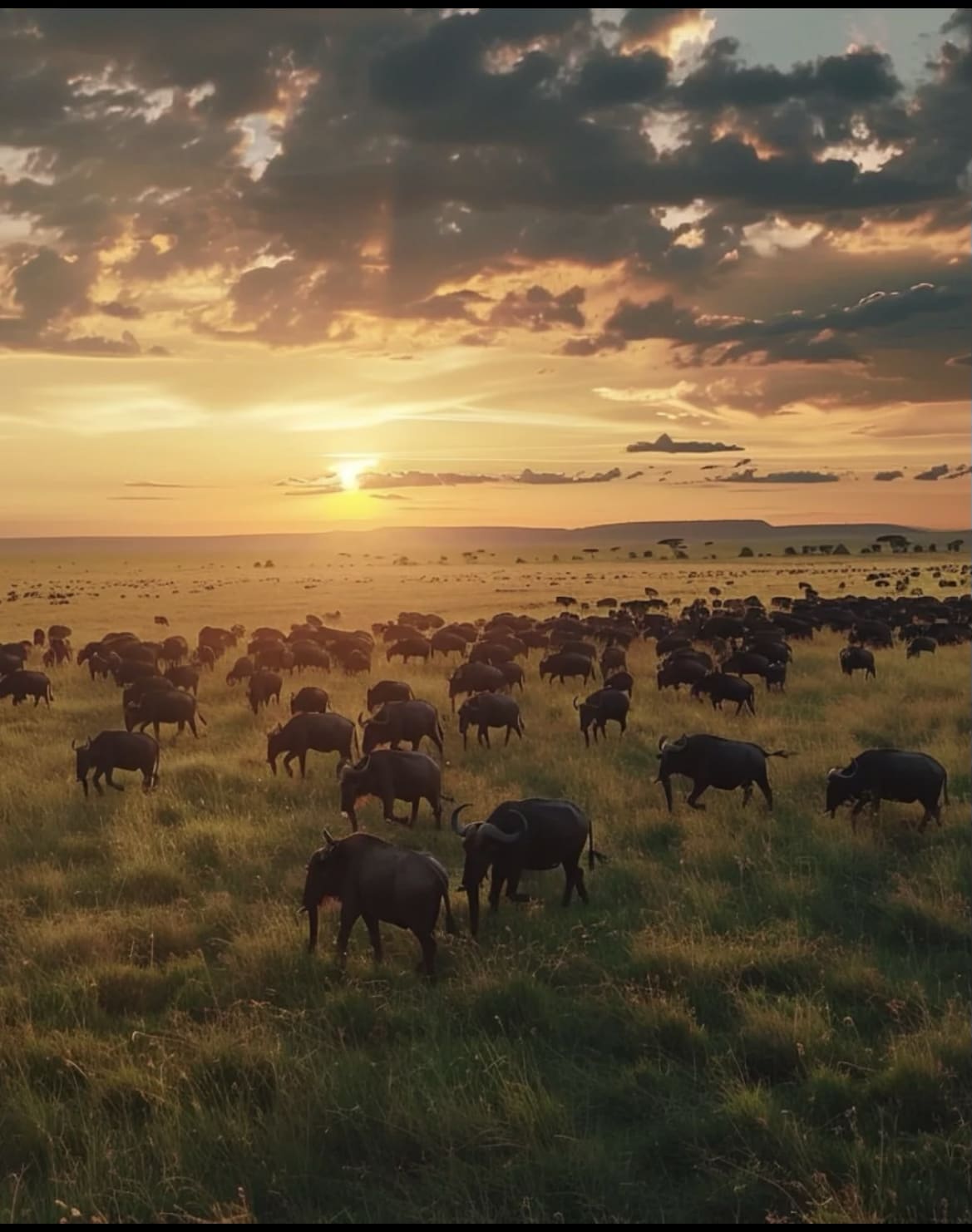
The key question isn't whether Madagascar is good for safari—it's whether it matches your expectations. Madagascar safari is not a traditional safari experience. You won't spot big cats or massive wildebeest herds here. Instead, you'll encounter 90% of Madagascar's wildlife found nowhere else on the planet. This makes it perfect for nature lovers and wildlife photographers who value endemic species over classic safari animals.
Safety is a common concern for first-time visitors. Both Madagascar and Kenya are safe for tourists when you follow basic precautions. Madagascar has secure safari areas with experienced guides who know the terrain well. Travelers report feeling safe on guided tours throughout the national parks. The main difference is that Kenya has more established safari infrastructure, while Madagascar offers a more off-the-beaten-path adventure.
Is Madagascar Safe for Safari Travel?
Madagascar is safe for safari when you use experienced guides and stay within protected areas. Guided safari tours operate securely across all 20 national parks. The country has dedicated tourism infrastructure and trained guides who prioritize visitor safety on every excursion. You should exercise normal travel caution, just as you would in any destination.
Safety Tips for Madagascar Safari
Stay with your guide at all times during wildlife viewing. Don't wander off alone into forests or remote areas. Use registered tour operators who employ trained guides and maintain good safety records. Check current travel advisories before booking, as conditions can change seasonally.
Medical facilities exist in major towns like Antananarivo, but remote areas have limited healthcare. Consider travel insurance that covers evacuation. Bring a comprehensive first-aid kit and any prescription medications you need. Malaria prevention is important—consult your doctor about antimalarial options before departure.
Political stability in Madagascar is generally good for tourists. The country welcomes visitors and has a growing tourism industry. Local people are friendly and welcoming to safari tourists. Petty theft can happen in urban areas, so keep valuables secure and avoid displaying expensive cameras or jewelry in towns.
Detailed safety guides from Safari Tours Madagascar provide comprehensive information about staying safe while exploring the island's incredible landscapes.
What Wildlife Will You Actually See in Madagascar?
Madagascar safari wildlife is completely different from Kenya or Tanzania. You won't see lions, zebras, or wildebeest. Instead, you'll encounter lemurs, chameleons, fossas, and hundreds of bird species found only in Madagascar. The island has 20 national parks and six nature reserves protecting diverse ecosystems from rainforests to dry deciduous forests.
Endemic Species You'll Encounter
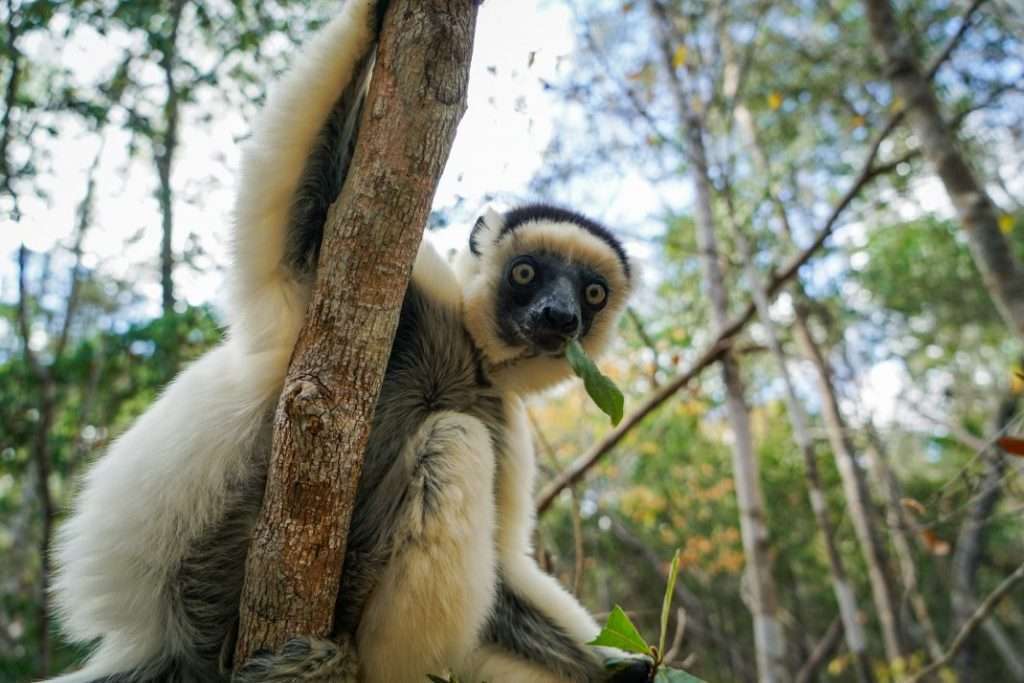
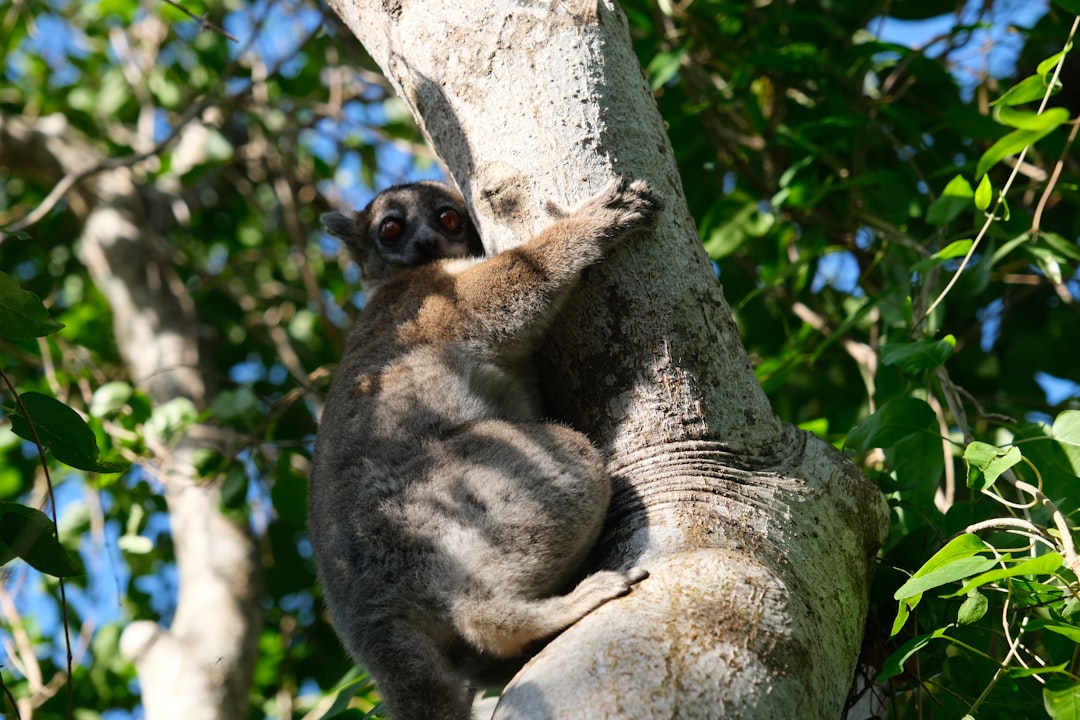
Lemurs are the star attraction of Madagascar safari. Over 100 lemur species live on the island, and you can see ring-tailed lemurs, indri lemurs, and nocturnal mouse lemurs depending on which parks you visit. Chameleons are everywhere—over 60 species inhabit Madagascar's forests. Some are smaller than your finger, while others grow as large as a house cat.
Madagascar is also home to the fossa, a unique carnivore found nowhere else. These cat-like creatures hunt lemurs and other small animals through the forest canopy. You'll see countless endemic bird species including the kingfisher, bee-eater, and various raptors. The island's birdwatching is world-class for serious ornithologists.
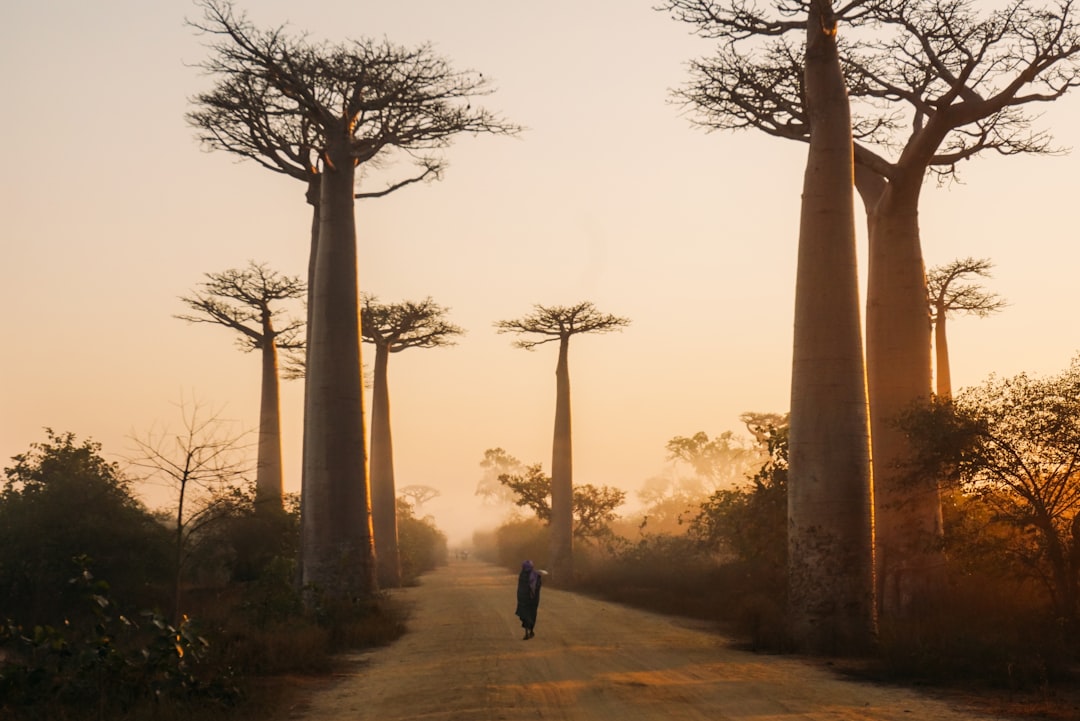
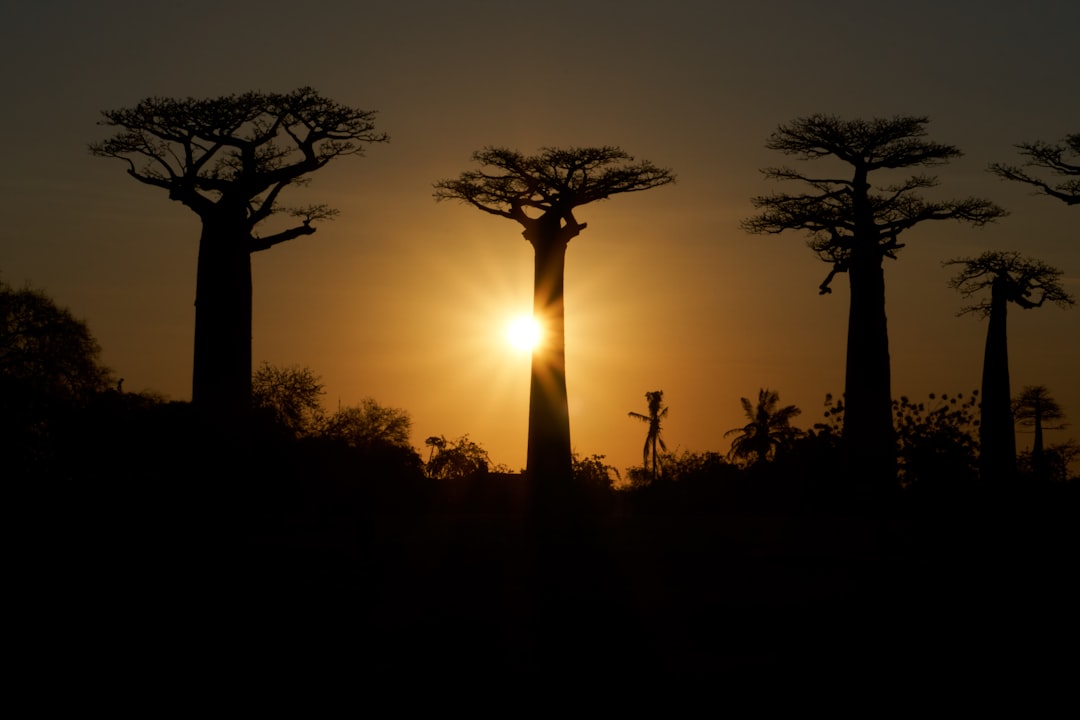
Botanical highlights are equally impressive. The Avenue of the Baobabs features massive, ancient trees rising from the red earth like natural monuments. Tsingy de Bemaraha's limestone pinnacles create otherworldly landscapes where you'll hike through narrow canyons and spot unique plants adapted to these extreme formations. Isalo National Park offers stunning canyons, waterfalls, and diverse wildlife in semi-arid terrain.
One traveler shared: "One of the most amazingly diverse countries on Earth, yet not adequate for safari/larger animals." This honest assessment captures Madagascar's unique appeal—it's perfect if you want to see endemic species and spectacular scenery, not traditional big game.
For detailed information about the specific animals you'll encounter, explore Madagascar Safari Animals: What You'll Actually See (2026) for a comprehensive breakdown of species by region and season.
How Much Does a Madagascar Safari Cost in 2026?
Madagascar safari costs range from $2,000 to $4,500 per person for a 10-day trip in 2026. Budget safaris start around $2,000 per person including accommodation, meals, and guided tours. Mid-range packages cost $2,500–$3,500. Luxury safaris with premium lodges and exclusive experiences run $3,500–$4,500 or higher. Costs depend on group size, accommodation quality, transportation, and the specific parks you visit.
What's Included in Madagascar Safari Prices
Most Madagascar safari packages include accommodation, meals, park entry fees, and guided tours. Some operators charge extra for flights, visas, travel insurance, and tips. Whale watching excursions in Nosy Be during July–September add $200–$400 to your total. Scuba diving in pristine island waters costs $100–$300 per dive.
Madagascar is generally more affordable than Kenya or Tanzania safaris. A comparable 10-day Kenya safari costs $2,500–$5,000 per person. Madagascar offers excellent value for budget-conscious travelers who want unique wildlife experiences. You get more endemic species and fewer crowds than popular East African destinations.
Compare specific Madagascar safari packages and verified operators on SafariFind to find the best rates for your budget and dates. Request quotes from multiple operators to negotiate better pricing, especially for group bookings.
For detailed cost breakdowns and budget strategies, read Madagascar Safari Cost 2026: Budget vs. Luxury Breakdown to understand where your money goes and how to maximize value.
When Is the Best Time to Visit Madagascar?
The best time for Madagascar safari is July–September when temperatures are cool and whale watching is exceptional. This is the dry season with clear skies perfect for wildlife viewing and hiking. Humpback whales migrate to Nosy Be's waters, offering unforgettable marine experiences. July–September is peak tourist season, so book 3–6 months ahead to secure preferred dates and lodges.
Seasonal Considerations
October–December is warm and rainy with increased wildlife activity in forests. Lemurs are more active, and birdwatching is excellent. Rainfall can make hiking challenging in some areas. January–March is hot and wet with occasional cyclones—travel is possible but less comfortable. April–June offers pleasant weather and fewer tourists, making it a good value season.
Different regions have different seasonal patterns. The dry south and west (around Isalo and Avenue of the Baobabs) can be visited year-round. The humid northeast rainforests are best visited May–September. Whale watching is specifically July–September at Nosy Be.
For comprehensive information about seasonal wildlife patterns and activities, explore Madagascar Safari in July–September: Whale Watching & Wildlife 2026 to plan your trip during peak season.
Madagascar Safari vs. Kenya Safari: Which Is Better for You?
Madagascar and Kenya offer completely different safari experiences. Kenya delivers classic African safari with lions, elephants, and massive wildebeest herds. Madagascar offers unique endemic species and exotic landscapes. Both are safe for tourists with experienced guides. Choose based on your wildlife interests and travel style.
Quick Comparison
| Factor | Madagascar | Kenya |
|---|---|---|
| Cost | $2,000–$4,500 for 10 days | $2,500–$5,000 for 7 days |
| Wildlife | Endemic species (lemurs, chameleons) | Big cats, herds, classic safari animals |
| Crowds | Fewer tourists, more solitude | Busier, especially Masai Mara |
| Infrastructure | Developing, off-the-beaten-path | Well-established, many operators |
| Best for | Nature lovers, unique species seekers | Classic safari enthusiasts |
Madagascar is better if you prioritize unique wildlife, budget value, and fewer crowds. Kenya is better if you want classic big game safari and established infrastructure. Both destinations are safe with proper precautions.
For an in-depth comparison, read Madagascar Safari vs Kenya: Wildlife, Cost & Which Is Worth It to help decide which destination matches your safari dreams.
Best Itineraries: How to Plan Your Madagascar Safari
A well-planned Madagascar safari combines national parks, cultural experiences, and beach relaxation. Ten to twelve-day itineraries work best because Madagascar is large and travel between parks takes time. Some travelers need focused wildlife routes, while others prefer combining safari with beach holidays on Nosy Be.
Sample 10-Day Itinerary
Days 1–2: Arrive in Antananarivo, explore the capital, adjust to local time. Days 3–4: Fly to Isalo National Park and hike through canyons, spot lemurs and chameleons. Days 5–6: Visit Avenue of the Baobabs and explore dry forest habitats. Days 7–8: Explore Tsingy de Bemaraha's limestone pinnacles (July–September only due to access). Days 9–10: Fly to Nosy Be for whale watching or beach relaxation.
Seven-day safari packages work if you focus on one region. A budget-friendly option combines Isalo and Avenue of the Baobabs without traveling to distant Tsingy. Beach and safari combinations are popular—spend 7 days on safari, then relax 3–4 days at Nosy Be's beaches and coral reefs.
Madagascar safari packages vary widely based on your interests and budget. Some operators specialize in wildlife photography, others in cultural tourism, and some in adventure activities like canyoning and scuba diving. Choose an operator matching your specific interests.
Discover ready-made itineraries and customize them through SafariFind. Browse Madagascar Safari & Beach Holiday 2026: 7-Day Itineraries Under $2,500 for specific packages that combine wildlife and beach experiences within your budget.
Key Takeaways
- Book your Madagascar safari 3–6 months ahead to secure lodges and guides during peak season (July–September) and save 15–20% on package rates compared to last-minute bookings.
- Madagascar is safe for safari when you use experienced guides and stay within protected parks, with security comparable to Kenya but fewer crowds and more endemic wildlife.
- Expect to see unique species, not big cats—over 100 lemur species, 60+ chameleon varieties, and birds found nowhere else make Madagascar perfect for nature lovers seeking alternatives to traditional African safari.
- Budget $2,000–$4,500 per person for 10 days in 2026, which is 15–25% cheaper than comparable Kenya safaris while offering more unique wildlife and fewer tourists on average.
- Combine safari with beach relaxation by spending 7 days exploring national parks (Isalo, Tsingy, Avenue of the Baobabs) and 3–4 days at Nosy Be for whale watching and scuba diving in pristine waters.
Frequently Asked Questions
Is Madagascar safe for tourists on safari in 2026?
Madagascar is safe for safari when you use experienced guides and stay within protected parks. Both Madagascar and Kenya are safe destinations with proper precautions. Guided tours operate securely across all national parks with trained guides. Exercise normal travel caution, avoid displaying expensive items in towns, and follow your guide's instructions. Medical facilities exist in major towns but are limited in remote areas, so travel insurance is recommended.
What's the difference between Madagascar safari and Kenya safari?
Madagascar safari features endemic species like lemurs and chameleons found nowhere else on Earth, while Kenya safari offers classic big game including lions, elephants, and wildebeest herds. Madagascar costs $2,000–$4,500 for 10 days versus $2,500–$5,000 for 7 days in Kenya. Madagascar has fewer crowds and developing infrastructure, while Kenya has well-established safari routes. Choose Madagascar for unique wildlife and budget travel, Kenya for classic big game experiences.
How much does a Madagascar safari cost per person in 2026?
Madagascar safari costs $2,000–$4,500 per person for 10 days in 2026. Budget packages start around $2,000 including accommodation, meals, and guided tours. Mid-range packages cost $2,500–$3,500, while luxury safaris with premium lodges run $3,500–$4,500 or higher. Flights, visas, and travel insurance are usually extra. Madagascar offers excellent value compared to Kenya, making it ideal for budget-conscious travelers seeking unique wildlife experiences.
When is the best time to visit Madagascar for safari?
The best time for Madagascar safari is July–September when temperatures are cool, skies are clear, and whale watching is exceptional. This dry season offers perfect wildlife viewing and hiking conditions. Humpback whales migrate to Nosy Be's waters during these months. July–September is peak season, so book 3–6 months ahead to secure preferred lodges. October–December brings warm weather and increased wildlife activity, while January–March is hot and wet with occasional cyclones.
Will I see big cats and lions on a Madagascar safari?
No, Madagascar safari doesn't include lions, leopards, or other big cats. Madagascar is not a destination for traditional safari with large predators. Instead, you'll see lemurs, chameleons, fossas (unique carnivores), and hundreds of endemic bird species found nowhere else on Earth. The island's wildlife is completely different from Kenya or Tanzania. If you specifically want to see lions and elephants, Kenya or Tanzania are better choices.
How can I book a Madagascar safari and compare verified operators?
Compare verified Madagascar safari operators on SafariFind to read authentic reviews from past travelers and request quotes for your specific dates and budget. SafariFind lists certified tour operators with ratings, review counts, and detailed package information. Request quotes from multiple operators to negotiate better pricing. Read traveler reviews to find operators matching your interests—wildlife photography, cultural tourism, adventure activities, or beach combinations. Book through SafariFind to access verified operators and authentic traveler feedback.
Conclusion: Should You Book a Madagascar Safari?
Madagascar is an excellent safari destination for travelers seeking unique wildlife, exotic landscapes, and budget-friendly adventures. It's safe for tourists with proper precautions and experienced guides. You'll encounter endemic species found nowhere else—lemurs, chameleons, baobabs, and limestone pinnacles that create otherworldly scenery. Madagascar offers incredible value at $2,000–$4,500 per person for 10 days, which is 15–25% cheaper than comparable Kenya safaris while delivering more unique wildlife.
Madagascar safari is not a traditional big game experience. You won't spot lions or massive herds. Instead, you'll explore 20 national parks protecting extraordinary biodiversity. The best time to visit is July–September for whale watching and perfect weather. Combine 7 days of safari exploring Isalo, Tsingy, and Avenue of the Baobabs with 3–4 days of beach relaxation at Nosy Be for an unforgettable trip.
Start planning your Madagascar safari adventure today. Compare verified operators and authentic reviews on SafariFind to find packages matching your budget and interests. Request quotes from multiple tour operators to negotiate better rates and secure your preferred dates. Book 3–6 months ahead to lock in the best prices and lodges during peak season. Your Madagascar safari awaits—an adventure unlike any other destination on Earth.
Plan Your Safari with SafariFind
These recommendations use real data from SafariFind, where you can compare operators, browse packages, and read verified traveler reviews before you book.
Recommended Safari Operators from SafariFind
Recommended Safari Packages from SafariFind
Verified Traveler Reviews from SafariFind
References
- Madagascar Safari vs Kenya: Wildlife, Cost & Which Is Worth It | SafariFind
- Reviews of Madagascar (18 User Reviews) | Safari Bookings
- Safety Travel Madagascar: Tips, Risks, and Advice for Tourists | Safari Tours Madagascar
- Madagascar Safari Vacations | Natural World Safaris
- Madagascar Guide: Reviews, Parks, Tours, Vaccinations | Your African Safari
- Madagascar Highlights | Adventure Life
- Madagascar Wildlife Tour & Safari | HT Agency Tours
- 10 Days Madagascar Wildlife Safari Tour | Africa Joy Tours
Sources
- Madagascar Safari vs Kenya: Wildlife, Cost & Which Is Worth It
- Reviews of Madagascar (18 User Reviews)
- Safety Travel Madagascar: Tips, Risks, and Advice for Tourists
- Madagascar Safari Vacations
- Madagascar Guide: Reviews, Parks, Tours, Vaccinations
- Madagascar Highlights
- Madagascar Wildlife Tour & Safari
- 10 Days Madagascar Wildlife Safari Tour
Related to
Ready to start your safari adventure?
Explore curated safari packages and find your perfect African adventure with verified operators.