Vaccinations & Health Rules for Botswana 2026: Singapore Citizens
Singaporean travellers to Botswana do not require yellow fever vaccination for direct flights, but must carry proof if transiting yellow fever–endemic countries. Malaria prophylaxis, hepatitis A, and typhoid are recommended based on itinerary.

Quick Answer: What Vaccines Do You Need for Botswana?
Yellow fever certificate: Required only if you have spent more than 12 hours in a yellow fever–endemic country or arrived from one within 6 days. Direct flights from Singapore do not require it.
Recommended vaccinations: Hepatitis A, typhoid, routine immunizations (measles, polio, tetanus), and malaria prophylaxis depending on regions visited.
Not required: COVID-19, hepatitis B, or rabies unless specific risk factors apply.
| Vaccine | Required? | Notes |
|---|---|---|
| Yellow Fever | Conditional | Required if transiting or arriving from endemic countries; not needed for direct Singapore–Botswana flights |
| Hepatitis A | Recommended | High risk for all travellers; food and water–borne |
| Typhoid | Recommended | Especially for rural areas and smaller cities |
| Routine (MMR, polio, tetanus) | Recommended | Ensure up to date before travel |
| Malaria prophylaxis | Conditional | Required for northern regions (Okavango, Chobe); consult doctor for medication type |
| Hepatitis B | Selective | Recommended for longer stays or high-risk exposure |
| Rabies | Selective | Consider if activities involve wildlife contact or long stays |
Yellow Fever Certificate: Entry Rules for Singaporean Travellers
Botswana requires a yellow fever vaccination certificate from travellers aged 1 year or older if they have recently visited or transited through countries with yellow fever transmission risk. This is the single most common reason travellers are denied entry or quarantined at Botswana's borders.
When Is the Yellow Fever Certificate Required?
You must present proof of yellow fever vaccination if:
- You spent more than 12 hours in transit at an airport in a yellow fever–endemic country (e.g., Kenya, Uganda, Democratic Republic of Congo, or parts of West Africa).
- You arrived in Botswana within 6 days of departing a yellow fever–endemic country.
- You are 1 year of age or older.
You do not need a yellow fever certificate if you are travelling directly from Singapore to Botswana on a single flight, as Singapore is not a yellow fever–endemic country.
Common Transit Scenarios: Do You Need the Certificate?
Direct Singapore → Botswana: No certificate required.
Singapore → Kenya (12+ hours) → Botswana: Certificate required. Kenya is on the yellow fever endemic list.
Singapore → South Africa (12+ hours) → Botswana: Certificate required. South Africa requires yellow fever vaccination from travellers arriving from endemic countries, and Botswana enforces the same rule for onward travel.
Singapore → Ethiopia (12+ hours) → Botswana: Certificate required. Ethiopia is endemic.
If you are unsure whether your layover country is endemic, consult the WHO list of yellow fever endemic countries or contact the Botswana Ministry of Health before travel.
Yellow Fever Vaccination Timing & Certificate Validity
The yellow fever vaccine must be administered at least 10 days before travel to be valid. The International Certificate of Vaccination or Prophylaxis ("yellow card") becomes valid 10 days after vaccination and is recognised for life under WHO 2016 rules.
If your vaccination certificate is older than the 2016 update, some border officials may not recognise the lifelong validity rule. Print a copy of the CDC or WHO update confirming lifelong protection as backup.
Medical exemption: If yellow fever vaccination is contraindicated for medical reasons, your doctor can issue a vaccination waiver. However, border officials may not honour this waiver; take strict mosquito bite prevention measures if travelling to yellow fever–endemic zones.
What Happens If You Lack a Required Certificate?
Botswana immigration officials have the discretion to:
• Deny entry
• Quarantine you at a government facility
• Vaccinate you on the spot at the airport (at your cost)
• Fine you (amount varies)
None of these outcomes enhance a safari trip planned months in advance. Obtain the certificate before departure if your itinerary includes a yellow fever–endemic country.
Recommended Vaccinations: Timing & Dosing
Hepatitis A
Hepatitis A is transmitted through contaminated food and water and is recommended for all travellers to Botswana. Two doses are required; the second is given 6 months after the first. If time is limited, a single dose offers partial protection and can be given at least 2 weeks before travel. Schedule your first dose now if you are planning a trip within 6 months.
Typhoid
Typhoid is particularly recommended if you plan to visit rural areas, stay with local friends or relatives, or eat at street food venues. A single dose is required, given at least 2 weeks before travel. A booster is recommended every 3 years if you travel frequently to endemic areas.
Routine Immunizations
Ensure you are up to date on:
• Measles, mumps, rubella (MMR)
• Polio (single adult booster if not given in the past 10 years)
• Diphtheria, tetanus, pertussis (DTP)
• Influenza (annual)
• COVID-19 (current status depends on your vaccination history)
These are not country-specific but are recommended for all international travel.
Hepatitis B
Hepatitis B is transmitted via blood and body fluids. It is recommended for travellers staying longer than 6 months, those with potential occupational exposure, or those engaging in activities that may involve blood contact (e.g., adventure sports with injury risk). Three doses are required (at 0, 1, and 6 months), so begin early if you need this vaccine.
Rabies
Rabies is a serious consideration if you plan long-term stays, wildlife tourism that involves animal contact, or activities in remote areas where prompt access to post-exposure prophylaxis (PEP) may be limited. Pre-exposure rabies vaccination requires 2–4 doses depending on your doctor's assessment. Discuss your specific itinerary with a travel medicine provider to determine if this is necessary.
Malaria in Botswana: Risk Zones, Prophylaxis & Prevention
Where Is Malaria Present?
Malaria transmission occurs throughout Botswana, with highest risk in the northern third of the country:
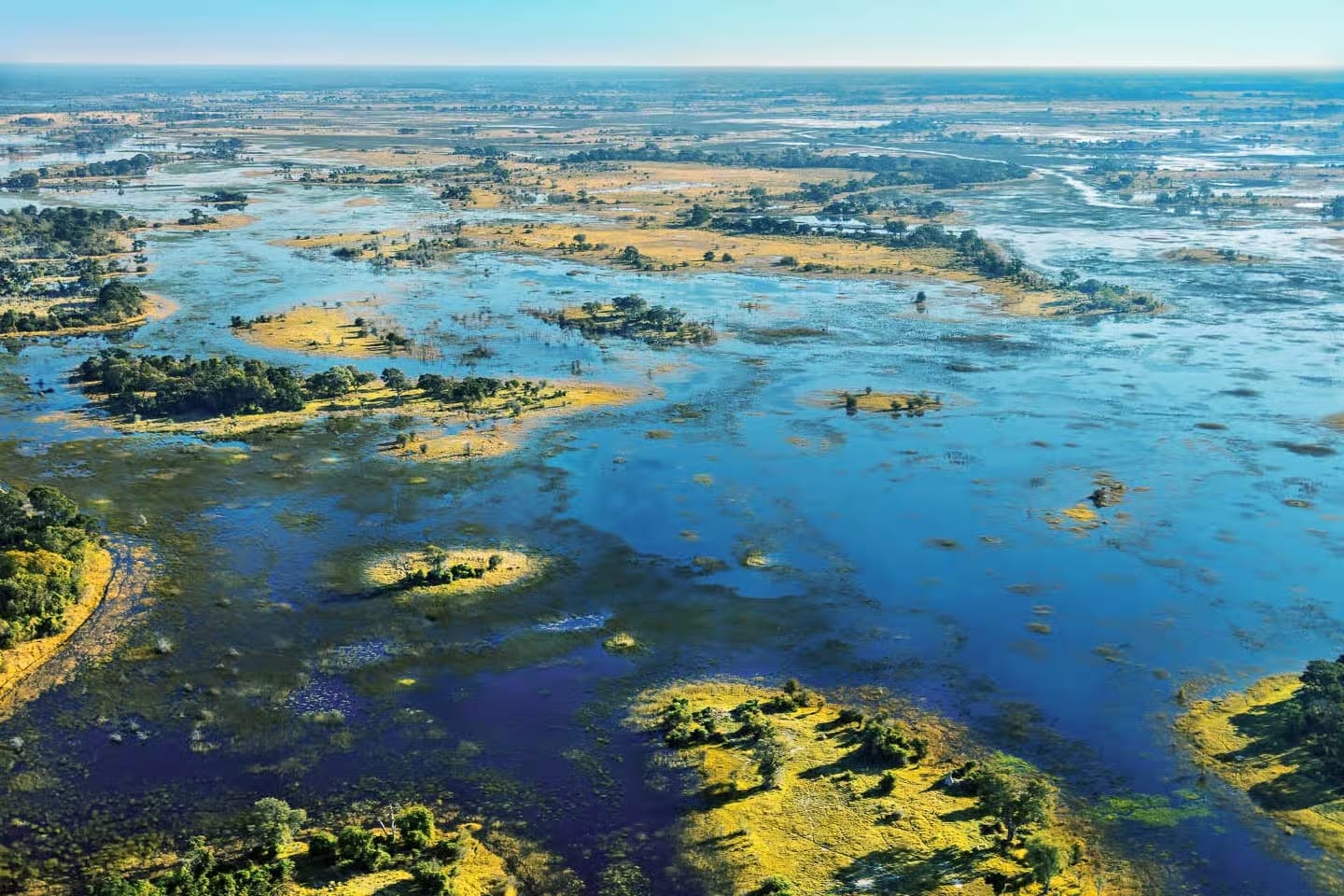
- High-risk zones: Okavango Delta, Chobe National Park, Ngamiland region
- Moderate risk: Central and eastern regions
- Lower risk: Southern Botswana (Kalahari), though not malaria-free
- Seasonal peak: November to June (rainy season)
If you are visiting safari lodges in the Okavango Delta or Chobe, malaria prophylaxis is strongly recommended. If you are spending time only in Gaborone or other southern cities, the risk is lower but not zero.
Antimalarial Prophylaxis: Which Medication?
The type of antimalarial medication depends on your itinerary, length of stay, pregnancy status, and underlying medical conditions. Common options include atovaquone-proguanil (Malarone), doxycycline, and mefloquine. Consult a travel medicine doctor at least 4 weeks before departure to determine the right medication and dosing for your trip.
Medications are typically started 1–2 days before arrival, continued daily or weekly during your stay, and continued for 4 weeks after departure (depending on the drug). Do not self-diagnose or purchase antimalarials without a doctor's prescription.
Mosquito Bite Prevention: Essential Steps
No antimalarial is 100% effective. Combine prophylaxis with aggressive mosquito bite avoidance:
- Insect repellent: Apply DEET (20–30%), picaridin (20%), or IR3535 to exposed skin and reapply every 3–4 hours or after swimming.
- Clothing: Wear long sleeves, long trousers, and socks, especially at dawn and dusk (peak mosquito hours).
- Accommodation: Sleep in screened rooms or air-conditioned rooms. Request mosquito netting if staying in safari camps; check for tears before bed.
- Timing: Limit outdoor exposure during dawn (5–7 a.m.) and dusk (6–9 p.m.) when malaria mosquitoes are most active.
Malaria Symptoms & When to Seek Help
Malaria symptoms appear 7–30 days after infection (sometimes longer). Seek medical care immediately if you develop fever, chills, headache, muscle aches, or flu-like illness during or after your trip. Inform the doctor of your recent travel to Botswana; early treatment is highly effective.
Health Documents, Insurance & Medication Rules
Required Documents
Yellow fever certificate (if applicable): Must be presented in physical or digital form (WHO-approved app or printed copy) at immigration.
Passport: Must have at least 6 months' validity beyond your date of departure and 3 blank pages for entry stamps. Neighbouring countries (South Africa, Zimbabwe, Namibia) also require blank pages, so ensure you have sufficient space if you plan a regional safari.
Travel insurance: Highly recommended. Confirm your policy covers evacuation, medical care, and trip cancellation. Botswana has good medical facilities in major towns but limited services in remote safari areas.
Prescription Medications
Bring enough prescription medications to complete your entire trip, plus a 30-day buffer. Pack medications in original, labeled containers with a copy of your prescription or doctor's letter (in English). Botswana's pharmacies stock common medications but may not have your specific brand or dosage.
Declare large quantities of medications to customs if questioned; a doctor's letter stating medical necessity is helpful.
Over-the-Counter Medications to Pack
Consider bringing:
• Antimalarial medication (prescribed by your doctor)
• Antihistamine (for insect bites)
• Antidiarrhoeal (e.g., loperamide) for traveller's diarrhea
• Antibiotic (e.g., azithromycin or ciprofloxacin—prescribed by your doctor for emergency diarrhoea)
• Paracetamol or ibuprofen
• Sunscreen (SPF 50+)
• Insect repellent (DEET-based)
• Rehydration salts
Pharmacies in Gaborone and Maun stock most common medications, but remote safari camps may not.
Health Facilities & Emergency Care in Botswana
Medical Infrastructure
Botswana has reasonable medical facilities in major towns:
- Gaborone: Princess Marina Hospital and private clinics (good standard)
- Maun: Maun General Hospital and private clinics (adequate for routine care)
- Remote safari areas: Limited to basic first aid; serious cases require evacuation to Gaborone or South Africa
Ensure your travel insurance includes medical evacuation coverage if you plan to spend time in remote safari regions. Helicopter evacuation can cost USD 10,000+ and is not covered by standard health insurance.
Drinking Water & Food Safety
Tap water is generally safe in Gaborone and major towns but should be boiled or filtered in remote lodges and camps. Bottled water is widely available. Avoid raw or undercooked food, unpasteurised dairy, and street food in unfamiliar areas. Wash hands frequently and carry hand sanitiser.
Other Health Risks
Schistosomiasis (bilharzia): Present in freshwater lakes and rivers. Avoid swimming in untreated water, especially in the Okavango Delta.
Tick-borne illnesses: African tick-bite fever and other tick-borne diseases occur. Use insect repellent, wear long clothing, and check your body daily for ticks. Remove ticks with tweezers, grasping close to the skin.
Sun exposure: Botswana's sun is intense. Use high-SPF sunscreen, reapply frequently, wear a hat, and limit midday sun exposure.
Pre-Travel Health Checklist for Singaporean Travellers
- ☐ Schedule a travel medicine consultation 4–6 weeks before departure
- ☐ Confirm yellow fever vaccine necessity based on your flight itinerary (check all layovers)
- ☐ Receive hepatitis A and typhoid vaccines (allow 2+ weeks for immunity)
- ☐ Obtain antimalarial prescription if visiting northern regions
- ☐ Ensure routine vaccinations are up to date
- ☐ Obtain a yellow fever certificate if required (allow 10 days for validity)
- ☐ Purchase comprehensive travel insurance with medical evacuation
- ☐ Pack prescription medications with copies of prescriptions
- ☐ Pack over-the-counter medications and first-aid supplies
- ☐ Confirm passport has 6+ months validity and 3+ blank pages
- ☐ Share your itinerary and emergency contacts with family
- ☐ Download offline copies of your vaccination records and insurance documents
When planning your Botswana safari, you can review visa requirements for Singaporean citizens and compare safari packages on SafariFind to find the right lodge and itinerary for your health and safety profile.
Important Disclaimer
Last checked July 2026 — always confirm with official sources before travelling. This article is informational and does not replace professional medical or legal advice. Requirements change frequently; consult the Botswana Ministry of Health, your national health authority, and a travel medicine doctor for the most current guidance specific to your circumstances.
 Ask Tembo about this guide
Frequently Asked Questions
Do Singaporean citizens need a yellow fever vaccination certificate to enter Botswana?
Only if you have spent more than 12 hours in a yellow fever–endemic country or arrived from one within 6 days. Direct flights from Singapore do not require a certificate. If you are connecting through Kenya, Uganda, Ethiopia, or parts of West Africa, you will need proof of vaccination.
What vaccines are recommended for Botswana travel from Singapore?
Hepatitis A, typhoid, and routine immunizations (MMR, polio, tetanus) are recommended for all travellers. Malaria prophylaxis is strongly recommended if visiting the Okavango Delta or Chobe National Park. Hepatitis B and rabies are selective based on itinerary and activities.
Do I need malaria prophylaxis for a Botswana safari?
Yes, if you are visiting northern Botswana (Okavango Delta, Chobe, Ngamiland). Consult a travel medicine doctor at least 4 weeks before travel to determine the right medication and dosing for your itinerary. Malaria risk is present year-round but peaks November–June.
When should I get vaccinated before a Botswana trip?
Schedule a travel medicine consultation 4–6 weeks before departure. Yellow fever vaccine requires 10 days to become valid; hepatitis A and typhoid require 2+ weeks. Antimalarial prescriptions should be obtained at least 4 weeks in advance.
What if my yellow fever certificate is older than 2016?
The WHO declared yellow fever vaccination valid for life as of 11 July 2016. However, some border officials may not recognise older certificates during the transition period. Print a copy of the CDC or WHO update confirming lifelong validity as backup.
What happens if I arrive without a required yellow fever certificate?
Botswana immigration officials may deny entry, quarantine you, vaccinate you on the spot (at your cost), or fine you. Ensure you have proof of vaccination before boarding your flight if your itinerary includes a yellow fever–endemic country.
Is travel insurance necessary for a Botswana safari?
Yes. Confirm your policy covers medical evacuation, which can cost USD 10,000+ in remote safari areas. Medical facilities are good in Gaborone and Maun but limited in remote regions.
Can I drink tap water in Botswana?
Tap water is generally safe in Gaborone and major towns but should be boiled or filtered in remote lodges and camps. Bottled water is widely available and recommended.
Do I need a rabies vaccine for a Botswana safari?
Rabies pre-exposure vaccination is selective and depends on your planned activities and length of stay. Discuss with a travel medicine doctor if you plan long-term stays, wildlife contact, or remote travel where post-exposure prophylaxis access may be limited.
What antimalarial medications are used for Botswana?
Common options include atovaquone-proguanil (Malarone), doxycycline, and mefloquine. The choice depends on your itinerary, health status, and pregnancy. Consult a travel medicine doctor for the right prescription; medications are typically started 1–2 days before arrival and continued for 4 weeks after departure.
How many blank passport pages do I need for Botswana?
At least 3 blank pages at entry. Neighbouring countries (South Africa, Zimbabwe, Namibia) also require blank pages for regional travel, so ensure sufficient space if planning a multi-country safari.
What over-the-counter medications should I pack for Botswana?
Consider bringing antihistamines, antidiarrhoeal, antibiotics (prescribed), paracetamol, ibuprofen, high-SPF sunscreen, DEET-based insect repellent, and rehydration salts. Pharmacies in Gaborone and Maun stock common medications, but remote areas may not.
Sources
- Botswana Travel Advisory | Travel.State.gov(official)
- Botswana - Traveler view | Travelers' Health | CDC(official)
- Travel Vaccines and Advice for Botswana
- Yellow Fever in Botswana | Travel Doctor Network
- Travel Health Guide: Botswana. Malaria in the Delta, Yellow Fever Rules, and What Safari Travelers Underestimate | Wandr Health Blog
- Country - Botswana – HealthyTravel
- Yellow fever | Communicable Diseases Agency(official)
- Visa requirements for Singapore citizens - Wikipedia
Related to
Ready to start your safari adventure?
Explore curated safari packages and find your perfect African adventure with verified operators.