Vaccinations & Health Rules for Rwanda 2026: German Citizens
German citizens travelling directly to Rwanda do not need a yellow fever vaccination certificate for entry. However, hepatitis A, typhoid, and malaria prophylaxis are strongly recommended; consult a travel medicine provider at least 6 weeks before departure.

Quick Answer: Vaccination Requirements for German Travellers to Rwanda
German citizens travelling directly from Germany to Rwanda do not require a yellow fever vaccination certificate for entry, as Germany is not classified as a yellow fever-endemic country by the WHO. However, if you are transiting through or arriving from a yellow fever-endemic country (such as Kenya, Uganda, or Ethiopia), you must present proof of yellow fever vaccination to enter Rwanda. Hepatitis A, typhoid, and malaria prophylaxis are strongly recommended for all travellers to Rwanda, regardless of origin.
Yellow Fever Vaccination: Entry Requirements for German Travellers
Do You Need a Yellow Fever Certificate?
Rwanda's entry rules for yellow fever vaccination depend on your country of origin and transit history:
- Direct travel from Germany: Yellow fever vaccination is not required. Germany is not on the WHO list of countries with yellow fever transmission risk.
- Transit through yellow fever-endemic countries: If you are transiting for more than 12 hours through an airport in a yellow fever-endemic country, Rwanda requires proof of yellow fever vaccination for entry (aged 1 year and older).
- Arriving from a yellow fever-endemic country: If your journey originates in or passes through a country with active yellow fever transmission (e.g., Kenya, Uganda, Ethiopia, Congo, or Nigeria), you must present a valid yellow fever vaccination certificate.
Rwanda's official entry policy, as published by the WHO International Travel and Health database, confirms that the yellow fever vaccine is required only for travellers aged 1 year and older arriving from countries with risk of yellow fever transmission or who have been in transit for more than 12 hours in an airport of such a country.
Yellow Fever Vaccination Certificate Validity
If you require a yellow fever certificate, note that since 2016 the International Health Regulations no longer require a booster dose. A single yellow fever vaccination is valid for life, and your International Certificate of Vaccination or Prophylaxis (ICVP) does not expire. The certificate must be issued by an authorised yellow fever vaccination centre; it is not available from standard pharmacies or GPs.
Recommended Vaccinations for Rwanda: Timing & Schedule
The CDC and WHO recommend the following vaccinations for most travellers to Rwanda. Plan your vaccination appointments at least 6 weeks before departure to allow time for vaccine efficacy and any side effects to resolve before your flight.
| Vaccine | Recommendation | Notes |
|---|---|---|
| Hepatitis A | Strongly recommended for most travellers | Two-dose series (0 and 6–12 months). Protection begins 2 weeks after first dose. Essential if visiting rural areas or eating with local families. |
| Typhoid | Strongly recommended, especially for those staying with friends/relatives or visiting rural areas | Available as injection (lasts 3 years) or oral vaccine (lasts 5 years; requires refrigeration and ability to swallow pills). Oral doses must be completed 1 week before travel. |
| Routine Vaccinations | Ensure up-to-date status | Includes MMR (measles, mumps, rubella), tetanus-diphtheria-pertussis (Tdap/Td), polio, influenza, and chickenpox (varicella). An additional polio booster is now recommended for adults travelling to any destination due to global resurgence. |
| Rabies | Recommended for adventure travellers, wildlife workers, and gorilla trekkers | Three-dose pre-exposure prophylaxis series (days 0, 7, 21). Especially important if planning gorilla trekking in Volcanoes National Park, as close contact with animals increases risk. |
| Hepatitis B | Recommended (accelerated schedules available) | Two or three-dose series depending on vaccine type. Consider if you may have sexual contact with locals or require medical care. |
| Cholera | Optional; localised cases in a few regions | Recommended for some at-risk travellers only. Avoid unsafe food and water as primary prevention. |
| COVID-19 | Stay up-to-date with current boosters | No testing currently required for entry or departure to/from Rwanda, but maintain routine booster schedule per your national health authority. |
Timeline for Pre-Travel Vaccination
- 6 weeks before departure: Book a consultation with a travel medicine clinic or your GP. Discuss your itinerary, medical history, and any planned activities (gorilla trekking, cave visits, water sports).
- 4–6 weeks before departure: Receive hepatitis A (first dose), typhoid, and routine booster vaccinations. Yellow fever vaccine (if required) can be given at this stage.
- 2–3 weeks before departure: Hepatitis A second dose (if using two-dose schedule) and any remaining vaccinations.
- 1–2 weeks before departure: Confirm all vaccines are recorded and obtain your vaccination certificates.
Most travel vaccines are available through German statutory health insurance (Krankenkasse) or can be purchased at travel clinics; confirm costs with your provider in advance.
Malaria: Risk, Prophylaxis & Prevention
Malaria Risk in Rwanda
Malaria is endemic throughout Rwanda year-round, with moderate risk across all regions. The disease is caused predominantly by Plasmodium falciparum, transmitted by mosquitoes active from dusk to dawn. All travellers, regardless of duration of stay or travel style, should take malaria precautions.
Malaria Prophylaxis (Antimalarial Medication)
Malaria prophylaxis is strongly recommended for all travellers to Rwanda. Your doctor will prescribe an appropriate antimalarial medication based on your medical history, allergies, and itinerary. Common options include:
- Atovaquone-proguanil (Malarone): Start 1–2 days before arrival, take daily during stay, and continue for 7 days after departure. Well-tolerated with minimal side effects.
- Doxycycline: Start 1–2 days before arrival, take daily, and continue for 4 weeks after departure. Affordable but requires sun protection and daily adherence.
- Mefloquine: Start 2–3 weeks before arrival (to assess tolerance), take weekly, and continue for 4 weeks after departure. Less commonly used due to potential neuropsychiatric side effects.
Begin prophylaxis 1–2 days before arrival and continue for 4 weeks after departure, even if you feel well. Discuss side effects and contraindications with your doctor; some medications interact with other drugs or are unsuitable in pregnancy.
Mosquito Bite Prevention
Antimalarial medication alone is insufficient. Combine prophylaxis with rigorous mosquito bite avoidance:
- Sleep under an insecticide-impregnated mosquito net every night, even in air-conditioned hotels.
- Use CDC-recommended insect repellent containing DEET (20–30%), picaridin (20%), or oil of lemon eucalyptus on exposed skin and clothing.
- Wear long sleeves, long trousers, and socks from dusk to dawn when mosquitoes are most active.
- Avoid outdoor activities at dawn and dusk without protective clothing.
- Inspect hotel rooms for gaps in screens and walls; request room changes if necessary.
Health Documents, Insurance & Medications
Travel Health Insurance
Comprehensive travel health insurance is essential. Ensure your policy covers:
- Emergency medical evacuation (critical in remote areas like Volcanoes National Park).
- Treatment of malaria and yellow fever.
- Medical repatriation to Germany if serious illness or injury occurs.
- Dental and pharmacy costs (not always covered by standard policies).
Medical facilities in Kigali are generally good, but rural areas have limited services. Evacuation to South Africa or Europe may be necessary for serious conditions.
Health Documentation to Carry
- Original vaccination certificates (especially the yellow fever ICVP, if applicable).
- Prescription letters from your doctor for any medications you are carrying (in English and ideally French).
- A summary of your medical history and allergies in English.
- Travel health insurance documentation and emergency contact numbers.
- Copies of prescriptions for routine medications (e.g., blood pressure tablets, inhalers).
Medications & Pharmacy Rules
Rwanda's medication regulations differ from Germany's. Some medicines available in Germany may be restricted or unavailable in Rwanda. Bring adequate supplies of any routine medications in original containers with pharmacy labels. Over-the-counter remedies for traveller's diarrhea (loperamide), altitude sickness (acetazolamide/Diamox), and pain relief (paracetamol, ibuprofen) are recommended additions to your medical kit, though they are available in Kigali pharmacies.
Important: Carry prescriptions or a doctor's letter for any controlled medications (e.g., certain pain relievers, psychiatric medications). Rwandan customs may question or confiscate medications without proper documentation.
Special Health Considerations for Rwanda
Gorilla Trekking & Disease Transmission
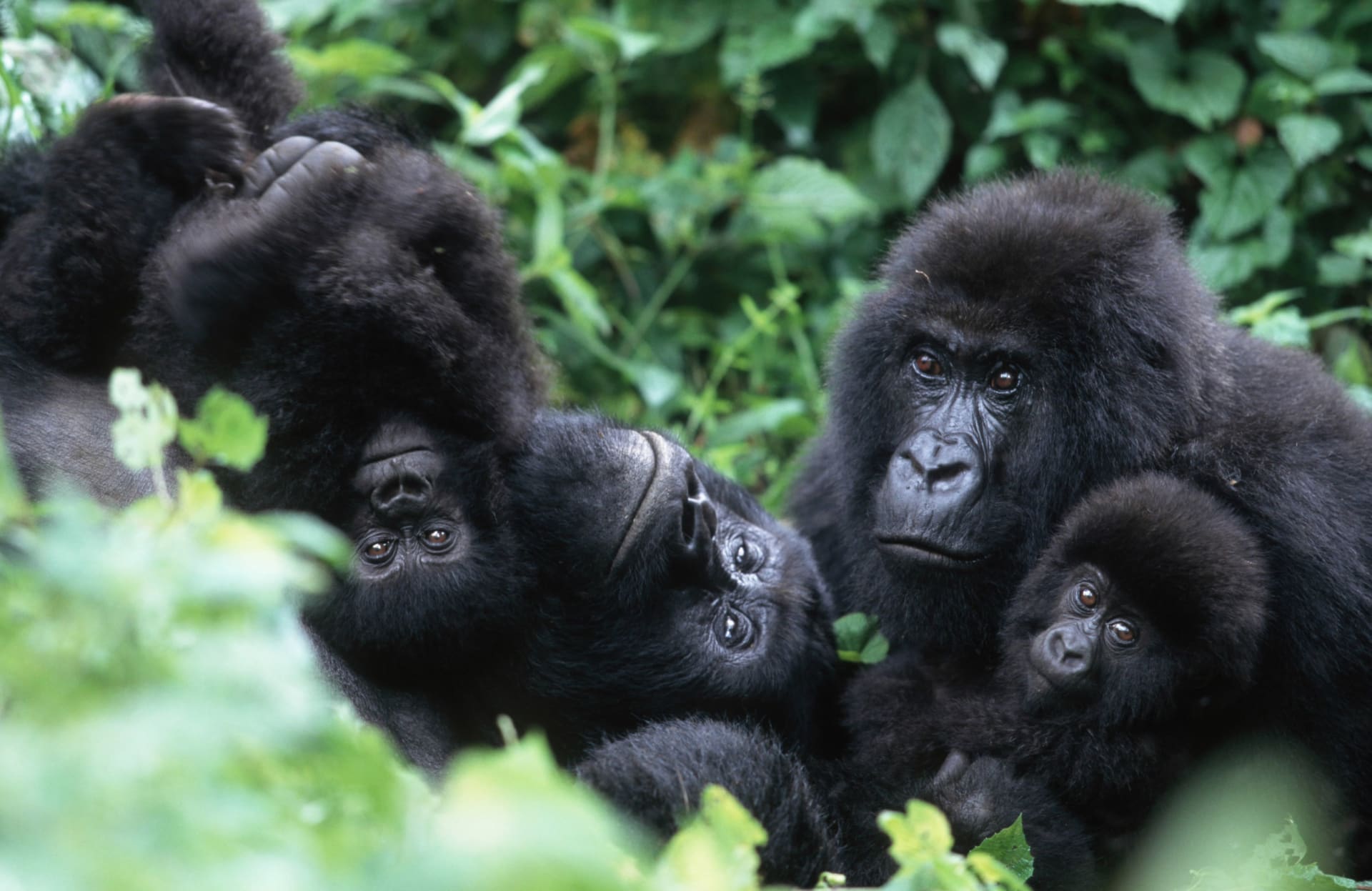
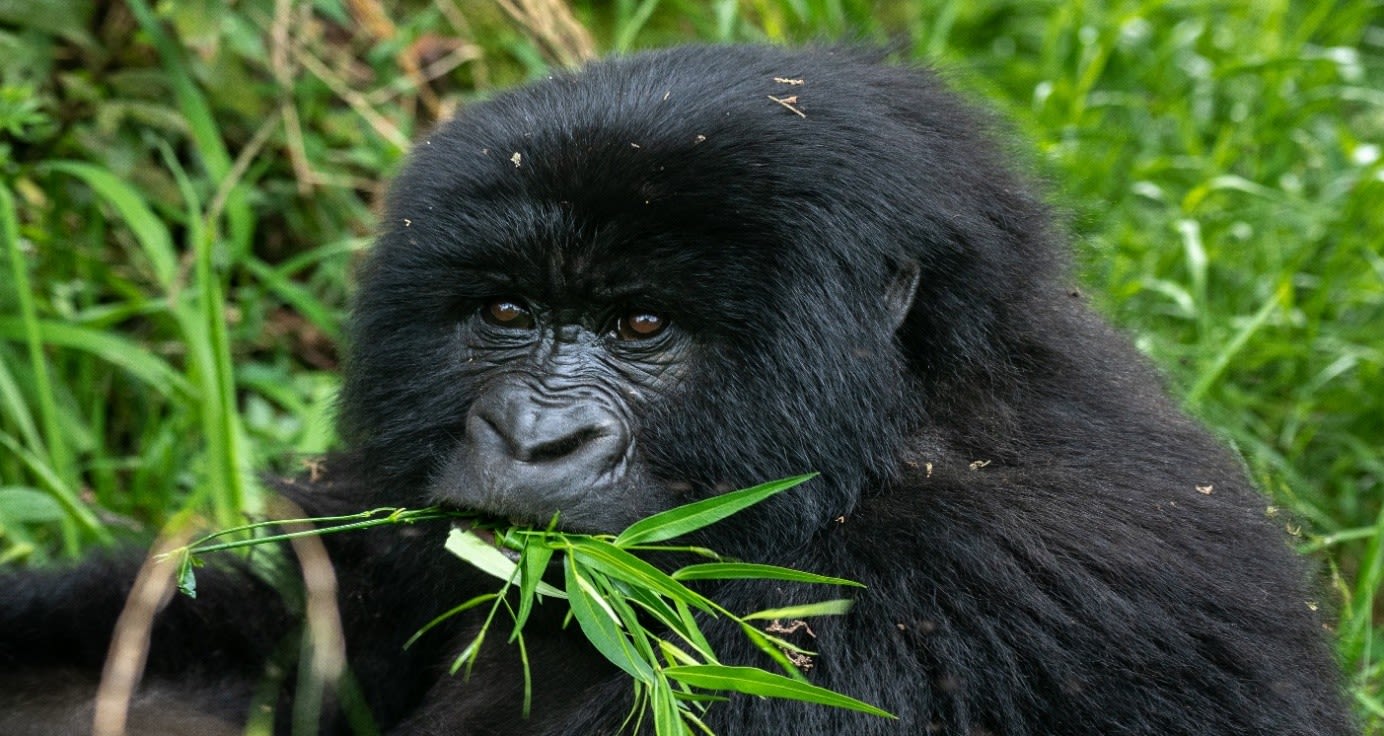
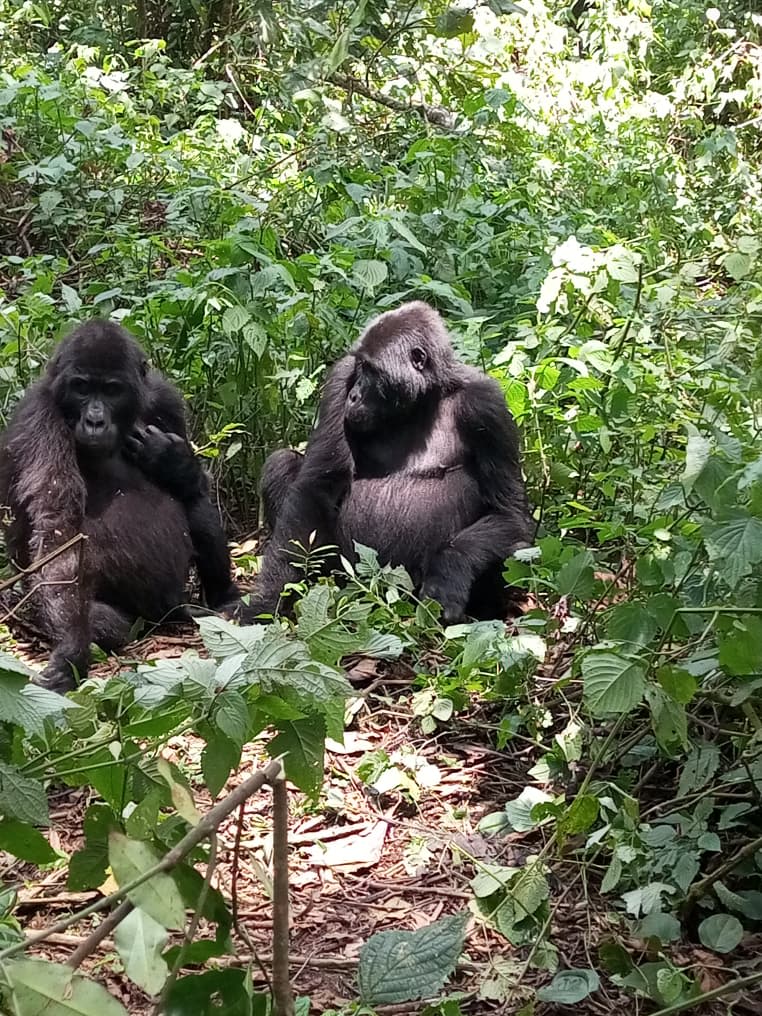
If you are planning gorilla trekking in Volcanoes National Park, note that gorillas are extremely vulnerable to human diseases. A common cold can be fatal to a gorilla. Trek operators enforce strict health rules:
- Do not trek if you have any respiratory symptoms, fever, or gastrointestinal illness.
- Wear a mask if you have a mild cough or cold symptoms (you will likely be asked to reschedule).
- Trek slots are non-refundable and non-transferrable, so prioritise your health in the weeks before travel.
- Ensure all routine vaccinations (especially MMR, influenza, and COVID-19) are current.
Altitude Sickness
Volcanoes National Park and Mount Bisoke (3,711 m) pose a risk of altitude sickness, particularly for rapid ascent. Symptoms include headache, nausea, fatigue, and shortness of breath. Acclimatisation and gradual ascent reduce risk. Your doctor may prescribe acetazolamide (Diamox) as prophylaxis if you have a history of altitude sickness or are ascending rapidly above 2,500 m.
Marburg Virus Disease
Marburg virus disease (MVD) is rare but present in Rwanda. The last confirmed case was reported on 30 October 2024. Risk remains linked to viral persistence in body fluids of recovered patients and potential animal reservoirs. If visiting or working in caves inhabited by fruit bat colonies, wear gloves, protective clothing, and face masks. Most travellers on standard safari and gorilla trekking itineraries face negligible risk.
Other Health Hazards
- Traveller's diarrhea: Common due to dietary changes and water quality. Avoid tap water, ice, and uncooked food. Carry oral rehydration salts and an antibiotic (e.g., azithromycin) prescribed by your doctor for moderate-to-severe diarrhea.
- Water safety: Tap water in Kigali is generally safe for brushing teeth, but drink bottled or filtered water. Avoid swimming in lakes and rivers due to bilharzia (schistosomiasis) risk.
- Sun exposure: UV radiation is intense at altitude. Use high-SPF sunscreen, wear a hat, and reapply regularly, especially during gorilla trekking.
Healthcare Facilities & Emergency Services in Rwanda
Medical Care Quality
Medical facilities are concentrated in Kigali and are generally good by African standards. Private hospitals such as King Faisal Hospital and Clinic Kigali offer international-standard care. However, rural areas have limited services, and serious conditions may require evacuation to Nairobi, Johannesburg, or Europe.
Emergency Contact
In a medical emergency, call 112 and request an ambulance. Contact your travel insurance provider immediately if referred to a medical facility for treatment. Keep your insurance documentation and emergency contact numbers accessible at all times.
Medications & Pharmacies
Pharmacies in Kigali stock common medications, but availability of specific brands is not guaranteed. Prices are often higher than in Germany. Bring adequate supplies of routine medications in original containers.
Pre-Travel Health Checklist for German Travellers
- ☐ Book a travel medicine consultation 6 weeks before departure.
- ☐ Confirm your Rwanda visa status and entry requirements.
- ☐ Receive hepatitis A, typhoid, and routine booster vaccinations.
- ☐ Obtain yellow fever vaccination and ICVP certificate if transiting through endemic countries.
- ☐ Collect antimalarial prescription and take first dose 1–2 days before departure.
- ☐ Arrange comprehensive travel health insurance covering evacuation.
- ☐ Pack medications in original containers with prescription letters.
- ☐ Obtain vaccination certificates and health documentation in English.
- ☐ Brief yourself on gorilla trekking health rules if planning Volcanoes National Park visits.
- ☐ Confirm current entry and health requirements with Rwanda's official immigration portal one week before travel.
When comparing safari packages on SafariFind, note that some operators include health briefings or arrange vaccinations through partner clinics; clarify what health support is included in your package.
 Ask Tembo about this guide
Frequently Asked Questions
See the FAQ section below for answers to common questions about vaccinations, malaria, yellow fever, and health insurance for German travellers to Rwanda.
Last checked July 2026 — always confirm with official sources before travelling.
This article is informational content, not legal or medical advice. Entry and public-health measures can change at short notice, particularly where regional outbreaks affect border rules. Consult a travel medicine provider or your GP for personalised health advice based on your medical history and itinerary.
Frequently Asked Questions
Do German citizens need a yellow fever vaccination certificate to enter Rwanda?
No, German citizens travelling directly from Germany do not need a yellow fever vaccination certificate, as Germany is not classified as a yellow fever-endemic country. However, if you are transiting through or arriving from a yellow fever-endemic country (such as Kenya, Uganda, Ethiopia, or Congo), you must present proof of yellow fever vaccination for entry.
What vaccinations are recommended for German travellers to Rwanda?
The CDC and WHO recommend hepatitis A, typhoid, and routine vaccinations (MMR, tetanus, polio, influenza) for most travellers. Rabies vaccination is recommended for adventure travellers, gorilla trekkers, and those planning close animal contact. Malaria prophylaxis is strongly advised year-round for all travellers.
How long before travelling to Rwanda should I get vaccinated?
Plan your vaccination appointments at least 6 weeks before departure. This allows time for vaccines to take effect and any side effects to resolve. Hepatitis A requires two doses spaced 6–12 months apart, so begin early if you have not been previously vaccinated.
Is malaria prophylaxis required for travel to Rwanda?
Malaria prophylaxis is strongly recommended for all travellers to Rwanda, as malaria is endemic year-round throughout the country. Your doctor will prescribe an appropriate antimalarial medication (e.g., atovaquone-proguanil, doxycycline) based on your medical history. Begin 1–2 days before arrival and continue for 4 weeks after departure.
What should I do if I have a yellow fever certificate from a previous trip?
Yellow fever vaccination is valid for life; no booster is required. If you have a valid International Certificate of Vaccination or Prophylaxis (ICVP) from a previous vaccination, it is acceptable indefinitely for entry into Rwanda. Ensure the certificate is issued by an authorised yellow fever vaccination centre.
What health insurance do I need for travel to Rwanda?
Comprehensive travel health insurance is essential and should cover emergency medical evacuation, malaria and yellow fever treatment, and medical repatriation to Germany. Medical facilities are good in Kigali but limited in rural areas; evacuation to South Africa or Europe may be necessary for serious conditions.
Can I buy malaria medication in Rwanda, or must I bring it from Germany?
Malaria prophylaxis is available in Kigali pharmacies, but availability of specific medications is not guaranteed and prices are often higher than in Germany. It is safer to obtain a prescription from your doctor in Germany and bring adequate supplies in original containers with pharmacy labels.
What are the health rules for gorilla trekking in Volcanoes National Park?
Gorillas are extremely vulnerable to human diseases. Trek operators do not permit trekking if you have respiratory symptoms, fever, or gastrointestinal illness. Trek slots are non-refundable, so prioritise health in the weeks before travel and ensure routine vaccinations (especially MMR, influenza, COVID-19) are current.
Do I need vaccination proof for entry to Rwanda?
Yellow fever vaccination proof is required only if arriving from a yellow fever-endemic country or transiting for more than 12 hours through such a country. No other vaccinations are mandated for entry, though hepatitis A, typhoid, and malaria prophylaxis are strongly recommended.
Is COVID-19 testing required to enter Rwanda?
No COVID-19 testing is currently required for entry to or departure from Rwanda. However, the CDC recommends all eligible travellers remain up-to-date with COVID-19 vaccines.
What is the risk of Marburg virus disease in Rwanda?
Marburg virus disease (MVD) is rare in Rwanda; the last confirmed case was reported on 30 October 2024. Risk is primarily for those visiting caves inhabited by fruit bats. Most travellers on standard safari and gorilla trekking itineraries face negligible risk.
Can I carry prescription medications from Germany into Rwanda?
Yes, but bring medications in original containers with pharmacy labels and a prescription letter from your doctor in English. Some medications are restricted in Rwanda; carry documentation to avoid confiscation at customs. Controlled medications (e.g., certain pain relievers, psychiatric drugs) require a doctor's letter.
Sources
- Rwanda - Traveler view | Travelers' Health | CDC(official)
- Yellow Fever Vaccine and Malaria Prevention Information, by Country | CDC Yellow Book(official)
- International Travel and Health – WHO Vaccination Requirements and Recommendations (2022)(official)
- What Vaccinations Do I Need for Africa? | 2026 Guidelines | Go2Africa
- Rwanda Health & Vaccinations - Malaria and Yellow Fever | Chalo Africa
- Travel Health Guide: Rwanda — Gorilla Trekking, Yellow Fever Rules, Malaria, and What Most US Travelers Underestimate | Wandr Health Blog
- Health - Rwanda travel advice | GOV.UK(official)
- Information for Travellers | Rwanda Biomedical Centre(official)
- Travel Vaccines and Advice for Rwanda | Passport Health
Related to
Ready to start your safari adventure?
Explore curated safari packages and find your perfect African adventure with verified operators.