Zambia Safari Parks Ranked by Wildlife Density 2026
Lower Zambezi leads Zambia's safari parks by wildlife density in 2026. Compare top parks, costs ($2,500–$4,500), and best visiting months May–October.

Zambia Safari Parks Ranked by Wildlife Density 2026
Last updated: July 2026
Lower Zambezi National Park leads Zambia's safari destinations with the highest wildlife density in 2026, followed by South Luangwa and Kafue. A 7-day Zambia safari costs $2,500–$4,500 per person. The best time to visit is May to October for optimal wildlife viewing. Book through verified operators on SafariFind to compare packages and read authentic traveler reviews.
At a Glance
- Top park by density: Lower Zambezi National Park (4.73/5 rating)
- Cost per person: $2,500–$4,500 for 7 days
- Best time to visit: May to October (dry season)
- Duration: 7–10 days recommended
- Best for: Wildlife photographers, nature lovers, walking safari enthusiasts
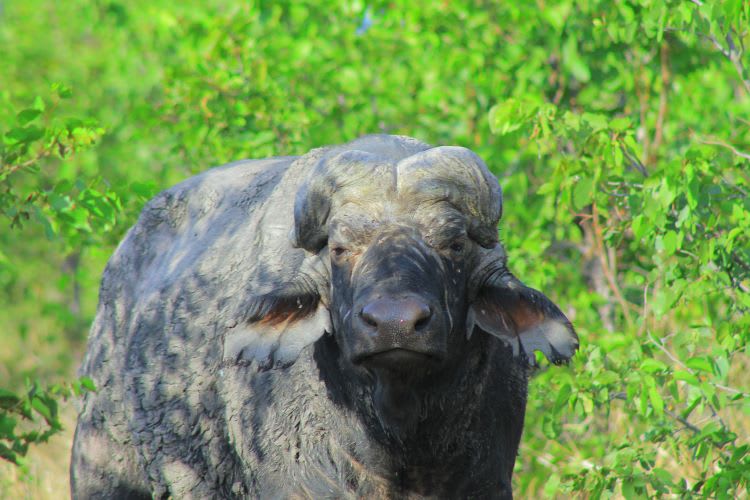
- Wildlife highlights: Leopards, elephants, buffalo, lions, hippos
What Are Zambia's Top Safari Parks Ranked by Wildlife Density?
Zambia safari parks ranked by wildlife density in 2026 show Lower Zambezi National Park at the top. This park offers the densest concentration of game animals across Africa's safari destinations. South Luangwa and Kafue National Parks follow closely, each delivering unique wildlife experiences and excellent viewing opportunities for visitors.
Zambia has become a premier safari destination because of its remote locations and rich biodiversity. The country boasts some of Africa's wildest corners, yet visitors enjoy world-class lodges and expert guides. You get sensational big game viewing without the crowds found at other African parks.
Why wildlife density matters: Parks with higher wildlife density increase your chances of seeing lions, leopards, elephants, and buffalo on daily game drives. Density also affects walking safari quality, river experiences, and photography opportunities. Understanding these rankings helps you choose the best park for your travel goals and budget.
This guide ranks Zambia's major safari parks by wildlife density and covers what makes each destination special. You'll learn costs, best visiting times, and how to book with verified operators on SafariFind to ensure authentic experiences and fair pricing.
Lower Zambezi National Park: Africa's #2 Safari Destination
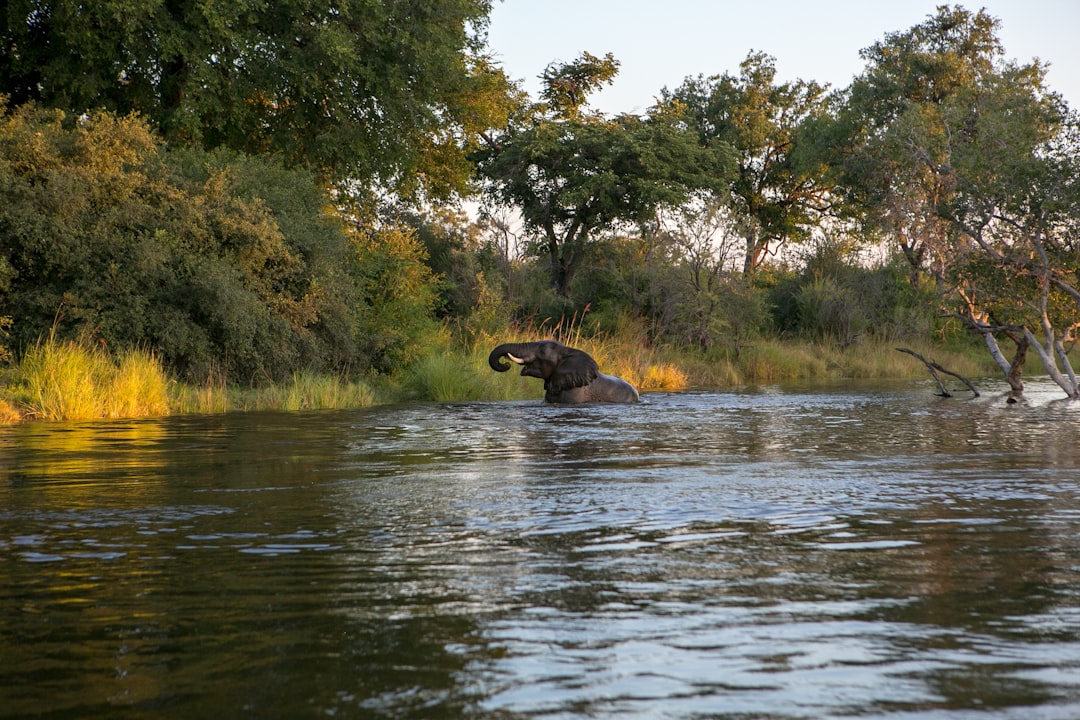
Lower Zambezi National Park ranks as the #2 safari destination across all of Africa in 2026, with a 4.73 out of 5 rating. This park offers the highest wildlife density in Zambia and delivers exceptional game viewing along the Zambezi River. The park covers vast wilderness where elephants, buffalo, lions, and hippos gather in remarkable numbers.
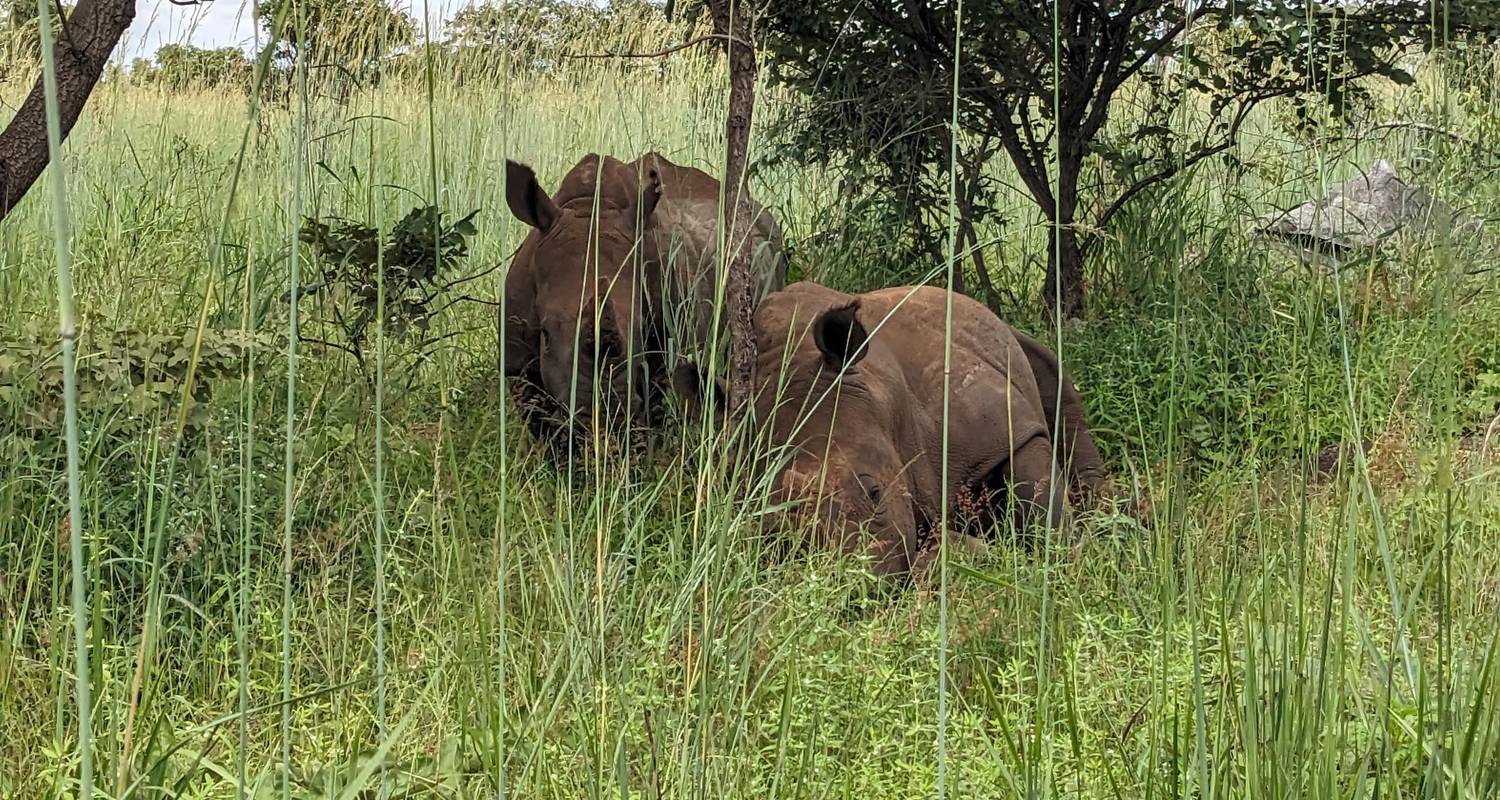
Lower Zambezi specializes in four safari styles: canoe safaris, boat trips, walking expeditions, and classic game drives. The park features four of Africa's Big Five animals—elephant, lion, buffalo, and leopard—though rhinos are absent. This variety of safari types sets Lower Zambezi apart from traditional parks and appeals to diverse traveler preferences.
The Zambezi River creates a natural highway for wildlife and provides stunning scenic backdrops. Early morning and late afternoon game drives yield excellent sightings as animals come to drink. Many lodges sit directly on the river, offering water views and hippo encounters from your accommodation.
Best time to visit: May to October brings dry conditions when animals concentrate near water sources. This period offers peak wildlife density and clearest skies for photography. November to April brings rain, fewer tourists, and lush vegetation but reduced game visibility.
Cost for Lower Zambezi: A 7-day safari typically costs $3,000–$4,500 per person depending on lodge category and inclusions. Budget lodges run $2,500–$3,000, while luxury properties exceed $5,000 per night. Compare detailed pricing by operator and accommodation level to find packages matching your budget.
Lower Zambezi's popularity among serious safari enthusiasts and photographers makes it essential to book 3–6 months ahead for peak season. SafariFind lists verified Lower Zambezi operators with authentic guest reviews, helping you avoid overpriced packages.
South Luangwa National Park: The Walking Safari Pioneer
South Luangwa National Park covers 9,050 square kilometers and pioneered walking safaris in Africa. This park ranks among Zambia's most important protected wildlife areas and remains the strongest destination for guided foot safaris on the continent. The Luangwa River defines the park's landscape, creating woodland, grassland, and riverine habitats that support diverse wildlife.
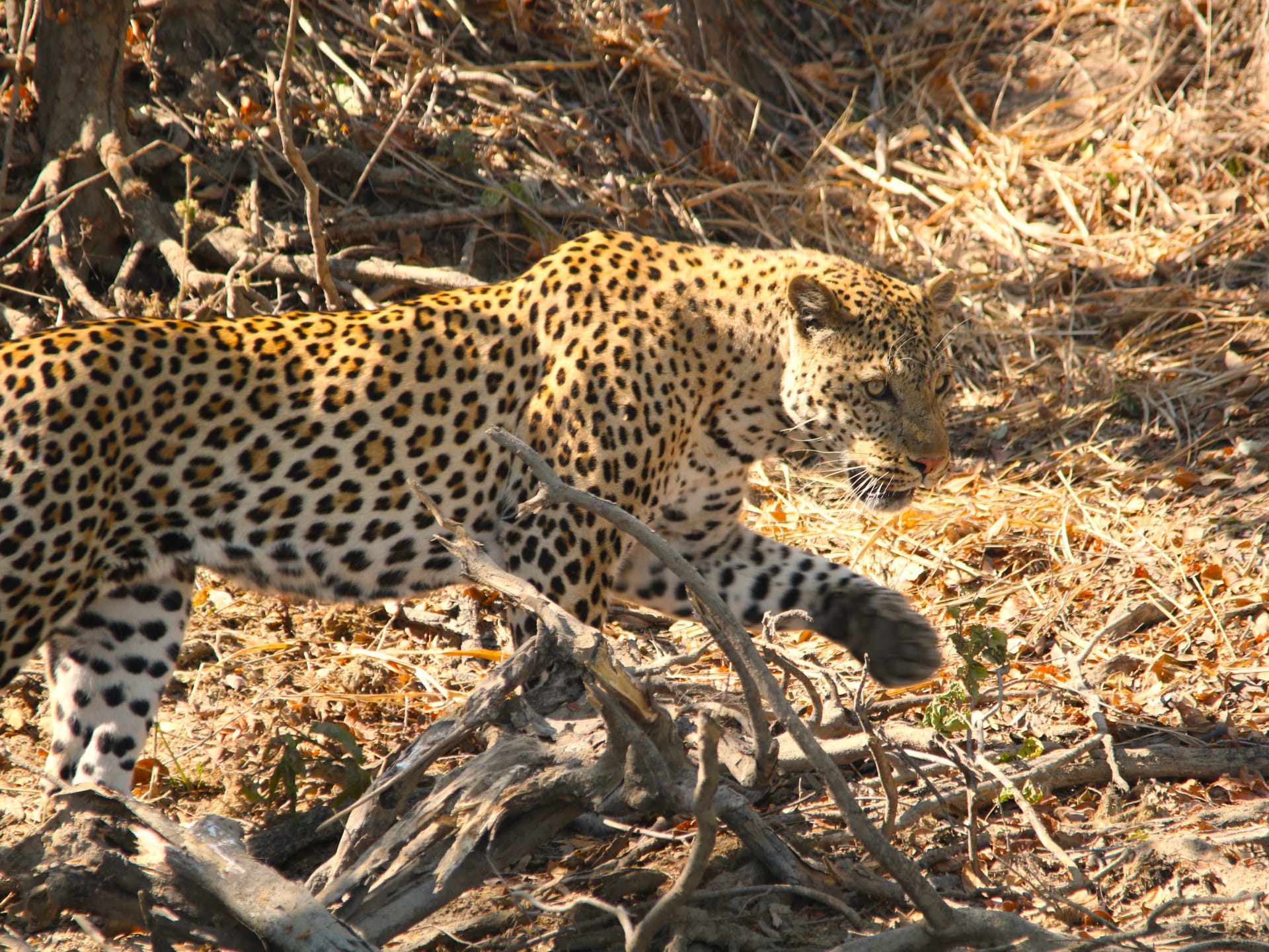
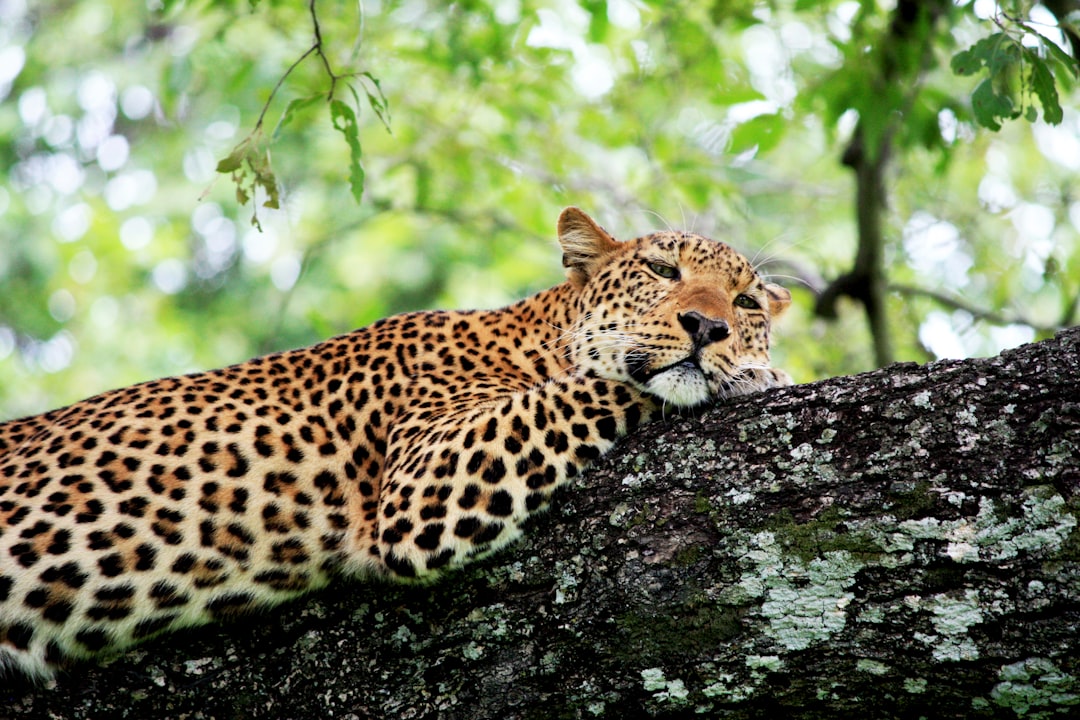
South Luangwa is home to over 60 leopards, making it a serious destination for wildlife photographers seeking big cat images. The park's accessibility and high wildlife density make it Zambia's top choice for travelers prioritizing leopard encounters. You'll see these elusive cats more frequently here than at most African parks.
Walking safaris are South Luangwa's signature experience. Expert guides lead small groups on foot through pristine wilderness, creating intimate wildlife encounters impossible from a vehicle. This immersive approach appeals to nature enthusiasts seeking connection with the African landscape beyond typical game drives.
Wildlife diversity: The park supports elephants, buffalo, lions, hippos, zebras, wildebeest, and numerous antelope species. Birdwatchers find over 400 bird species here, making it exceptional for avian photography. The Luangwa River hosts crocodiles and provides excellent water-based game viewing.
Cost and duration: A 7-day South Luangwa safari costs $2,800–$4,000 per person. Walking safaris typically run 2–3 hours in early morning or late afternoon. Combine walking expeditions with game drives for comprehensive park exploration during your stay.
Accommodation options: South Luangwa offers luxury vs budget lodges for different budgets. Luxury lodges provide fine dining, spa services, and premium game drive vehicles. Budget properties offer comfortable rooms and good guiding at lower costs, typically $150–$300 nightly versus $400+ for luxury properties.
Consider comparing Zambia safari experiences with South Africa options if you're deciding between countries. South Luangwa often provides better value and fewer crowds than comparable South African parks.
Kafue National Park: Zambia's Largest Protected Area
Kafue National Park is Zambia's largest protected wildlife area and ranks third by wildlife density among the country's major safari destinations. The park covers approximately 22,500 square kilometers of pristine wilderness, offering remote safari experiences with lower tourist numbers than Lower Zambezi or South Luangwa. This remoteness appeals to travelers seeking authentic African adventures away from crowded parks.
Kafue features diverse habitats including miombo woodlands, grasslands, and river valleys that support rich wildlife populations. The park is known for excellent elephant sightings, healthy lion populations, and abundant antelope species. Birdwatching enthusiasts find exceptional birding opportunities with over 450 recorded species.
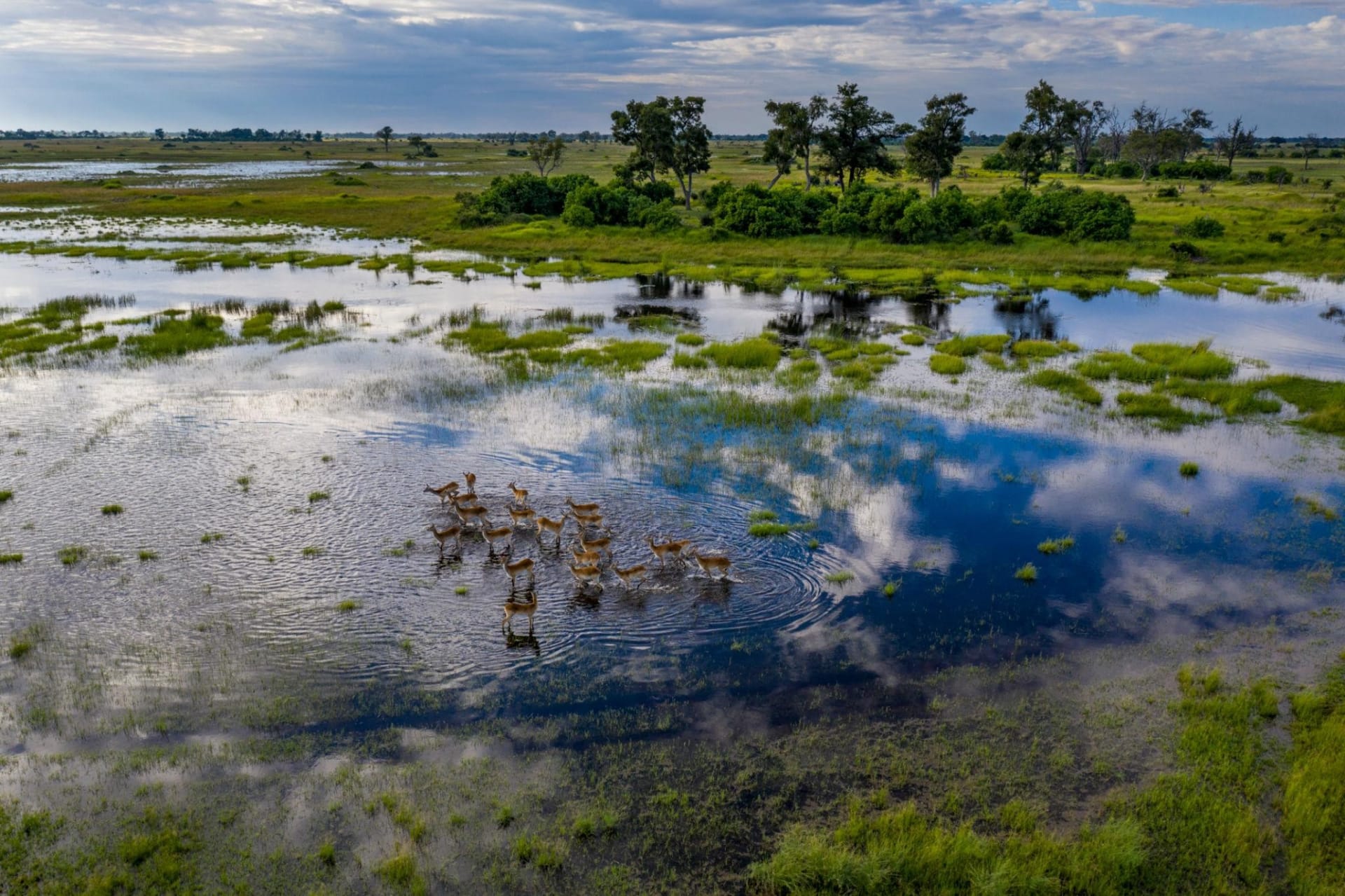
Wildlife highlights: Kafue supports the Big Five—lion, elephant, buffalo, leopard, and rhino—though rhinos remain rare. You'll encounter wild dogs, hyenas, and numerous antelope including puku, lechwe, and impala. The park's remoteness means fewer vehicles and more peaceful game drives.
Visiting Kafue: The park offers fewer established lodges than South Luangwa or Lower Zambezi, making it ideal for adventurous travelers. Access requires longer drives from main towns, but this isolation provides authentic wilderness experiences. Game drives and walking safaris are available, though organized tours are less frequent than at major parks.
Cost considerations: Kafue safaris typically cost $2,000–$3,500 per person for 7 days, making it the most budget-friendly option among Zambia's top three parks. Lower tourism infrastructure means fewer luxury options but excellent value for mid-range travelers. Remote location sometimes requires charter flights, adding $500–$1,000 to total costs.
Best time to visit: May to October offers optimal conditions. The dry season concentrates wildlife near water sources and provides clear skies. November to April brings rain and lush landscapes but reduced game visibility and muddy roads.
How Wildlife Density Affects Your Safari Experience
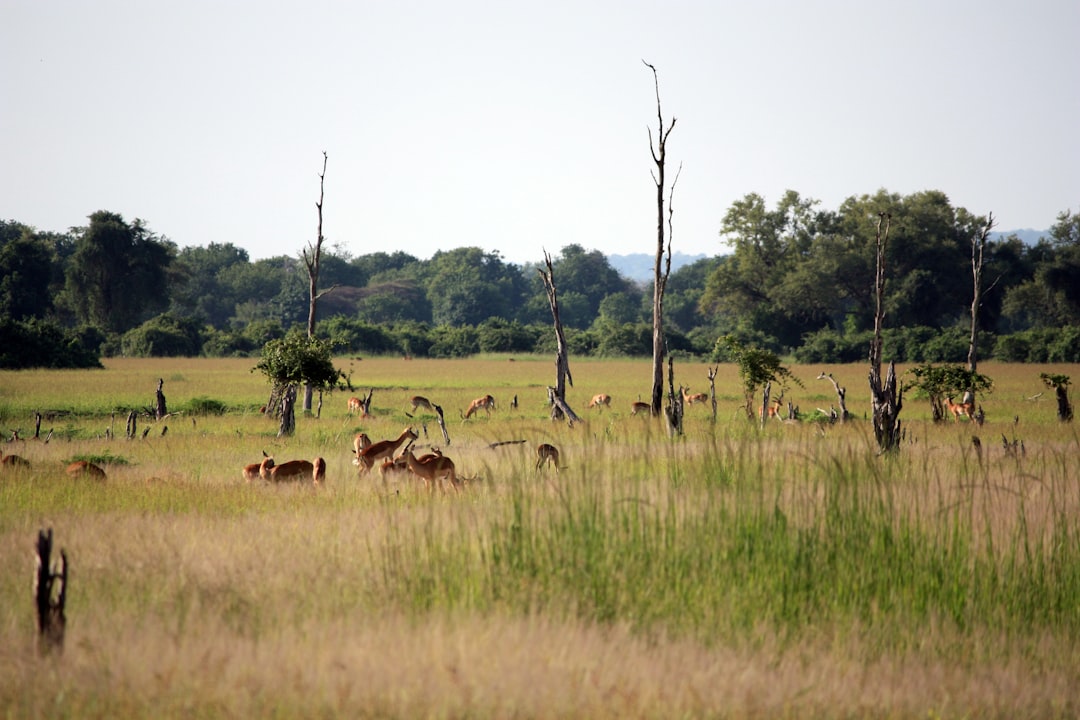
Wildlife density directly impacts your daily game viewing success, photography opportunities, and overall safari satisfaction. Parks with higher density mean more frequent animal encounters, shorter waits between sightings, and better chances of seeing multiple species daily. Understanding density helps you match park selection to your travel priorities and expectations.
High density benefits: Lower Zambezi and South Luangwa's high wildlife density increases sighting frequency during morning and afternoon game drives. You're more likely to photograph predators, witness hunting behavior, and see multiple Big Five members in single days. This density also supports walking safaris where guides locate animals using tracks and recent sightings.
Photography considerations: Photographers seeking leopard, lion, and elephant images benefit most from high-density parks. South Luangwa's 60+ leopard population offers the best big cat photography in Zambia. Lower Zambezi's river concentration creates dramatic water-hole scenes with multiple species together.
Crowd factors: Higher density parks attract more tourists, particularly during peak season. Lower Zambezi sees more visitors than Kafue, affecting the solitude factor. If avoiding crowds matters, Kafue offers lower density but fewer tourists and more peaceful experiences. Consider balancing wildlife viewing frequency against crowd preferences.
Guide expertise: Parks with high wildlife density require skilled guides who read animal behavior and predict movements. Expert guides at Lower Zambezi and South Luangwa consistently locate game before tourists even spot them. When booking, prioritize operators with experienced guides who hold professional certifications.
Best Times to Visit Zambia's Safari Parks in 2026
The dry season from May to October offers the best wildlife viewing across all Zambia safari parks. During these months, animals concentrate near reliable water sources, vegetation thins, and skies remain clear. Temperatures are mild, and rainfall is minimal, creating ideal conditions for game drives and walking safaris.
May to July (best period): These months represent peak season with optimal conditions. The Great Migration patterns create concentrated game in specific areas. Expect cooler temperatures, minimal rain, and maximum wildlife density. Book 4–6 months ahead for popular lodges during this window.
August to October (shoulder season): Game remains abundant though some migration has dispersed. Temperatures warm gradually. Tourist numbers decrease slightly, offering better lodge availability. Prices may drop 10–15% compared to June–July peaks. Walking safaris are excellent as vegetation remains sparse.
November to April (wet season): Rain transforms landscapes into lush green environments. Birdwatching is exceptional with migratory species present. Wildlife disperses across wider areas, reducing sighting frequency. Road conditions deteriorate, making travel challenging. Prices drop 20–30%, appealing to budget travelers. Malaria risk increases, requiring precautions.
Before traveling, ensure you have proper health preparations. Review vaccination requirements for Zambia if you're a Swiss traveler, or check the equivalent guide for your nationality. Malaria prevention is essential year-round in Zambia.
Planning Your Zambia Safari: Practical Steps
Planning a Zambia safari requires advance preparation including visas, vaccinations, and booking verified operators. Start your planning 3–6 months before your intended travel dates to secure preferred lodges and guides. Early booking also helps you access better prices and more package options.
Step 1: Check visa requirements. Citizens of many countries can obtain Zambian visas on arrival or apply for eVisas online. Processing typically takes 2–5 business days. Swiss citizens should review current Zambia visa procedures before booking. Ensure your passport has 6+ months validity beyond your travel dates.
Step 2: Get required vaccinations. Yellow fever vaccination is mandatory for entry if arriving from endemic countries. Malaria prophylaxis is strongly recommended for all areas. Consult your doctor 4–6 weeks before travel. Review detailed health requirements for your nationality to ensure full preparation.
Step 3: Compare verified operators. SafariFind lists verified tour operators with authentic guest reviews. Compare packages across multiple operators to find the best value. Read reviews from previous travelers to assess guide quality, lodge conditions, and service standards. Avoid operators with few reviews or consistently negative feedback.
Step 4: Choose your park and dates. Select parks based on wildlife priorities and crowd preferences. Book during May–October for peak conditions. Request multiple quotes from different operators to compare pricing, inclusions, and guide credentials. Negotiate package details like meal quality, vehicle type, and activity variety.
Step 5: Book accommodations and flights. Once you've selected an operator, confirm lodge bookings and arrange flights. International flights typically arrive in Lusaka, requiring onward connections to park towns. Budget $400–$800 for domestic flights depending on distance. Some operators arrange flights; others require independent booking.
Step 6: Prepare gear and documents. Pack binoculars, camera equipment, sun protection, and neutral-colored clothing for game drives. Bring multiple copies of your passport and visa documentation. Carry travel insurance covering medical evacuation. Consider detailed October safari planning guides if you're visiting during shoulder season.
Comparing Zambia's Top Parks: Quick Reference Table
| Park Name | Wildlife Density Ranking | Size (sq km) | 7-Day Cost | Rating | Best For |
|---|---|---|---|---|---|
| Lower Zambezi | #1 in Zambia | 4,092 | $3,000–$4,500 | 4.73/5 | Canoe safaris, river views, photography |
| South Luangwa | #2 in Zambia | 9,050 | $2,800–$4,000 | 4.6/5 | Walking safaris, leopard encounters |
| Kafue | #3 in Zambia | 22,500 | $2,000–$3,500 | 4.4/5 | Remote wilderness, budget travel |
Pricing reflects per-person costs for 7-day packages in mid-range lodges as of July 2026. Luxury options add 50–100% to base costs. Budget lodges reduce costs by 20–30%.
Key Takeaways
- Book Lower Zambezi for Africa's highest wildlife density: With a 4.73/5 rating as Africa's #2 safari destination, Lower Zambezi guarantees frequent animal sightings and excellent photography opportunities across canoe, walking, and game drive safaris.
- Choose South Luangwa for leopard encounters and walking safaris: The park's 60+ resident leopards and pioneering walking safari programs make it ideal for photographers and nature enthusiasts seeking immersive wilderness experiences.
- Select Kafue for remote wilderness on a budget: Zambia's largest park offers lower wildlife density but fewer tourists, authentic remote experiences, and costs 25–40% less than premium parks while supporting all Big Five species.
- Visit May to October for optimal conditions: The dry season concentrates wildlife near water, provides clear skies for photography, and delivers peak sighting frequency across all three parks.
- Compare verified operators on SafariFind 3–6 months ahead: Booking early through SafariFind's verified operators ensures access to premium lodges, experienced guides, and competitive pricing while avoiding overpaid packages.
Frequently Asked Questions
Which Zambia safari park has the highest wildlife density in 2026?
Lower Zambezi National Park has the highest wildlife density in Zambia and ranks #2 across all African safari destinations in 2026 with a 4.73 out of 5 rating. The park concentrates elephants, lions, buffalo, leopards, and hippos along the Zambezi River, creating exceptional daily sighting opportunities during game drives and canoe safaris.
How much does a 7-day Zambia safari cost in 2026?
A 7-day Zambia safari costs between $2,500 and $4,500 per person in 2026, depending on park selection and lodge category. Lower Zambezi averages $3,000–$4,500, South Luangwa ranges $2,800–$4,000, and Kafue offers the best budget option at $2,000–$3,500. Luxury lodges add 50–100% to these base costs, while budget accommodations reduce expenses by 20–30%.
What is the best time to visit Zambia's safari parks?
The best time to visit Zambia's safari parks is May to October during the dry season. These months concentrate wildlife near water sources, minimize rainfall, and provide clear skies for photography. June and July offer peak conditions but higher prices and more tourists. August to October provide excellent viewing with slightly reduced costs and fewer visitors.
Is South Luangwa good for leopard photography?
Yes, South Luangwa National Park is exceptional for leopard photography because the park is home to over 60 resident leopards, making it one of Africa's best big cat photography destinations. Expert guides locate these elusive cats regularly, and the park's accessibility means photographers encounter leopards more frequently than at most other African parks.
Can I do walking safaris in Zambia?
Yes, walking safaris are available in Zambia and are best experienced at South Luangwa National Park, which pioneered walking safaris in Africa. Lower Zambezi and Kafue also offer guided walking expeditions. These 2–3 hour walks led by expert guides create intimate wildlife encounters impossible from vehicles and allow you to read animal tracks and behavior firsthand.
How far in advance should I book a Zambia safari?
Book your Zambia safari 3–6 months in advance, especially for May to October peak season travel. Early booking secures preferred lodges, experienced guides, and better pricing. During off-season (November–April), 4–8 weeks advance booking is typically sufficient. SafariFind's verified operators offer real-time availability and can accommodate shorter booking windows if needed.
Where can I compare verified Zambia safari operators?
SafariFind lists verified Zambia safari operators with authentic guest reviews, allowing you to compare packages, prices, and ratings across multiple companies. Browse operators by park destination, read traveler feedback, and request quotes directly through the platform. This approach helps you avoid overpriced packages and find operators matching your budget and experience preferences.
Conclusion
Zambia's safari parks ranked by wildlife density in 2026 offer world-class wildlife experiences rivaling any African destination. Lower Zambezi National Park leads with the highest wildlife density and Africa's #2 safari rating, delivering exceptional game viewing through canoe safaris, walking expeditions, and classic game drives. South Luangwa follows with over 60 leopards and pioneering walking safari programs, while Kafue provides remote wilderness experiences at lower costs.
The dry season from May to October creates optimal conditions across all parks, concentrating wildlife near water sources and delivering clear skies for photography. Costs range from $2,000–$4,500 per person for 7-day safaris depending on park selection and accommodation level. Planning 3–6 months ahead through verified operators ensures access to premium experiences at fair prices.
Start your Zambia safari journey today by exploring verified packages and reading authentic traveler reviews on SafariFind. Compare operators across Lower Zambezi, South Luangwa, and Kafue to find the perfect park matching your wildlife priorities and budget. Request quotes from multiple operators to ensure competitive pricing, then book with confidence knowing you're working with verified professionals committed to delivering exceptional African experiences in 2026.
Plan Your Safari with SafariFind
These recommendations use real data from SafariFind, where you can compare operators, browse packages, and read verified traveler reviews before you book.
Recommended Safari Operators from SafariFind
Recommended Safari Packages from SafariFind
What Travelers Say (SafariFind Reviews)
References
- Tanzania Wildlife Corridors Assessment, Prioritization, and Action Plan – Maliasili
- South Luangwa National Park – Global Alliance of National Parks
- 10 Best African Safari Destinations for 2026 / 2027 – African Safari Home
- Top 10 Best Safari Destinations in Africa 2026 – Private Tours Cape Town
- Top 10 Best African Safari Parks & Destinations of 2026 – SafariBookings
- Best African Safari Tours in 2026 – Discover Africa
- The Best Places to Go on Safari in 2026 – Go2Africa
- Zambia Safari Lodges 2026: Luxury vs Budget – SafariFind
 Ask Tembo about this guide
Sources
- Tanzania Wildlife Corridors Assessment, Prioritization, and Action Plan(official)
- South Luangwa National Park – Global Alliance of National Parks
- 10 Best African Safari Destinations for 2026 / 2027 – African Safari Home
- Top 10 Best Safari Destinations in Africa 2026 – Private Tours Cape Town
- Top 10 Best African Safari Parks & Destinations of 2026 – SafariBookings
- Best African Safari Tours in 2026 – Discover Africa
- The Best Places to Go on Safari in 2026 – Go2Africa
- Zambia Safari Lodges 2026: Luxury vs Budget – SafariFind
Related to
Ready to start your safari adventure?
Explore curated safari packages and find your perfect African adventure with verified operators.