 1 / 3
1 / 3🇺🇬 Uganda
Ajai Wildlife Reserve
Size
148 km²
Elevation
850 m
Ideal stay
3 days
Established
Loading SafariFind...
1 / 3Size
148 km²
Elevation
850 m
Ideal stay
3 days
Established
1965
Nearest airport
Arua Airport (RUA), the nearest practical air gateway; the reserve-to-airport road distance is not verified in the supplied sources
Nearest town: Arua, about 32 km west-southwest of the reserve; Arua is the closest major town and a practical northern Uganda service centre
No verified Ajai-specific entry fee or standard daily safari rate appears in the supplied sources. Total cost depends on Uganda Wildlife Authority fees, vehicle and guide services, accommodation, transport from Arua or Moyo, and the season, so request a current quote before booking.
The best time to visit Ajai Wildlife Reserve is December to February and June to August, when drier conditions usually improve road access and game viewing. Wet months from March to May and September to November can provide fuller wetlands and productive birding, but tracks may be muddy.
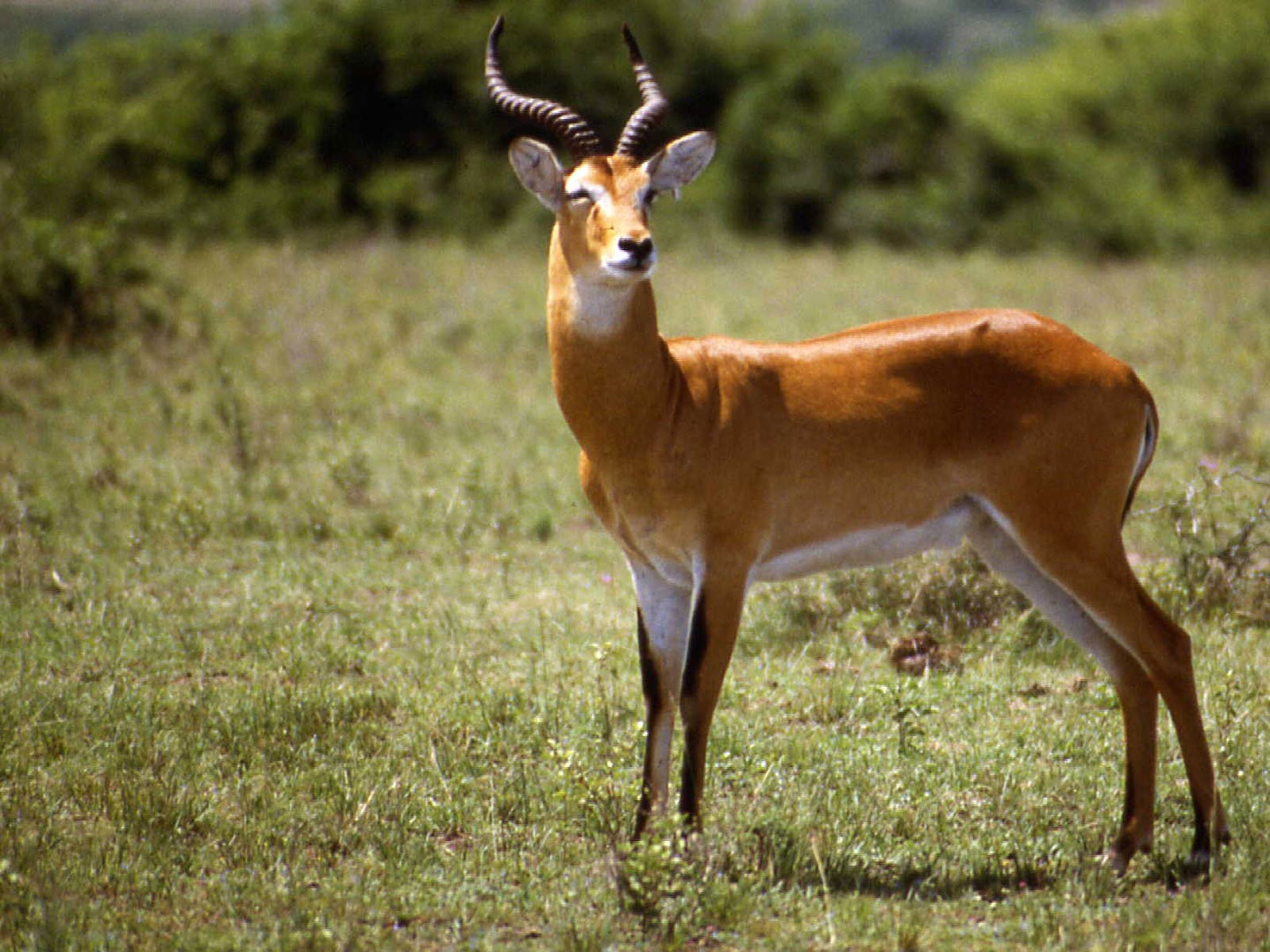
Ajai Wildlife Reserve supports Uganda kob, sitatunga, hippopotamus, leopard, warthog, waterbuck, black-and-white colobus, olive baboon and vervet monkey. The reserve is not a Big Five destination, and no current source confirms a resident rhinoceros population or a regular large-mammal migration.
Ajai Wildlife Reserve is reached by road from Arua or Moyo on the Albert Nile side of northern Uganda. Arua is about 32 km from the reserve, while travelers arriving by air can use Arua Airport and arrange a road transfer. Exact transfer times depend on the chosen access route and seasonal road conditions.
Ajai can suit families who enjoy quiet nature, birding and guided wildlife viewing, but child age rules and accommodation facilities should be confirmed with the operator. Children must remain inside the vehicle or beside a guide during wildlife activities, especially near hippos and other large animals.
Three days provides time for arrival, two guided wildlife outings and birding along the wetlands or Albert Nile. A shorter visit can cover a single game drive, while longer itineraries work best when Ajai is combined with Arua, Murchison Falls or community experiences.
The supplied sources do not confirm a developed lodge inside Ajai Wildlife Reserve. Travelers commonly need to verify simple local accommodation, guesthouses or community stays around Arua and Moyo with their operator before departure.
Ajai Wildlife Reserve is worth visiting for travelers seeking a less-visited northern Uganda reserve with Albert Nile scenery, papyrus wetlands and species such as sitatunga, Uganda kob, hippo and leopard. It is less suitable for travelers whose main goal is guaranteed Big Five viewing or a large wildlife migration.
A guide is strongly recommended because local knowledge improves wildlife tracking, bird identification, route choice and safety. Self-drive access may be possible only after confirming current Uganda Wildlife Authority procedures, road conditions and whether a ranger or guide is required.
You can compare safari packages, read verified traveler reviews, and book through trusted operators on SafariFind.com. This lets you compare prices and find the best itinerary for your budget and interests.
© 2026 SafariFind. All rights reserved.
