 1 / 3
1 / 3🇧🇼 Botswana
Chief's Island
Size
1,050 km²
Elevation
950 m
Ideal stay
4 days
Established
Loading SafariFind...
1 / 3Size
1,050 km²
Elevation
950 m
Ideal stay
4 days
Established
SafariFind app
Keep up with your inquiries and bookings, and message operators wherever you are.

1970
Nearest airport
Maun International Airport (MUN), 145 km southwest; chartered bush flights to private airstrips on or near Chief's Island take 45 minutes from Maun
Nearest town: Maun, 145 km to the southwest, serves as the main gateway for Delta access with vehicle hire, supplies, and connecting flights from Johannesburg and Gaborone
 7 days
 Wild Spirit Travel
 5 daysWild Spirit Travel
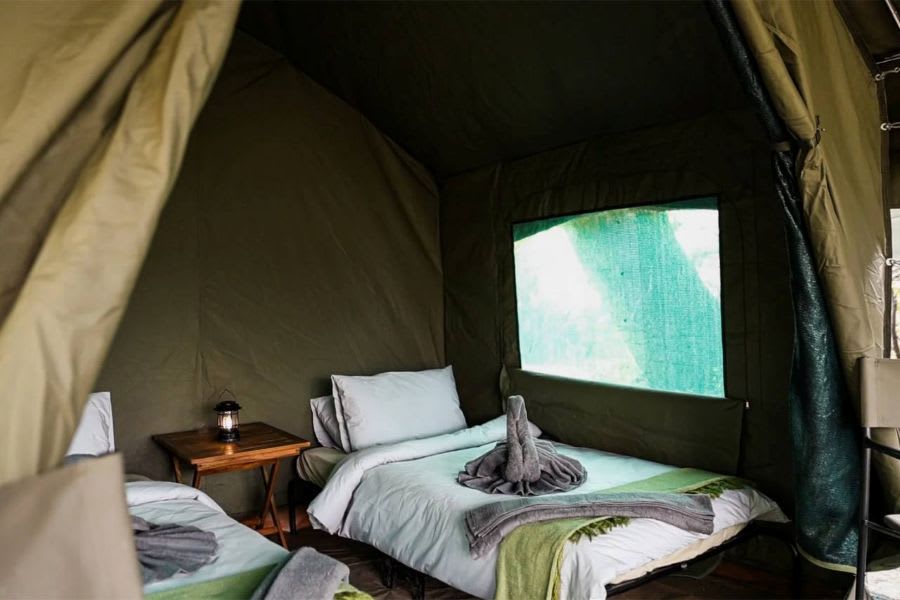 4 daysWild Spirit Travel
Chief's Island safaris range from $800-$2,500+ per person per day depending on lodge category and season. Luxury camps like Chief's Camp and Mombo charge premium rates (often $2,000+ per person per day), while mid-range options are $800-$1,200 per day. These daily rates typically include accommodation, all meals, twice-daily game drives, and guide services. Park entry is included in lodge pricing. Additional costs include international flights to Botswana ($800-$1,500), domestic flights to Maun ($200-$400), and charter flights to Chief's Island ($300-$600 per person round-trip). A 4-day safari package costs approximately $4,000-$10,000 per person including flights and transfers.
The best time is the dry season from June to September, when animals concentrate around permanent water sources and vegetation is sparse for optimal game viewing. June to August offer the coolest temperatures (15-20°C mornings) and lowest rainfall. September remains excellent for wildlife but sees increasing heat. The wet season (November to April) is underrated—November-December brings newborn antelope herds attracting predators, lush green landscapes, and dramatic storm photography. February to March offers reduced crowds, though some roads become muddy. October is the hottest month (temperatures exceed 35°C) and marks the transition with unpredictable weather. May is excellent shoulder season with decreasing tourists and water levels rising. Plan around your interests: dry season for reliable Big Five sightings, wet season for landscape and predator action.
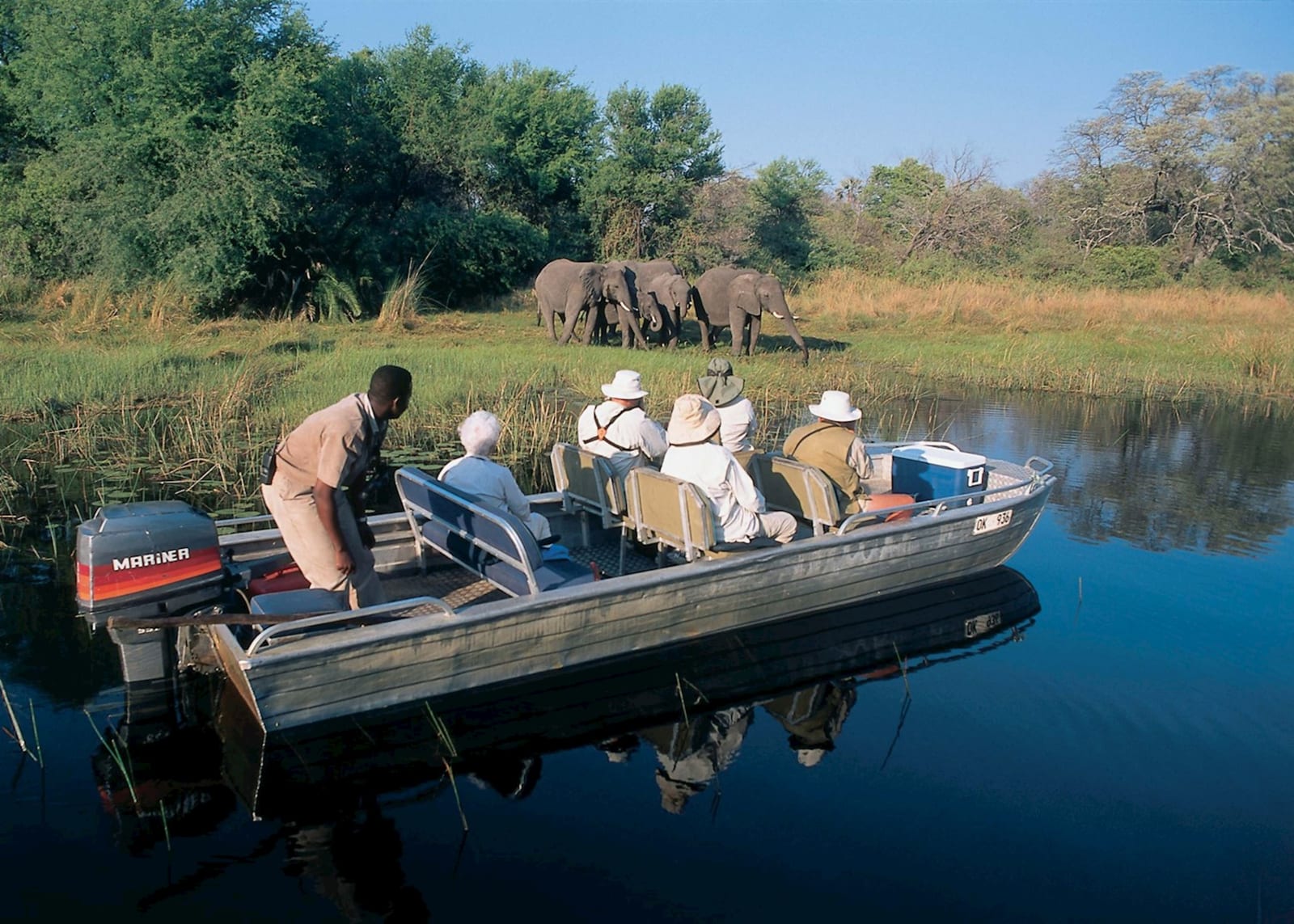
Chief's Island is home to all five members of the Big Five: lion (multiple resident prides with excellent sighting probability), leopard (high densities, some habituated), African elephant (large breeding herds), African buffalo (massive gatherings near water), and black and white rhinoceros (Botswana's only naturally occurring rhino population). Additionally, expect regular sightings of spotted hyena, African wild dog, cheetah, giraffe, zebra, wildebeest, red lechwe, hippopotamus, and Nile crocodiles. Over 500 bird species have been recorded, including African fish eagles, saddle-billed storks, malachite kingfishers, and slaty egrets. The island supports one of the most complete mammal assemblages in the Delta due to its combination of permanent water and seasonal floodplain habitat.
Access is exclusively by air—no road access exists. International travelers fly to Johannesburg or Gaborone, then connect to Maun International Airport (MUN), located 145 km southwest of Chief's Island. From Maun, chartered bush planes transport visitors to private airstrips on or near Chief's Island in 45 minutes. Most lodges arrange charter flights as part of package bookings. The total journey from Johannesburg to Chief's Island takes approximately 10-12 hours including connections. Alternative entry routes exist through Livingstone, Zimbabwe or Kasane via Chobe National Park, but Maun is the standard gateway. Book flights through your lodge or safari operator in advance, as charter availability is limited and prices vary seasonally.
Chief's Island welcomes families, though age restrictions apply. Chief's Camp and other lodges typically permit children ages 6 and older on game drives and mokoro safaris. Some camps offer children's programs or flexible scheduling to accommodate shorter attention spans. Walking safaris are usually restricted to ages 12+ due to safety considerations in predator-rich areas. Family suites and connecting rooms are available at major lodges. The twice-daily schedule (early morning and late afternoon drives) fits family routines, and lodges provide substantial breaks mid-day for rest and meals. However, the remoteness and limited medical facilities mean families should consult doctors before traveling with very young children. Malaria prophylaxis is essential for all family members. Discuss age-specific activities and accommodations directly with lodges when booking.
A minimum of 3-4 days is recommended to experience Chief's Island meaningfully. A 3-day stay includes two full days of game drives plus arrival and departure days, allowing time for one morning and one evening drive to encounter varied wildlife. Four days is ideal, providing two complete 24-hour cycles to observe different animal behavior patterns and account for variable sighting luck. Six days or longer allows for specialized activities like photography-focused drives, extended mokoro safaris during flood season, and relaxation time between excursions. Travelers combining Chief's Island with other Delta areas (Khwai, Xakanaxa) or nearby destinations (Chobe National Park, Victoria Falls) often allocate 7-10 days total, with 4-5 days on Chief's Island. Shorter 2-day trips are possible but provide limited wildlife observation and feel rushed given travel logistics.
Only two lodges operate on Chief's Island itself: Chief's Camp (luxury, A&K Sanctuary brand, $1,800-$2,500+ per person per day) and Mombo Camp (ultra-luxury, Wilderness Destinations, $2,000-$3,000+ per person per day), both offering private concession access with exclusive game drive rights. Chief's Camp features contemporary rustic design with bush pavilions, private pools, and mokoro safaris; Mombo specializes in high-density predator viewing with habituated leopards and frequent lion encounters. Both camps are open year-round and cater to international travelers. Budget alternatives are unavailable on Chief's Island itself, though mid-range lodges operate in adjacent Moremi areas (Xakanaxa, Third Bridge) at $800-$1,200 per day with less exclusive access. All accommodations include meals, drinks, game drives, and guide services. Book through tour operators or directly with lodge websites; compare packages on SafariFind.com to find the best value for your budget.
Chief's Island is worth visiting if wildlife viewing and predator sightings are your priority. The island offers the highest wildlife concentrations in Botswana and arguably Africa, with exceptional Big Five sightings, habituated leopards providing close observation opportunities, and diverse ecosystems supporting over 500 bird species. Unlike public parks with vehicle-congestion issues, Chief's Island's private concession system ensures exclusive, intimate safari experiences with no competing vehicles. The combination of seasonal floodplain dynamics, permanent water sources, and predator density makes wildlife viewing reliable year-round. However, costs are substantial ($2,000+ per day), making it a premium destination. Chief's Island suits serious wildlife photographers, predator enthusiasts, and luxury safari seekers but may disappoint budget travelers or those seeking cultural experiences. For comparison, public areas like Chobe offer similar wildlife at lower costs but with more vehicles and less exclusivity. Choose Chief's Island for uncompromising wildlife immersion; choose public parks for budget-conscious exploration.
Guides are mandatory at Chief's Island—all safaris are conducted with professional, licensed guides employed by lodges. Self-driving is prohibited within Moremi Game Reserve, and the private concession system requires lodge-arranged transportation. Guides are essential for safety (predator-rich environment), wildlife identification, animal behavior interpretation, and knowledge of seasonal patterns. Most guides are highly trained, speak multiple languages, and possess extensive wildlife expertise. The guide-led system ensures compliance with conservation regulations and maximizes sighting opportunities through radio communication between vehicles and knowledge of animal movement patterns. You cannot negotiate guide quality or fees—they are included in lodge pricing. Some lodges offer specialized guides for photography, birding, or cultural interests at no additional cost. The mandatory guide system is a strength, not a limitation, as it enhances safety and wildlife viewing quality compared to self-drive options in similar ecosystems.
You can compare safari packages, read verified traveler reviews, and book through trusted operators on SafariFind.com. This platform connects you with verified safari operators offering Chief's Island itineraries, allowing you to compare prices, lodge options, and package inclusions side-by-side. SafariFind simplifies the booking process by vetting operators and providing transparent pricing, so you can confidently select the best itinerary for your budget and interests. Alternatively, contact Chief's Camp or Mombo Camp directly through their websites, or work with international tour operators specializing in Botswana safaris (Audley Travel, Expert Africa, Wilderness Destinations). Booking 2-3 months in advance is recommended for peak season (June-September); off-season (November-April) allows shorter lead times. Confirm visa requirements for Botswana and arrange malaria prophylaxis through your doctor before finalizing travel dates.
More places in Botswana
© 2026 SafariFind. All rights reserved.
 Ask about this