 1 / 5
1 / 5🇿🇼 ZimbabweUNESCO site
Khami Ruins
Ideal stay
1 day
Nearest airport
Joshua Mqabuko Nkomo International Airport (BUQ), near Bulawayo; approximately 25 km by road from Khami Ruins
Loading SafariFind...
1 / 5Ideal stay
1 day
Nearest airport
Joshua Mqabuko Nkomo International Airport (BUQ), near Bulawayo; approximately 25 km by road from Khami Ruins
Nearest town: Bulawayo, approximately 10-22 km east of Khami Ruins; the main base for visiting the monument
A published travel guide lists daily costs of about €9-€15, but Khami entrance fees can change and should be confirmed with the National Museums and Monuments of Zimbabwe. A typical day-trip budget also includes transport, a guide, food, and drinks; safari packages may include the excursion in a wider itinerary rather than pricing it separately.
May to October is the best time to visit Khami Ruins because conditions are drier and more comfortable for walking the terraces. December to March brings hotter, more humid weather and short afternoon rain showers, while weekdays usually provide quieter conditions than weekends.
Khami Ruins is an archaeological monument, not a wildlife park, and the supplied sources do not document a resident species list or Big Five viewing. Travelers may see common birds and small animals around the woodland and riverine setting, but visitors should choose nearby Zimbabwe national parks for dedicated wildlife viewing.
Khami Ruins lies about 10 km west of Bulawayo according to heritage information, while visitor guides place it roughly 22 km from the city centre. Most visitors drive from Bulawayo in about 30-45 minutes; Joshua Mqabuko Nkomo International Airport (BUQ) is the nearest airport, and organised day tours are the simplest option for travelers without a vehicle.
Khami Ruins can suit families who enjoy history and outdoor walking, with a car park, picnic area, and maintained paths. Some slopes are uneven, there is no cafeteria, and children should stay with adults around walls and archaeological features because the site is not designed as a playground.
One day is enough for Khami Ruins, including the main terraces, the mambo foundations, photographs, and a picnic. Travelers with a stronger interest in Zimbabwean archaeology can combine the visit with Bulawayo’s Natural History Museum and other regional heritage sites.
Bulawayo is the practical place to stay because Khami Ruins is a short road trip west of the city and the town provides hotels, guesthouses, restaurants, and transport services. There are no documented lodges or accommodation facilities inside the monument itself, so confirm current Bulawayo availability before travel.
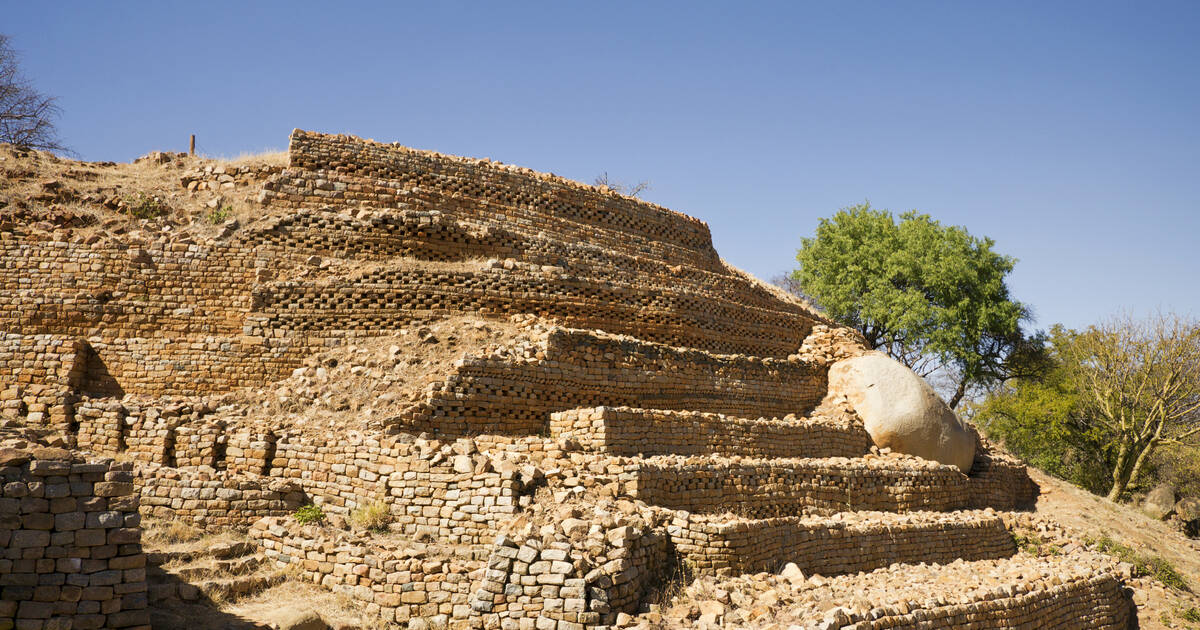
Khami Ruins is worth visiting for its Torwa-era terraces, decorative dry-stone friezes, and evidence of trade with China, Europe, and the East African coast. It is quieter and less extensively preserved than Great Zimbabwe, but its lower visitor profile makes it a useful addition to a Bulawayo heritage itinerary.
A guide is not always required for entry, but guided interpretation helps explain the Torwa dynasty, stone-building methods, settlement layout, and imported artefacts. Independent visitors can walk the maintained paths, while travelers without transport or historical background should consider a guided Bulawayo day trip.
You can compare safari packages, read verified traveler reviews, and book through trusted operators on SafariFind.com. This lets you compare prices and find the best itinerary for your budget and interests, including a Khami Ruins cultural excursion alongside Zimbabwe wildlife areas.
More places in Zimbabwe
© 2026 SafariFind. All rights reserved.
