 1 / 2
1 / 2🇲🇼 Malawi
Mwabvi Wildlife Reserve
Size
135 km²
Entry fee
$10
Ideal stay
3 days
Loading SafariFind...
1 / 2Size
135 km²
Entry fee
$10
Ideal stay
3 days
SafariFind app
Keep up with your inquiries and bookings, and message operators wherever you are.

Established
1953
Nearest town: Nsanje, Malawi — district town and administrative gateway for the reserve; exact road distance should be confirmed before travel
Published entrance fees are US$10 for international visitors, US$7 for international residents and US$1 for Malawian citizens; children under 12 accompanied by an adult are listed as free. Private vehicle fees range from US$3 to US$15, while the total Mwabvi Wildlife Reserve safari cost depends on transport, guiding, meals and accommodation, so request an operator quote.
The best time to visit Mwabvi Wildlife Reserve is June through August, when cooler, drier weather improves game drives and guided walks. The reserve has no documented major migration season, and visitor numbers are generally low, including outside the June-to-August peak.
Visitors may see Cape buffalo, greater kudu, sable, impala, nyala, leopard and spotted hyena. Lions from neighbouring Mozambique are reported visitors, and African wild dog sightings are rare; Mwabvi should not be booked as Malawi's most reliable Big Five destination.
Mwabvi Wildlife Reserve is reached by road through Malawi's Lower Shire Valley, with Nsanje serving as the nearest district gateway. The reserve is remote, and poor roads mean a 4x4 is recommended; travelers should arrange a guided transfer and confirm current conditions rather than rely on an ordinary rental car.
Mwabvi can suit families with older children who are comfortable with long road transfers, basic facilities and guided outdoor activities. Families should confirm minimum ages for walking safaris, follow ranger safety rules and consider a more developed nearby reserve if young children need short drives and extensive lodge services.
Three days gives travelers time for several game drives, a ranger-led walk and a hike to the sandstone viewpoints. A two-day visit can cover the main activities, while longer stays make sense for photographers and travelers combining Mwabvi with Lengwe or Majete.
Mwabvi Camp, about 10 kilometres from the entrance gate on the north bank of the Mwabvi River, has basic rondavels and camping facilities. Campers may need to bring bedding and all food supplies, while water and firewood are reported as available; confirm current operations before arrival.
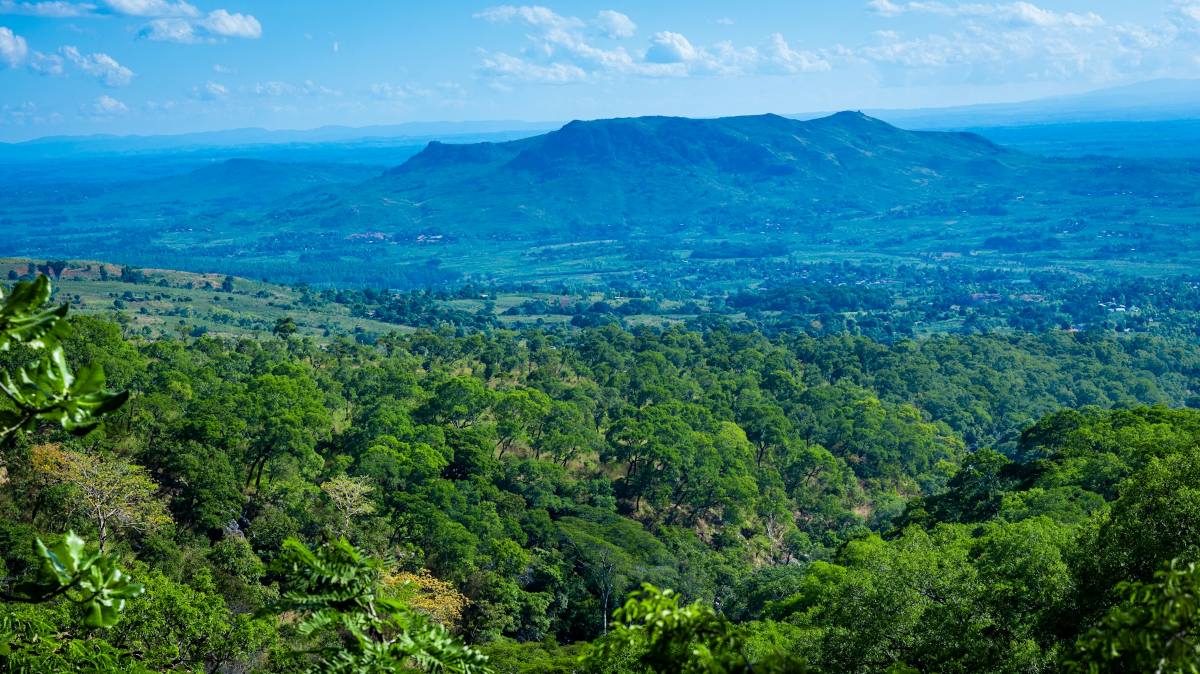
Mwabvi is worth visiting for travelers who value remote wilderness, low visitor numbers, sandstone scenery and guided walking more than guaranteed predator or elephant sightings. Its 135 km² landscape supports buffalo, several antelope species, leopard, hyena and occasional lions, but access is harder and facilities are more basic than at Malawi's flagship reserves.
A guide or game ranger is strongly recommended for Mwabvi's game drives, walks and hikes because the reserve is remote and roads can be difficult. Self-driving may be possible with an appropriate 4x4, but visitors should confirm permission, current routes and safety conditions with the reserve before arrival.
You can compare safari packages, read verified traveler reviews, and book through trusted operators on SafariFind.com. This lets you compare prices and find the best itinerary for your budget and interests.
© 2026 SafariFind. All rights reserved.