 1 / 4
1 / 4🇸🇿 Eswatini
Usuthu Forest
Size
4,500 km²
Elevation
800 m
Entry fee
Loading SafariFind...
1 / 4Size
4,500 km²
Elevation
800 m
Entry fee
SafariFind app
Keep up with your inquiries and bookings, and message operators wherever you are.

$45
Ideal stay
3 days
Established
1964
Nearest airport
King Mswati III International Airport (MTS), 45 km southwest in Mbabane; also accessible via South Africa's OR Tambo International Airport (JNB), 600 km away for regional connections
Nearest town: Mbabane, 35 km west — capital city with accommodation, supplies, and banking; Lobamba, 15 km north — royal residence and cultural center
Entry fees to Mlilwane Wildlife Sanctuary (which encompasses Usuthu Forest areas) cost approximately $45 USD per vehicle or $15-20 USD per person. Daily safari packages including accommodation, meals, and guided activities range from $120-300 USD per person depending on lodge category. Specific activities like horseback riding (Chubeka Trails) cost $30-80 USD for hourly to multi-day experiences, while white-water rafting on the Usuthu River runs $40-60 USD per person. Exact pricing varies by operator and season.
May to September (dry season) offers the best wildlife viewing with temperatures of 15-25°C, clear skies, and concentrated wildlife around water sources. November to March (green/wet season) brings lush vegetation, excellent bird watching, and fewer tourists, though afternoon rains are common and some roads may be challenging. Peak tourism occurs June to August; for fewer crowds and pleasant weather, visit April, May, September, or October.
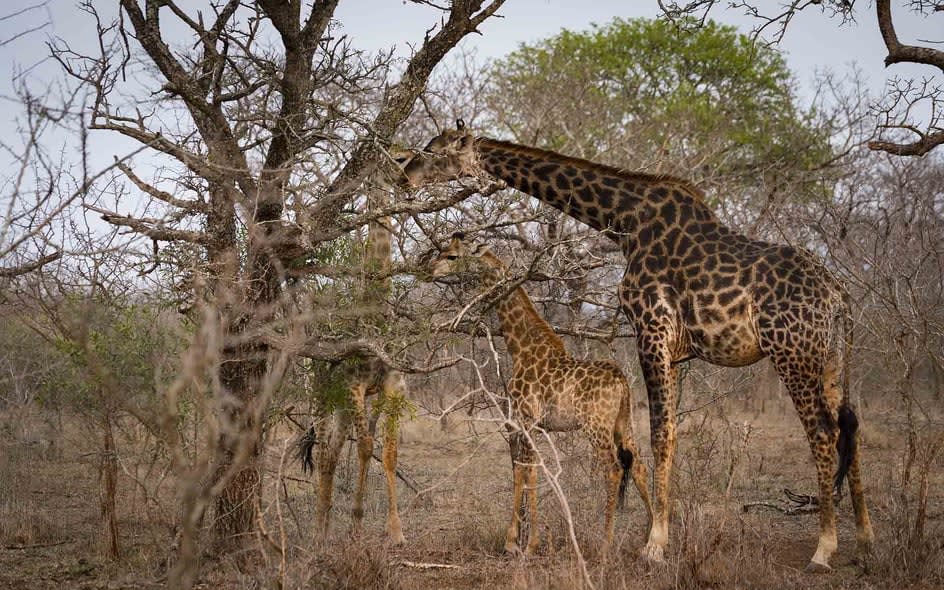
Usuthu Forest and its surrounding reserves support zebra, giraffe, impala, warthog, eland, and roan antelope in woodland and grassland areas. The ecosystem is part of Eswatini's Big Game Parks network, which collectively holds the Big Five (lion, leopard, elephant, rhino, buffalo), though individual reserves specialize: Hlane has the highest white rhino concentration in southern Africa, while Mkhaya is the best location for endangered black rhinos. Over 500 bird species inhabit the forest's diverse habitats, including African fish eagles along riverine corridors.
Fly into King Mswati III International Airport (MTS) in Mbabane, 45 km away, or OR Tambo International Airport (JNB) in Johannesburg, 600 km away. From Mbabane, it's a 35-45 minute drive to Mlilwane Wildlife Sanctuary. Self-drive is possible via well-maintained roads from South Africa (2-3 hours from Johannesburg), or arrange transfers through your lodge. Charter flights to private airstrips are available for premium packages.
Yes, Usuthu Forest is excellent for families. Mlilwane Wildlife Sanctuary has no dangerous large animals, making guided walks, horseback riding, and mountain biking safe for children of all ages. Chubeka Trails horseback rides accommodate beginners and younger riders (weight restrictions apply). White-water rafting on the Usuthu River is suitable for children aged 8+. Family-friendly lodges offer comfortable accommodation and child-appropriate meals. Always confirm specific age requirements with your operator before booking.
A complete Usuthu Forest experience requires 2-3 days for guided walks, wildlife spotting, and river activities. However, Eswatini's Big Game Parks network (Hlane, Mlilwane, and Mkhaya) can be fully explored in 4-5 days, with Usuthu Forest activities typically spanning 2-3 of those days. For a focused Mlilwane experience with hiking, biking, and rafting, 2 days is sufficient; add 1-2 days for nearby Malolotja Nature Reserve's hiking trails.
Mlilwane Wildlife Sanctuary offers several accommodation options: the Rest Camp provides basic chalets and camping in a mature forest setting; Chubeka Trails offers overnight camping experiences for horseback riders; luxury lodges in the nearby Ezulwini Valley (such as Silverstone Lodge) provide upscale amenities with spa facilities. Budget options start around $40-60 USD per night; mid-range lodges $80-150 USD; premium properties $200+ USD. All lodges provide access to Usuthu Forest activities and wildlife areas.
Yes, Usuthu Forest is worth visiting for its unique combination of diverse activities, accessible wildlife viewing, and conservation success story. Unlike South Africa's Kruger Park, Eswatini offers a less-crowded alternative with the same Big Five potential, plus distinctive experiences like horseback riding and white-water rafting in forest settings. The ecosystem represents a remarkable 50-year reforestation effort, transforming farmland into thriving woodland. It's ideal for travelers seeking adventure (rafting, hiking, biking) alongside wildlife viewing, and it's easily combined with South Africa itineraries.
Guides are not required in Mlilwane Wildlife Sanctuary for self-guided activities like cycling, hiking, and horseback riding, as the area is free from dangerous game. However, guided walks with expert Swazi rangers are highly recommended for wildlife spotting, bird identification, and cultural insights — they significantly enhance your experience. For game drives in Hlane Royal National Park and Mkhaya Game Reserve (adjacent to Usuthu Forest), guided tours with experienced rangers are essential for safety and wildlife viewing success.
You can compare safari packages, read verified traveler reviews, and book through trusted operators on SafariFind.com, which allows you to compare prices, itineraries, and lodge options from multiple verified safari companies. This lets you find the best experience for your budget and interests. Alternatively, contact Big Game Parks directly or work with regional tour operators specializing in Eswatini safaris. Book 2-3 months in advance during peak season (June-August) for the best availability.
© 2026 SafariFind. All rights reserved.