 1 / 4
1 / 4🇿🇼 Zimbabwe
Hwange National Park
Superficie
14 763 km²
Altitude
1 000 m
Droit d'entrée
Chargement de SafariFind...
1 / 4Superficie
14 763 km²
Altitude
1 000 m
Droit d'entrée
Application SafariFind
Suivez vos demandes et vos réservations, et écrivez aux opérateurs où que vous soyez.

$82
Durée idéale
3 jours
Créé en
1928
Aéroport le plus proche
Victoria Falls International Airport (VFA), approximately 200 km north; alternatively Bulawayo Airport (BUQ), approximately 300 km south. Many operators arrange charter flights to airstrips within or adjacent to the park.
Ville la plus proche : Victoria Falls town, 200 km north — the major gateway for accessing Hwange, offering accommodations, restaurants, and the iconic Victoria Falls attraction. Livingstone, Zambia (across the border) is also accessible for combined itineraries.
 13 jours
 Africa Beast Safaris
 5 joursAfrica Beast Safaris
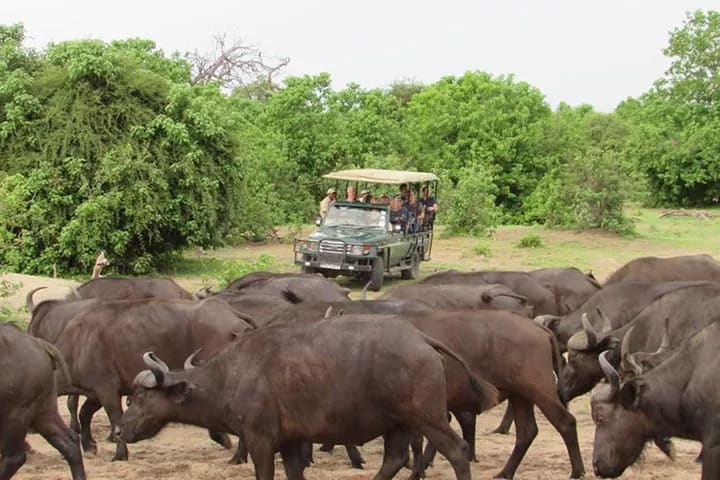 4 joursAfrica Beast Safaris
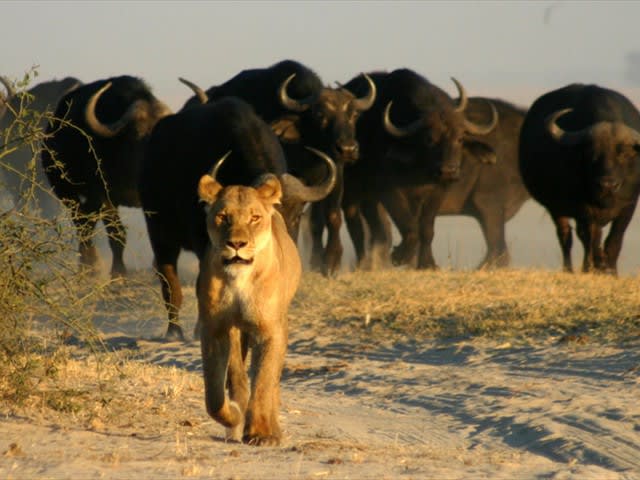 3 joursAfrica Beast Safaris
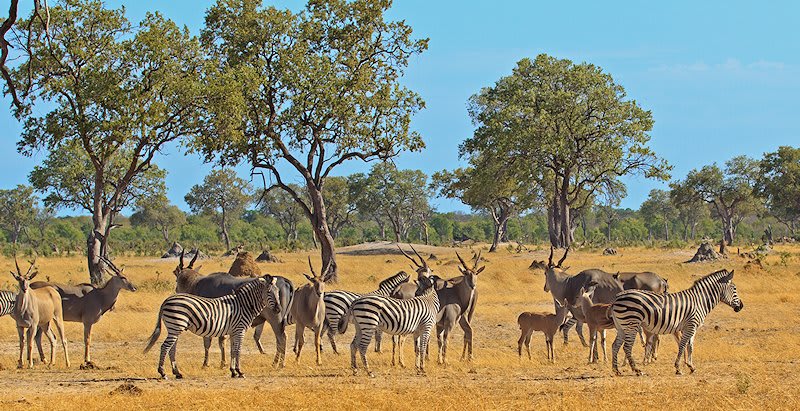 15 joursAfrica Beast Safaris
 7 joursAfrica Beast Safaris
 10 jours
 Expert Safari Services LTD
 6 joursAfrica Beast Safaris
Les droits d'entrée du parc s'élèvent à environ $82 USD par personne. Le coût quotidien d'un safari varie de $150–$400+ par personne selon le type d'hébergement et l'opérateur. Les camps économiques commencent autour de $150–$250/jour, tandis que les lodges de catégorie intermédiaire coûtent $250–$400/jour. Les forfaits tout compris des grands voyagistes coûtent généralement $200–$350 par personne et par jour, hébergement, repas et safaris guidés compris. Les tarifs varient selon la saison, ceux de la haute saison sèche étant plus élevés que ceux de la saison des pluies. Comparez les opérateurs vérifiés sur SafariFind.com pour trouver la meilleure offre adaptée à votre budget.
La saison sèche, de May à October, est la meilleure période pour visiter Hwange National Park. Durant ces mois, les animaux se rassemblent autour des points d'eau permanents, la visibilité est excellente et les pistes sont entièrement praticables. Les meilleures observations ont lieu de June à September, lorsque l'eau se raréfie et que les animaux se concentrent autour des dernières sources disponibles. October peut être très chaud, mais offre encore d'excellentes observations. La saison des pluies (November–April) se caractérise par une végétation luxuriante, l'arrivée des oiseaux migrateurs et des prix plus bas, mais certaines routes deviennent impraticables et la faune se disperse, rendant les observations moins prévisibles.
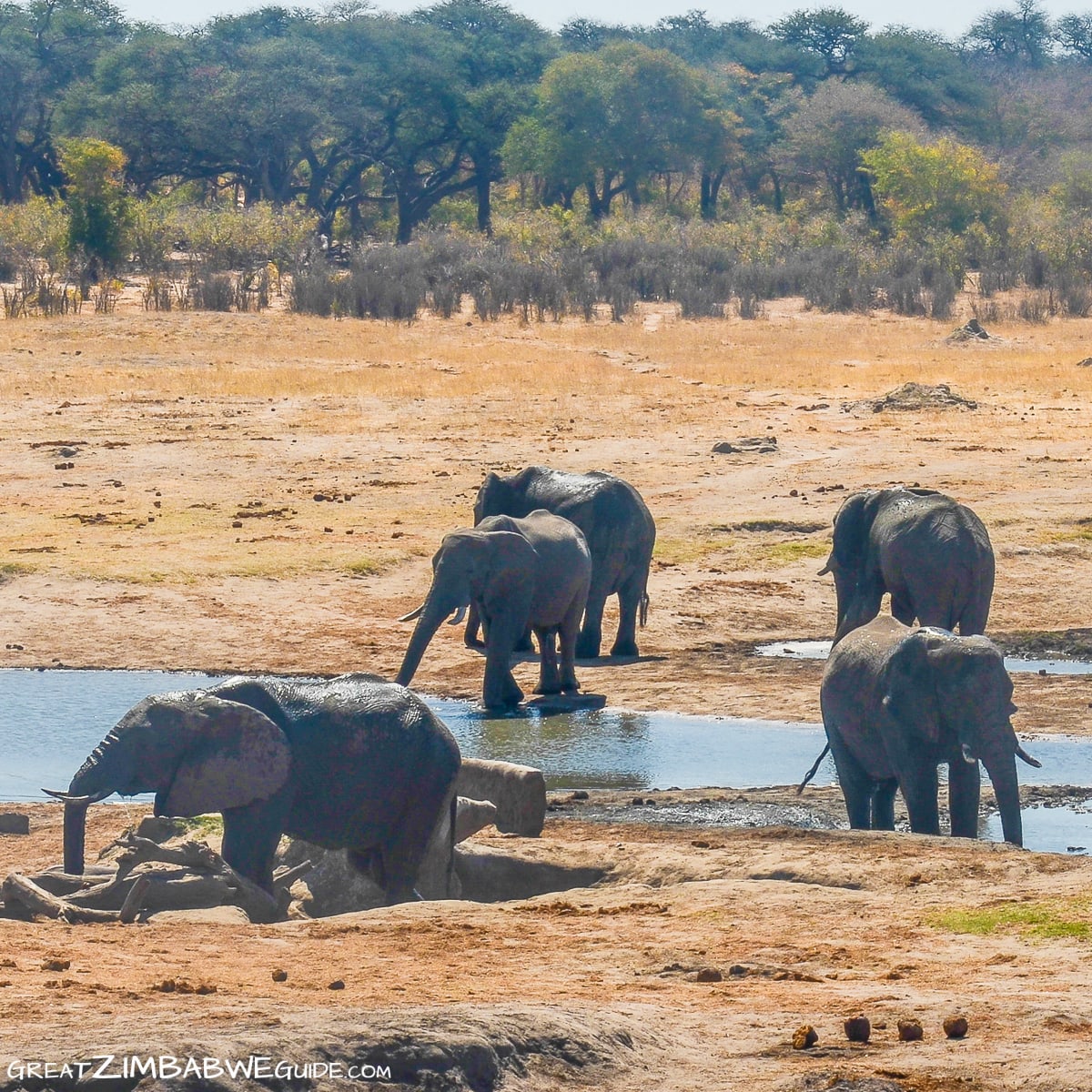
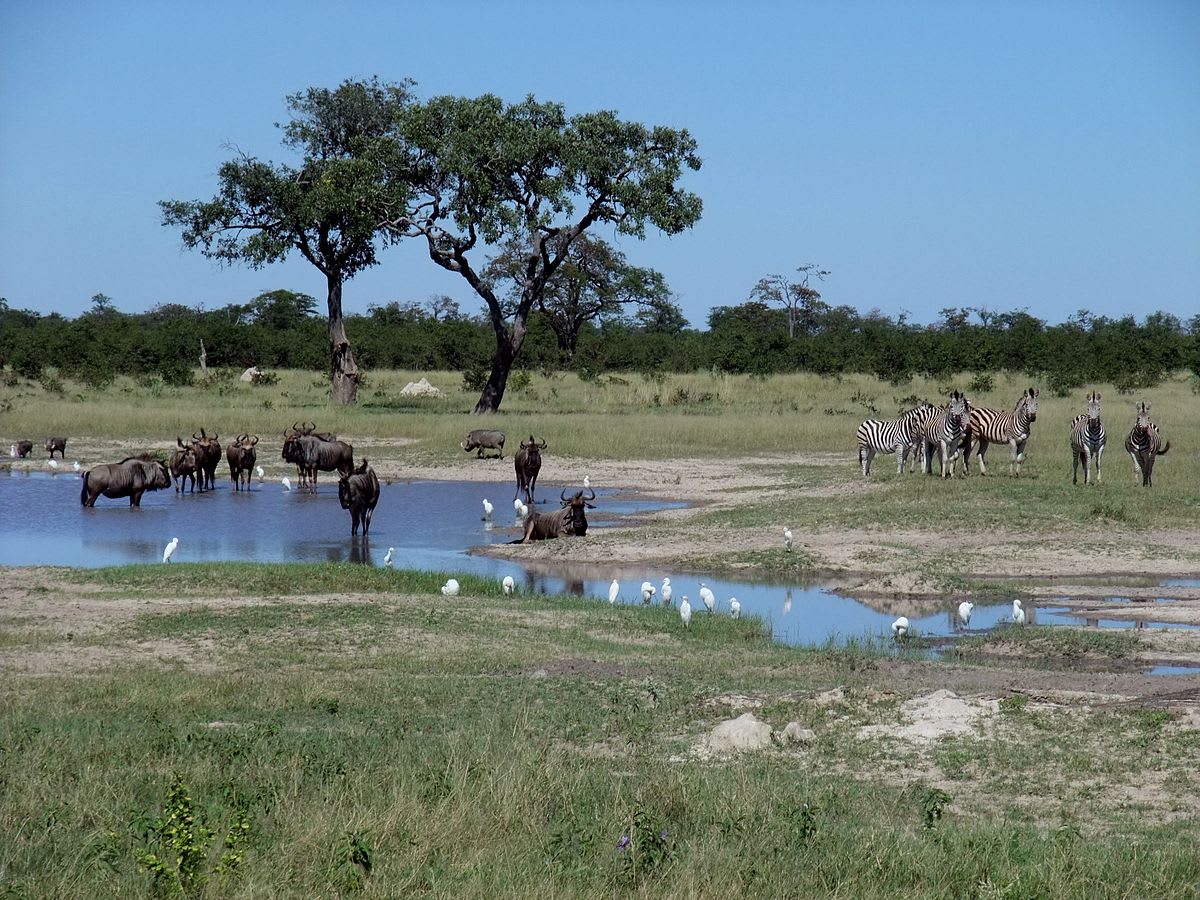
Hwange abrite tous les animaux des Big Five — lion, léopard, buffle, éléphant et rhinocéros (même si les rhinocéros sont très rares). Le parc est célèbre pour son immense population d'éléphants de 44,000–50,000 individus, la plus importante d'Afrique. Vous pourrez également observer des lycaons (espèce en danger critique d'extinction, fréquemment observée en meutes), des guépards, des girafes, des zèbres, des hippopotames, des grands koudous, des hippotragues rouans et noirs, ainsi que de nombreux petits mammifères. Plus de 400 espèces d'oiseaux vivent dans le parc, en particulier pendant la saison des pluies. La faune est la plus active et la plus facile à observer pendant la saison sèche (May–October), lorsque les animaux se rassemblent autour des points d'eau.
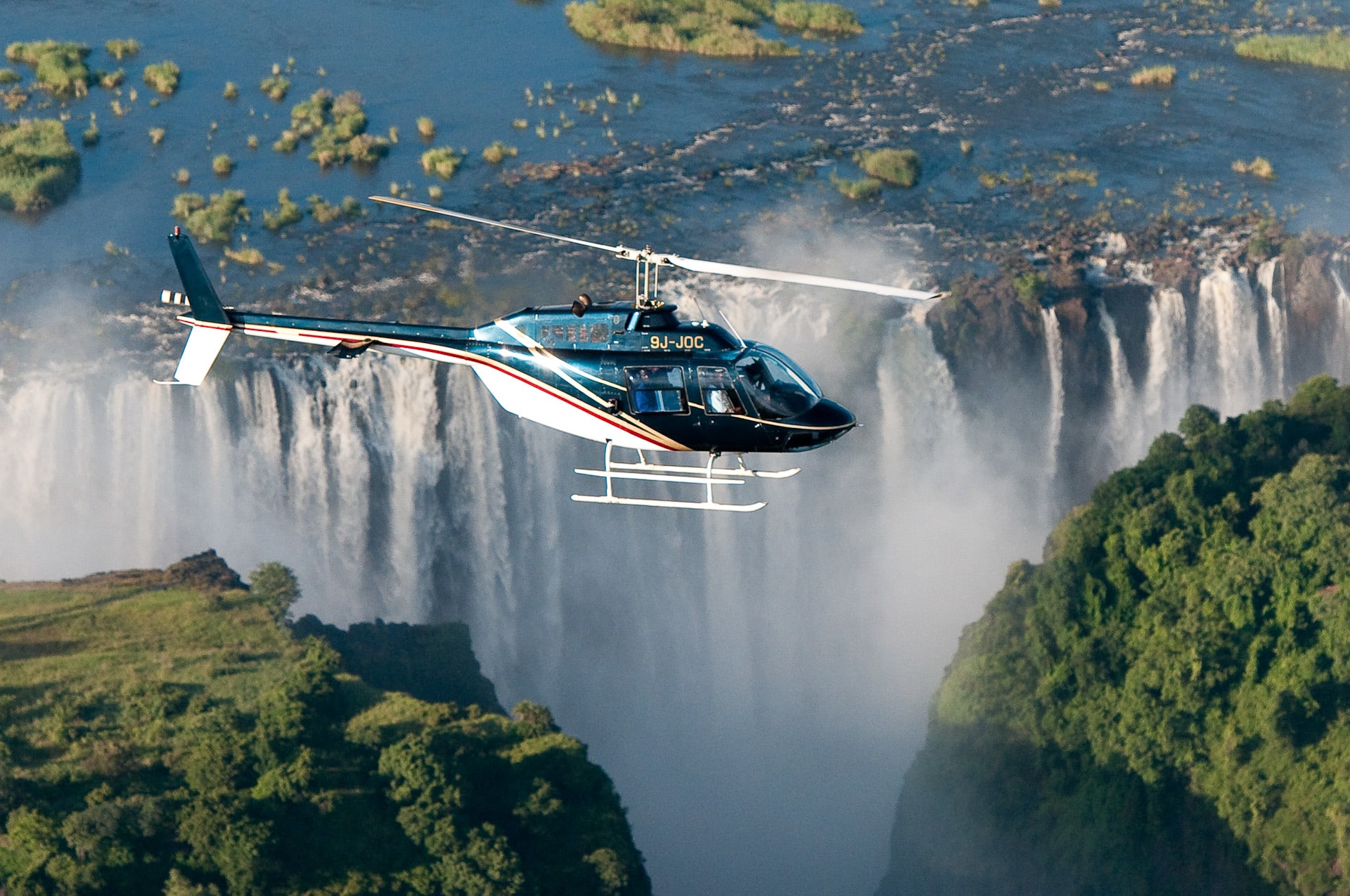
Hwange se trouve à 200 kilomètres au sud de Victoria Falls et est accessible par une autoroute goudronnée adaptée aux véhicules classiques (trajet de 3–4 heures). La plupart des voyageurs internationaux atterrissent à Victoria Falls International Airport (VFA), puis rejoignent le parc par la route ou par un vol charter. Les vols charters entre Victoria Falls et les pistes d'atterrissage situées dans Hwange ou à proximité durent environ 1 heure. Autre possibilité : atterrir à Bulawayo Airport (BUQ), à environ 300 km au sud, puis prendre la route vers le nord jusqu'à Hwange. De nombreux opérateurs de safari organisent les transferts depuis Victoria Falls ou incluent les vols charters dans leurs forfaits.
Oui, Hwange convient aux familles avec enfants, même si l'âge et le niveau d'activité doivent guider la préparation de l'itinéraire. La plupart des lodges accueillent les familles et proposent des safaris plus courts (2–3 heures), adaptés aux jeunes enfants. Les safaris à pied sont généralement accessibles à partir de 10 ans ; vérifiez les conditions auprès de votre opérateur. Les safaris de l'après-midi, les visites de villages et l'observation des points d'eau conviennent aux enfants. De nombreux opérateurs spécialisés dans les voyages en famille proposent des itinéraires de 11 jours combinant Hwange, Victoria Falls et le lac Kariba. Avant de voyager avec de jeunes enfants, vérifiez auprès de votre hébergement les précautions contre le paludisme et la disponibilité des infrastructures médicales.
La plupart des visiteurs passent 2–3 jours à Hwange dans le cadre d'un circuit plus vaste au Zimbabwe ou en Afrique australe. Cette durée permet de faire 2–3 safaris en véhicule et un safari à pied, offrant de bonnes possibilités d'observer la faune et les Big Five. Pour une expérience plus immersive avec plusieurs safaris à pied, des sorties nocturnes et des visites de villages, 4–5 jours sont idéaux. Les voyageurs effectuant leur premier safari et les photographes tireront profit d'un séjour de 4 jours ou plus pour multiplier les rencontres avec la faune et les occasions de prises de vue. Combiner Hwange avec Victoria Falls (1–2 jours) et le lac Kariba (1–2 jours) permet de créer un itinéraire complet de 7–9 jours au Zimbabwe.
Hwange propose des hébergements pour tous les budgets. Les camps économiques coûtent $150–$250/nuit et offrent un confort simple avec des repas pris en commun. Les lodges de catégorie intermédiaire ($250–$400/nuit) proposent des chambres privées, une bonne cuisine et un encadrement de qualité — Somalisa Camp et Camp Hwange figurent parmi les options prisées. Les lodges de luxe ($400+/nuit) offrent des séjours tout compris avec un accompagnement haut de gamme, une cuisine raffinée et des concessions exclusives. De nombreux lodges se trouvent dans des concessions privées à l'intérieur du parc ou à proximité, avec de meilleures possibilités d'observation et des safaris nocturnes. Choisissez selon votre budget et le niveau de confort souhaité ; tous incluent des safaris guidés et l'accès au parc.
Oui, Hwange National Park mérite absolument une visite. Il abrite la plus importante population d'éléphants d'Afrique (44,000–50,000) ainsi que tous les animaux des Big Five, avec nettement moins de visiteurs que les réserves comparables d'Afrique du Sud ou de Tanzanie. Ses paysages variés, du bushveld du Kalahari aux forêts de teck, abritent plus de 400 espèces d'oiseaux et d'importantes populations de prédateurs, notamment de lycaons. Hwange offre des safaris authentiques et préservés à des prix abordables par rapport à ceux d'autres grandes réserves africaines. Sa proximité avec Victoria Falls (200 km) permet de le combiner facilement avec d'autres sites du Zimbabwe. Que vous découvriez les safaris ou soyez un passionné expérimenté de faune sauvage, Hwange offre une observation de classe mondiale à un excellent rapport qualité-prix.
Un guide est obligatoire pour les safaris à pied et vivement recommandé pour les safaris en véhicule. La plupart des voyageurs réservent un hébergement comprenant des guides professionnels dans leur forfait ; ces rangers apportent leur expertise du comportement animal, du pistage et de la sécurité. La visite en autonomie est possible pour les visiteurs disposant d'un véhicule 4x4 et d'une expérience du safari, mais elle prive des connaissances et des avantages en matière de sécurité offerts par un guide professionnel. Les guides améliorent les chances d'observation, identifient les oiseaux et les plantes et encadrent les rencontres avec la faune en toute sécurité. Pour un premier safari, les sorties guidées sont essentielles ; les voyageurs expérimentés peuvent opter pour la conduite autonome s'ils disposent du véhicule et des compétences appropriés.
Vous pouvez comparer les forfaits de safari, consulter les avis vérifiés de voyageurs et réserver auprès d'opérateurs de confiance sur SafariFind.com. SafariFind vous met en relation avec des entreprises de safari établies proposant différents itinéraires, niveaux d'hébergement et tarifs à Hwange. Comparez les prix de plusieurs opérateurs pour trouver la meilleure offre selon vos dates et vos préférences. La plupart des opérateurs proposent des options de réservation flexibles et peuvent personnaliser les itinéraires afin d'inclure Victoria Falls, le lac Kariba ou d'autres destinations du Zimbabwe. Réservez 4–8 semaines à l'avance pendant la haute saison (June–September) pour bénéficier des dates et tarifs souhaités.
Autres lieux à découvrir — Zimbabwe
© 2026 SafariFind. Tous droits réservés.
 Poser une question