1 / 5
1 / 5🇹🇿 TanzaniaSite UNESCO
Nyerere National Park
Superficie
30 893 km²
Altitude
100 m
Droit d'entrée
Chargement de SafariFind...
1 / 5Superficie
30 893 km²
Altitude
100 m
Droit d'entrée
Application SafariFind
Suivez vos demandes et vos réservations, et écrivez aux opérateurs où que vous soyez.

$65
Durée idéale
4 jours
Aéroport le plus proche
Dar es Salaam International Airport or Kilimanjaro International Airport
Ville la plus proche : Dar es Salaam
 5 jours
 Alfamale Tours & Safaris
  2 joursAlfamale Tours & Safaris
  3 joursAlfamale Tours & Safaris
  3 jours
 Plex Africa Safaris
 3 jours
 AFRICAN PANGOLIN SAFARIS
 2 joursAlfamale Tours & Safaris
  5 jours
 Kihindo Tours and Safaris
 3 joursKihindo Tours and Safaris
 3 jours
 Wild Dreams Adventure
 1 jourAlfamale Tours & Safaris
 Nyerere National Park a été créé en 2019 et correspond à la partie nord de l'ancien Selous Game Reserve. Le parc a été renommé en l'honneur de Julius Kambarage Nyerere, le premier président de la Tanzanie. La partie sud restante conserve le statut de Selous Game Reserve. La transformation en parc national offre une protection renforcée et des mesures de conservation plus strictes pour lutter contre le braconnage et préserver l'écosystème.
Oui, Nyerere National Park est sûr pour les touristes qui le visitent avec des opérateurs agréés et des guides professionnels. Le parc est administré par TANAPA (Tanzania National Parks Authority), avec des mesures de sécurité en place. Tous les safaris sont accompagnés par des guides expérimentés qui veillent à la sécurité des visiteurs tout en maintenant une distance appropriée avec les animaux. Il est essentiel de suivre toutes les consignes du guide et les règlements du parc pour garantir une expérience sûre et agréable.
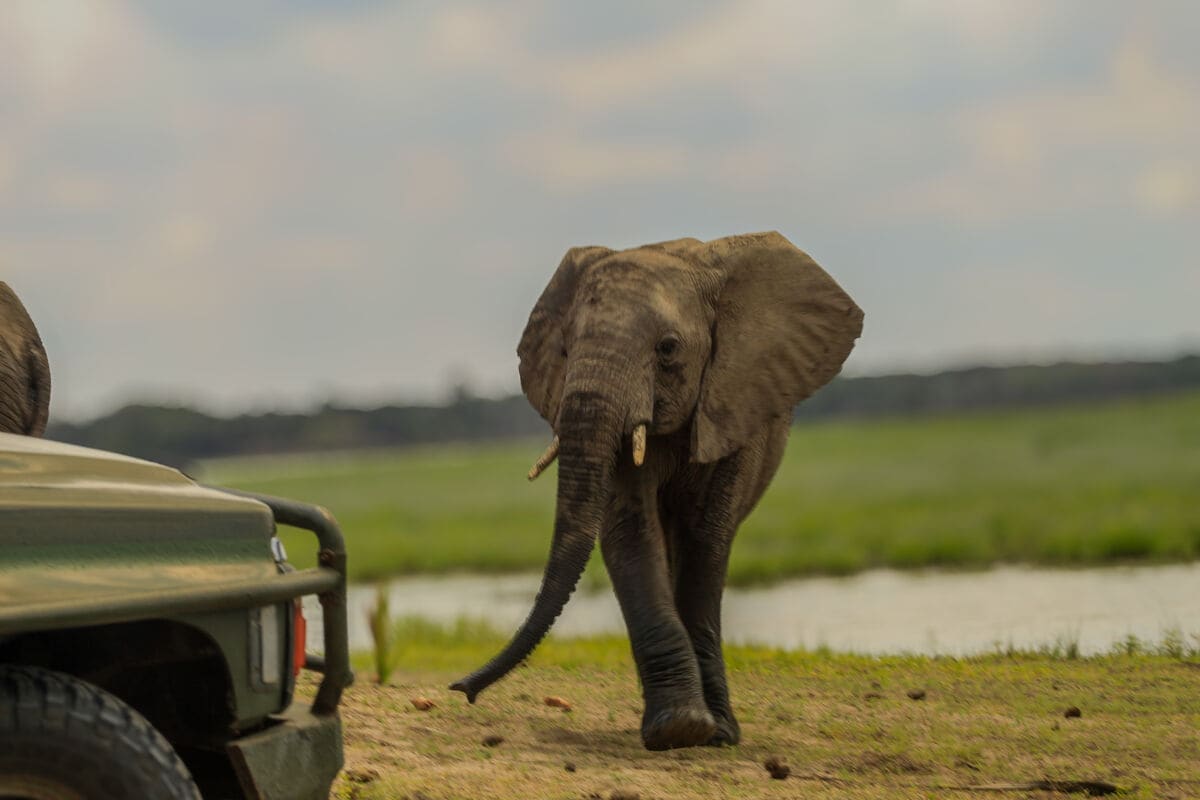
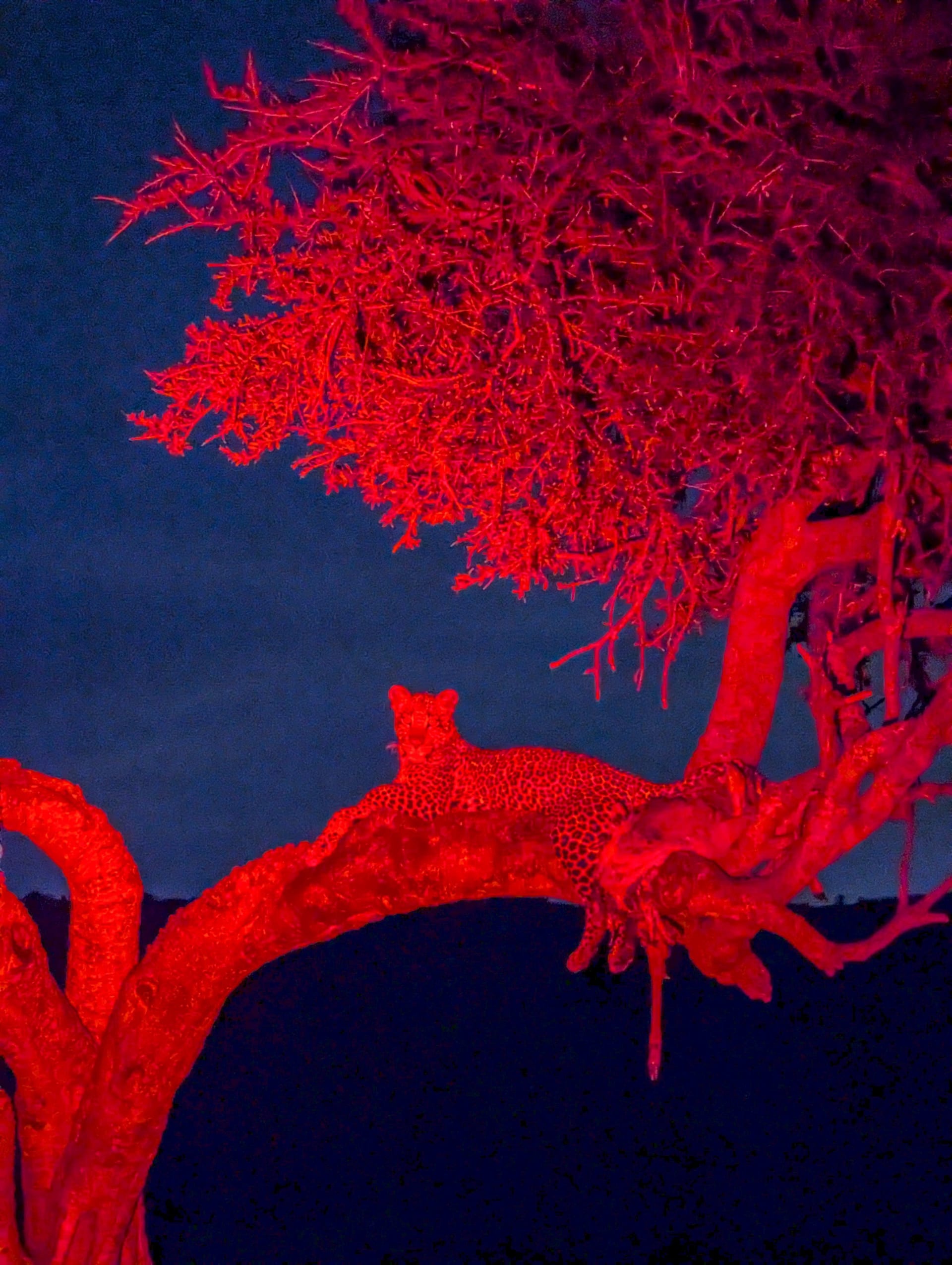
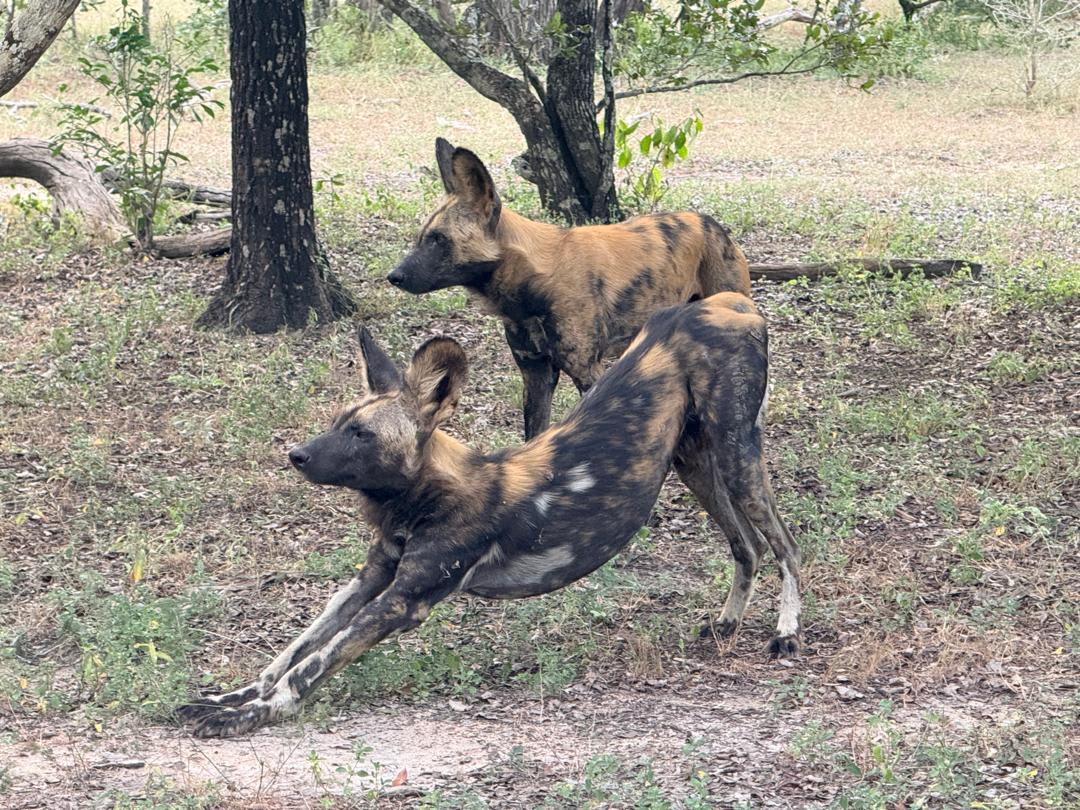
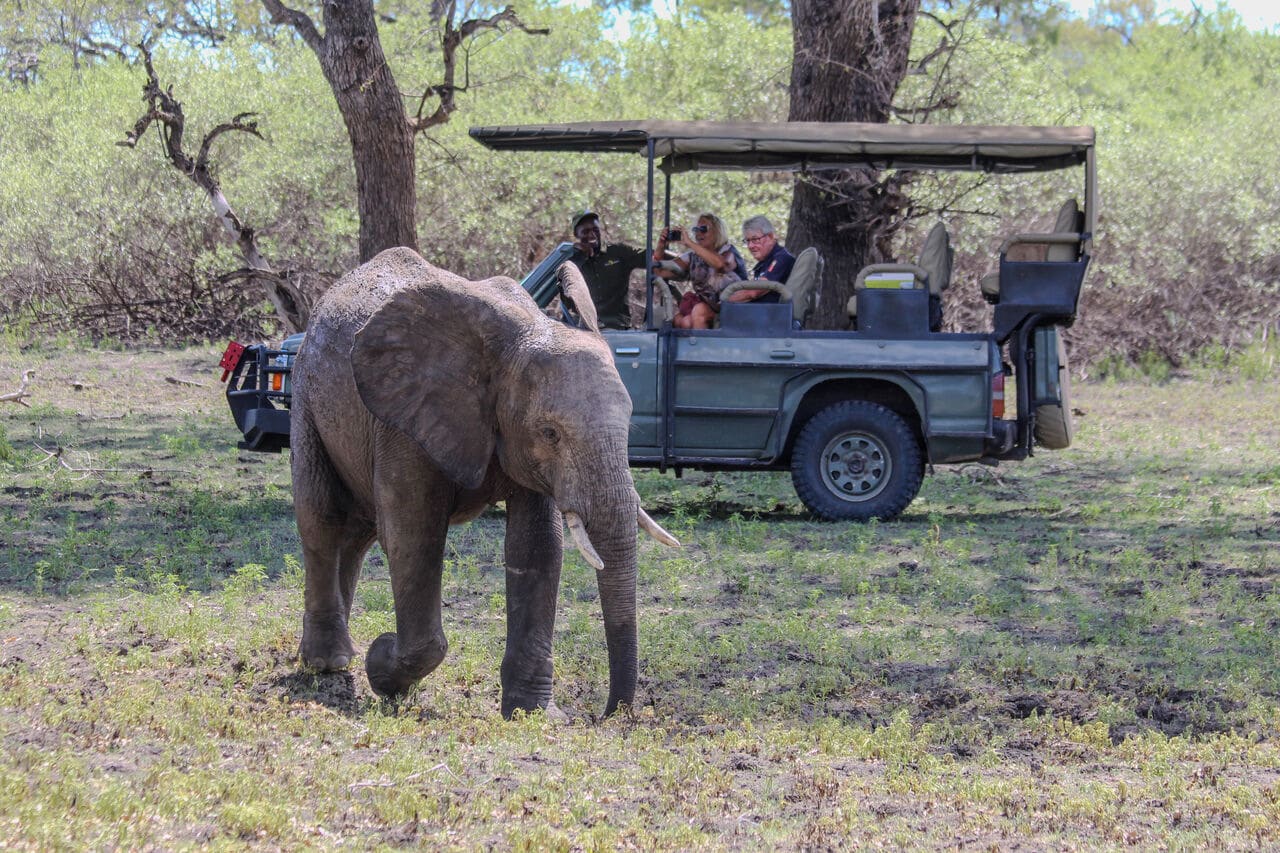
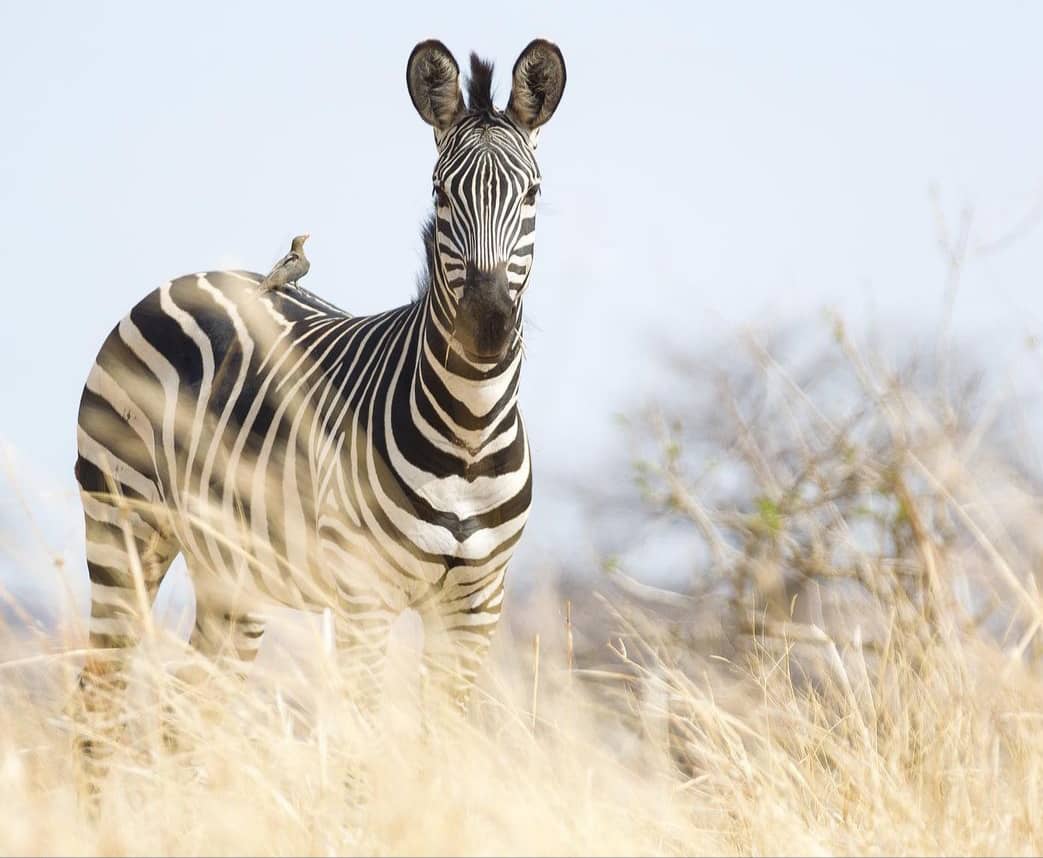
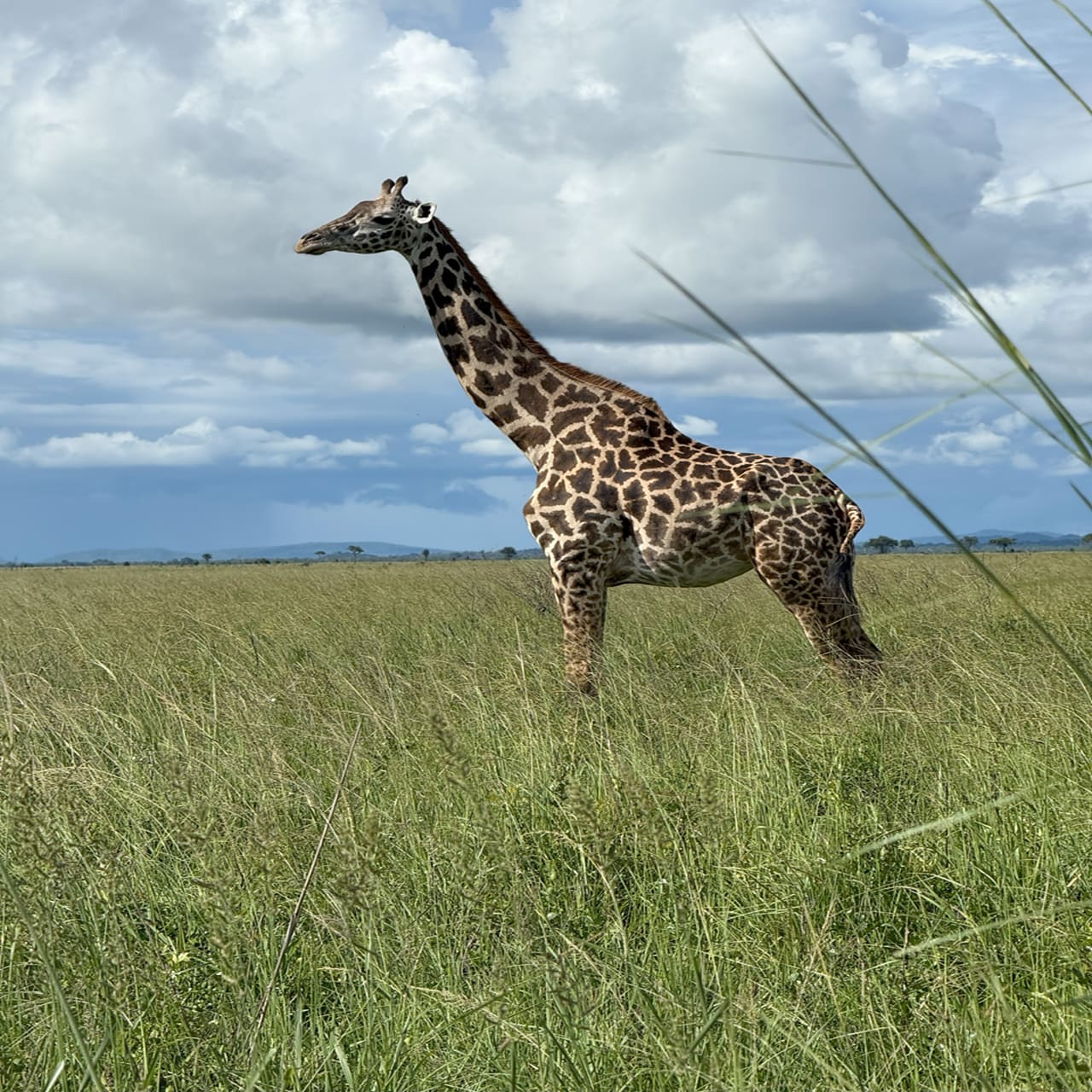
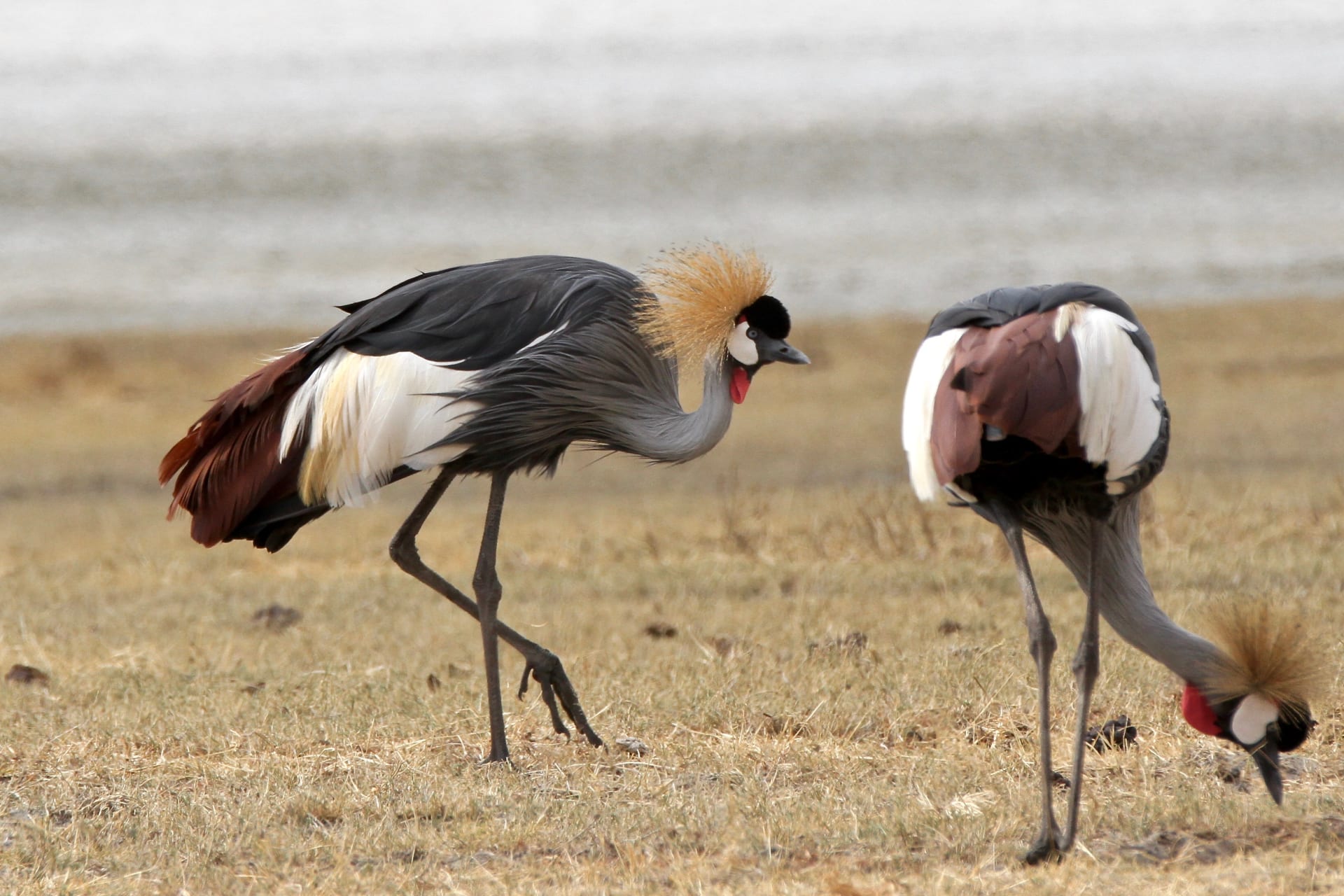
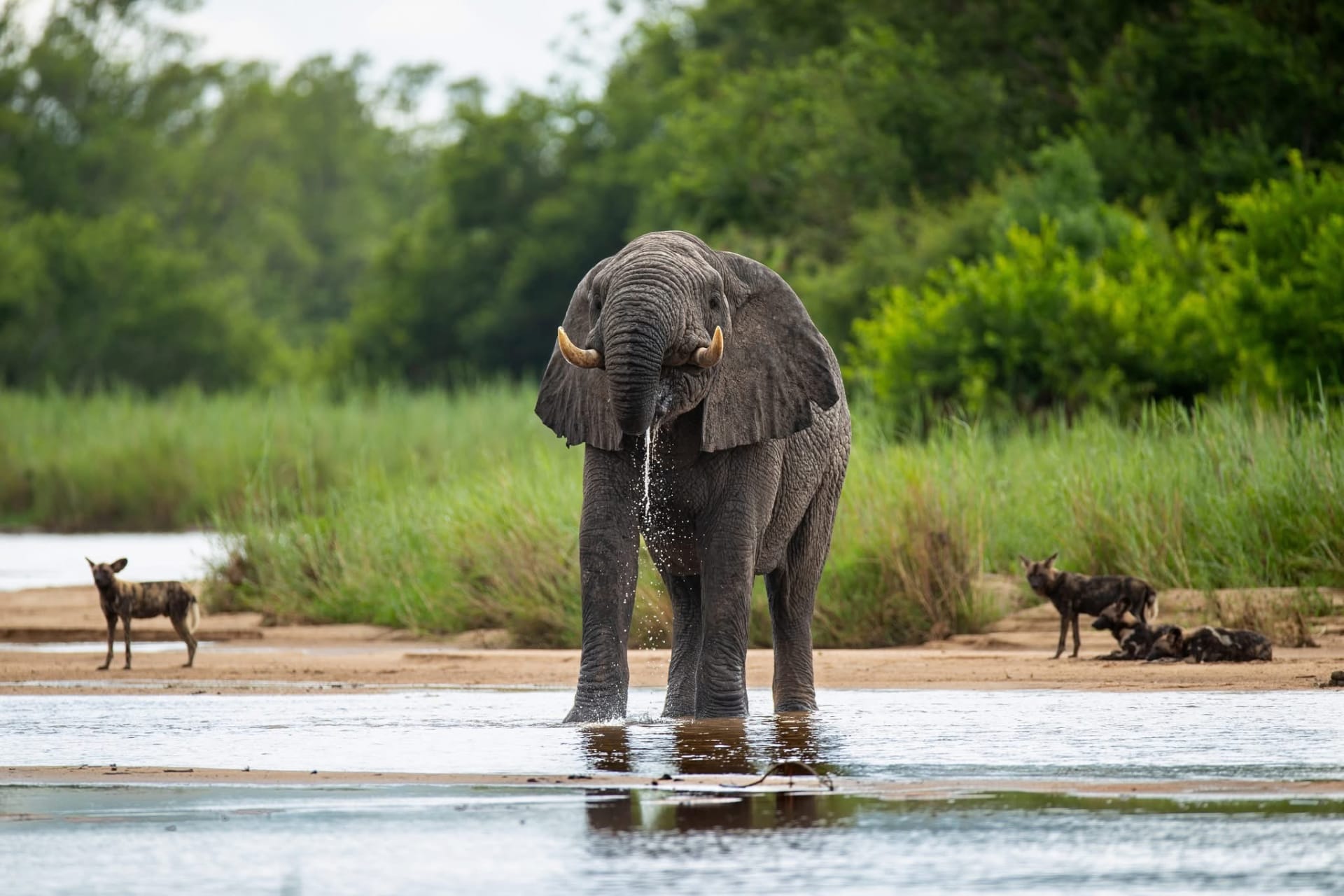
Nyerere abrite la plus grande population restante de lycaons africains, ainsi que d'importantes populations d'éléphants, de lions, de léopards, de rhinocéros noirs, d'hippopotames et de crocodiles. Le parc compte également plus de 440 espèces d'oiseaux, ce qui en fait un lieu exceptionnel pour l'observation ornithologique. On y observe régulièrement des buffles, des girafes, des gnous, des zèbres, des cobes à croissant et des hippotragues noirs. L'écosystème du Rufiji River accueille d'autres espèces aquatiques et semi-aquatiques.
Le parc propose une grande variété d'expériences safari adaptées aux préférences de chacun. Les safaris en bateau sur le Rufiji River sont particulièrement réputés pour l'observation des hippopotames et des crocodiles et se déroulent dans des zones photographiques. Les safaris à pied permettent des rencontres privilégiées avec la faune et une initiation au pistage. Les safaris en véhicule offrent une observation complète de la faune dans des habitats variés. Les expéditions de campement itinérant proposent une immersion totale dans la nature sauvage. La plupart des visiteurs combinent plusieurs activités pendant leur séjour pour multiplier les expériences.
Nyerere National Park couvre 30,893 kilomètres carrés (11,928 miles carrés), ce qui en fait le plus grand parc national de Tanzanie et l'un des plus grands sanctuaires de faune au monde. En incluant les zones tampons, la zone protégée s'étend sur environ 50,000 kilomètres carrés, soit une superficie supérieure à celle du Danemark. Cette vaste étendue abrite des écosystèmes variés, notamment des savanes, des forêts, des zones humides et des réseaux fluviaux.
© 2026 SafariFind. Tous droits réservés.
 Poser une question