 1 / 4
1 / 4 1 dayPrivate
1-Day Tarangire National Park Safari
by
Loading SafariFind...
1 / 4by
SafariFind app
Keep up with your inquiries and bookings, and message operators wherever you are.

Day 1
Tarangire National Park
Meals: Lunch
Year Round
Year-round
| Season | Solo traveller | 2 people | 3 – 4 people | 5 – 6 people | 7+ people |
|---|---|---|---|---|---|
Year Round Year-round | $400 | $250 | $168 | $138 | $130 |
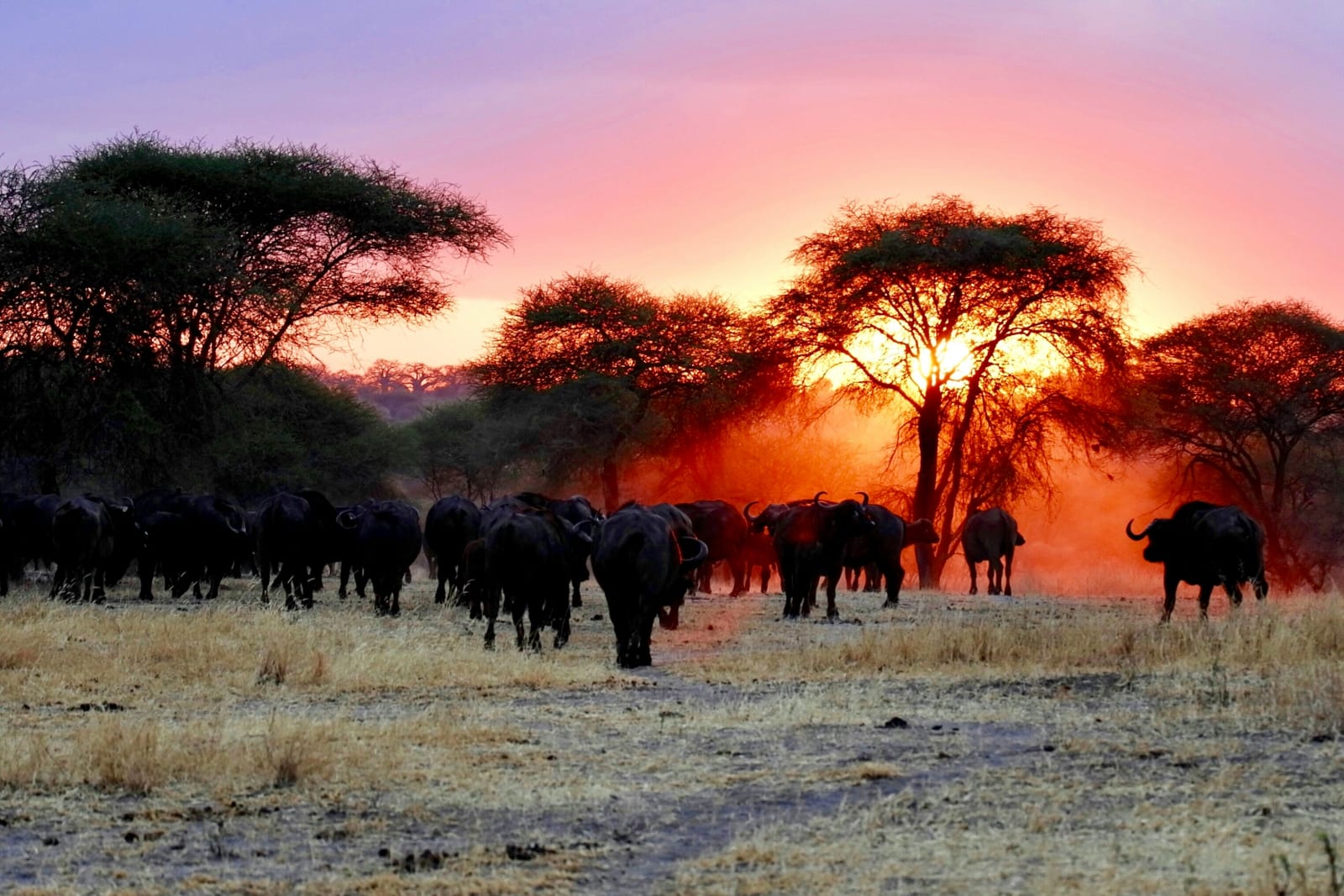
Tarangire National Park is one of Tanzania's premier wildlife destinations, home to an impressive array of animals. The park is particularly famous for its large elephant population, often considered the largest concentration in the country. You'll also encounter lions, leopards, giraffes, zebras, wildebeests, buffaloes, and various antelope species. Birdwatchers will be delighted by over 500 bird species that inhabit the park, making it exceptional for ornithology. The diverse wildlife is supported by the Tarangire River, which attracts animals throughout the year, especially during the dry season when water sources become scarce elsewhere.
The best time to visit Tarangire depends on your wildlife viewing preferences. The dry season from June to October offers excellent game viewing, as animals concentrate around the Tarangire River due to limited water sources elsewhere. During this period, you'll have the highest chance of spotting elephants and predators. The wet season from November to May brings lush green landscapes and is ideal for birdwatching, with migratory species arriving. If you prefer fewer crowds and lower prices, the shoulder months of May and November are excellent choices. The park remains accessible year-round, but visibility and animal concentration vary seasonally.
A full-day safari in Tarangire National Park is an ideal duration for experiencing the park's highlights. A day trip allows you to spend 4-6 hours of actual game driving, which is sufficient to explore different areas of the park and encounter diverse wildlife. This timeframe provides a comprehensive introduction to the park's ecosystems and major attractions, including the iconic baobab trees and river valleys. If you're traveling from Arusha, the day trip format minimizes travel time while maximizing your time in the park. Many visitors find a full day satisfying, though some choose to extend their stay for a more immersive experience.
Packing appropriately ensures comfort and safety on your Tarangire safari. Bring lightweight, neutral-colored clothing in earth tones (khaki, beige, green) to avoid disturbing wildlife. Include long sleeves and pants for sun protection and insect defense. A wide-brimmed hat, sunglasses, and high-SPF sunscreen are essential, as the African sun is intense. Wear sturdy, closed-toe hiking boots or safari shoes for comfort during game drives. Bring binoculars for better wildlife viewing and a camera with extra batteries and memory cards. Pack a light jacket or sweater for early morning and evening drives when temperatures drop. Don't forget insect repellent, a refillable water bottle, and any personal medications. Sunglasses and a camera lens protector help manage the dust and glare.
Yes, Tarangire National Park is a well-established and safe tourist destination in Tanzania. The park is professionally managed with trained rangers and guides who prioritize visitor safety. Game drives are conducted from vehicles, maintaining a safe distance from wildlife. Your professional safari guide will be experienced in animal behavior and park protocols, ensuring you have a secure experience. The park attracts thousands of international visitors annually without significant safety concerns. Standard travel precautions apply, such as staying with your guide, following instructions, and not approaching animals. It's advisable to check current travel advisories from your government before traveling and ensure you have appropriate travel insurance. The park's infrastructure and services are designed to accommodate tourists safely.
The cost of a Tarangire safari varies based on several factors, including the season, operator, group size, and what's included in your package. A full-day safari typically includes park entrance fees, a professional guide, game drives, and meals, which provides good value for a comprehensive experience. Peak season (dry season) generally costs more than shoulder or wet seasons. Group tours are usually more affordable per person than private safaris. Budget operators offer more economical options, while luxury operators provide premium experiences with higher-end accommodations and services. When comparing prices, ensure you understand what's included—meals, drinks, guide services, and park fees—as this significantly affects the overall value. Many operators offer flexible pricing for different group sizes and can customize packages to fit various budgets.
Tarangire National Park is renowned for its iconic baobab trees, which are among the most photographed features of the landscape. These ancient, massive trees are deeply embedded in African culture and ecology. Baobabs can live for thousands of years and store water in their trunks, allowing them to survive in arid environments. In Tarangire, the baobabs create a distinctive and dramatic landscape, particularly striking during the dry season when they're leafless. These trees provide essential food and water for wildlife, especially elephants, which strip the bark for nutrients during dry periods. The baobabs also offer shade and shelter for various animals. Photographically, they create stunning compositions against the African sky and are a defining feature of the park's scenery. The baobabs represent the unique character of Tarangire and contribute to its reputation as one of Tanzania's most visually distinctive parks.
Visa requirements for Tanzania depend on your nationality. Many countries' citizens can obtain a visa on arrival at Tanzanian airports or apply online through the e-visa system before traveling. Some nationalities qualify for visa-free entry for short stays. It's essential to check the current visa requirements with the Tanzanian embassy or consulate in your country well in advance of your trip, as regulations can change. Most safari visitors need a valid passport with at least six months of validity remaining. Additionally, you may need proof of yellow fever vaccination, depending on where you're traveling from and Tanzania's current health requirements. Ensure all travel documents are in order before booking your safari, and allow sufficient time for visa processing if required.
Tarangire National Park is located approximately 60-70 kilometers (37-43 miles) from Arusha, making it easily accessible for day trips from the city. The drive typically takes 1.5 to 2 hours depending on road conditions and traffic. Arusha serves as a major gateway for northern Tanzania safaris and is well-connected by flights and ground transportation. The proximity to Arusha makes Tarangire an ideal choice for travelers with limited time who want to experience a quality safari without extensive travel. Many visitors base themselves in Arusha and take day excursions to Tarangire or combine it with visits to nearby parks like Ngorongoro Crater and Mount Kilimanjaro. The relatively short distance means more time can be spent in the park itself rather than traveling.
Wildlife viewing in Tarangire is most productive during early morning and late afternoon hours. Most animals are most active during these cooler periods—typically from sunrise until 9-10 AM and from 4 PM until sunset. During these times, predators hunt, herbivores graze actively, and birds are vocal and visible. The midday heat (10 AM to 3 PM) causes most animals to rest in shade, reducing sighting opportunities. However, this doesn't mean you won't see wildlife during midday—elephants, buffalo, and other species can be spotted throughout the day, particularly near water sources. A full-day safari naturally incorporates these prime viewing windows, with morning and afternoon game drives maximizing your chances of wildlife encounters. Your professional guide will strategically plan drives to take advantage of animal behavior patterns and seasonal variations.
© 2026 SafariFind. All rights reserved.