 1 / 4
1 / 4 10 daysPrivate
10-Day 10-Day 10-Day Northern Tanzania Adventure Safari & Cultural Experience JULY TO OCTOBER
by
Highlights
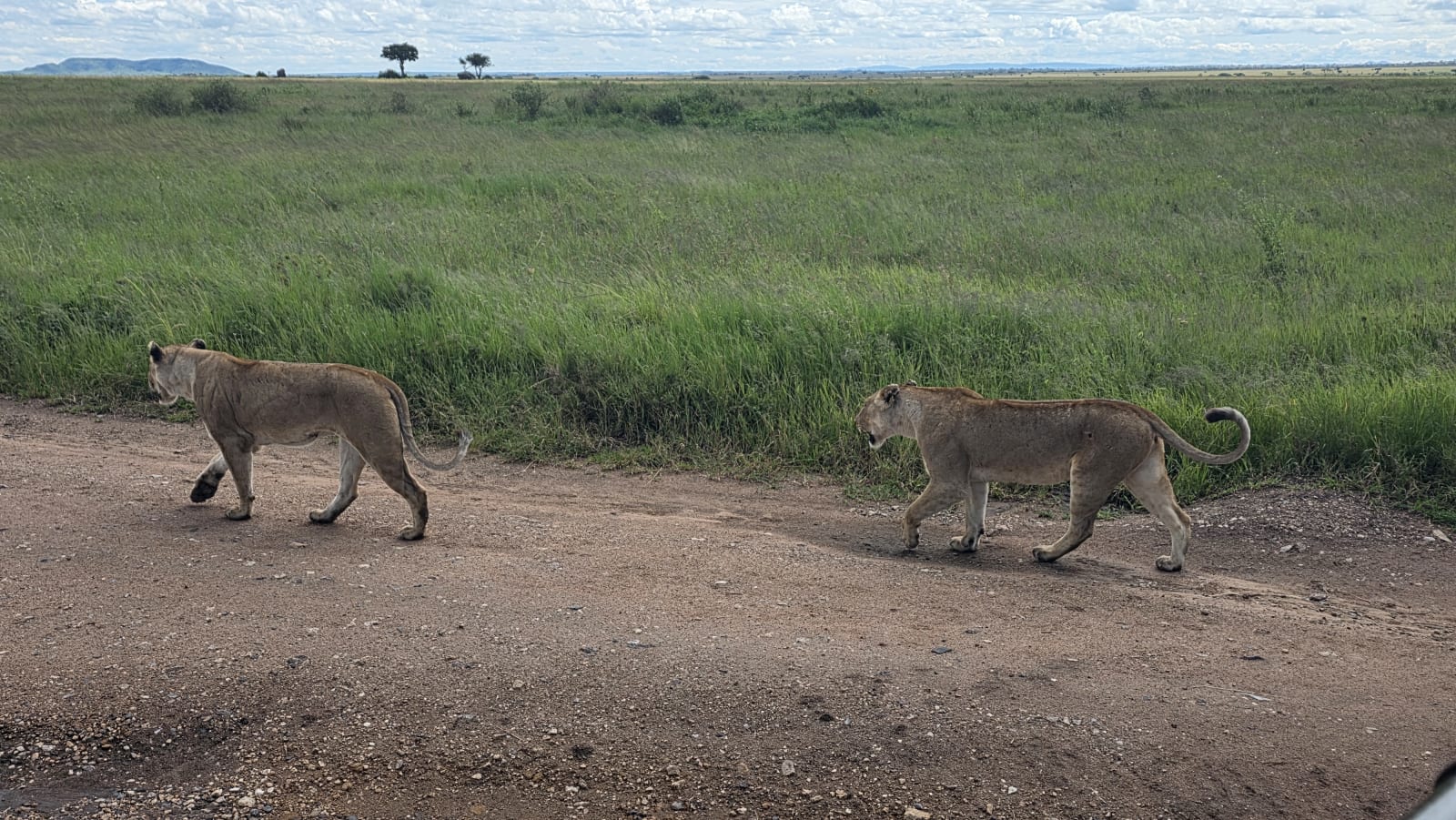
- lions
- FLAMINGOS
Loading SafariFind...
1 / 4by
SafariFind app
Keep up with your inquiries and bookings, and message operators wherever you are.

Arrival at Kilimanjaro International Airport to Arusha
Meals: Dinner
Arusha to Lake Natron
Meals: Breakfast, Lunch, Dinner
Lake Natron Exploration & Optional Ol Doinyo Lengai Trek
Meals: Breakfast, Lunch, Dinner
Lake Natron to Serengeti National Park
Meals: Breakfast, Lunch, Dinner
Full-Day Game Drive in Serengeti
Meals: Breakfast, Lunch, Dinner
Another Full Day in Serengeti
Meals: Breakfast, Lunch, Dinner
Serengeti to Ngorongoro Conservation Area
Meals: Breakfast, Lunch, Dinner
Ngorongoro Crater to Lake Eyasi
Meals: Breakfast, Lunch, Dinner
Lake Eyasi Cultural Experience to Karatu
Meals: Breakfast, Lunch, Dinner
Karatu to Arusha – Departure via Kilimanjaro International Airport
Meals: Breakfast, Lunch
Year Round
Year-round
| Season | Solo traveller | 2 people | 3 – 4 people | 5 – 6 people | 7+ people | Child rate | Single suppl. |
|---|---|---|---|---|---|---|---|
Year Round Year-round | $10,037 | $6,691 | $6,022 | $5,687 | $5,353 | $4,684 | $2,007 |
Child rate applies to travelers under 12 years. Single supplement applies to solo travelers taking their own room.
The Serengeti is home to Tanzania's most diverse wildlife population, including the Big Five (lions, leopards, elephants, buffalo, and rhinoceros), as well as zebras, wildebeest, giraffes, hyenas, cheetahs, and numerous bird species. During the dry season (July to October), you'll have excellent opportunities to spot large concentrations of animals as they gather around remaining water sources. The Serengeti's vast plains and varied habitats support over 1.5 million large animals, making it one of Africa's premier wildlife viewing destinations.
July to October is considered the best time for safari in Tanzania. During these months, the dry season brings cooler temperatures and reduced vegetation, making wildlife easier to spot. The Great Migration of wildebeest and zebras typically moves through the Serengeti during this period, creating spectacular game viewing opportunities. Rainfall is minimal, game drives are more comfortable, and animals congregate around water sources, increasing your chances of wildlife encounters.
A 10-day safari is an ideal duration for exploring Tanzania's major highlights. This timeframe allows you to spend multiple days in the Serengeti for comprehensive wildlife viewing, visit the unique Ngorongoro Crater, explore the striking Lake Natron, and experience cultural encounters at Lake Eyasi. Shorter safaris (3-5 days) are possible but limit the number of destinations and game drive opportunities. A 10-day itinerary provides a balanced experience of wildlife, geology, and culture without excessive travel time.
The Ngorongoro Crater is a UNESCO World Heritage Site and one of the world's largest intact volcanic calderas, located in Tanzania's Ngorongoro Conservation Area. The crater floor spans approximately 260 square kilometers and contains a self-contained ecosystem with a permanent freshwater lake, supporting a resident population of around 25,000 large animals including lions, elephants, buffalo, zebras, and wildebeest. The crater's unique geography creates exceptional wildlife viewing opportunities, as animals are concentrated within the caldera's walls. The stunning landscape and abundant wildlife make it a must-see destination for any Tanzania safari.
Northern Tanzania offers authentic cultural encounters, particularly at Lake Eyasi, where you can meet and interact with the Hadza people, one of Africa's last remaining hunter-gatherer communities. These cultural experiences provide insight into traditional ways of life, hunting techniques, and local customs. Additionally, the Arusha region and surrounding areas are home to Maasai and other ethnic groups, offering opportunities to learn about pastoral traditions, beadwork, and community life. Many safaris include guided cultural visits that are respectful and educational, allowing travelers to understand and appreciate the region's diverse heritage.
Yes, Lake Natron is a unique and worthwhile destination that offers a completely different experience from traditional game drives. This striking alkaline lake is famous for its otherworldly turquoise and reddish hues caused by algae and mineral content. Lake Natron is a crucial breeding ground for flamingos and hosts thousands of these birds, creating a spectacular sight. The lake is also the gateway to Ol Doinyo Lengai, an active volcano that can be trekked (optional activity). The dramatic landscape, unique geology, and bird populations make Lake Natron an essential stop for travelers seeking diverse experiences beyond typical wildlife viewing.
Pack lightweight, breathable clothing in neutral colors (khaki, beige, green, gray) to blend with the environment and minimize insect attraction. Bring layers as mornings and evenings can be cool, especially at higher elevations. Essential items include a wide-brimmed hat, sunscreen (SPF 50+), insect repellent, sturdy hiking boots or safari shoes, binoculars, and a camera with extra batteries and memory cards. Include a light rain jacket for unpredictable weather and personal medications. Sunglasses and a daypack are useful for game drives. Pack modest clothing for cultural visits and respect local customs. Don't forget a reusable water bottle, as bottled water is provided during game drives. Check with your operator about specific recommendations based on the season and your planned activities.
Visa requirements for Tanzania depend on your nationality. Most international visitors require a visa, which can typically be obtained on arrival at Kilimanjaro International Airport or applied for in advance through the Tanzanian embassy or online e-visa services. The tourist visa is usually valid for 90 days. However, visa requirements vary significantly by country, so you should check the official Tanzania Immigration Services website or contact the Tanzanian embassy in your country well before your trip. Additionally, ensure your passport is valid for at least six months beyond your travel dates, as this is a standard requirement for entry.
Yellow fever vaccination is strongly recommended and may be required depending on your itinerary and home country regulations. Malaria prophylaxis is recommended for most areas of Tanzania, particularly at lower elevations like the Serengeti and Lake Natron. Consult with a travel medicine specialist or your healthcare provider at least 4-6 weeks before your trip to discuss vaccinations for diseases such as typhoid, hepatitis A and B, and tetanus. They can provide personalized recommendations based on your health history, the specific regions you'll visit, and current disease prevalence. Travel insurance that covers medical emergencies is also highly advisable.
Tanzania safari costs vary based on accommodation standards, group size, and season, but a 10-day safari typically ranges from moderate to premium pricing. Most safari packages include park entrance fees, professional English-speaking guides, private 4x4 vehicles, accommodation, all meals (breakfast, lunch, dinner), airport transfers, and bottled water during game drives. However, costs usually exclude international airfare, visa fees, travel insurance, vaccinations, tips and gratuities, alcoholic beverages, and personal expenses. Optional activities like the Ol Doinyo Lengai trek may have additional charges. It's important to clarify what's included in your specific package and budget separately for flights, insurance, and personal spending money.
 Utele SafariArusha, Tanzania
© 2026 SafariFind. All rights reserved.
