 1 / 10
 10 daysPrivate
10-Day Northern Tanzania Adventure Circuit
by
Loading SafariFind...
1 / 10by
Arrival in Arusha
Arusha, Tanzania
Meals: Breakfast
Arusha to Lake Manyara National Park
Lake Manyara National Park
Meals: Breakfast, Lunch, Dinner
Lake Eyasi - Cultural Experience
Lake Eyasi
Meals: Breakfast, Lunch, Dinner
Ngorongoro Crater
Ngorongoro Crater
Meals: Breakfast, Lunch, Dinner
Depart to Serengeti National Park
Serengeti National Park (Central)
Meals: Breakfast, Lunch, Dinner
Serengeti Full Day Game Drive
Serengeti National Park (Central)
Meals: Breakfast, Lunch, Dinner
Seremgeti to Lake Natron
Lake Natron
Meals: Breakfast, Lunch, Dinner
Discover Lake Natron
Lake Natron
Meals: Breakfast, Lunch, Dinner
Lake Natron to Tarangire National Park
Tarangire National Park
Meals: Breakfast, Lunch, Dinner
Tarangire National Park - Departure
Arusha to Kilimanjaro International Airport
Meals: Breakfast, Lunch
Year Round
Jul 2026 – Dec 2026
| Season | Solo traveller | 2 people | 3 – 4 people | 5 – 6 people | 7+ people | Child rate | Single suppl. |
|---|---|---|---|---|---|---|---|
Year Round Jul 2026 – Dec 2026 | $6,080 | $4,210 | $3,870 | $3,400 | $3,300 | $3,300 | $600 |
Child rate applies to travelers under 12 years. Single supplement applies to solo travelers taking their own room.
Northern Tanzania is home to an incredible diversity of wildlife. In the Ngorongoro Crater, you'll find one of Africa's highest concentrations of animals, including lions, elephants, buffalo, zebras, wildebeest, and numerous bird species. The Serengeti National Park offers vast herds of wildebeest and zebras, along with predators like lions, leopards, and cheetahs. Lake Manyara is famous for its tree-climbing lions, along with elephants, hippos, and flamingos. Tarangire National Park is known for its enormous elephant herds and ancient baobab trees. Lake Natron attracts thousands of flamingos and is a unique ecosystem. Each destination offers distinct wildlife viewing opportunities depending on the season.
The best time to visit Northern Tanzania depends on what you want to experience. For the Great Migration in the Serengeti, visit June to October when massive herds move across the plains. December to February is ideal for calving season and lush green landscapes. For general game viewing and wildlife encounters, the dry seasons (June-October and January-February) offer the best visibility as animals congregate around water sources. The wet season (March-May and November) brings fewer tourists, lower prices, and excellent bird watching, though some roads may be challenging. Each season offers unique advantages, so consider your priorities when planning your visit.
The Ngorongoro Crater is a UNESCO World Heritage Site and one of the largest intact volcanic calderas in the world. It's a massive natural amphitheater with a crater floor spanning approximately 260 square kilometers. What makes it exceptional for safari is the exceptionally high concentration of wildlife within this enclosed ecosystem—you can see lions, elephants, buffalo, zebras, wildebeest, and numerous other species in a relatively compact area. The crater's unique geography creates ideal conditions for game viewing, as animals are naturally concentrated on the crater floor. The surrounding rim offers stunning panoramic views, and the experience of descending into this natural wonder is truly unforgettable.
A comprehensive Northern Tanzania safari typically takes 10 days to fully experience the major destinations and wildlife. This duration allows you to spend meaningful time in each location: Lake Manyara, Lake Eyasi, the Ngorongoro Crater, the Serengeti, Lake Natron, and Tarangire National Park. A 10-day itinerary provides enough time for multiple game drives, cultural experiences, and travel between parks without feeling rushed. Shorter safaris of 5-7 days are possible but would require selecting fewer destinations. Longer safaris of 12-14 days allow for deeper exploration and increased wildlife viewing opportunities. The ideal length depends on your schedule, budget, and how immersive you want your experience to be.
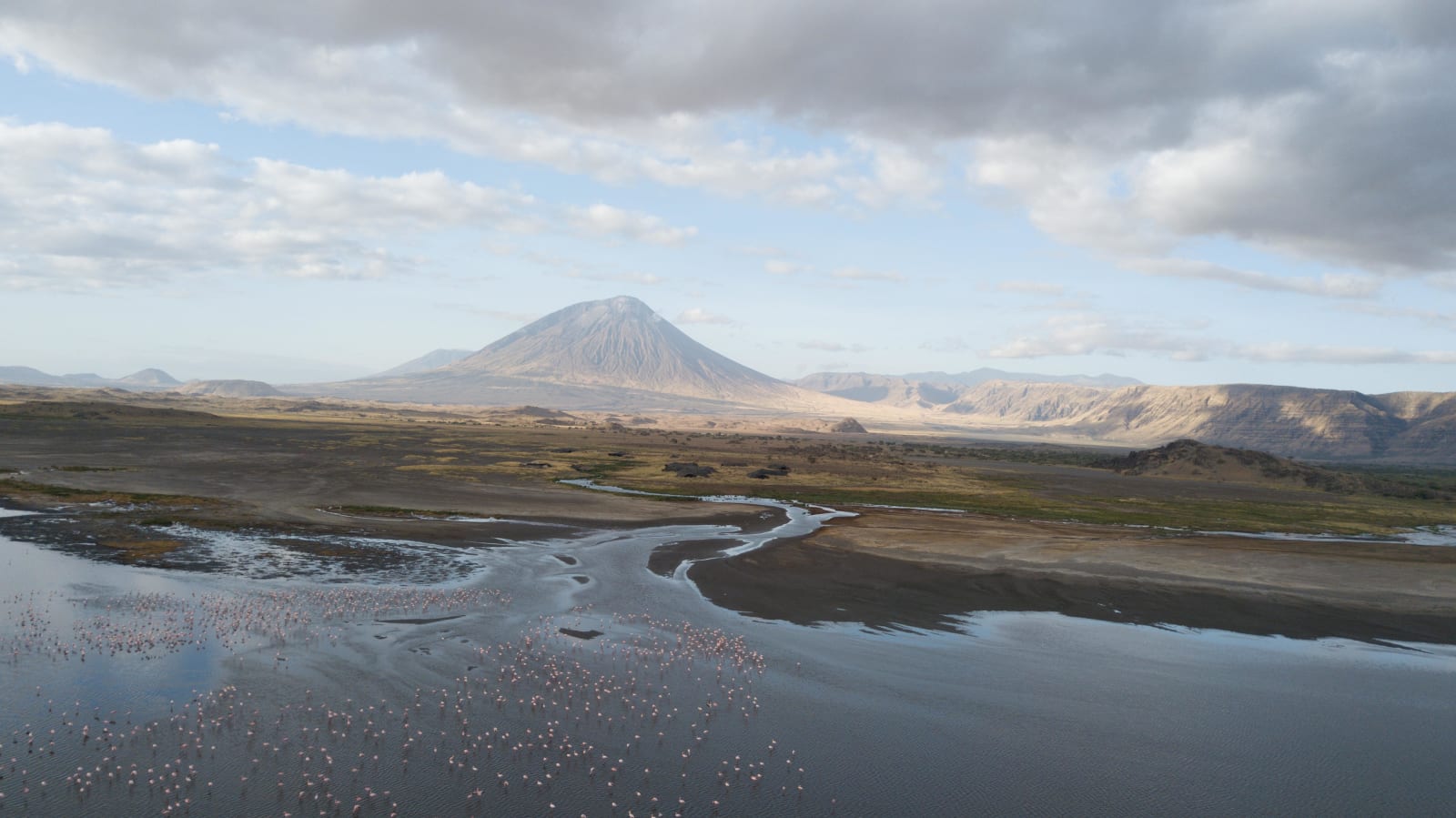
Lake Natron is a unique and otherworldly destination in Northern Tanzania, famous for its striking reddish-orange color caused by algae and mineral content. The lake is home to one of Africa's largest breeding colonies of lesser flamingos, creating spectacular pink-hued landscapes. What makes Lake Natron particularly special is the dramatic Ol Doinyo Lengai volcano, Africa's only active natron volcano, which overlooks the lake. The surrounding area features beautiful waterfalls and unique geological formations. The landscape is dramatically different from typical safari terrain, offering photographers and nature enthusiasts extraordinary visual experiences. The region is less visited than other safari destinations, providing a more exclusive and intimate experience of Tanzania's natural wonders.
Northern Tanzania offers authentic cultural encounters with indigenous communities. Lake Eyasi is particularly renowned for visits with the Hadzabe and Datoga tribes, two of Tanzania's oldest ethnic groups. The Hadzabe are hunter-gatherers who maintain traditional hunting methods and lifestyles that have remained largely unchanged for centuries. The Datoga are pastoralists known for their distinctive jewelry, craftsmanship, and pastoral traditions. These cultural visits provide rare insights into ancient ways of life, traditional practices, and local customs. Interactions typically include learning about hunting techniques, visiting villages, observing traditional crafts, and sharing meals. These experiences offer meaningful cultural exchange and help support local communities. It's important to approach these visits with respect and cultural sensitivity, understanding that you're witnessing living cultures, not museum exhibits.
Packing for a Tanzania safari requires consideration of climate, wildlife viewing, and cultural experiences. Essential items include lightweight, neutral-colored clothing for game drives (khaki, tan, and green blend with the landscape and don't disturb wildlife), a warm layer for early morning drives, and rain gear for the wet season. Sun protection is critical: bring high-SPF sunscreen, a wide-brimmed hat, and quality sunglasses. Comfortable, sturdy walking shoes are essential for nature walks and cultural visits. Binoculars and a camera with a good zoom lens enhance wildlife viewing. Don't forget toiletries, medications, and insect repellent. For cultural visits, pack respectful clothing that covers shoulders and knees. A light daypack is useful for carrying water and personal items during drives. Consider the season: dry season requires more sun protection, while wet season requires waterproof gear. Check with your operator for specific recommendations based on your exact travel dates.
A comprehensive Northern Tanzania safari package typically includes national park entrance fees, all game drives with a professional safari guide, airport transfers, accommodation, meals as specified in the itinerary, and drinking water during vehicle drives. Most packages also include flying doctors evacuation cover for emergency medical situations. However, packages generally exclude international flights, visa fees, travel insurance, tips and gratuities for guides and staff, personal expenses, and alcoholic beverages. Some packages may not include activities like hot air balloon rides or special cultural experiences. It's essential to carefully review what's included in your specific package and budget accordingly for exclusions. Travel insurance is highly recommended, and you should verify whether your package covers all meals or only some. Ask your operator for a detailed breakdown of inclusions and exclusions before booking.
Most visitors to Tanzania require a visa, which can typically be obtained on arrival or in advance through the Tanzanian embassy or online e-visa services. Visa requirements vary by nationality, so check with your country's Tanzanian embassy for specific requirements. Regarding health precautions, malaria is present in many parts of Tanzania, including the safari areas, so antimalarial medication is strongly recommended. Consult with a travel health clinic at least 4-6 weeks before your trip for personalized advice. Common vaccinations recommended for Tanzania include yellow fever, typhoid, and routine immunizations. Some areas may have specific health considerations, so professional medical advice is essential. Travel insurance that covers medical evacuation is highly recommended for remote safari destinations. Check current health advisories from your government's travel health authority before departure, as recommendations can change.
A Northern Tanzania safari is generally accessible to people of varying fitness levels. Game drives involve sitting in a vehicle for several hours at a time, which requires basic comfort with extended sitting but not strenuous physical activity. However, some activities like walking safaris, visiting cultural villages, or climbing to viewpoints may require moderate fitness. The altitude in some areas, particularly around the Ngorongoro Crater (over 2,000 meters), can affect some visitors, especially those with respiratory conditions. Early morning starts and long days require reasonable stamina and flexibility. Children can participate, though very young children may find long drives challenging. Seniors and those with mobility limitations can enjoy safari experiences, though they should inform their operator in advance so appropriate arrangements can be made. The key is honest communication with your tour operator about any physical limitations or health concerns so they can customize the experience accordingly. Most safari operators are experienced in accommodating diverse fitness levels and abilities.
 Africa's Wild WondersArusha, Tanzania
© 2026 SafariFind. All rights reserved.
