 1 / 5
1 / 5 14 daysPrivate
14-Day Thrilling Safari
by
Highlights
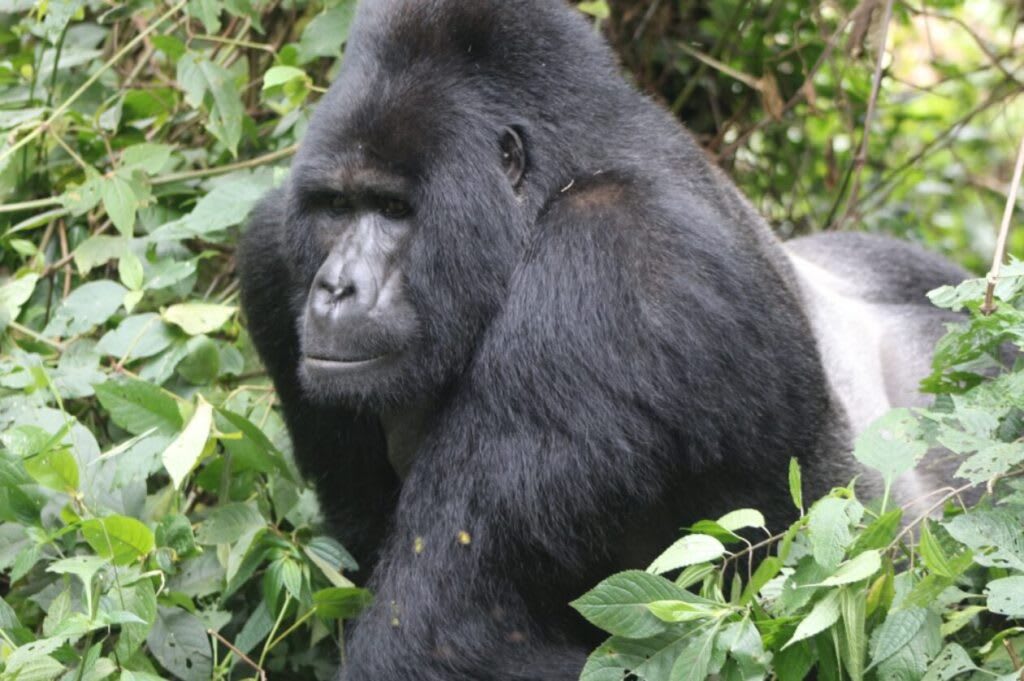
- Gorilla Trekking
Loading SafariFind...
1 / 5by
SafariFind app
Keep up with your inquiries and bookings, and message operators wherever you are.

Arrival In Tanzania | Travel To Lake Manyara National Park | Evening Game Drive
Lake Manyara National Park
Meals: Lunch, Dinner
Travel To Ngorongoro Crater | Guided Game Drive | Transfer To Serengeti National Park
Serengeti National Park
Meals: Breakfast, Lunch, Dinner
Optional Hot Air Balloon Safari At 600 USD Per Person | Full Day Game Drive
Serengeti National Park
Meals: Breakfast, Lunch, Dinner
Last Day In Tanzania | Transfer To Maasai Mara National Park | Maasai Cultural Interaction
Masai Mara National Reserve
Meals: Breakfast, Lunch, Dinner
Optional Hot Air Balloon safari At 485 USD Per Person | Full Day Game Drive In Maasai Mara National Reserve
Masai Mara National Reserve
Meals: Breakfast, Lunch, Dinner
Last Day In Kenya | Transfer To Nairobi To Shop | Transfer To The Airport | Fly To Uganda | Transfer To Hotel
Entebbe
Meals: Breakfast, Lunch, Dinner
Travel To Murchison Falls National Park | Rhino Tracking | Top Of The Falls | Evening Game Drive
Murchison Falls National Park
Meals: Breakfast, Lunch, Dinner
Morning Game Drive | Boat Cruise | Birding | Evening Game Drive In Murchison Falls National Park
Murchison Falls National Park
Meals: Breakfast, Lunch, Dinner
Travel To Kibale National Park | Bigodi Community Walk
Kibale Forest National Park
Meals: Breakfast, Lunch, Dinner
Chimpanzee Tracking | Relax In The Evening
Kibale Forest National Park
Meals: Breakfast, Lunch, Dinner
Transfer To Bwindi Impenetrable National Park | Batwa Cultural Interaction
Bwindi Impenetrable Forest
Meals: Breakfast, Lunch, Dinner
Gorilla Trekking | Travel To Lake Bunyonyi With 29 Islands
Lake Bunyonyi
Meals: Breakfast, Lunch, Dinner
Relaxing | Optional Activities
Lake Bunyonyi
Meals: Breakfast, Lunch, Dinner
The Last Day With Us | Stopover At Equator | Transfer To The Airport | Fly Back Home
Entebbe International Airport
Meals: Breakfast, Lunch
Year Round
Year-round
| Season | Solo traveller | 2 people | 3 – 4 people | 5 – 6 people | 7+ people | Child rate | Single suppl. |
|---|---|---|---|---|---|---|---|
Year Round Year-round | $8,905 | $6,850 | $6,165 | $5,823 | $5,480 | $4,795 | $2,055 |
Child rate applies to travelers under 12 years. Single supplement applies to solo travelers taking their own room.
The Serengeti and Masai Mara are home to Africa's most iconic wildlife, including the Big Five: lions, elephants, buffalo, leopards, and rhinoceros. You'll also encounter vast herds of wildebeest, zebras, gazelles, giraffes, hyenas, cheetahs, and numerous bird species. The Masai Mara is particularly famous for the Great Migration (July-October), when millions of wildebeest and zebras cross from the Serengeti in search of fresh grazing lands, creating one of nature's most spectacular events. Game drives offer excellent opportunities for close wildlife encounters throughout the day.
Yes, gorilla trekking in Bwindi Impenetrable National Park is a safe and well-regulated activity. Treks are conducted by experienced guides who follow strict protocols to protect both visitors and gorillas. Groups are kept small (usually 8 people maximum) and maintain a safe distance from the gorillas. Guides are trained in gorilla behavior and wilderness safety. While the terrain is challenging and requires moderate fitness, the experience is managed professionally. It's essential to be in good health, follow your guide's instructions carefully, and respect the guidelines set by park authorities to ensure a safe and memorable encounter with these magnificent creatures.
The best time for an East African safari depends on what you want to experience. The dry seasons—June to October and January to February—offer the best game viewing because wildlife congregates around water sources, making animals easier to spot. July to October is ideal for witnessing the Great Migration in the Masai Mara and Serengeti. The wet seasons (March-May and November-December) are less crowded, offer lush landscapes, and feature excellent birdwatching, though some roads may be challenging. The shoulder months of January-February and June offer a balance of good wildlife viewing and fewer tourists. Consider your preferences for wildlife density, landscape photography, and crowd levels when planning.
A 14-day safari allows you to experience multiple national parks and ecosystems across East Africa, providing a comprehensive adventure that includes game drives, cultural experiences, and activities like gorilla trekking. This duration gives you sufficient time to move between destinations like Lake Manyara, Ngorongoro Crater, Serengeti, Masai Mara, Murchison Falls, and Bwindi without feeling rushed. While shorter safaris (3-7 days) can be rewarding, a two-week itinerary maximizes wildlife encounters, allows for deeper immersion in different landscapes, and provides flexibility for unexpected wildlife sightings or weather delays. The extended timeframe also reduces travel fatigue and enhances the overall experience.
Pack neutral-colored, lightweight clothing suitable for warm days and cool mornings/evenings—khaki, olive, and earth tones are ideal for game drives. Essentials include a wide-brimmed hat, sunglasses, high-SPF sunscreen, insect repellent, and a light rain jacket for the wet season. Bring binoculars for wildlife viewing, a camera with extra batteries and memory cards, and comfortable walking shoes for gorilla trekking and hiking. Include personal medications, a basic first-aid kit, and toiletries (though accommodations typically provide basics). For gorilla trekking, wear long sleeves, long pants, and sturdy hiking boots. Pack layers for altitude variations, especially in highland areas. Avoid bright colors and perfumes that may disturb wildlife. Check with your operator for specific recommendations based on the season and exact itinerary.
Visa requirements vary by your nationality and the countries you're visiting. Most travelers need visas for Tanzania, Kenya, and Uganda, though some nationalities enjoy visa-free or visa-on-arrival access. Many countries allow you to obtain visas on arrival at the airport, though it's often faster and more convenient to apply online beforehand (e-visas are available for all three countries). Requirements change, so check the official government websites or your country's embassy for current information. Your passport should be valid for at least six months beyond your travel dates. Some travel operators can provide guidance on visa processes, but it's your responsibility to ensure you have the correct documentation before departure.
Consult with a travel medicine clinic or your doctor at least 4-6 weeks before your trip, as recommendations vary based on your health history and specific destinations. Yellow fever vaccination is often recommended for East Africa and may be required for entry into some countries. Vaccinations for typhoid, hepatitis A and B, and tetanus are commonly advised. Malaria prophylaxis is typically recommended, especially for lower-altitude areas like the Serengeti and Masai Mara. Your doctor may also recommend vaccinations against polio, meningitis, or rabies depending on your itinerary. Carry proof of yellow fever vaccination if required. Practice mosquito bite prevention through insect repellent, appropriate clothing, and bed nets. Always consult official health sources like the CDC or WHO for the most current health recommendations.
A 14-day East African safari covering multiple countries and parks typically ranges from mid-range to premium pricing depending on accommodation standards, season, and operator. Budget options focus on comfortable but basic lodges, while mid-range safaris offer good quality accommodations and experienced guides. Premium safaris feature luxury lodges and exclusive experiences. Most comprehensive packages include park fees, accommodation, meals, professional guides, and airport transfers, which represents significant value. Costs are generally lower during shoulder and wet seasons. International airfare, travel insurance, visa fees, and personal expenses are typically separate. Comparing different operators and booking during promotional periods can offer better value. Request detailed quotes that break down what's included to understand the true cost of your safari.
Yes, the Big Five—lion, elephant, buffalo, leopard, and rhinoceros—can all be seen on East African safaris, particularly in the Serengeti, Masai Mara, and Ngorongoro Crater. However, sightings are not guaranteed, as these are wild animals in their natural habitat. Lions and elephants are relatively common in these parks. Buffalo are frequently spotted in herds. Leopards are more elusive and require patience and good luck. Rhinoceros sightings are rarer, especially black rhinos, though they do inhabit these areas. Your chances of seeing all five increase with a longer safari, experienced guides, and visiting during optimal seasons when wildlife congregates around water sources. Early morning and late afternoon game drives typically offer the best viewing opportunities.
The Ngorongoro Crater is a UNESCO World Heritage Site and one of Africa's most remarkable natural wonders—a massive volcanic caldera in Tanzania that measures about 20 kilometers across and descends 600 meters. The crater floor hosts a self-contained ecosystem with permanent water sources, supporting an estimated 25,000 large animals including lions, elephants, buffalo, zebras, hyenas, and flamingos. It's one of the best places in Africa to see wildlife in concentrated numbers within a single location, making it ideal for game viewing. The crater's unique geology and biodiversity make it scientifically significant and visually stunning. A visit typically involves descending into the crater for game drives and exploring different habitats. The surrounding highlands offer beautiful landscapes and cultural encounters with Maasai communities. The Ngorongoro experience combines exceptional wildlife viewing with geological wonder, making it an essential stop on any comprehensive East African safari.
© 2026 SafariFind. All rights reserved.