16 daysPrivate
16-Day The Ultimate East Africa Journey
by
Highlights
- Gorilla trekking
Loading SafariFind...
by
SafariFind app
Keep up with your inquiries and bookings, and message operators wherever you are.

Day 1
Kigali
Meals: Breakfast
Day 2
Volcanoes National Park
Meals: Breakfast, Lunch, Dinner
Day 3
Arusha Airport
Meals: Breakfast, Lunch, Dinner
Day 4
Tarangire National Park
Meals: Breakfast, Lunch, Dinner
Day 5
Central Serengeti National Park
Meals: Breakfast, Lunch, Dinner
Day 6
Serengeti National Park (North)
Meals: Breakfast, Lunch, Dinner
Day 7
Serengeti National Park (Central)
Meals: Breakfast, Lunch, Dinner
Day 8
Ngorongoro Crater
Meals: Breakfast, Lunch, Dinner
Day 9
Zanzibar
Meals: Breakfast, Lunch, Dinner
Day 10
Zanzibar Beaches
Meals: Breakfast, Lunch, Dinner
Day 11
Zanzibar Beaches
Meals: Breakfast, Lunch, Dinner
Day 12
Zanzibar
Meals: Breakfast, Lunch
Year Round
Year-round
| Season | 2 people |
|---|---|
Year Round Year-round | $8,965 |
Mountain gorilla trekking in Rwanda offers one of the most intimate wildlife experiences on Earth. You'll have the opportunity to observe these magnificent creatures in their natural forest habitat, watching their family groups interact, feed, and move through the misty mountains. Beyond gorillas, the forests are home to golden monkeys, various bird species, and other forest wildlife. The experience is typically conducted in small groups with experienced guides who ensure both your safety and the well-being of the gorillas. Each trek is unique, as gorilla movements vary daily, making every encounter special and memorable.
Tanzania's diverse ecosystems support an incredible array of wildlife. In the Serengeti and Tarangire National Park, you can expect to see the Big Five (lion, leopard, elephant, buffalo, and rhinoceros), along with zebras, wildebeest, giraffes, hyenas, and numerous antelope species. The Ngorongoro Crater, one of the world's largest intact calderas, hosts a concentrated population of wildlife including hippos, flamingos, and predators. Birdwatchers will also find over 500 bird species throughout Tanzania. The specific animals you see depend on the season and location, but Tanzania's wildlife density makes encounters highly probable throughout your safari.
The Serengeti and Ngorongoro Crater can be visited year-round, but the best times depend on what you want to experience. June to October is considered peak season, offering excellent wildlife viewing with dry conditions and the famous wildebeest migration. December to February is the calving season, when massive herds gather on the southern plains. The shoulder seasons of March to May and November offer fewer crowds, lush landscapes, and good wildlife viewing. Each season has distinct advantages: dry seasons provide better visibility and easier game spotting, while wet seasons offer dramatic landscapes and excellent birdwatching. Consider your preferences and book accordingly.
While safaris can range from 2 to 10+ days, a 5 to 7-day safari is generally considered ideal for experiencing Tanzania's major parks comprehensively. This duration allows you to spend quality time in multiple ecosystems like the Serengeti, Tarangire, and Ngorongoro Crater, increasing your chances of diverse wildlife encounters and deeper immersion in the landscape. Shorter safaris (2-3 days) can still be rewarding but offer limited time in each location. Longer safaris provide more flexibility, additional park visits, and greater opportunities for rare sightings. The 16-day journey combining Rwanda's gorilla trekking, Tanzania's multi-park safari, and Zanzibar's beaches offers an exceptionally comprehensive East African experience.
Yes, mountain gorilla trekking in Rwanda is considered safe when conducted with licensed operators and experienced guides. Rwanda has invested heavily in gorilla conservation and tourism infrastructure, with well-established safety protocols. Guides are trained in wildlife behavior and emergency procedures, and treks are carefully managed to protect both visitors and gorillas. The main physical demands involve hiking at altitude through forest terrain, so a reasonable level of fitness is beneficial. Health precautions are important—visitors must be in good health and free from certain illnesses to protect the gorillas, as they share 98% of human DNA. Always trek with reputable operators who follow conservation guidelines and prioritize both your safety and the gorillas' welfare.
Packing for gorilla trekking and safari requires preparation for diverse environments and activities. For gorilla trekking, bring sturdy waterproof hiking boots, long-sleeved shirts and pants (for protection from vegetation), a waterproof jacket, and a warm layer for cool mountain mornings. For safari, pack neutral-colored clothing (khaki, tan, green) to blend with the landscape, a wide-brimmed hat, sunscreen, and sunglasses. Essentials for both include a good camera with extra batteries, binoculars, insect repellent, personal medications, and a reusable water bottle. Bring lightweight, breathable clothing for beach relaxation in Zanzibar. Don't forget travel documents, copies of prescriptions, and a basic first-aid kit. Most importantly, pack layers, as temperatures vary significantly between Rwanda's mountains, Tanzania's plains, and Zanzibar's coast.
A comprehensive East Africa safari package typically includes several key components. Park entrance fees grant you access to protected areas where wildlife viewing occurs. Professional safari guides provide expertise in wildlife behavior, ecology, and navigation. All game drives are conducted in vehicles designed for optimal viewing, usually with open sides or roof hatches. Accommodation is provided at selected lodges or camps. Meals are included as specified in your itinerary. Airport transfers ensure convenient transportation to and from airports. Drinking water is supplied during game drives to keep you hydrated. Many packages also include evacuation insurance for remote areas. However, packages typically exclude international flights, visa fees, travel insurance, tips for guides and staff, personal expenses, and alcoholic beverages. Always review your specific package details to understand what's covered.
Visa requirements depend on your nationality and are subject to change, so it's essential to check current requirements with the official government websites or your nearest embassy before travel. Many countries have visa-on-arrival options for Rwanda and Tanzania, while others can obtain visas electronically through online portals. Some nationalities may be exempt from visa requirements for short stays. Processing times and costs vary significantly. It's recommended to apply for visas well in advance of your travel dates to avoid delays. Additionally, ensure your passport is valid for at least six months beyond your travel dates, as this is a standard requirement for East African countries. Consult official government sources or a travel agent specializing in African travel for the most current and accurate information for your specific situation.
An East Africa journey typically involves a combination of transportation methods. Domestic flights are the most efficient way to travel between Rwanda, mainland Tanzania, and Zanzibar, with multiple daily connections between major hubs like Kigali, Dar es Salaam, and Arusha. These flights usually take 1-3 hours. Within Tanzania, overland drives connect safari parks like Tarangire, the Serengeti, and Ngorongoro Crater, offering scenic views and wildlife spotting opportunities en route. Ground transfers are typically included between airports and accommodations. Some itineraries may include scenic train journeys or boat transfers to islands. Most organized safari packages coordinate all transfers and flights, simplifying logistics. Booking with an established operator ensures seamless connections and reliable transportation throughout your journey.
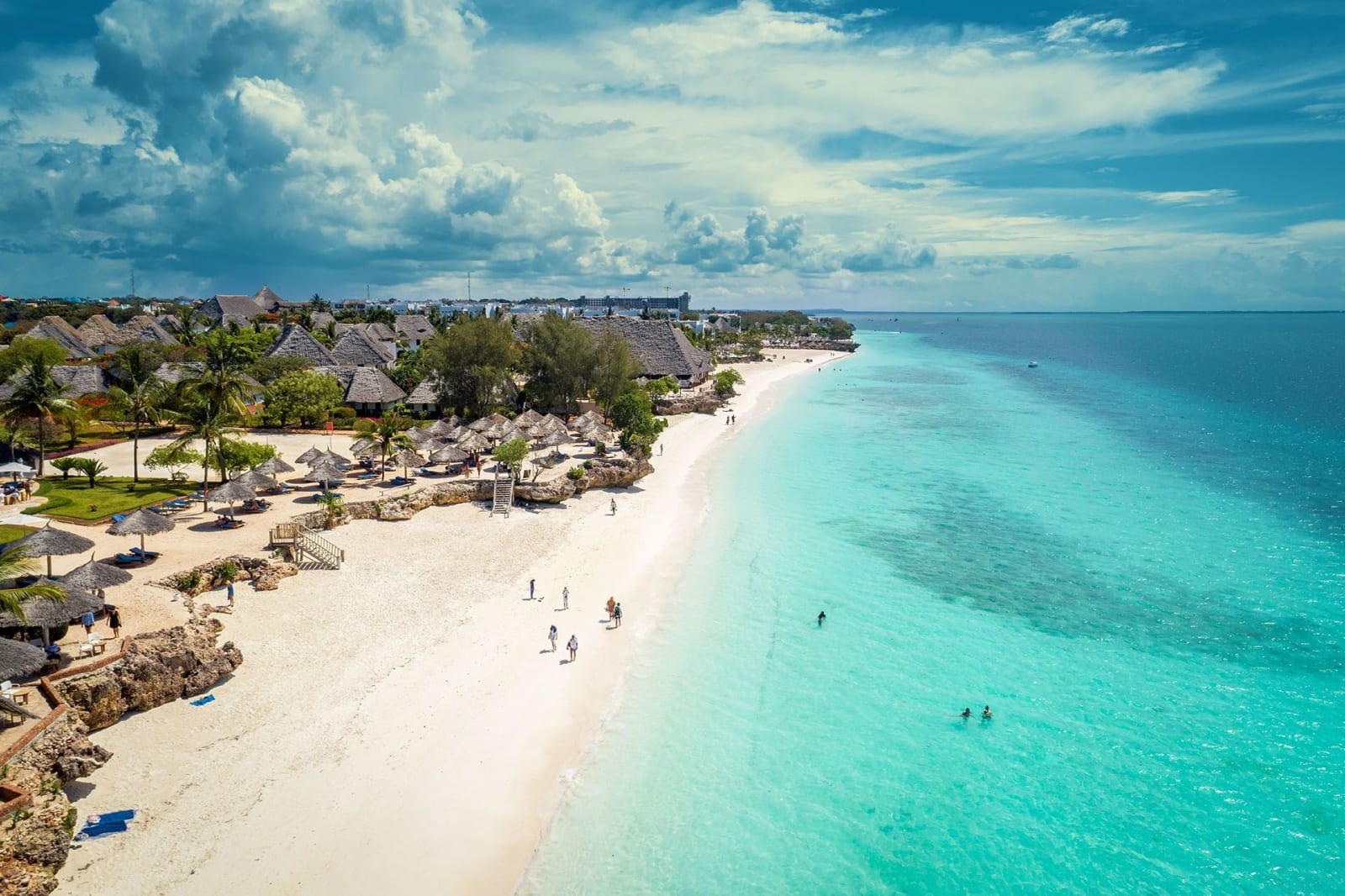
After days of early morning game drives and active exploration, beach relaxation is the perfect complement to a safari adventure. Zanzibar, an island off Tanzania's coast, is renowned for its pristine white-sand beaches, warm Indian Ocean waters, and laid-back atmosphere. The island offers opportunities for swimming, snorkeling, diving, and water sports. Beyond beaches, you can explore Zanzibar's rich cultural heritage, historic Stone Town with its narrow streets and traditional architecture, and local spice farms. Spa treatments and wellness activities are widely available for rejuvenation. The combination of adventure and relaxation creates a well-rounded East African experience, allowing you to process the incredible wildlife encounters while enjoying tropical paradise. A few days on Zanzibar after safari provides the perfect transition before returning home.
 GoExplore SafarisKampala, Uganda4.8(85 reviews)
© 2026 SafariFind. All rights reserved.
