18 daysPrivate
18-Day Ultimate African Journey
by
Highlights
- Rhino Tracking
- Guided Game Drives
Loading SafariFind...
by
SafariFind app
Keep up with your inquiries and bookings, and message operators wherever you are.

Day 1
Entebbe International Airport
Meals: Dinner
Day 2
Murchison Falls National Park
Meals: Breakfast, Lunch, Dinner
Day 3
Kibale Forest National Park
Meals: Breakfast, Lunch, Dinner
Day 4
Kibale National Park & Queen Elizabeth National Park
Meals: Breakfast, Lunch, Dinner
Day 5
Mgahinga Gorilla National Park
Meals: Breakfast, Lunch, Dinner
Day 6
Kigali Rwanda
Meals: Breakfast, Lunch, Dinner
Day 7
Volcanoes National Park
Meals: Breakfast, Lunch, Dinner
Day 8
Arusha, Tanzania
Meals: Breakfast, Lunch, Dinner
Day 9
Serengeti National Park
Meals: Breakfast, Lunch, Dinner
Day 10
Zanzibar (Tanzania Beaches)
Meals: Breakfast, Lunch, Dinner
Day 11
Zanzibar Island
Meals: Breakfast, Lunch, Dinner
Day 12
Abeid Amani Karume International Airport
Meals: Breakfast, Lunch
Year Round
Jun 2026 – Oct 2026
| Season | 3 – 4 people |
|---|---|
Year Round Jun 2026 – Oct 2026 | $12,773 |
Uganda is home to some of Africa's most iconic wildlife. You can encounter endangered mountain gorillas in their natural habitat, chimpanzees in their forest homes, and golden monkeys in the volcanic highlands. Beyond primates, Uganda's national parks like Murchison Falls offer excellent opportunities to spot elephants, lions, buffalo, giraffes, antelopes, and numerous bird species. The country is particularly renowned for primate trekking experiences that you won't find elsewhere in Africa.
Mountain gorilla trekking is generally safe when conducted with experienced guides and proper preparation. Treks typically involve hiking through misty volcanic forests at moderate to challenging elevation, which can take 2 to 8 hours depending on gorilla location. You'll trek in small groups with trained guides who know the gorillas' movements and behavior. Physical fitness is important, and you should be prepared for muddy terrain and variable weather. The experience of observing these magnificent creatures in their natural environment is truly life-changing and worth the physical effort involved.
The Serengeti offers excellent wildlife viewing year-round, but the best time depends on what you want to see. The dry season from June to October is ideal for the Great Migration, when millions of wildebeest and zebras move across the plains in search of fresh grazing. The rainy season from November to May brings lush vegetation and is excellent for bird watching and seeing newborn animals. The shoulder months of May and November offer fewer crowds and good wildlife viewing. Each season has its unique advantages for safari experiences.
While the Ngorongoro Crater can be experienced in a day trip, dedicating 2 to 3 days allows for a more immersive experience. This timeframe gives you the opportunity to descend into the crater for game drives, explore the rim ecosystem, and potentially spot the crater's resident lions, elephants, buffalo, and numerous other species. A multi-day visit also allows you to witness different lighting conditions and wildlife activity patterns throughout the day, and experience the stunning landscape during sunrise and sunset.
For an extended East African journey, pack layers as temperatures vary with altitude and season. Bring neutral-colored clothing for safari game drives (avoid bright colors that startle wildlife), comfortable hiking boots for trekking, and lightweight, breathable clothes for warmer areas. Include sun protection: high SPF sunscreen, a wide-brimmed hat, and sunglasses. For Zanzibar's beaches, pack swimwear, light cover-ups, and reef-safe sunscreen. Don't forget binoculars for wildlife viewing, a camera with extra batteries, medications, insect repellent, and a light rain jacket. Check weather forecasts for your specific travel dates, as conditions vary seasonally.
Yes, vaccinations and travel insurance are highly recommended for East African travel. Common vaccinations include yellow fever, typhoid, and routine immunizations. Malaria prophylaxis is typically recommended for most safari regions, though risk levels vary by destination and season. Travel insurance should cover trip cancellation, medical evacuation, and healthcare costs, as medical facilities in remote safari areas are limited. It's essential to consult with a travel health clinic 4-6 weeks before departure for personalized recommendations based on your itinerary and health history. Check your country's official health advisory for current requirements.
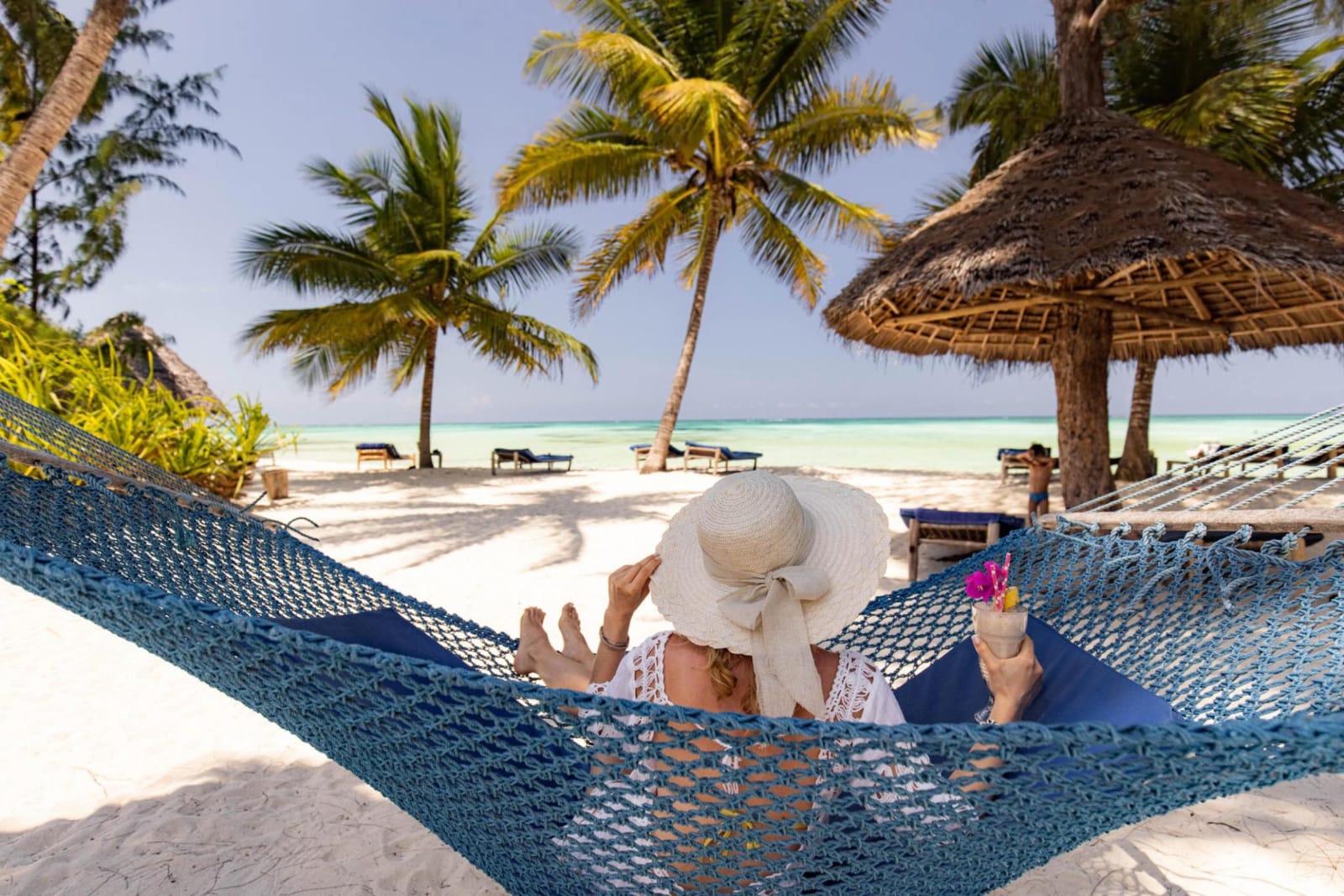
Zanzibar is a fascinating blend of African, Arab, Indian, and European influences shaped by centuries of trade. The Swahili culture is evident in the architecture, cuisine, language, and warm hospitality of the local people. Visitors can explore historic Stone Town with its narrow winding streets and ornate carved doors, visit spice plantations that made Zanzibar famous, interact with local communities, and enjoy traditional Swahili cuisine featuring fresh seafood and aromatic spices. The island's rich cultural heritage, combined with pristine beaches and crystal-clear waters, makes it the perfect relaxing conclusion to an active safari journey.
Chimpanzee trekking typically lasts 3 to 6 hours, including the trek through forest and time spent observing the chimps. The difficulty level is moderate to challenging, involving hiking through dense vegetation, often on uneven terrain and in humid conditions. Unlike mountain gorilla trekking, chimpanzee treks are generally less strenuous in terms of elevation gain, but require good physical fitness and determination as chimps move frequently through their territory. Guides are skilled at locating chimp groups, and the experience of watching these intelligent primates in their natural habitat is unforgettable. Proper footwear and fitness preparation are important.
A comprehensive safari package typically includes park entrance fees, all game drives with professional guides, airport transfers, accommodation, meals as specified, vehicle drinking water, and emergency evacuation coverage. These inclusions cover the core safari experience. However, international flights, visa fees, travel insurance, tips for guides and staff, personal expenses, and alcoholic beverages are usually not included. Some packages may have additional costs for optional activities, premium accommodations, or special experiences. Always clarify with your operator what's covered to avoid unexpected expenses during your trip.
Yes, an 18-day itinerary is an excellent duration for exploring multiple East African countries and experiencing diverse wildlife and landscapes. This timeframe allows you to spend meaningful time in Uganda for primate trekking, Rwanda for mountain gorillas, Tanzania for the Serengeti and Ngorongoro Crater, and Zanzibar for beach relaxation. Rather than rushing through destinations, you'll have adequate time for game drives, trekking experiences, cultural interactions, and acclimatization. The 18-day duration balances comprehensive exploration with manageable travel logistics, making it ideal for first-time African visitors seeking a complete East African experience.
 GoExplore SafarisKampala, Uganda4.8(85 reviews)
© 2026 SafariFind. All rights reserved.
