2 daysPrivate
2-Day 2-Day Holiday Offer from Zanzibar- Tarangire and Crater
by
Highlights
- Big Five Game Drives
- Expert naturalist guide throughout
Loading SafariFind...
by
Zanzibar-Arusha Airport-Tarangire National Park
Tarangire National Park
Meals: Lunch, Dinner
Ngorongoro Crater to Zanzibar
Ngorongoro Crater
Meals: Breakfast, Lunch
Year Round
Year-round
| Season | Solo traveller | 2 people | 3 – 4 people | 5 – 6 people | 7+ people | Child rate | Single suppl. |
|---|---|---|---|---|---|---|---|
Year Round Year-round | $1,500 | $1,000 | $900 | $850 | $800 | $1,000 | $300 |
Child rate applies to travelers under 12 years. Single supplement applies to solo travelers taking their own room.
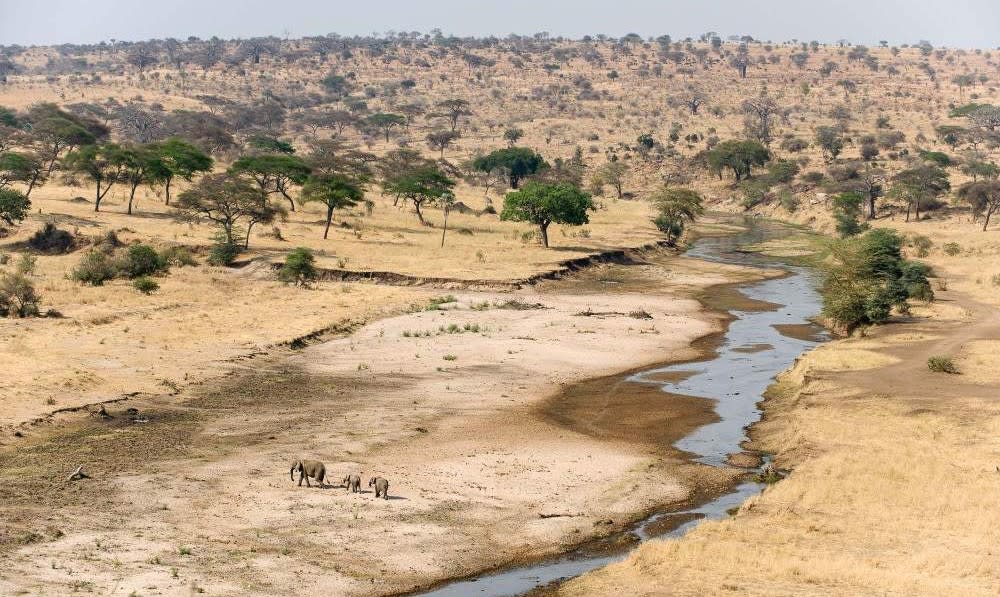
Tarangire National Park is home to an impressive array of wildlife, including the Big Five (lions, leopards, elephants, buffalo, and rhinoceros), as well as zebras, giraffes, wildebeest, warthogs, and numerous bird species. The park is particularly famous for its large elephant herds, especially during the dry season when animals congregate around the Tarangire River. You'll also encounter various antelope species, hyenas, and if you're fortunate, African wild dogs. The diverse ecosystem supports over 300 bird species, making it a paradise for birdwatchers.
Absolutely. The Ngorongoro Crater is one of Tanzania's most remarkable natural wonders and a UNESCO World Heritage Site. This massive volcanic caldera spans 19 kilometers across and contains a self-contained ecosystem with an estimated 25,000 large animals, including lions, elephants, buffalo, zebras, and flamingos. The crater's unique geography creates excellent wildlife viewing opportunities as animals are concentrated within the crater floor. The stunning landscape, combined with exceptional game viewing, makes it an essential destination for any Tanzania safari experience.
For a 2-day Tanzania safari, pack lightweight, neutral-colored clothing (khaki, tan, olive green) suitable for warm days and cool evenings. Bring a light jacket or fleece for early morning and late evening game drives. Essential items include a wide-brimmed hat, sunglasses, high-SPF sunscreen, insect repellent, and comfortable walking shoes. Pack a camera with extra batteries and memory cards, binoculars for wildlife viewing, and any personal medications. Bring a small daypack for game drives and toiletries for your accommodation. Avoid bright colors and perfumes as these can attract insects and disturb wildlife.
A domestic flight from Zanzibar to Arusha typically takes approximately 1 to 1.5 hours, depending on weather conditions and the specific flight route. This relatively short flight allows you to transition smoothly from your beach holiday in Zanzibar to your safari adventure. Airport transfers are arranged to pick you up from Arusha Airport and transport you directly to Tarangire National Park, allowing you to maximize your time on safari.
The best time to visit Tarangire and Ngorongoro Crater is during the dry season, from June to October, when wildlife viewing is optimal. During these months, animals congregate around water sources, making them easier to spot. The weather is pleasant with minimal rainfall, and roads are in excellent condition. December to February offers another good window with calving season providing opportunities to see young animals. Avoid the rainy seasons (March to May and November) when roads can become difficult and wildlife disperses across wider areas, though these periods offer lush landscapes and fewer tourists.
Most Tanzania safari packages include three meals daily: breakfast, lunch, and dinner. Breakfast is typically served early before morning game drives and consists of fresh fruits, cereals, eggs, and bread. Lunch is usually a packed meal or served at the lodge, featuring a variety of options including sandwiches, salads, and hot dishes. Dinner is a more substantial meal served at your accommodation with multiple courses. Meals are designed to accommodate various dietary preferences and restrictions. Bottled water is provided during game drives to keep you hydrated throughout the day.
Visa requirements for Tanzania depend on your nationality. Many countries' citizens can obtain a visa on arrival at Tanzanian airports or apply for an e-visa online before travel. Some nationalities may be exempt from visa requirements for short stays. It's essential to check the current visa requirements with the Tanzanian embassy or official government website well in advance of your trip, as regulations can change. Most safari packages do not include visa fees, so budget accordingly. Additionally, ensure your passport is valid for at least six months beyond your travel dates.
While specific vaccination requirements vary by your home country and medical history, common recommendations for Tanzania include vaccinations against yellow fever, typhoid, and hepatitis A. Malaria prophylaxis is typically recommended, especially for lower-altitude areas like Tarangire. Consult with a travel health clinic or your healthcare provider at least 4-6 weeks before departure to receive personalized medical advice based on your health status and the specific regions you'll visit. Travel insurance that covers medical emergencies is highly recommended, though not always included in safari packages.
The cost of a 2-day Tanzania safari varies depending on accommodation quality, season, and specific inclusions. Budget options range from $800 to $1,500 per person, while mid-range packages typically cost $1,500 to $3,000 per person. Luxury safaris can exceed $3,000 per person. Most packages include park fees, accommodation, meals, professional guides, and vehicle transfers, which represent significant value. Additional costs to budget separately include international flights, travel insurance, visa fees, tips for guides and staff, and personal expenses. Traveling during shoulder seasons (March-May or November) often offers better rates than peak season.
Yes, there is a strong possibility of seeing the Big Five (lion, leopard, elephant, buffalo, and rhinoceros) on a 2-day safari in Tarangire and Ngorongoro Crater. Tarangire is particularly known for its large elephant populations and healthy lion numbers, while Ngorongoro Crater offers excellent opportunities to spot buffalo, lions, and occasionally leopards. However, wildlife sightings are never guaranteed as animals are wild and move freely. Your experienced guide will use their knowledge to maximize viewing opportunities by understanding animal behavior and movement patterns. Morning and late afternoon game drives offer the best chances for wildlife encounters.
© 2026 SafariFind. All rights reserved.

