2 daysPrivate
2-Day Tsavo East Safari in Kenya
by
Highlights
- safari game drive
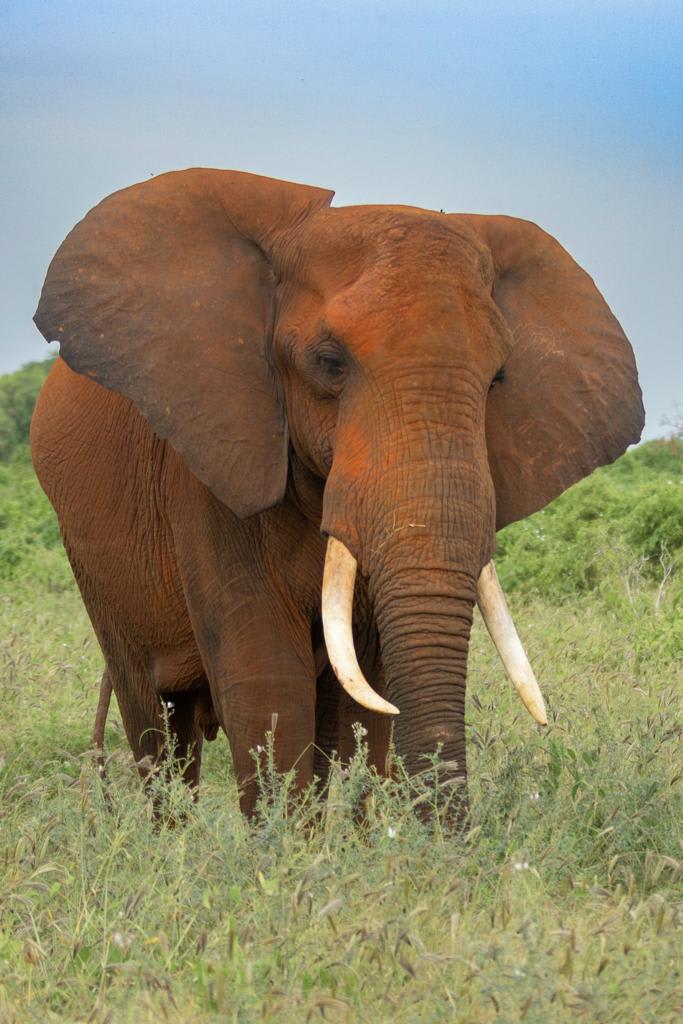
- elephants
Loading SafariFind...
by
SafariFind app
Keep up with your inquiries and bookings, and message operators wherever you are.

Diani Beach-Tsavo East
Tsavo East National Park
Meals: Lunch, Dinner
Tsavo East
Diani Beach
Meals: Breakfast
Year Round
Year-round
| Season | Solo traveller | 2 people | 3 – 4 people | 5 – 6 people | 7+ people | Child rate | Single suppl. |
|---|---|---|---|---|---|---|---|
Year Round Year-round | $750 | $500 | $450 | $425 | $400 | $385 | $165 |
Child rate applies to travelers under 14 years. Single supplement applies to solo travelers taking their own room.
Tsavo East National Park is renowned for its exceptional wildlife diversity. You can expect to see the park's famous red elephants (named for the reddish dust they roll in), maneless lions which are unique to this region, as well as giraffes, zebras, buffalo, and various predators. The park's scenic water holes are excellent vantage points for observing animals during game drives. The combination of diverse habitats—from open plains to dense woodland—makes Tsavo East one of Kenya's most rewarding safari destinations for wildlife viewing.
The best time to visit Tsavo East depends on your preferences. The dry seasons (June to October and January to February) offer the most reliable wildlife viewing, as animals concentrate around water sources, making them easier to spot. During these periods, vegetation is sparse, providing clearer sightlines for photography. The wet seasons (November to December and March to May) bring lush green landscapes and fewer tourists, though wildlife can be more dispersed. Each season offers unique advantages, so consider your priorities when planning your visit.
For a Tsavo safari, pack lightweight, neutral-colored clothing (khaki, beige, and muted greens) that blends with the landscape and helps avoid disturbing wildlife. Bring a wide-brimmed hat, sunglasses, and high SPF sunscreen as the sun is intense. Include a light jacket or sweater for early morning and evening game drives when temperatures drop. Comfortable, closed-toe hiking boots are essential for walking on rocky terrain. Don't forget binoculars for wildlife viewing, a camera with extra batteries, and any personal medications. Bottled water is provided during game drives, but consider bringing a reusable water bottle.
A typical safari game drive in Tsavo East lasts between 3 to 4 hours, though this can vary depending on wildlife activity and your guide's expertise. Early morning drives, which are often the most productive for spotting animals, usually start before sunrise and continue until mid-morning. Afternoon drives typically begin in the late afternoon and continue into the evening when many animals become more active. The duration allows enough time to explore different areas of the park and maximize your chances of encountering diverse wildlife while maintaining a comfortable pace.
Visa requirements for Kenya depend on your nationality. Many countries' citizens can obtain a visa on arrival or apply for an e-visa online before traveling, while others may be exempt from visa requirements. It's essential to check the official Kenyan immigration website or contact your nearest Kenyan embassy well in advance of your trip to determine your specific requirements. Processing times can vary, so plan accordingly. Additionally, ensure your passport is valid for at least six months beyond your intended stay, as this is a standard requirement for entry into Kenya.
While specific vaccination requirements depend on your health history and origin country, yellow fever vaccination is commonly recommended for Kenya travel. Malaria prophylaxis is also typically advised, particularly for Tsavo East, which is in a malaria-endemic region. Consult with a travel medicine clinic or your healthcare provider at least 4 to 6 weeks before your trip to receive personalized recommendations based on your medical history and the areas you'll be visiting. They can also advise on other precautions like vaccinations for hepatitis A and B, typhoid, and routine immunizations. Travel insurance that covers medical emergencies is highly recommended.
A 2-day safari provides a solid introduction to Kenya's wildlife and landscapes, allowing you to experience two different ecosystems—Tsavo East and Ngutuni Game Reserve—with multiple game drives. You'll have opportunities to see a variety of animals and get a genuine feel for safari life. However, wildlife viewing is never guaranteed, and longer safaris (3 to 5 days or more) typically offer better odds of encountering a wider range of animals and experiencing deeper immersion in the natural environment. That said, many travelers find a 2-day safari rewarding, especially when combined with other Kenya experiences.
Tsavo East National Park is one of Kenya's largest and most famous protected areas, known for its vast landscapes, red elephants, maneless lions, and diverse ecosystems ranging from open plains to volcanic highlands. Ngutuni Game Reserve, while smaller, offers a more intimate wildlife experience with a good variety of animals including giraffes, zebras, buffalo, and predators in a more compact area. Both destinations complement each other well—Tsavo East provides dramatic scenery and abundant wildlife, while Ngutuni offers closer encounters in a more manageable setting. Visiting both in a single safari gives you a comprehensive view of Kenya's wildlife diversity.
Safari costs in Kenya vary widely depending on the duration, accommodation level, season, and operator. Budget safaris can range from $150 to $300 per person per day, mid-range options typically cost $300 to $600 per day, while luxury safaris can exceed $1,000 per day. A 2-day safari package usually includes accommodation, meals, park fees, guides, and vehicle costs, making it a more economical option than booking components separately. Prices are generally lower during shoulder seasons and higher during peak travel periods. It's worth comparing packages from different operators and reading reviews to ensure you're getting good value for your investment.
Safari lodges in Kenya range from basic to luxury accommodations, typically offering comfortable rooms or cottages with en-suite bathrooms. Most lodges provide hearty, well-prepared meals featuring local and international cuisine, with breakfast, lunch, and dinner included in package deals. Meals are often served in dining areas overlooking wildlife areas or water holes, creating a memorable dining experience. Accommodations are usually situated to maximize wildlife viewing opportunities. Quality varies by lodge category, so research your specific accommodation beforehand. The inclusive meal arrangement eliminates the need to search for dining options and allows you to maximize time on game drives and wildlife observation.
 frenzy adventures limitedMombasa, Kenya
© 2026 SafariFind. All rights reserved.
