 1 / 8
1 / 8 2 daysPrivate
2-Day days of epic adventure through Tanzania’s wild heart!
by
Loading SafariFind...
1 / 8by
SafariFind app
Keep up with your inquiries and bookings, and message operators wherever you are.

Arusha to Tarangire: Elephant Kingdom Awaits
Tarangire National Park
Meals: Dinner
Ngorongoro Crater: Africa's Greatest Natural Wonder
Ngorongoro Crater
Meals: Breakfast
Year Round
Year-round
| Season | Solo traveller | 2 people | 3 – 4 people | 5 – 6 people | 7+ people | Child rate | Single suppl. |
|---|---|---|---|---|---|---|---|
Year Round Year-round | $1,200 | $800 | $720 | $680 | $640 | $560 | $240 |
Child rate applies to travelers under 12 years. Single supplement applies to solo travelers taking their own room.
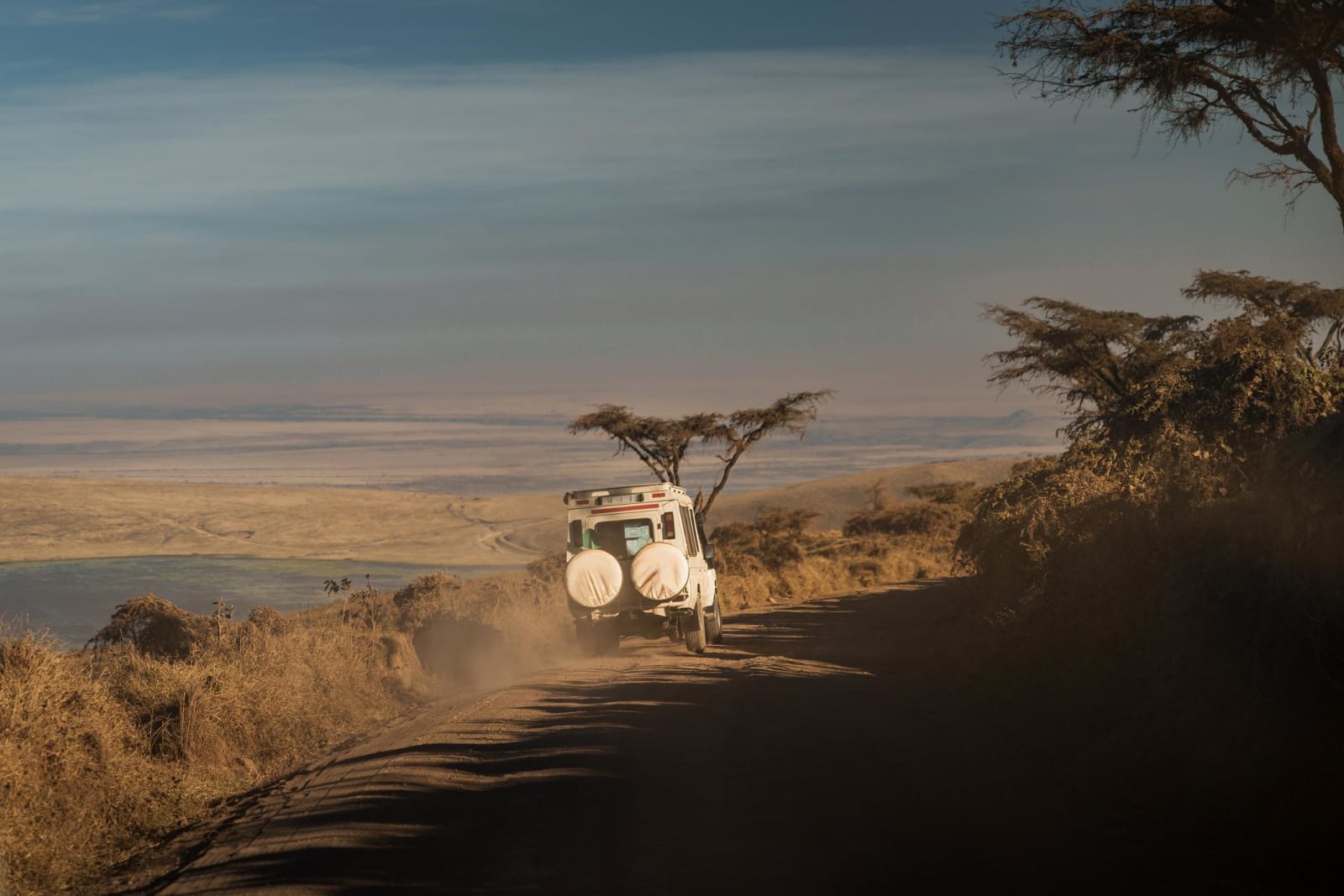
Tarangire National Park is renowned for its exceptional elephant populations, with massive herds congregating along the seasonal Tarangire River, especially during the dry season. Beyond elephants, you can expect to see lions, buffalo, zebras, giraffes, hyenas, and a diverse array of bird species. The park's open acacia-dotted plains provide excellent visibility for spotting predators and herbivores across vast, unspoiled terrain. The concentration of wildlife makes Tarangire one of Tanzania's premier game-viewing destinations, with Big Five sightings highly probable during game drives.
The Ngorongoro Crater is the world's largest unflooded caldera and functions as a self-contained ecosystem unlike anywhere else on Earth. This geological marvel creates a natural amphitheater where an astonishing concentration of wildlife—including lions, buffalo, zebras, and other game—inhabits a defined area, making sightings remarkably reliable. The crater's enclosed environment means animals have limited migration routes, resulting in consistently high game density. The combination of geological wonder and wildlife concentration makes Ngorongoro an extraordinary safari destination that offers both visual drama and exceptional animal encounters.
Yes, two days can deliver an exceptional safari experience when focused on the right destinations. Both Tarangire National Park and Ngorongoro Crater are concentrated wildlife-viewing zones with high animal density, meaning two full days of game drives yield outstanding sightings without feeling rushed. Rather than spreading yourself thin across multiple parks, this focused approach allows for deeper immersion in each location and maximizes your chances of memorable wildlife encounters. For travelers seeking quality over quantity, a two-day safari in these premier parks provides genuine depth and a comprehensive sense of Tanzania's diverse landscapes and ecosystems.
Tarangire National Park and Ngorongoro Crater offer distinctly different safari experiences. Tarangire features expansive, open plains with acacia trees and is particularly famous for its large elephant populations that congregate along the seasonal river. The landscape feels vast and wild, offering a sense of boundless African wilderness. Ngorongoro, by contrast, is a geological marvel—a massive unflooded caldera that creates an enclosed ecosystem. While Ngorongoro also offers impressive game density with lions, buffalo, and zebras, the experience is more intimate, with wildlife concentrated within the crater's natural boundaries. Tarangire emphasizes scale and openness; Ngorongoro emphasizes geological wonder and concentrated wildlife viewing.
Absolutely. A Tanzania safari focusing on Tarangire and Ngorongoro is an ideal introduction to African safari experiences. The high concentration of wildlife in both parks means first-time visitors have excellent chances of seeing iconic animals and experiencing genuine safari moments without extensive waiting or disappointment. Professional English-speaking guides are experienced at interpreting animal behavior and explaining ecosystems in ways that enhance understanding for newcomers. Additionally, ultra-luxury accommodations and amenities ensure physical comfort throughout your journey, allowing you to focus on the adventure and wildlife experience rather than logistical concerns. The combination of reliable wildlife viewing, expert guidance, and comfortable lodging makes this an excellent entry point into safari travel.
For a Tanzania safari, pack neutral-colored clothing in earth tones (khaki, tan, olive, brown) that blend into the landscape and don't disturb wildlife. Bring layers for temperature variations, as early morning and evening game drives can be cool, while midday heat is intense. Essential items include a wide-brimmed hat, sunscreen, sunglasses, and binoculars for wildlife viewing. Comfortable, closed-toe hiking boots or safari shoes are important for uneven terrain. Pack a light rain jacket, as afternoon showers can occur. Bring a camera with a good zoom lens, along with extra batteries and memory cards. Include personal toiletries, any prescription medications, and insect repellent. A small daypack is useful for carrying water and valuables during game drives. Check with your operator for specific recommendations, as accommodation amenities and climate conditions can influence packing decisions.
The best time for safari in Tarangire and Ngorongoro is during the dry season, typically June through October, when vegetation is sparse, water sources are limited, and wildlife congregates in predictable locations, making sightings more reliable. During this period, elephant herds in Tarangire are particularly concentrated along the seasonal river. The dry season also offers the most comfortable game-drive conditions with cooler temperatures and minimal rain. However, these parks offer year-round wildlife viewing. The wet season (November to May) brings lush green landscapes, fewer tourists, and excellent bird watching, though some roads may be more challenging. Your choice depends on whether you prioritize maximum wildlife concentration (dry season) or prefer fewer crowds and verdant scenery (wet season). Both periods offer rewarding safari experiences.
A comprehensive Tanzania safari package typically includes all national park entrance fees, so you don't need to arrange these separately. Accommodation is provided throughout your stay at lodges selected for the itinerary. All meals—breakfast, lunch, and dinner—are included daily, eliminating meal-planning concerns. Transportation is covered via private 4x4 safari vehicles, ensuring comfort and flexibility during game drives. Professional English-speaking guides are provided to lead your game drives and share expertise about wildlife and ecosystems. Bottled water is supplied during game drives to keep you hydrated. Airport transfers are typically included for seamless arrival and departure logistics. Government taxes and VAT are incorporated into the package price. However, international airfare, travel insurance, visa fees, tips and gratuities, personal expenses, and optional activities are typically not included, so budget accordingly for these items.
Tanzania safari pricing varies significantly based on accommodation level, season, group size, and operator. Ultra-luxury safari packages for two days typically range from mid-range to premium pricing, reflecting high-quality lodging, private vehicle transportation, and expert guides. Peak season (dry season, June-October) commands higher prices than shoulder or wet seasons. Many operators offer all-inclusive packages that cover park fees, meals, guides, and vehicles, simplifying budgeting. Additional costs to budget separately include international airfare, travel insurance, visa fees, tips and gratuities for guides and staff, and personal expenses. To get accurate pricing for your specific dates and preferences, contact safari operators directly with your travel dates and accommodation preferences. Consider booking during shoulder seasons for better value without sacrificing wildlife-viewing quality.
Visa requirements for Tanzania depend on your nationality and are subject to change. Most international visitors require a visa to enter Tanzania, though some countries have visa-free or visa-on-arrival agreements. Many travelers obtain a Tanzania visa through their nearest Tanzanian embassy or consulate before departure, though some nationalities can apply for a visa on arrival at Julius Nyerere International Airport in Dar es Salaam. The process and requirements vary by country, so check the official Tanzanian immigration website or contact your nearest Tanzanian embassy well in advance of your travel dates. Additionally, ensure your passport is valid for at least six months beyond your travel dates, as this is a standard requirement. Travel insurance that covers trip cancellation is also recommended. Your safari operator can often provide guidance on visa requirements, but you should verify current requirements through official government sources.
 isale safaris company limitedkilimanjaro, Tanzania
© 2026 SafariFind. All rights reserved.