 1 / 9
1 / 9 2 daysPrivate
2-Day Luxury Safari Tarangire National Park & Ngorongoro Crater from Zanzibar
by
Loading SafariFind...
1 / 9by
SafariFind app
Keep up with your inquiries and bookings, and message operators wherever you are.

Arrival in Arusha and Game Drive in Tarangire National Park
Tarangire National Park
Meals: Lunch, Dinner
Game Drive in Ngorongoro Crater then flight back to Zanzibar
Ngorongoro Crater
Meals: Breakfast, Lunch
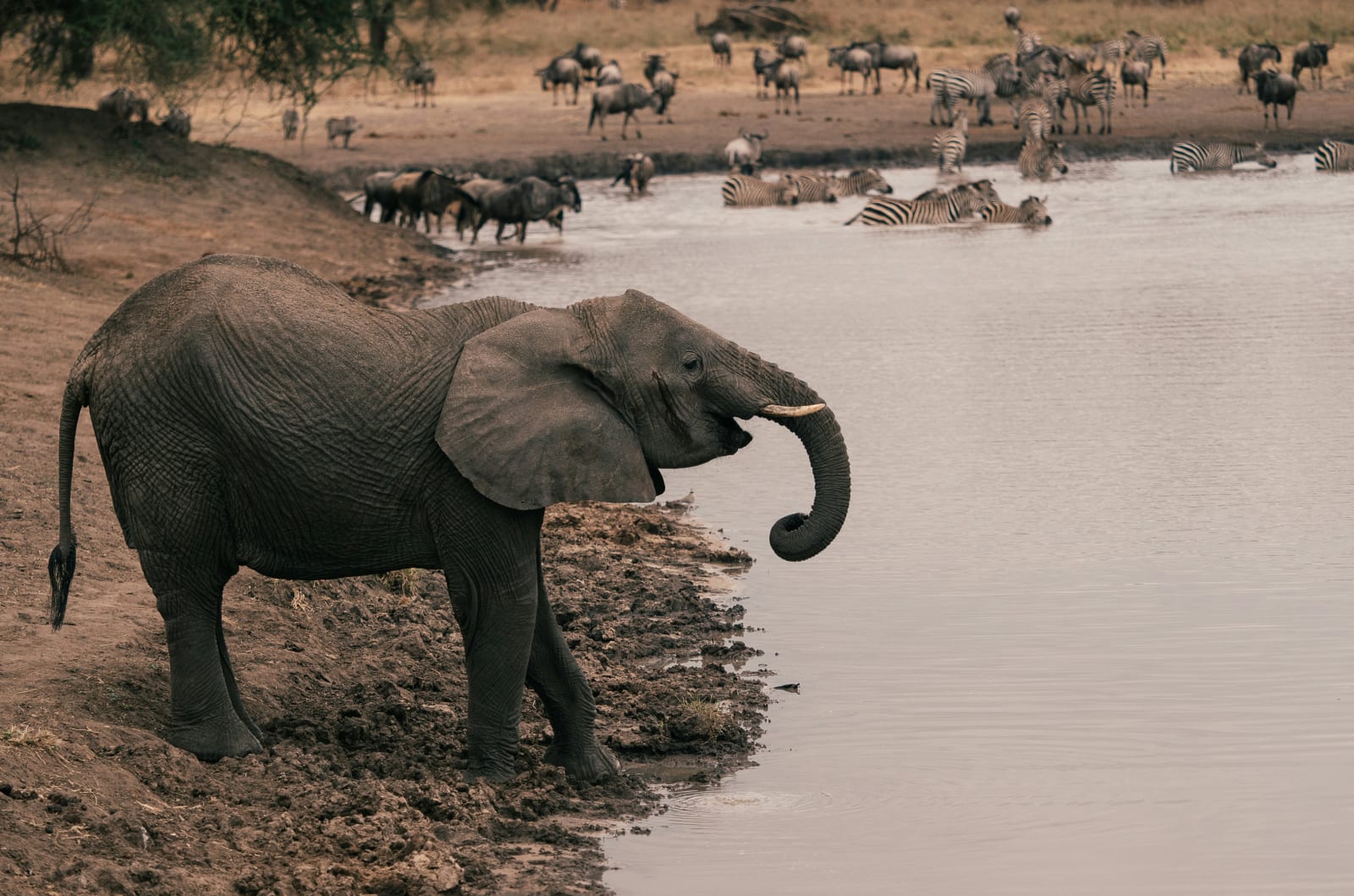
Tarangire National Park is renowned for its exceptional wildlife viewing opportunities. The park is particularly famous for its large elephant herds, which are among the largest concentrations in Tanzania. Beyond elephants, you'll encounter a diverse array of animals including lions, buffaloes, zebras, giraffes, wildebeest, and numerous bird species. The park's iconic ancient baobab trees create a stunning backdrop for wildlife viewing and provide excellent photo opportunities. The varied landscape—from grasslands to acacia woodlands and riverine areas—supports this incredible biodiversity, making Tarangire one of Tanzania's premier wildlife destinations.
Yes, the Ngorongoro Crater is home to the endangered black rhino, though sightings are never guaranteed as they are rare and elusive animals. The crater is one of the few remaining strongholds for black rhinos in Africa, and visitors do have a chance to encounter them during game drives. The crater's enclosed ecosystem and conservation efforts have helped protect this critically endangered species. While you may be fortunate enough to spot a black rhino, it's important to approach wildlife viewing with realistic expectations—sightings depend on factors like timing, luck, and the animals' natural movements throughout the crater.
The Ngorongoro Crater is a UNESCO World Heritage Site located in northern Tanzania and is one of the world's most remarkable natural wonders. It's the world's largest intact volcanic caldera, formed millions of years ago when a massive volcano collapsed inward. What makes it exceptionally special is its enclosed ecosystem—the crater floor contains a self-contained habitat supporting an incredible diversity of wildlife including lions, elephants, buffaloes, zebras, flamingos, and many other species. The crater's high walls create a natural barrier, concentrating wildlife in a relatively small area, which offers exceptional viewing opportunities. The dramatic landscape, with its steep crater walls and expansive floor, provides some of Africa's most breathtaking scenery.
Tanzania safaris vary in duration depending on your schedule and interests. A 2-day safari offers a quick yet meaningful wildlife experience and is ideal for travelers with limited time or those combining safari with other destinations like Zanzibar. Most classic Tanzania safaris range from 3 to 7 days, allowing for more extensive exploration of multiple parks and ecosystems. A 2-day itinerary can successfully cover two major parks—Tarangire and Ngorongoro—providing excellent wildlife viewing and natural beauty. For more comprehensive exploration of Tanzania's full safari circuit, including the Serengeti and additional parks, longer itineraries of 5-7 days are recommended.
Packing appropriately ensures comfort and safety during your safari. Essential items include lightweight, neutral-colored clothing (khaki, beige, olive) suitable for warm days and cooler mornings and evenings. Bring long sleeves and pants for sun protection and to minimize insect exposure. A wide-brimmed hat, sunglasses, and high-SPF sunscreen are crucial for protection against intense African sun. Comfortable walking shoes and closed-toe boots are recommended for game drives and any walking activities. Other essentials include a camera with extra batteries and memory cards, binoculars for wildlife viewing, a light jacket or sweater for early morning drives, and any personal medications. Don't forget toiletries, insect repellent, and a reusable water bottle. Check weather conditions for your specific travel dates, as Tanzania's climate varies seasonally.
The dry season, typically from June to October, is considered the best time for safari in northern Tanzania. During these months, wildlife concentrates around water sources, making animals easier to spot. The vegetation is less dense, improving visibility during game drives. January to February is another good period, offering dry conditions and excellent wildlife viewing. The wet season (November to May) brings lush green landscapes and is ideal for birdwatching, though wildlife viewing can be more challenging due to scattered water sources and denser vegetation. Each season has its advantages—the dry season offers superior wildlife encounters, while the wet season provides scenic beauty and fewer tourists. Your choice depends on your priorities regarding wildlife viewing density versus landscape aesthetics and crowd levels.
Visa requirements for Tanzania depend on your nationality. Most visitors require a visa, which can be obtained in advance from a Tanzanian embassy or consulate, or upon arrival at the airport (e-visa options are available for many nationalities). It's essential to check the current visa requirements for your specific country well before your travel dates, as regulations can change. Additionally, ensure your passport is valid for at least six months beyond your travel dates. Some nationalities may be exempt from visa requirements, so verify this with official Tanzanian immigration sources or your travel provider. It's recommended to arrange travel documentation early to avoid any delays or complications with your safari plans.
While specific vaccination requirements depend on your medical history and the regions you're visiting, certain vaccinations are generally recommended for Tanzania. Yellow fever vaccination is commonly advised and may be required depending on your origin country. Malaria prophylaxis is typically recommended, particularly for lower-altitude areas like Tarangire and Ngorongoro. Routine vaccinations (measles, mumps, rubella, tetanus, polio) should be up to date. Other vaccinations to discuss with a travel medicine specialist include hepatitis A and B, and typhoid. It's crucial to consult with a travel health clinic or your healthcare provider at least 4-6 weeks before your trip to receive personalized medical advice based on your health status, itinerary, and current disease prevalence in Tanzania.
A comprehensive luxury safari package typically includes all essential components for a seamless experience. Standard inclusions cover all national park entrance fees, professional English-speaking guides, private 4x4 safari vehicles for game drives, airport transfers, and comfortable accommodation throughout your journey. Meals are usually included—breakfast, lunch, and dinner daily—ensuring you're well-fed during your adventure. Bottled water during game drives keeps you hydrated in the African heat. Government taxes and VAT are typically incorporated into the package price. However, international airfare, travel insurance, visa fees, alcoholic beverages, tips and gratuities, personal expenses, and optional activities are generally excluded. It's important to review your specific package details to understand exactly what's covered and what you'll need to arrange or pay for separately.
Access from Zanzibar to northern Tanzania's safari parks involves a domestic flight. You'll fly from Zanzibar to Arusha Airport, which serves as the gateway to Tanzania's northern safari circuit, including Tarangire National Park and the Ngorongoro Crater. This flight typically takes around one hour and offers scenic views of the Tanzanian landscape. Airport transfers are usually arranged as part of your safari package, so you'll be met upon arrival and transported to your first destination. The combination of the short flight and ground transfers makes it convenient to transition from the tropical island atmosphere of Zanzibar to the wildlife-rich parks of northern Tanzania. This routing allows you to maximize your safari time while minimizing travel fatigue, making it ideal for shorter itineraries.
 Maasailand Adventure & AwarenessArusha, Tanzania
© 2026 SafariFind. All rights reserved.